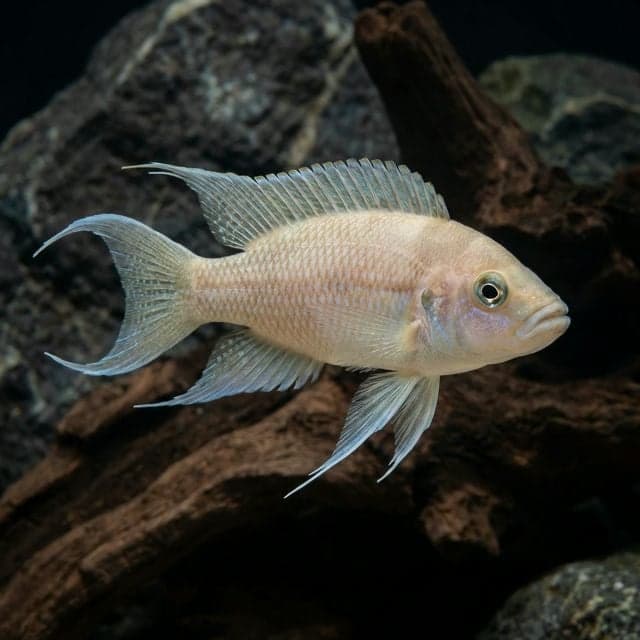
Five-bar Cichlid: Neolamprologus tretocephalus
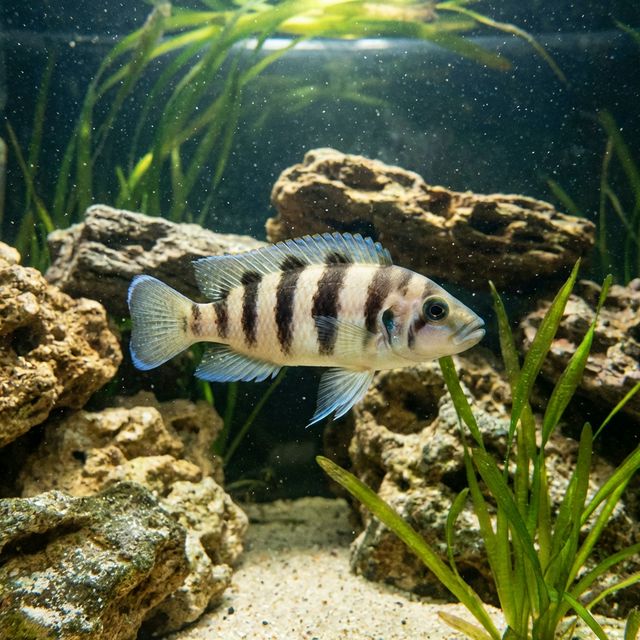
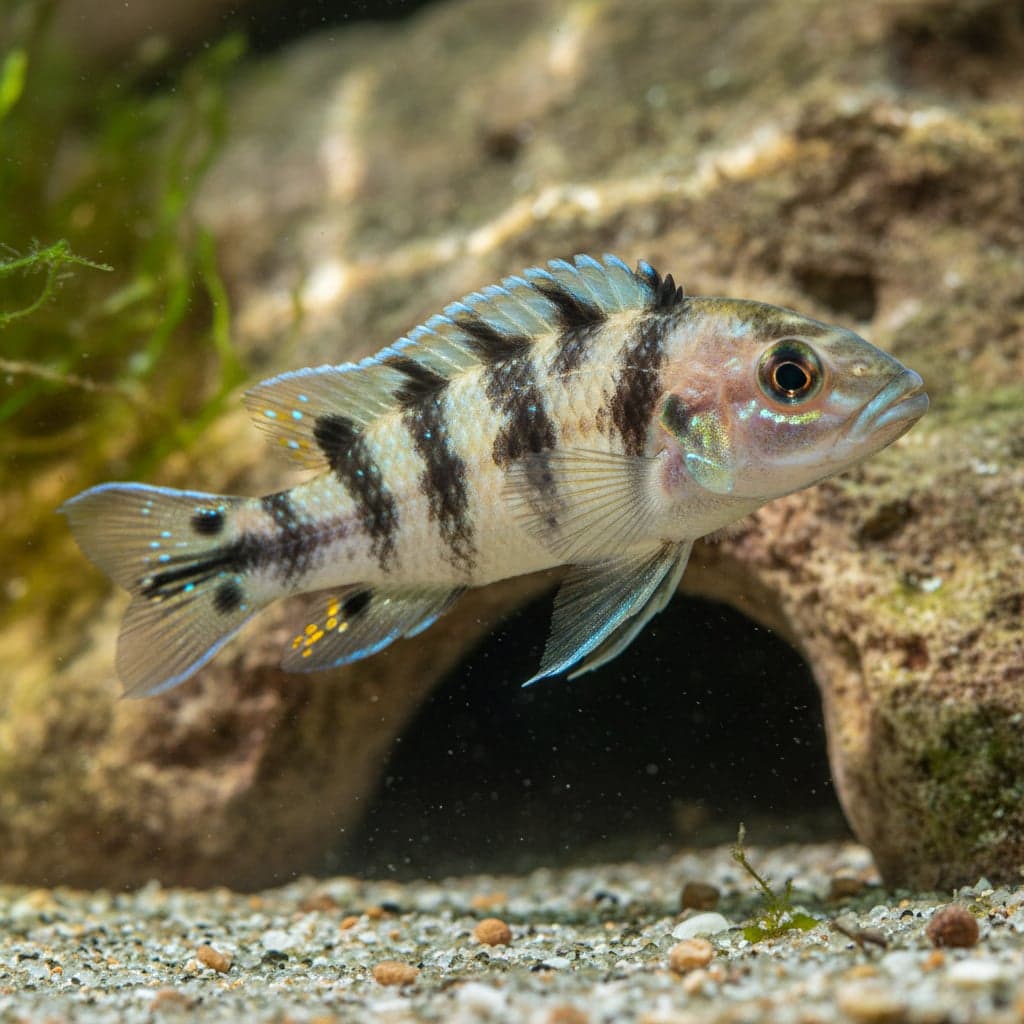
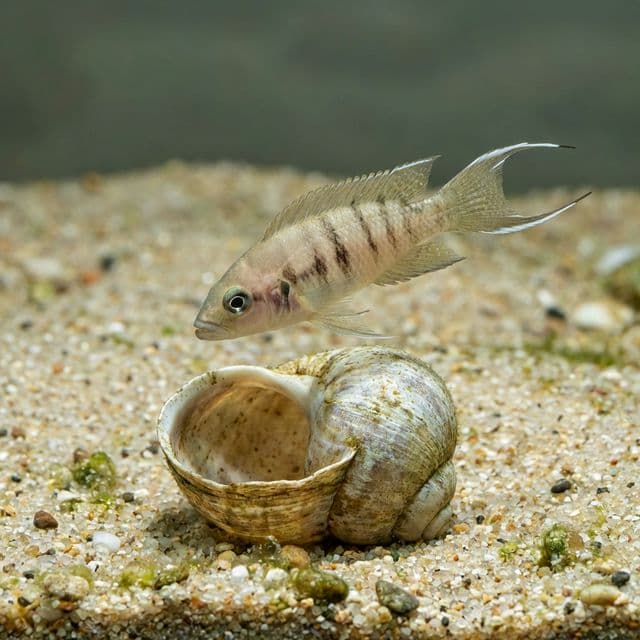
A chunky Tanganyikan cichlid with five bold dark bars on a pale body.
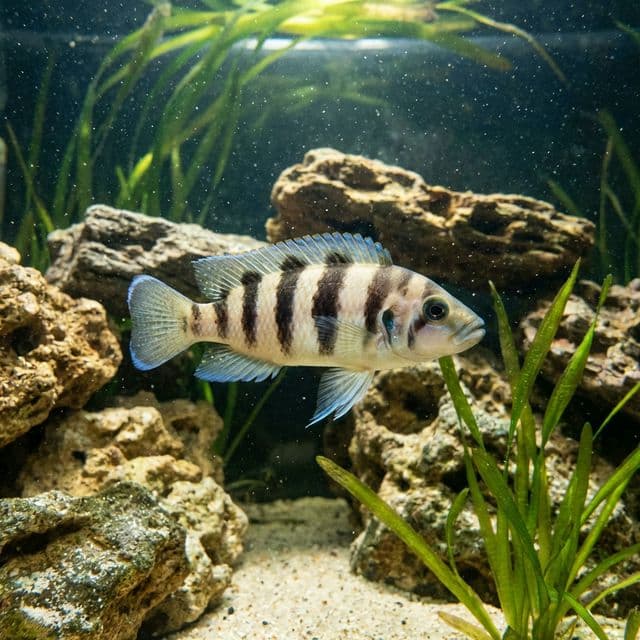
Five-bar Cichlid
The Five-bar Cichlid, scientifically known as Neolamprologus tretocephalus, is a captivating freshwater fish renowned for its striking appearance and vibrant personality. Characterized by the five distinct dark vertical bars that adorn its shimmering silver body, this species demonstrates a unique aesthetic appeal that quickly makes it a centerpiece in any aquarium. Moreover, its moderately elongated shape and vibrant coloration can add significant visual interest, drawing enthusiasts into a world of African cichlid beauty. The Five-bar Cichlid not only captivates aquarium hobbyists with its visual marvel but also engages them in the joys of fishkeeping—providing a rewarding challenge for both novice and experienced aquarists alike.
Originating from the rocky shorelines of Lake Tanganyika in East Africa, the Five-bar Cichlid holds great significance within the aquarist community due to its intriguing behaviors and relatively easy care requirements. These cichlids represent a dynamic part of the diverse biota of the lake, showcasing the importance of African cichlids in both natural ecosystems and aquariums. Their adapted lifestyle and maintenance needs reflect their natural habitat, making them ideal for those wishing to create a biotope aquarium that mimics their native conditions.
Natural Habitat & Origin
The Five-bar Cichlid is endemic to Lake Tanganyika, one of the largest and oldest freshwater lakes in the world, located between four African countries: Burundi, the Democratic Republic of the Congo, Zambia, and Tanzania. In its natural habitat, the Five-bar Cichlid can be found residing among rocky crevices and in the sandy substrates that the lake offers. These environments provide shelter and breeding grounds, reflecting the species’ need for complex structures in which it can thrive. The water in Lake Tanganyika is known for being clear and mineral-rich, with a slight alkalinity. The Five-bar Cichlid prefers a water temperature ranging from 23°C to 28°C (73°F to 82°F) and a moderate to high pH level, typically between 7.5 and 9.0, making it essential for aquarists aiming to replicate its living conditions.
The ecological setting of Lake Tanganyika is characterized by its unique geographic formation, which includes steep drops, numerous rocky outcrops, and varied depth gradients. The Five-bar Cichlid coexists alongside a plethora of other cichlid species, displaying specialized adaptations that have honed this fish's survival skills over thousands of years. The intricate relationship between these cichlids and their environment underscores the importance of conservation efforts in the region, as disturbances in their habitat can lead to significant declines in these remarkable fish populations.
Care Requirements
To ensure the well-being of the Five-bar Cichlid in captivity, several water parameters must be maintained. The ideal pH for these cichlids ranges from 7.5 to 9.0, with a temperature between 23°C and 28°C (73°F to 82°F). Additionally, it thrives in moderately hard water, with a hardness level of 10 to 20 dGH. A well-maintained aquarium is essential, so regular water changes and high-quality filtration are advised to keep these parameters stable.
As for tank setup, a minimum tank size of 30 gallons is recommended to provide adequate swimming space and maintain water quality. The substrate can vary, but a mixture of sand and fine gravel allows for natural burrowing behaviors. The incorporation of rocky structures and caves is crucial to replicate their natural environment and to provide hiding spots for the cichlids. As for lighting, moderate levels are preferable, contribute to live plants' growth, and create a serene atmosphere. While plants can be included, it is advisable to place them in areas less frequented by the cichlids, as they may uproot or damage delicate specimens.
Diet & Feeding
The Five-bar Cichlid is primarily an omnivore, exhibiting a broad range of dietary preferences in captivity. In order to promote optimal health and vibrant colors, a varied diet comprising high-quality cichlid pellets, flakes, and frozen or live foods is recommended. Flakes and pellets should constitute the staple of their diet, while supplemental feeding should include live or frozen options such as brine shrimp, bloodworms, and daphnia. This diverse offering ensures essential nutrients and mimics their natural feeding habits in the wild, thus boosting their vigor and overall well-being.
Feeding should be done twice daily, with careful attention to providing only what can be consumed within a few minutes to prevent water quality issues. Additionally, incorporating vegetable-based foods, such as spirulina flakes or blanched vegetables like zucchini and peas, can help maintain gut health and promote digestion, making it essential to provide a comprehensive diet for these captivating cichlids.
Behavior & Temperament
The Five-bar Cichlid is known for its intriguing behaviors and unique temperament. Generally, it displays a semi-aggressive demeanor, particularly during breeding seasons or territorial disputes. They are not a schooling species; rather, they prefer to establish territories within the tank. Therefore, it’s essential to provide plenty of space and hiding spots to reduce aggression.
In terms of tank positioning, Five-bar Cichlids are often found inhabiting mid to bottom levels of the aquarium, where they feel safest while exploring their surroundings. Observing these cichlids can be quite captivating, as they display various colors and behaviors as they interact with their environment and other tank mates.
Tank Mates
When selecting tank mates for the Five-bar Cichlid, compatibility is key. Ideal companions include other African cichlids that share similar water parameter requirements and can hold their ground, such as species from the genus Julidochromis, Lamprologus, or even some Mbuna types. A few suitable tank mates include:
- Julidochromis marlieri
- Neolamprologus brichardi
- Altolamprologus calvus
- Synodontis catfish
Conversely, it’s crucial to avoid housing them with smaller fish or overly docile species that may become targets of aggression. Fish like neon tetras and guppies should not be kept in the same aquarium, as they are likely to be bullied or predated upon by the Five-bar Cichlid.
Breeding
Breeding Five-bar Cichlids can be a rewarding endeavor, though it does require optimal conditions to ensure success. This species typically exhibits mouthbrooding characteristics during reproduction, where females incubate fertilized eggs in their mouths until they hatch. To encourage spawning, provide a suitable breeding environment, which includes flat rocks or caves for egg-laying and plenty of hiding spaces to reduce stress.
Once a pair has formed, the female will lay her eggs on a flat surface, often within the confines of their chosen cave. The male will fertilize the eggs, and the female will then carry them in her mouth for a period of 3 to 4 weeks until they are ready to swim freely. This nurturing behavior can be fascinating to observe, as the female diligently protects the fry and gradually introduces them to the rest of the tank once they are strong enough.
Common Health Issues
While the Five-bar Cichlid is a robust species, it can still be susceptible to certain health issues, particularly if water conditions are not carefully maintained. Common ailments include ich, Malawi bloat when the diet is too rich in protein, and bacterial infections linked to poor water quality. Maintain hard, alkaline Tanganyika-style water with strong filtration and regular changes. Quarantine new fish and watch for clamped fins, bloating, or sudden aggression. Stable parameters and a mostly herbivorous, varied diet keep Five-bar Cichlids colourful and resilient.