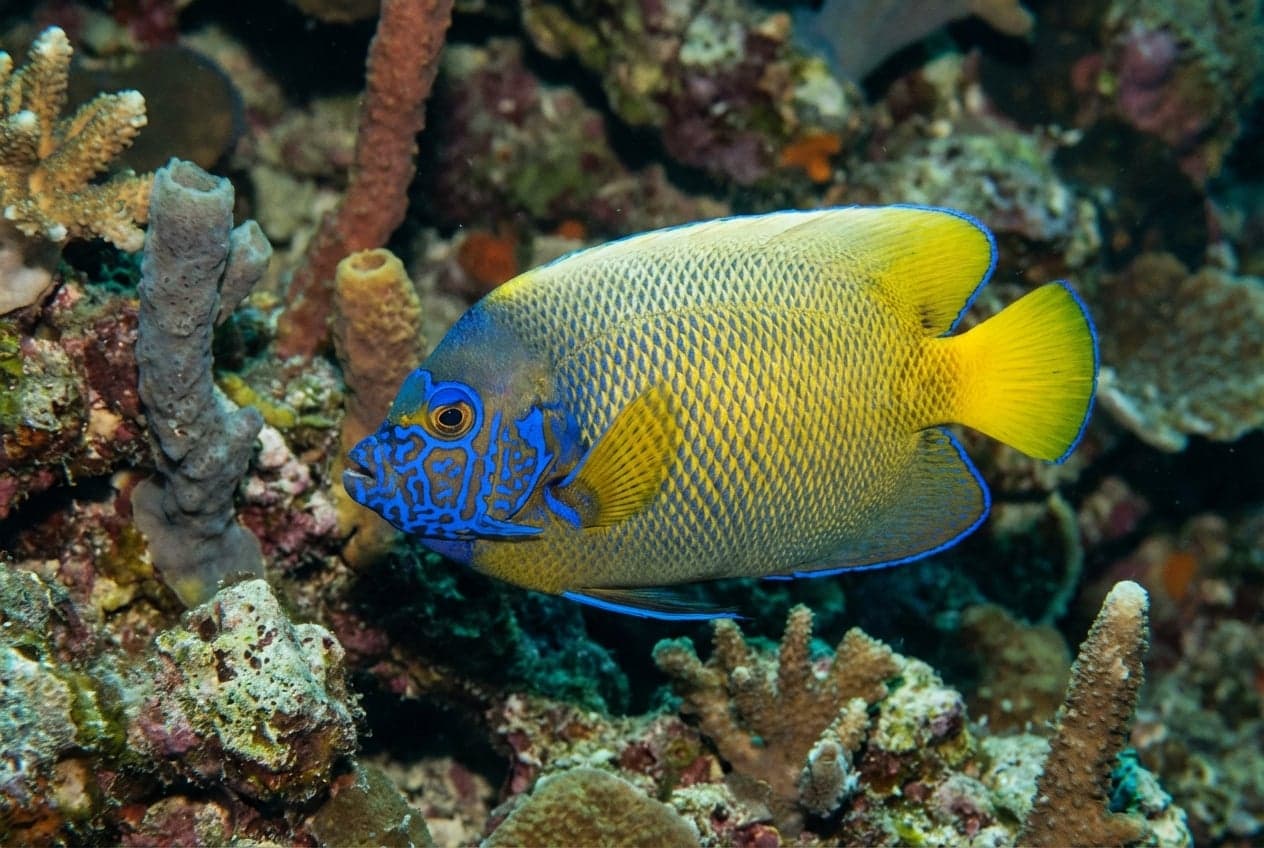
Flagfin Angelfish
A 25cm angelfish with a difficult reputation earned honestly — it is a sponge feeder that often refuses prepared food. For experienced keepers only.

Flagfin Angelfish
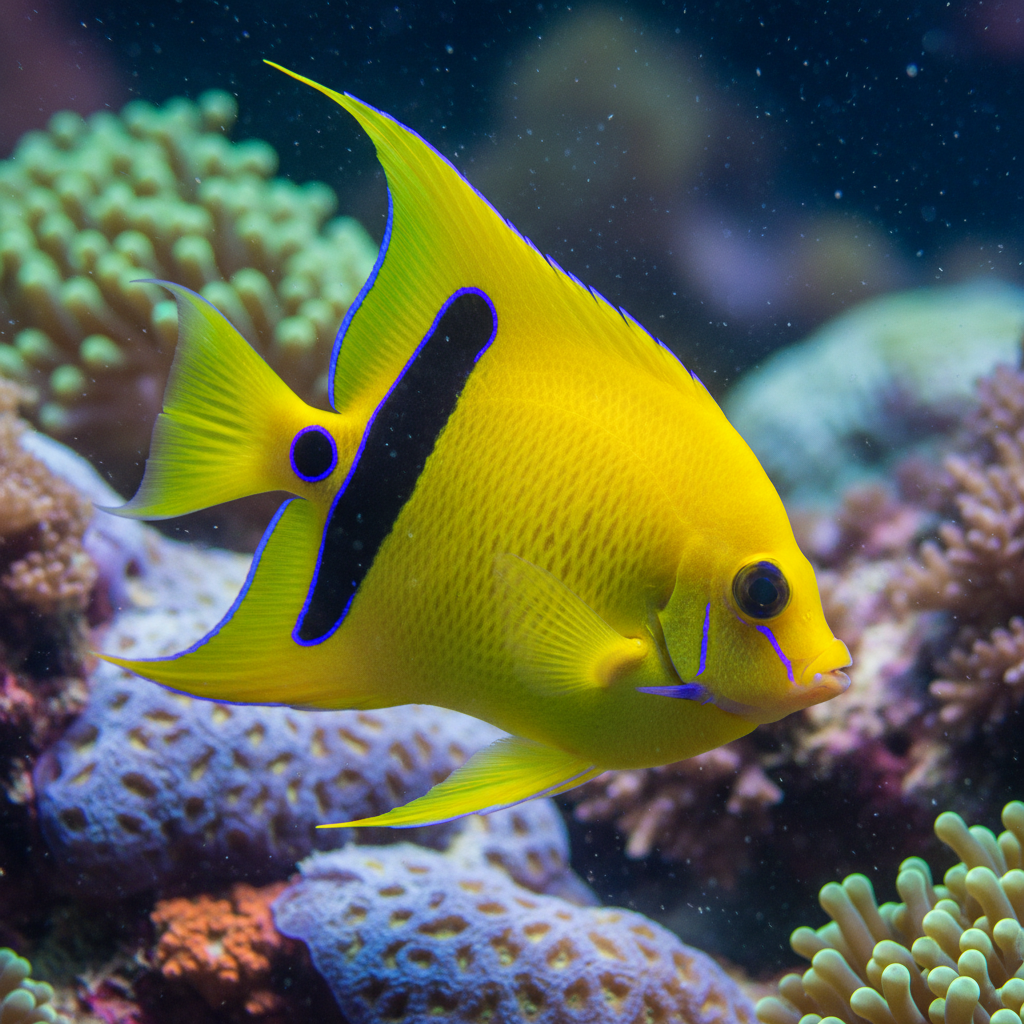
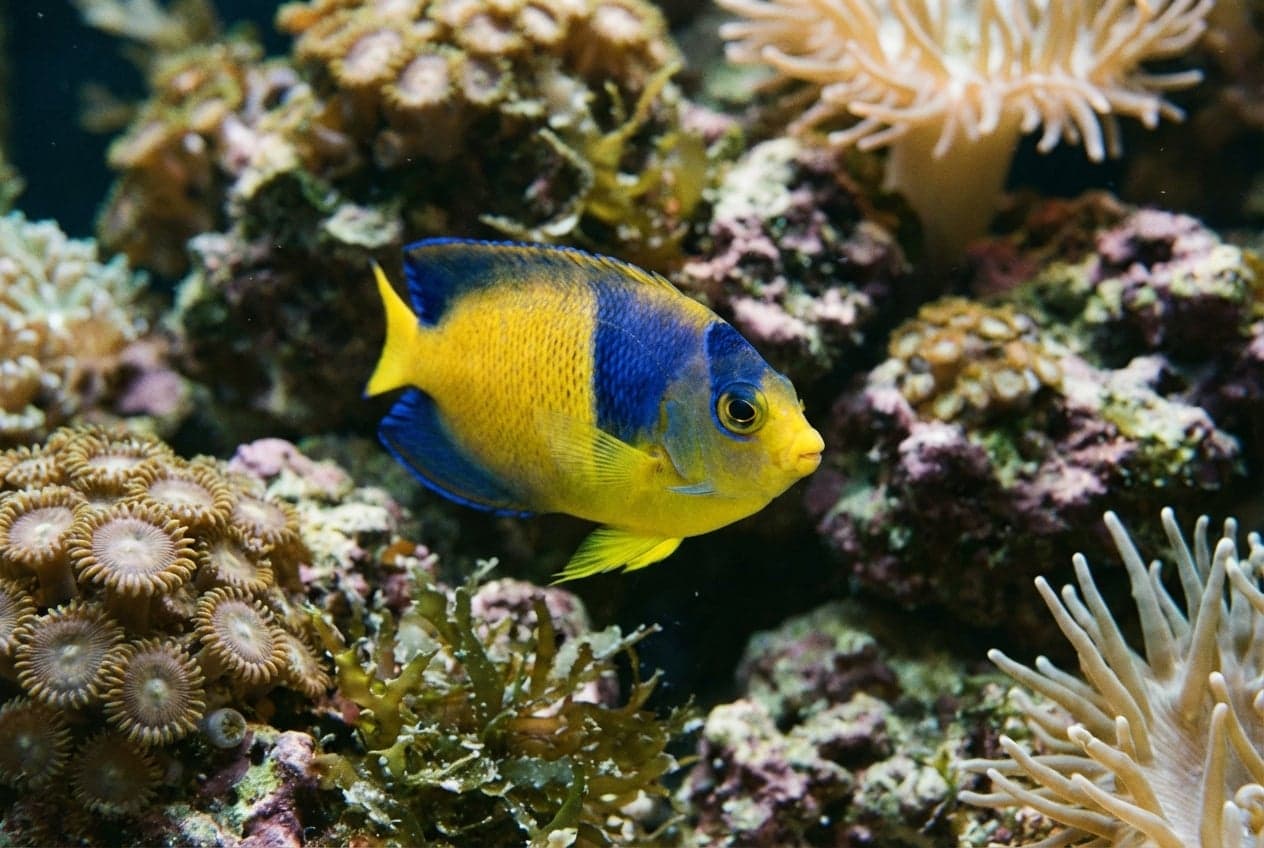
The Flagfin Angelfish (Apolemichthys trimaculatus), also known as the Threespot Angelfish, is a stunning marine species that has drawn attention for its unique beauty and intriguing behavior. Characterized by its vibrant yellow body and large size, this angelfish exhibits a striking blue or purple "lipstick" marking on its lips and a dark spot on its forehead. Its graceful swimming style and distinctive appearance can enhance the aesthetic appeal of a reef tank, captivating both novice and experienced aquarists alike. The Flagfin Angelfish is not only prized for its beauty but also for its significance in the aquarium hobby as a sophisticated centerpiece.
In the context of the aquarium trade, the Flagfin Angelfish represents the complexity of keeping large marine angels. Understanding its specific dietary needs—particularly its reliance on sponges and algae—is crucial for successful long-term care. As they grow, they can develop unique quirks and social behaviors, making each specimen a delightful subject for observation. The Flagfin Angelfish is a living testimony to the rich biodiversity of tropical marine environments.
Natural Habitat & Origin
The Flagfin Angelfish is indigenous to the warm marine waters of the Indo-Pacific region, ranging from East Africa to the Hawaiian Islands. These fish thrive in clear, current-swept reef slopes and deep lagoons rich in sponge growth and coral cover. Their natural habitat is characterized by high salinity, stable tropical temperatures, and pristine water quality. This environment contributes to the vibrant yellow coloration observed in the Flagfin Angelfish, as they are adapted to forage primarily on sponges and tunicates.
These fish are often found nestled among submerged reef structures such as ledges and caves, which offer both shelter and grazing sites. The bright light conditions typical of shallow reefs foster the growth of necessary algae, which complements their diet. Preservation of coral reefs is vital for wild populations, ensuring that the specialized ecological niche of the Flagfin Angelfish remains intact.
Care Requirements
To keep Flagfin Angelfish healthy, specific marine water parameters must be maintained. The ideal pH level for their aquarium should range between 8.1 and 8.4, with a temperature between 75°F to 82°F (24°C to 28°C). A salinity of 1.020 to 1.025 and a water hardness of about 8 to 12 dKH is advisable, reflecting the pristine reef conditions of their natural habitat. It is essential to employ a high-quality protein skimmer and reliable filtration to maintain crystal-clear water, as they are sensitive to fluctuating nitrogen levels.
Tank setup for Flagfin Angelfish should ideally start with a minimum size of 400 litres (105 gallons), as this 25cm sponge feeder needs significant swimming space and room to graze across rockwork. Use a substrate of aragonite sand or crushed coral to maintain alkalinity. Incorporate plenty of live rock, specifically arranged to create large caves and overhangs for security. Adequate lighting is necessary to support the growth of supplemental algae for grazing.
Diet & Feeding
Flagfin Angelfish are omnivorous by nature, requiring a balanced diet that includes both plant-based and protein-rich foods. Their diet should consist of high-quality flakes or pellets formulated for tropical fish, supplemented with live or frozen foods such as brine shrimp, daphnia, and bloodworms. Additionally, they benefit from blanched vegetables like zucchini, spinach, or peas, providing essential vitamins and minerals.
Feeding should occur 2-3 times daily, with portions small enough that they can be consumed within a few minutes. This feeding frequency helps mimic their natural foraging behavior while preventing overfeeding, which can lead to water quality issues. Offering a varied diet not only maintains their health but also enhances their color and overall vitality.
Behavior & Temperament
Flagfin Angelfish are known for their diverse social behaviors and often display complex interactions within their tank. While generally peaceful, they can exhibit territorial tendencies, especially during breeding or when kept in smaller tanks. It is advisable to keep them in groups or pairs, allowing them to showcase their social behaviors without excessive aggression. When establishing their territory, they may engage in displays such as fin flaring or gentle chasing, which is typical in the acclimatization phase.
In terms of tank placement, Flagfin Angelfish tend to occupy mid to upper levels of the aquarium, gracefully swimming in open water while using submerged vegetation for cover when needed. While they can be kept with various species, it’s important to monitor their interactions, as certain fish may provoke unnecessary stress or aggression.
Tank Mates
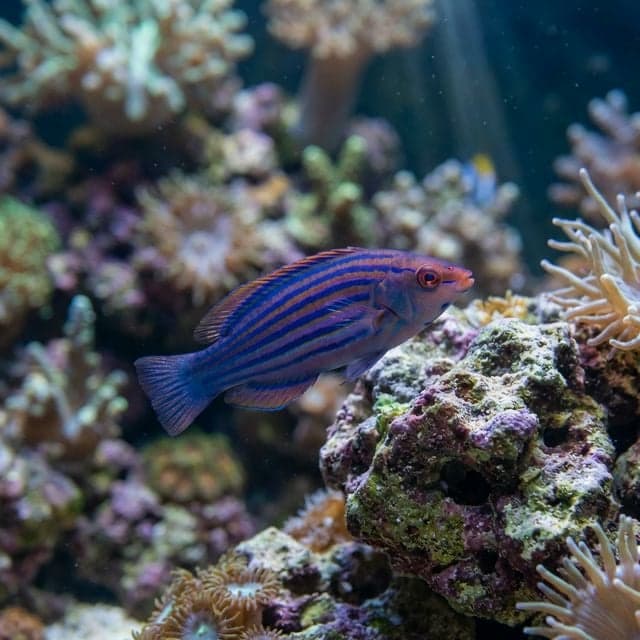
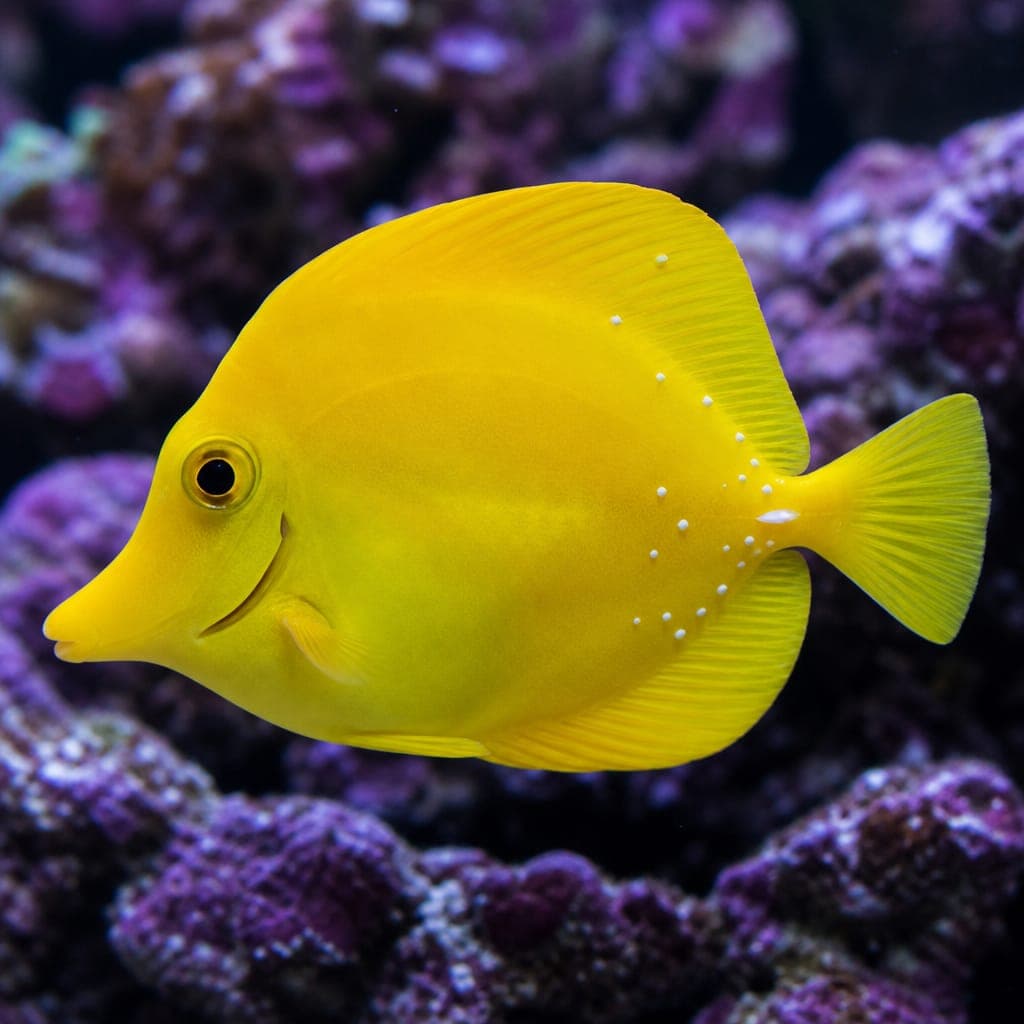
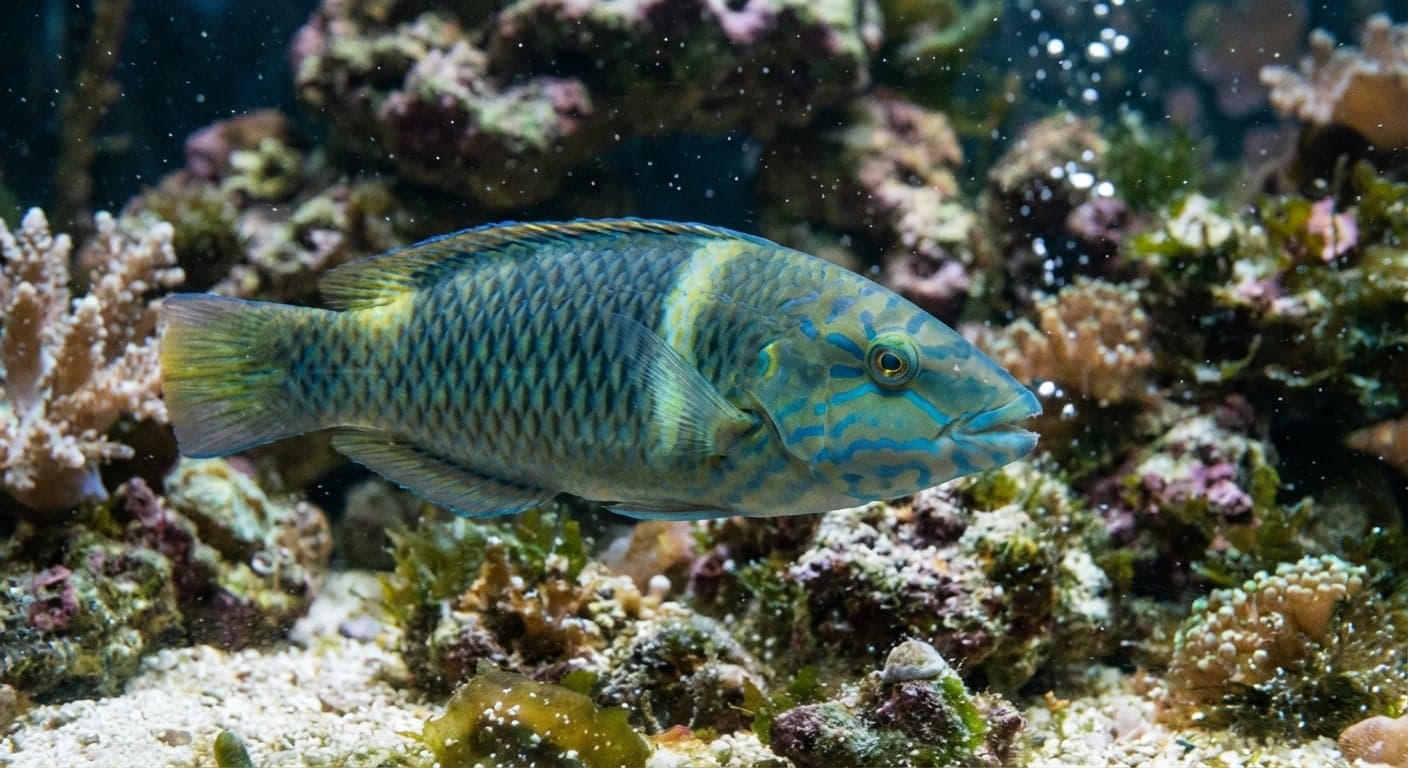
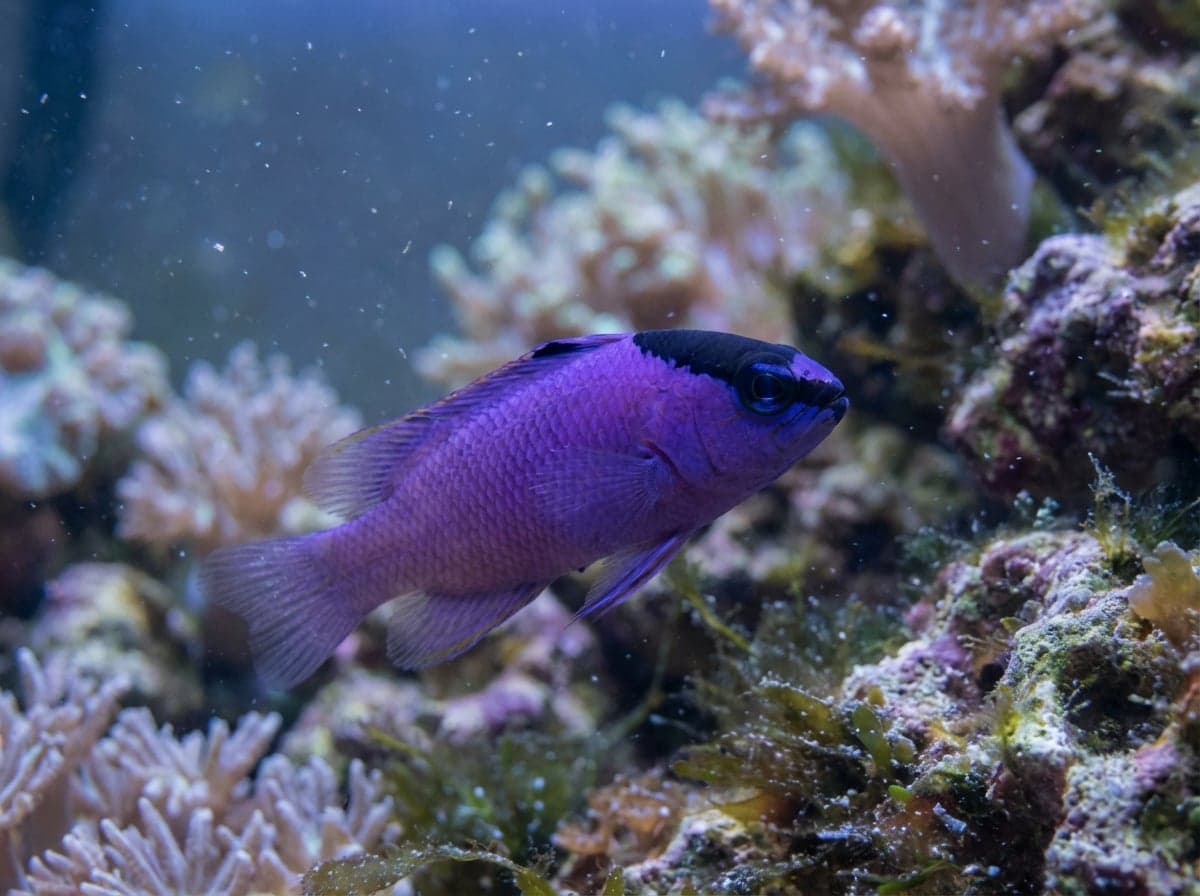
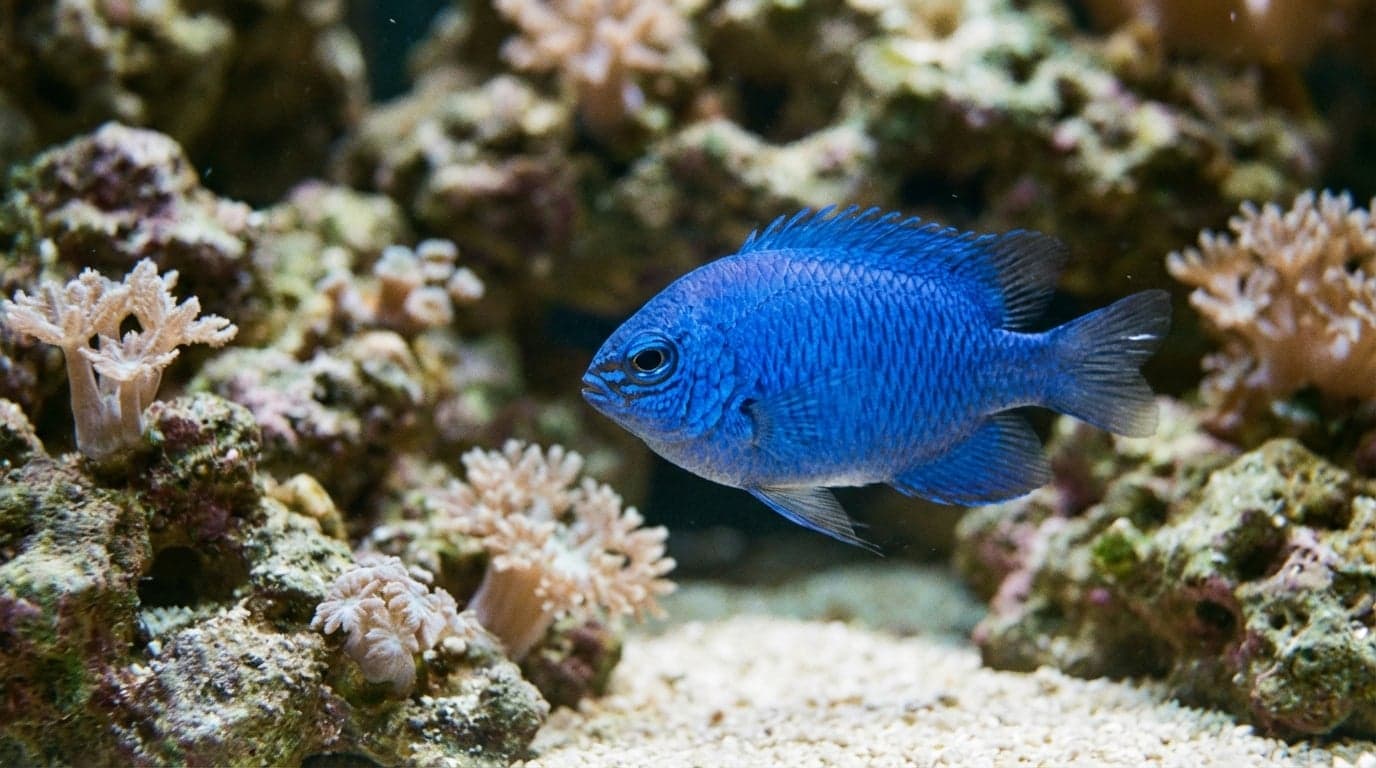
Selecting appropriate tank mates for Flagfin Angelfish is crucial for a harmonious reef environment. Compatible species include various tangs, larger wrasses, anthias, and robust damselfish that share similar water requirements. Ideal companions often exhibit comparable sizes and temperaments, promoting a peaceful coexistence in a large system. Some suitable tank mates are Zebra Tangs, Swallowtail Wrasses, and Flame Anthias.
Conversely, avoid keeping them with overly aggressive species or very small, timid fish that may be intimidated. As with many large angelfish, they may nip at certain corals and clams, so care should be taken in a full reef setup. Keeping tank dynamics in mind while selecting mates will ensure a well-balanced ecosystem that enhances the beauty and health of the aquarium.
Breeding
Breeding Flagfin Angelfish in captivity requires careful consideration of their environmental needs and spawning habits. These fish are often substrate spawners, typically choosing flat surfaces, such as stones or leaves, for laying eggs. To encourage breeding, maintain optimal water conditions with a slightly lower pH (around 6.5) and consistent temperature around 80°F (27°C). Providing a dedicated breeding tank with excellent water quality and minimal stress is beneficial.
Once the female has laid her eggs, both parents usually take turns guarding and caring for the developing fry. It is advised to remove any other tank mates once spawning has occurred, as they may consume the eggs or fry. After hatching, the fry can be fed infusoria or finely crushed flakes until they are large enough to eat baby brine shrimp. With the right conditions and care, successful breeding of Flagfin Angelfish can lead to a rewarding experience for aquarists.
Common Health Issues
Like many aquarium fish, Flagfin Angelfish are susceptible to certain health issues, including ich (ichthyophthirius multifiliis), fin rot, and bacterial infections. Ich is commonly caused by stress or sudden fluctuations in water temperature and can be treated with appropriate medications or by raising the temperature slightly to speed up the life cycle of the parasite.
To prevent these common health issues, maintaining a stable and clean environment is crucial. Regular water changes, monitoring water parameters, and observing fish behavior can help catch problems early. Additionally, quarantining new arrivals before introducing them to the display tank greatly reduces the risk of spreading disease. With stable parameters, a varied diet, and prompt treatment at the first sign of illness, Flagfin Angelfish remain healthy, colorful additions to a large marine system.