Flagtail Prochilodus: Semaprochilodus insignis
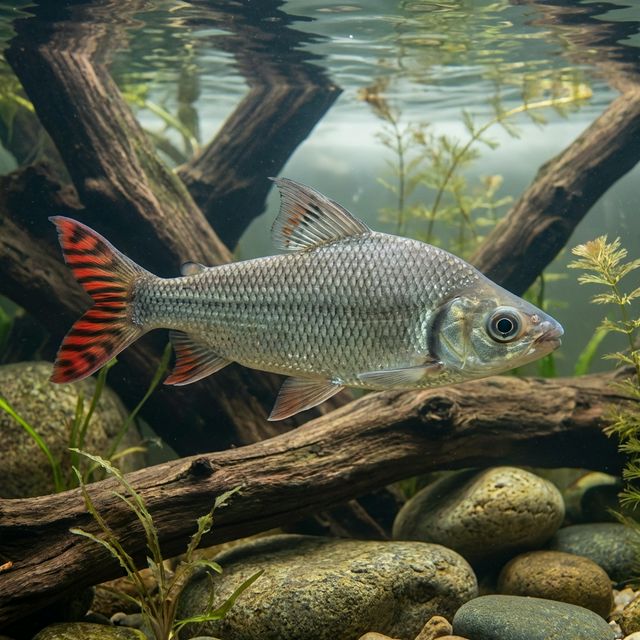
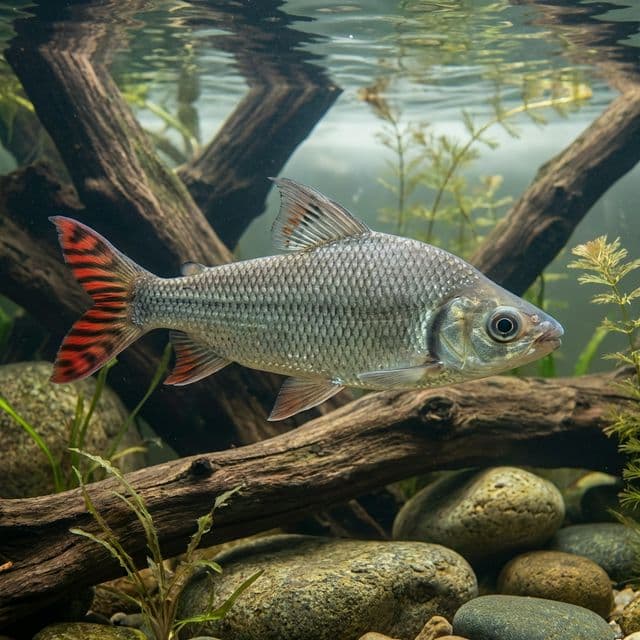
A large, silvery fish with a brilliantly patterned red and black "flag" tail. A detritivore.
Flagtail Prochilodus
The Flagtail Prochilodus, scientifically known as Semaprochilodus insignis, is a captivating freshwater fish that enchants aquarium enthusiasts with its striking appearance and dynamic behavior. Characterized by its elongated body and vibrant, multi-colored fins, the Flagtail Prochilodus displays a beautiful mix of silver, gold, and blue tones, complemented by a distinctive flag-like tail that gives this species its common name. These fish can grow up to 12 inches in length, making them a notable addition to larger aquariums. Their vibrant coloration and unique shape not only enhance the visual appeal of any tank but also draw the attention of both novice and experienced aquarists alike.
In the aquarium hobby, the Flagtail Prochilodus holds significance beyond its aesthetic value. Its active swimming nature and engaging behaviors can bring life to community tanks, making them an ideal choice for those looking to create a dynamic underwater environment. This fish is also valued for its role in maintaining tank cleanliness, as it often grazes on algae and detritus. As interest in environmental stewardship grows, more aquarists are seeking species that contribute positively to the ecosystem balance within their aquariums, and the Flagtail Prochilodus fits this role beautifully.
Natural Habitat & Origin
The Flagtail Prochilodus is native to the Amazon Basin, with a specific range that includes several tributaries in countries such as Brazil, Peru, and Colombia. This species primarily inhabits slow-moving waters, such as rivers and lakes, characterized by a mixture of clear and slightly turbid water. The environment in which the Flagtail Prochilodus thrives often includes soft, sandy substrates interspersed with submerged vegetation and driftwood. These natural habitats not only provide cover and breeding grounds but also facilitate foraging opportunities, which are essential for their diet in the wild.
In the wild, the Flagtail Prochilodus is commonly found in both blackwater and clearwater ecosystems, displaying a remarkable adaptation to its surroundings. Blackwater systems, rich in tannins, not only influence the water chemistry but also the biological community within which these fish coexist. The soft, acidic water found in these regions is vital for their health and well-being, mirroring the conditions that aquarists need to replicate to successfully keep them in captivity.
Care Requirements
To maintain a healthy environment for the Flagtail Prochilodus, it is essential to replicate its natural habitat as closely as possible. Ideal water parameters include a slightly acidic to neutral pH range of 6.0 to 7.5, a temperature range of 74°F to 82°F (23°C to 28°C), and a hardness level of 5 to 15 dGH. These parameters should be monitored consistently, as stability is critical for the health of the fish.
The minimum tank size for keeping a Flagtail Prochilodus is at least 75 gallons, given their potential size and active nature. Tank setup should include a sandy substrate to mimic its natural environment and plenty of open swimming space intermixed with hiding spots created from driftwood and aquatic plants. Lighting should be moderate to highlight their colors but can be dimmed in spots to provide cover. Incorporating floating plants can help create a shaded area, reflecting the natural conditions they prefer.
Diet & Feeding
Flagtail Prochilodus are primarily omnivorous, requiring a well-rounded diet to thrive in captivity. While they will accept high-quality flakes and pellets, these should be supplemented with a variety of other food sources to ensure their nutritional needs are fully met. Foods such as frozen or live brine shrimp, bloodworms, and daphnia can be offered periodically to promote vibrant color and overall health. Additionally, vegetable matter like spirulina flakes and blanched spinach should be included in their diet, supporting their natural foraging instincts and contributing to their digestive health.
Feeding should occur 1-2 times daily, with portions small enough to be consumed within a few minutes. This regimen not only ensures that the fish remain healthy and active but also reduces waste and maintains water quality in the aquarium.
Behavior & Temperament
Flagtail Prochilodus are generally peaceful and lively fish that thrive in a community tank setup. They exhibit social behavior, often forming schools of 5 to 10 individuals in larger environments, which helps simulate their natural grouping instincts. In terms of aggression, they are typically non-aggressive but can display territorial behaviors, especially during spawning or if kept in smaller spaces. Their lively nature may lead them to explore all vertical layers of the tank, frequently midwater or towards the surface, which makes it essential for aquarists to provide ample swimming room.
An interesting demeanor of the Flagtail Prochilodus is its tendency to occasionally leap from the water—this behavior signals excitement or the need for more aerobic space. Therefore, a secure tank lid is highly recommended to prevent any mishaps.
Tank Mates
When selecting compatible tank mates for the Flagtail Prochilodus, consider peaceful species that can coexist harmoniously. Suitable tank mates include other South American cichlids, larger tetras such as the Buenos Aires tetra, and species like the rainbow fish. Avoid housing them with aggressive or fin-nipping species such as bettas or smaller, delicate fish that might become targets of their natural curiosity during swimming.
For optimum compatibility, a mixed community setup with various species native to similar habitats can provide a tranquil atmosphere. When planning a community aquarium, ensure all species chosen can thrive under similar water parameters and dietary needs, minimizing potential stress and promoting a healthy environment.
Breeding
Breeding the Flagtail Prochilodus in captivity can be a rewarding yet challenging endeavor. These fish are known to exhibit batch spawning, where females can lay thousands of eggs in a single spawning event. To encourage breeding, a dedicated spawning tank with soft, slightly acidic water (pH 6.0-6.5) and a temperature between 78°F and 80°F (26-27°C) is recommended. Providing ample vegetation, such as fine-leaved plants where the eggs can be deposited, mimics their natural breeding conditions.
During the spawning process, males will typically court females through elaborate displays, and upon successful mating, the females will scatter their eggs across the tank's substrate before separating from the male. Post-spawning, it is advisable to remove adult fish from the spawning tank to prevent them from consuming the eggs or fry. The eggs will generally hatch within 24 to 48 hours, and proper care must be taken to feed the fry with infusoria before transitioning them to finely crushed flakes as they grow.
Common Health Issues
While the Flagtail Prochilodus is generally hardy, it is prone to certain health issues like ich, fin rot, and various parasitic infections common in freshwater fish. Monitoring water quality and maintaining stable environmental conditions are crucial preventative measures against these diseases. Regular tank maintenance, including partial water changes and avoiding overcrowding, is essential to minimize stress and potential illness.
Signs of disease to watch for include abnormal swimming behavior, changes in coloration, or the appearance of lesions and fuzzy growths on the body or fins. Quarantine for new arrivals and addressing any potential health concerns quickly can help ensure a long, healthy life for the Flagtail Prochilodus in your aquarium.