Florida Garfish: Lepisosteus platyrhincus
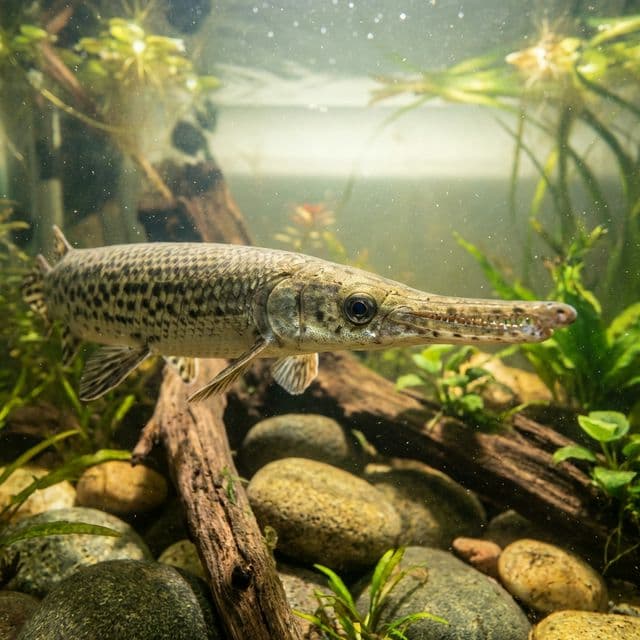
A living fossil. Long, torpedo-shaped body with a bony snout. Not for standard home aquariums.
Florida Garfish
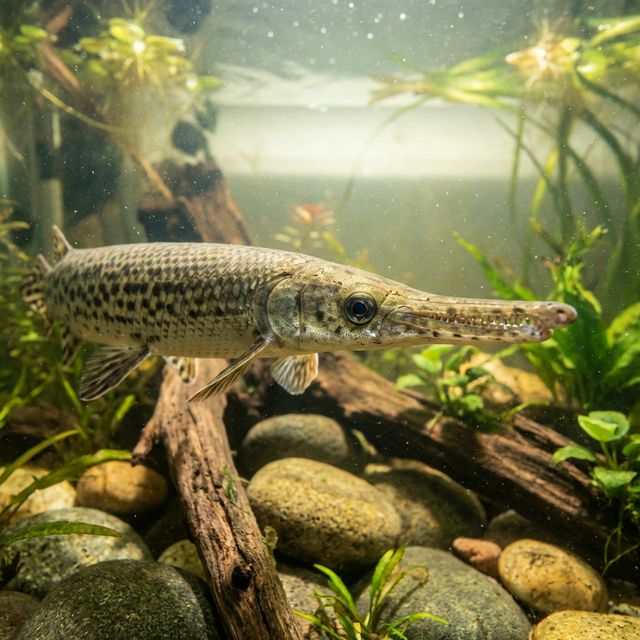
The Florida Garfish, scientifically known as Lepisosteus platyrhincus, is a captivating species that draws admiration from both aquarists and aquatic enthusiasts. Characterized by its elongated body and distinctive long snout filled with sharp teeth, this fish showcases a striking combination of a greenish-brown body adorned with light spots. This coloration provides excellent camouflage in its natural habitat, enhancing its allure as it darts through the water. As a member of the gar family, which is known for its prehistoric appearance, the Florida Garfish serves not only as a visual delight in aquariums but also plays a crucial ecological role in maintaining the balance of aquatic ecosystems by controlling prey populations.
Within the aquarium hobby, the Florida Garfish is significant due to its unique morphology and behavior. Located predominantly in freshwater habitats, this fish appeals particularly to those seeking to create a dynamic and naturalistic underwater environment. It is often viewed as a remarkable conversation starter, as its ancient lineage makes it relatively rare in modern aquariums. Because of its size and predatory nature, proper care and knowledge are essential for those looking to keep this species, elevating the experience of owning such a distinctive fish while educating others about its importance in aquatic food chains.
Natural Habitat & Origin
The Florida Garfish is native to the southeastern United States, predominantly found in areas such as Florida, the Bahamas, and parts of the Gulf Coast. Preferring shallow waters, this species thrives in freshwater systems including rivers, lakes, marshes, and swamps. The Florida Garfish is often encountered in environments characterized by abundant vegetation and slow-moving water, where it finds ample cover for hunting and nesting. Typically, these areas feature blackwater or stained waters with low to moderate light penetration, which further serves to hide this skilled predator from both prey and potential threats.
The environmental context of the Florida Garfish's habitat plays a vital role in its adaptation. Due to the warm climate in its native regions, the fish is accustomed to temperatures ranging from 75°F to 85°F (24°C to 29°C). The plants and substrates found in these habitats are essential not only for spawning but also for providing cover that aids in ambushing prey, making it critical for aquarium enthusiasts to recreate these conditions for optimal health and behavior.
Care Requirements
Caring for the Florida Garfish requires a comprehensive understanding of its environmental needs to ensure its health and vitality. The recommended water parameters for this species include a pH level of 6.5 to 8.0, a temperature range of 75°F to 85°F (24°C to 29°C), and water hardness between 5 to 15 dGH. A minimum tank size of 150 gallons is suggested due to the fish's potential size, as adult specimens can reach lengths of up to 3 feet.
When setting up the aquarium, a sandy or fine gravel substrate will mimic its natural bottom environment. Aquascaping can include driftwood, rocks, and live plants, as these provide hiding spots that reduce stress. While Florida Garfish can adapt to moderate lighting, it's advisable to provide shaded areas to replicate their natural habitat thoroughly. A well-filtered tank with good water flow is crucial to maintain water quality, given the fish's sensitivity to ammonia and nitrite levels.
Diet & Feeding
As an opportunistic carnivore, the Florida Garfish has a primarily protein-based diet. In captivity, it should be offered a varied diet that includes high-quality pellets, flakes, and frozen or live food such as bloodworms, brine shrimp, and small fish. Although they may occasionally accept some vegetable matter, their diet should focus primarily on meat-based offerings. It is recommended to feed them once or twice a day, providing only as much food as they can consume in a few minutes to avoid water quality deterioration.
Incorporating variety in their diet is essential for maintaining their health and encouraging natural hunting behavior. Live foods are especially effective for stimulating their instincts, creating an engaging and enriching feeding experience.
Behavior & Temperament
The Florida Garfish is known for its relatively solitary nature, often displaying territorial behaviors, especially when established in tank environments. While they are generally peaceful fish, caution should be exercised when introducing new tank mates, as established individuals may exhibit aggression towards newcomers or smaller fish. Florida Garfish are not schooling fish; therefore, it is advisable to keep them singly or in small groups of their own kind to prevent stress and territorial disputes.
In terms of tank positioning, Florida Garfish are surface-oriented anglers, commonly found hovering near the top of the water column, especially during feeding. Due to their nature as ambush predators, they may frequently stay near the surface, requiring ample swimming space to navigate, hunt, and exhibit natural behaviors effectively.
Tank Mates
Choosing compatible tank mates for the Florida Garfish requires careful consideration, as their predatory nature means they can view smaller fish as potential meals. Ideal companions include larger, robust species that can withstand occasional curious interactions. Suitable tank mates may include:
- Large cichlids (e.g., Oscar fish, Green Terror)
- Other large freshwater fish (e.g., Silver Dollar, Puffers)
- Specific catfish species (e.g., Synodontis)
On the contrary, small or timid species such as neon tetras, guppies, and small rasboras should be avoided, as they may be seen as prey. Additionally, it's essential to avoid keeping the Florida Garfish with overly aggressive species, as this can lead to stress and injuries.
Breeding
Breeding the Florida Garfish in captivity presents a real challenge, as spawning conditions can be intricate. In their natural habitat, spawning typically occurs during the warmer months when water temperatures rise. To replicate these conditions in an aquarium, it is recommended to gradually increase the water temperature to between 80°F to 85°F (27°C to 29°C) and maintain slightly acidic water.
The breeding process involves the female laying eggs on floating vegetation or submerged substrates, which the male fertilizes. While Florida Garfish can form pair bonds, they may display territorial behaviors around spawning sites. Post-breeding, the adult fish should be removed to prevent them from consuming the eggs and fry. The eggs usually hatch within a week, and care should be taken to provide baby fish with suitable food and a safe environment to thrive.
Common Health Issues
The Florida Garfish is subject to several health issues common within the aquarium trade, including ich (Ichthyophthirius multifiliis), fin rot, and various parasitic infections. To prevent these conditions, maintaining high water quality, regular tank cleaning, and avoiding overcrowding are paramount. Ensuring a proper diet with varied and nutritious food options will also bolster their immune systems.
Routine health monitoring is essential, as early detection of symptoms can lead to timely interventions. In cases of disease, quarantine tanks should be utilized for affected individuals to prevent spreading to other tank inhabitants, while appropriate treatments for specific ailments should be applied based on professional guidance. Regular check-ups and a proactive approach to tank management can significantly reduce the occurrence of health issues in the Florida Garfish.