Flowerhorn Cichlid
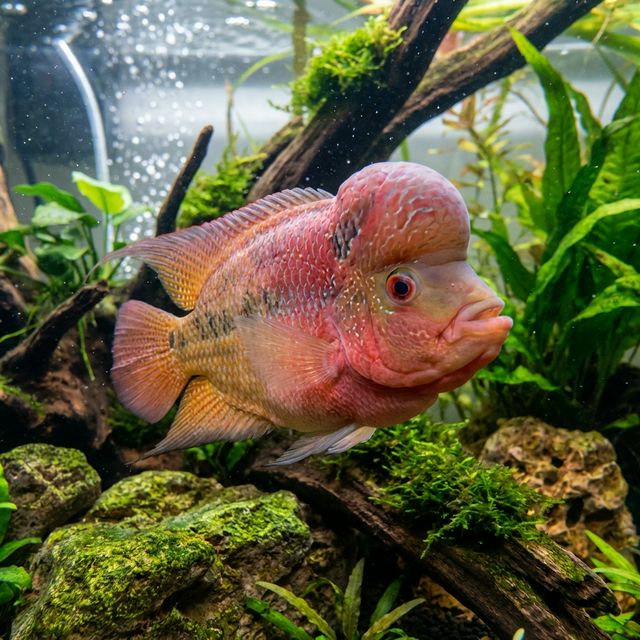
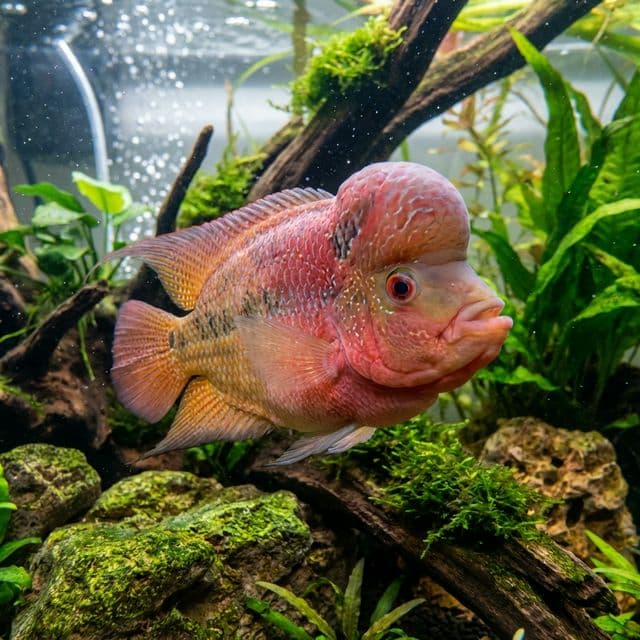
A man-made hybrid cichlid famous for its massive forehead (kok). Extremely popular in Asia.
Flowerhorn Cichlid
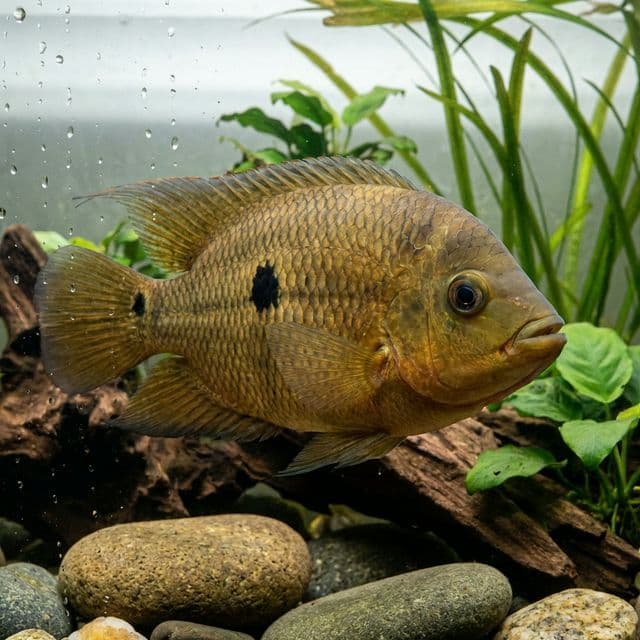
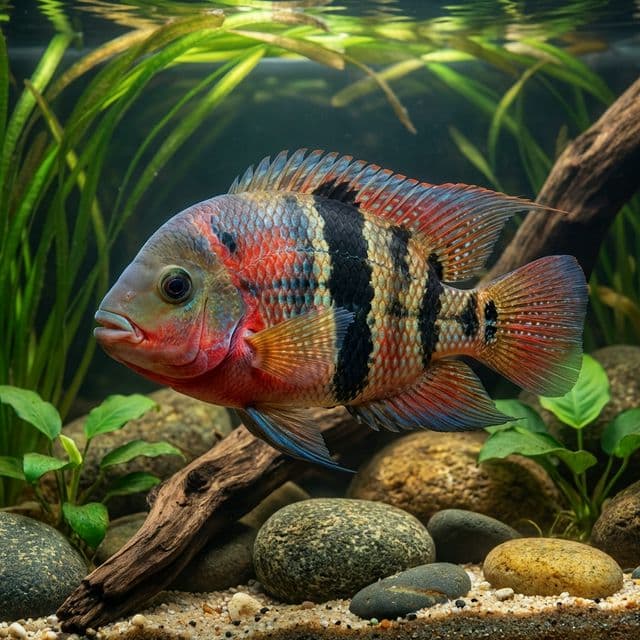
The Flowerhorn Cichlid, a hybrid ornamental fish, has captivated aquarium enthusiasts since its inception in the late 20th century. Known for its vibrant colors and distinctive nuchal hump—a fleshy protuberance on its forehead—this cichlid is often showcased in aquarists' tanks around the globe. The vivid patterns and color variations that can be observed range from fiery reds to deep blues and golds, making them a visual centerpiece in any aquarium. With a personality as colorful as its appearance, the Flowerhorn Cichlid is not just a pretty fish; it also exhibits unique behaviors that further enhance its allure in the aquarium hobby.
In addition to its striking appearance, the Flowerhorn Cichlid has cultural significance in various parts of the world, especially in Asian countries where it is considered a symbol of good luck and prosperity. Often associated with Feng Shui, these fish are believed to bring happiness to their owners. Enthusiasts and breeders alike have taken to cultivating specific traits, enhancing their appeal and desirability. This hybrid's rich background and captivating presence have established it as a must-have for serious aquarists and a prominent figure in the global aquarium trade.
Natural Habitat & Origin
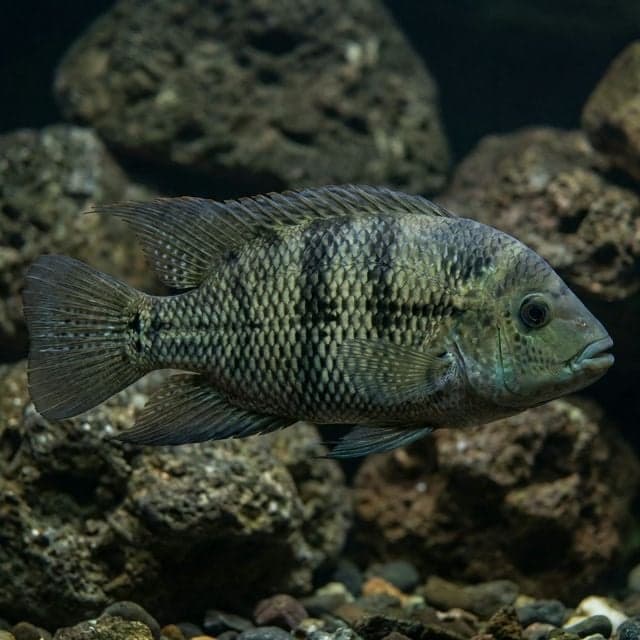
The Flowerhorn Cichlid originates from a selective breeding of various cichlid species, primarily those found in Central America, including the Red Devil and the Midas Cichlid. Although it does not have a specific natural habitat like many other fish, the influence of its parent species helps us to understand its preferred environmental conditions. Most notably, these fish thrive in warm, freshwater environments, with a tendency to inhabit areas rich in vegetation and structure, where they can feel secure and establish territories. The hybrid's creation has occurred primarily in aquaculture settings, but it mimics the conditions found in the biodiverse freshwater lakes and rivers of Central America.
In terms of water conditions, the Flowerhorn Cichlid prefers slightly acidic to neutral water, typically found in soft, slightly turbid environments. It is essential to note that while these hybrid fish might adapt to various water conditions, replicating their ideal habitat will significantly enhance their overall health and well-being.
Care Requirements
Caring for Flowerhorn Cichlids requires a commitment to maintaining optimal water conditions and a suitable tank environment. The ideal water parameters include a temperature range of 78-82°F (25-28°C), a pH level between 6.5 to 7.5, and water hardness of 10-15 dGH. Maintaining these parameters is crucial to avoid stress and potential health issues.
When setting up a tank for Flowerhorn Cichlids, a minimum tank size of 55 gallons is recommended due to their aggressive nature and need for territory. A sandy or fine gravel substrate is preferable, as it allows for rooting vegetation and digging behavior. Robust decor elements like rocks, driftwood, and caves can provide hiding places and break up sight lines, helping to minimize aggression between individuals. As for lighting, a moderate level should suffice, complementing the vibrant colors of the Flowerhorn while still mimicking their natural habitat.
Diet & Feeding
Flowerhorn Cichlids are primarily carnivorous but can thrive on a varied diet, making them omnivores in practice. To ensure good health and vibrant coloration, high-quality pellets specifically designed for cichlids should form the basis of their diet. Additionally, supplementing with live or frozen foods like bloodworms, brine shrimp, and other protein-rich offerings can enhance their nutritional intake and encourage natural hunting behavior.
Incorporation of vegetable matter, such as spirulina flakes or blanched greens, is also recommended to provide essential vitamins and prevent deficiencies. Feeding both types of food will encourage optimal growth and coloration, while regular feedings of smaller amounts 1-2 times a day will help keep them engaged without overfeeding.
Behavior & Temperament
The Flowerhorn Cichlid is known for its bold and often aggressive demeanor. Typically, they display territorial behaviors, especially during breeding or when asserting dominance in a community aquarium. While they can exhibit social behaviors when small, as they mature, their aggression levels tend to increase, making them unsuitable for most community tanks.
They are not schooling fish, so they prefer to occupy the middle to the bottom layers of the tank, claiming territories for themselves. Tank owners should be prepared for occasional displays of aggression, including fin nipping and chasing of other fish, and should create a tank layout that accommodates these behaviors.
Tank Mates
Choosing the right tank mates for Flowerhorn Cichlids can be a challenging endeavor due to their aggressive tendencies. Compatible species typically include larger cichlids like African Cichlids, Oscar Fish, or even certain species of catfish. Fish that are too small or docile, such as guppies, tetras, or shrimp, should be avoided, as they may become targets for aggression.
In larger tanks, pairing Flowerhorns with other robust, similarly sized species can foster a more harmonious environment. However, it is essential to monitor interactions closely and separate individuals if aggression escalates.
Breeding
Breeding Flowerhorn Cichlids in captivity can be an exciting endeavor for aquarists. They become sexually mature around 9-12 months of age. Successful spawning typically occurs when a pair is allowed to establish a territory with optimal water conditions—this includes a slightly elevated temperature around 80-84°F (27-29°C) and a stable pH.
Once a pair has formed, they will engage in courtship behaviors, including biting and quivering, to stimulate spawning. Flowerhorns are substrate spawners, often laying eggs on flat surfaces such as rocks or tank walls. Following spawning, it’s recommended to remove the female from the tank, as the male can become aggressive during the guarding of their eggs.
Common Health Issues
Like all fish, Flowerhorn Cichlids can be prone to specific health issues, particularly in environments that aren't properly maintained. Common diseases include ich (white spot disease), fin rot, and bacterial infections. Preventative measures such as maintaining stable water parameters, performing regular water changes, and establishing a proper feeding regimen will significantly decrease the risk of illness.
It is crucial for owners to monitor their Fish for signs of stress or lethargy, as proactive treatment and quarantine of affected individuals can prevent larger outbreaks and ensure a thriving aquarium environment. Regular observations and a commitment to husbandry will foster a healthy, vibrant life for the Flowerhorn Cichlid.