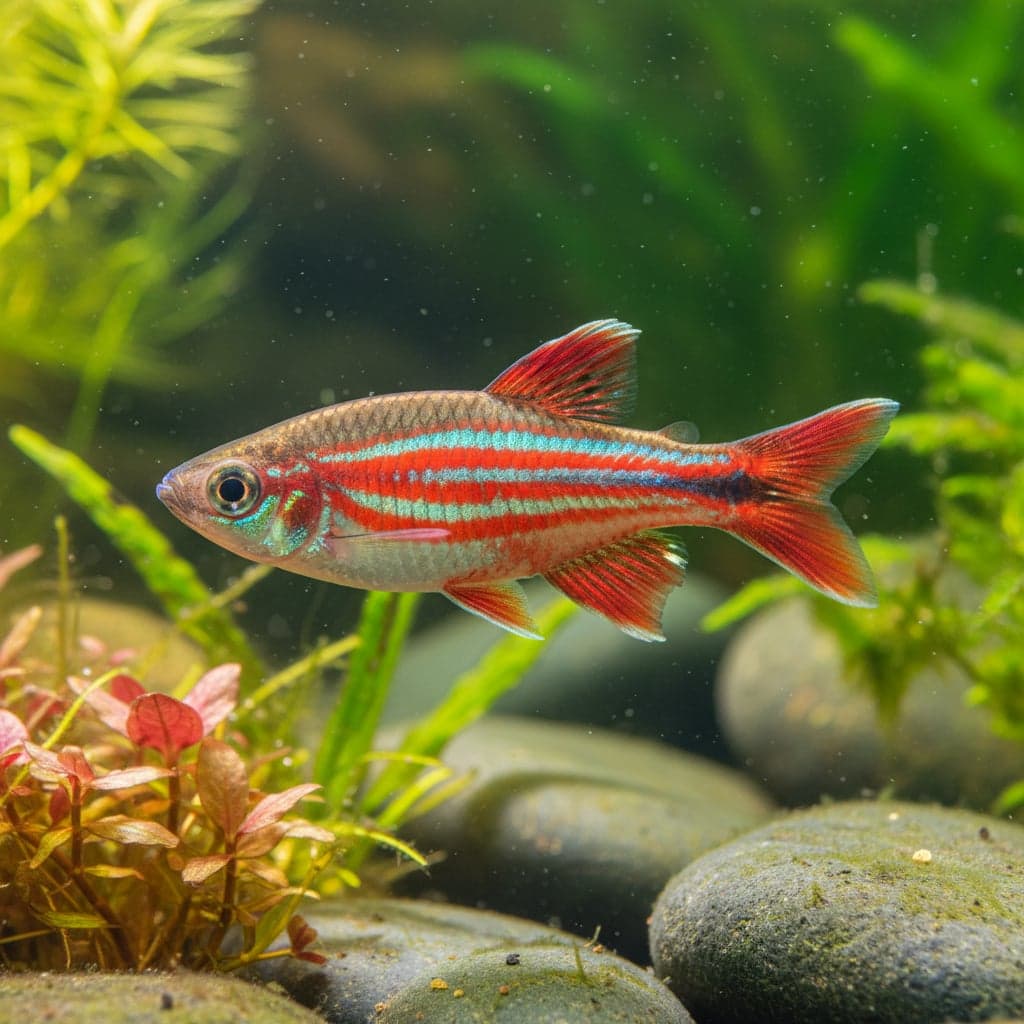
Fly River Rainbowfish: Melanotaenia sexlineata
A sleek, iridescent rainbowfish from Papua New Guinea.
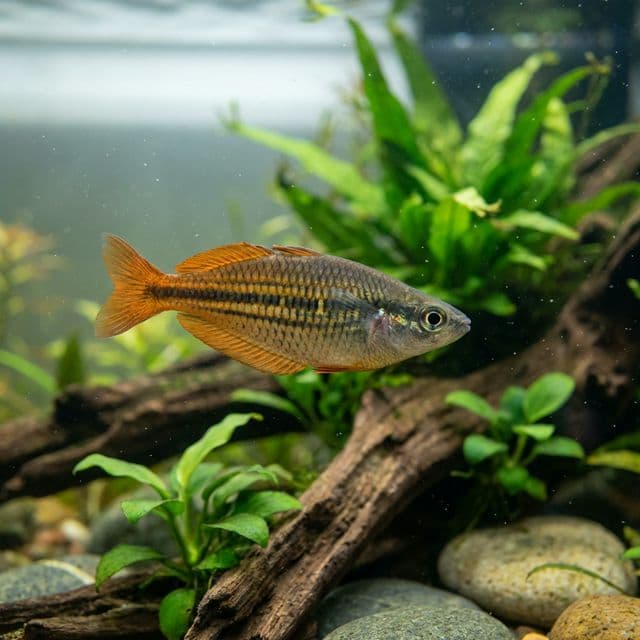
Fly River Rainbowfish
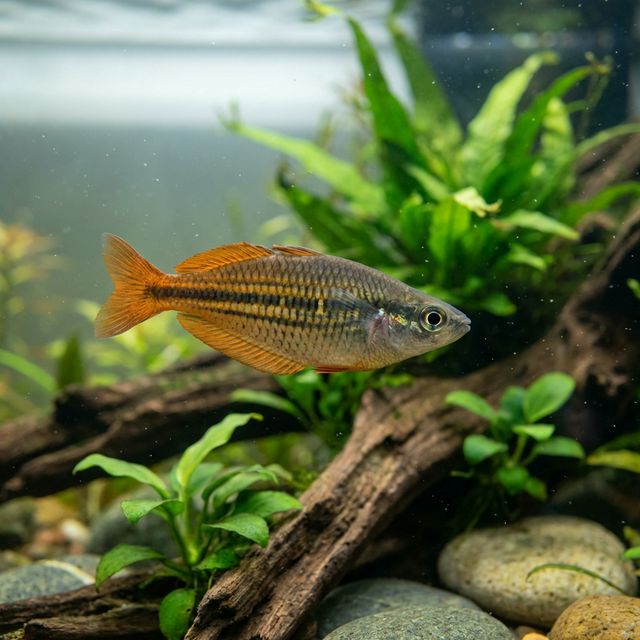
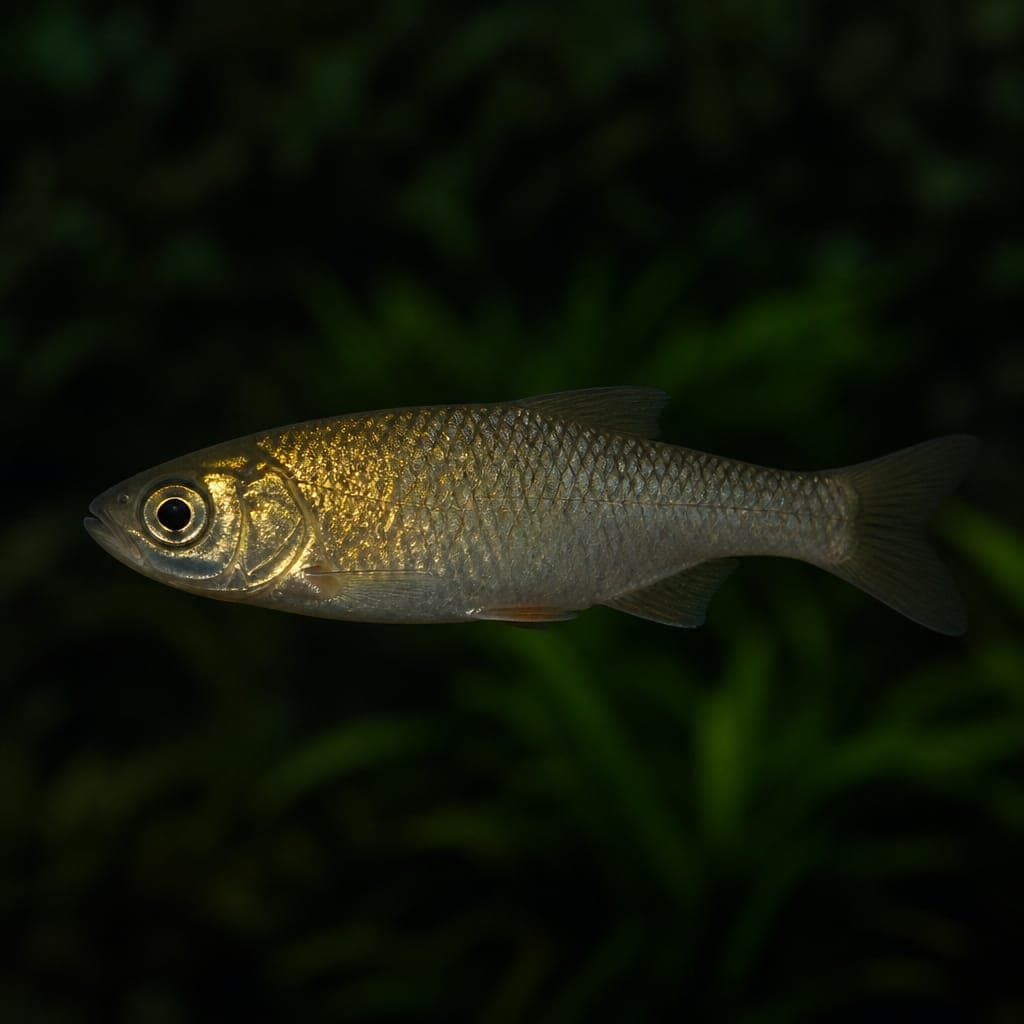
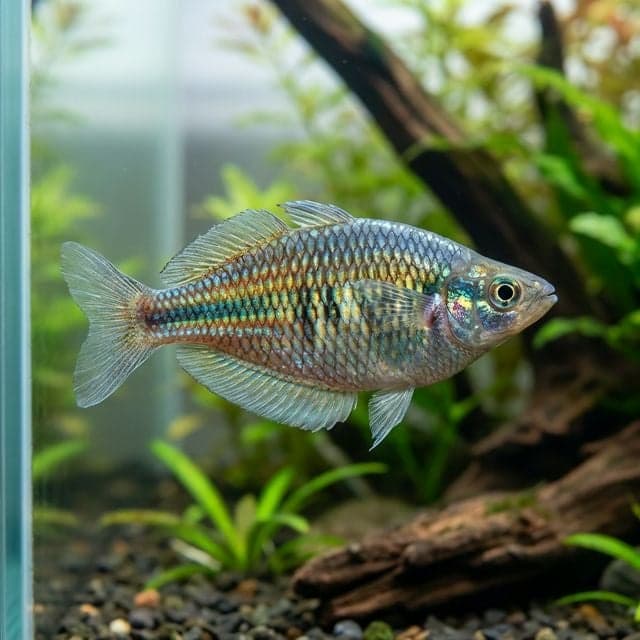
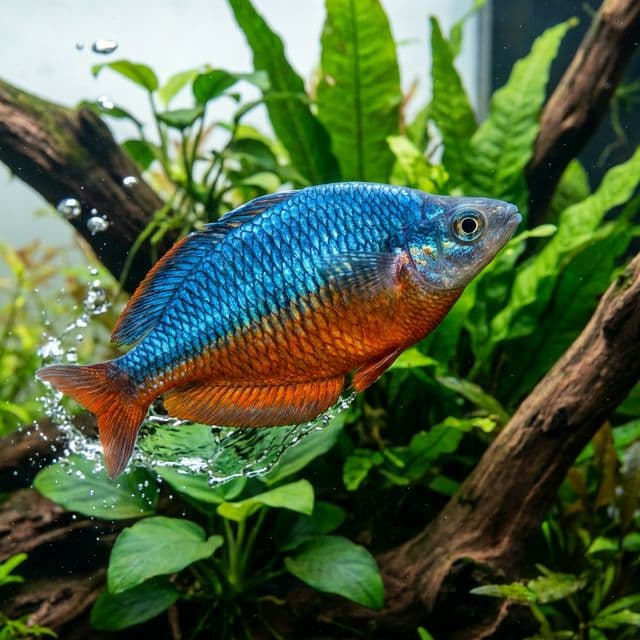
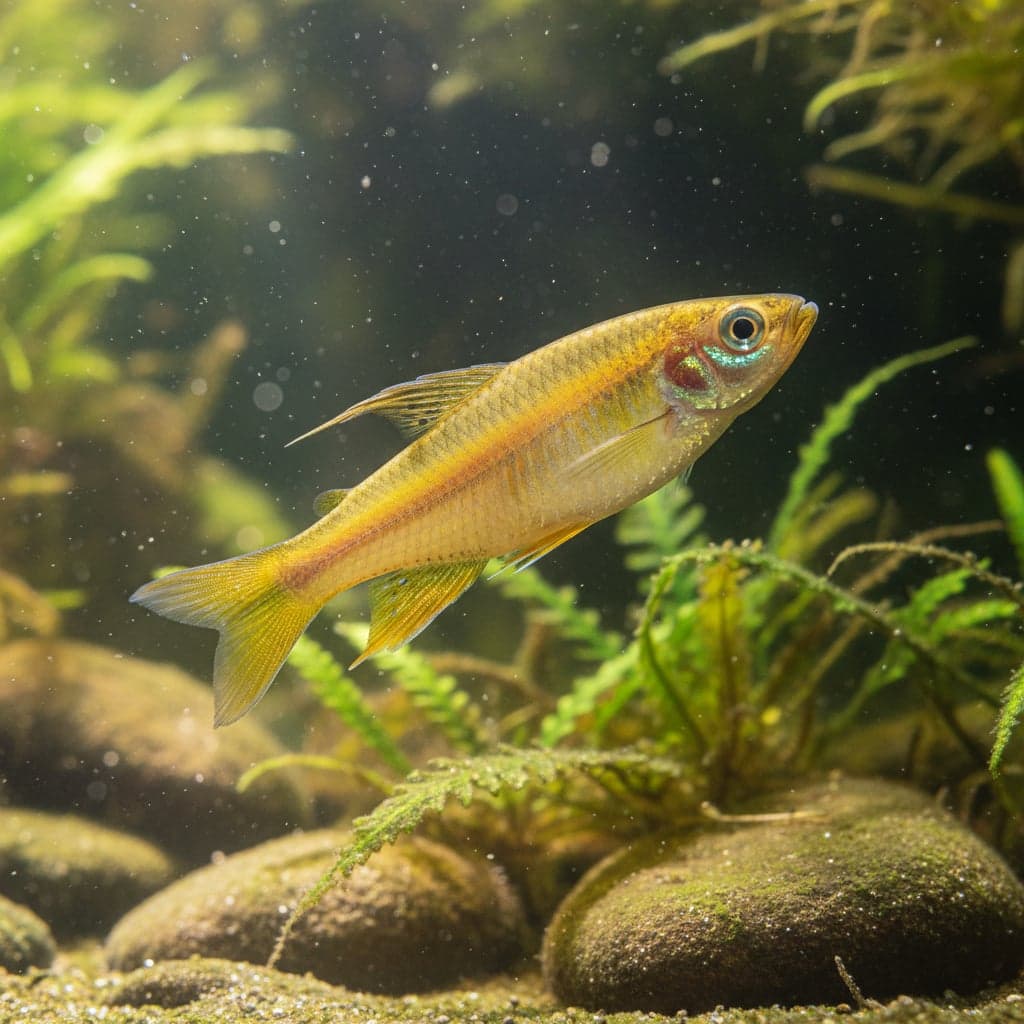
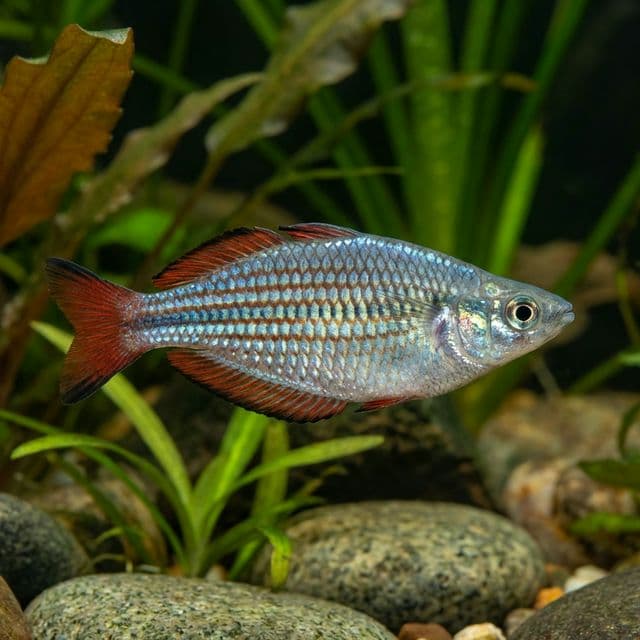
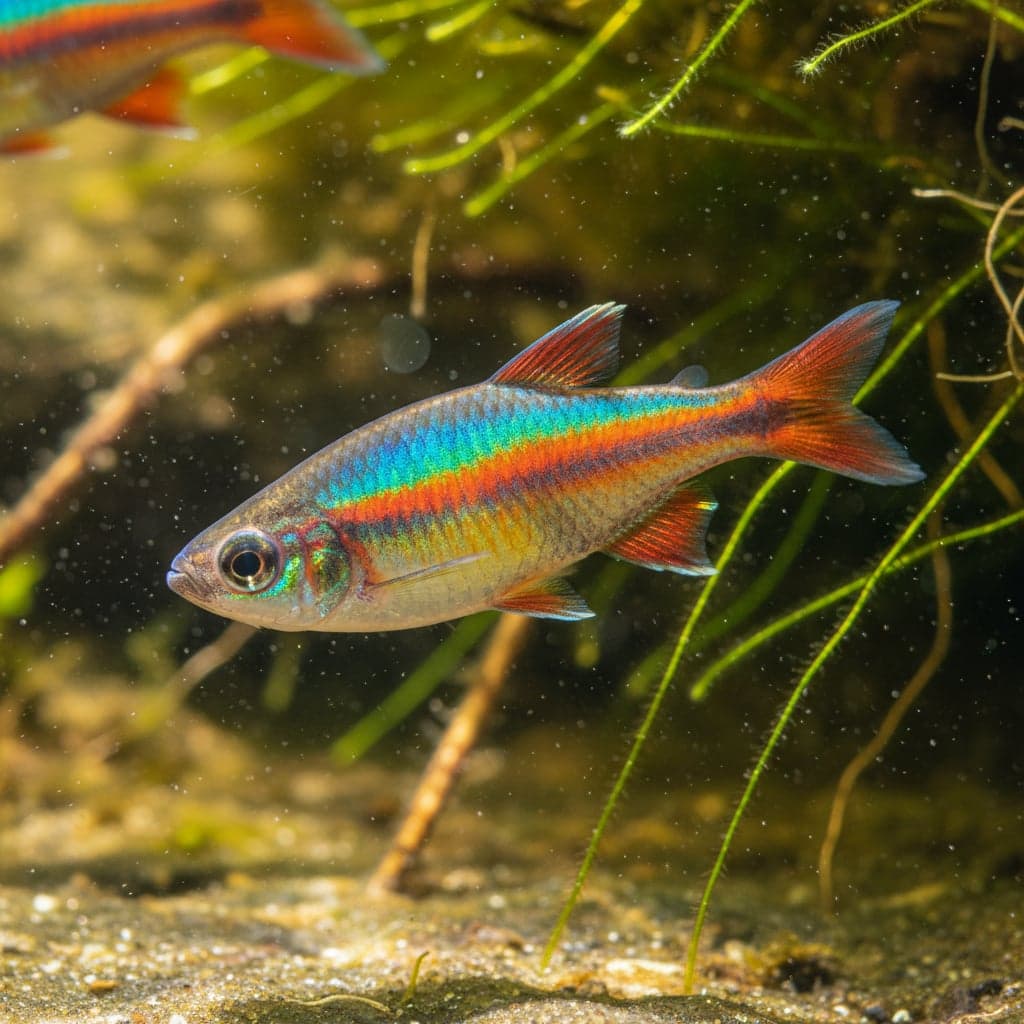
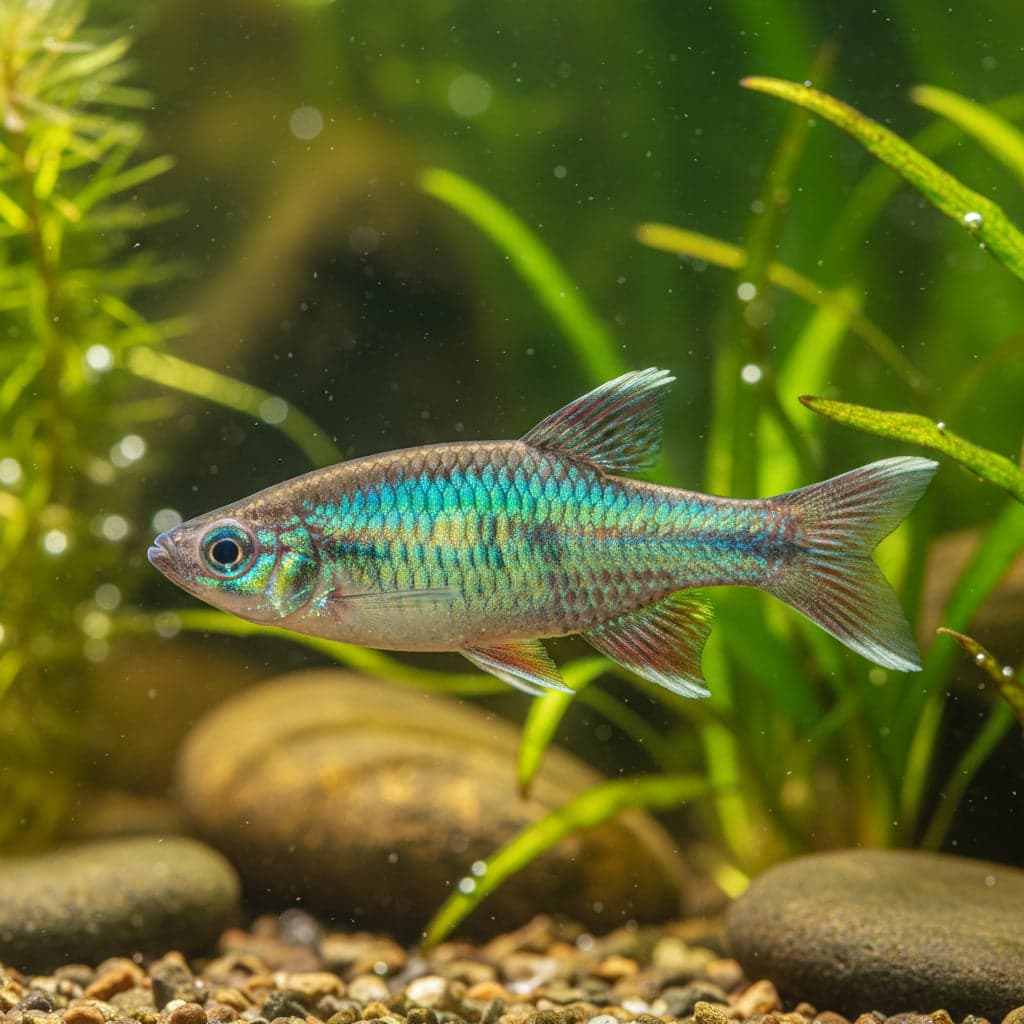
The Fly River Rainbowfish, scientifically known as Melanotaenia sexlineata, is a strikingly colorful freshwater fish that hails from the lush, tropical waters of New Guinea. This species is particularly admired for its vibrant coloration, which includes an array of hues from bright blues and yellows to subtle greens and even deep reds, depending on the lighting and environment. The males generally exhibit more vivid colors compared to the females, making them the showpieces of any aquarium setting. As a result of their beauty and peaceful nature, Fly River Rainbowfish have become increasingly popular among aquarists, both novice and expert alike. Their ability to thrive in community tanks also underscores their importance in the aquarium hobby.
The Fly River Rainbowfish is not only visually appealing but also ecologically significant. It plays a role in maintaining the balance of freshwater ecosystems by contributing to the food web. In captivity, its easy care requirements, coupled with its engaging behavior, make it a staple in many aquarist's collections. This adaptability has helped the Fly River Rainbowfish to carve out its niche in the aquarium trade, where it serves as a bridge for enthusiasts looking to learn about freshwater biodiversity.
Natural Habitat & Origin
The Fly River Rainbowfish is native to the freshwater systems of Papua New Guinea, particularly around the Fly River and its surrounding tributaries. This region is characterized by various water types, including clear and slightly tinted waters often associated with dense vegetation along the banks. The river’s environment typically features a soft, sandy substrate, submerged roots, and an abundance of aquatic plants, creating a unique habitat ideal for the Fly River Rainbowfish. The water is generally warm and slightly acidic, with tannins imparting a light brown hue, often referred to as "blackwater," that provides the fish with protection from predators and helps in reproduction.
This geographical origin not only shapes the physical appearance of the Fly River Rainbowfish but also provides insights into its care in captivity. Understanding its natural habitat is crucial for aquarists aiming to replicate conditions conducive to the fish's health and well-being.
Care Requirements
To provide an optimal environment for the Fly River Rainbowfish, it is essential to maintain specific water parameters. The recommended pH level is between 6.0 and 7.5, with a temperature range of 24°C to 28°C (75°F to 82°F). The hardness should ideally be within a range of 2-12 dGH to mimic the soft waters of their native habitat. For tank size, a minimum of 100 liters (approximately 26 gallons) is recommended to accommodate a small school, as these fish thrive in groups.
In terms of tank setup, providing a sandy or fine-grained substrate simulates their natural environment. Incorporating plenty of live plants, such as Java Fern and Anubias, along with driftwood and rocks, creates hiding spots and enables natural foraging behaviors. Lighting should be moderate; while Fly River Rainbowfish do appreciate bright light to enhance their color, they also benefit from shaded areas created by plants and decorations where they can retreat.
Diet & Feeding
In their natural habitat, Fly River Rainbowfish are omnivores, which means they feed on a variety of foods ranging from small invertebrates to plant material. In captivity, it is important to replicate this diverse diet to ensure their health and well-being. Quality flakes or pellets designed for tropical fish can be the staple of their diet, but supplementing with frozen or live foods—such as brine shrimp, daphnia, and bloodworms—can heighten their activity levels and color vibrancy.
Feeding should be conducted two to three times a day in small portions, allowing them to consume all food within a few minutes. This will help prevent overfeeding and maintain water quality. A well-balanced diet is not only crucial for their growth but also for their immune system, helping to fend off diseases.
Behavior & Temperament
Fly River Rainbowfish are known for their peaceful demeanor and social nature. They are best kept in schools of six or more to encourage natural schooling behaviors, which can be both entertaining and aesthetically pleasing as they swim together harmoniously. Despite their peaceful temperament, they may show territoriality when kept in smaller groups, particularly during breeding.
In the aquarium, you will find them primarily inhabiting the mid to upper levels of the water column, making them a prominent feature in community setups. They are generally non-aggressive and can comfortably coexist with other peaceful species, but care should be taken to avoid overly aggressive fish, as this may lead to stress.
Tank Mates
When selecting tank mates for the Fly River Rainbowfish, it is crucial to opt for species that share similar care requirements and temperament. Suitable companions include other rainbowfish species like the Boeseman's Rainbowfish, as well as peaceful community fish such as Corydoras catfish, Tetras, and various types of Gouramis. Likewise, they can be kept with dwarf cichlids like Apistogramma species, which often inhabit the lower regions of the tank and won’t compete for the same space.
However, avoid keeping Fly River Rainbowfish with highly aggressive or fin-nipping species such as Cichlids or certain barbs. The presence of such fish can lead to an imbalance in the tank dynamics, potentially stressing the Fly River Rainbowfish and leading to health problems.
Breeding
Breeding the Fly River Rainbowfish in captivity can be a rewarding endeavor for aquarists willing to provide the right conditions. This species exhibits typical spawning behavior common among many rainbowfish; they are egg scatterers that prefer to breed in soft, slightly acidic water. To encourage breeding, a separate breeding tank should be established with dim lighting, fine-leaved plants or spawning mops where the eggs can be deposited safely.
When ready to spawn, males may display their vibrant colors more prominently and engage in courtship rituals, which include chasing and nipping at the female. After spawning, the adults should be removed from the breeding tank, as they may consume the eggs. Under ideal conditions, the eggs will hatch within 5-7 days, and the fry can be fed infusoria or finely crushed flakes until they are large enough for larger foods.
Common Health Issues
Like many freshwater species, the Fly River Rainbowfish may be prone to some common health issues if not properly cared for. Diseases such as Ichthyophthirius multifiliis (Ich), fin rot, and velvet disease can affect this species, typically resulting from poor water quality or stress. Prevention begins with maintaining a clean, stable environment with regular water changes, as well as monitoring parameters to ensure they remain within the recommended ranges.
Quarantine new arrivals before introducing them to the main tank to avoid introducing potential ailments. Regularly check for signs of distress, and if any issues arise, consulting with a veterinarian who specializes in fish can help manage and treat illnesses effectively. Keeping to a healthy diet and monitoring water conditions will significantly reduce susceptibility to diseases and ensure a thriving aquarium.