Flying Barb: Esomus danricus
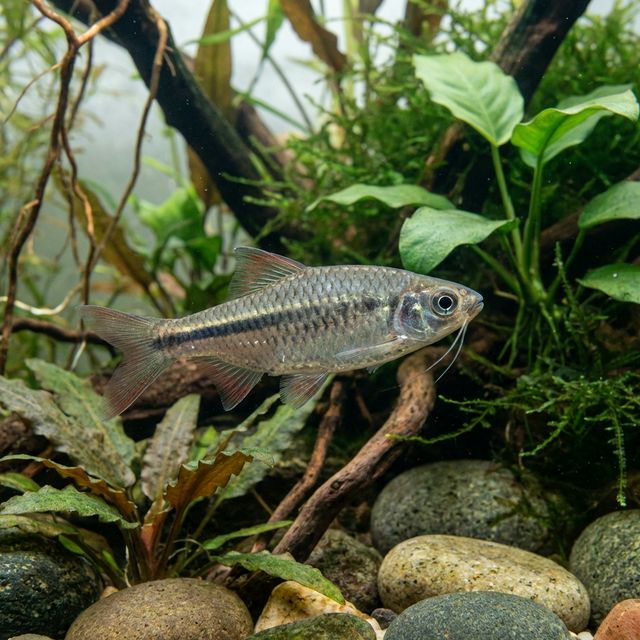
A surface-dwelling barb with extended pectoral fins. Can actually glide short distances.
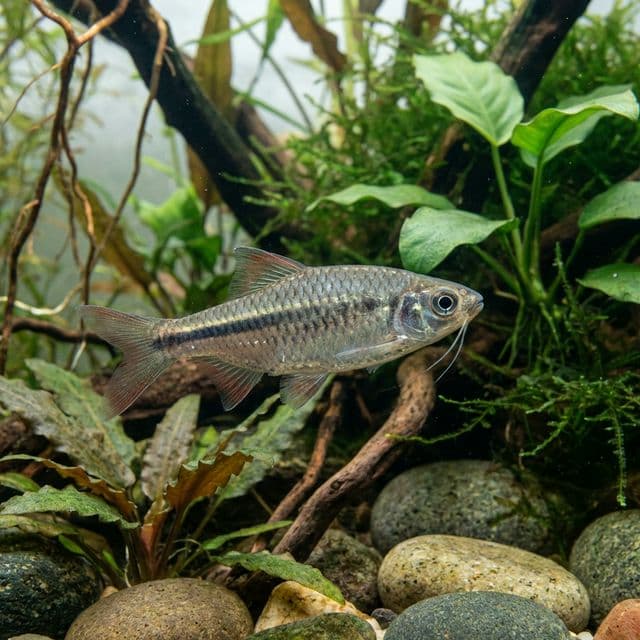
Flying Barb
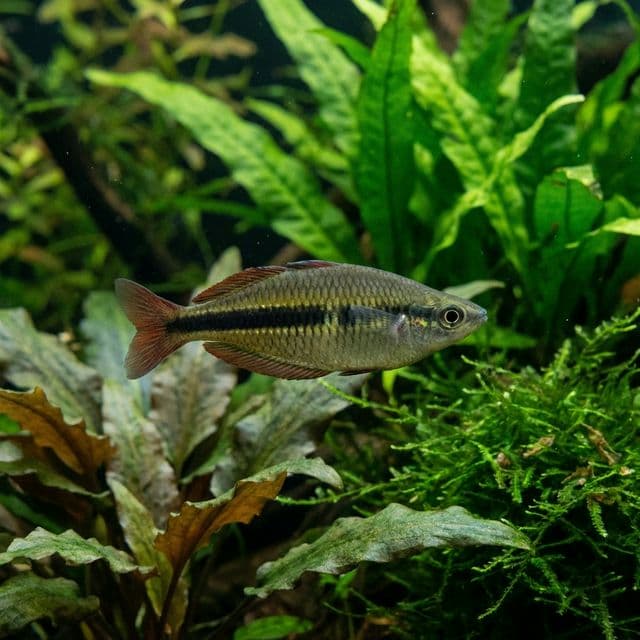
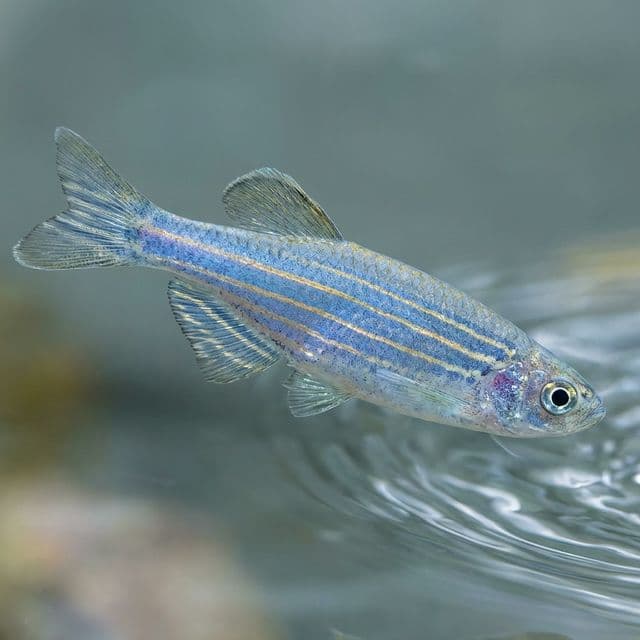
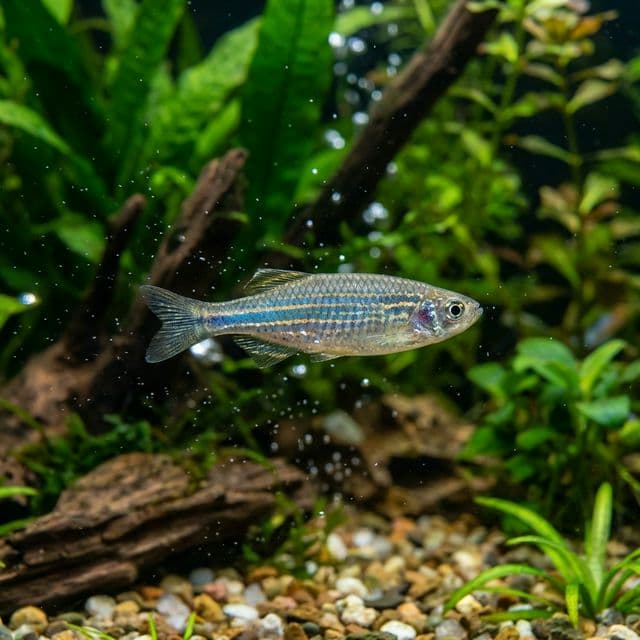
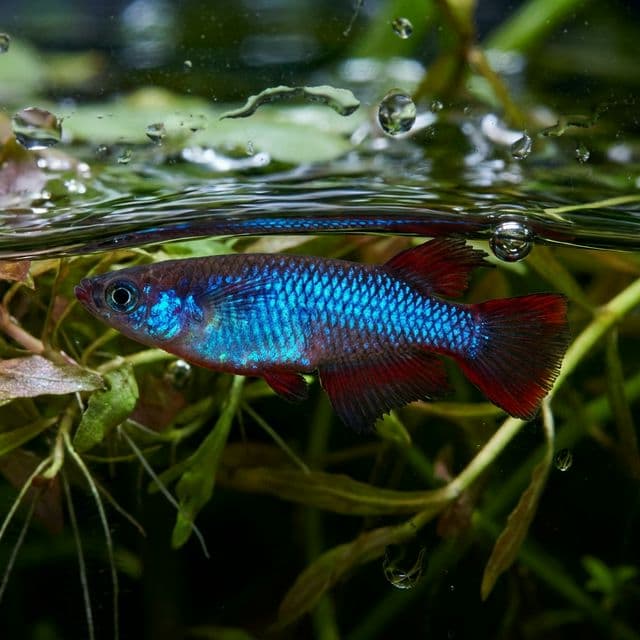
The Flying Barb, scientifically known as Esomus danricus, is an enchanting freshwater fish native to the rivers and streams of Southeast Asia. Captivating aquarists with its elongated body and striking coloration, this species boasts a beautiful palette of vibrant yellows and blues, complemented by distinctive black markings that resemble a flying wing, hence the name. This fish is a standout in community aquariums not only for its aesthetic appeal but also for its playful behavior, making it a popular choice among both novice and advanced aquarists.
In the aquarium hobby, the Flying Barb is cherished for its unique adaptations, characterized by its highly developed swimming abilities. This species tends to leap out of water whenever startled, projecting an engaging display of agility. The Flying Barb has also gained significance as a relatively hardy and resilient fish, making it suitable for various levels of aquatic enthusiasts. Their lively nature adds dynamism to any tank setup, contributing to an overall vibrant aquatic ecosystem.
Natural Habitat & Origin
Flying Barbs originate primarily from the waters of Southeast Asia, specifically in regions encompassing India, Bangladesh, and Myanmar. They inhabit a variety of freshwater environments, including rivers, streams, and lakes that feature both slow and moderate water flow. The waters where Flying Barbs thrive are typically freshwater with a neutral pH, though they can adapt to varied conditions, reflecting their resilient character. Preferred habitats often contain ample vegetation, submerged roots, and debris, offering the fish numerous hiding spots and foraging opportunities.
In terms of environmental context, Flying Barbs are usually found in water that can be classified as clear water, making it crucial for aquarists to replicate such conditions in captivity. The presence of vegetation and natural structures not only supports their physical well-being but also encourages their instinctual behaviors, which include exploring and grazing. A healthy environment reflects their natural habitat, ensuring that they can flourish in a home aquarium setup.
Care Requirements
To successfully maintain Flying Barbs, aquarists should provide water parameters that foster healthy growth. Ideal conditions include a pH level between 6.0 and 7.5, a temperature range of 22°C to 28°C (72°F to 82°F), and soft to moderately hard water (4 to 12 dGH). Given their energetic nature, Flying Barbs thrive in well-oxygenated water, necessitating efficient filtration and regular water changes to maintain high water quality.
When setting up a tank for Flying Barbs, a minimum tank size of 20 gallons is recommended to accommodate their schooling behavior. Substrate can vary, although fine gravel or sandy bottoms are preferable. Incorporating live plants, driftwood, and various hiding spots mimics their natural habitat and promotes comfort. Appropriate lighting should be moderate to highlight the fish's colors while creating a serene ambiance; floating plants can also provide shaded areas.
Diet & Feeding
Flying Barbs are omnivorous, displaying a highly adaptable feeding behavior. In the wild, they consume a wide range of foods including insects, algae, and plant matter. In captivity, a well-balanced diet should include high-quality flake or pellet food specifically formulated for tropical fish. Additionally, frozen or live food options, such as brine shrimp, daphnia, and bloodworms, can enhance their diet, providing essential nutrients that promote vibrant colors and overall health.
It's important to feed Flying Barbs small portions multiple times a day, as their energetic nature requires regular nourishment to maintain their vitality. Snacking on various food types not only keeps their diet interesting but also stimulates their natural foraging behaviors, promoting mental enrichment in the aquarium environment.
Behavior & Temperament
Flying Barbs are inherently social fish that thrive in schools of at least five to six individuals. This schooling behavior is essential for their well-being, as it alleviates stress and promotes natural tendencies. In a community tank, they are generally peaceful, though males may display mild aggression during breeding periods or in the presence of rivals. Their lively swimming pattern often occupies the mid to upper levels of the tank, showcasing their dynamic nature and agile movements.
Observers will notice the Flying Barb's propensity for exploration and rapid movement, making them an entertaining aquatic addition. The presence of ample space and hiding spots is crucial, as it allows them to exhibit their natural behaviors, such as darting and leaping in response to environmental stimuli.
Tank Mates
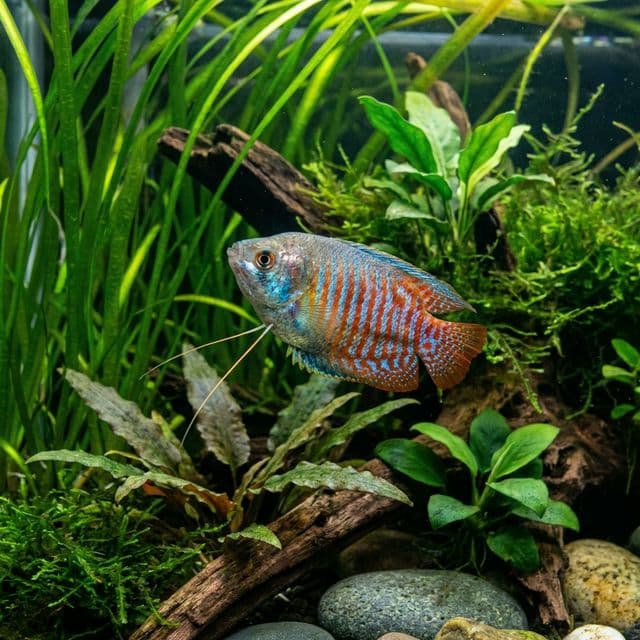
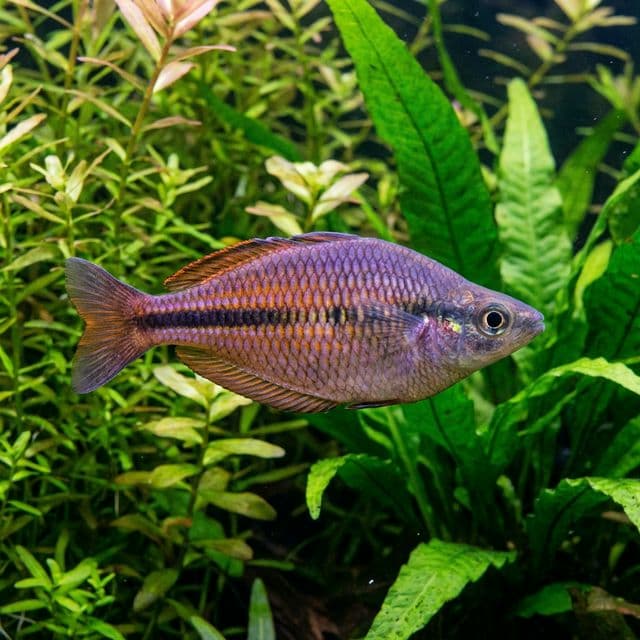
In a community aquarium, Flying Barbs display a harmonious temperament, making them adaptable tank mates. Suitable companions include small to medium-sized species such as Tetras, Rasboras, and peaceful Gouramis. Additionally, Snails and Shrimp can coexist peacefully. However, it's advisable to avoid keeping them with overly aggressive or larger species that may threaten their safety or intimidate them.
Certain species to be avoided include fin-nipping fish, like certain larger Barbs, as well as territorial or aggressive species such as Cichlids. Choosing compatible tank mates contributes to a balanced aquarium ecosystem where the Flying Barbs can thrive and exhibit their natural behavior without undue stress.
Breeding
Breeding Flying Barbs in captivity can be a rewarding experience, although it requires specific conditions to stimulate spawning. These fish are egg scatterers, typically laying eggs on submerged plants or fine moss inside the breeding tank. To encourage breeding, create a separate breeding setup with a gentle current, a slightly acidic pH (around 6.5), and a temperature of approximately 24°C to 26°C (75°F to 79°F).
After the breeding ritual, adult fish should be removed from the tank to prevent them from consuming the eggs. The hatching period lasts roughly 24 to 48 hours, and fry should be fed fine particles or liquid fry food until they can accept appropriately sized foods. Careful monitoring of fry growth and development is essential during this delicate stage.
Common Health Issues
Flying Barbs are generally hardy, but like all fish, they can be susceptible to certain diseases, particularly if kept in improper conditions. Common health issues include Ich, fin rot, and swim bladder disease. To prevent these ailments, ensure optimal water quality by performing regular water changes, maintaining proper filtration, and monitoring water parameters.
Quarantining new arrivals can mitigate the risk of introducing diseases into your main tank. Routine observation for physical signs of stress or disease, such as lethargy or changes in appetite, is crucial for early detection and intervention. If issues arise, consulting with an aquatic veterinarian or a knowledgeable aquarist can help identify the necessary treatments to restore health.