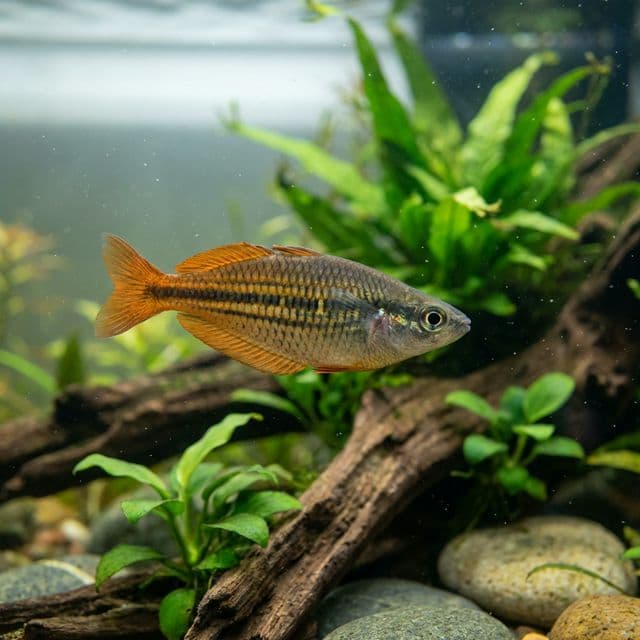
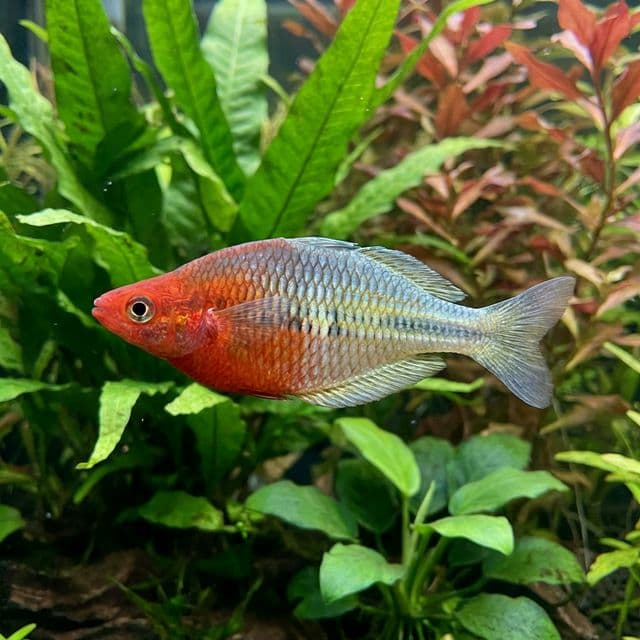
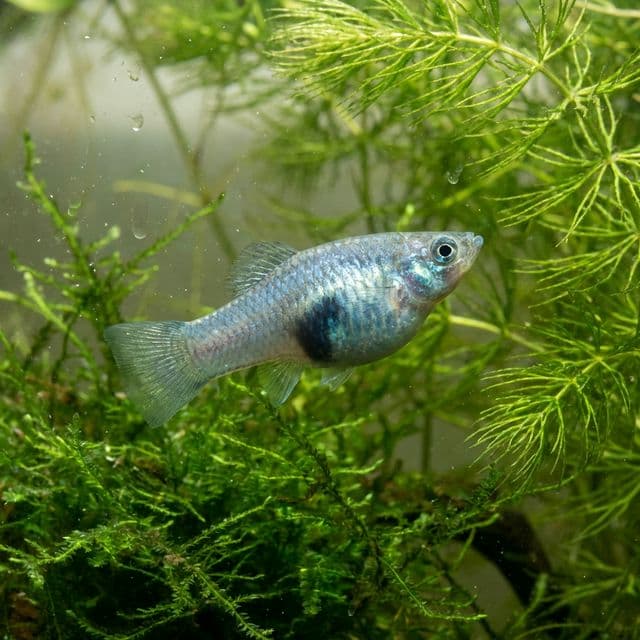
Forktail Rainbowfish: Pseudomugil furcatus
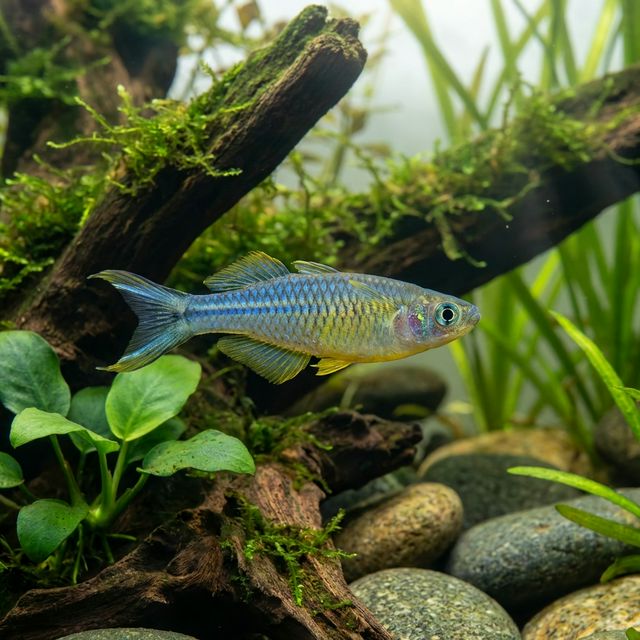
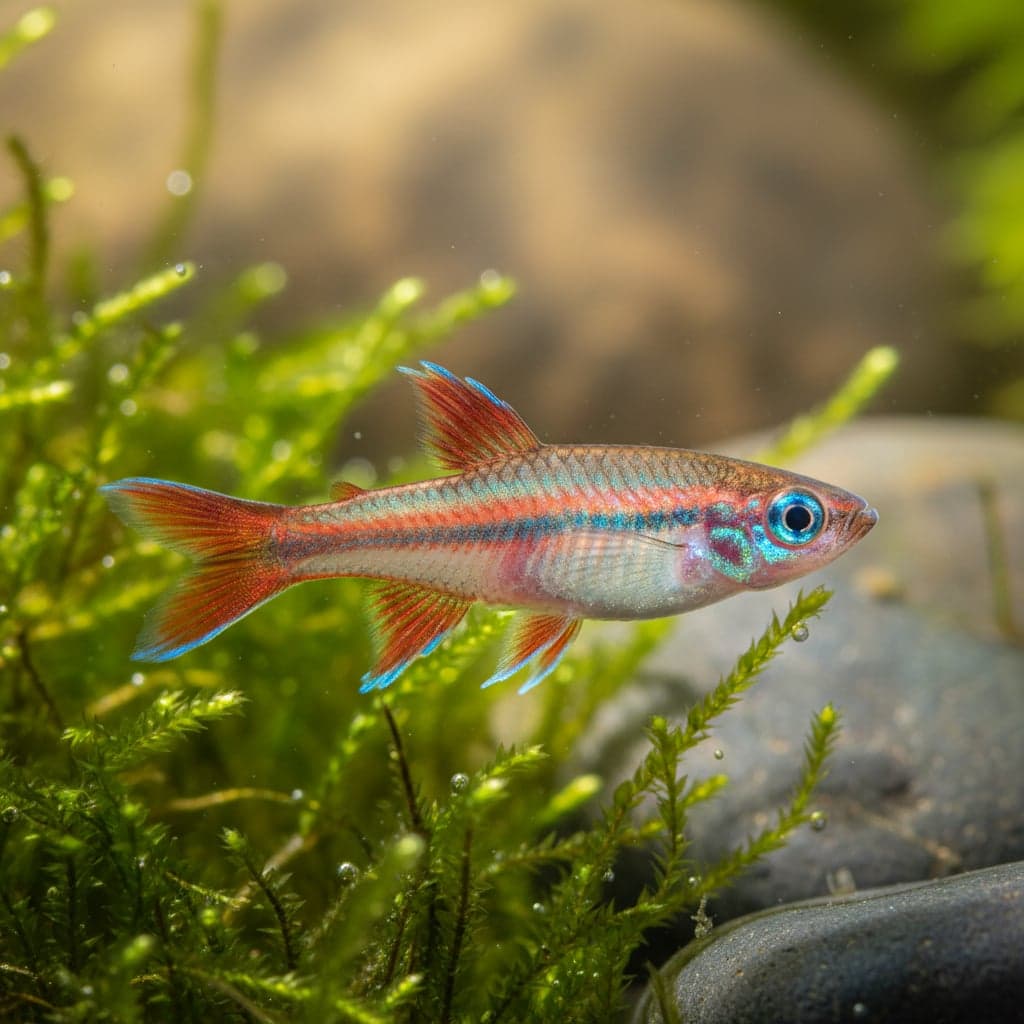
A tiny, yellow-finned rainbowfish. Males have forked fins with feathery extensions. Perfect for nano tanks.
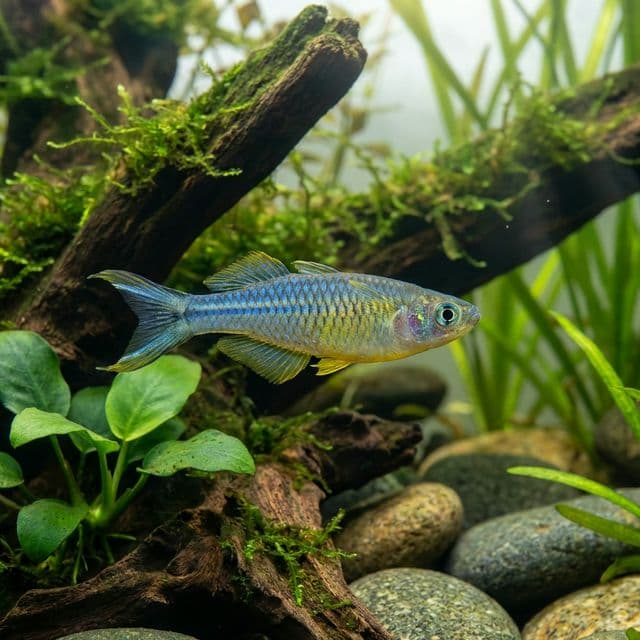
Forktail Rainbowfish
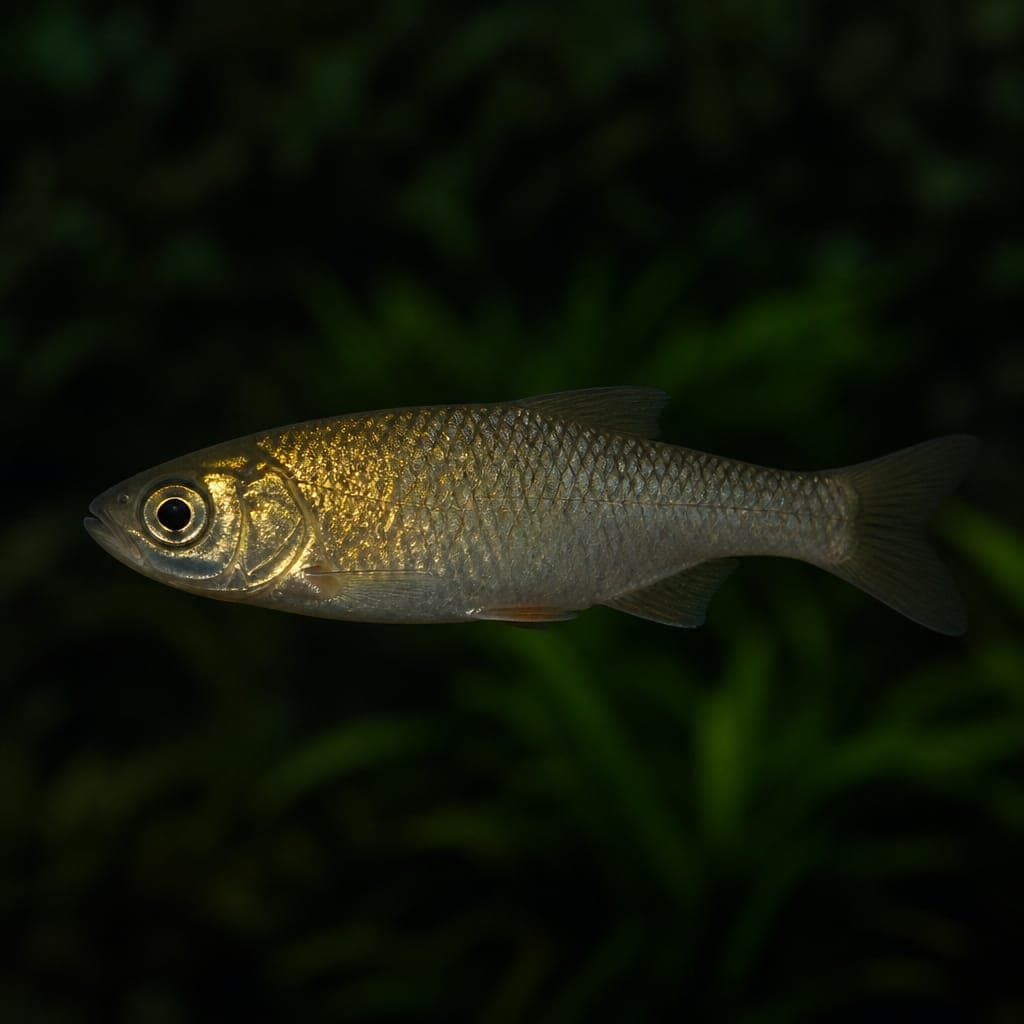
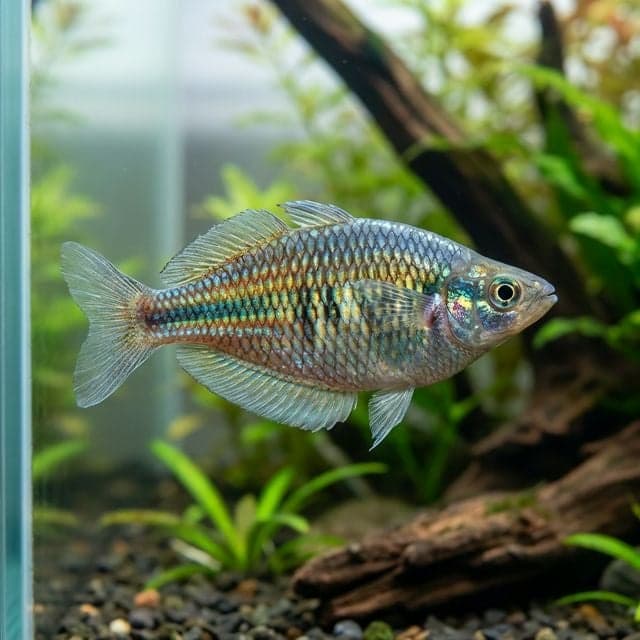
The Forktail Rainbowfish, scientifically known as Pseudomugil furcatus, is a captivating freshwater species that belongs to the rainbowfish family. Renowned for its vibrant coloration and iridescent scales, this small fish can reach up to 2.5 inches in length, making it a suitable choice for both beginner and experienced aquarists. Its most striking feature is the elongated forked tail, which further emphasizes its graceful swimming style. The body showcases a blend of vibrant blues and yellows, complemented by subtle iridescent hues that shimmer under the light, adding a touch of beauty to any aquarium display.
In the aquarium hobby, the Forktail Rainbowfish holds significant value due to its peaceful nature and compatibility with a wide range of species. Its dynamic swimming patterns and social temperament make it a joyful addition to community tanks, while its exquisite appearance enhances the aesthetic appeal of aquascapes. As a popular choice among aquarists, understanding its needs and behaviors provides a rewarding experience in maintaining a healthy environment where this stunning fish can thrive.
Natural Habitat & Origin
The Forktail Rainbowfish is native to the freshwater lakes and rivers of Papua New Guinea and Australia. Found primarily in clear, slow-moving waters, they prefer habitats rich in dense vegetation, which provides both shelter and breeding grounds. These environments typically exhibit blackwater characteristics due to the accumulation of decaying plant material, contributing to the slightly acidic water conditions preferred by this species.
In their natural habitat, the Forktail Rainbowfish thrives in water that is low in nutrients but rich in plant matter. The presence of tannins from decomposed leaves enhances the water quality, creating biodiverse ecosystems that enhance their colors and vitality. Understanding their natural environment is crucial for replicating similar conditions in captivity, ensuring optimal health and behavior for these stunning fish.
Care Requirements
Maintaining healthy Forktail Rainbowfish in an aquarium requires attention to specific water parameters and tank setup. The ideal pH range is between 6.0 and 7.5, with a temperature kept between 74°F and 82°F. Additionally, soft to moderately hard water (dGH of 2 to 15) is optimal. For a minimum tank size, a 20-gallon aquarium is recommended, allowing ample space for swimming and establishing territories.
The tank setup should feature a fine substrate, such as sand or small gravel, to mimic their natural environment, along with ample plants for cover and breeding sites. Floating plants and densely planted areas provide security and encourage natural behavior. Lighting should be moderate, as overly bright conditions can stress the fish. Regular water changes (about 25% weekly) are essential to maintain cleanliness and stability in parameters.
Diet & Feeding
Forktail Rainbowfish are omnivorous, thriving on a varied diet that supports their vibrant colors and overall health. In captivity, they can be fed high-quality flake or pellet foods fortified with spirulina and other nutritious ingredients. To ensure a balanced diet, it's also beneficial to supplement their meals with frozen or live foods such as brine shrimp, daphnia, and bloodworms.
It’s essential to provide small portions multiple times a day, allowing them to engage their natural foraging instincts. While they are not particularly fussy eaters, introducing a variety of foods helps maintain their health and enhances their coloration.
Behavior & Temperament
The Forktail Rainbowfish is known for its peaceful and social behavior, making it an excellent choice for community aquariums. They are best kept in groups of five or more, as they exhibit strong schooling habits that promote harmony and reduce stress. These fish may display playful interactions, often swimming in acrobatic displays with one another.
In terms of tank placement, Forktail Rainbowfish are mid to upper-level swimmers, frequently seen darting around the tank but also enjoying the occasional retreat among the plants. Their calm demeanor makes them suitable tank mates for a variety of other peaceful species, but care should be taken to monitor their interactions with more aggressive fish.
Tank Mates
When selecting tank mates for the Forktail Rainbowfish, it's crucial to choose compatible species that share similar care requirements. Ideal tank mates include small, peaceful fish like guppies, neon tetras, rasboras, and other members of the rainbowfish family. Additionally, small invertebrates like cherry shrimp and snails can coexist harmoniously in the same environment.
On the contrary, it's advisable to avoid keeping Forktail Rainbowfish with aggressive or fin-nipping species such as cichlids, tiger barbs, or larger predatory fish. Maintaining a community tank with compatible species helps ensure a stress-free environment, allowing your Forktail Rainbowfish to thrive.
Breeding
Breeding Forktail Rainbowfish in captivity is feasible when the right conditions are established. To encourage spawning, set up a separate breeding tank with gentle filtration, abundant vegetation, and a temperature around 80°F. The introduction of soft, slightly acidic water (pH 6.0 to 6.5) generally yields better results during breeding.
The fish are egg scatterers, meaning they lay adhesive eggs on plants or substrate, which will hatch within a few days. After spawning, it's important to remove the adult fish to prevent them from eating the eggs. Once hatched, the fry can be fed on infusoria or commercially available fry foods until they grow larger and can accept finely crushed flakes. Keeping the fry in optimal conditions will ensure steady development as they grow into healthy adults.
Common Health Issues
While generally hardy, Forktail Rainbowfish can experience specific health issues that require attention. Some common ailments include ich (white spot disease), fin rot, and velvet disease. To prevent these issues, maintain water quality through regular changes and avoid overfeeding, which can lead to poor water conditions.
Introducing new fish gradually while monitoring for signs of illness is essential. Quarantine new arrivals for at least two weeks to minimize the risk of introducing diseases to your existing population. Additionally, providing a balanced diet rich in essential nutrients will bolster their immune systems, helping them fend off potential infections.