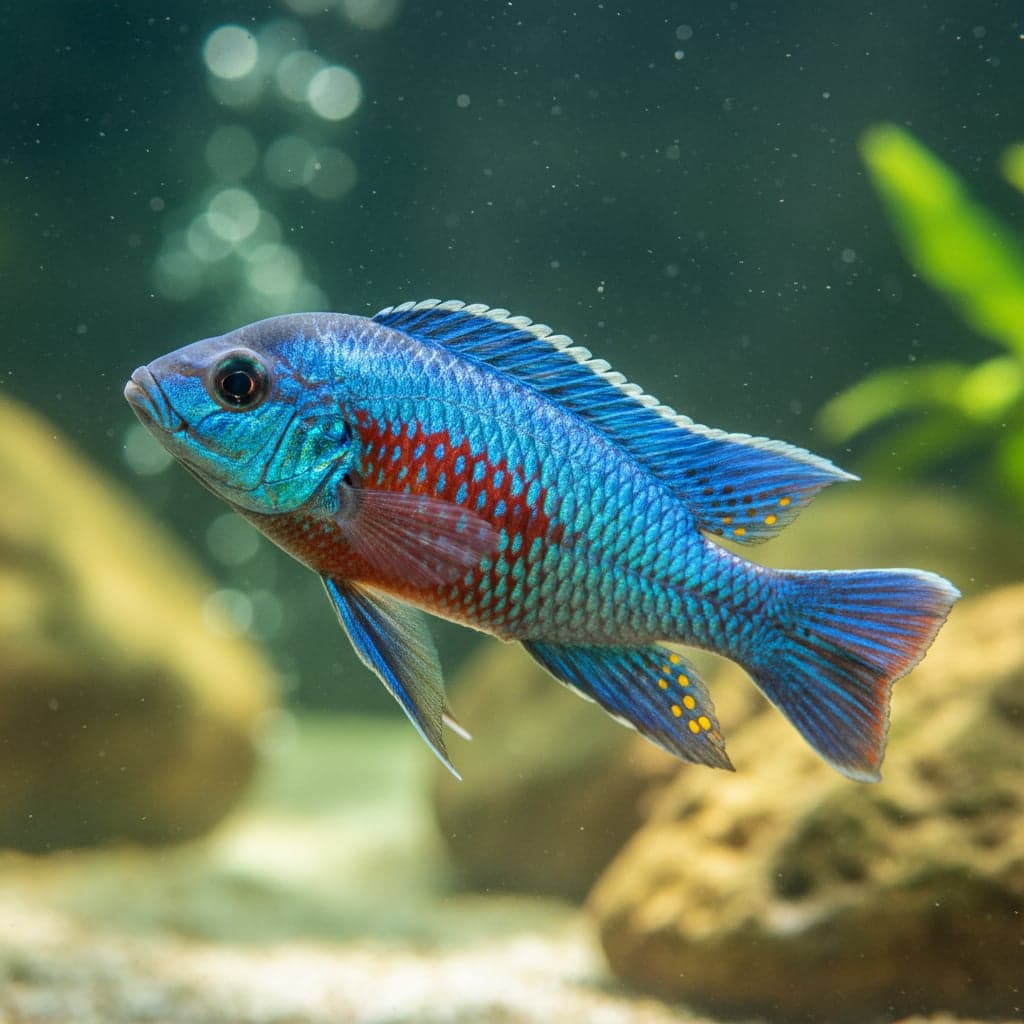
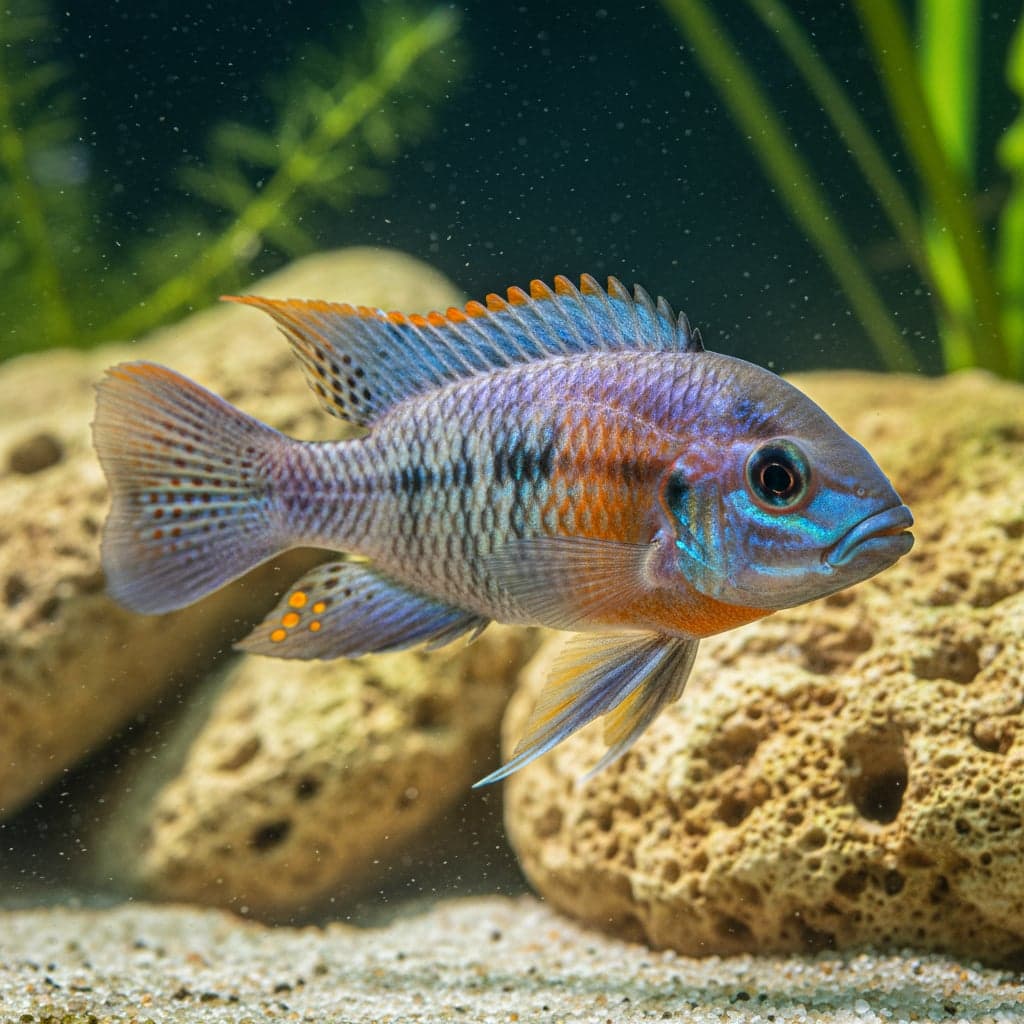
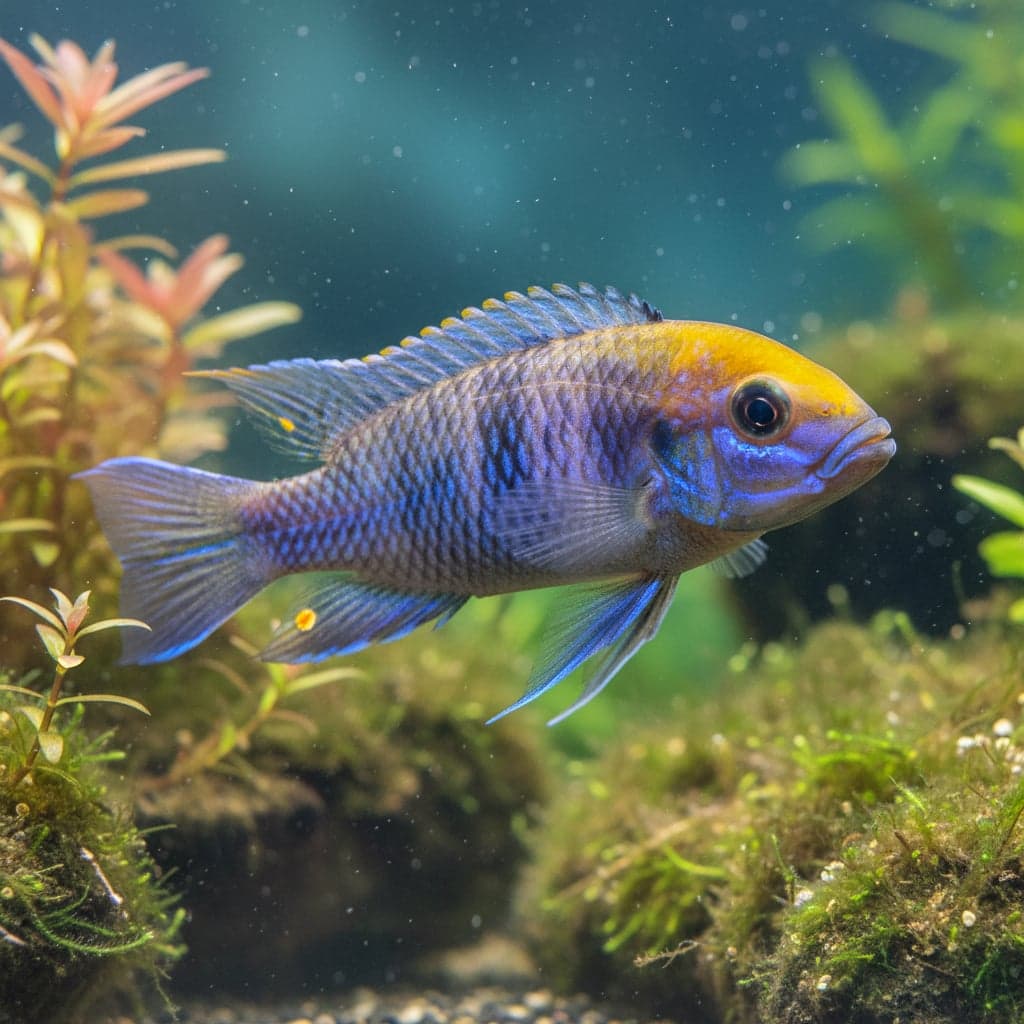
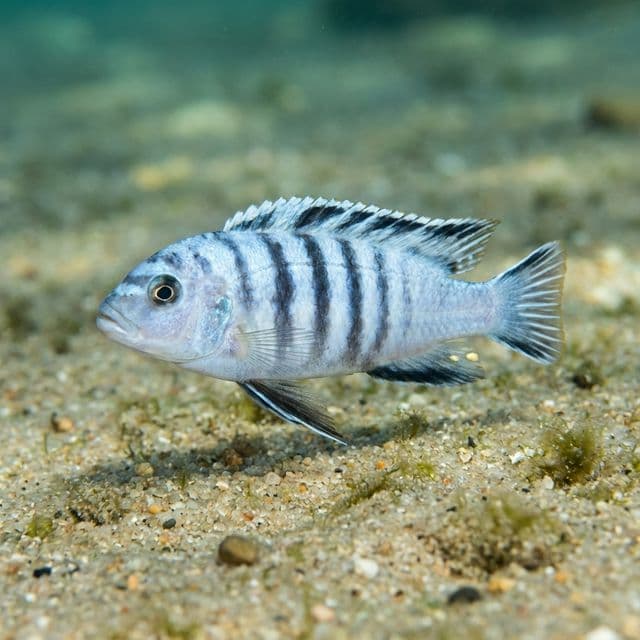
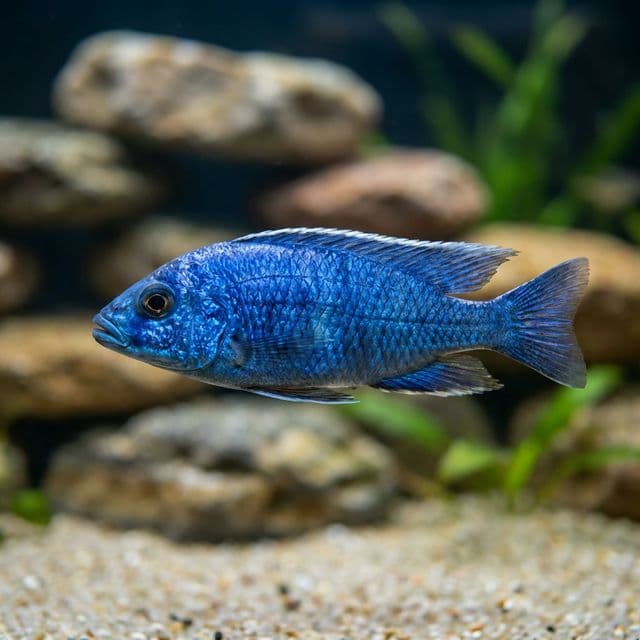
Freiberg's Peacock: Aulonocara jacobfreibergi
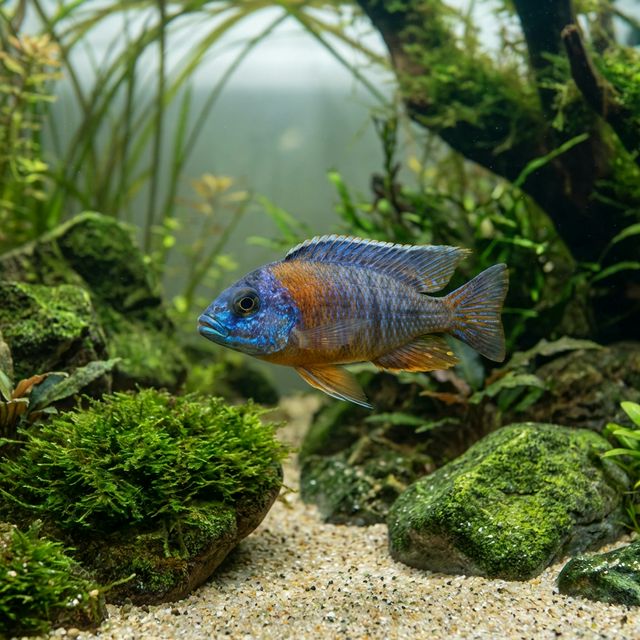
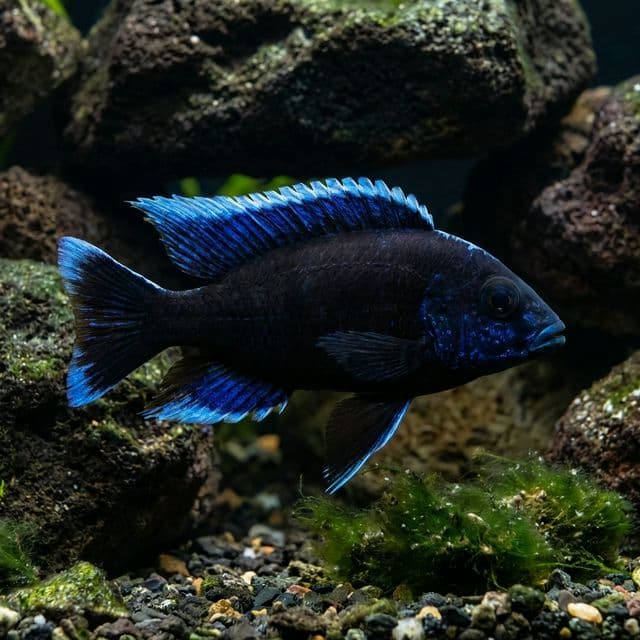
One of the most colorful Peacock cichlids. Males are electric blue and orange. Several location variants exist.

Freiberg's Peacock
Freiberg's Peacock, scientifically known as Aulonocara jacobfreibergi, is a stunning species of freshwater fish native to Lake Malawi, Africa. This vibrant cichlid is particularly celebrated for its dazzling colors, characterized by a iridescent blue body adorned with striking yellow-orange accents, especially in mature males. The beauty of Freiberg's Peacock not only makes it a highlight in any aquarium setup but also enhances the diversity and aesthetic value of community tanks. As one of the more sought-after cichlids among enthusiasts, it exemplifies the exotic allure of African cichlids while being relatively easy to care for, making it a fantastic choice for both novice and experienced aquarists.
In the aquarium hobby, Freiberg's Peacock holds a special significance as it represents the striking biodiversity found in Lake Malawi. It serves as a testament to the conservation efforts aimed at preserving the unique fish populations threatened by environmental pressures and habitat degradation in its native waters. The visual appeal of this fish, combined with its engaging behaviors, has led to its prominence in breeding programs and aquaristic exhibitions, where it continues to inspire enthusiasts to replicate its natural habitat while promoting species awareness.
Natural Habitat & Origin
Freiberg's Peacock hails from the rocky habitats of the southern end of Lake Malawi in East Africa. This biotope is characterized by clear, clean waters with a slightly alkaline pH and a variety of rocky structures where fry can seek refuge and adults can establish territories. The fish tends to inhabit depths ranging from 1 to 20 meters, favoring areas rich with rocky substrates providing hiding spots and breeding sites. In its natural habitat, the water is relatively hard with moderate to high levels of mineralization due to the limestone and dolomite rock formations found throughout the lake.
The natural environment of Freiberg's Peacock influences its adaptability, growth, and coloration. The clear waters of Lake Malawi contribute to the development of their vibrant colors, which are believed to be crucial for mating displays and territorial disputes. Maintaining similar conditions in captivity not only ensures their health and longevity but also enhances their natural coloration and behavior, enriching the aquarium experience for owners and observers alike.
Care Requirements
Maintaining Freiberg's Peacock requires a keen understanding of its specific water parameters to mimic its natural environment effectively. Ideally, the water pH should be maintained between 7.8 and 8.6, with a temperature range of 76°F to 82°F (24°C to 28°C). The water hardness should ideally fall between 10 and 15 dGH, as this helps to replicate the mineral-rich waters found in Lake Malawi.
For tank setup, a minimum aquarium size of 50 gallons is recommended to provide ample swimming space and territories for the fish. A substrate of smooth gravel or sand is ideal to prevent injury to their delicate bodies. Incorporating rocky structures and caves will mimic their natural habitat, allowing them to feel secure while reducing aggression among males. Moderate lighting is suitable, as it will promote healthy plant life and classic displays of color without stressing the fish. Although live plants can be included, they must be robust enough to withstand potential foraging behavior from these cichlids.
Diet & Feeding
Freiberg's Peacock is primarily classified as an omnivore, although it leans towards carnivorous dietary habits in nature. In captivity, a high-quality diet should incorporate a mix of quality pellets, flakes, and frozen or live foods. Options like spirulina flakes, high-protein pellets specifically designed for cichlids, and live food such as brine shrimp or bloodworms can ensure a balanced nutritional intake. It is important to feed them small portions multiple times a day to prevent overfeeding while ensuring they receive adequate nutrition.
Given their tendency to feed at various levels in the water column, providing a varied diet will not only enhance their coloration but also promote optimal health. It's crucial to avoid over-reliance on any single food type, as this can lead to nutrient deficiencies and health complications.
Behavior & Temperament
Freiberg's Peacock exhibits a generally peaceful disposition, especially when kept in an appropriately sized aquarium with enough structure and hiding places to establish territories. They can be mildly territorial, especially the males during breeding season, so it is essential to provide adequate space to prevent aggression. While they are not schooling fish, they do benefit from being kept in groups, with a greater number of females to balance out male aggression. It's recommended to keep one male with multiple females (at least 3-4) to minimize stress and territorial disputes.
When positioned in the aquarium, Freiberg's Peacock typically occupies the middle to lower levels, frequently exploring the rocky environments rather than staying within the upper water column. Their adaptability to different vertical placements coupled with their curious nature makes them enjoyable to watch as they interact with their surroundings.
Tank Mates
Freiberg's Peacock can coexist comfortably with various species, particularly those that share similar environmental needs. Compatible tank mates include other Lake Malawi cichlids such as the Yellow Lab (Labidochromis caeruleus), various species of Mbuna, and certain Tangs from Lake Tanganyika, keeping in mind their territorial nature. Generally, it is advisable to avoid mixing them with overly aggressive species or smaller fish that might be seen as prey.
However, compatible species should be robust enough to handle occasional territorial displays. Avoid placing them with fish that are markedly smaller or slower, as well as aggressive species like the Red Devil Cichlid, which may pose a threat to the well-being of Freiberg's Peacock.
Breeding
Breeding Freiberg's Peacock in captivity can prove to be a rewarding endeavor. Males typically exhibit vibrant coloration and engage in elaborate courtship displays to attract females. Spawning occurs post-courtship, often taking place in a cave or amongst rocks, where the female will lay eggs—usually ranging from 20 to 40 at a time. The female then takes charge of mouth-brooding, carrying the fertilized eggs in her mouth until they hatch, which generally occurs within 3 to 4 weeks.
To encourage successful breeding, it is crucial to provide a breeding pair with a separate spawning tank equipped with thick rock structures and low light intensity. Maintaining stable water parameters will further increase the chance of successful reproduction, emphasizing the importance of routine maintenance and water quality control during this delicate process.
Common Health Issues
Freiberg's Peacock can be susceptible to certain health issues common among cichlids, including ich, fin rot, and Malawi bloat. Ich is often a result of stress and poor water quality, therefore ensuring a clean environment and stable water conditions is paramount in prevention. Regular water changes and appropriate tank maintenance play a crucial role in minimizing risks.
Additionally, providing a varied diet can help boost their immune systems, contributing to their overall health. Maintaining good water quality and regularly monitoring for signs of stress or disease will further promote a long and healthy life for Freiberg's Peacock in community or specialized aquariums.