Freshwater Bumblebee Goby: Brachygobius aggregatus
A true freshwater species of bumblebee goby. Easier to keep than the brackish species.
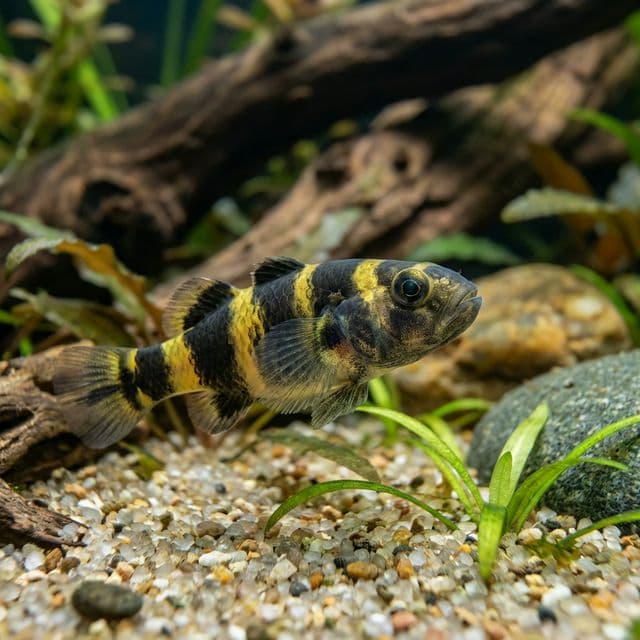
Freshwater Bumblebee Goby
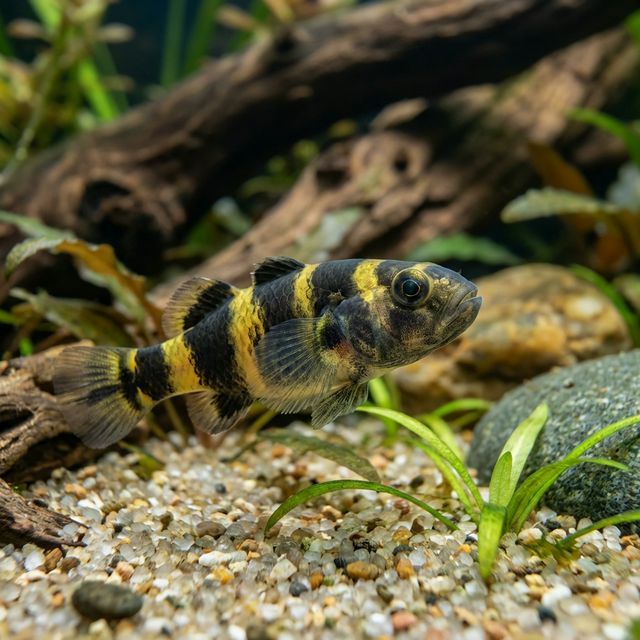
The Freshwater Bumblebee Goby, scientifically recognized as Brachygobius aggregatus, is a charming and diminutive fish that captures the hearts of aquarists. Typically reaching a length of about 2.5 cm (1 inch), this goby is particularly noted for its striking appearance, sporting a distinctive pattern of black and yellow stripes that resemble the coloration of a bumblebee. Its robust body, paired with short, rounded fins, lends it a unique silhouette that stands out in both home aquariums and public displays. As a brackish water species often seen in mangrove environments, the Freshwater Bumblebee Goby's allure lies not just in its aesthetics but also in its fascinating behavior and adaptability.
In the aquarium hobby, the Freshwater Bumblebee Goby holds a special significance due to its charming personality and suitability for smaller aquascapes. Typically found darting among rocks and submerged wood, these gobies exhibit social yet territorial behavior, making them a delightful addition to many community tanks. Their small stature and adaptability to varying water conditions create a prime opportunity for aquarists to create diverse living environments, making this species a popular choice for both novice and experienced fish keepers alike.
Natural Habitat & Origin
The Freshwater Bumblebee Goby primarily hails from the brackish waters of Southeast Asia, particularly the estuaries and coastal regions of countries such as Indonesia and Malaysia. Found in environments that transition between freshwater and seawater, these gobies thrive in areas rich in organic debris, where their natural diet consists of small invertebrates and detritus. The water in these habitats often presents low salinity levels with a soft, dark appearance due to the presence of tannins from decaying plant material. Such blackwater environments are crucial for the Freshwater Bumblebee Goby as they help shape not only their physiological attributes but also their behavioral adaptations.
These fish flourish in shallow waters surrounded by dense vegetation and submerged structures, providing ample hiding spots to escape potential predators. Consequently, understanding their natural habitat is vital for home aquarists aiming to replicate the conditions necessary for their health and well-being in captivity. The visual and environmental context of the Freshwater Bumblebee Goby showcases its unique role within the aquatic ecosystem, further emphasizing its importance to enthusiasts wanting to create an authentic biotope for such species.
Care Requirements
For optimal care, the Freshwater Bumblebee Goby thrives in well-maintained water parameters that closely mimic its natural habitat. Ideal conditions include a temperature range of 74°F to 82°F (23°C to 28°C), a pH level between 6.0 to 7.5, and a hardness of approximately 5 to 15 dGH. The tank should ideally be spacious enough to accommodate their active swimming patterns, with a minimum size of 20 gallons recommended for a small group.
The setup should include soft, sandy substrates to prevent damage to their sensitive bodies, with plenty of hiding spots created using driftwood, rocks, and live plants. Low to moderate lighting is preferable, as these fish naturally inhabit dimly lit water bodies. Including floating plants can help diffuse light and create shaded areas, mimicking their habitat while providing security and comfort.
Diet & Feeding
As an omnivorous species, the Freshwater Bumblebee Goby has a varied diet that can include high-quality flakes, pellets, and frozen or live foods. They particularly enjoy small, meaty offerings such as brine shrimp, bloodworms, and finely chopped or crushed mysis shrimp to maintain their health and vibrant coloration. Due to their small mouths, it's essential to select food items appropriately sized for their consumption, ensuring they receive the balance of protein and plant matter required for good growth and health. Regular feeding practices with varied diets will not only promote health but also cater to their natural foraging behavior, offering a stimulating activity during mealtimes.
Behavior & Temperament
The Freshwater Bumblebee Goby exhibits a generally peaceful temperament but does have established territories which can lead to some aggression among males, particularly during mating seasons. In community tanks, they are best kept in small groups of at least five to minimize aggressive interactions and encourage natural schooling behaviors. These fish tend to occupy the lower levels of the aquarium, often seen perched on substrates or navigating through the vegetation near the bottom. They display a remarkable talent for hiding and seeking cover among rocks and plants, which helps create a lively interaction display within the aquarium.
While they are semi-aggressive toward their own kind, the Freshwater Bumblebee Goby's social nature promotes a harmonious aquarium environment when paired with compatible species. Providing sufficient space and cover will ensure that individual gobies can establish their boundaries without significant conflict.
Tank Mates
When selecting tank mates for the Freshwater Bumblebee Goby, it's essential to focus on species that share similar water requirements and temperaments. Suitable tank mates include small community fish such as Endlers' Livebearers, Neon Tetras, and Guppies. Additionally, peaceful bottom-dwelling species like Corydoras catfish can coexist well with these gobies.
Conversely, aggressive or significantly larger fish should be avoided, as they could intimidate or prey on the Bumblebee Goby. Species such as cichlids, barbs, or large catfish, as well as fast-moving surface dwellers, can pose threats or create stress for these delicate gobies. Sticking to smaller, non-competitive community fish will facilitate a thriving aquarium atmosphere.
Breeding
Breeding the Freshwater Bumblebee Goby in captivity requires specific conditions to encourage successful spawning. Typically, these gobies reach sexual maturity at around six months of age. Breeders should provide a separate spawning tank, ideally equipped with soft, dim lighting and ample hiding spaces, as they prefer privacy during egg-laying.
Spawning often occurs in secluded spots, with females laying adhesive eggs on surfaces like leaves or spawning mops. Males then fertilize the eggs, guarding them until they hatch, which typically happens after 3 to 4 days. It's advisable to remove the adults after spawning to prevent them from consuming the eggs. Maintaining proper water conditions, including regular changes and keeping parameters stable, is vital during this time to ensure successful fry development.
Common Health Issues
The Freshwater Bumblebee Goby is generally hardy, but they can be susceptible to certain health issues, particularly if kept in suboptimal conditions. Common diseases include ich (white spot disease), velvet disease, and fin rot, all of which can arise from poor water quality or stress.
To prevent these issues, regular water testing, routine maintenance, and prompt treatment of any tank disruptions are vital. Quarantining new arrivals before introducing them to an established tank can also mitigate the risk of disease outbreaks. Regular observation of their behavior and appearance will help aquarists detect any potential health concerns early, enabling timely intervention and the maintenance of a healthy aquarium environment.