Freshwater Moray Eel: Gymnothorax polyuranodon
A dramatic-looking eel that can live in freshwater. Nocturnal ambush predator with poor eyesight.
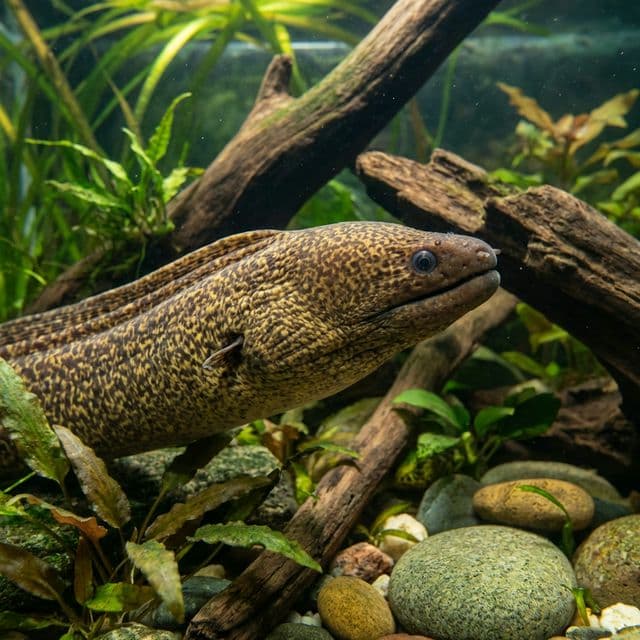
Freshwater Moray Eel
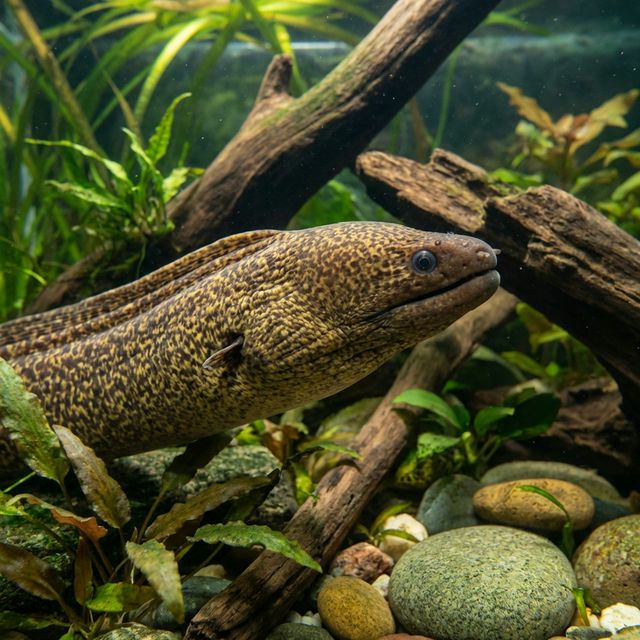
The Freshwater Moray Eel, scientifically known as Gymnothorax polyuranodon, is an intriguing species that adds a unique touch to any aquarium. Recognized for its elongated, serpent-like body, the Freshwater Moray Eel typically showcases a stunning coloration characterized by a mixture of browns, greens, and yellows, often accented by intricate patterns that mimic its natural environment. This visual appeal, combined with its fascinating behaviors, makes it a sought-after species among aquarists and hobbyists. Unlike marine eels, the Freshwater Moray Eel has adapted to life in freshwater environments, primarily residing in rivers and swamps, where it patiently waits to ambush prey.
The Freshwater Moray Eel holds significant importance in the aquarium hobby not only for its unique appearance but also for its enigmatic nature. Its shy and reclusive disposition adds a layer of intrigue, as it often hides among rocks, driftwood, or plants, emerging primarily during feeding times. This behavioral trait encourages aquarists to create well-structured habitats that replicate its natural hiding spots, allowing enthusiasts to witness the interplay of nature in their tanks. Additionally, due to their specialized care requirements and dietary needs, keeping a Freshwater Moray Eel can be a rewarding challenge, appealing to experienced aquarists looking to deepen their understanding of aquatic life.
Natural Habitat & Origin
The Freshwater Moray Eel is native to the rivers and mangroves of Southeast Asia, particularly found in countries like Indonesia, Malaysia, and the Philippines. It thrives in brackish waters where freshwater meets the ocean, showcasing its adaptability to varying salinity levels. The environmental context of its natural habitat includes slow-moving waters with ample hiding spots provided by dense vegetation, submerged roots, and rocky substrates. It is commonly found in blackwater environments, where decaying plant matter contributes to lower pH levels, making it essential for aquarists to replicate such conditions in captivity for the species to thrive.
In the wild, the Freshwater Moray Eel occupies a crucial ecological niche, acting as both a predator and prey within the aquatic food web. Its natural diet consists of small fishes, crustaceans, and other invertebrates that inhabit the water columns and benthic zones of its habitat. Understanding its natural environment helps aquarists create a more sustainable and healthful living space for these unique creatures when kept in home aquariums.
Care Requirements
To ensure the well-being of the Freshwater Moray Eel, specific water parameters must be maintained. The ideal pH range is between 6.5 and 7.5, while the temperature should be kept within 24°C to 28°C (75°F to 82°F). Hardness levels should be moderate, ideally between 4 to 12 dGH. Establishing a stable environment is crucial, as fluctuations in these parameters can lead to stress and health issues.
In terms of tank setup, a minimum aquarium size of 75 gallons is recommended for a single Freshwater Moray Eel due to their sizable growth potential, which can exceed 3 feet in length. The substrate should be soft and smooth to avoid injury as they navigate their environment. It's advisable to include various hiding spots using rocks, driftwood, or designated caves, which will not only provide shelter but also mimic their natural habitat. Aquascaping should involve low to moderate lighting, as this species tends to prefer dimly lit areas. Live plants can also be incorporated, but it’s essential to ensure they are secured well, as the eel may disturb the substrate while burrowing or exploring.
Diet & Feeding
The Freshwater Moray Eel is primarily a carnivore, thriving on a diet rich in protein. In captivity, they can be fed a varied diet consisting of high-quality frozen or live foods, such as shrimp, whitefish, and mussels. Pellet and flake foods specifically formulated for carnivorous or omnivorous fish can also be introduced, though their acceptance may vary. Being opportunistic feeders, it's crucial to provide a balanced diet that mimics their natural feeding patterns, ensuring appropriate nutrition to support healthy growth and activity levels.
Feeding should occur regularly but in moderation to prevent overfeeding, as these eels have a slow metabolic rate and may be prone to obesity. It’s recommended to offer food two to three times a week, ensuring that the pieces are appropriately sized for their relatively small mouths. Additionally, varying their diet will stimulate their natural hunting instincts and enhance their overall well-being within the aquarium environment.
Behavior & Temperament
The Freshwater Moray Eel is known for its shy but curious nature. Often found hiding among rocks or foliage, it does venture out to explore and hunt, showcasing its fascinating predatory behavior. This species exhibits solitary tendencies, preferring to inhabit its own territory rather than schooling with others. In terms of aggression, the Freshwater Moray Eel is generally not harmful to other fish unless provoked or threatened. However, its predatory instincts may lead it to target smaller tank mates, which requires careful consideration when selecting companions.
In the tank, the Freshwater Moray Eel is primarily a bottom-dweller, often seen swimming vertically to some degree, especially during feeding. This vertical placement, combined with their habit of poking their heads out of hiding spots, can be an engaging sight for aquarists. While they may not thrive in heavily populated tanks or arrangements lacking adequate shelter, creating a structured underwater landscape allows for their intriguing behavioral patterns to emerge fully.
Tank Mates
When considering tank mates for the Freshwater Moray Eel, it is vital to choose species that can coexist without becoming prey. Compatible tank mates include larger species such as Silver Dollars, Oscars, and Pacus, which can tolerate the eel's curiosity. Additionally, peaceful bottom-feeders like Corydoras Catfish can thrive alongside this species, as they occupy different habitats within the tank.
However, it is essential to avoid placing smaller, aggressive, or overly active fish in the same aquarium, as they may irritate or provoke the eel. Species such as small tetras, guppies, and any fish that exhibit fin-nipping behaviors should be excluded to minimize stress and ensure a harmonious aquatic environment. Creating an assortment of suitable companions while factoring in the Freshwater Moray Eel's preferences is crucial to maintaining a peaceful community tank.
Breeding
Breeding Freshwater Moray Eels in captivity can be challenging and is not commonly achieved due to their specific environmental and dietary requirements. Spawning typically occurs in brackish waters, so replicating the exact parameters in a freshwater aquarium may prove difficult. The Freshwater Moray Eel shows a unique courtship ritual, often involving extensive displays of both males and females, swimming together among vegetation.
To encourage breeding behavior, it is essential to provide a spacious and well-structured environment with optimal water conditions that mimic their natural habitat, including a slight increase in salinity. Additionally, ensuring that both breeding adults are well-fed and maintained at peak health is crucial. If successful, the eggs will be deposited among plants or rocky surfaces, where they will hatch within a few days. However, due to the complexities of their breeding cycle, most aquarists focus on providing a suitable environment for enjoying their presence rather than attempting to breed this captivating species.