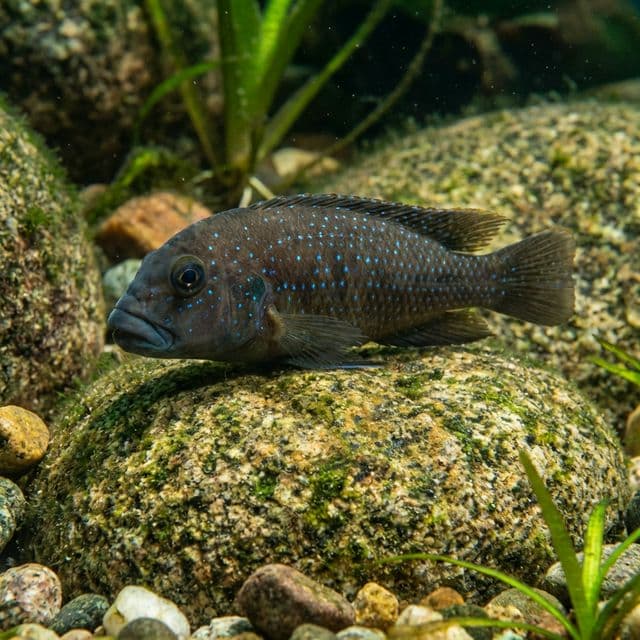
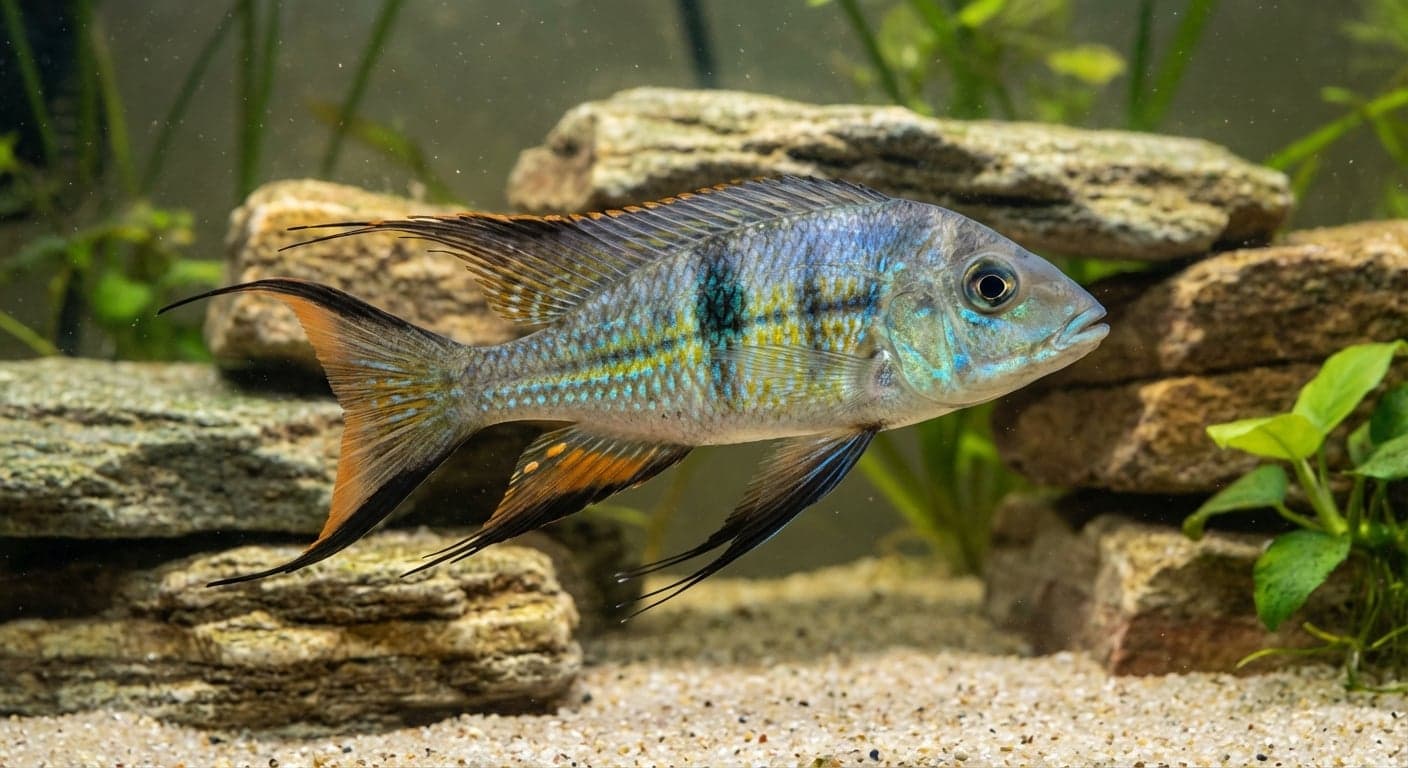
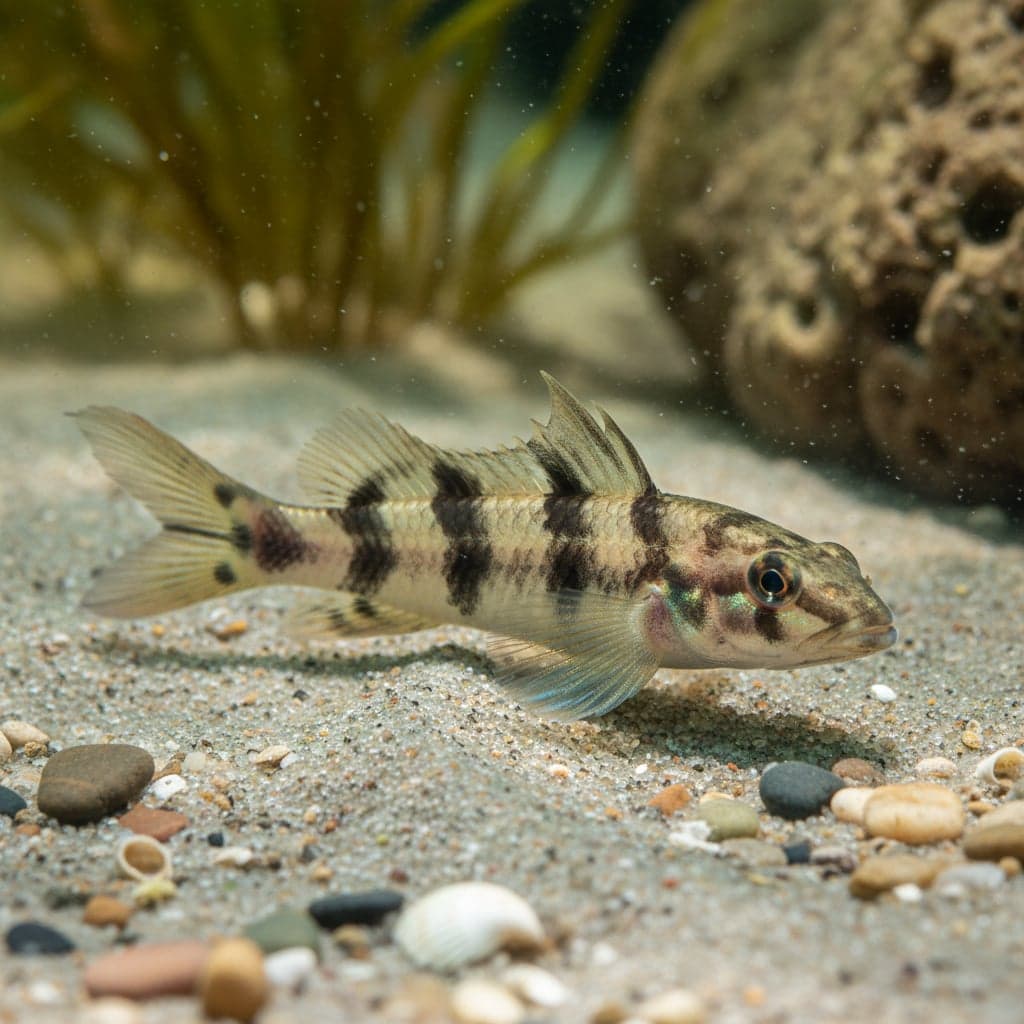
The Frontosa Cichlid: Cyphotilapia frontosa
The King of Lake Tanganyika. A majestic, deep-water giant known for its nuchal hump and calm demeanor. Requires a large tank but rewards with personality.
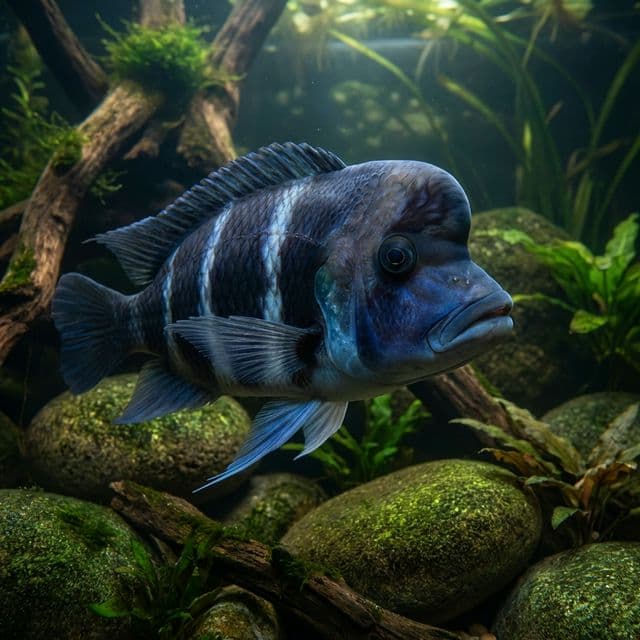
Frontosa Cichlid
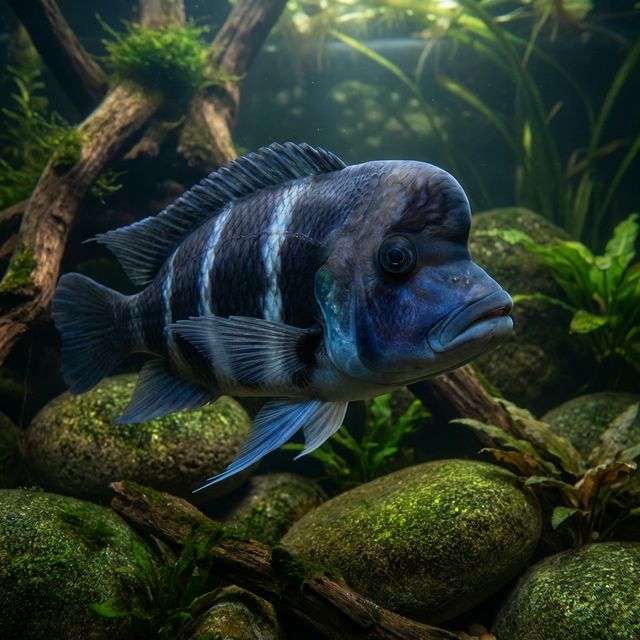
The Frontosa Cichlid, scientifically known as Cyphotilapia frontosa, is a strikingly beautiful species originating from the deep waters of Lake Tanganyika, Africa. Recognized for its impressive size, this cichlid can grow up to 12 inches or more in length. Its vibrant coloration, which can range from deep blues to light blue with black spots or stripes, adds a brilliant visual appeal to any freshwater aquarium. The unique body shape, characterized by a large head and prominent fins, contributes not only to its aesthetic charm but also its majestic presence in aquatic environments. Enthusiasts regard the Frontosa Cichlid as a flagship species in the aquarist community due to its combination of beauty and interesting behavior, making it a sought-after addition for both novice and experienced aquarists alike.
In addition to its visual allure, the Frontosa Cichlid holds cultural and social significance within the hobby. Its relatively peaceful demeanor, juxtaposed with territorial tendencies, provides a fascinating observation experience for fishkeepers. Known for forming strong pair bonds, these cichlids are also appreciated for their intriguing reproductive behaviors. The Frontosa Cichlid's blend of captivating characteristics and unique temperament has made it an enduring favorite, allowing aquarists to enjoy both its solitary beauty and complex social dynamics in a carefully curated habitat.
Natural Habitat & Origin
The Frontosa Cichlid is native to Lake Tanganyika, one of the most ancient lakes in the world, located between four African countries: Burundi, the Democratic Republic of the Congo, Zambia, and Tanzania. The lake is renowned for its extraordinary biodiversity and is characterized by its deep, clear waters, which can exceed depths of 1,400 meters. The Frontosa thrives at depths of 15 to 50 meters, where it prefers rocky substrates that provide hiding spots and breeding grounds. These cichlids are typically found in areas with moderate to strong water movement, which aids in their feeding habits while allowing them to establish territories.
The water conditions in Lake Tanganyika are stable, with a high degree of mineral content, particularly calcium carbonate, making the environment predominantly alkaline. This unique ecosystem is classified as clearwater, which means the visibility is usually quite high. The presence of natural shelters, such as rocky outcroppings and caves, is crucial for the Frontosa Cichlid, as they rely on these structures for protection from predators and for establishing their breeding territories.
Care Requirements
To successfully house the Frontosa Cichlid, a suitable aquarium setup is essential. A minimum tank size of 75 gallons is recommended, as these fish require ample swimming space and territory. The aquarium should mimic the rocky environments of Lake Tanganyika, featuring plenty of caves and hiding spots made from rocks and driftwood. A sandy substrate is preferable, allowing the fish to burrow and feel secure in their habitat.
Regarding water parameters, the Frontosa Cichlid thrives in an alkaline environment with a pH range of 7.8 to 9.0. A stable temperature between 74°F and 79°F is ideal, as fluctuations can induce stress and health issues. Hardness levels should be maintained between 10-20 dGH to replicate their natural habitat. Lighting can be moderate to bright, though it should consider the addition of shaded areas, as these fish may appreciate spots to retreat when feeling exposed.
Diet & Feeding
The Frontosa Cichlid is primarily a carnivorous fish, though it is considered omnivorous in captivity due to its adaptability in feeding habits. In the wild, their diet mainly consists of smaller fish, zooplankton, and crustaceans. As such, it is crucial to provide a balanced diet for your Frontosa that mimics their natural feeding behavior. High-quality cichlid pellets, flakes, and frozen foods (such as brine shrimp and bloodworms) should form the bulk of their diet. Supplementing their diet with high-protein live foods occasionally can promote optimal growth and health.
Carefully monitoring the quantity of food is essential, as Frontosa Cichlids can be prone to overeating if not regulated. Feeding these fish once or twice a day, ensuring that the food is consumed within a few minutes, will help prevent water quality issues and maintain healthy fish.
Behavior & Temperament
The Frontosa Cichlid is known for its relatively calm demeanor but can exhibit territorial behavior, particularly during breeding periods. These fish are not overly aggressive but do require adequate space to establish their territory without stressing their tank mates. Although they are not typically schooling fish, it is advisable to keep them in small groups as they can develop hierarchies. A single male should be kept with multiple females to reduce aggression and encourage breeding behavior.
In terms of vertical placement, Frontosa Cichlids often prefer to occupy the lower levels of the aquarium but may venture to the mid-levels when swimming or during feeding. Providing sufficient hiding spots and approaches to different levels of the tank will help keep them comfortable and secure.
Tank Mates
When selecting tank mates for the Frontosa Cichlid, it is vital to consider species that can coexist harmoniously. Compatible species include other medium to large cichlids from Lake Tanganyika, such as the Mbenji Cichlid (Cyprichromis microlepidotus) and the Burundi Cichlid (Cyphotilapia frontosa). Additionally, robust and peaceful fish like catfish (e.g., Synodontis species) and larger tetras can complement the aquarium community.
However, it is crucial to avoid keeping them with extremely aggressive or small fish that may be perceived as potential prey. Species such as bettas, angelfish, and smaller community fish should be excluded from the tank. Always consider the size and temperament of potential tank mates to minimize aggression and ensure a peaceful community environment.
Breeding
Breeding Frontosa Cichlids in captivity can be a rewarding experience, though it requires certain conditions to encourage spawning. These fish often exhibit mouthbrooding behavior, where females incubate their eggs in their mouths until they are ready to swim independently. To encourage breeding, a breeding tank should be maintained with higher water quality and stable parameters.
The presence of flat surfaces or designated breeding caves can facilitate the process, as females prefer to lay eggs on smooth surfaces. A ratio of one male to three or more females is recommended to ease competition and aggression. Signs of spawning readiness include the male displaying more vibrant colors and performing courtship dances. Once spawning occurs, the female can produce anywhere from 20 to 100 eggs, which she will protect diligently.
Common Health Issues
Though generally hardy, Frontosa Cichlids may be susceptible to specific health issues when kept in suboptimal conditions. Common diseases include ich (white spot disease), fin rot, and bacterial infections. To prevent these issues, maintaining stable water parameters and high water quality is crucial. Quarantining new tank mates before introducing them is also strongly advised to prevent stress-related illnesses and the introduction of pathogens into the established tank.
Signs of illness may include lethargy, loss of appetite, or abnormal swimming behaviors. If such symptoms occur, prompt action, such as improving water conditions and possibly consulting a veterinarian specializing in fish health, is essential for successful treatment and recovery. Regular maintenance, monitoring of water quality, and a varied, high-quality diet further strengthen their resilience. Avoid overcrowding and sudden chemistry swings typical of large Tanganyika setups. Quarantine new fish and watch for early warning signs so treatment can begin before problems escalate. With stable alkaline water and attentive care, Frontosa Cichlids remain impressive, long-lived centerpiece fish.