Furcifer Featherfin Cichlid: Cyathopharynx furcifer
One of the most spectacular Lake Tanganyika cichlids. Males build sand castles to attract females.
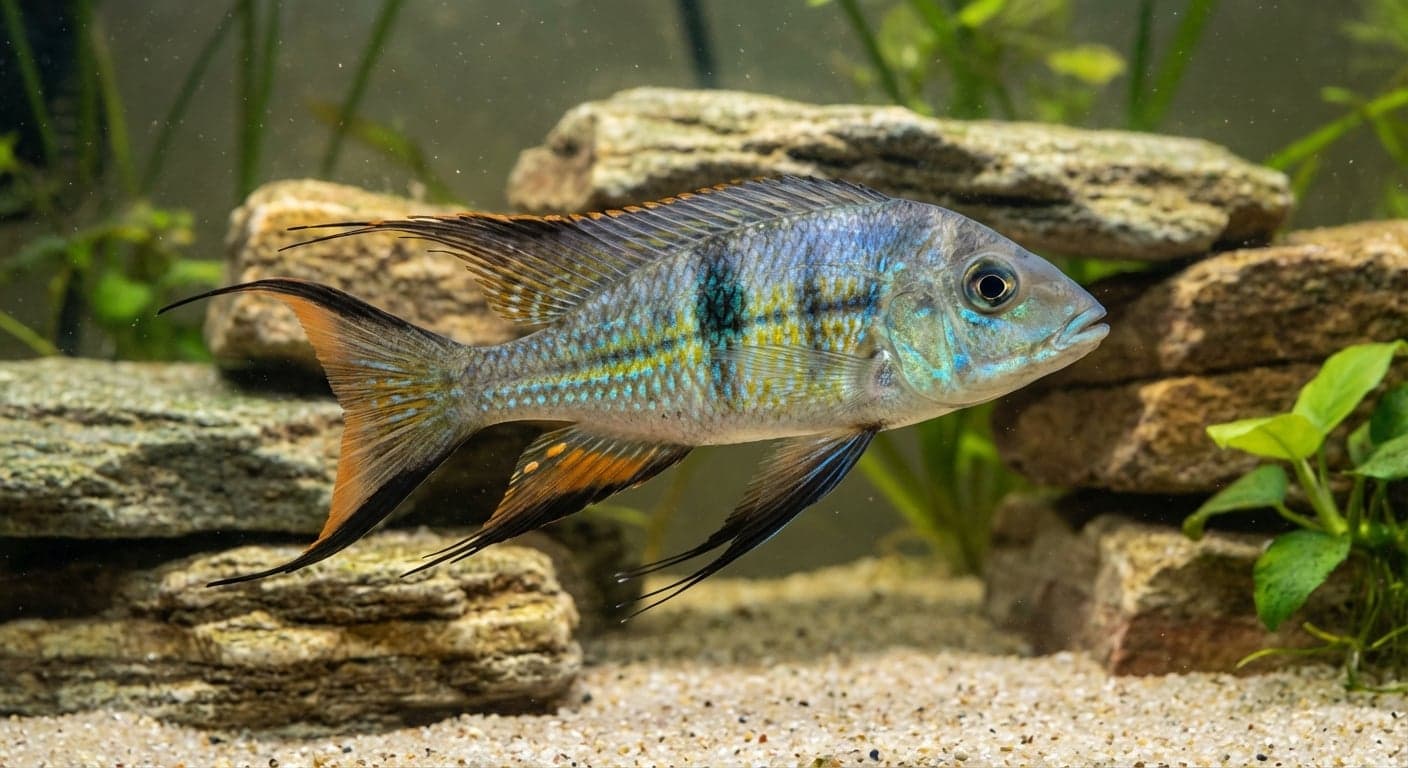
Furcifer Featherfin Cichlid
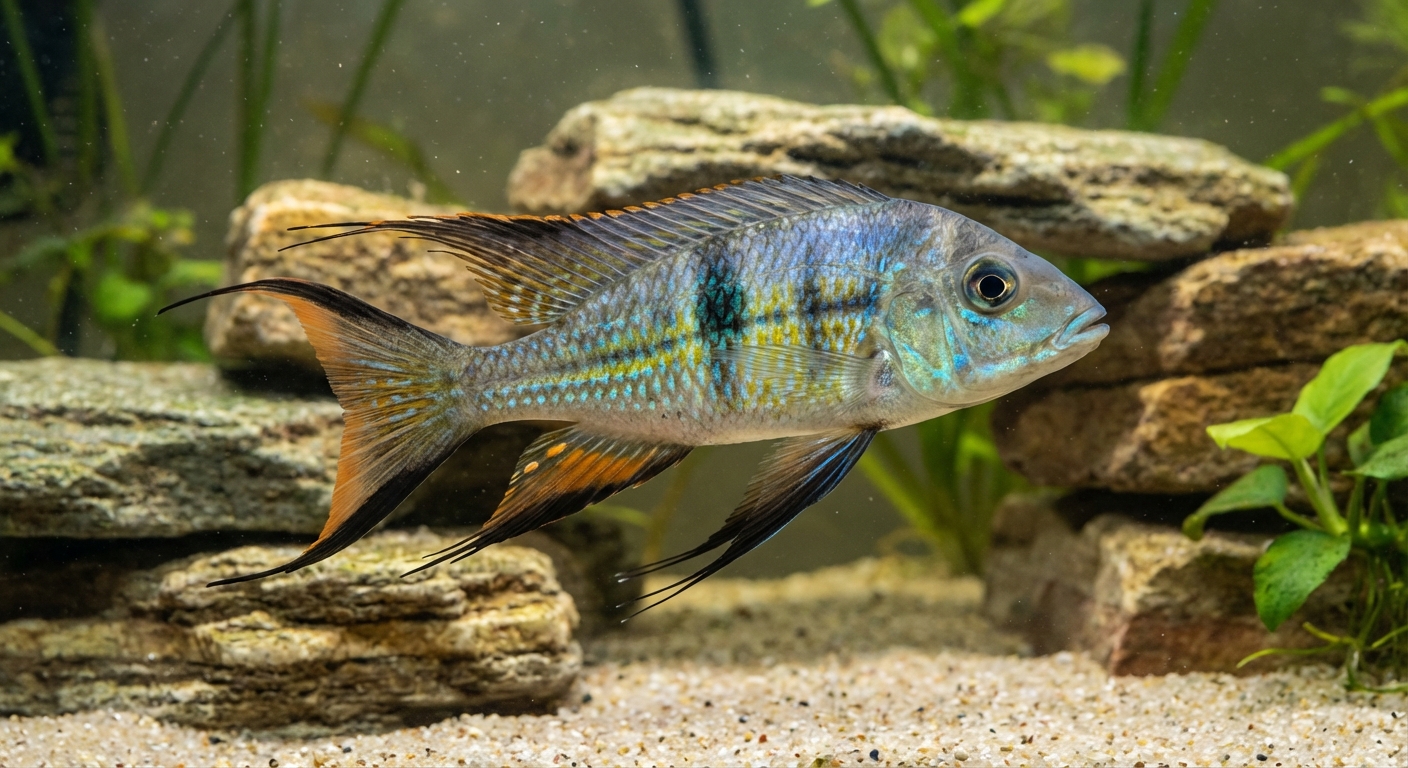
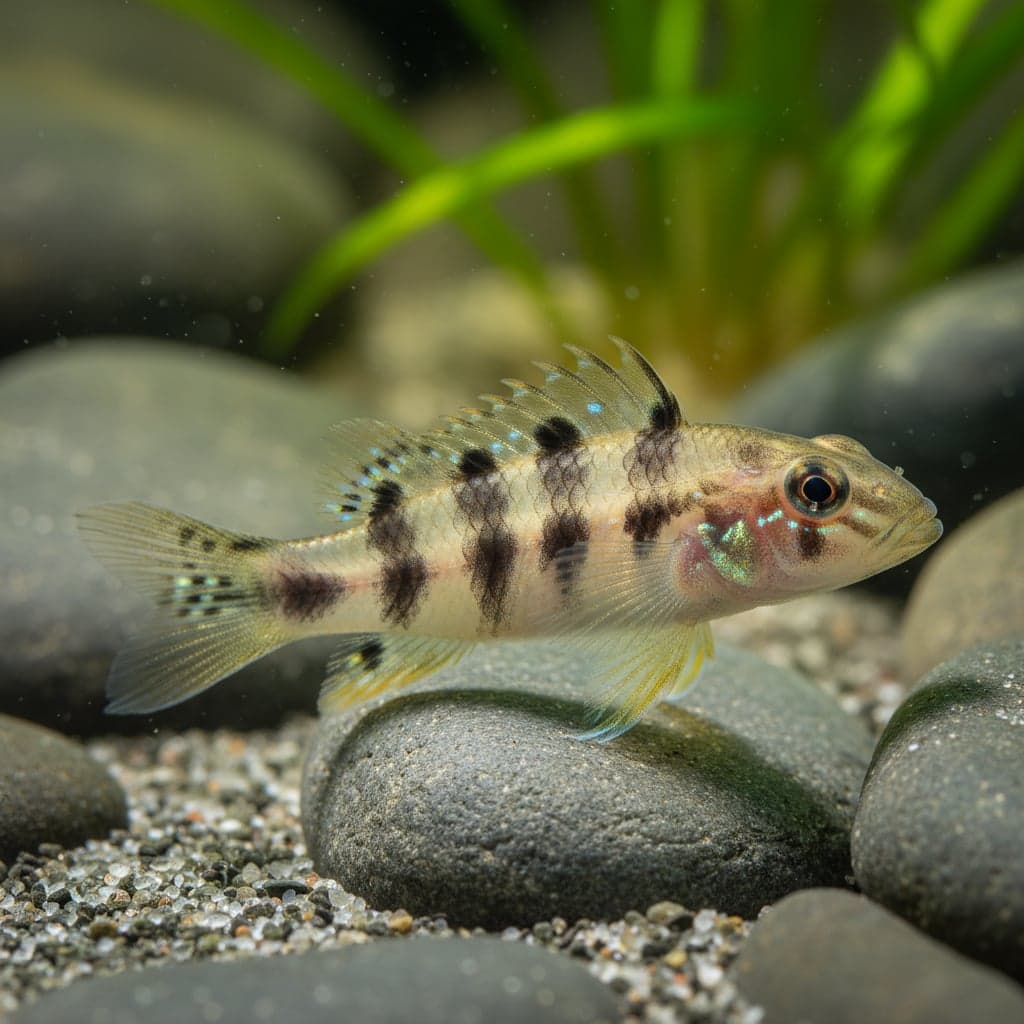
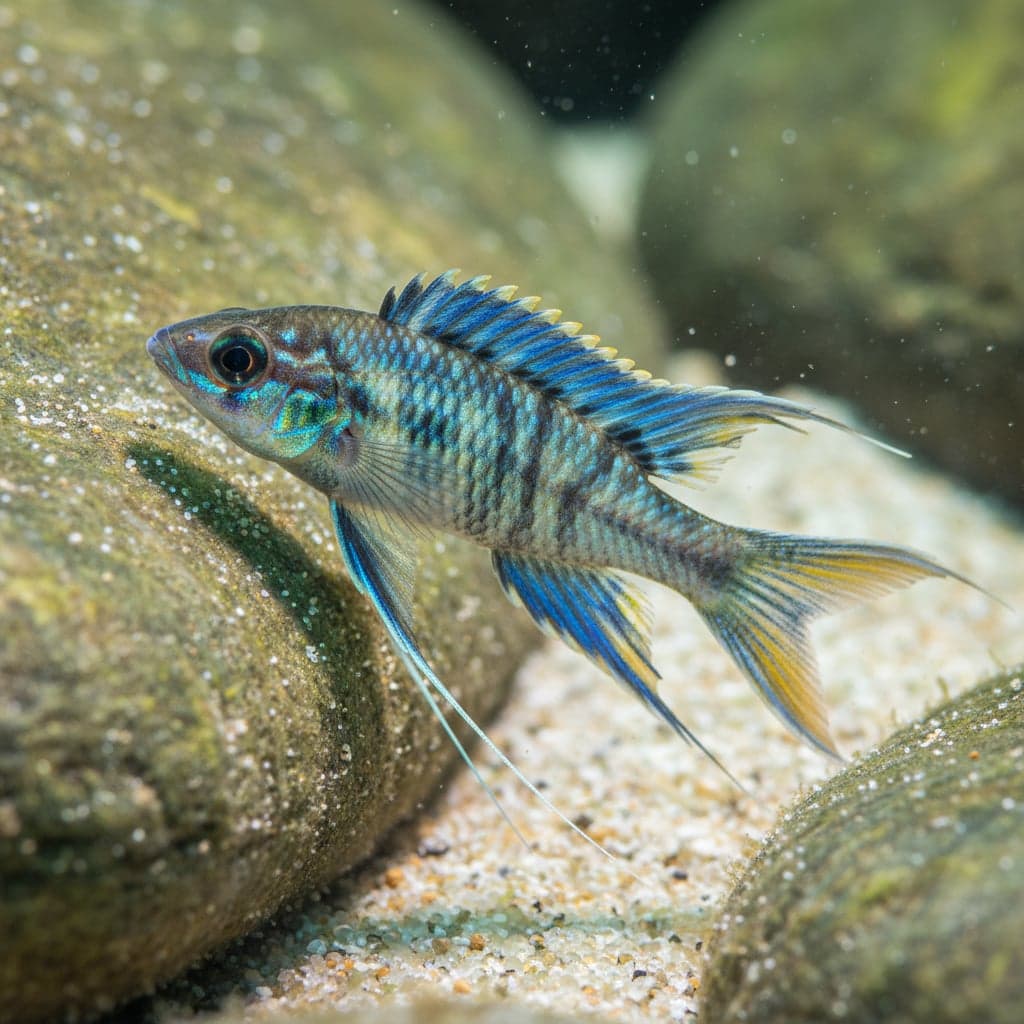
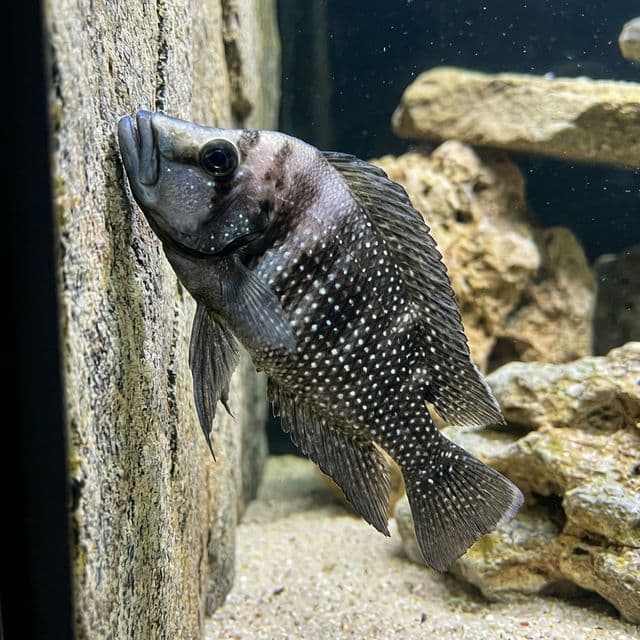
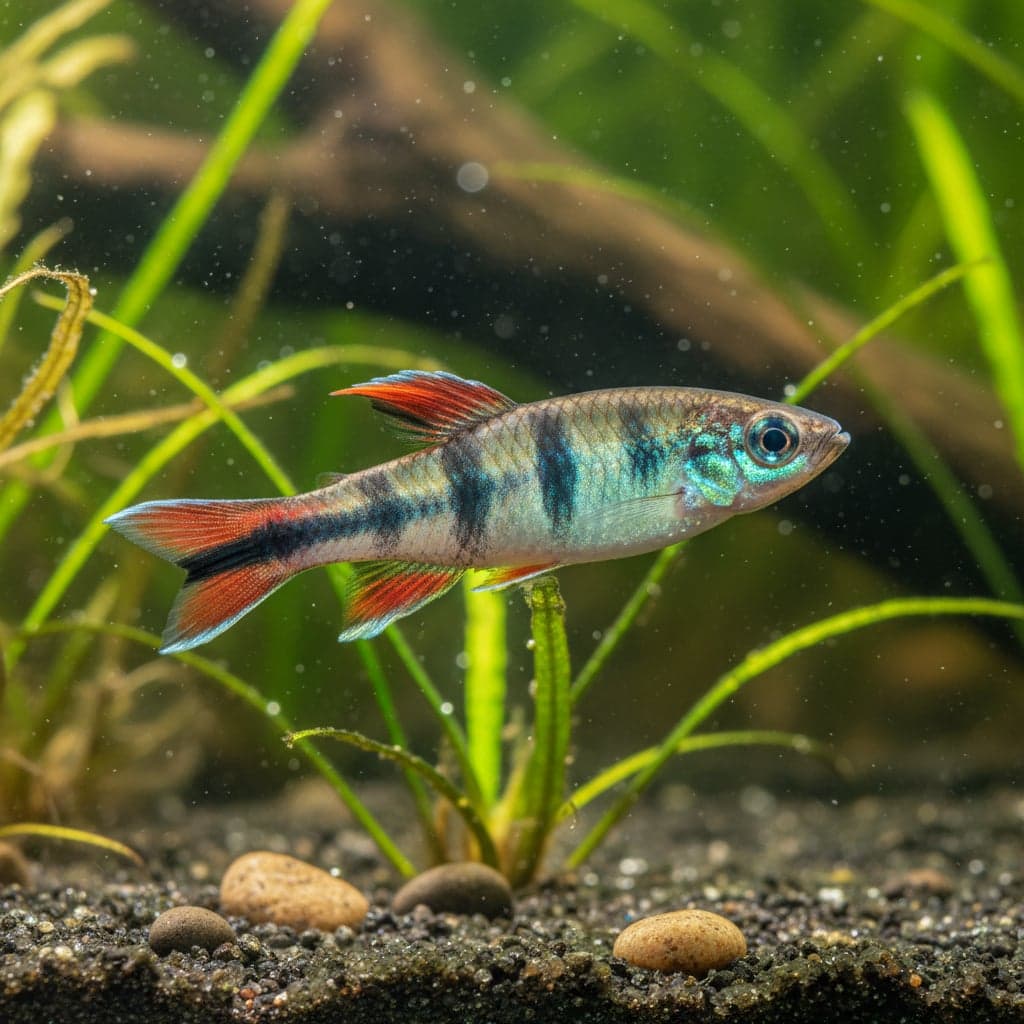
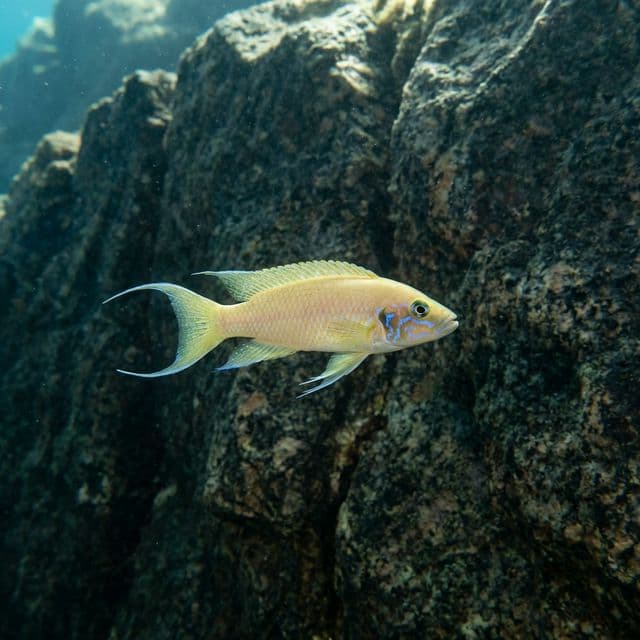
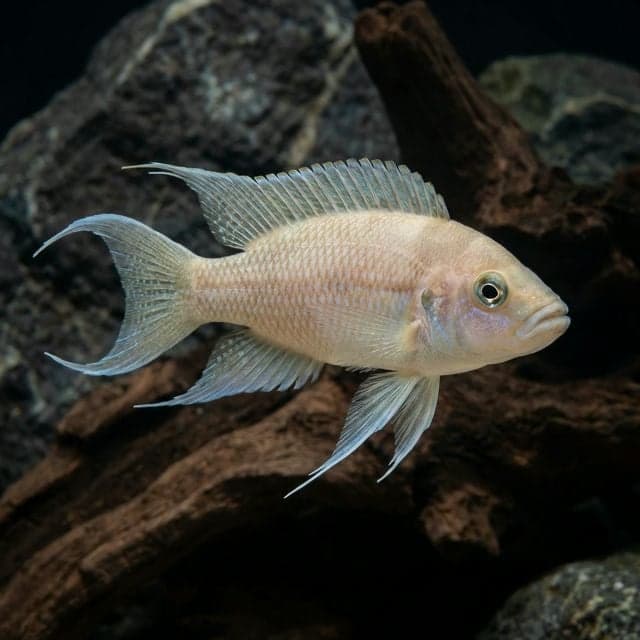
The Furcifer Featherfin Cichlid, scientifically known as Cyathopharynx furcifer, is a visually captivating fish that has garnered attention among aquarium enthusiasts due to its unique appearance and engaging behavior. Characterized by its elongated body and striking long fins, this cichlid boasts a beautiful gradient of colors, typically ranging from pale yellow to a soft blue, adorned with dark speckles that create an enchanting spectacle in freshwater habitats. Their distinctive feather-like dorsal fin adds to their appeal, making them a fabulous choice for aquarists who appreciate both beauty and character in their fish.
In addition to its aesthetic value, the Furcifer Featherfin Cichlid holds significance in the aquarium hobbyist community, particularly for those with an interest in African cichlids. Native to the waters of Lake Tanganyika, one of the most biodiverse freshwater lakes in the world, this species is not only visually stunning but also a testament to the rich ecological variety found in this habitat. As a species that exhibits typical cichlid behaviors, such as territoriality and nesting, the Furcifer Featherfin Cichlid offers hobbyists a chance to observe and appreciate natural behaviors, making it a favorite among seasoned aquarists and a delightful introduction for newcomers looking to explore the world of cichlid keeping.
Natural Habitat & Origin
The Furcifer Featherfin Cichlid is indigenous to Lake Tanganyika, a rift lake situated between four African countries: Burundi, the Democratic Republic of the Congo, Tanzania, and Zambia. This lake is known for its clear, mineral-rich waters, which can vary in depth, providing diverse habitats for aquatic life. The Furcifer Featherfin Cichlid typically inhabits rocky areas and sandy bottoms, where it finds shelter and food. The water conditions in Lake Tanganyika are generally alkaline and hard, with a pH ranging from 8.5 to 9.0, temperatures averaging between 23°C to 28°C (73°F to 82°F), and relatively low nutrient concentrations.
This cichlid thrives in environments that mimic these natural conditions, requiring aquarists to create a setup that reflects the unique chemical and physical characteristics of its native habitat. The presence of rocky structures and open swimming areas is crucial to support their natural behaviors, including foraging, hiding, and establishing territories. Understanding their natural habitat is essential for providing proper care and ensuring their health and well-being in captivity.
Care Requirements
To keep the Furcifer Featherfin Cichlid healthy, optimal water conditions are vital. This species prefers a pH level between 8.5 and 9.0, a temperature range of 24°C to 28°C (75°F to 82°F), and water hardness of 10 to 20 dGH. Maintaining stable water parameters is crucial, as fluctuations can lead to stress and illness. A minimum tank size of 75 gallons is recommended, as this provides ample space for swimming and territorial behavior, which is common among cichlids.
The tank setup should include a substrate of fine sand or small pebbles to mimic the bottom of Lake Tanganyika. Incorporating rocky structures, such as limestone or granite, allows the fish to establish territories and provides hiding spots, essential for their comfort. Additionally, moderate lighting will help to bring out their colors without causing stress. It is also beneficial to include live plants, such as Anubias or Java fern, strategically placed to offer cover, but ensure that they are placed in pots to prevent substrate disturbance.
Diet & Feeding
The Furcifer Featherfin Cichlid is primarily a carnivore, although it can be considered an omnivore in captivity, thriving on a varied diet. In the wild, their diet consists mainly of small invertebrates, crustaceans, and algae. To recreate this balanced diet, it is essential to provide a mix of high-quality flakes and pellets specifically formulated for cichlids. Foods high in protein will support growth and coloration, while supplementary frozen or live foods such as brine shrimp, daphnia, and bloodworms will enhance their diet further.
Feeding should occur once or twice a day, with small amounts to avoid overfeeding and maintain water quality. Flake foods should be consistently varied to ensure proper nutrition. Additionally, providing occasional vegetable matter, such as blanched spinach or spirulina, can also contribute to a well-rounded diet, mimicking their natural foraging behavior.
Behavior & Temperament
The Furcifer Featherfin Cichlid exhibits a range of interesting behaviors, typical of African cichlids. This species is generally peaceful when kept in suitable community tanks but can display territorial aggression during breeding or when threatened. They are more solitary compared to other cichlids and typically prefer to establish their own space within the tank. Observing this fish, one can note its vertical placement in the tank, as it tends to swim in the middle to upper levels, often utilizing rocks and decorations as shelter.
While they can coexist with other species, it is crucial to monitor their interactions, especially during feeding times or if they feel their territory is encroached upon. Ensuring that the tank provides ample hiding spots and reserves will help mitigate any aggression and promote a more harmonious environment.
Tank Mates
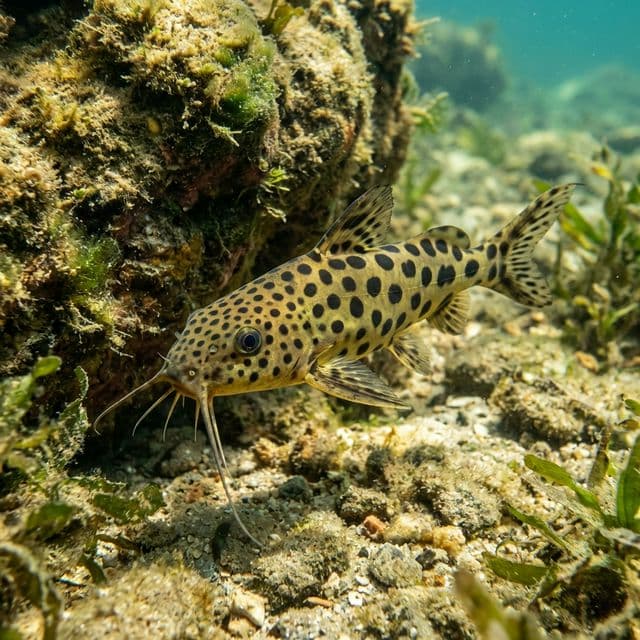
When considering tank mates for the Furcifer Featherfin Cichlid, it's essential to choose species that are similarly sized and can tolerate the alkaline conditions preferred by this cichlid. Compatible species include various other Lake Tanganyika cichlids such as the Neolamprologus and Julidochromis species. Additionally, larger species like the African Butterfly Fish or certain catfish (e.g., Synodontis spp.) can be excellent companions due to their peaceful and non-territorial nature.
However, some species should be avoided to prevent aggression or bullying. Small, peaceful fish, particularly those that occupy the same space in the tank, such as tetras or guppies, could become targets. Furthermore, never house the Furcifer Featherfin Cichlid with overly aggressive cichlid species, as they can provoke conflict leading to stress or injury.
Breeding
Breeding the Furcifer Featherfin Cichlid in captivity requires dedication to replicate the conditions of their natural breeding environment. They are mouthbrooders, with females typically laying eggs in a sheltered area, such as flat rocks or caves. To encourage breeding, aquarists should maintain optimal water conditions, including higher temperatures of around 28°C (82°F) and conducting regular water changes to ensure cleanliness and stability.
Once the female lays eggs, she will collect and incubate them in her mouth until they hatch, which usually occurs within 3 to 4 days. After hatching, fry will emerge, and the mother will continue to protect them in her mouth for several more days. Providing ample hiding spots and a well-planted tank can support fry development, but care should be taken to separate them once they become free-swimmers to avoid cannibalism.
Common Health Issues
The Furcifer Featherfin Cichlid may be susceptible to several common freshwater fish diseases, including ich (Ichthyophthirius multifiliis), fin rot, and velvet disease. Keeping the water clean and maintaining stable parameters is paramount in preventing these issues. A well-filtered aquarium with consistent water changes further reduces disease risk. Watch for clamped fins, white spots, or faded coloration, and treat promptly with appropriate freshwater medications. Avoid overcrowding and sudden parameter swings, which weaken immunity. Quarantining new arrivals and offering a varied, high-quality diet also support resistance. With stable Tanganyika-like conditions and attentive care, your Furcifer Featherfin Cichlid can remain active and colorful for years.