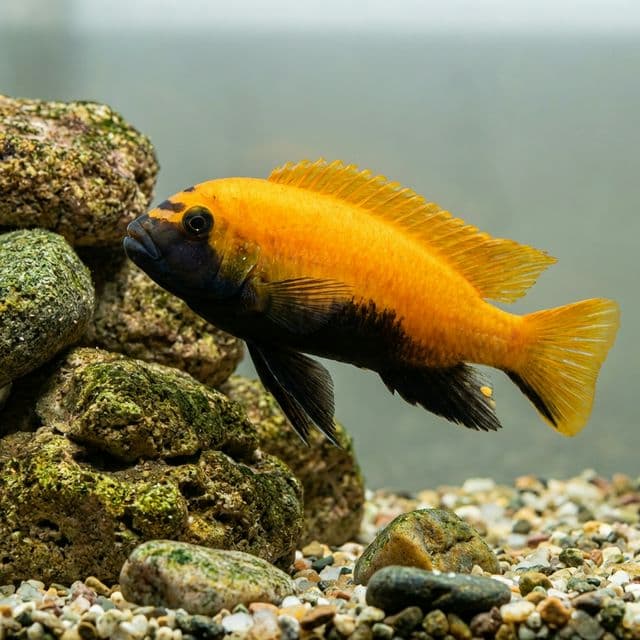
Fusco Hap: Nimbochromis fuscotaeniatus
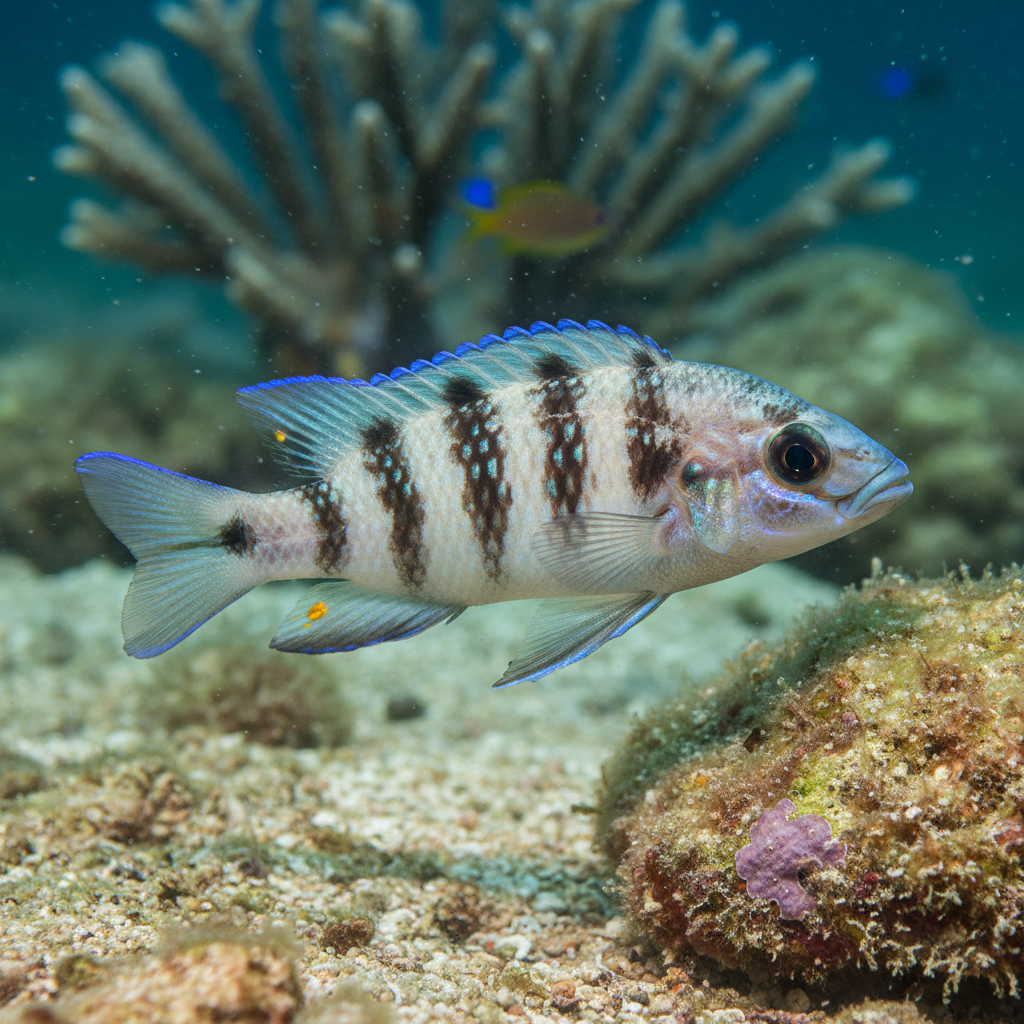
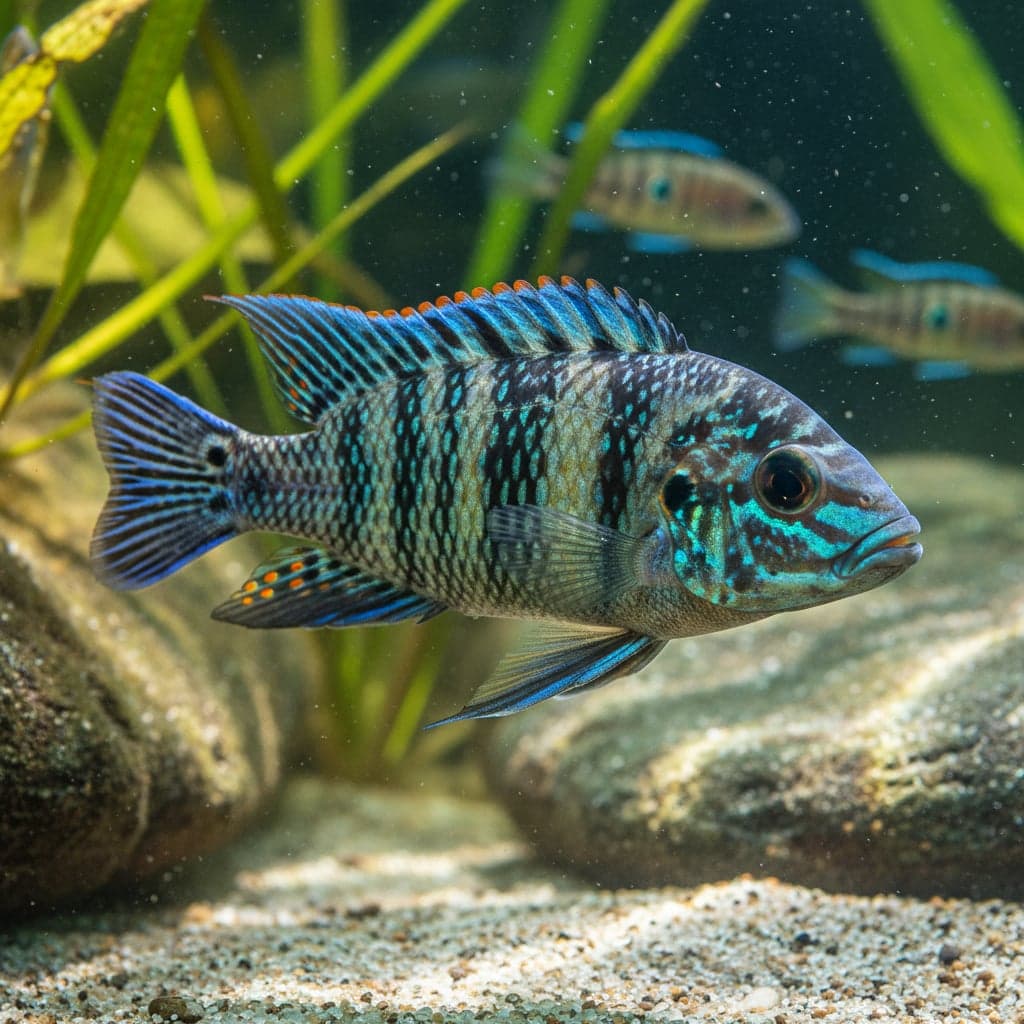
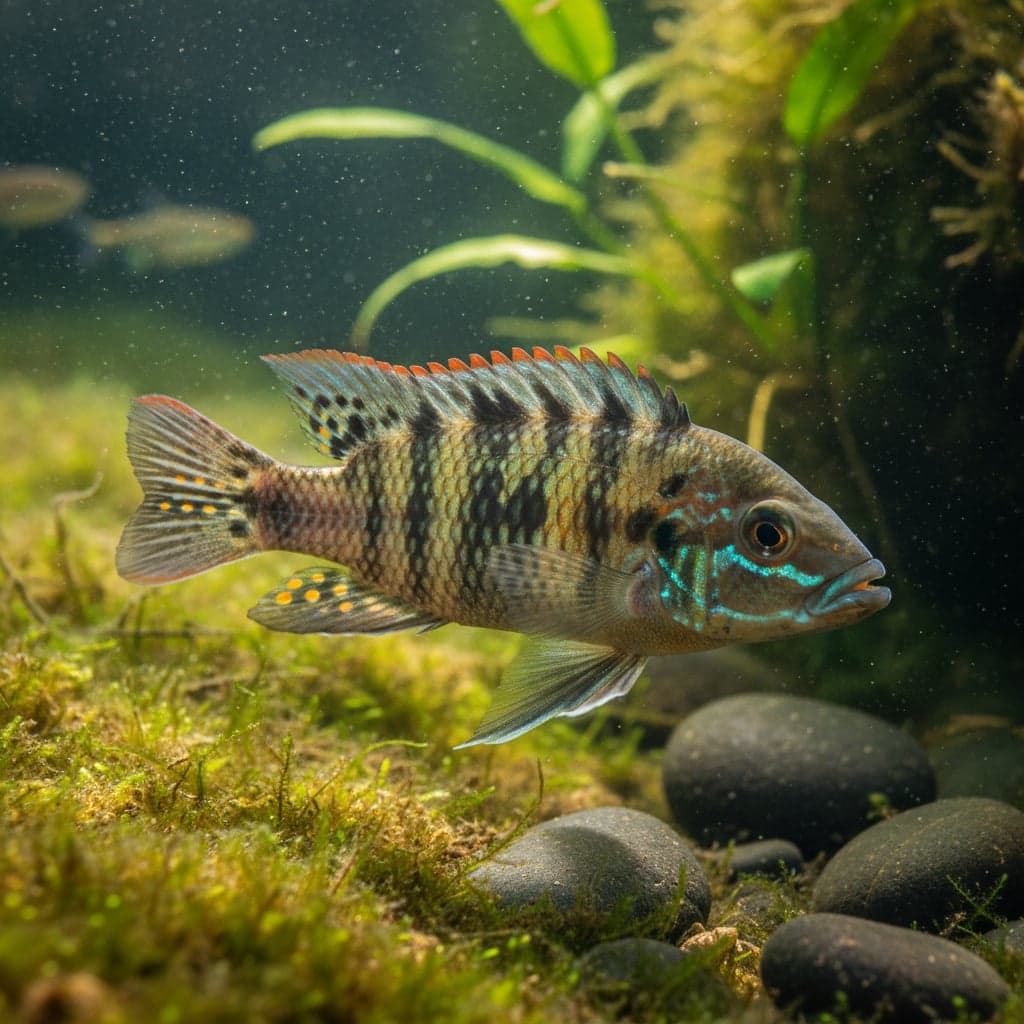
A large, predatory Malawi Hap. Males turn stunning metallic blue with a red anal fin.
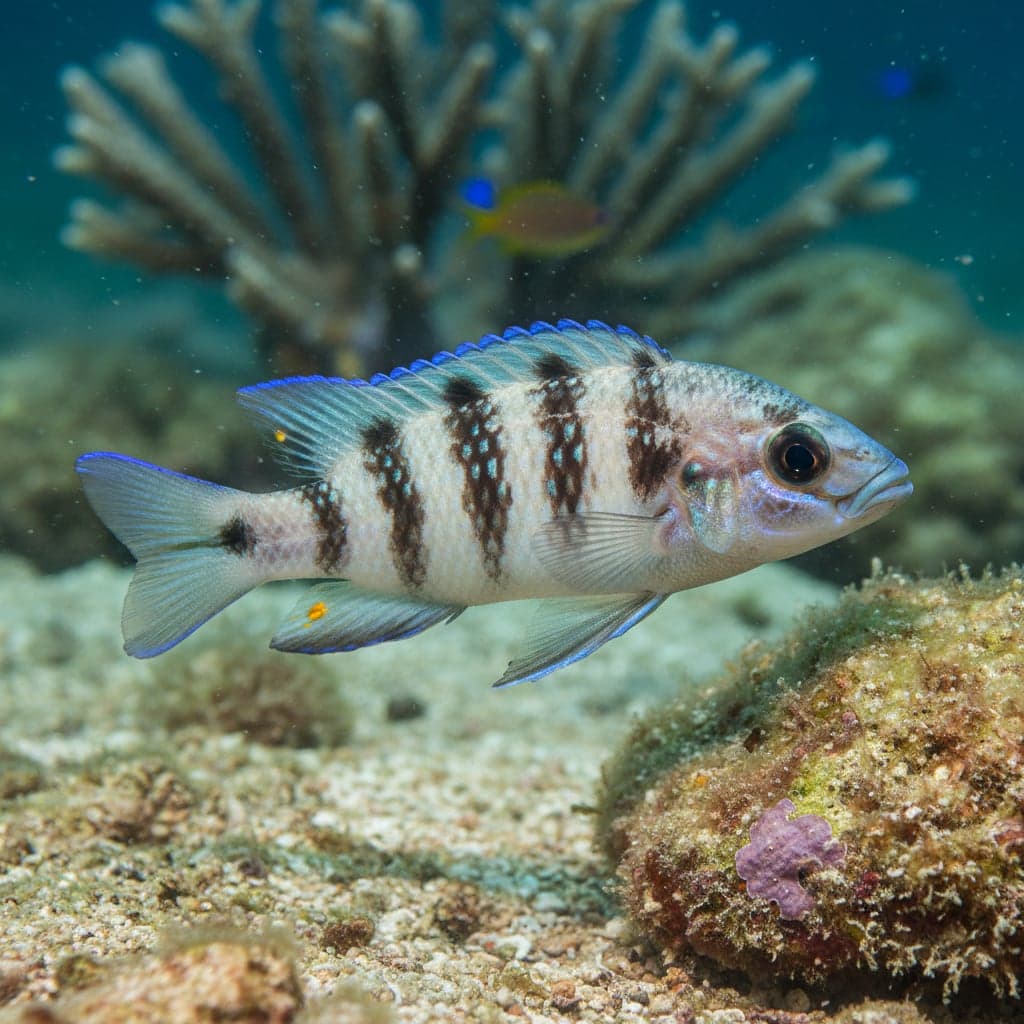
Fusco Hap
The Fusco Hap, scientifically known as Nimbochromis fuscotaeniatus, is a stunning freshwater fish native to the rocky habitats of Lake Tanganyika in East Africa. Renowned for its striking coloration and unique patterns, this cichlid exhibits a brilliant combination of yellows, blues, and blacks that captivate aquarists and fish enthusiasts alike. As a member of the cichlid family, the Fusco Hap displays both beauty and behavioral complexity, making it a significant choice for advanced aquarium setups. Its distinct markings, including horizontal banding that resembles a striped pattern, contribute to its allure as a centerpiece fish in community aquariums.
In the aquarium hobby, the Fusco Hap plays a crucial role due to its fascinating behaviors and adaptability. The species not only adds visual diversity with its vivid colors, but it also provides an opportunity for aquarists to engage with a dynamic fish that exhibits natural hunting strategies and social structures. The combination of both aesthetic appeal and behavioral intrigue positions the Fusco Hap as a must-have for hobbyists seeking to deepen their knowledge and experience with African cichlids.
Natural Habitat & Origin
The Fusco Hap originates from Lake Tanganyika, one of the oldest and most biodiverse freshwater lakes in the world. This unique environment is characterized by clear, alkaline waters with a pH ranging from 7.7 to 9.0, making it crucial to replicate similar conditions for optimal care. The underwater landscape predominantly consists of rocky substrates, caves, and crevices, providing ample hiding spots and breeding grounds for the various cichlid species that inhabit the lake. The Fusco Hap is often found among the rocks or in open waters, where it hunts for small fish and invertebrates, making its natural habitat a complex and fascinating ecosystem that aquarists aim to emulate in their tanks.
In terms of environmental context, the area surrounding Lake Tanganyika is rich with both aquatic and terrestrial biodiversity, with varied temperatures typically averaging between 23°C to 28°C (73°F to 82°F). This ecological richness influences the behavior and physiology of the Fusco Hap, underscoring the importance of providing a well-structured aquarium that reflects its natural environment for successful long-term care.
Care Requirements
To ensure the Fusco Hap thrives in captivity, it is important to maintain specific water parameters. An ideal pH level should range between 7.8 and 8.5, with a temperature set between 24°C to 28°C (75°F to 82°F). The hardness should be between 10° and 20° dGH, providing the calcium and minerals necessary for the health of the fish. In terms of tank setup, it is advisable to have a minimum tank size of 100 gallons to give the Fusco Hap the space it needs to swim and establish territory.
When designing the aquarium, include a sandy or fine gravel substrate to replicate the natural lakebed where Fusco Haps typically reside. Incorporating caves, rocks, and driftwood will create hiding spots that mimic their natural environment and reduce stress. Lighting should be moderate to bright, as the Fusco Hap is a visually-oriented fish that benefits from a well-lit tank to showcase its colors. While live plants can be included, it’s crucial to anchor them securely to prevent uprooting, as the Fusco Hap may dig.
Diet & Feeding
The Fusco Hap is primarily a carnivore and thrives on a varied diet that includes high-protein foods. In the wild, they typically consume smaller fish and invertebrates, so it is advisable to feed them a diet that mirrors this natural intake. High-quality pellets or flakes formulated for carnivorous cichlids should form the base of their diet. Additionally, offering frozen or live foods such as brine shrimp, daphnia, and bloodworms can enhance their nutritional intake and stimulate natural hunting behaviors.
For optimal health, it’s recommended to feed the Fusco Hap multiple times a day in small portions, ensuring they consume everything within a few minutes. It's also essential to supplement their diet with vegetable matter from time to time, such as spirulina or other algae-based foods, to provide a balanced nutritional profile. By offering a diverse diet, aquarists can help prevent common health issues associated with nutritional deficiencies.
Behavior & Temperament
The Fusco Hap exhibits a fascinating combination of social behavior and inherent territoriality, making them an interesting species to observe in an aquarium setting. Generally, they are semi-aggressive, particularly as they mature, and males can be especially territorial. They require ample space to establish their territories and are known to show dominance over other cichlids, especially during breeding seasons.
While they aren't a schooling species, the Fusco Hap can coexist with other fish in a community setup as long as their tank mates are similarly sized and exhibit compatible temperaments. In terms of tank placement, they often occupy mid to lower levels of the aquarium, utilizing caves and hides for protection and to engage in natural behaviors.
Tank Mates
When selecting tank mates for the Fusco Hap, it is essential to choose species that can withstand its semi-aggressive temperament. Some compatible species include:
- Other Lake Tanganyika cichlids, such as the Julianochromis and Cyathopharynx species
- Larger tetras, barbs, or non-aggressive species that are not easily intimidated
- Knifes, larger catfish, or peaceful community fish that can cohabitate safely
It is advisable to avoid smaller or overly docile fish, as the Fusco Hap may see them as food or potential prey. Siamese algae eaters and even smaller cichlids should also be avoided to prevent potential aggression or stress.
Breeding
Breeding the Fusco Hap in captivity can be a rewarding endeavor, but it requires careful preparation and observation. These fish are mouthbrooders, meaning the female carries and incubates the eggs in her mouth after spawning. To encourage breeding, it's best to provide conditions similar to their natural environment, including optimal water parameters, adequate hiding spots, and preparing a breeding territory. A dedicated breeding tank with slightly higher temperatures and slightly softer water can also facilitate spawning behavior.
When the female is ready to breed, she will lay her eggs on flat surfaces, typically in a cave or amongst rocks, ranging from 50 to over 100 eggs at a time. Once fertilization occurs, the female will pick up the eggs into her mouth, where she will incubate them for about two to three weeks until the fry are ready to swim independently. After the fry emerge, providing them with infusoria or finely crushed flakes will help ensure their survival during the early stages of development.
Common Health Issues
Like many cichlids, the Fusco Hap can be prone to several health issues, but with proper care, many of these can be prevented. Common diseases include ich (white spot disease), fin rot, and stress-induced illnesses. To prevent these issues, it is essential to maintain high water quality through regular maintenance and filtration, avoid overcrowding, and ensure a stable environment.
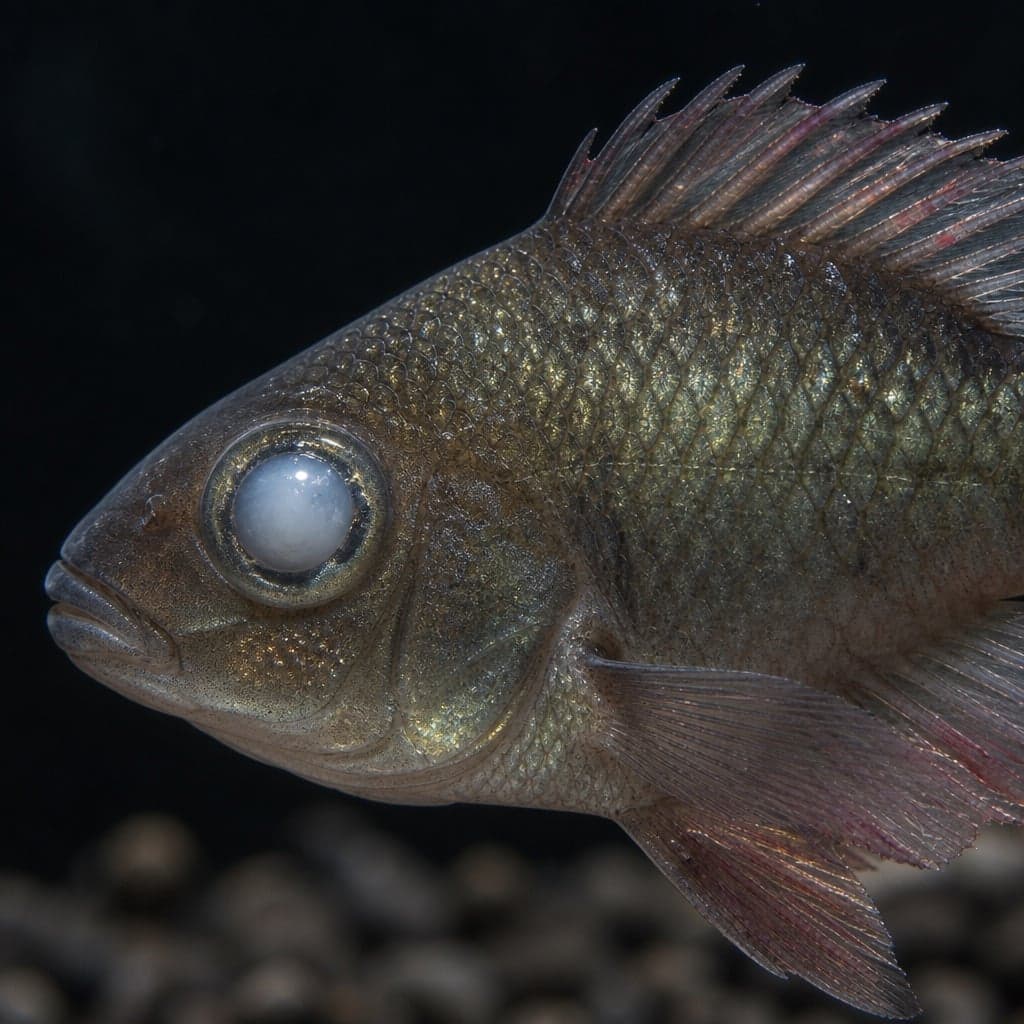
Regularly observing your Fusco Hap can help catch early signs of illness such as abnormal behavior, loss of appetite, or visible lesions. Quarantine new additions to your aquarium to prevent any potential diseases from entering the established ecosystem. In case of disease, isolate affected fish in a hospital tank and treat promptly with appropriate medications suited to the diagnosis. Never ignore cloudy eyes, frayed fins, loss of appetite, or prolonged hiding, as early action prevents tank-wide outbreaks. Stable hard, alkaline Malawi water, ample rockwork, regular water changes, and a varied diet keep Fusco Haps colourful, active, and resilient for years in a well-managed African cichlid aquarium.