Fuzzy Dwarf Lionfish
A 17cm dwarf lionfish with venomous spines. Slow, hardy and easy to feed, but anything small enough to swallow eventually will be.
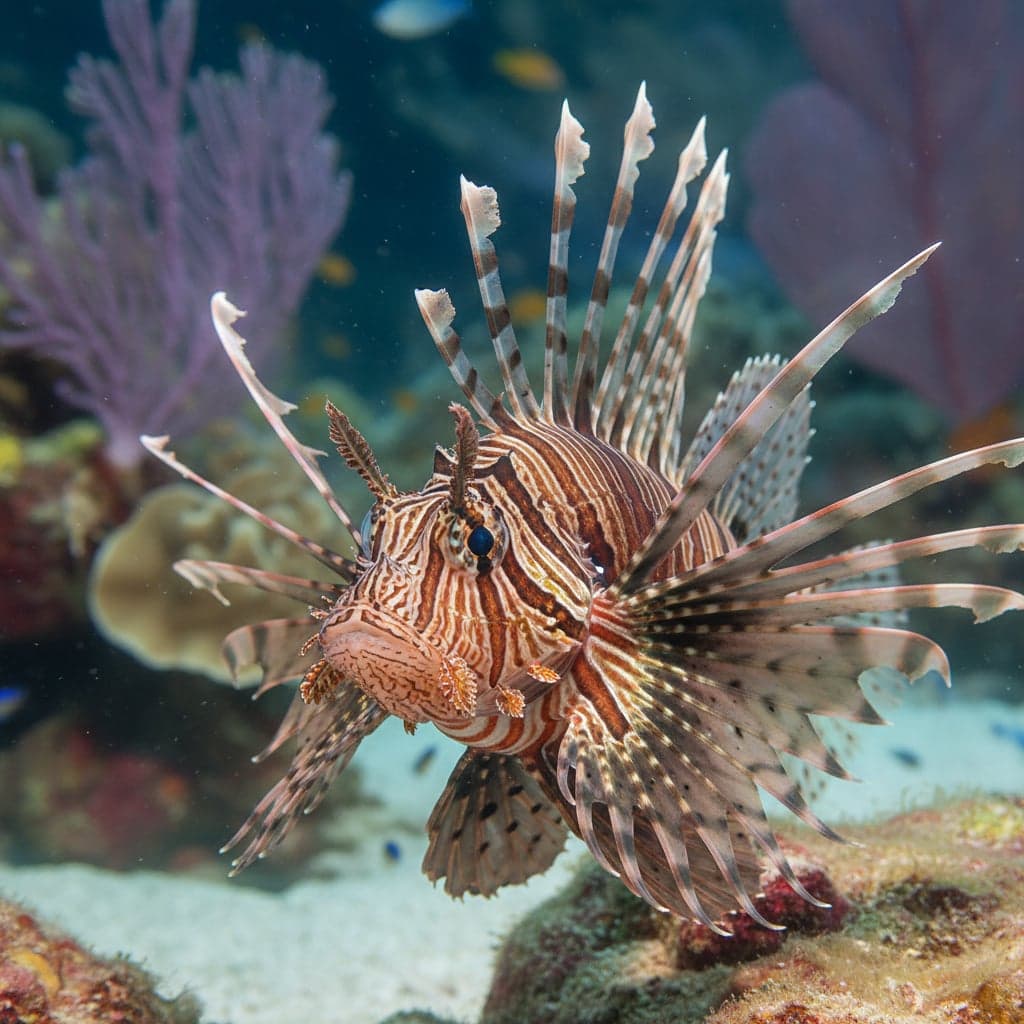
Fuzzy Dwarf Lionfish
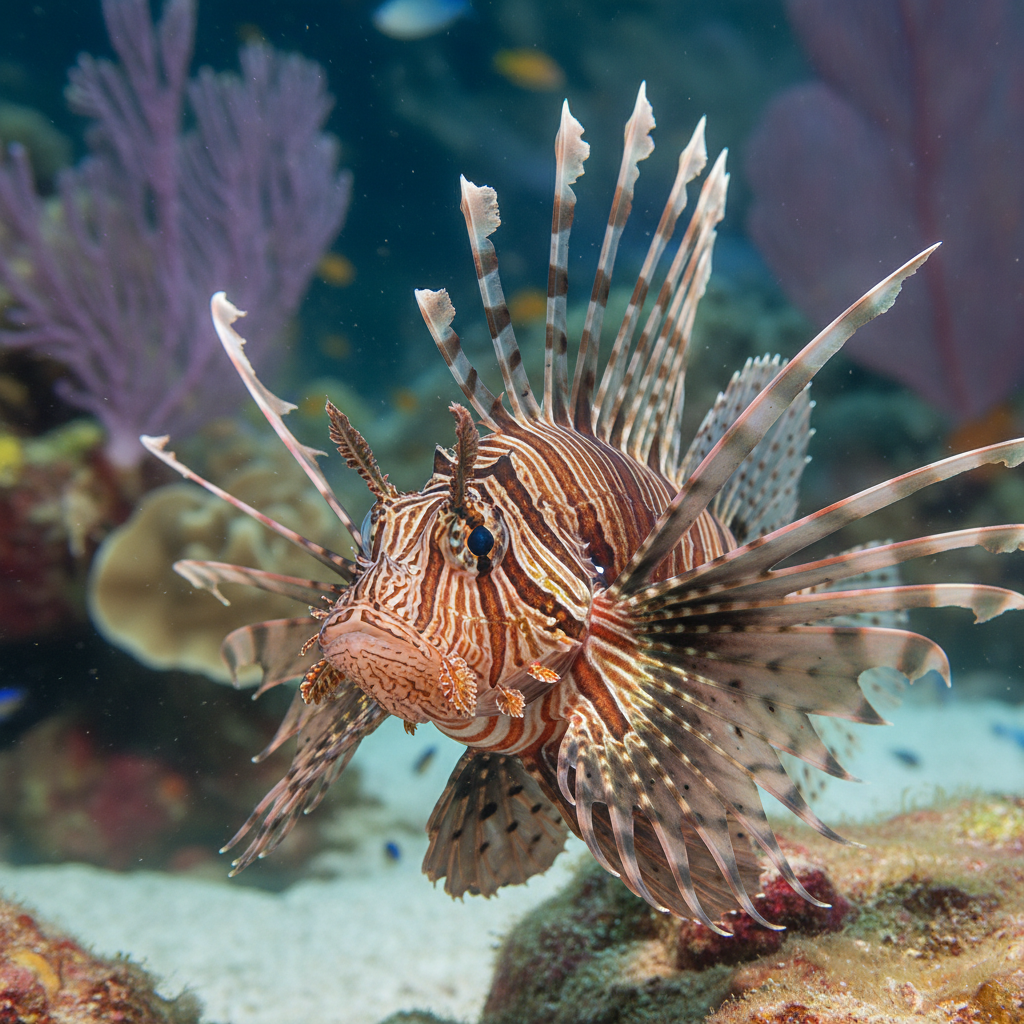
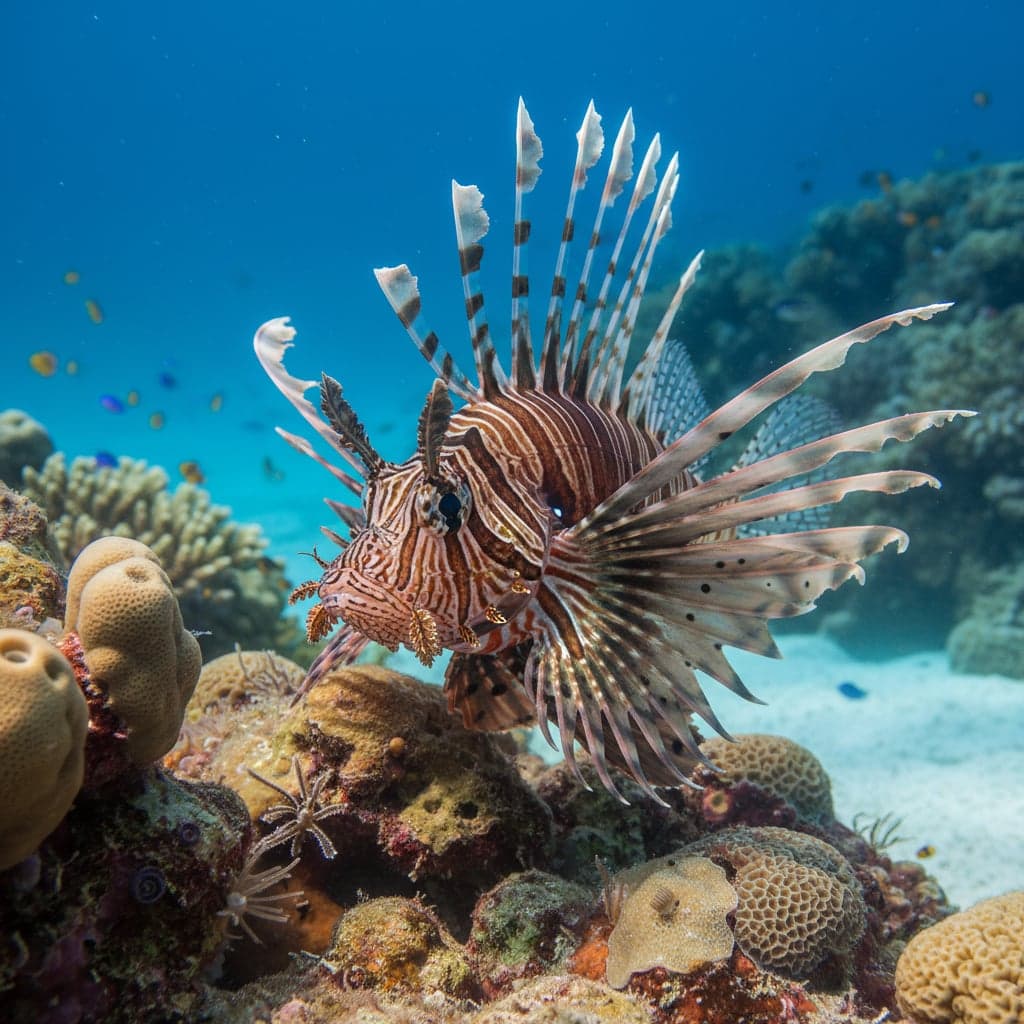
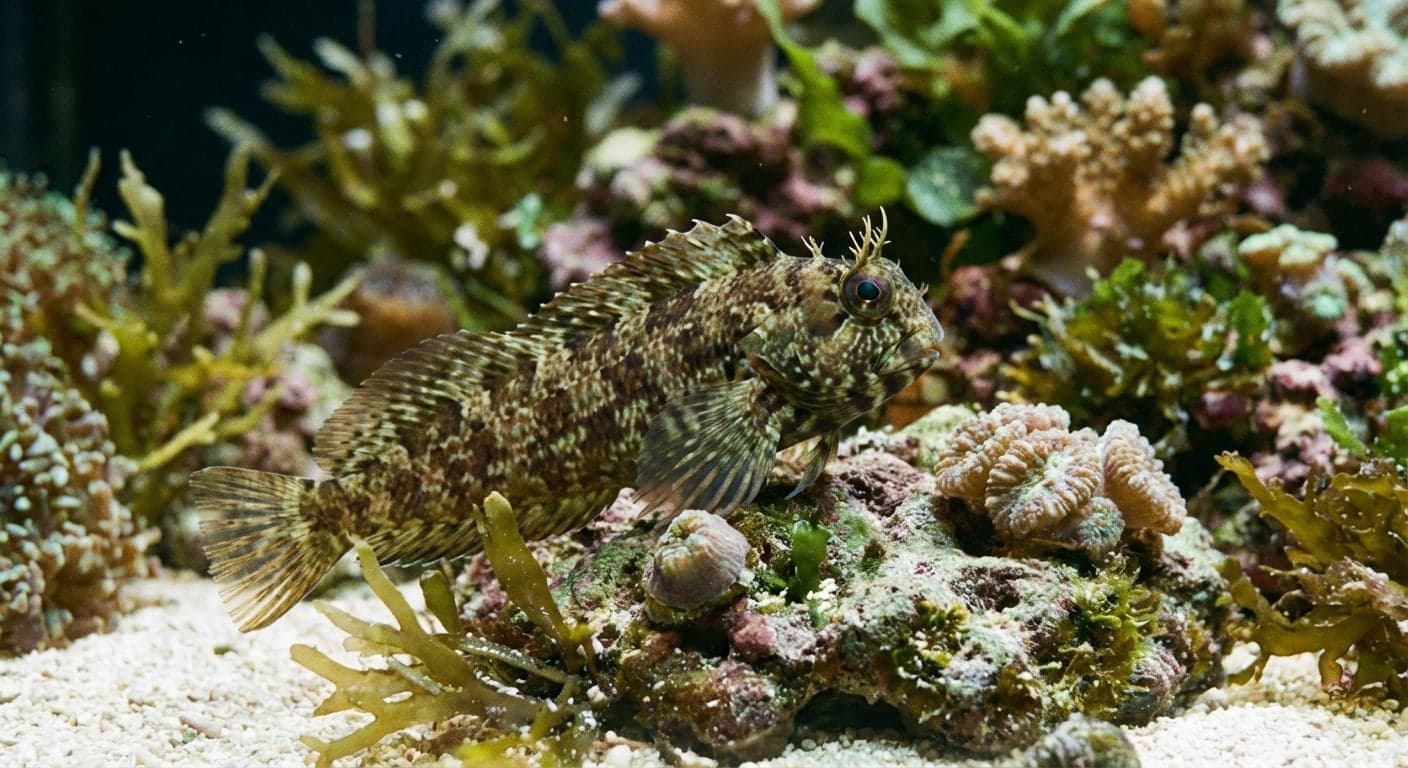
The Fuzzy Dwarf Lionfish (Dendrochirus brachypterus) is a captivating marine inhabitant that captures the hearts of aquarium enthusiasts with its intricate patterns and striking appearance. This fish showcases a mesmerizing array of fan-like pectoral fins that often have a "fuzzy" or tasseled appearance, adorned with vibrant red, orange, and brown mottling. Reaching an adult size of approximately 7 inches (17 cm), it is a sturdy and relatively manageable predator for medium-sized saltwater aquariums. Its venomous spines serve as a potent deterrent against predators, adding an interesting layer of complexity to its care.
In the aquarium hobby, the Fuzzy Dwarf Lionfish is more than just a visual spectacle; it serves as a conversation piece and points to the biodiversity of reef systems. Its relatively small size, combined with a unique profile and fascinating behavior, makes it a sought-after species among marine keepers. The Fuzzy Dwarf Lionfish is known for its curious and often endearing behavior, often investigating its surroundings and displaying a captivating slow-motion swimming style. These characteristics, paired with its exotic look, underscore its significance as not only a display fish but also an ambassador for marine conservation.
Natural Habitat & Origin
The Fuzzy Dwarf Lionfish is native to the reefs and lagoons of the Indo-Pacific region, being commonly found in places such as the Red Sea, the Great Barrier Reef, and various islands in the Pacific Ocean. This species prefers shallow, coastal waters, typically residing at depths ranging from 1 to 50 meters, where they can seek refuge among the crevices of coral reefs and rocky formations. The natural environment of the Fuzzy Dwarf Lionfish is characterized by clear to slightly turbid water, rich in biodiversity that provides them with ample hunting opportunities.
Their habitat features a variety of substrates, including sandy bottoms, rocky outcrops, and coral formations, where they utilize their remarkable camouflage to blend seamlessly into their surroundings. As a carnivorous predator, the Fuzzy Dwarf Lionfish is adept at ambushing small fish and invertebrates, playing a crucial role in the ecological balance of its environment. Their ability to thrive in both low-light and bright conditions highlights their adaptability, making them a fascinating specimen for aquarists interested in recreating their natural habitat.
Care Requirements
To create an ideal habitat for the Fuzzy Dwarf Lionfish, specific water parameters must be closely monitored. The ideal pH level ranges from 8.1 to 8.4, with a temperature of 75°F to 82°F (24°C to 28°C) being optimal. A minimum aquarium size of 200 litres (55 gallons) is recommended for this 17cm Dendrochirus; venomous spines demand careful handling, and anything small enough to fit in its mouth is food.
The substrate should mimic a natural reef environment, ideally using a combination of fine sand and larger rocks to create hiding spots and nooks for exploration. Lighting should be moderate, allowing for a pleasant ambiance without overwhelming the fish. As for plants, while most lionfish do not require aquatic flora, including some hardy corals or artificial decorations can enhance the visual appeal of the environment and offer enrichment. Providing a well-maintained filtration system is also essential to keep water conditions optimal for this visually stunning fish.
Diet & Feeding
The Fuzzy Dwarf Lionfish is a carnivorous species that thrives on a diet rich in protein. In captivity, it will consume a variety of food types, including live and frozen options such as mysis shrimp, brine shrimp, and small marine fish. It is essential to offer a varied diet to ensure optimal health and prevent nutritional deficiencies. High-quality pellets designed for carnivorous fish can also be introduced into their diet, but they can be somewhat finicky eaters and may require some coaxing.
When feeding, it is advisable to provide small meals multiple times a day, as this mimics their natural hunting behavior. Overfeeding should be avoided, as lionfish tend to be prone to digestive issues if their intake is too high. Maintaining a clean feeding routine is essential to prevent waste accumulation, which can compromise water quality. A good practice is to remove uneaten food promptly to ensure a clean tank environment.
Behavior & Temperament
The Fuzzy Dwarf Lionfish is known for its calm demeanor and solitary nature, making it a suitable candidate for a variety of aquascaping scenarios. While they can exhibit territorial behavior, especially towards similar-looking species, they are generally not overly aggressive towards larger fish. They do best when housed alone or with non-aggressive tank mates, allowing them to display their natural behavior without constant stress.
In terms of tank placement, the Fuzzy Dwarf Lionfish tends to enjoy vertical structures such as rock formations and caves, where they can perch gracefully and observe their surroundings. Although they are not active swimmers, they will occasionally venture out in search of food, gracefully employing their large fins to navigate through the aquarium. Providing ample hiding spots will ensure that they feel secure in their environment while allowing them to exhibit their fascinating behaviors.
Tank Mates
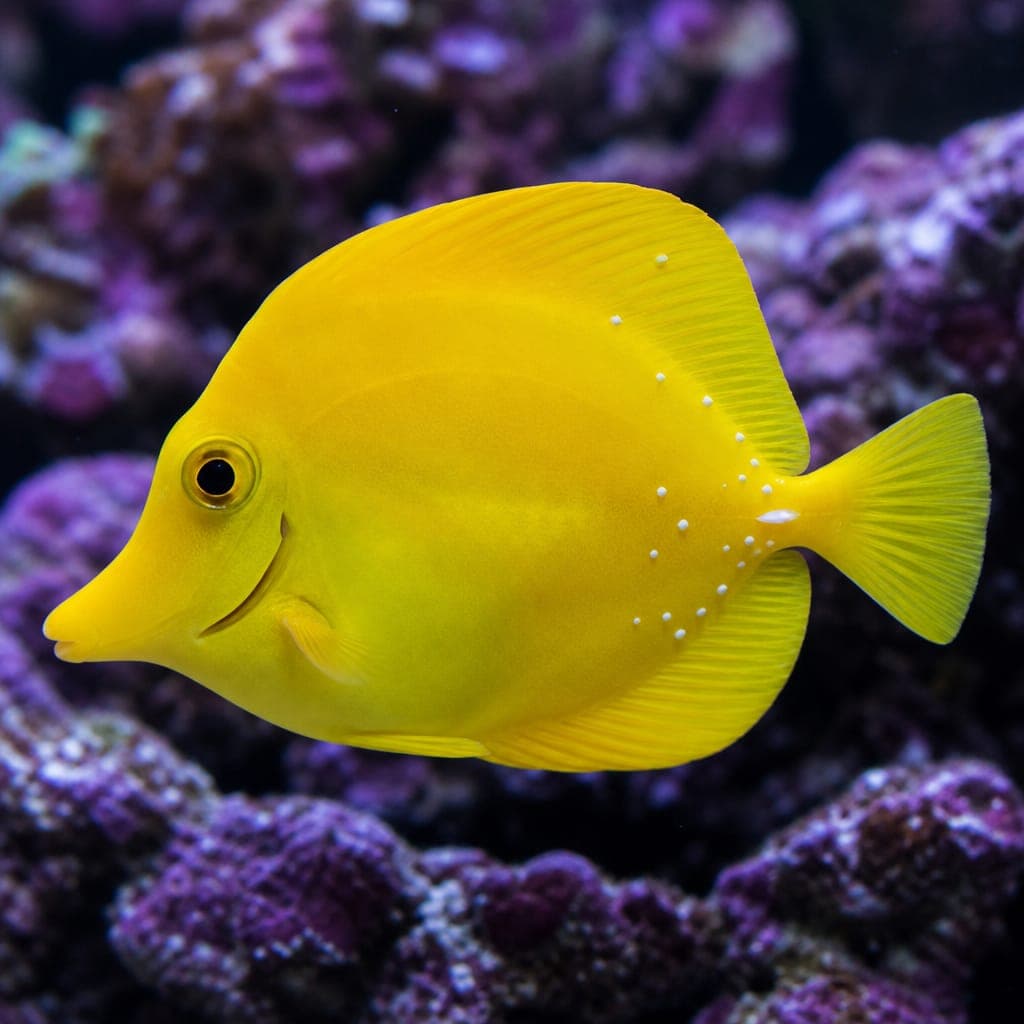
Choosing appropriate tank mates for the Fuzzy Dwarf Lionfish is crucial to ensuring a harmonious aquarium environment. Ideal companions are peaceful species that are not small enough to be viewed as prey, such as larger clownfish, tangs, and gobies. Other suitable tank mates may include wrasses, blennies, and non-aggressive angelfish, provided that they do not compete for the same hiding spaces.
Conversely, certain species should be strictly avoided. This includes small fish such as neon gobies, chromis, or other small reef dwellers, as they can easily become a meal. Additionally, aggressive tank mates that might nip at the lionfish's flowing fins should be avoided. Careful consideration of each species' behavior and compatibility will result in a thriving aquarium ecosystem.
Breeding
Breeding the Fuzzy Dwarf Lionfish in captivity presents unique challenges, as spawning behavior typically occurs in the wild during specific seasonal periods. This species usually engages in a pelagic spawning method, where eggs are released into the water column, allowing the currents to carry them away. For successful breeding, conditions must be replicated that approximate their natural environment, including stable water parameters and a well-maintained aquarium that mimics a reef setting.
To encourage breeding behavior, a pair of Fuzzy Dwarf Lionfish can be placed in a dedicated breeding tank, ensuring both parties are healthy and well-fed. Changes in lighting and water quality may help stimulate spawning. During this time, the aquarium should be kept clean and free of disturbances to maintain a calm environment, giving the prospective parents the best chance for successful reproduction. However, it's essential to note that raising fry can be particularly challenging due to their delicate nature, requiring specialized care and a diet tailored for their early developmental stages.
Common Health Issues
The Fuzzy Dwarf Lionfish, while hardy, can be susceptible to certain diseases, primarily due to stress or suboptimal water conditions. One of the most common issues is marine ich (Cryptocaryon irritans), a parasitic infection that manifests as white spots on the fish's skin and fins. Left untreated, ich can spread quickly through a marine system. Other concerns include bacterial infections and parasitic flukes, especially after shipping stress or sudden salinity swings. Quarantine new arrivals, maintain stable temperature and salinity, and avoid copper treatments incompatible with reef invertebrates. A varied diet, low stress, and prompt treatment keep Fuzzy Dwarf Lionfish healthy and displaying their flowing fins for years.