The Glass Catfish: Kryptopterus vitreolus
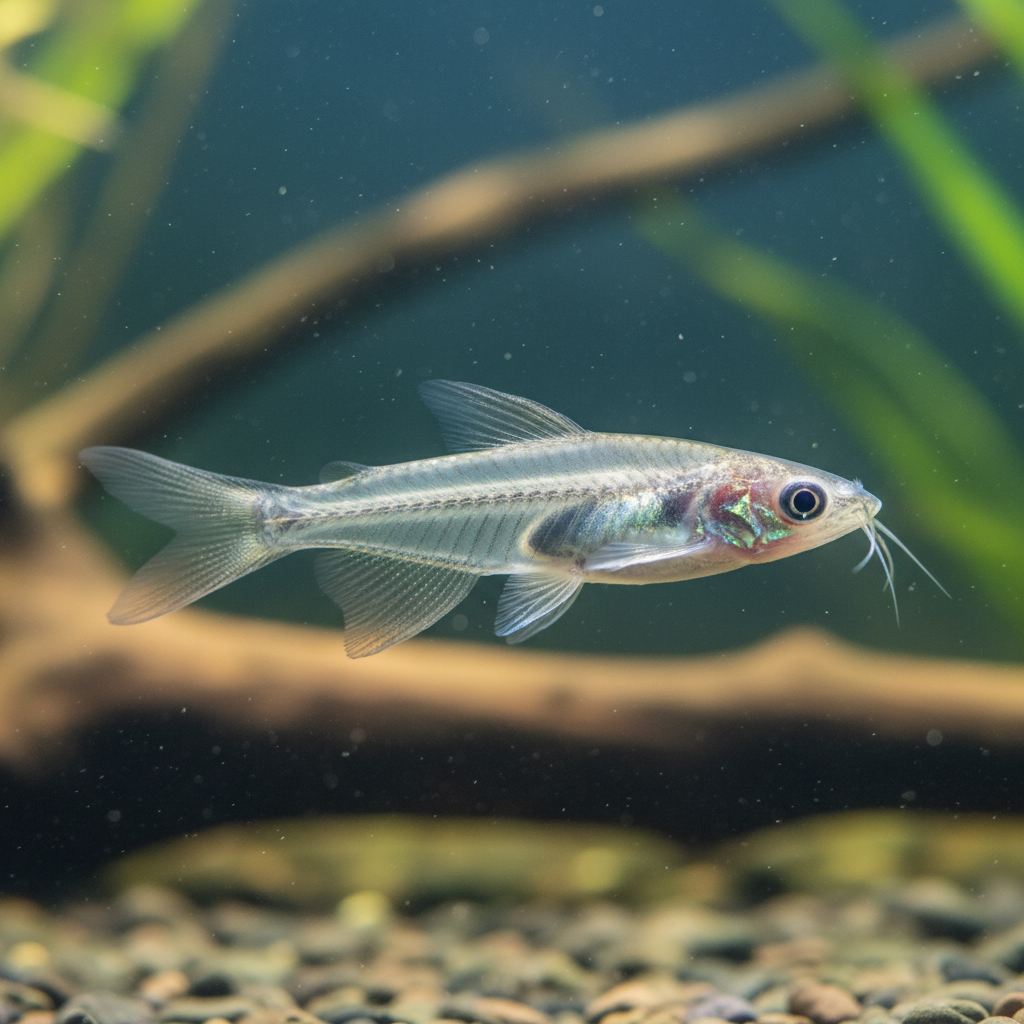
The Ghost Catfish. A completely transparent shoaling fish where you can see its skeleton and beating heart. A mesmerizing oddball for planted tanks.
Also known as: ghost catfish · Indian glass catfish · Kryptopterus vitreolus
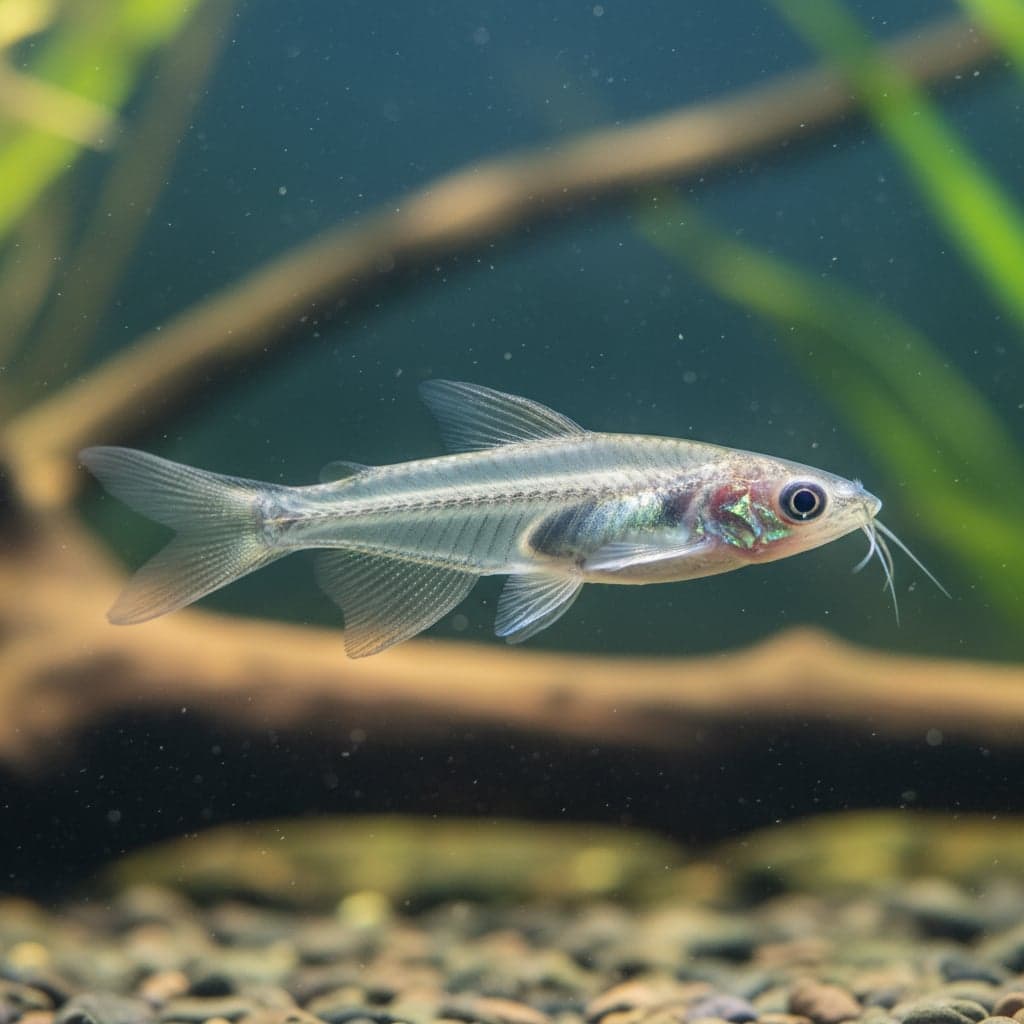
Glass Catfish
The Glass Catfish, scientifically known as Kryptopterus vitreolus, is a captivating freshwater species prized in the aquarium hobby for its translucent body and unique swimming behavior. Native to the rivers of Southeast Asia, particularly in Thailand and Borneo, this fish can grow up to 2-3 inches (6-8 cm) in length, making it an ideal size for community aquariums. Its ethereal appearance is characterized by a nearly transparent body that allows observers to glimpse its internal structures, including its spine and internal organs. This stunning morphology not only adds a unique aesthetic to any aquarium but also piques the interest of both novice and experienced aquarists.
In addition to its visual appeal, the Glass Catfish holds significant attraction due to its peaceful disposition and schooling behavior. These fish thrive in groups, exhibiting a fascinating dynamic that enhances the liveliness of a tank. The soft, delicate movements of the Glass Catfish as they glide through the water can create a serene and calming environment, with their ethereal presence drawing admiration from all who observe them. Consequently, this species has become a staple in many aquarists' collections, appreciated for both its beauty and its non-aggressive nature.
Natural Habitat & Origin
The Glass Catfish is native to the flowing rivers and streams of Southeast Asia, primarily found in regions such as Thailand, Borneo, and Cambodia. These areas are characterized by rich biodiversity and complex ecosystems that include both blackwater and clearwater habitats. The water in these environments is typically soft and slightly acidic, with a pH ranging from 6.0 to 7.0. The Glass Catfish prefers slow-moving waters that provide adequate cover, often found amidst submerged roots and dense vegetation, which serve as both homes and hunting grounds. The presence of shaded areas is essential for these fish, as it mimics their natural surroundings and offers safety from predators.
In their native environments, the water temperature is generally warm, around 75°F to 80°F (24°C to 27°C), which is crucial for maintaining their health and activity levels in captivity. The combination of soft, warm water and dense aquatic vegetation provides an ideal context for the Glass Catfish, promoting their natural behaviors and ensuring they thrive in an aquarium setting.
Care Requirements
To ensure the well-being of Glass Catfish, maintaining proper water parameters is essential. A well-maintained tank should have a pH of 6.0 to 7.0, a temperature range of 75°F to 80°F (24°C to 27°C), and soft to moderately hard water, ideally with a hardness of 5 to 12 dGH. A minimum tank size of 20 gallons is recommended for a small school of these fish, as they flourish in groups of at least five, which not only enhances their behavioral displays but also reduces stress levels.
In terms of tank setup, providing a sandy or fine-gravel substrate is ideal as it mimics their natural habitat and minimizes injury. The aquarium should be densely planted with live plants such as Java moss, Anubias, and Cryptocoryne, creating hiding spots and shaded areas. Moderate lighting is also beneficial, as it encourages plant growth while replicating the dim conditions of their natural environment. Additionally, the use of driftwood or rocks can provide further sanctuary, allowing the Glass Catfish to feel secure within their habitat.
Diet & Feeding
The Glass Catfish is classified as an omnivore, which means it thrives on a balanced diet that includes both plant and animal matter. In an aquarium setting, they should be fed a variety of foods to ensure their health and vitality. High-quality flakes or sinking pellets designed for community fish can serve as a staple diet. Additionally, incorporating frozen or live foods—such as brine shrimp, bloodworms, or daphnia—can enhance their nutritional intake and encourage more natural feeding behaviors. It is important to feed them small quantities multiple times a day to prevent overfeeding and maintain a clean tank environment.
When feeding, it's crucial to observe their feeding habits, as Glass Catfish may be shy and might take time to adapt to their new surroundings. They often prefer to feed in dim light or amidst plants, where they feel protected. Therefore, ensuring they have access to their preferred food source at various depths of the tank will help other fish in the community avoid competition during mealtime.
Behavior & Temperament
Glass Catfish display an intriguing social behavior and are known for their peaceful nature, making them an excellent addition to community tanks. These fish are naturally schoolers and thrive when kept in groups of five or more, which enhances their confidence and reduces stress. They tend to swim together, often in a loose formation, as they explore different layers of the tank. Glass Catfish generally occupy the middle to upper regions of the aquarium, gliding gracefully through the water column.
Despite their serene temperament, these fish can be slightly timid, especially in the presence of more aggressive species. Therefore, it's essential to ensure a harmonious community setup, as aggressive tank mates can cause undue stress, leading to decreased health and vigor. Given their docile nature, Glass Catfish can cohabitate with other peaceful species while contributing to a tranquil aquarium atmosphere.
Tank Mates
When selecting tank mates for the Glass Catfish, it is essential to ensure compatibility to maintain a peaceful aquarium environment. Ideal companions for these fish include other peaceful species such as Tetras, Rasboras, Corydoras catfish, and small Gouramis. These fish share similar water requirements and behavioral patterns, complementing the gentle nature of Glass Catfish.
On the contrary, it's advisable to avoid aggressive or larger fish that may intimidate or prey on them, such as Cichlids, Betta fish, or larger barbs. Additionally, we should steer clear of fin-nipping species that could stress out the Glass Catfish, potentially leading to health issues. By carefully selecting tank mates that align with the Glass Catfish's temperament, aquarists can create a thriving, harmonious community tank.
Breeding
Breeding Glass Catfish in captivity can be a challenging yet rewarding endeavor. In their natural habitat, spawning typically occurs during the rainy season when water conditions stabilize. To encourage breeding in an aquarium setting, aquarists should replicate these conditions by maintaining slightly softer and more acidic water, ideally around 6.0 pH, and ensuring a temperature of about 78°F (26°C). A well-planted breeding tank with fine-leaved plants or spawning mops will provide ideal spawning sites for the female to deposit her eggs.
During breeding, the male Glass Catfish will court the female through gentle displays, and upon successful mating, the female may lay up to 100 eggs. The eggs will hatch within a day or two, and the fry will require infusoria or specially formulated fry food for adequate growth. It is crucial to separate the breeding pair after spawning, as they may consume their eggs if left together. With careful attention to water quality and nurturing the fry, aquarists can successfully raise future generations of this fascinating species.
Common Health Issues
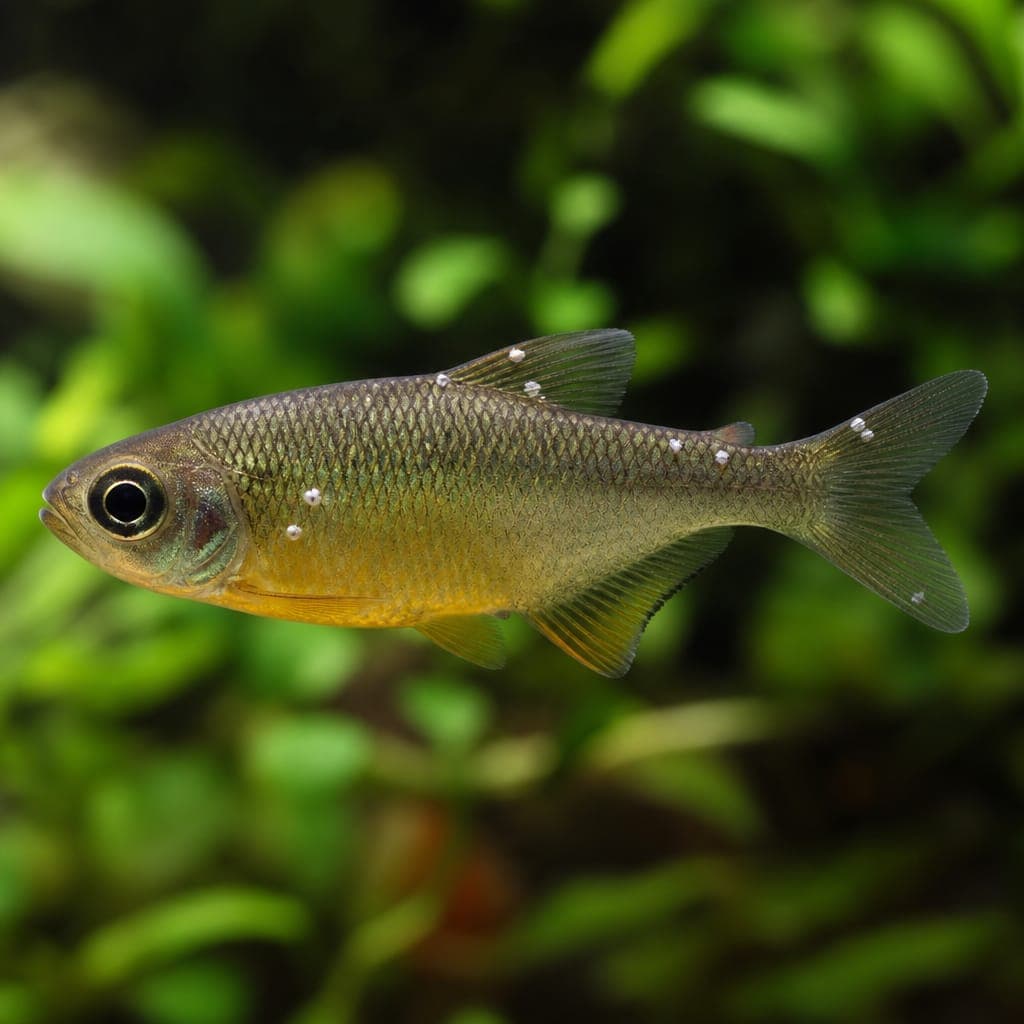
While Glass Catfish are generally hardy, they can be susceptible to certain health issues if not properly cared for. Common ailments include Ich, a parasitic infection often triggered by poor water quality or stress; fin rot, typically arising from bacterial infection; and swim bladder issues, which can occur due to improper diet or sudden fluctuations in water temperature. Because their scaleless, transparent bodies lack the protective mucus shield of many other species, they are especially sensitive to chemical medications and sudden changes in water chemistry. Copper-based treatments should be avoided or used only at reduced dosages.
To safeguard their health, perform consistent 20–25% weekly water changes, ensure the water remains slightly acidic and well-oxygenated, and quarantine any new aquarium additions before introducing them to the main group. Maintaining a steady routine and stable parameters will keep your Glass Catfish peaceful, transparent, and vibrant.