The Gold Barb: Barbodes semifasciolatus
A glittering, golden community fish that is far more peaceful than its cousin the Tiger Barb. Adds a splash of sunshine to any planted tank.

Gold Barb
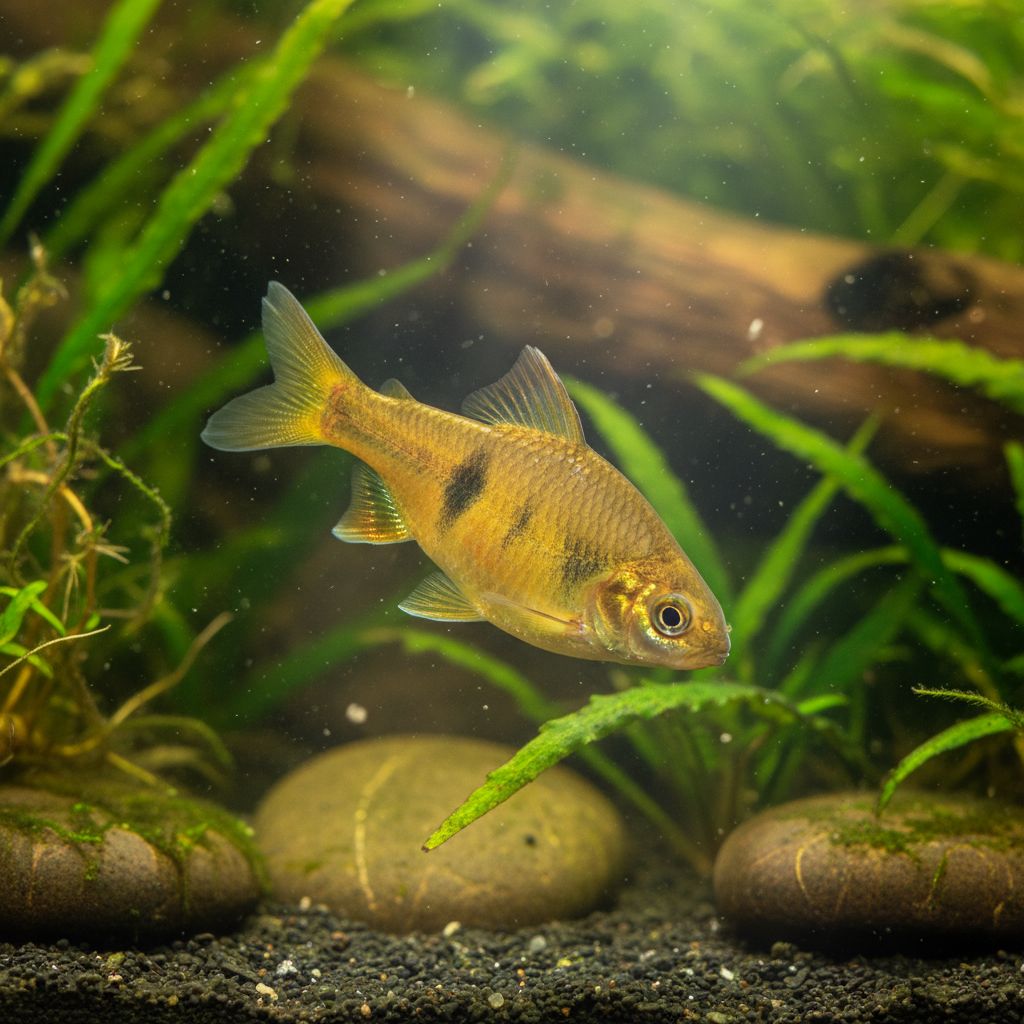
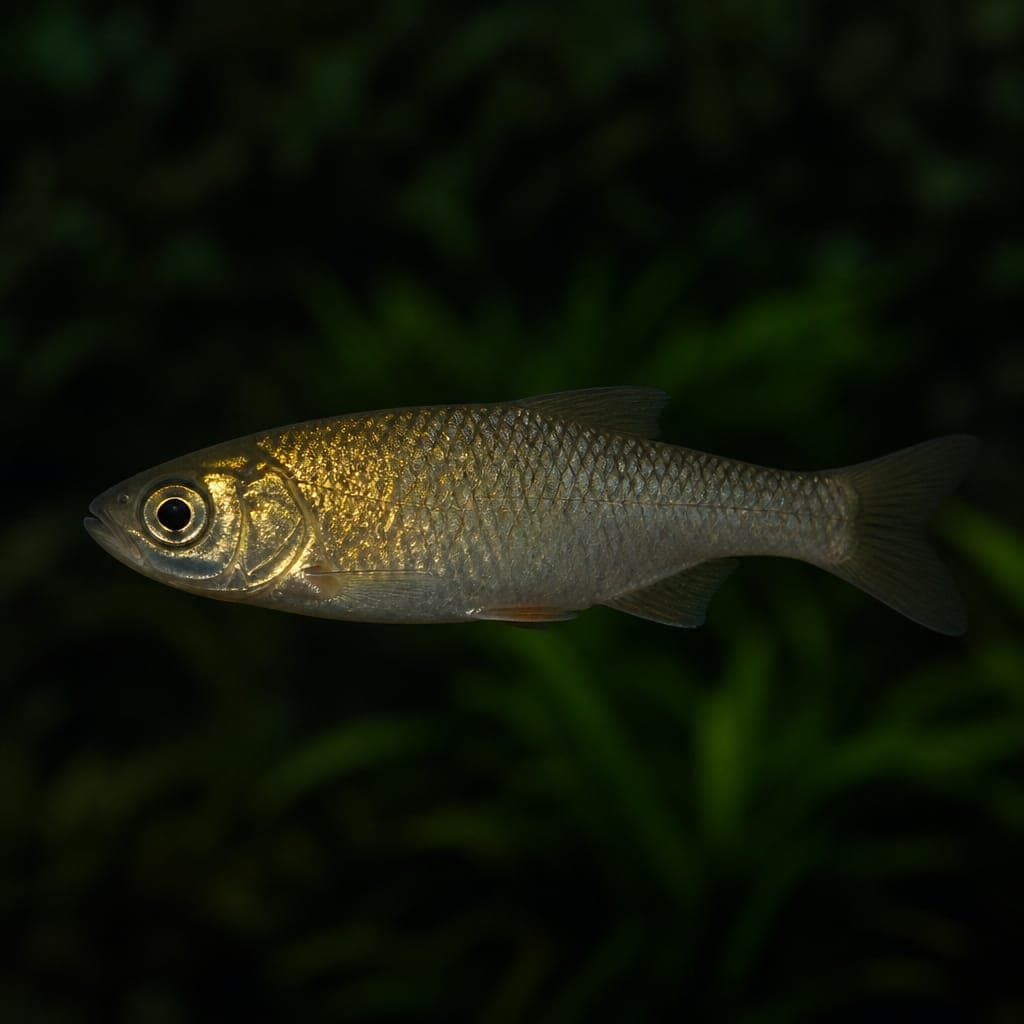
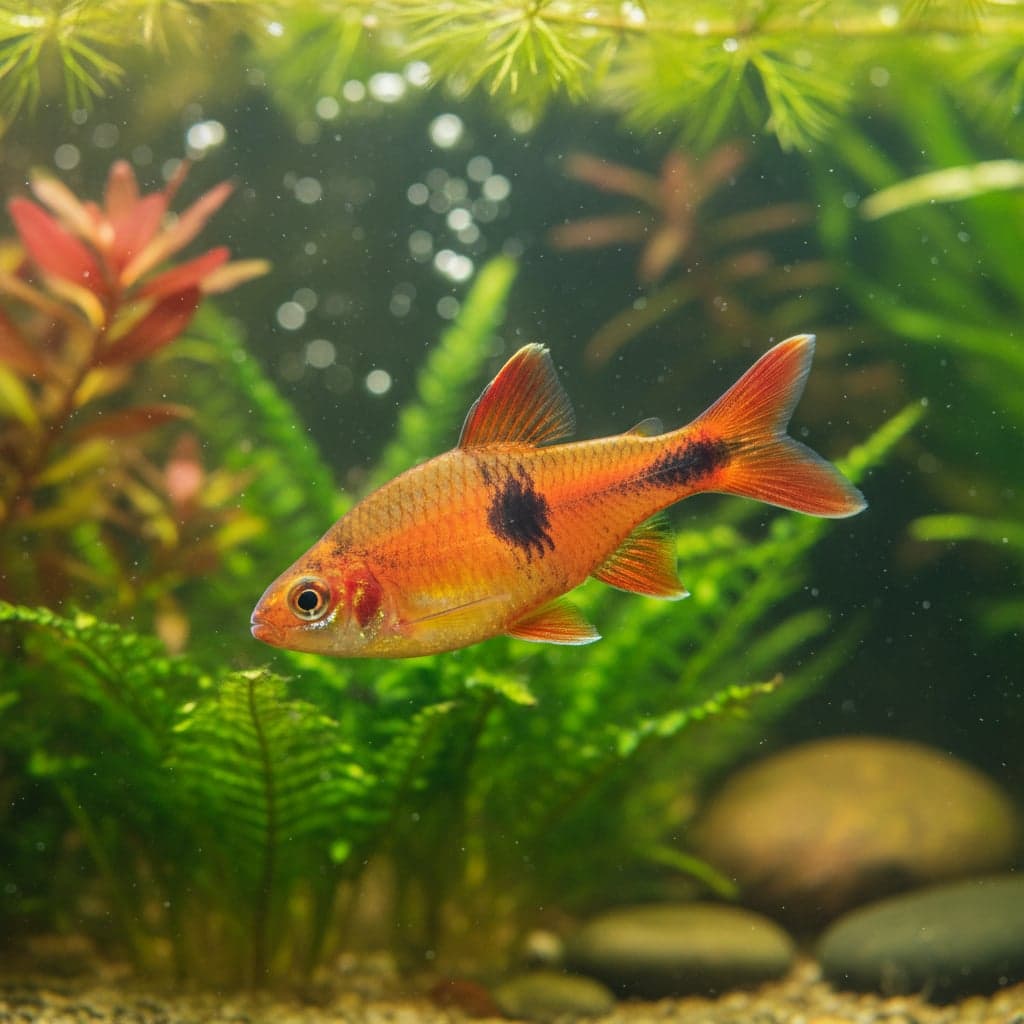
The Gold Barb (Barbodes semifasciolatus) is a vibrant and alluring freshwater fish that is widely admired in the aquarium hobby. This species is renowned for its striking coloration, particularly its radiant golden body adorned with subtle black bar patterns. The Gold Barb is not only visually captivating but also offers aquarists an engaging and interactive experience due to its lively nature. As a schooling fish, it thrives in groups, displaying dynamic behavior that adds movement and vibrancy to any tank.
In addition to being a beautiful specimen, the Gold Barb holds significance as a hardy fish that is suitable for both novice and experienced aquarists alike. Its adaptability to a range of water conditions further enhances its appeal, making it a staple in community tanks. The Gold Barb is often seen as a symbol of resilience and vitality, reflecting the unyielding beauty of nature, which resonates with aquarists looking to create a bio-diverse aquatic environment.
Natural Habitat & Origin
The Gold Barb is native to Southeast Asia, particularly found in the rivers and streams of Myanmar (Burma) and the Malay Peninsula. In its natural habitat, this species prefers freshwater environments that exhibit moderate to high flow rates with ample vegetation. The geological layout includes soft substrates and dense plant life, which provide shelter and breeding grounds. Gold Barbs thrive in clear to slightly turbid waters, where they can forage for food and socialize with their compatriots.
Their natural environment is characterized by a mix of rocky substrate and lush aquatic plants, which offers ample opportunities for exploration and interaction. The water in these regions typically has a neutral to slightly acidic pH, a soft hardness range, and stable temperatures around 24 to 28 degrees Celsius (75 to 82 degrees Fahrenheit). Understanding these environmental conditions is key to replicating their habitat in a home aquarium.
Care Requirements
When keeping Gold Barbs, it is essential to mimic their natural conditions as closely as possible. The recommended aquarium size for a small school of Gold Barbs is a minimum of 20 gallons, providing ample swimming space and reducing territorial behavior. The substrate should be fine gravel or sand to prevent injury and facilitate digging behaviors. For lighting, moderate levels are ideal, which will highlight the Gold Barb's colors while allowing for plant growth.
Water parameters are crucial for the health of Gold Barbs. The ideal pH range is between 6.0 and 7.5, with temperatures maintained between 24°C to 28°C (75°F to 82°F). Hardness levels should be kept within 5 to 15 dGH. Regular water changes of 20-25% weekly will help maintain water quality and keep these active fish healthy and vibrant.
Diet & Feeding
Gold Barbs are omnivorous, making them relatively easy to feed in a captive environment. Their diet should consist of high-quality flake foods, micro-pellets, and other prepared options that offer a balance of nutrients. They also thrive on a varied diet that includes frozen or live foods such as daphnia, brine shrimp, and bloodworms to supplement their protein intake. It’s essential to feed them small portions 2-3 times daily to mimic their natural foraging habits and avoid overfeeding.
In addition to providing commercial fish foods, incorporating vegetable matter such as spirulina or blanched spinach can enhance their diet, promoting overall health and vibrant coloration. Being attentive to their dietary needs contributes to the longevity and well-being of the Gold Barb in an aquarium setting.
Behavior & Temperament
The Gold Barb is known for its peaceful and sociable nature, making it an excellent community fish. These fish exhibit schooling behavior, often found in groups of six or more in their natural habitat, which promotes their well-being in a home aquarium. This schooling instinct reduces stress levels among individuals and encourages more active swimming patterns.
Despite their generally mild demeanor, Gold Barbs can display slight territoriality, particularly during breeding. They prefer occupying the mid to upper levels of the tank, often darting about and exploring their environment. Their playful and curious nature keeps them active and engaging, making them enjoyable to observe in a well-planned aquarium setting.
Tank Mates
When it comes to selecting tank mates for Gold Barbs, compatibility is paramount. Suitable companions include other peaceful schooling fish such as tetras (e.g., Neon Tetras, Rummy Nose Tetras), danios, rasboras, and smaller catfish like Corydoras. Gold Barbs cohabitate well with other species that have similar care requirements and temperament.
Conversely, it is advisable to avoid housing Gold Barbs with aggressive or overly large fish, as they may become targets due to their smaller size. Cichlids or fin-nipping species, like certain types of barbs or bettas, should also be avoided to ensure a harmonious community tank.
Breeding
Breeding Gold Barbs in captivity is achievable under the right conditions. To encourage spawning, a separate breeding tank is recommended, with a spawning substrate such as spawning mops or fine-leaf plants. The water temperature should be slightly raised to around 28°C (82°F), and the pH should remain neutral to slightly acidic.
During the spawning process, a group of adult Gold Barbs should be introduced into the breeding tank. Males will perform courtship displays, which include chasing and demonstrating color vibrancy. Once spawning occurs, the eggs, which are adhesive, will need to be removed after a few hours to prevent adults from consuming them. Hatching typically occurs within 24-48 hours, and the fry can be fed infusoria or specialized fry food until they are large enough to accept regular ornamental fish pellets.
Common Health Issues
Gold Barbs are relatively resilient, but they may be prone to some health issues common to freshwater fish, such as ich (Ichthyophthirius multifiliis), fin rot, and velvet disease. Prevention is best achieved through maintaining optimal water quality and a stable environment. Regular monitoring for signs of stress, lethargy, or abnormal behavior is essential for early detection and treatment.
Quarantine new arrivals before introducing them to established tanks to prevent the spread of diseases. A balanced diet, careful attention to water conditions, and stress management through a well-planned tank setup can significantly reduce the likelihood of health issues in Gold Barbs, ensuring they remain lively and beautiful inhabitants of the aquarium.