Gold Belly Damselfish
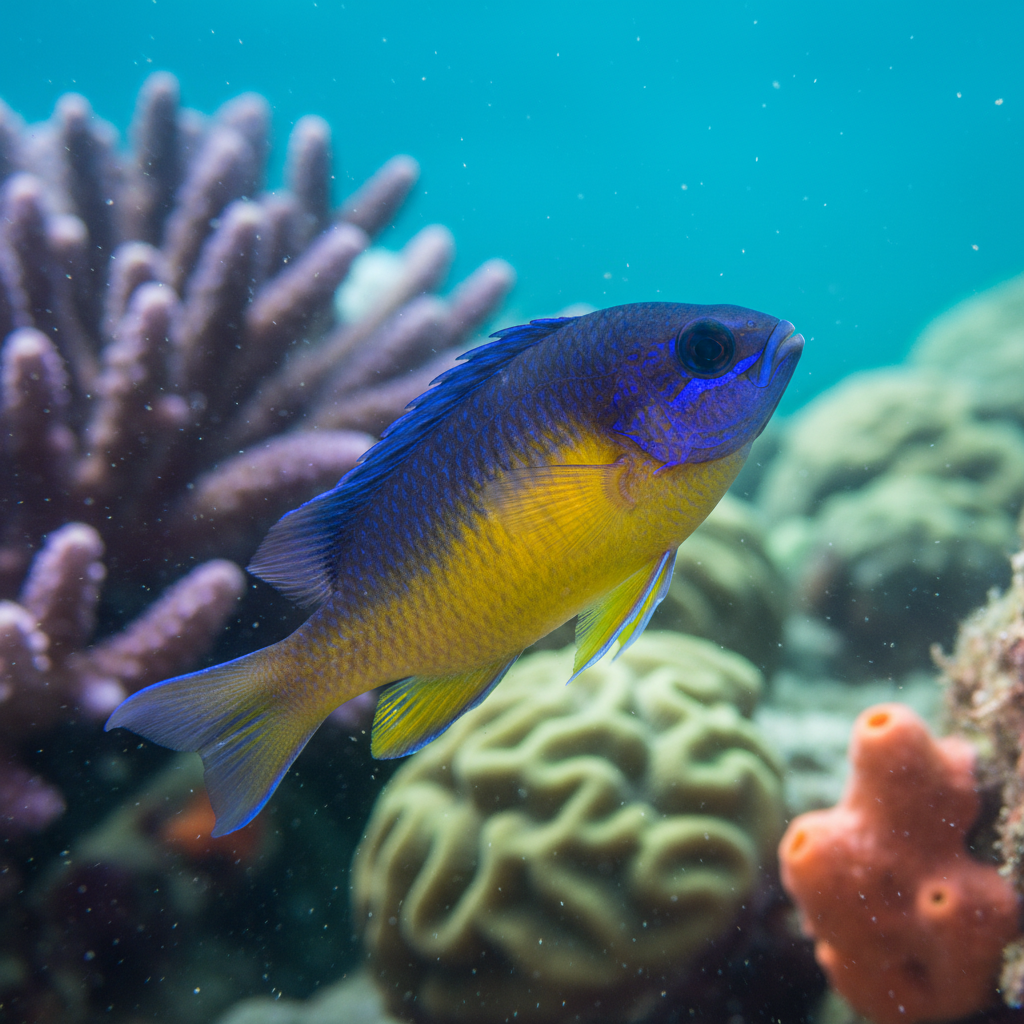
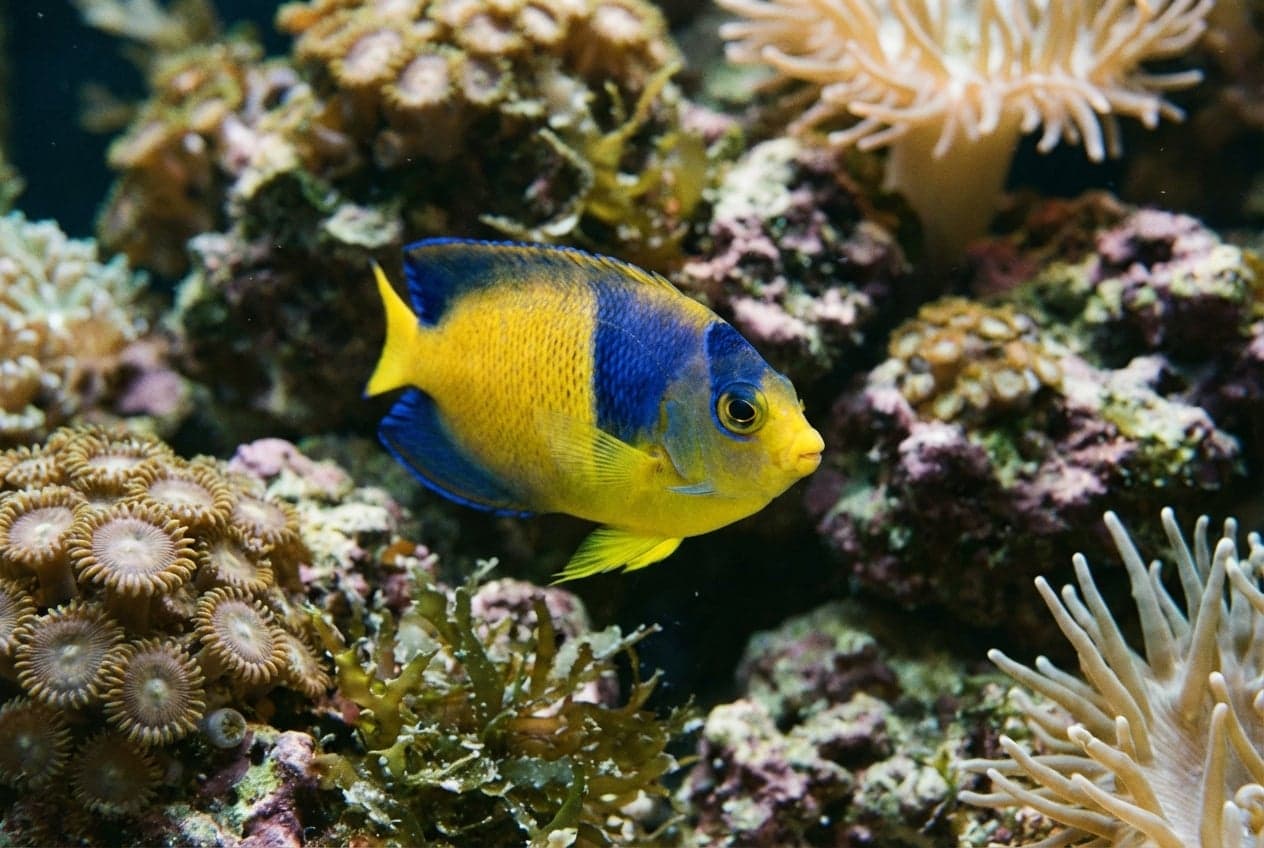
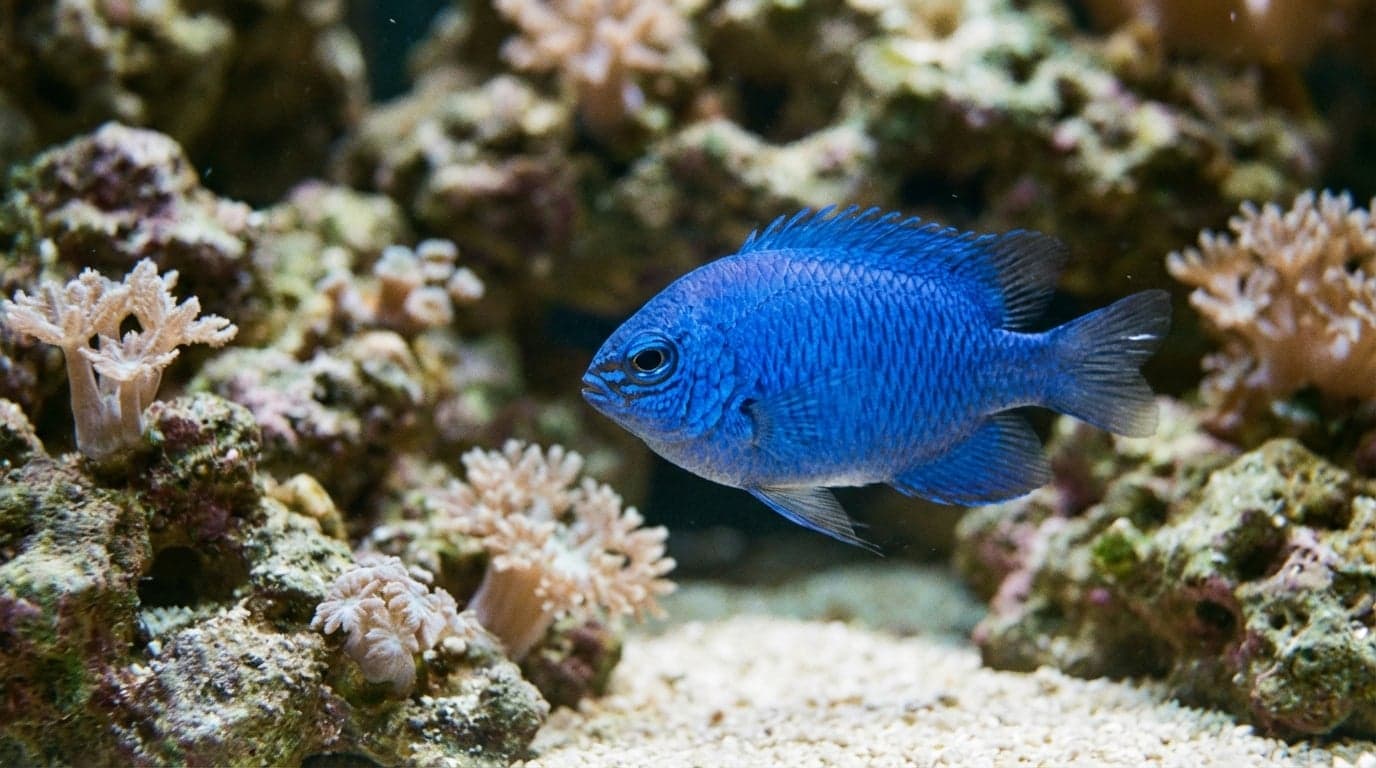
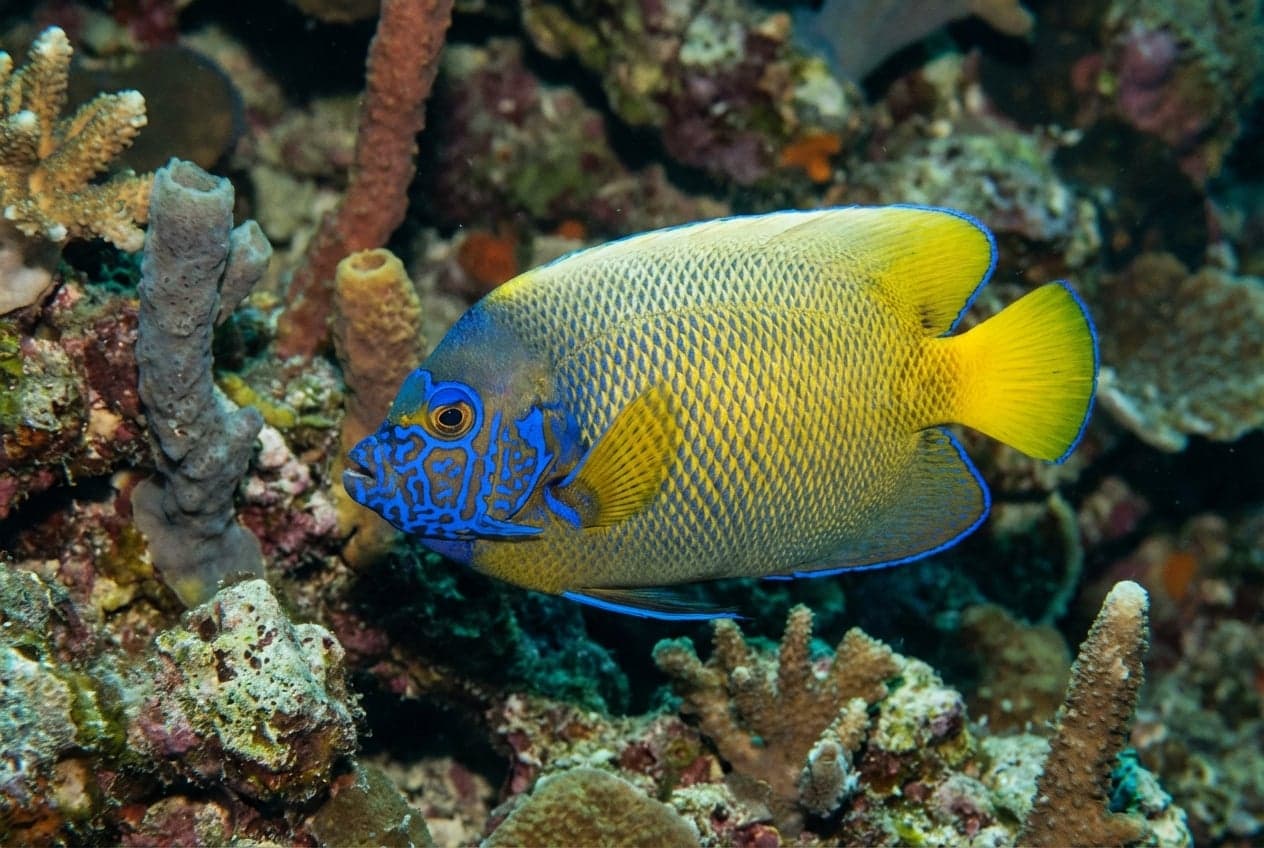
A 6cm damsel, blue above and gold below. One of the smaller and calmer damsels, though it still claims a patch of rock.
Gold Belly Damselfish
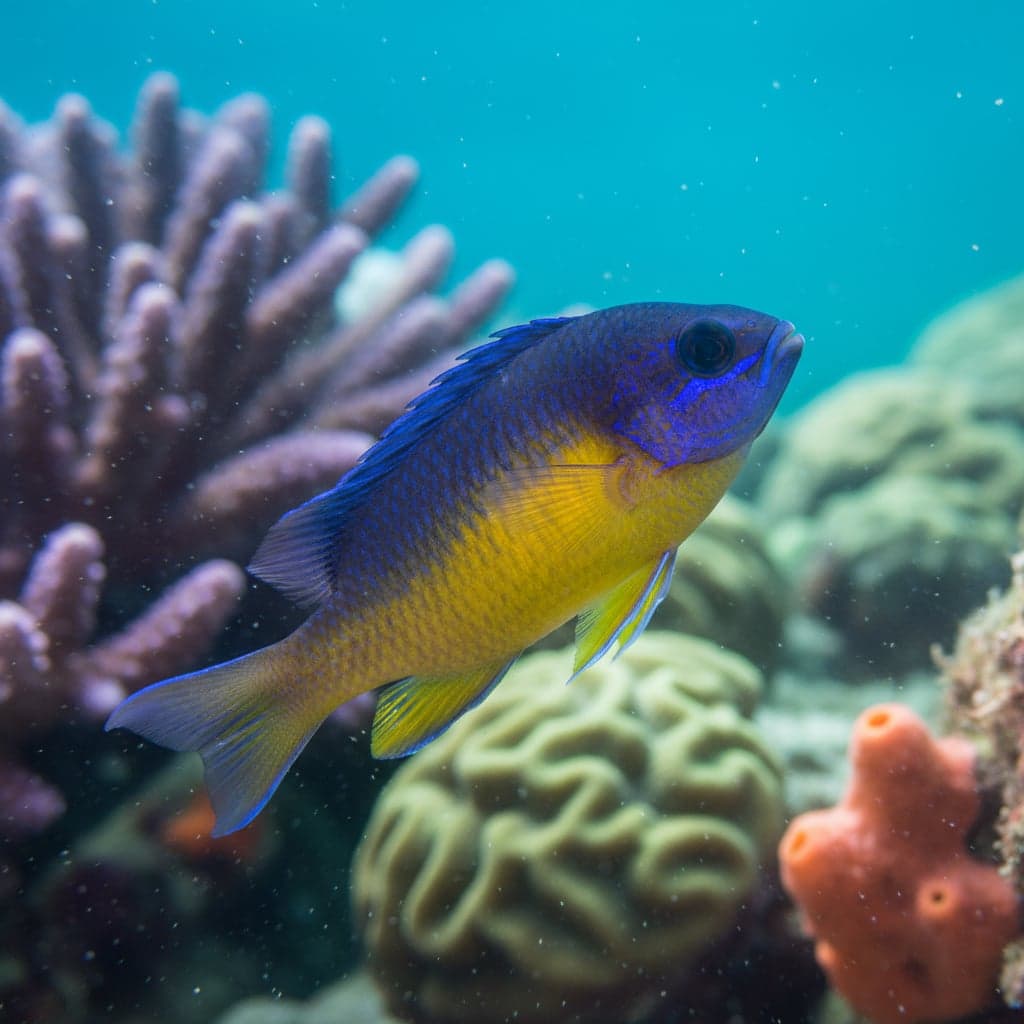
The Gold Belly Damselfish (Pomacentrus auriventris) is a vibrant species that captivates aquarists with its striking coloration and engaging personality. Characterized by a brilliant neon-blue upper body and a starkly contrasting golden-yellow belly and tail, this fish is a standout specimen in any reef aquarium. Reaching about 3 inches in length, it is known for its hardiness and relatively bold temperament, often darting in and out of coral crevices.
In addition to its aesthetic appeal, the Gold Belly Damselfish plays a significant role in marine ecosystems. Found typically around coral reefs, this species contributes to the health of coral environments by helping to consume algae and maintain ecological balance. Their hardy nature makes them excellent candidates for aquarium dwellers, and they serve as a reminder of the diverse marine life that exists in the wild. Their vibrant appearance and ecological significance are a large part of why aquarists seek them out for both aesthetic purposes and as a means of fostering awareness about marine conservation.
Natural Habitat & Origin
The Gold Belly Damselfish is native to the warm, clear waters of the Indo-Pacific region, particularly found around coral reefs in locations such as the Great Barrier Reef and various islands in the tropical Pacific Ocean. These fish thrive in reef-associated environments, preferring to inhabit areas that are rich in coral structures and marine vegetation. The water in these regions is typically of high clarity, allowing sunlight to penetrate and foster the growth of algae and other marine life that the damselfish may feed upon.
These fish are accustomed to stable environmental conditions, often residing in depths ranging from 2 to 20 meters. The temperatures in their natural habitats range from 24°C to 28°C (75°F to 82°F), with pH levels between 8.1 and 8.4, indicating a preference for slightly alkaline waters. This delicate balance of water chemistry in their native environment is essential for their health and well-being, making it crucial for aquarists to replicate similar conditions in captivity.
Care Requirements
Caring for the Gold Belly Damselfish necessitates an understanding of their specific water parameters and tank setup. The ideal pH range for their aquarium is between 8.1 to 8.4, with a temperature maintained between 24°C and 28°C (75°F and 82°F). The recommended water hardness should fall within 8 to 12 dGH. Such parameters provide a conducive environment that closely mimics their natural habitat, promoting optimal health and behavior.
When it comes to tank setup, a minimum size of 75 litres (20 gallons) is advised for this calmer 6cm Pomacentrus — enough swimming space and a rock patch to claim without treating it like a large territorial damsel. The substrate should ideally be sand or fine gravel to promote a natural environment. Providing plenty of hiding spots is essential, so include live rock or PVC structures in aquascaping. Lighting should mimic a bright daylight spectrum, with moderate to high intensity to support any corals or live plants in the tank. Additionally, maintaining a moderate water flow will cater to their natural habitat and encourage their active swimming habits.
Diet & Feeding
The Gold Belly Damselfish is an omnivorous species, consuming a varied diet in both natural and captive settings. In the wild, they feed on a combination of algae, zooplankton, and small invertebrates, showcasing their adaptability in dietary requirements. In the aquarium, it is important to provide a well-balanced diet consisting of high-quality flakes or pellets, specifically formulated for marine fish to ensure they receive essential nutrients.
To enhance their diet, supplement with frozen or live foods such as brine shrimp, mysis shrimp, and other meaty offerings, as well as algae-based foods to cater to their grazing habits. Feeding should occur 1-2 times daily, and as a general rule, only offer as much food as they can consume in a few minutes, minimizing food waste and maintaining water quality.
Behavior & Temperament
The Gold Belly Damselfish is known for its dynamic and sometimes feisty temperament. Typically, they exhibit semi-aggressive behaviors, particularly as they establish territories in the tank. This species is best kept in small groups or pairs, although care should be taken to avoid keeping multiple males together, as they can become territorial and engage in aggressive displays.
In terms of schooling, Gold Belly Damselfish are generally not considered true schooling fish; instead, they maintain a loose social structure where they may tolerate one another in a community tank if proper space and hiding spots are provided. They usually inhabit the mid-to-upper levels of the aquarium and appreciate swimming space, often displaying playful behavior as they dart among tank ornaments and live rock.
Tank Mates
When selecting tank mates for the Gold Belly Damselfish, it's essential to consider species compatibility and behavioral tendencies. Suitable tank mates include peaceful fish like clownfish, cardinalfish, and certain goby species, as these fish share a similar temperament and environmental needs. Invertebrates such as cleaner shrimp and small snails can coexist well, provided their size relative to the damselfish avoids predation.
Conversely, it’s advisable to avoid aggressive or overly territorial species like large wrasses or lionfish, as these may pose a threat to the Gold Belly Damselfish and induce stress. Additionally, other damselfish species or similarly-sized territorial fish may lead to conflict, so careful planning when establishing a community tank is crucial for a harmonious environment.
Breeding
Breeding the Gold Belly Damselfish in captivity can be a rewarding endeavor for aquarists familiar with the breeding process. These fish are known to be substrate spawners, typically laying their eggs on flat surfaces like rocks or aquarium decorations. To successfully encourage spawning, it's vital to maintain optimal water conditions, with stable parameters similar to those required for their general care—specifically temperature, pH, and salinity levels.
During the breeding ritual, males will establish a territory and court females through courtship displays, often showing off their brilliant colors. After successful fertilization, the male typically takes on the role of guarding the eggs, which will incubate for about 4 to 7 days before hatching. Providing a separate breeding tank with plenty of hiding places can be beneficial for nurturing both the breeding pair and the developing eggs.
Common Health Issues
While the Gold Belly Damselfish is generally hardy, they are not entirely immune to common health issues that can affect marine aquariums. One prevalent issue is ich (Ichthyophthirius multifiliis), a parasitic infection that manifests as small white spots on the body and fins. Preventative measures include maintaining high water quality, proper acclimatization, and ensuring stress levels are minimized through adequate living conditions.
Additionally, they may be susceptible to marine velvet disease and fin rot, especially if kept in overcrowded or unhealthy environments. Regular monitoring of the fish's health and prompt treatment of any arising ailments with appropriate medications or quarantine procedures can help ensure the Gold Belly Damselfish remains healthy and vibrant in your aquarium.