The Gold Gourami: Trichopodus trichopterus
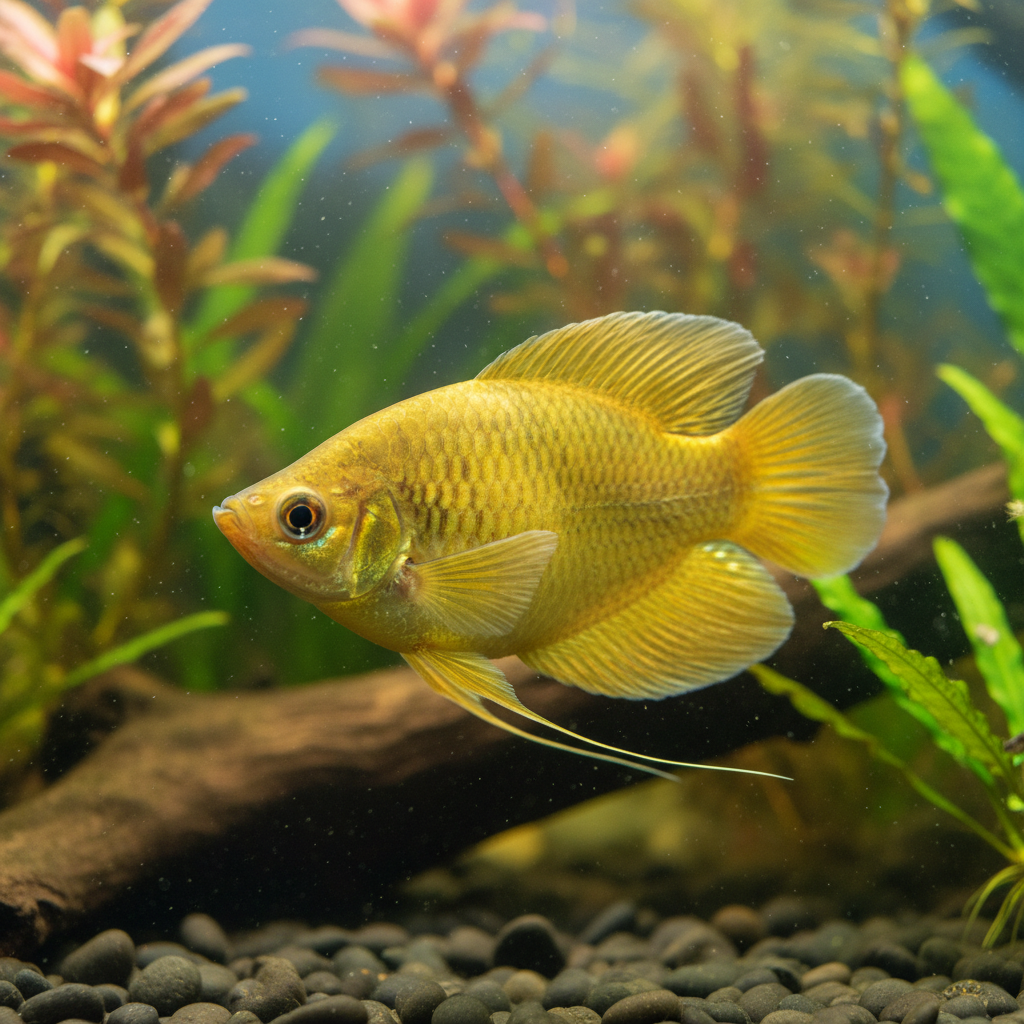
The Gold color morph of the Three-Spot Gourami. A vibrant, hardy fish that brings a splash of sunshine to the aquarium. Care is identical to the Blue Gourami.
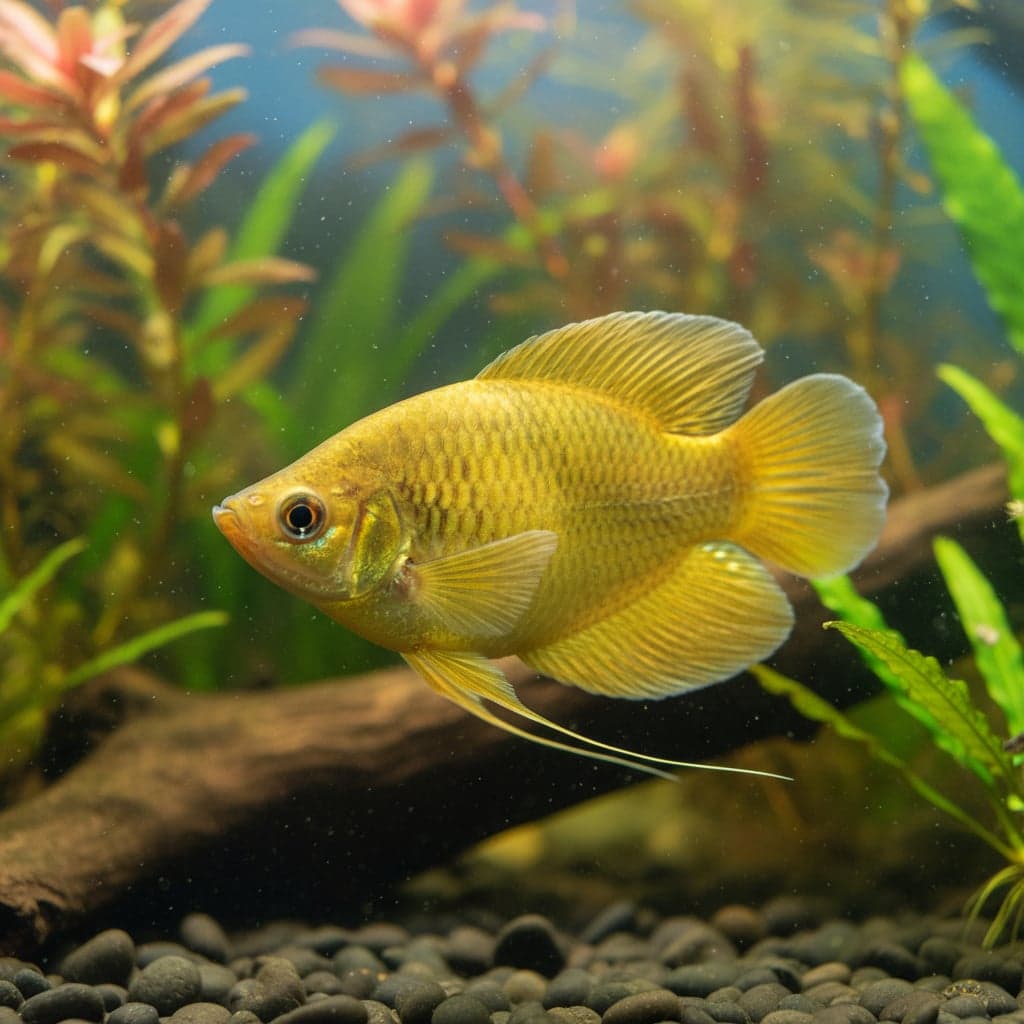
Gold Gourami
The Gold Gourami, scientifically known as Trichopodus trichopterus, is a captivating freshwater fish that has become a beloved choice among aquarists. Noted for its stunning hues of gold and yellow, this fish stands out due to its pearlescent scales and elongated fins, which contribute to its graceful appearance. While the native variants display bluish-gray colors with distinct horizontal stripes, the Gold Gourami has been selectively bred for its vibrant coloration, making it an alluring focal point in community aquariums. Its peaceful demeanor paired with its striking beauty elevates the status of the Gold Gourami as a staple for aquarists of all skill levels.
In addition to its aesthetic appeal, the Gold Gourami is significant in the aquarium hobby because it is an easy-to-care-for species that thrives in various environments, making it an ideal candidate for beginners and experienced aquarists alike. This fish is known for its unique ability to breathe air thanks to its labyrinth organ, a feature that allows it to inhabit oxygen-depleted waters. Its gentle nature contributes to social camaraderie when hosted in appropriate tank conditions, promoting a harmonious aquatic environment. The Gold Gourami not only enriches the visual entertainment of your tank but also serves as a living example of biodiversity in freshwater ecosystems.
Natural Habitat & Origin
The Gold Gourami is indigenous to the warm tropical waters of Southeast Asia, particularly in regions such as Cambodia, Laos, Thailand, and Vietnam. Its natural habitat includes slow-moving rivers, ponds, and marshes where dense vegetation provides shelter and breeding grounds. These habitats often exhibit blackwater conditions with soft, acidic waters rich in organic matter, which help form the natural environment to which the Gold Gourami has adapted. The fish can commonly be found in still waters surrounded by plenty of floating plants, adding to its preference for an environment that mimics its natural setting in captivity.
In the wild, these fish thrive in waters that often feature a pH between 6.0 and 7.5, temperatures ranging from 24°C to 28°C (75°F to 82°F), and low to moderate hardness. The dark waters and varied vegetation not only provide the necessary cover from predators but also influence their feeding practices and behavior in the wild. Such details about their natural habitat are essential for ensuring that your Gold Gourami thrives in captivity.
Care Requirements
To successfully keep Gold Gourami, maintaining stable water parameters is critical. The ideal pH level should be between 6.0 and 7.5, with a temperature range of 24°C to 28°C (75°F to 82°F). Water hardness should be maintained at 5 to 20 dGH. These parameters need to be monitored regularly using reliable testing kits to ensure a healthy environment for the fish.
When setting up a tank for Gold Gourami, a minimum tank size of 20 gallons is recommended, especially if you're considering keeping a small group. Substrate options include fine gravel or sand, which is gentle on their delicate fins. Adequate lighting should be provided, preferably with a spectrum that enhances plant growth while also producing shaded areas where the fish can retreat. Live plants such as Java ferns and floating varieties like duckweed not only provide cover but also create a more natural habitat enriching their experience. Additionally, it’s important to include some open swimming space to accommodate their active swimming habits.
Diet & Feeding
As an omnivore, the Gold Gourami thrives on a well-rounded diet that includes a combination of high-quality flakes, pellets, and frozen or live foods. Prepared flakes or pellets must be specifically designed to cater to tropical fish, ensuring that they provide essential nutrients. Supplementing their diet with frozen or live foods such as daphnia, brine shrimp, and bloodworms can stimulate natural hunting behavior and enhance their color vibrancy.
Feeding should take place once or twice a day in small portions that can be consumed in a few minutes, as this minimizes water contamination and prevents health issues associated with uneaten food. A varied diet not only promotes optimal health but also supports their growth and overall well-being. For best results, ensure that your Gold Gourami is offered food that has an appropriate size—a diet too large might lead to digestive issues.
Behavior & Temperament
Gold Gouramis are typically known for their calm, peaceful demeanor, making them excellent community fish. They exhibit social behaviors and can thrive when kept in small groups; however, they may display some territorial tendencies, particularly in larger tanks with plenty of hiding spots. Their schooling behavior tends to be moderate, with Gold Gouramis preferring to swim in pairs or small groups rather than large shoals.
In terms of vertical placement, these fish often occupy the middle to upper levels of the aquarium. They enjoy exploring the space amidst floating plants and foliage, but they should be monitored to ensure no excessive bullying occurs. Providing a well-designed tank with appropriate hiding spots will help minimize any aggression and enhance their social interaction within the aquarium.
Tank Mates
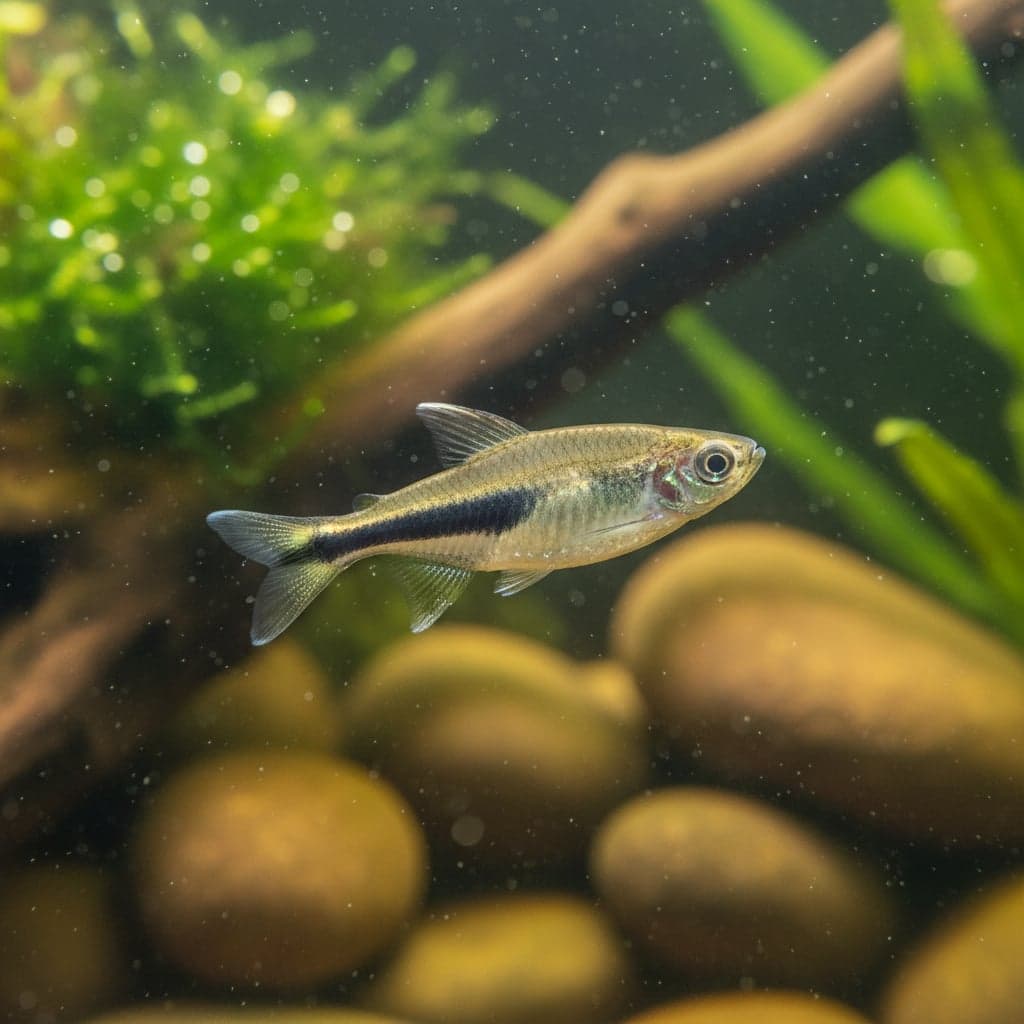
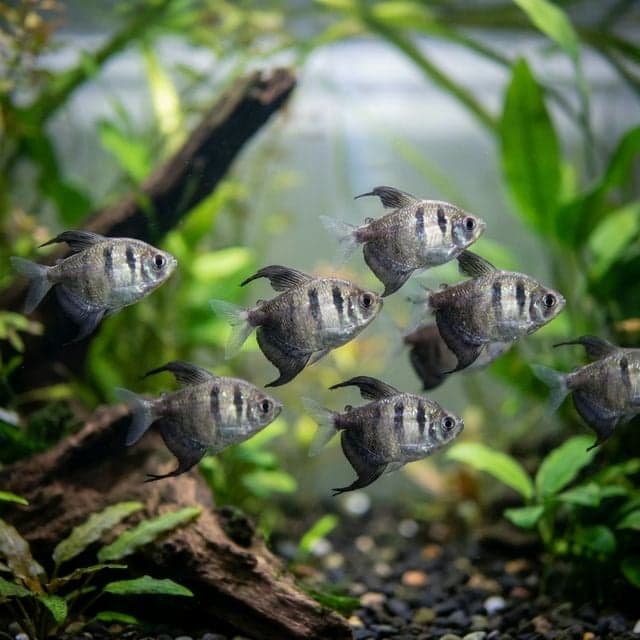
When selecting tank mates for your Gold Gourami, it’s essential to consider species that share similar temperaments and environmental needs. Compatible tank mates include peaceful species such as Tetras (like Neons and Cardinals), Rasboras, Corydoras catfish, and other non-aggressive community fish. Danios and smaller species of Loaches also make suitable companions.
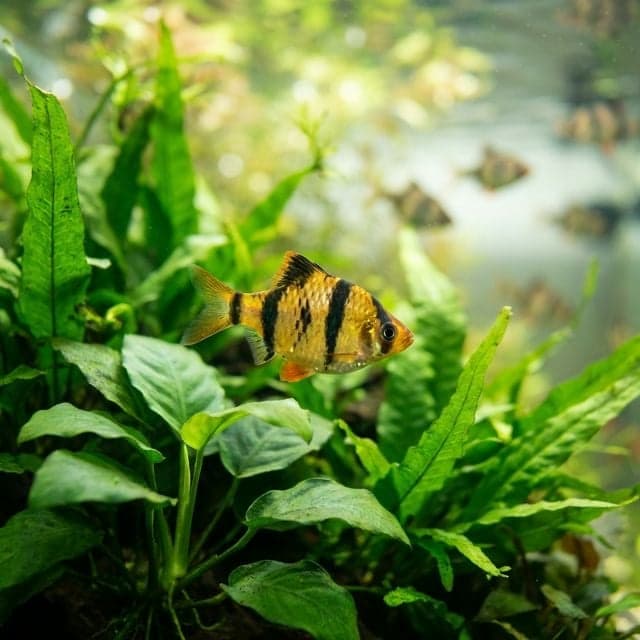
Conversely, avoid keeping them with overly aggressive or territorial species like Cichlids, larger barbs (such as Tiger Barbs), and fin-nippers, which could cause undue stress on the Gold Gourami. Size is another factor; always ensure that tank mates are similar in size to avoid predation or bullying. Creating a diverse yet compatible community will lead to a more serene aquarium environment.
Breeding
Breeding Gold Gourami can be a rewarding experience for aquarists willing to meet their specific breeding conditions. To encourage breeding, set up a separate tank with soft, slightly acidic water, ensuring a gentle flow to mimic their natural habitat. Floating plants or breeding mop should be included to provide cover and breeding sites.
Spawning generally occurs when the male builds a bubble nest at the water's surface, which serves as a protective gathering for the eggs. The female will lay eggs in the nest, where the male fertilizes them and helps guard the nest. After spawning, it's advisable to separate the female from the male, as male Gold Gouramis may exhibit aggressive behavior toward the female, especially during the nurturing process. Expect the eggs to hatch in about 24 to 36 hours, with the fry becoming free-swimming a few days later. Providing finely grounded foods is crucial to the early development of the hatchlings.
Common Health Issues
Although Gold Gourami are generally hardy fish, they may be susceptible to particular health issues, including Ich (Ichthyophthirius multifiliis), fin rot, and bacterial infections. Regular water quality testing and maintenance can significantly help prevent these ailments. Additionally, maintaining optimal water conditions with appropriate filtration and regular water changes is essential for keeping your Gold Gourami healthy.
Preventative measures involve a balanced diet, avoiding overcrowding in the tank, and quarantining new fish before introducing them to the main tank. If your Gold Gourami displays signs of illness, such as lethargy, loss of appetite, or unusual swimming behavior, consult with an aquatic veterinarian or experienced aquarist to determine the appropriate diagnosis and treatment plan. As labyrinth fish, they require access to clean, humid air at the water surface, so keeping the tank covered and preventing cool drafts will also protect their delicate labyrinth organ from respiratory ailments. With steady care, clean water, and proper nutrition, Gold Gouramis will live long, active, and colorful lives.