Golden Malili Goby
The Golden Malili Goby (Mugilogobius sarasinorum) is a stunning, jewel-like species endemic to the ancient Lake Matano in Sulawesi, Indonesia. It requires specialized high-pH and high-temperature conditions.
Golden Malili Goby
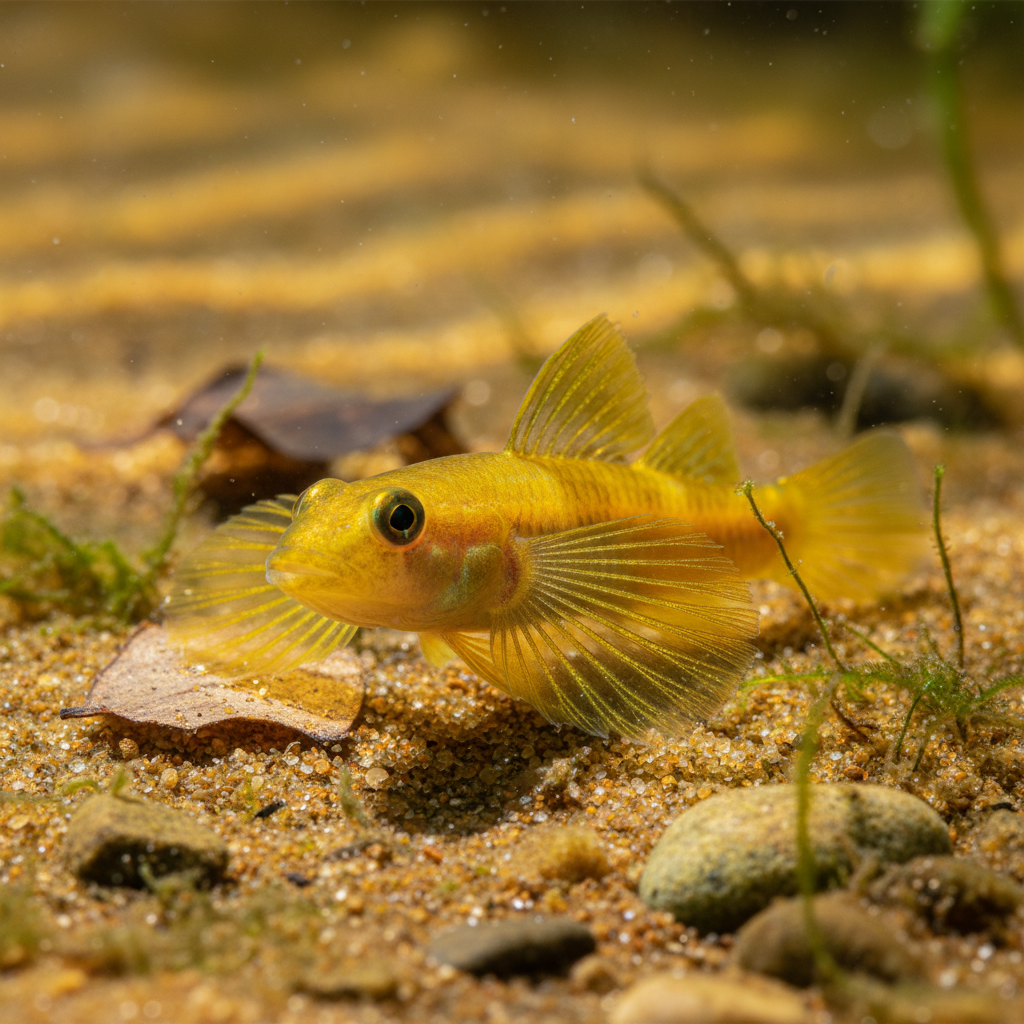
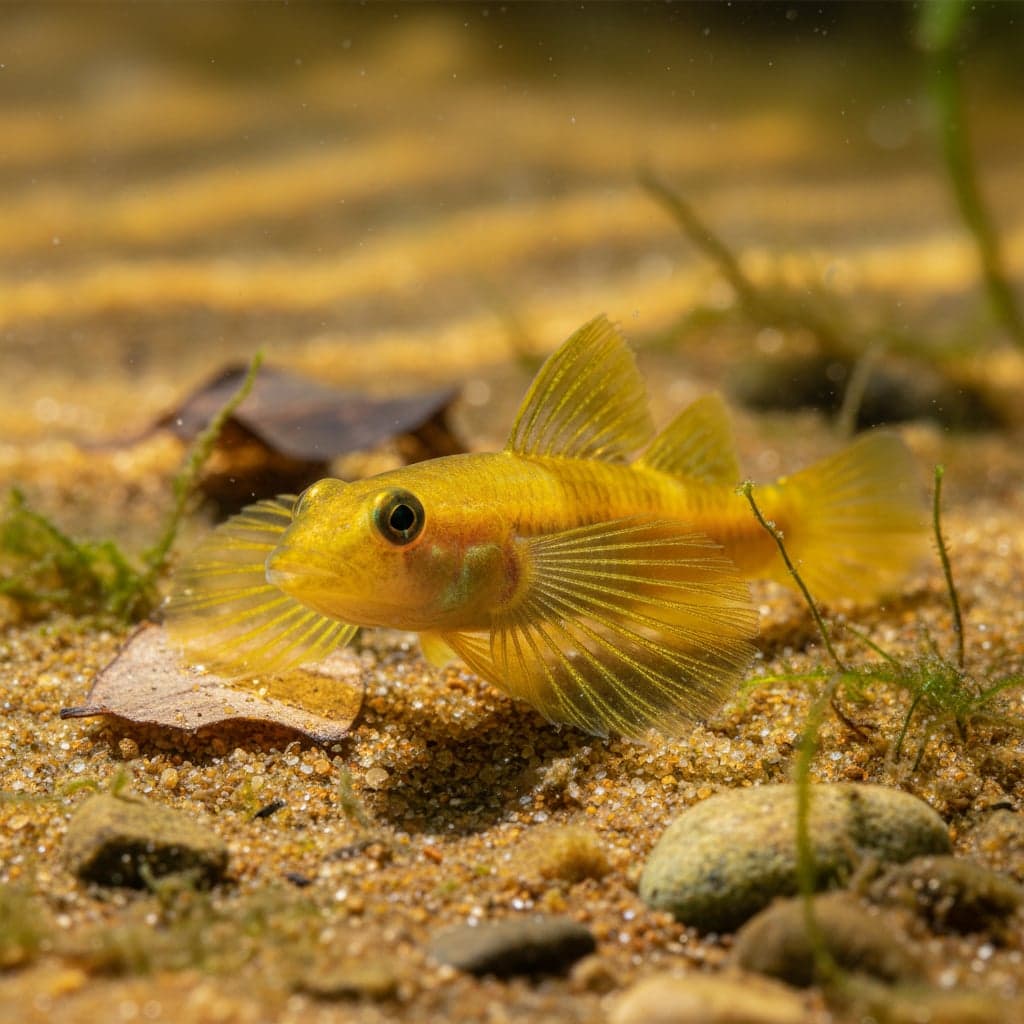
The Golden Malili Goby (Mugilogobius sarasinorum) is a small but breathtakingly beautiful fish from the ancient Malili Lakes system on the island of Sulawesi, Indonesia. Specifically endemic to Lake Matano, it is prized by enthusiasts of Sulawesi biotope tanks for its vibrant golden body, which often features subtle dark markings or bands.
Growing to only about 1.5 inches (4 cm), it is a diminutive species with a massive personality. It is often seen perching on rocks or "hopping" across the substrate, watching its surroundings with keen interest.
Natural Habitat & Origin
Lake Matano, the home of the Golden Malili Goby, is a unique environment. It is one of the deepest lakes in the world and is ultra-oligotrophic (low in nutrients) with extremely clear water. Unlike the acidic blackwater habitats found in other parts of Indonesia, Lake Matano is highly alkaline (pH 8.5+) and very warm throughout the year.
The goby inhabits the shallow, rocky margins of the lake, where it hides among small stones and submerged wood. Replicating this specialized "Sulawesi" water chemistry is the most critical aspect of keeping this species successfully.
Care Requirements
The Golden Malili Goby is considered an "Advanced" species due to its strict water chemistry requirements. It MUST have high pH (8.0 to 8.6) and very warm water (80°F to 86°F / 27°C to 30°C). The water should be well-oxygenated but with low-to-moderate flow.
A minimum tank size of 15 gallons (60L) is sufficient for a small group. The setup should feature a sandy substrate with plenty of small smooth rocks and some driftwood to provide hiding spots. While they can be kept with plants, many Sulawesi biotope tanks use only rocks and specialized Sulawesi mosses or algae-covered stones to mimic Lake Matano.
Diet & Feeding
This goby is primarily a carnivore. In the wild, it forages for small invertebrates and insect larvae among the rocks. In the aquarium, they can sometimes be finicky. They should be offered small live or frozen foods such as baby brine shrimp, cyclops, and finely chopped mysis shrimp. With time, some individuals can be trained to accept high-quality crushed pellets or slow-sinking granules, but a protein-rich diet is essential for their health.
Behavior & Temperament
Golden Malili Gobies are peaceful toward other species but can be quite territorial with their own kind, especially in small tanks. Males will often engage in "flaring" displays and minor skirmishes to establish their territory.
They are social fish and should be kept in a group of at least 3-5 individuals to see their natural behavior. They spend most of their time near the bottom, but their curious nature means they will explore every nook and cranny of the aquarium.
Tank Mates
They should only be kept with other species that share their unique Sulawesi water requirements. Ideal tank mates include:
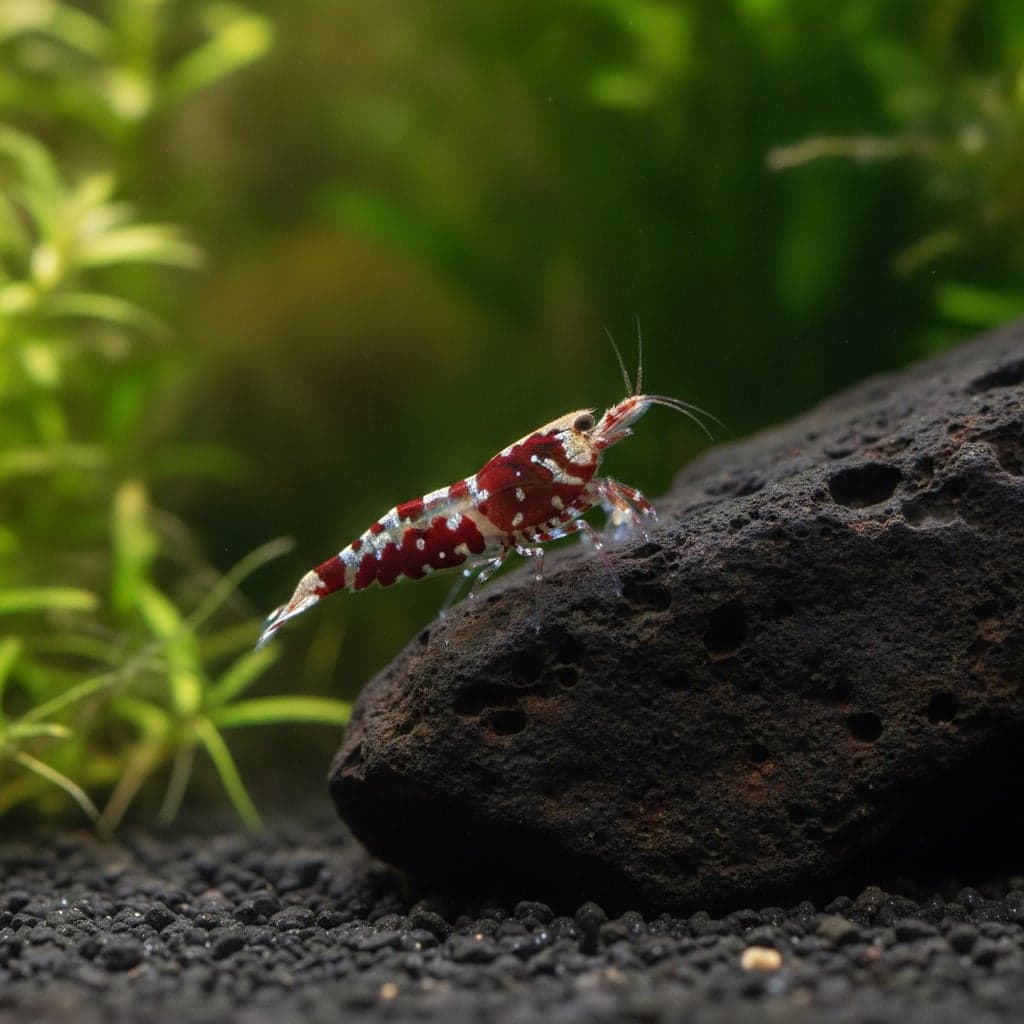
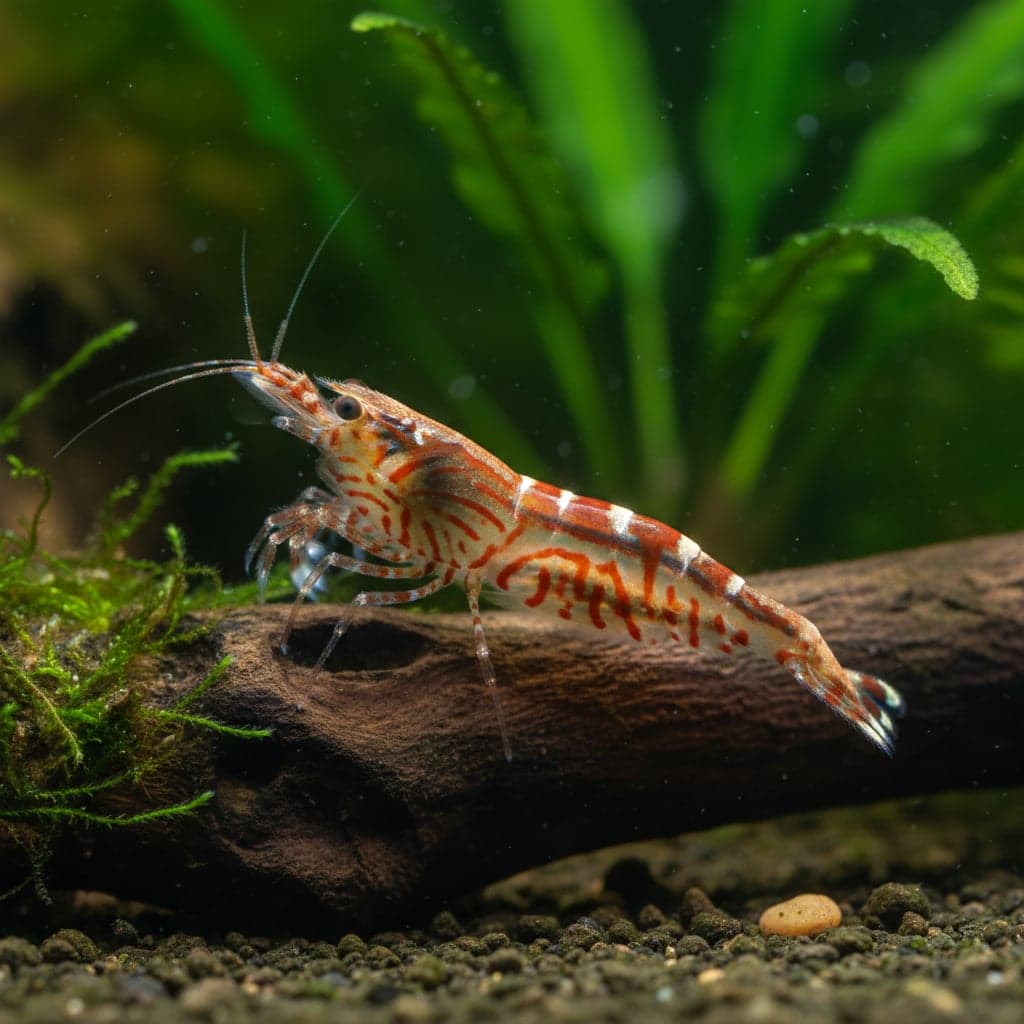
- Sulawesi Shrimp (Caridina species like the Cardinal Shrimp)
- Sulawesi Tylomelania Snails
- Other small, peaceful Sulawesi fish (like Oryzias species)
Avoid housing them with large, aggressive fish or species that prefer soft, acidic water (like South American Tetras).
Breeding
Breeding the Golden Malili Goby in captivity has been achieved but remains a challenge. They are substrate spawners, typically laying their eggs in small caves or under rocks. The male will guard the eggs until they hatch. The primary difficulty lies in raising the extremely small fry, which require microscopic live foods like rotifers or specialized liquid fry food until they are large enough to take baby brine shrimp.
Common Health Issues
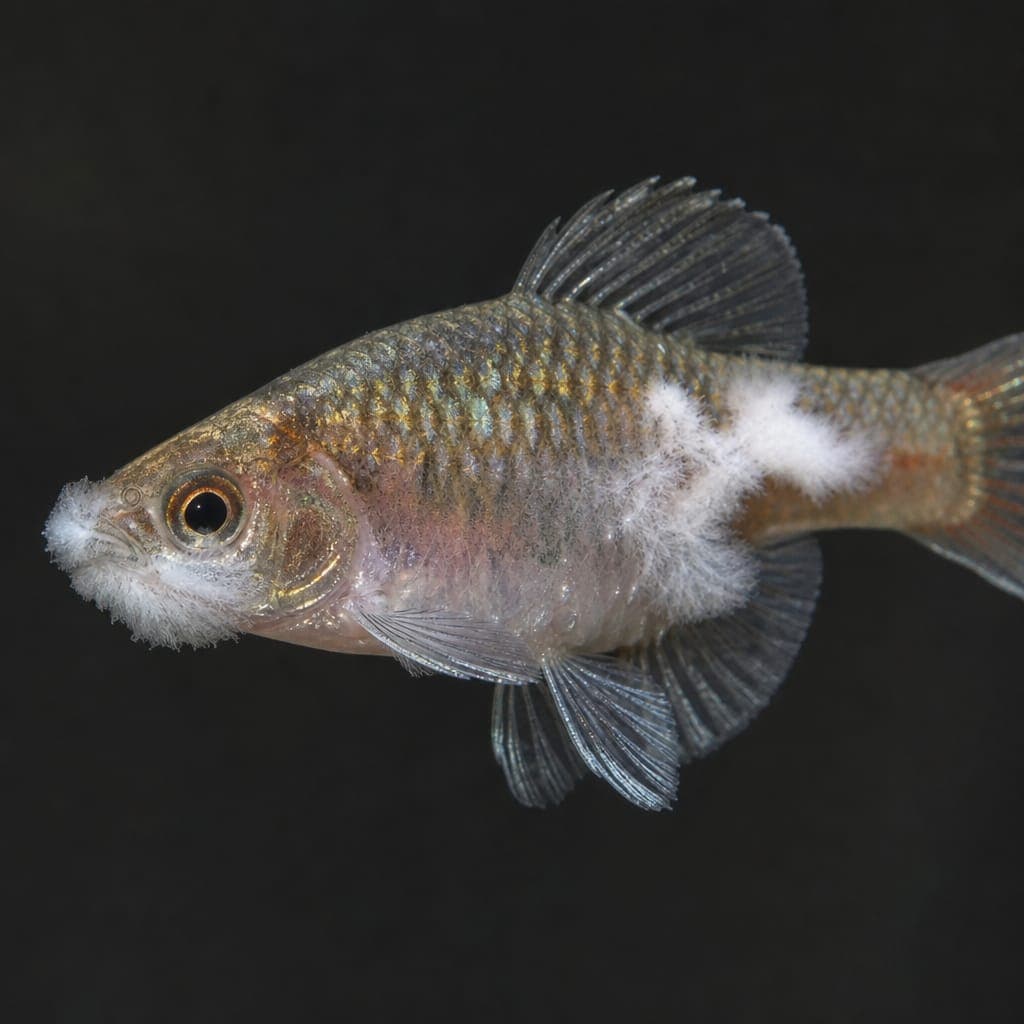
The most common cause of health issues for this species is being kept in improper water conditions. In water with low pH or low temperature, their immune systems weaken rapidly, leading to fungal or bacterial infections. They are also sensitive to high levels of nitrate. Stable, specialized "Sulawesi-style" water is the best way to ensure a long and healthy life for these golden jewels.