Golden Orfe
The Golden Orfe (Leuciscus idus) is a lightning-fast surface swimmer, prized for its vibrant orange-gold color and active schooling behavior in large ponds and specialized aquaria.
Golden Orfe
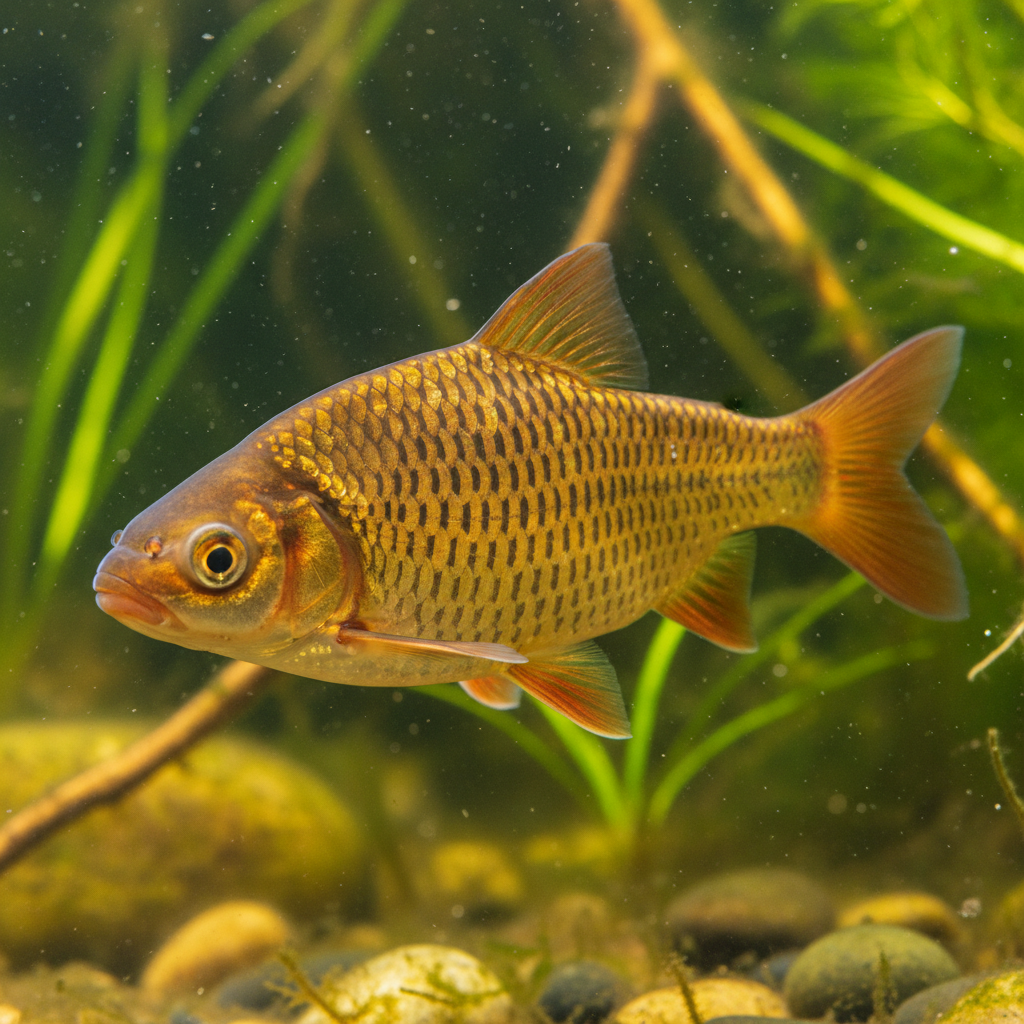
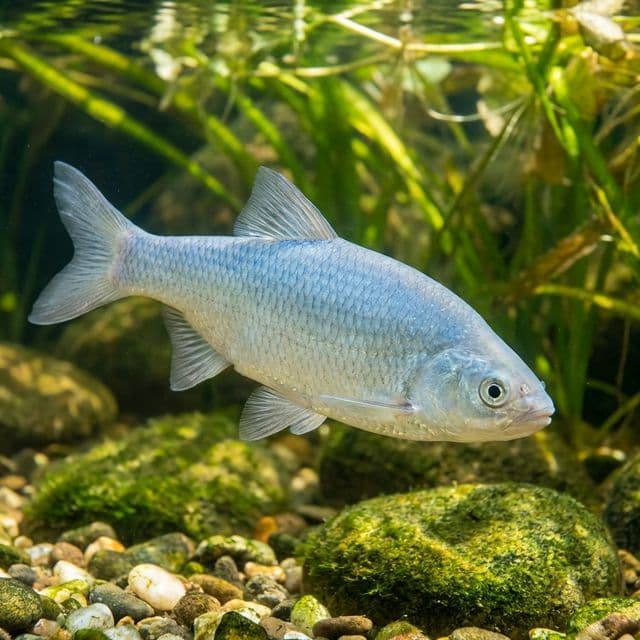
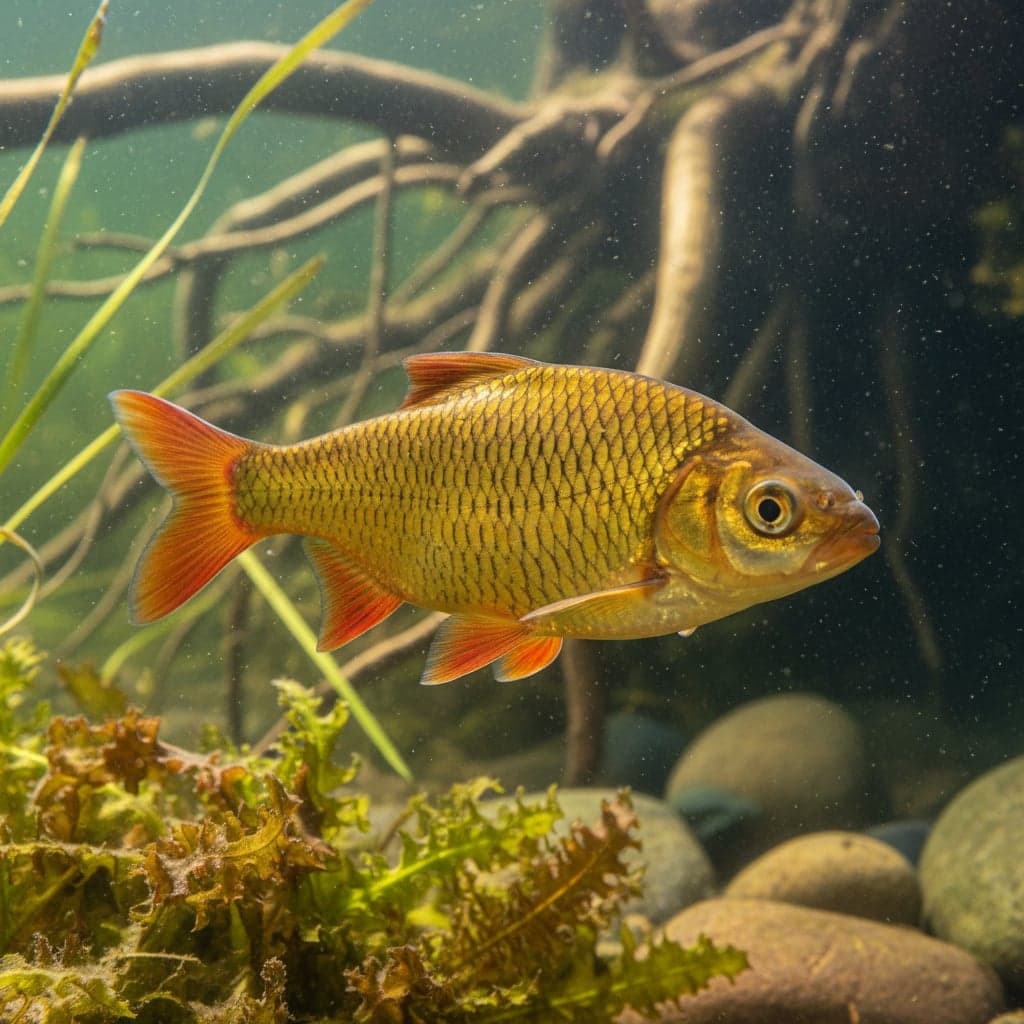
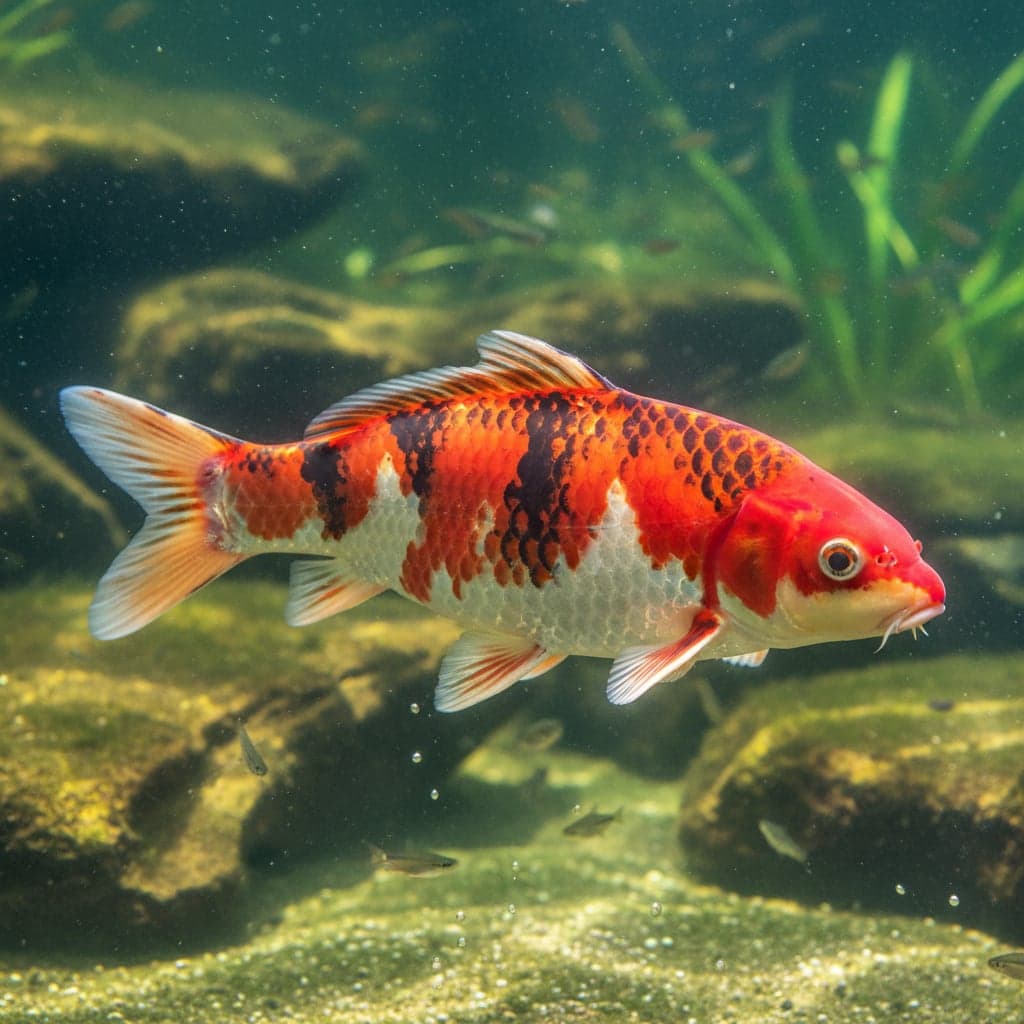
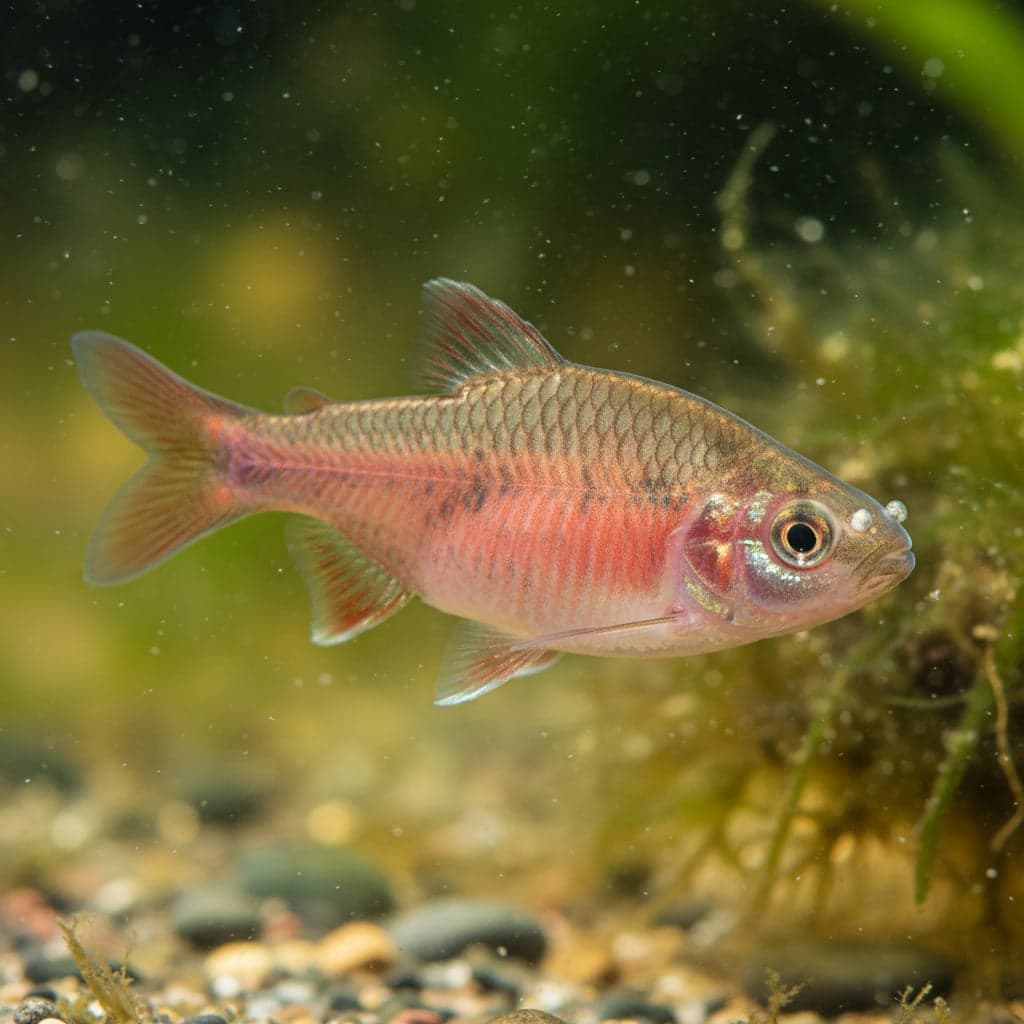
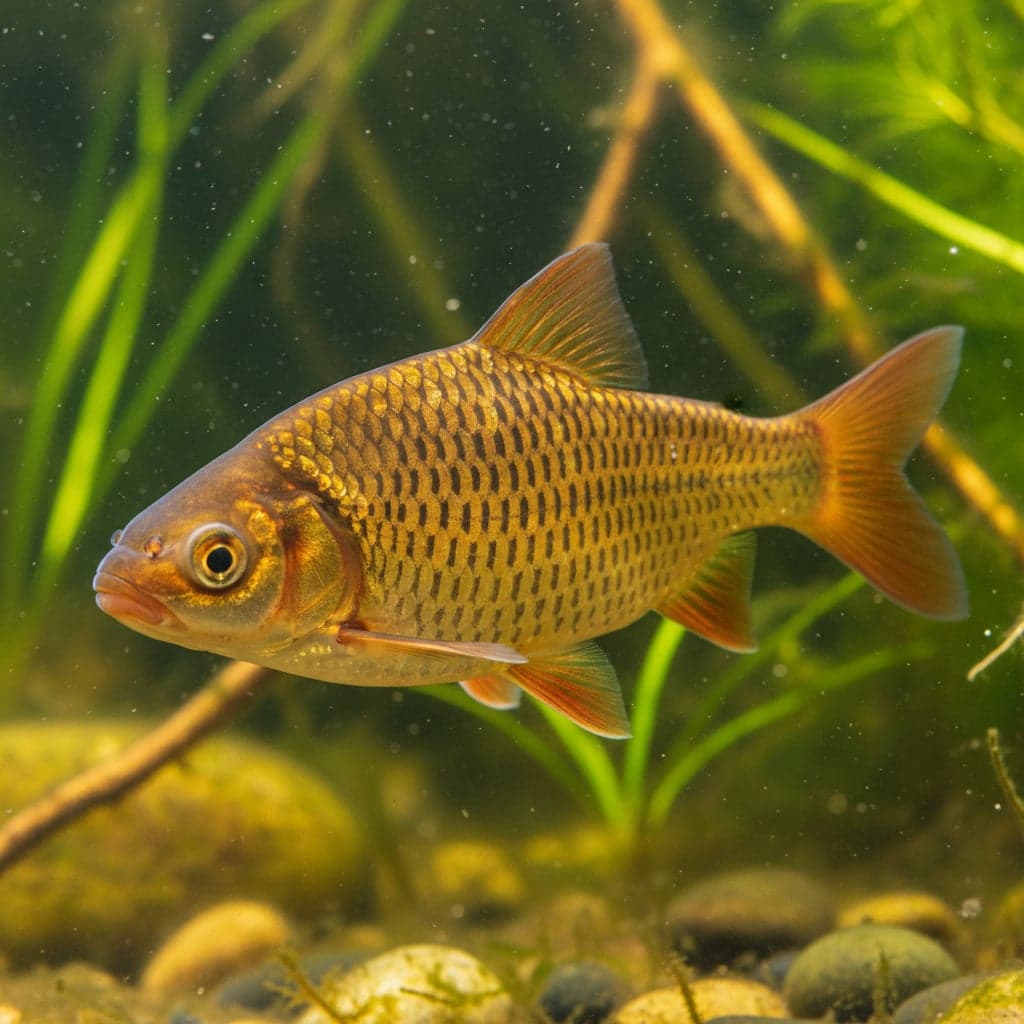
The Golden Orfe (Leuciscus idus) is a highly active, sleek, and streamlined freshwater fish. While the natural "Idus" is often a silver-grey color, the "Golden" variety is the most popular in the hobby, displaying a vibrant orange-to-golden hue that makes it easily visible from above. This visibility, combined with their tendency to swim near the surface, makes them a classic favorite for garden ponds.
Growing to an impressive 18-24 inches (45-60 cm) in length, they are powerful swimmers that require a significant amount of space. They are famous for their speed and agility, often seen "darting" across the surface of the water in search of airborne insects.
Natural Habitat & Origin
The Orfe is native to various freshwater bodies across Europe and western Asia, from the UK east to the Lena River in Siberia. It is a riverine species, typically found in larger rivers and lakes with well-oxygenated, clear water. The Golden variation was selectively bred in Germany in the 19th century and has since become a staple of cold-water fishkeeping worldwide.
Care Requirements
The Golden Orfe is one of the hardiest cold-water species, but it has one critical requirement: high oxygen levels. They are much less tolerant of low oxygen than goldfish or koi. In a pond setting, a powerful fountain or air stone is essential during the warmer summer months.
While small juveniles can be kept in very large aquariums (minimum 6 feet in length), they are fundamentally pond fish. A minimum volume of 100-150 gallons (approx. 500L) is required for a small group, but 1000+ gallons is ideal for long-term health as they mature. They prefer a pH between 7.0 and 8.0 and a temperature range of 50°F to 72°F (10°C to 22°C).
Diet & Feeding
Golden Orfe are opportunistic omnivores. In the wild, they consume a high percentage of surface insects, small crustaceans, and some plant matter. In captivity, they should be fed high-quality floating pond pellets or flakes. They are voracious eaters and will often beat other slower fish to the food. Their diet should be supplemented with live or frozen treats like bloodworms, daphnia, and crickets to maintain their health and energy.
Behavior & Temperament
Orfe are strictly schooling fish and should always be kept in groups of at least 5 individuals. A lone Orfe will be nervous and may refuse to eat. They are exceptionally peaceful and get along well with koi, goldfish, and sturgeon.
One of their most appreciated behaviors is their "surface patrolling." They rarely hide and spend the majority of their time in the top few inches of the water column, providing constant movement and color to the aquatic environment.
Tank Mates
Ideal pond mates include:
- Koi and Butterfly Koi
- Goldfish (Comets, Shubunkins)
- Sterlets and Sturgeon (provided the pond is large enough)
- Other active cyprinids like Rudd or Tench
Avoid housing them with very small fish that might be accidentally swallowed as the Orfe grows large, or with overly aggressive species that might disrupt their peaceful shoaling.
Breeding
Breeding Golden Orfe in a garden pond is common. They are egg scatterers that spawn in late spring when water temperatures reach about 55°F-60°F (13°C-15°C). They prefer to spawn in shallow areas with dense vegetation. The eggs are adhesive and stick to plants or the pond liner. The parents do not provide any care for the eggs or fry. Raising the young requires a large, well-planted area where they can find microscopic food (infusoria) and hide from larger fish.
Common Health Issues
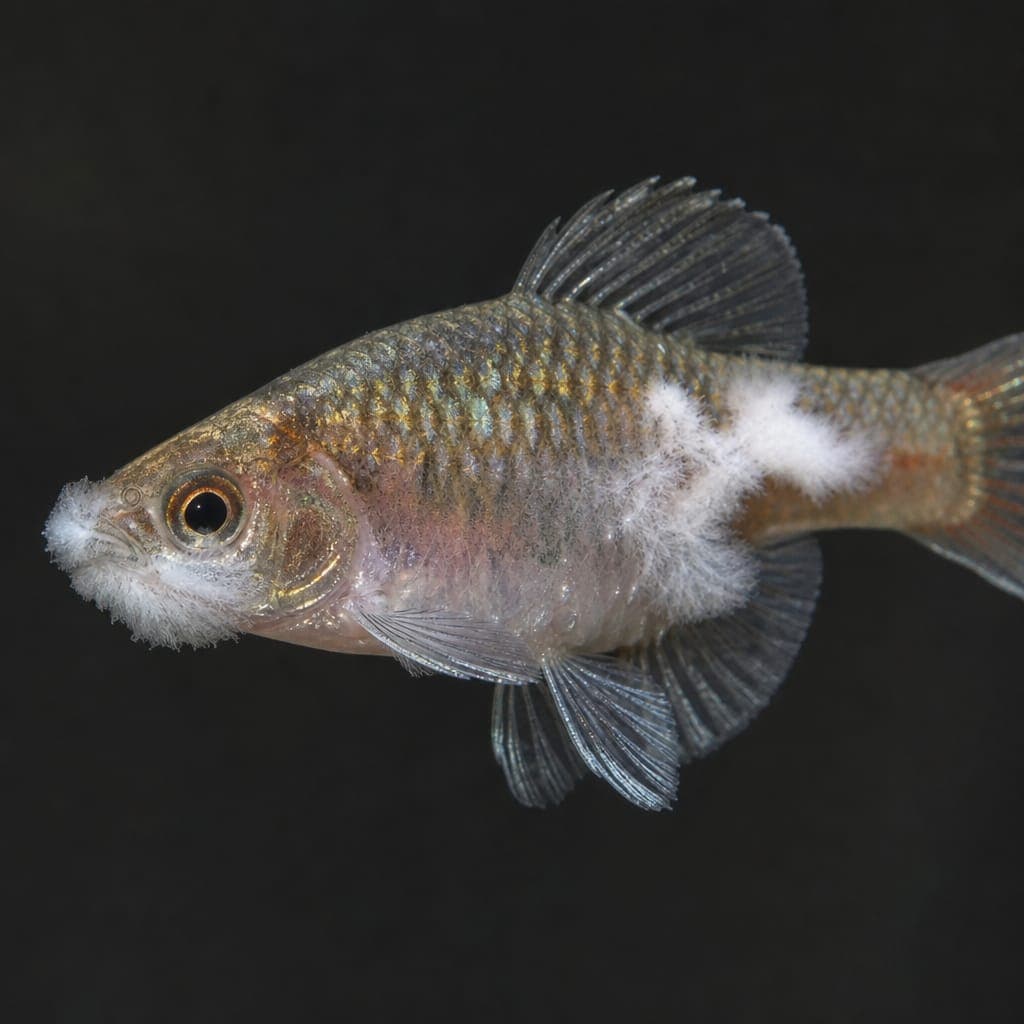
Golden Orfe are generally robust but are sensitive to certain medications. Always check the label before treating an Orfe-inhabited pond for white spot or fungus, as treatments containing copper or certain dyes can be fatal to them. Their high oxygen requirement means they are often the first to show signs of stress if a pond's filtration or aeration fails. Maintaining clean, highly-oxygenated water is the best way to prevent illness.