Green Barb
The Green Barb (Barbodes semifasciolatus) is the elegant, wild-type ancestor of the popular Gold Barb. It is a hardy, subtropical schooling fish from Southern China and Vietnam.

Green Barb
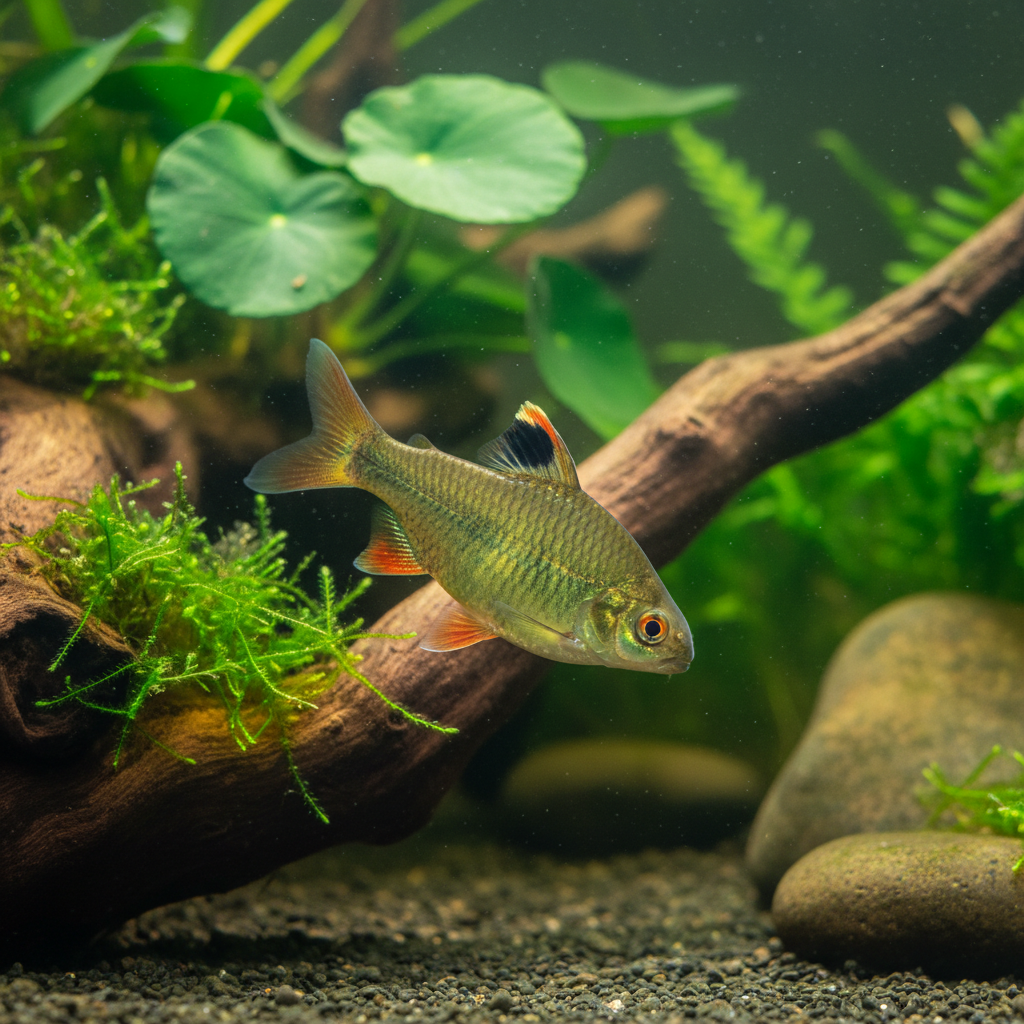
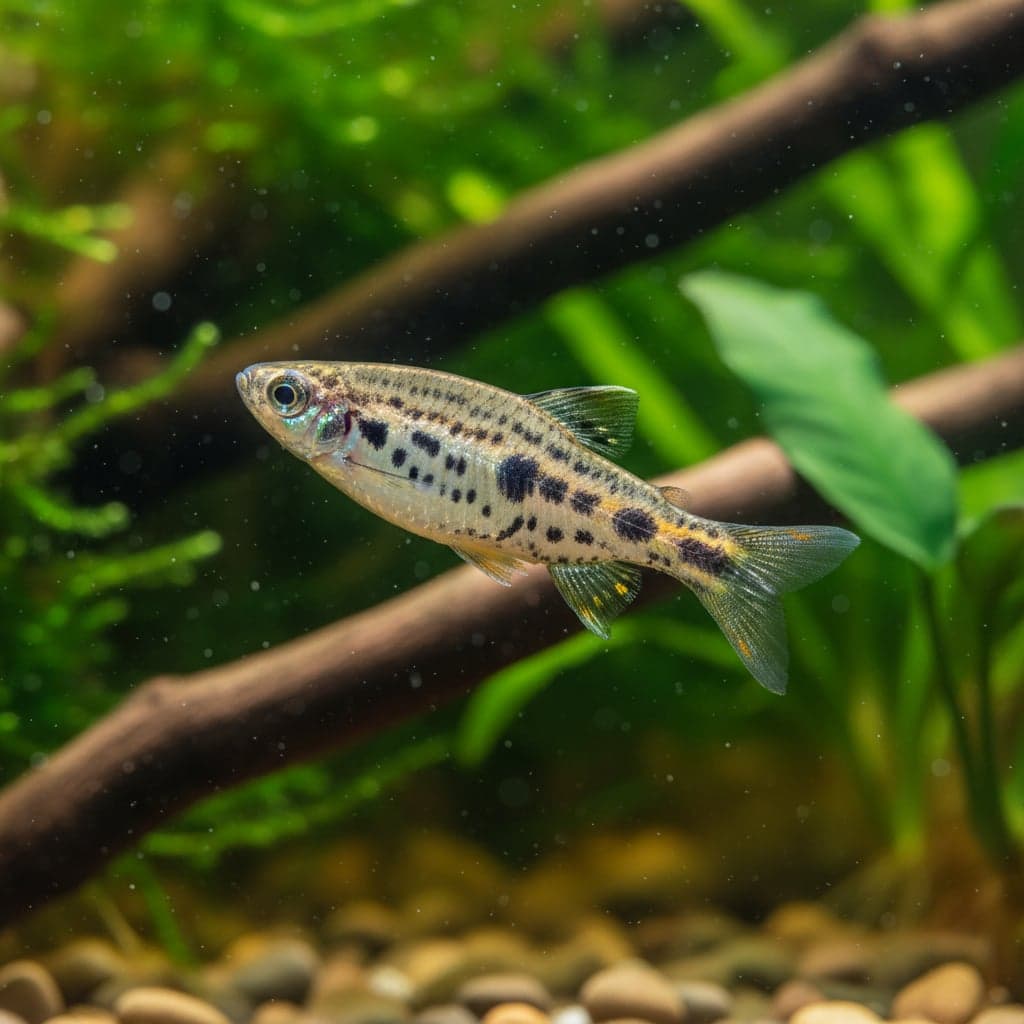
The Green Barb (Barbodes semifasciolatus), also known as the Chinese Half-Striped Barb, is a classic but often overlooked species in the aquarium hobby. While the domestic "Gold Barb" variant is much more common, the wild type is arguably more elegant, featuring a shimmering bronze-to-olive body with metallic green iridescence and 5-7 vertical black bars along its sides.
Growing to about 3 inches (7-8 cm), it is a sturdy, deep-bodied fish. During spawning, males develop a beautiful reddish-orange flush on their bellies and fins, making them quite spectacular in a well-planted tank.
Natural Habitat & Origin
This species is native to the Red River basin in Southern China, Vietnam, and Laos. They inhabit slow-moving streams, swamps, and irrigation ditches. Because they originate from subtropical regions rather than the equator, they are adapted to significant seasonal temperature shifts. They are often found in relatively shallow water with dense vegetation and soft, muddy substrates.
Care Requirements
The Green Barb is exceptionally hardy, but its most critical care requirement is temperature. Unlike truly tropical barbs, they prefer cooler water, between 64°F and 75°F (18°C to 24°C). Keeping them in a typical tropical tank (78°F+) over the long term can stress their metabolism and shorten their lifespan.
A minimum tank size of 20 gallons (80L) is required for a small school. They are active swimmers and appreciate a long tank (30 inches or more). The setup should feature a mix of open swimming space and dense planting. Fine gravel or sand is the preferred substrate. They are adaptable to a range of water conditions, but a pH between 6.0 and 7.5 is ideal.
Diet & Feeding
They are social omnivores with a healthy appetite. In the wild, they consume a variety of small invertebrates, insect larvae, and plant matter.
In the aquarium, they will readily accept high-quality flakes and pellets. However, to maintain their metallic green sheen and reddish breeding colors, they should be offered regular feedings of live or frozen foods such as bloodworms, daphnia, and brine shrimp. They also benefit from some vegetable matter in their diet, such as spirulina flakes or blanched spinach.
Behavior & Temperament
Green Barbs are peaceful, social, and constantly active. They MUST be kept in groups of at least 6 individuals; like most barbs, they are much more secure and less likely to bother other fish when kept in a proper school.
Unlike the more boisterous Tiger Barb, the Green Barb is generally not a fin-nipper and makes an excellent candidate for a peaceful community tank. They are constantly exploring the middle and lower levels of the water column, often "sifting" through the substrate or poking through plants for food.
Tank Mates
They are compatible with a wide range of peaceful fish, particularly those that also appreciate slightly cooler water:
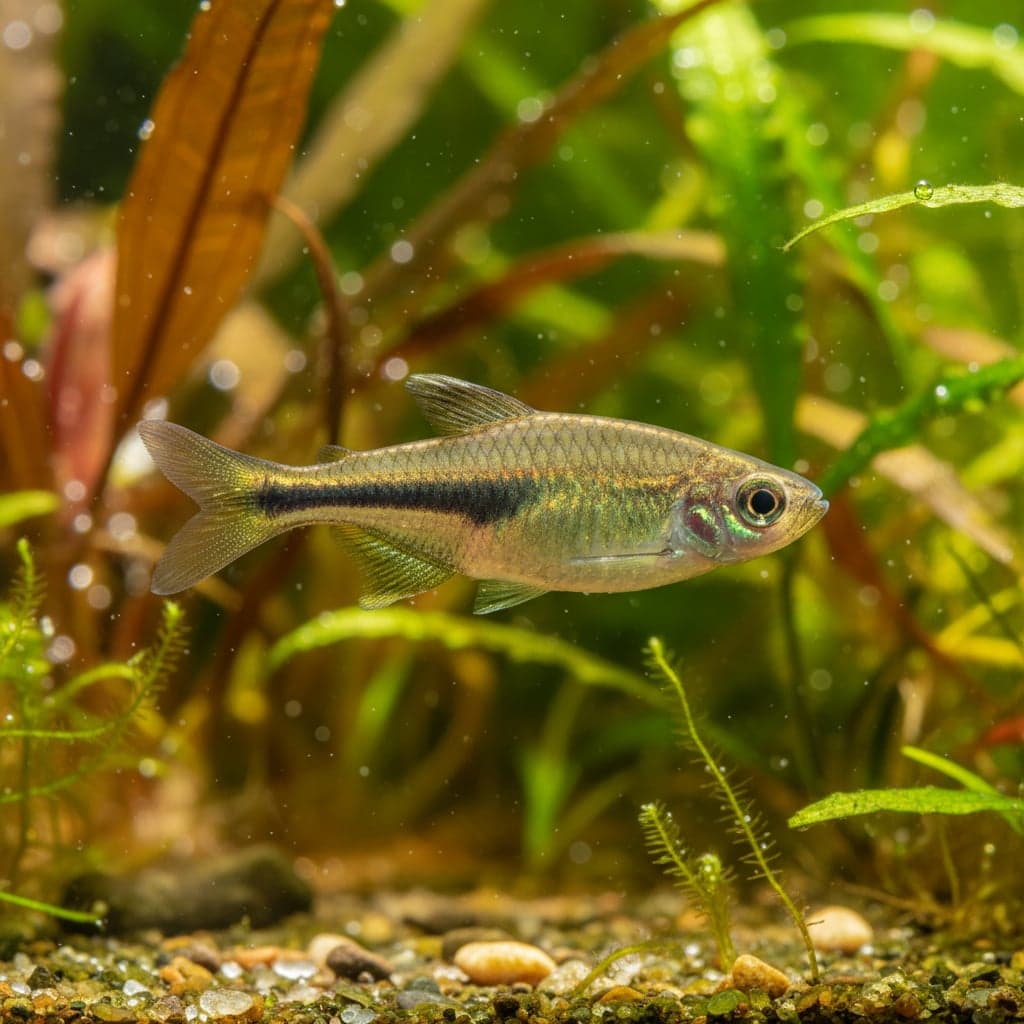
- White Cloud Mountain Minnows
- Rosy Barbs
- Zebra Danios
- Weather Loaches
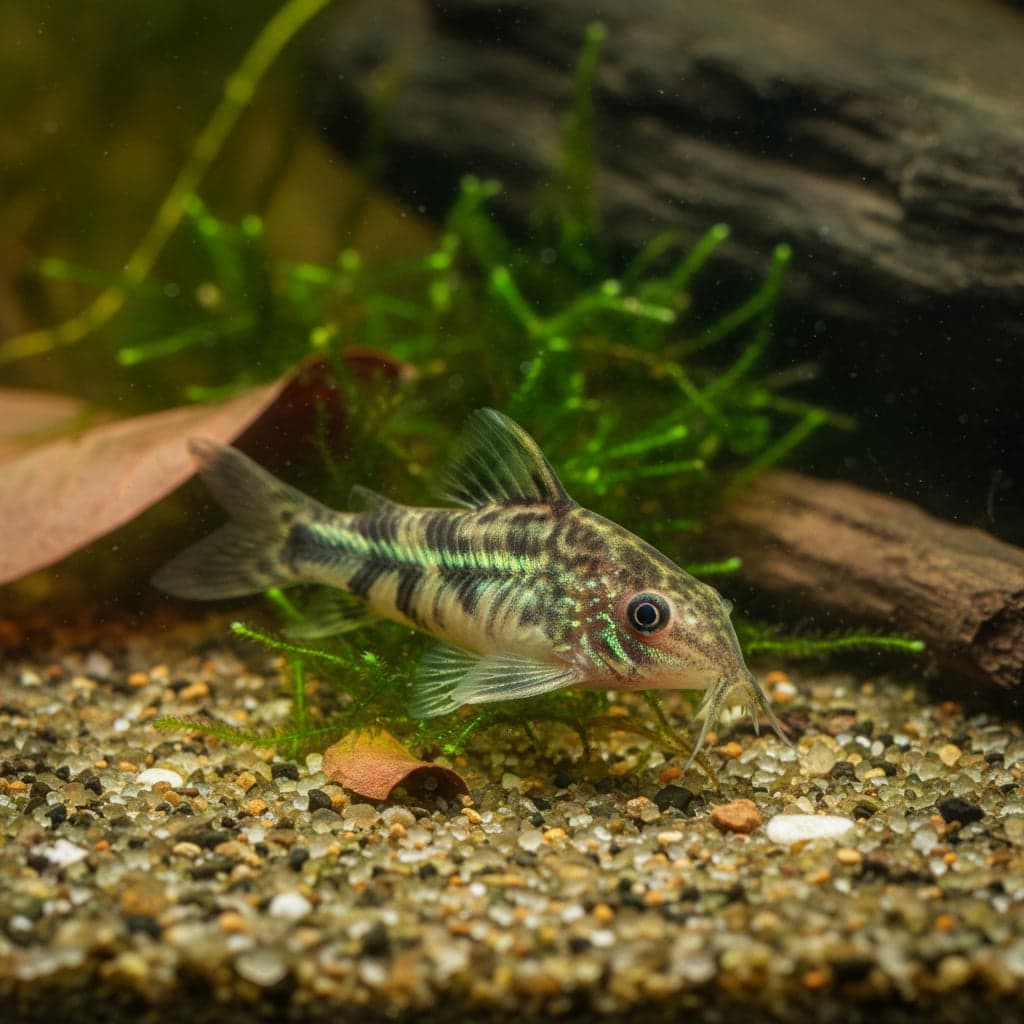
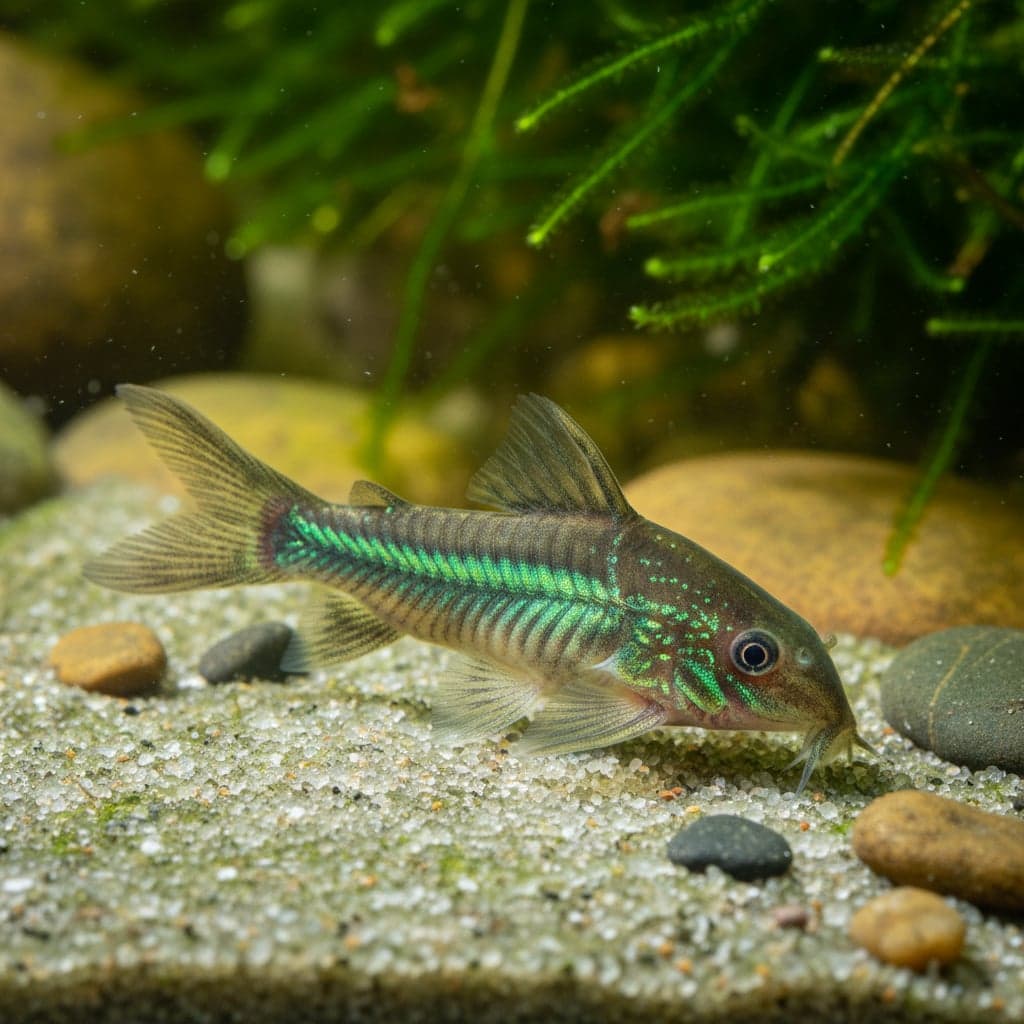
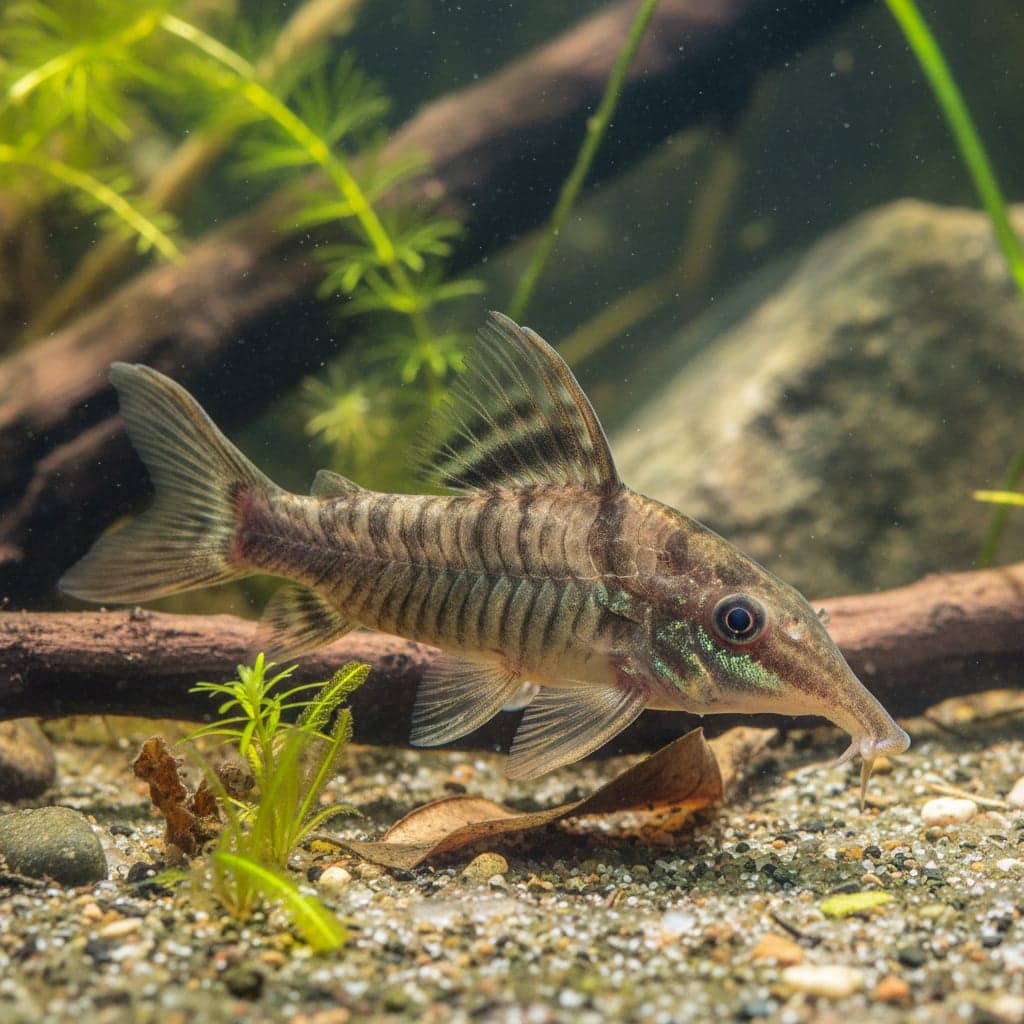
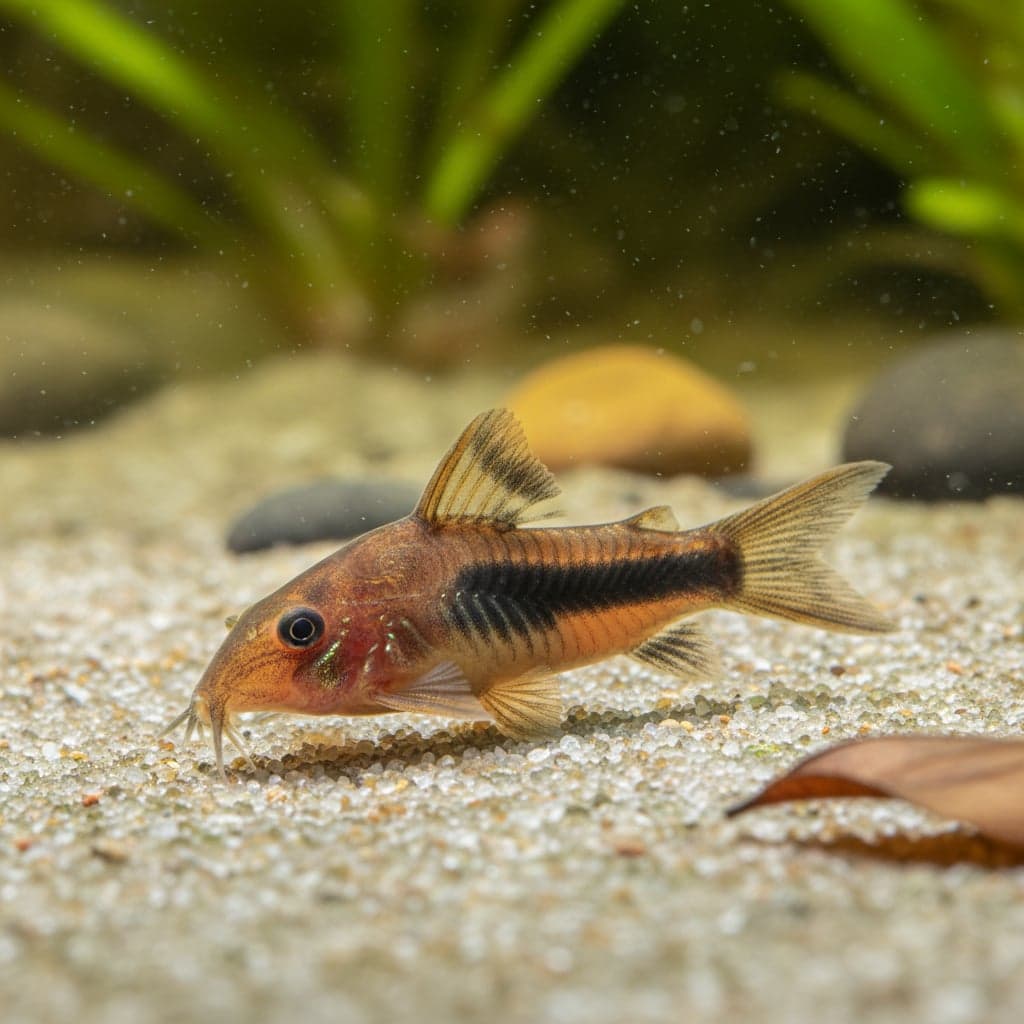
- Corydoras Catfish
- Paradise Fish (if the tank is large enough)
Avoid housing them with very slow-moving or long-finned fish that might be bothered by their active nature, though they are much gentler than many other barb species.
Breeding
They are prolific egg-scatterers and relatively easy to breed. Spawning is usually triggered by a slight temperature drop followed by a rise, mimicking the rainy season. The male will chase the female into fine-leaved plants (like Java Moss), where she will deposit hundreds of sticky eggs. The parents have no paternal instincts and will immediately eat the eggs if not removed. The eggs hatch in 24-48 hours, and the fry are free-swimming a few days later, requiring infusoria or microscopic fry food as their first meal.
Common Health Issues
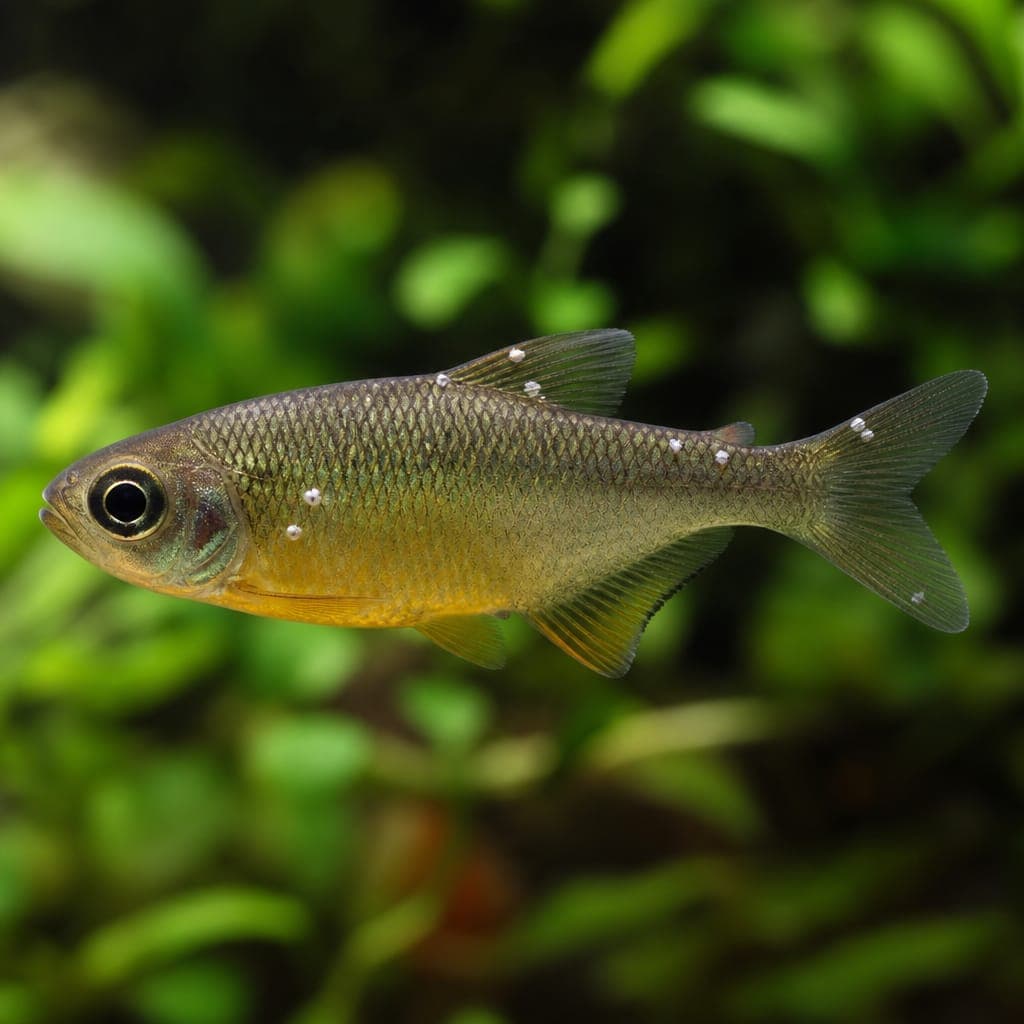
They are remarkably robust. The primary health concern is stress from high temperatures or poor water quality. Like all cyprinids, they can be susceptible to Ich (White Spot) if introduced to a new tank without proper acclimation. Maintaining a clean, well-filtered environment at the correct subtropical temperature range is the best way to ensure their health.