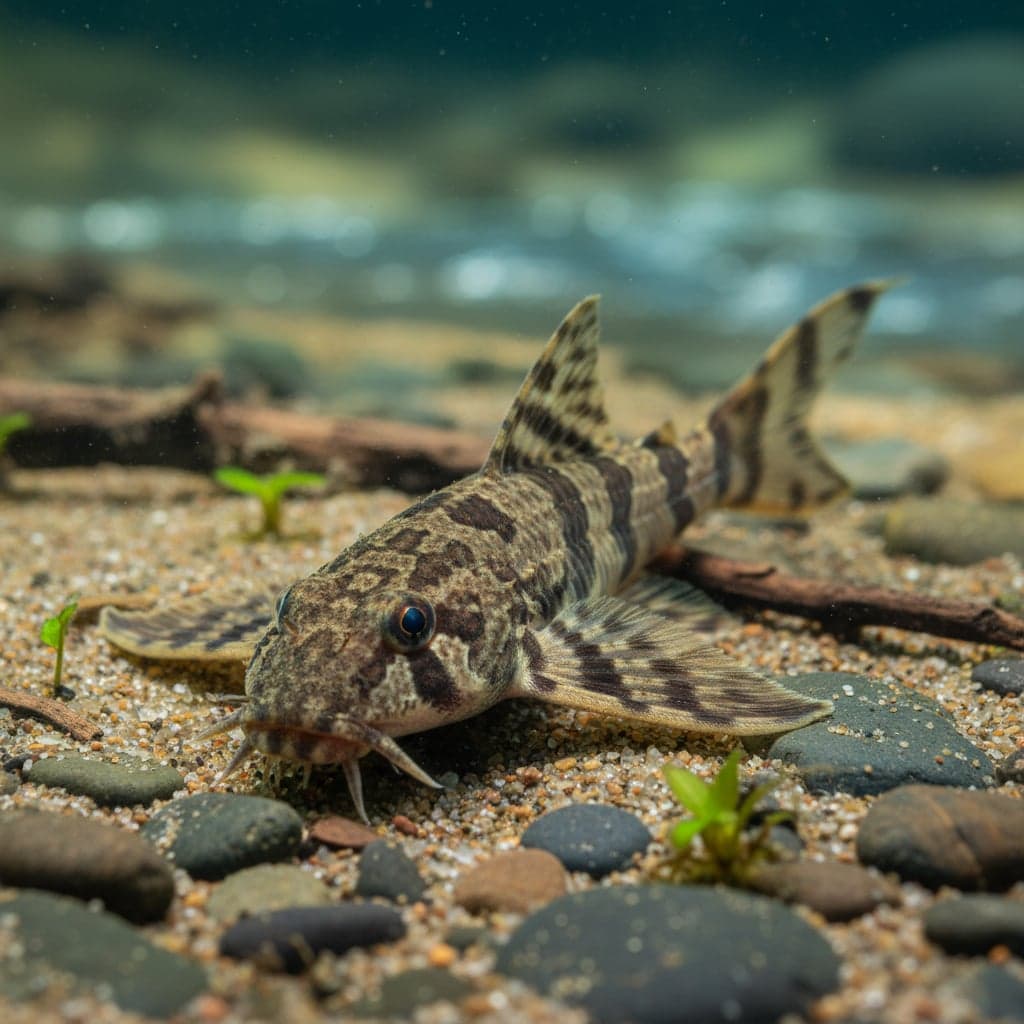
Green Severum
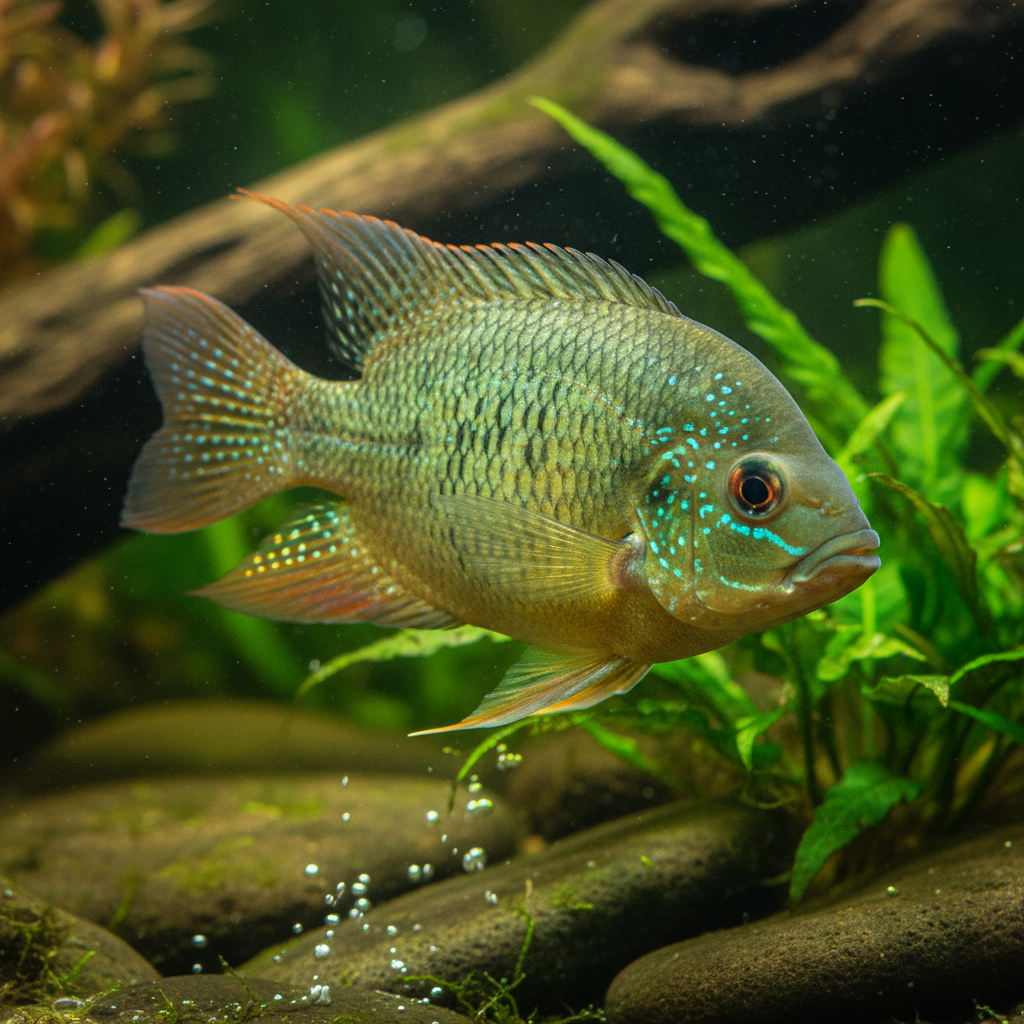
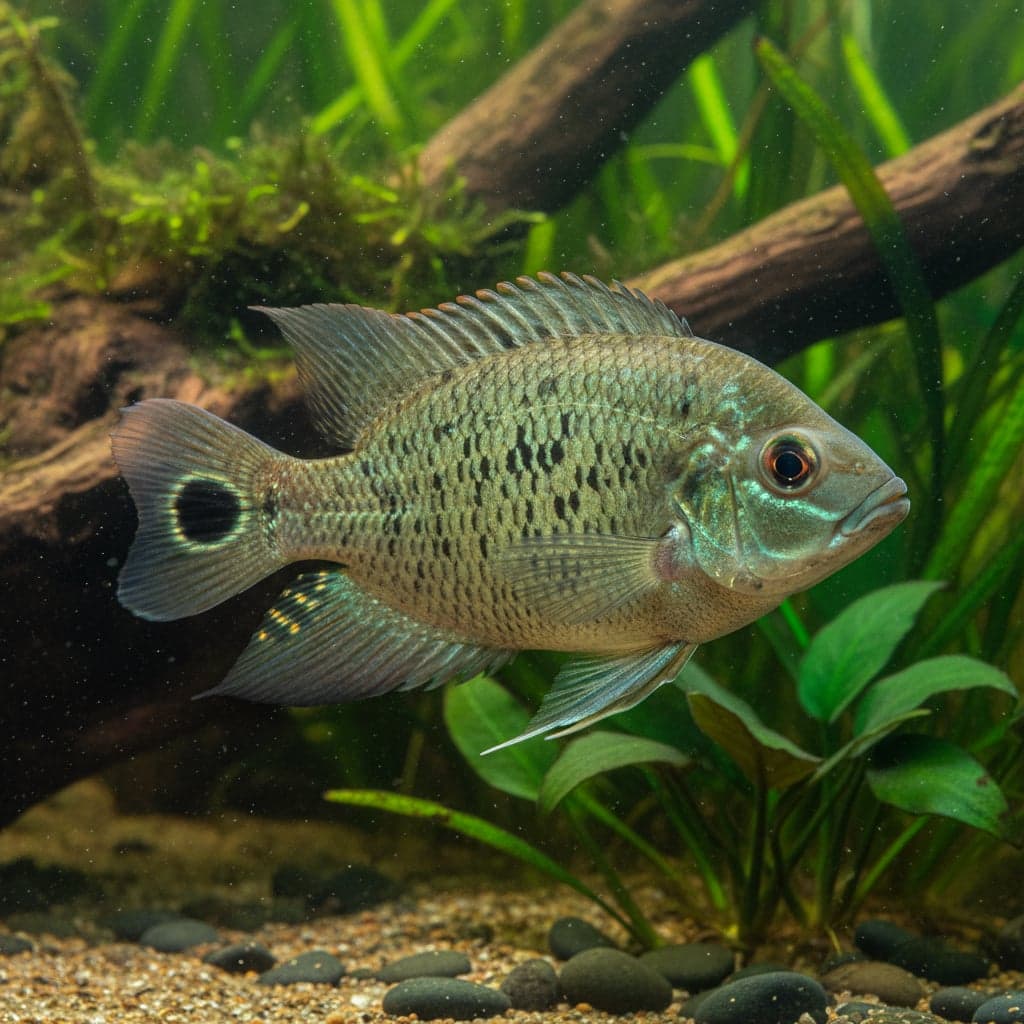
The Green Severum (Heros efasciatus) is a classic South American cichlid, loved for its calm temperament, impressive disc-like shape, and beautiful, understated green and gold coloration.

Green Severum
The Green Severum (Heros efasciatus), also known as the Banded Cichlid, has long been a favorite in the hobby. It is often referred to as the "Poor Man's Discus" due to its remarkably similar disc-shaped body and calm, majestic presence, but with a much hardier constitution and easier care requirements.
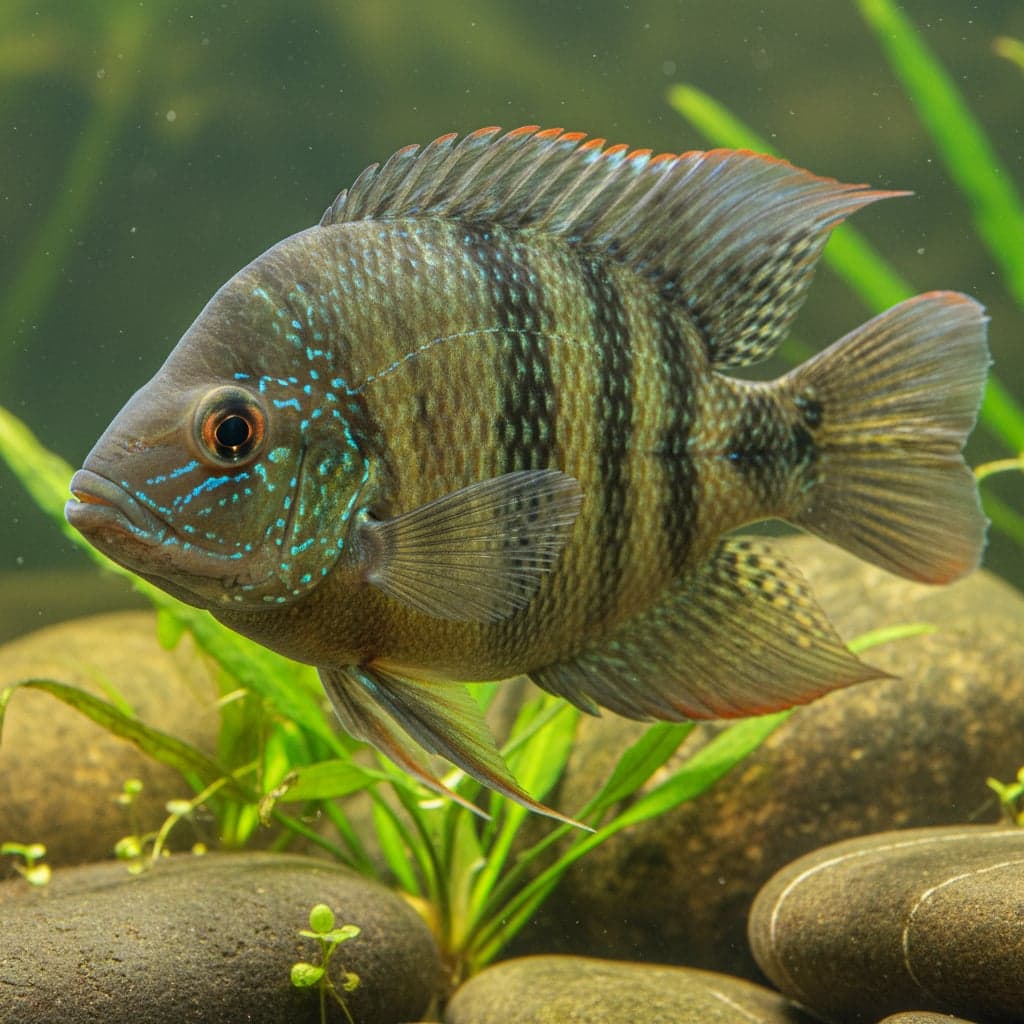
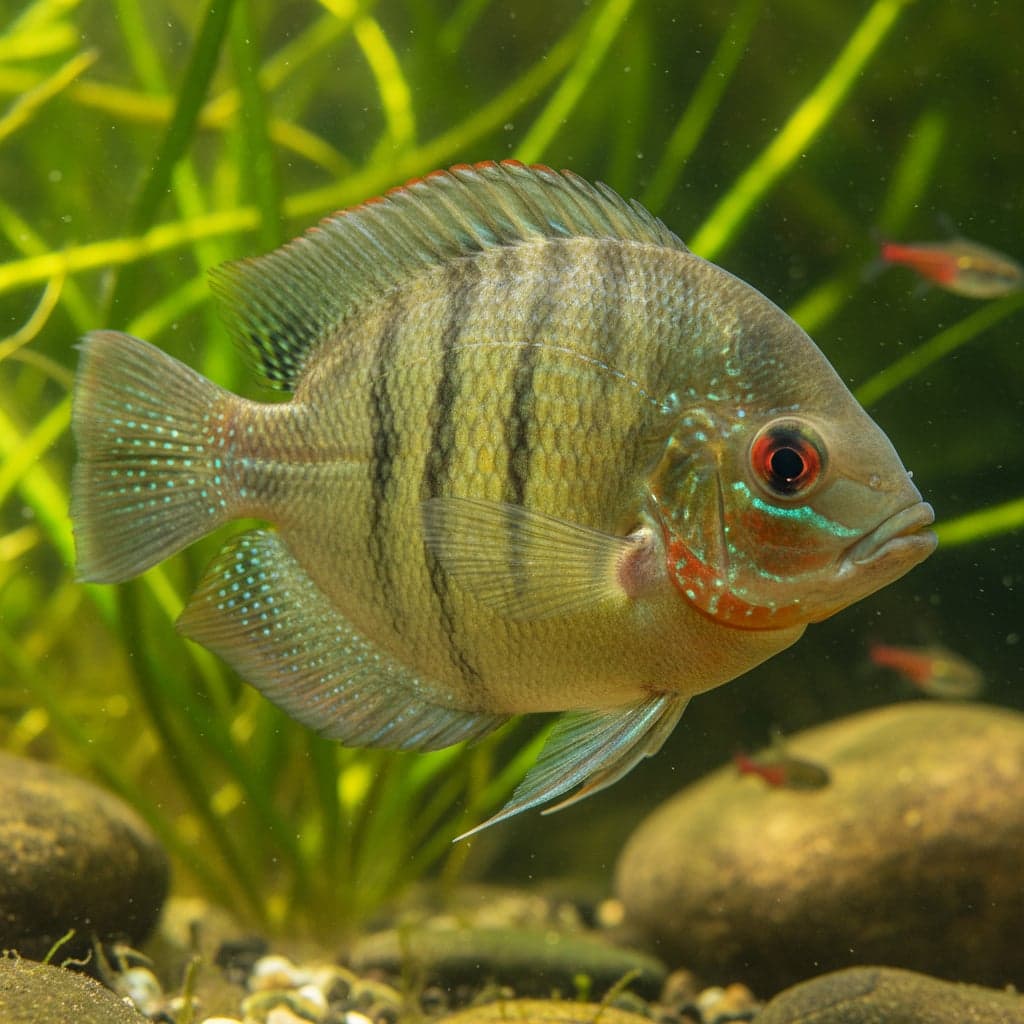
Growing up to 10 inches (25 cm) in length, the Green Severum is a substantial fish. Its wild-type coloration is a beautiful olive-green with a gold sheen, often marked by several dark vertical bars that may fade as the fish matures. Males typically develop intricate reddish-brown "worm-like" markings on their faces.
Natural Habitat & Origin
This species is widely distributed throughout the Amazon River basin in Brazil, Peru, and French Guiana. They are primarily found in slow-moving or standing waters, such as lakes, flooded forests, and the quiet margins of large rivers. They are heavily associated with submerged wood and are often found in "blackwater" environments where the water is stained tea-brown by tannins.
Care Requirements
The Green Severum is exceptionally hardy but requires a large aquarium to thrive. A minimum tank size of 55-75 gallons (250L) is required for a single adult, with 100+ gallons preferred for a pair or community. They are adaptable to various water parameters but prefer a pH between 6.0 and 7.5 and a temperature range of 75°F to 84°F (24°C to 29°C).
The aquarium should be decorated with large pieces of driftwood and smooth river stones to provide territories and cover. While they are cichlids, they are remarkably gentle with their environment, with one major exception: they are notorious plant eaters. They will consume most soft-leaved live plants, so if you wish to include greenery, stick to tough species like Anubias, Java Fern, or use high-quality silk plants.
Diet & Feeding
They are true omnivores with a high requirement for vegetable matter. In the wild, they consume falling fruits, seeds, and vegetable matter along with terrestrial and aquatic insects.
In the aquarium, they should be fed a varied diet. High-quality cichlid pellets should be the staple, but it is critical to supplement with vegetable-based foods. They will eagerly consume blanched zucchini, peas (deshelled), spinach, and spirulina-enriched flakes. They also enjoy meaty treats like bloodworms and mysis shrimp, which should be fed 2-3 times per week.
Behavior & Temperament
The Green Severum is one of the most peaceful large cichlids available. They are generally calm and move with a slow, deliberate grace. While they are territorial during spawning, they are rarely aggressive toward other species.
They are social fish that can be kept in pairs or in small groups if the tank is large enough. They are also known for their intelligence and often learn to recognize their owners, even begging for food at the glass.
Tank Mates
They are excellent candidates for a large South American community tank. Suitable tank mates include:
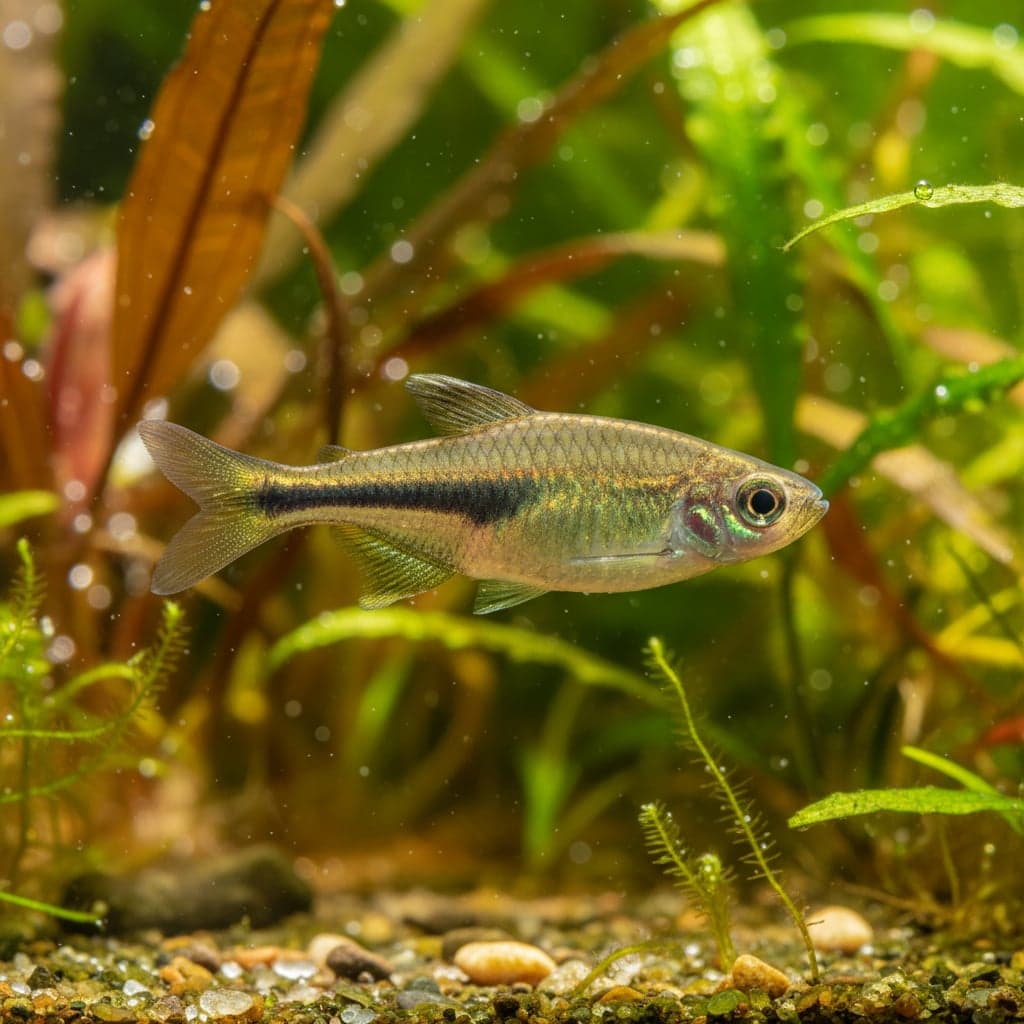
- Large Tetras (Congo Tetras, Bleeding Heart Tetras)
- Silver Dollars (though these will also eat plants)
- Angelfish and Geophagus species
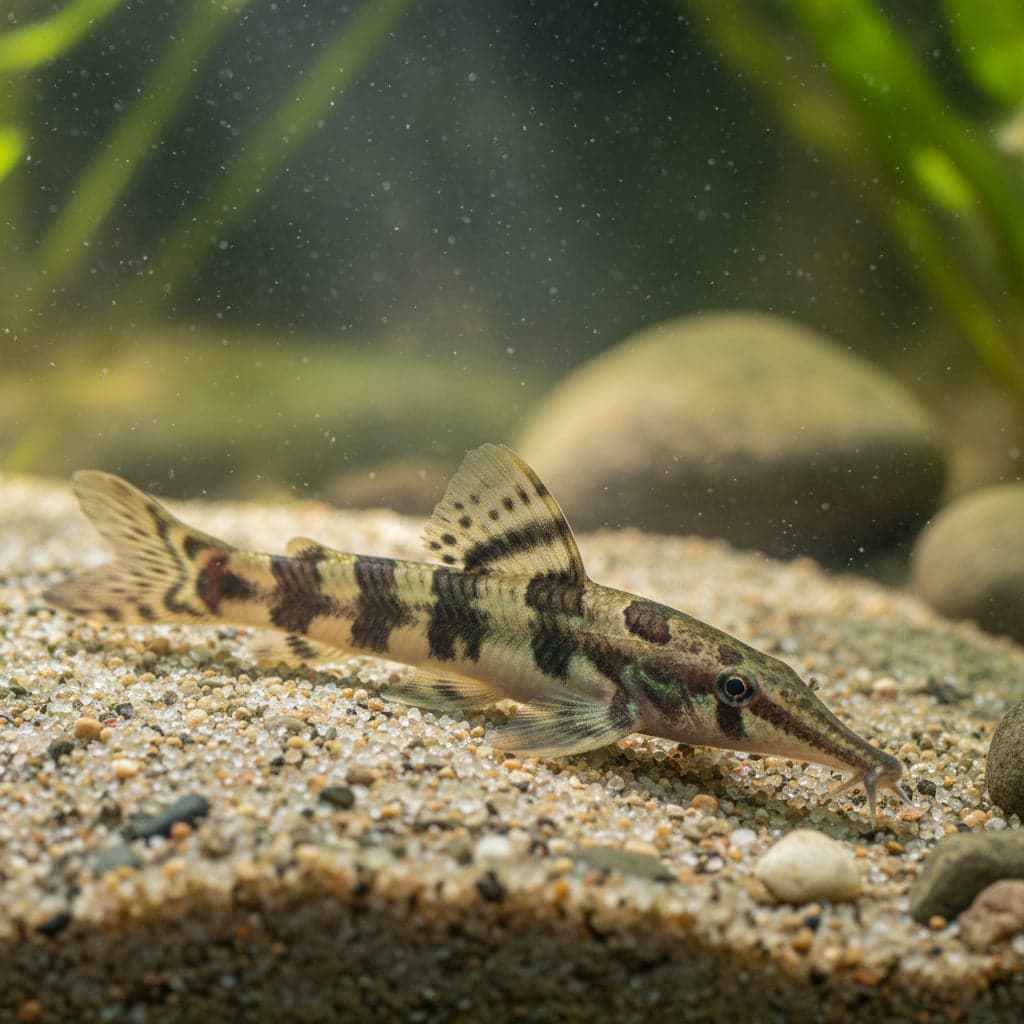
- Corydoras (if the Severum is not too large/aggressive)
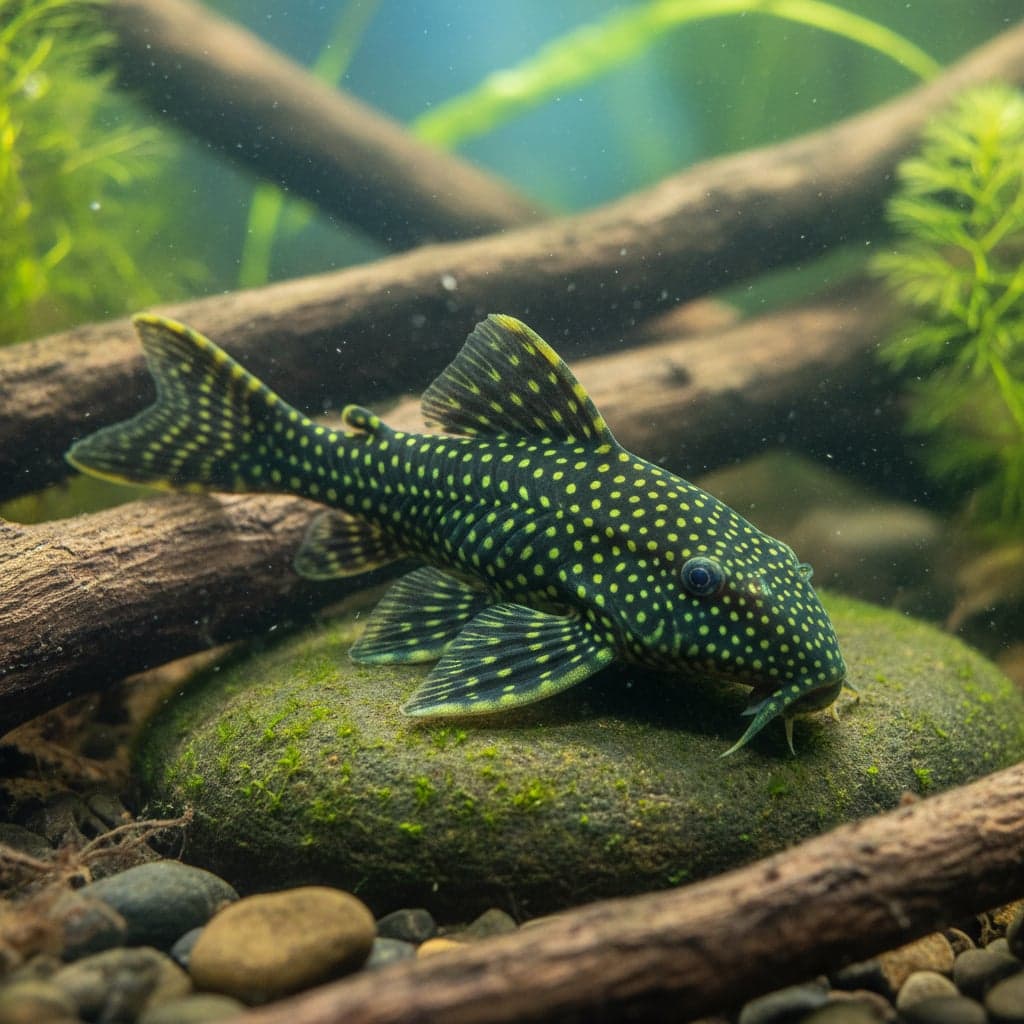
- Loricariids (Plecos)
- Medium-sized, peaceful cichlids like Blue Acaras or Firemouths
Avoid housing them with very aggressive cichlids like Oscars or Jaguars, which might bully them, or with very small fish (like Neon Tetras) that could be accidentally swallowed as the Severum grows.
Breeding
Severums are substrate spawners and make excellent parents. They form stable pairs and will clean a flat surface (usually a rock or a piece of slate) where the female will lay up to 1,000 eggs. Both parents will vigorously guard the nest and then the fry. Interestingly, Severums are "delayed mouthbrooders" or "larvophilous mouthbrooders"; they lay eggs normally, but once the larvae hatch, the parents may pick them up and carry them in their mouths for protection.
Common Health Issues
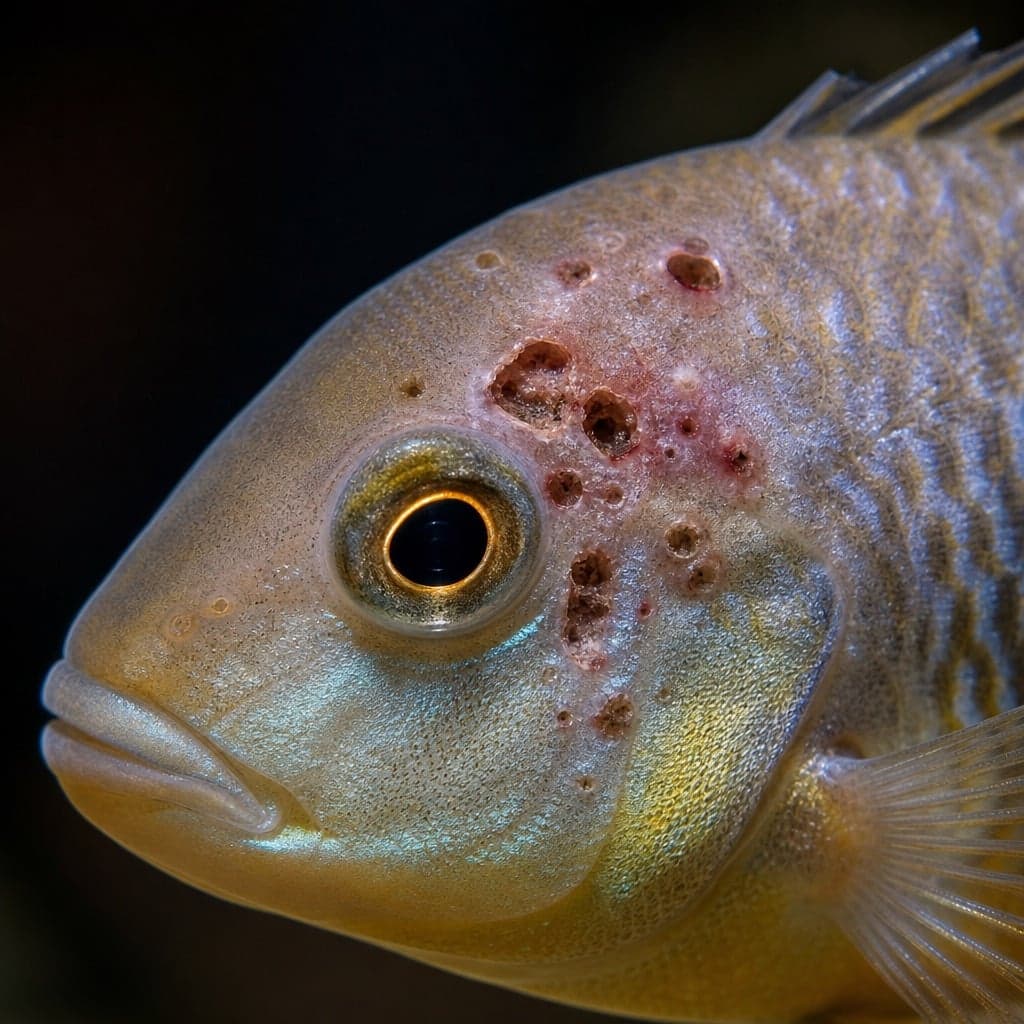
They are robust fish, but like all large cichlids, they are susceptible to "Hole-in-the-Head" disease (Hexamita) if water quality is poor or if their diet lacks vitamins. Maintaining high water quality through regular large water changes and providing a varied, vitamin-rich diet is the best preventative measure. They are also sensitive to high levels of nitrates.