Hap Nyererei: Pundamilia nyererei
The Hap Nyererei (Pundamilia nyererei) is arguably the most famous and breathtaking cichlid from Lake Victoria, showcasing a vivid explosion of red, yellow, and blue.
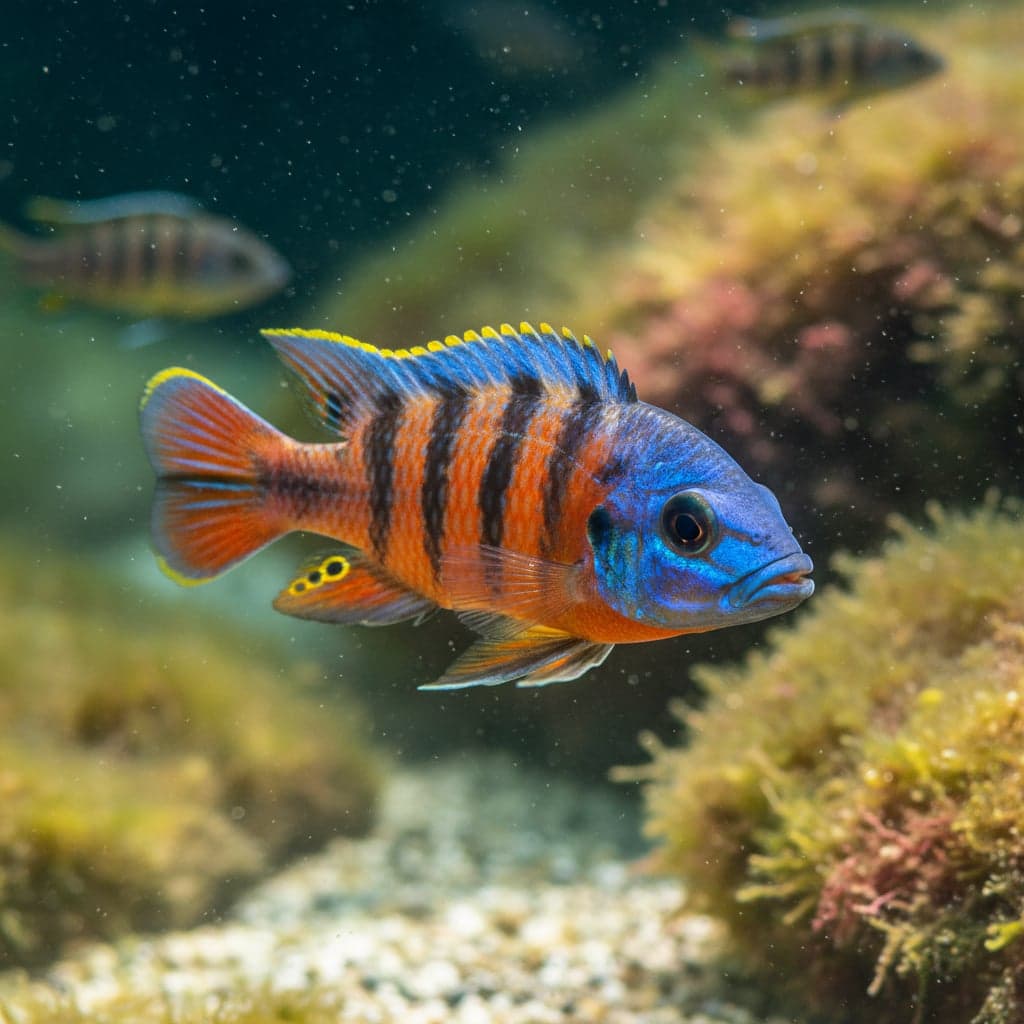
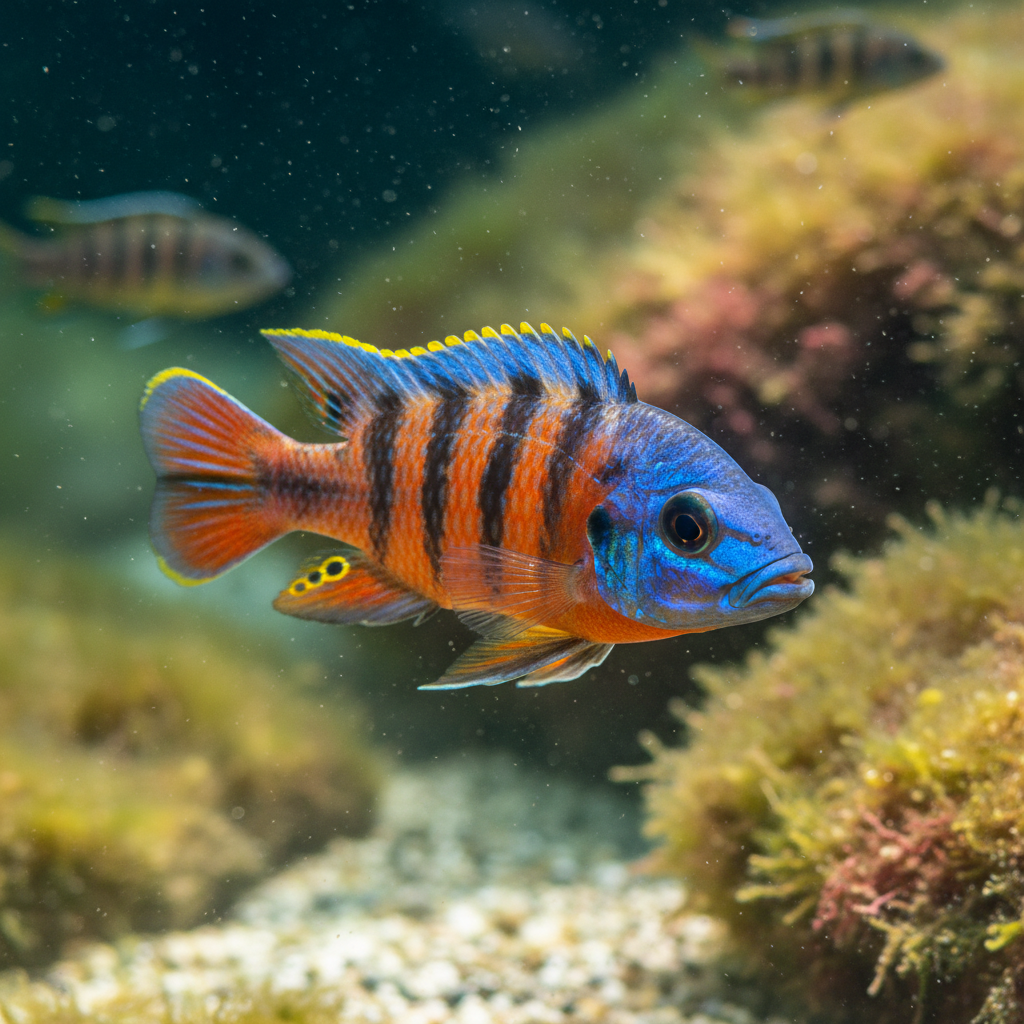
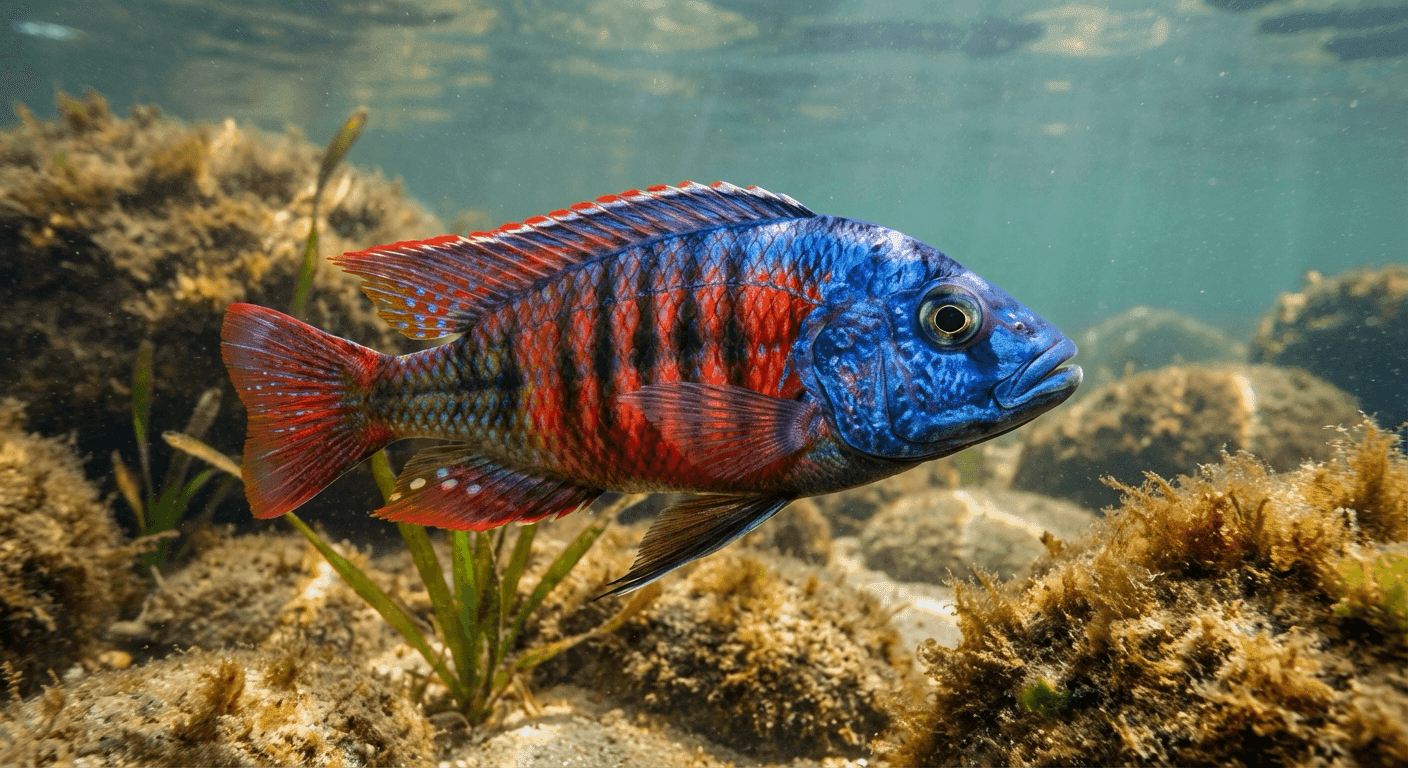
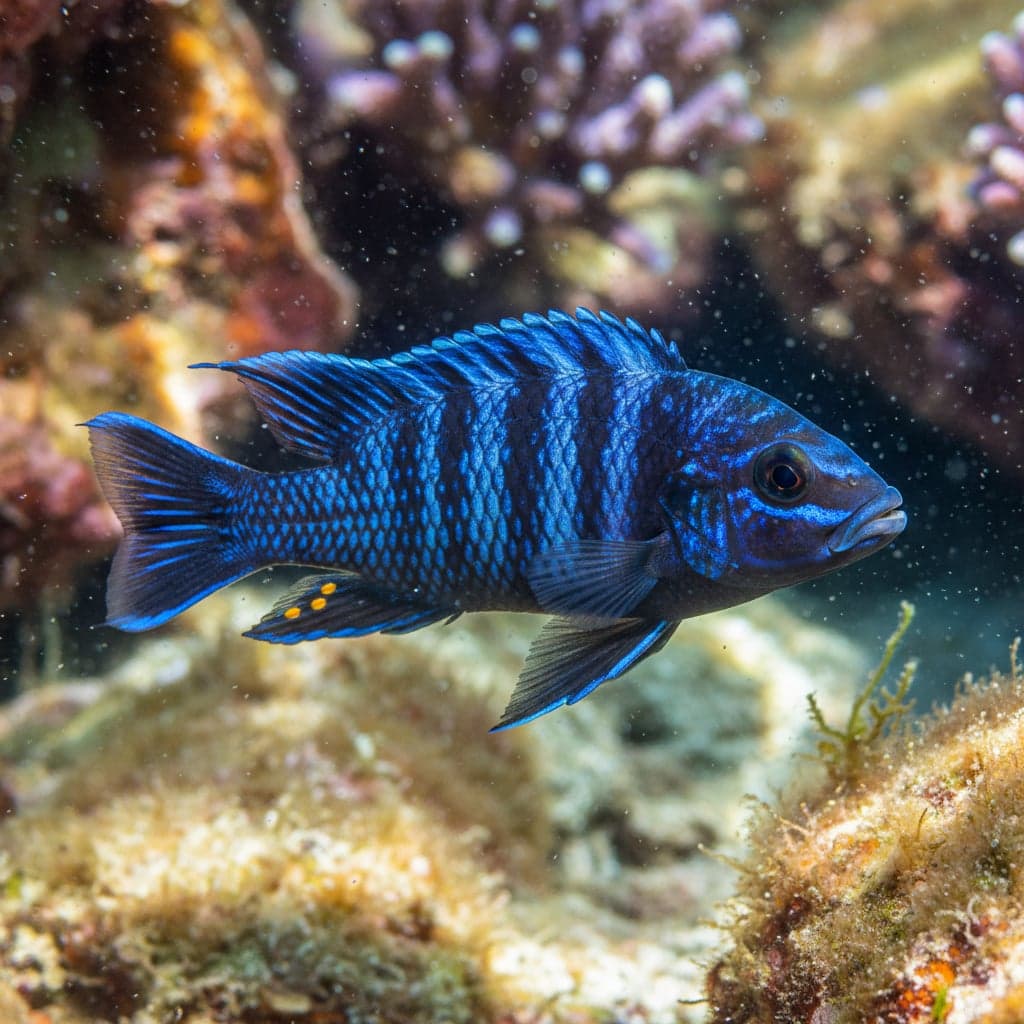
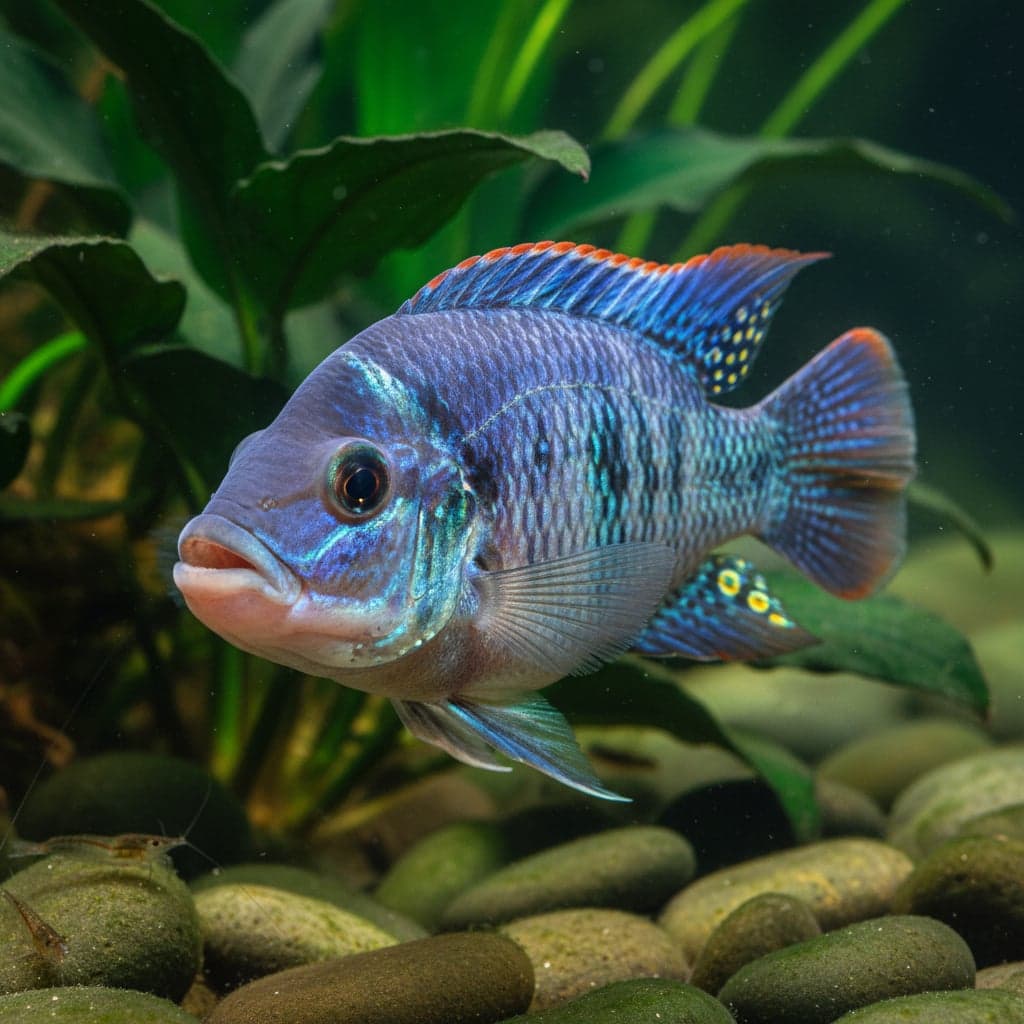
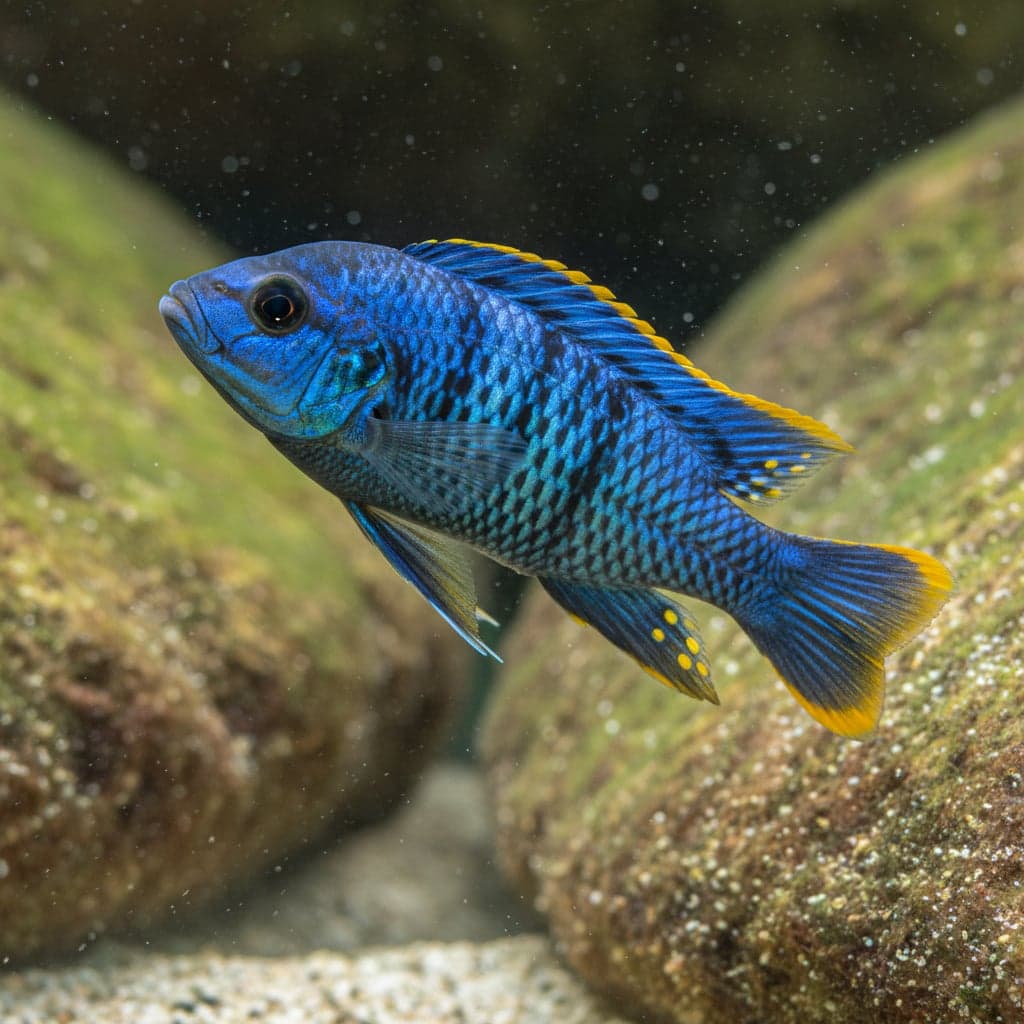
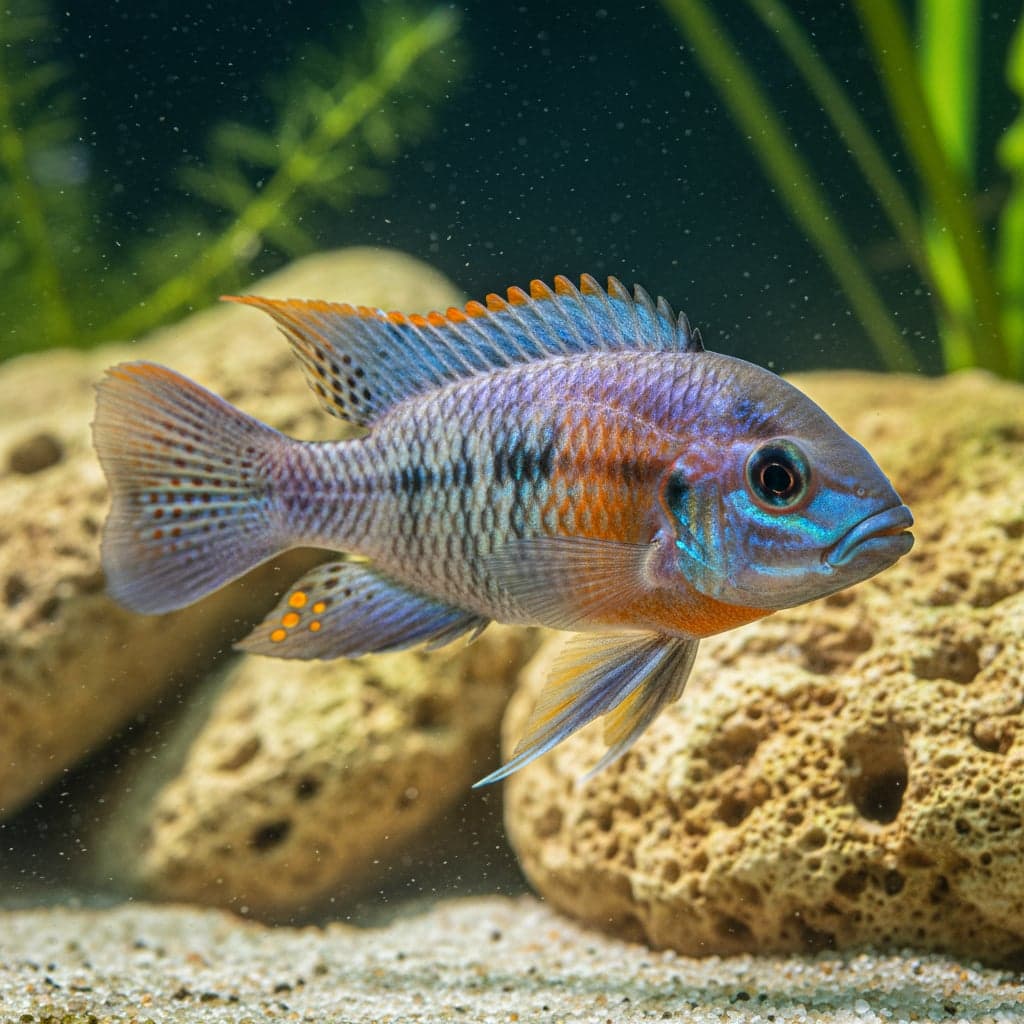
The Hap Nyererei (Pundamilia nyererei) is a jewel of the Lake Victoria basin. Famous for its extreme color brilliance, a dominant male is a spectacular sight: his dorsal region and fins are typically a fiery red, his mid-section a vibrant yellow, and his lower body and anal fin a shimmering blue or green. He is further marked by a series of distinct dark vertical bars.
Beyond its beauty, Pundamilia nyererei is a cornerstone of evolutionary biology. It has been extensively studied to understand sympatric speciation—the process by which new species evolve from a single ancestral species while inhabiting the same geographic region. In Lake Victoria, different populations of Nyererei have evolved diverse color morphs driven by sexual selection, where females choose mates based on specific color intensities.
Natural Habitat & Origin
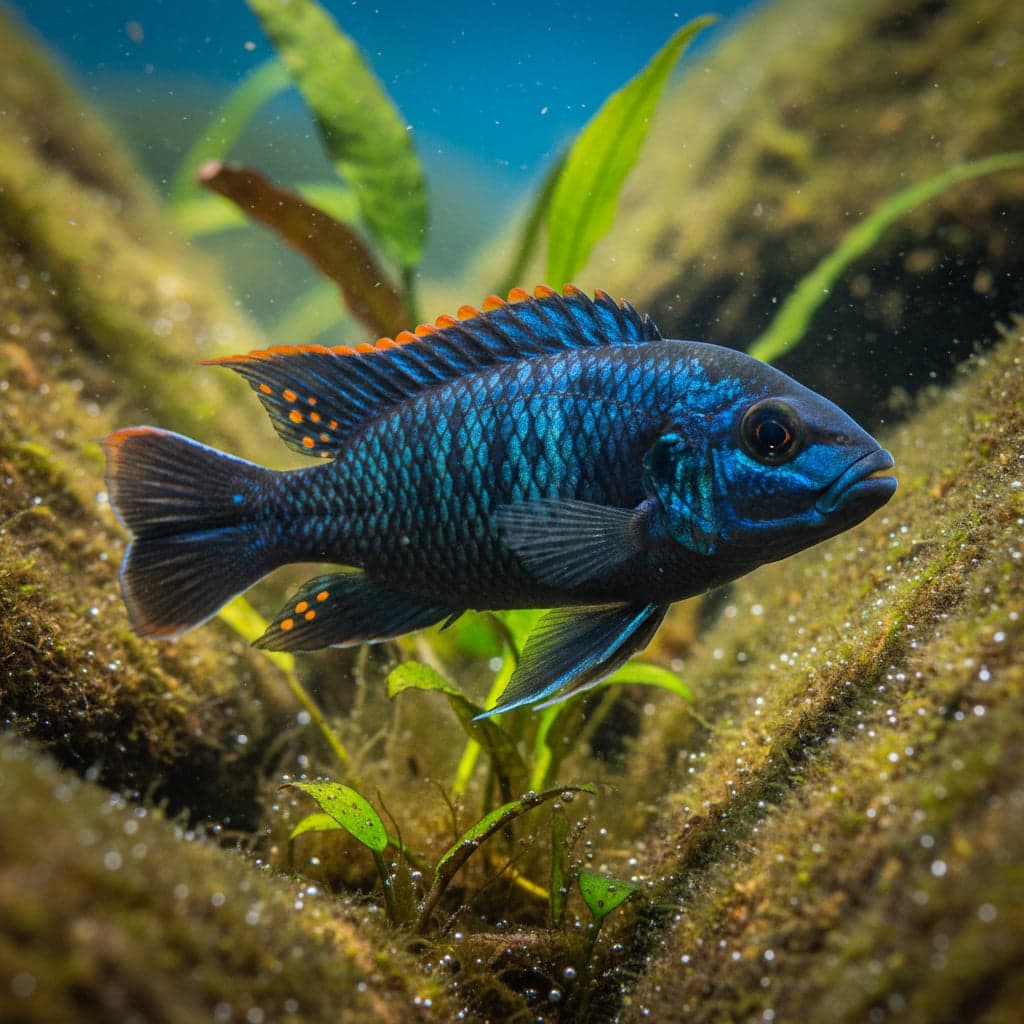
This species is endemic to Lake Victoria, specifically inhabiting the rocky shorelines and islands scattered throughout the lake (such as Python Island, Makobe Island, and Rusinga Island). They are strictly "lithophilic" (rock-loving) cichlids, rarely venturing far from the safety of rocky crevices where they forage and establish territories. The water in these rocky zones is typically well-oxygenated but can be turbid, which has influenced the evolution of their vibrant colors for visibility.
Care Requirements
The Hap Nyererei requires a setup that respects its highly territorial nature. A minimum tank size of 55 gallons (200L) is recommended for a single male with a group of females. The aquarium must be filled with extensive rockwork, providing numerous caves and crevices that reach toward the surface. This allows the fish to establish vertical territories and provides vital refuge for females and sub-dominant males.
Maintain hard, alkaline water with a pH between 7.8 and 8.6 and a temperature of 75°F to 82°F (24°C to 28°C). Like all Victorian cichlids, they are sensitive to rising nitrate levels; high-quality filtration and a consistent water change schedule are mandatory.
Diet & Feeding
In the wild, Pundamilia nyererei is an insectivore/omnivore, primarily grazing on insect larvae and small crustaceans found among the algae on rocks.
In the aquarium, they are enthusiastic eaters:
- High-quality cichlid pellets and flakes
- Spirulina-based foods to satisfy their grazing instincts
- Frozen meaty treats like bloodworms, mysis, and daphnia
A varied diet rich in carotenoids (like those found in krill or specialized color-enhancing foods) is essential to maintain the intense red and yellow pigmentation of the dominant male.
Behavior & Temperament
Hap Nyererei is exceptionally aggressive for its size. Males will vigorously defend their chosen rock pile against any intruder, especially other males of the same or similar species. To manage this aggression, they should be kept in a "harem" of one male to at least 3-5 females. In a community setting, they should only be housed with other robust, assertive species that can hold their own.
Tank Mates
Suitable tank mates include other robust cichlids that share their water requirements:
- Other "Haps" from Lake Victoria (provided they look different to prevent hybridization)
- Malawi Mbuna (like Pseudotropheus or Labidochromis)
- Synodontis catfish
- Large, active schooling fish like Giant Danios or Rainbowfish
Avoid keeping them with peaceful or slow-moving fish, which will be relentlessly bullied. Also, avoid housing different Pundamilia or Haplochromis variants together, as they will readily hybridize, compromising the purity of the species.
Breeding
They are maternal mouthbrooders. The male will intensify his colors and perform a "shiver" dance to entice a female to a flat rock or a cleared patch of sand. After spawning, the female carries the eggs in her mouth for 18-21 days. During this time, she should be kept in a stress-free environment, as she will not eat. The fry are hardy and can be fed finely crushed flakes or baby brine shrimp once released.
Common Health Issues
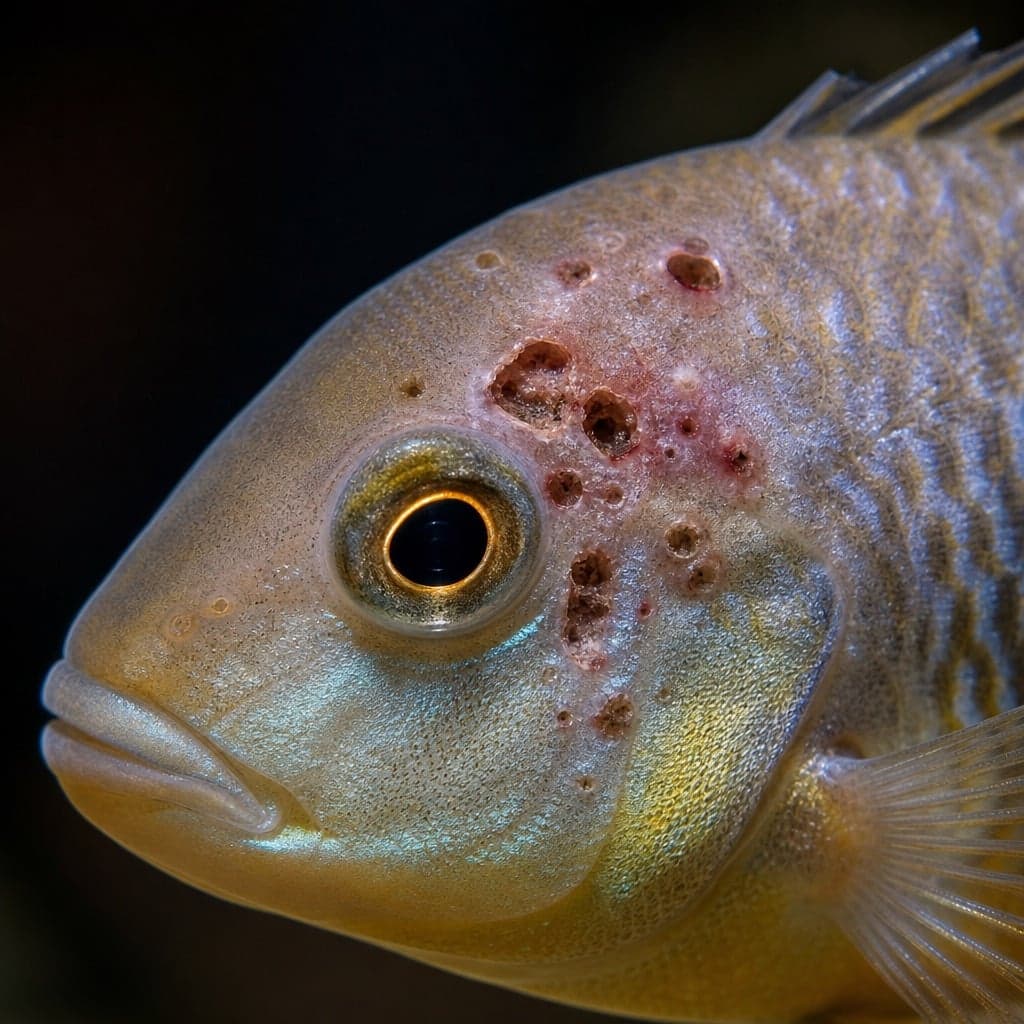
They are relatively hardy if water quality is maintained. The primary risks are Malawi Bloat (rare but possible with an incorrect diet) and Hole-in-the-Head disease, which is often a symptom of mineral deficiencies or poor hygiene. Regular testing of pH and GH, coupled with frequent water changes, is the best preventative strategy.