Harlequin Rasbora: Trigonostigma heteromorpha
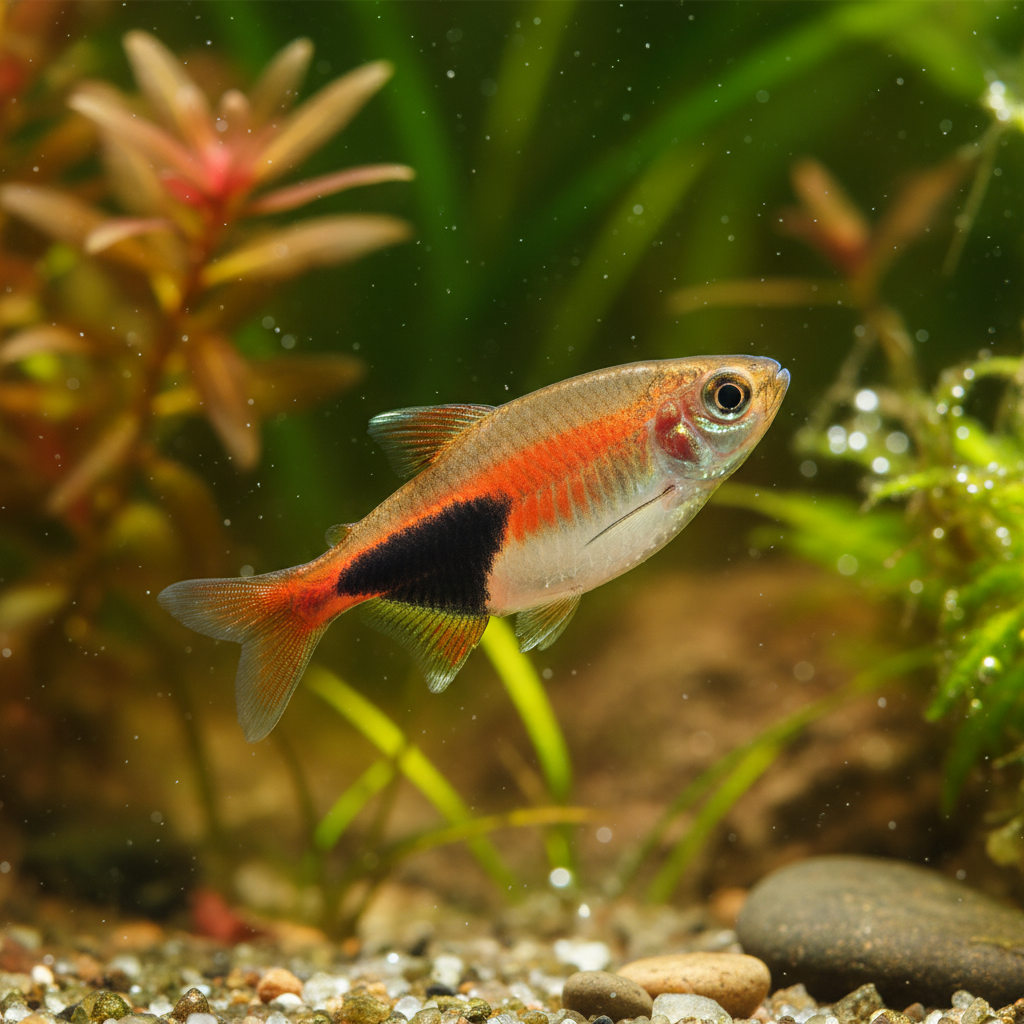
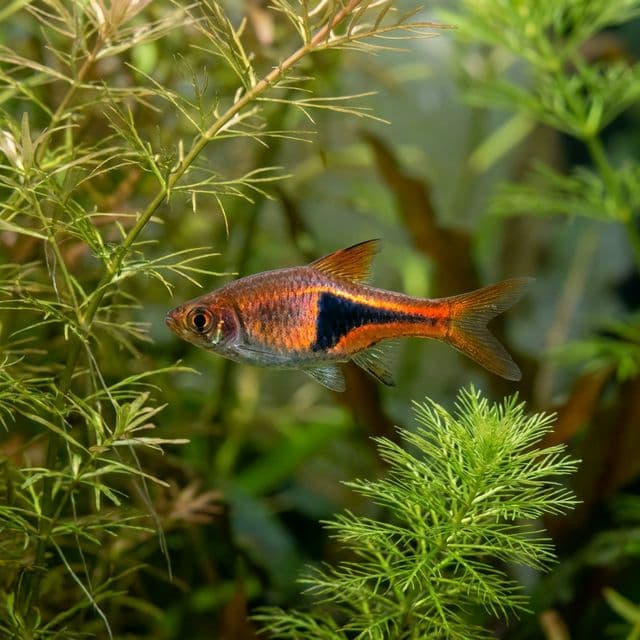
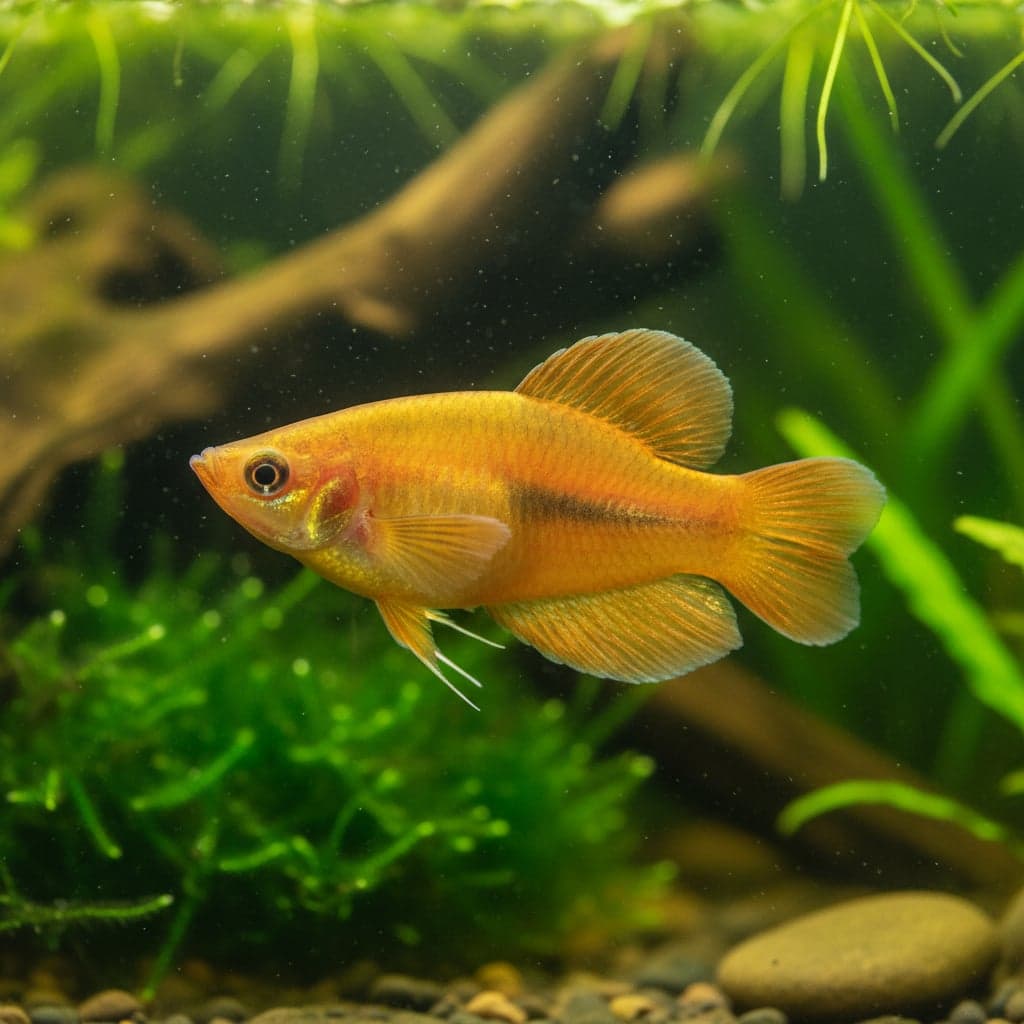
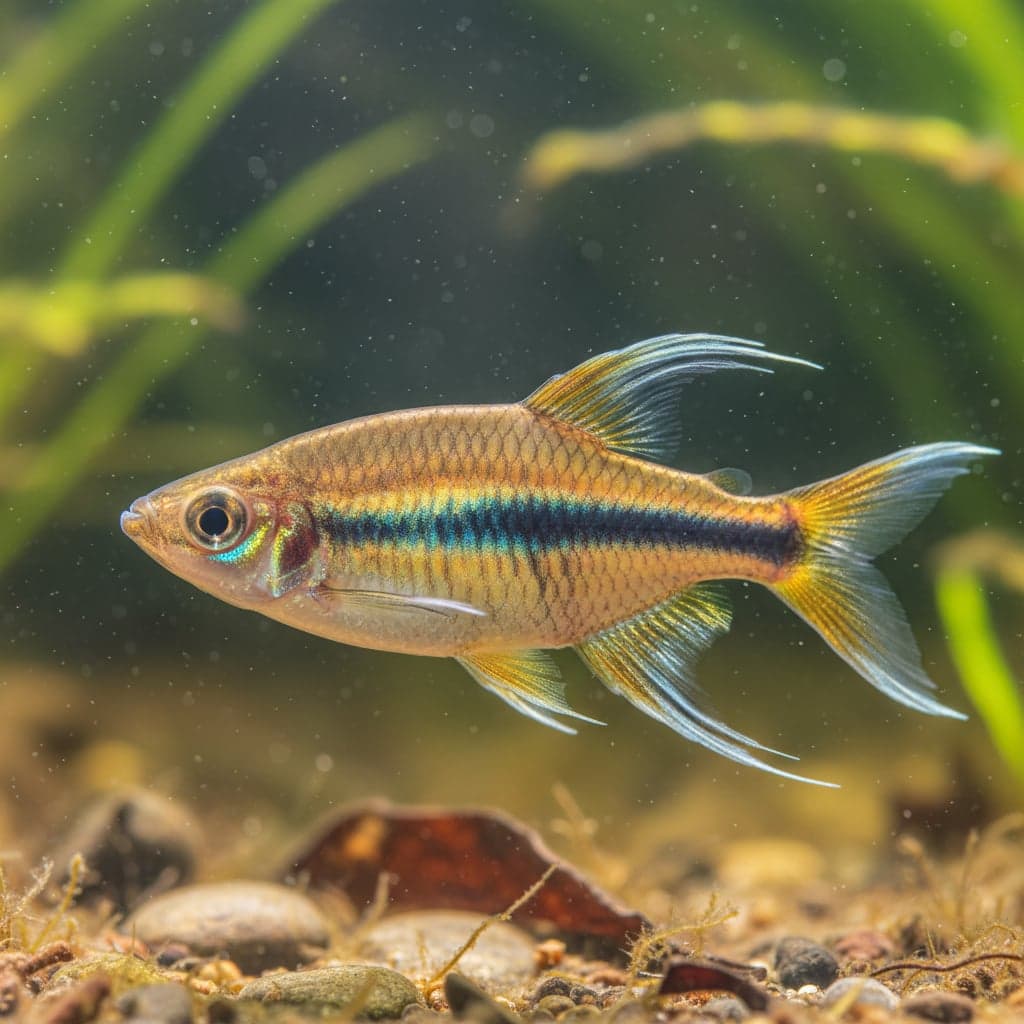
The Harlequin Rasbora (Trigonostigma heteromorpha) is a timeless aquarium favorite, famous for its vibrant copper color and iconic black triangular wedge.
Also known as: red rasbora · Trigonostigma heteromorpha
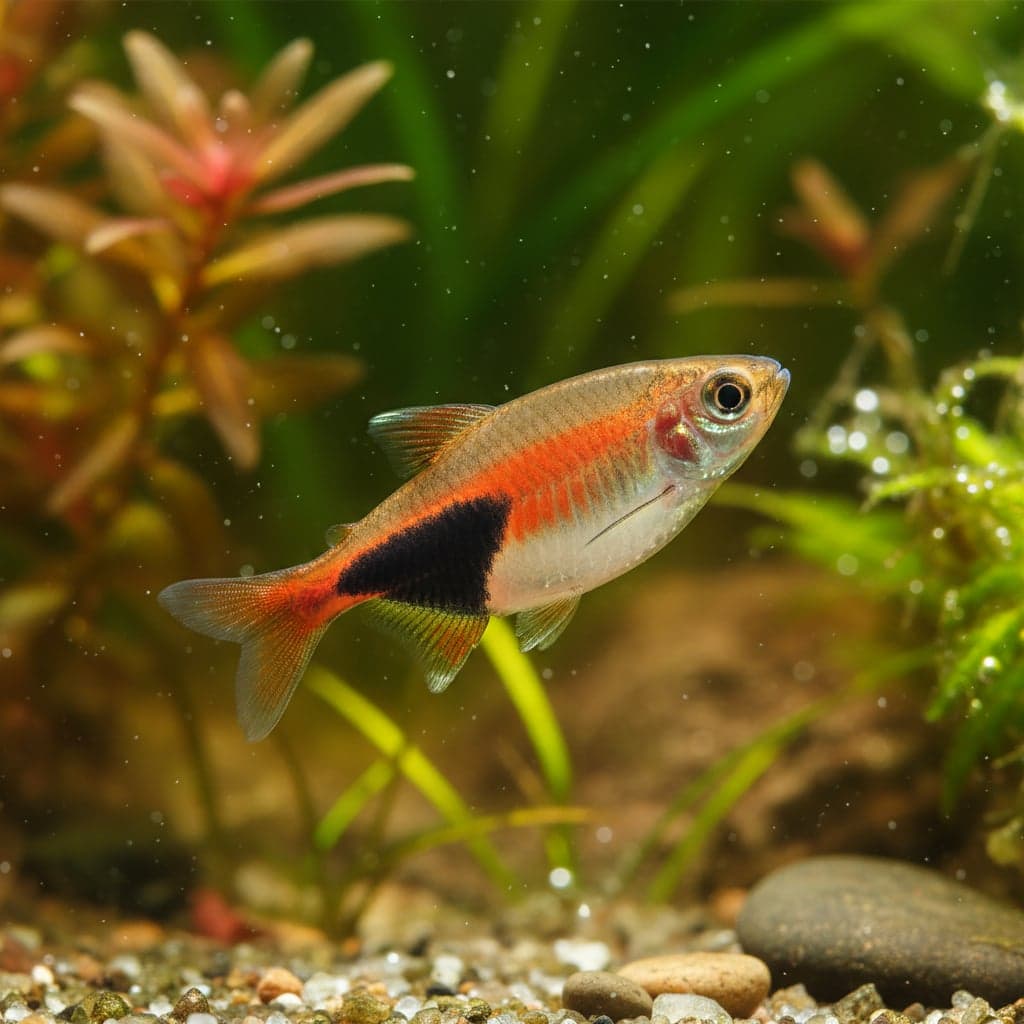
The Harlequin Rasbora (Trigonostigma heteromorpha) is arguably the most iconic rasbora in the aquarium hobby. Revered for its hardiness, peaceful nature, and striking visual contrast, it is a staple of Southeast Asian biotope setups and high-end aquascapes alike. Its most distinctive feature is the dark, triangular patch (often called a "lamb chop" or "wedge") that decorates the posterior half of its shimmering, copper-toned body.
In a well-maintained aquarium with soft water and dark substrate, their colors intensify into a deep, glowing orange-red. They are a "classic" schooling fish, and seeing a group of 10 or more darting in unison is one of the most rewarding sights in freshwater fish keeping.
Natural Habitat & Origin
Trigonostigma heteromorpha is native to Southeast Asia, spanning across the Malay Peninsula, southern Thailand, and the island of Sumatra. They inhabit slow-moving forest streams and peat swamps characterized by very soft, acidic water. These "blackwater" environments are often stained tea-colored by decaying organic matter and fallen leaves, providing a rich, tannin-heavy habitat that this species has specialized in for millions of years.
Care Requirements
The Harlequin Rasbora is exceptionally hardy and adaptable, which is why it has remained popular for over a century. However, to see them at their absolute best, their natural environment should be replicated. A minimum tank size of 20 gallons (75L) is recommended to provide enough linear swimming space for a school.
While they can tolerate a range of conditions, they thrive in soft to moderately hard water with a pH between 6.0 and 7.5. They appreciate a well-planted aquarium with plenty of open swimming space in the center. The use of floating plants and driftwood will provide the dappled lighting and cover they prefer. Adding Indian Almond Leaves (catappa) can help replicate the blackwater conditions of their homeland.
Diet & Feeding
In the wild, Harlequin Rasboras are micro-predators, feeding on small insects, larvae, and zooplankton.
In captivity, they are not picky and will accept almost any small food:
- High-quality micro-granules or flakes
- Frozen or live foods like Daphnia, Cyclops, and Baby Brine Shrimp
- Freeze-dried Tubifex or Bloodworms
A varied diet that includes high-quality carotenoids is essential for maintaining the intense copper-red coloration that makes this species so famous.
Behavior & Temperament
They are extremely peaceful and should always be kept in a school of at least 6-10 individuals. Keeping them in larger groups not only makes them feel secure but also encourages their natural schooling behavior and makes them less shy. They occupy the middle and upper strata of the aquarium and are rarely territorial or aggressive toward other inhabitants.
Tank Mates
Because of their gentle nature, they are the perfect candidates for a community tank. Suitable companions include:
- Other small Tetras and Rasboras
- Dwarf Gouramis and Honey Gouramis
- Corydoras and small Loaches (like Kuhli Loaches)
- Dwarf Cichlids like Apistogramma or Mikrogeophagus ramirezi
- Freshwater shrimp and snails
Avoid housing them with large, predatory neighbors (like large Angelfish or Oscars) that might view them as a snack.
Breeding
Unlike many other rasboras that simply scatter their eggs, Trigonostigma heteromorpha has a more complex breeding strategy. They are underside spawners. The female will select a broad leaf (such as Cryptocoryne or Anubias), swim upside down under it, and attach her eggs to the leaf's underside, where the male then fertilizes them.
The water must be very soft and acidic (pH 6.0, GH < 2) for the eggs to be viable. To maximize success, a separate breeding tank with dim lighting and broad-leaved plants is required. Parents should be removed after spawning as they will eat the eggs and fry.
Common Health Issues
They are generally very disease-resistant. However, they can be sensitive to sudden changes in water chemistry and are susceptible to Ich and Velvet if stressed by poor water quality. Maintaining a consistent temperature and regular water change schedule is the best way to prevent issues.