Harrow Cardinalfish: Sphaeramia orbicularis
The Harrow Cardinalfish (Sphaeramia orbicularis), also known as the Orbiculate Cardinalfish, is a unique, nocturnal marine fish with a distinctive circular body and peaceful temperament.
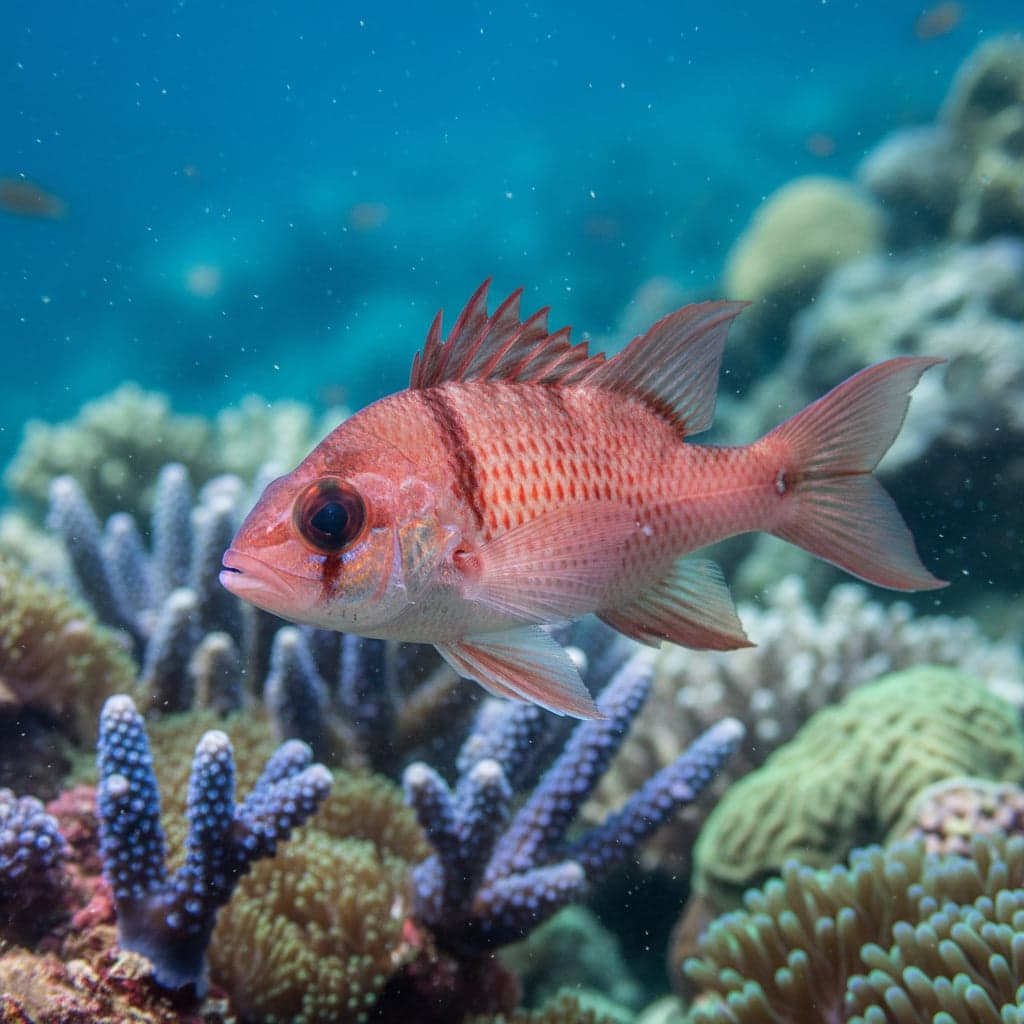
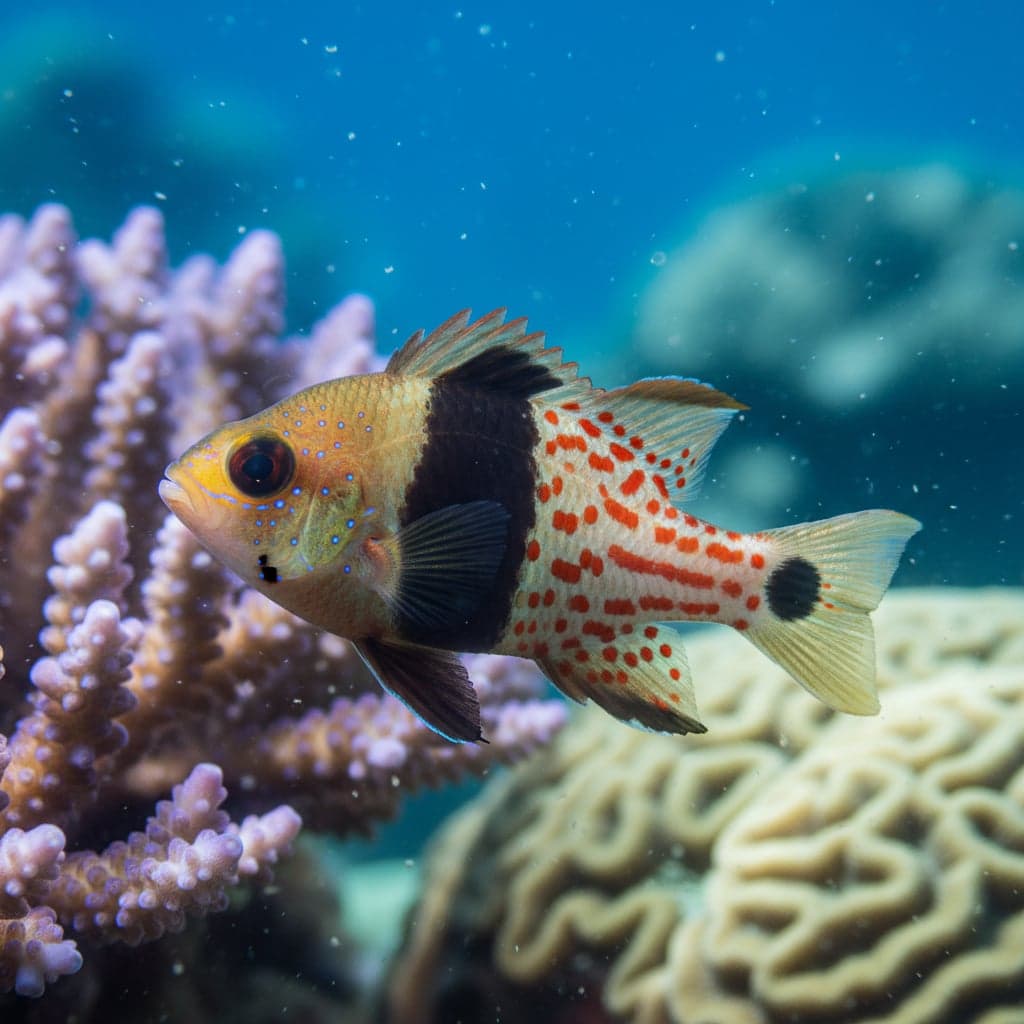
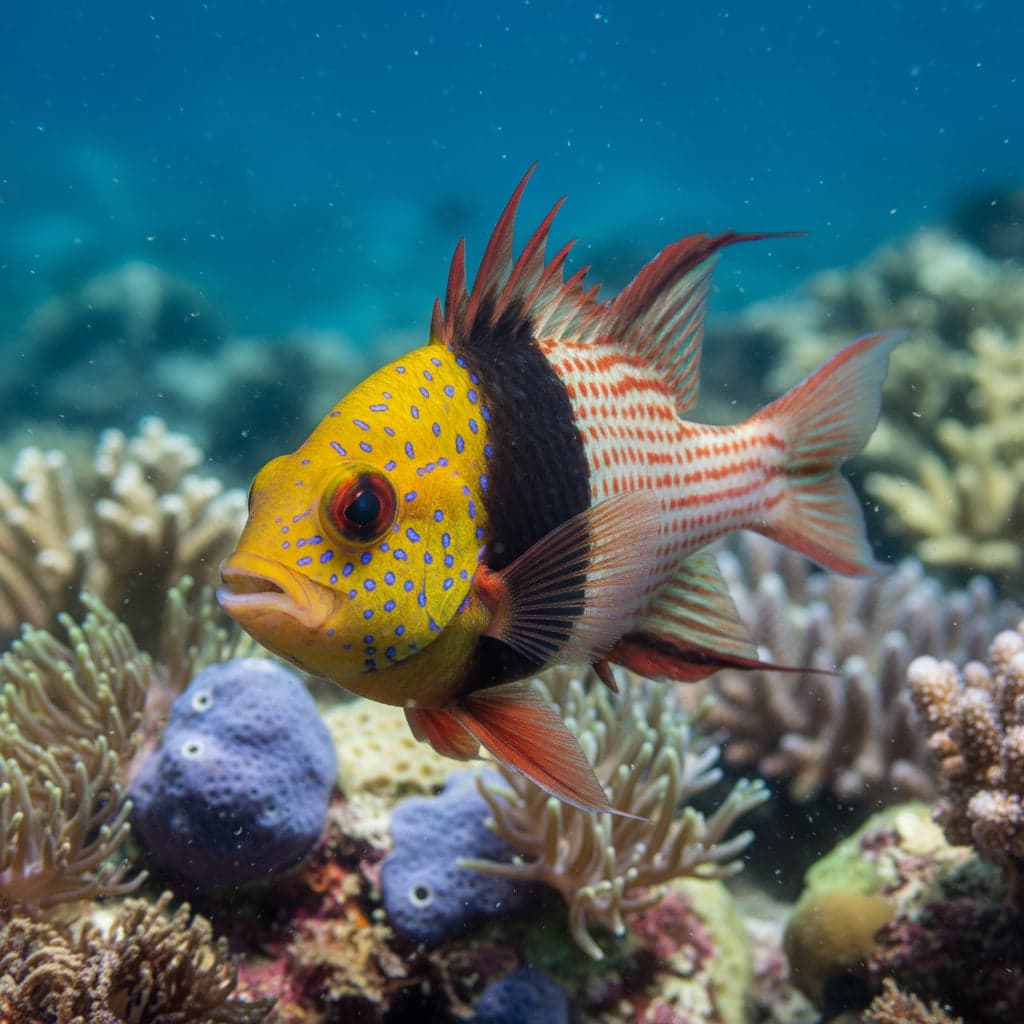
The Harrow Cardinalfish (Sphaeramia orbicularis), frequently referred to as the Orbiculate Cardinalfish or the Mangrove Cardinalfish, is a fascinating and hardy addition to the marine aquarium. It is defined by its highly unusual "orbicular" body shape—nearly as tall as it is long—and its large, expressive eyes, which are a hallmark of its nocturnal lifestyle. Its coloration is a sophisticated blend of silvery-grey and olive, marked by a prominent dark vertical mid-body band and a series of small, dark spots scattered across its posterior.
In the aquarium, they are prized for their peaceful nature and their tendency to shoal together in mid-water. Unlike many other cardinalfish that can be aggressive toward their own kind, the Orbiculate is generally very social and provides a calm, steady presence in a reef or community tank.
Natural Habitat & Origin
Sphaeramia orbicularis has a wide distribution across the tropical Indo-West Pacific, from East Africa to the Line Islands. They are most commonly found in sheltered, shallow waters, particularly in and around mangrove swamps, estuaries, and calm lagoons. They spend their days hovering in large groups among the roots of mangroves or under rocky overhangs, emerging at night to hunt for small crustaceans and zooplankton.
Care Requirements
The Harrow Cardinalfish is one of the hardier cardinalfishes available to hobbyists. A minimum tank size of 30 gallons (120L) is sufficient for a small group. Because of their natural habitat, they appreciate an aquarium with plenty of vertical structure—such as tall rock pillars or "mangrove style" driftwood—and areas of lower light where they can hover comfortably during the day.
Maintain standard saltwater parameters: a pH of 8.1 to 8.4 and a temperature of 75°F to 82°F (24°C to 28°C). They are not strong swimmers and prefer low to moderate water flow, mimicking the calm mangrove environments of their homeland.
Diet & Feeding
As nocturnal predators, Harrow Cardinalfish have a diet primarily focused on protein. They are micro-carnivores that feed on zooplankton and small benthic invertebrates.
In the aquarium, they should be fed a variety of high-quality foods:
- Frozen Mysis shrimp, Brine shrimp, and Daphnia
- High-quality marine carnivore flakes or small pellets
- Finely chopped seafood (prawns or mussels)
Because they are most active at night, it is often beneficial to offer a feeding just as the lights go down or early in the morning, although most specimens quickly learn to feed during the day.
Behavior & Temperament
The Harrow Cardinalfish is exceptionally peaceful. They are one of the few marine species that truly thrives in a group (shoal) and should be kept in numbers of 3-5 or more to see their natural behavior. They are not territorially aggressive and will generally ignore other tank inhabitants. They are most active at night and during twilight hours, spending much of the day suspended nearly motionless in the shadow of rocks or plants.
Tank Mates
Suitable tank mates include other peaceful, reef-dwelling species:
- Other Cardinalfish (like the Banggai or PJ Cardinalfish)
- Blennies and Gobies
- Dragonets and Firefish
- Peaceful Wrasses
- Seahorses (as they share the preference for low flow)
Avoid keeping them with large, aggressive predators (like Lionfish or large Groupers) that might view the slow-moving cardinalfish as an easy meal. They are 100% reef-safe and will not harm corals or sessile invertebrates.
Breeding
Like many other cardinalfishes, the Harrow Cardinalfish is a paternal mouthbrooder. After a secretive spawning event, the male will carry the fertilized eggs in his mouth for approximately 8-10 days until they hatch. During this time, the male will not eat. Breeding in captivity is possible but challenging, as the fry are extremely small and require specialized live foods like rotifers or freshly hatched copepods to survive.
Common Health Issues
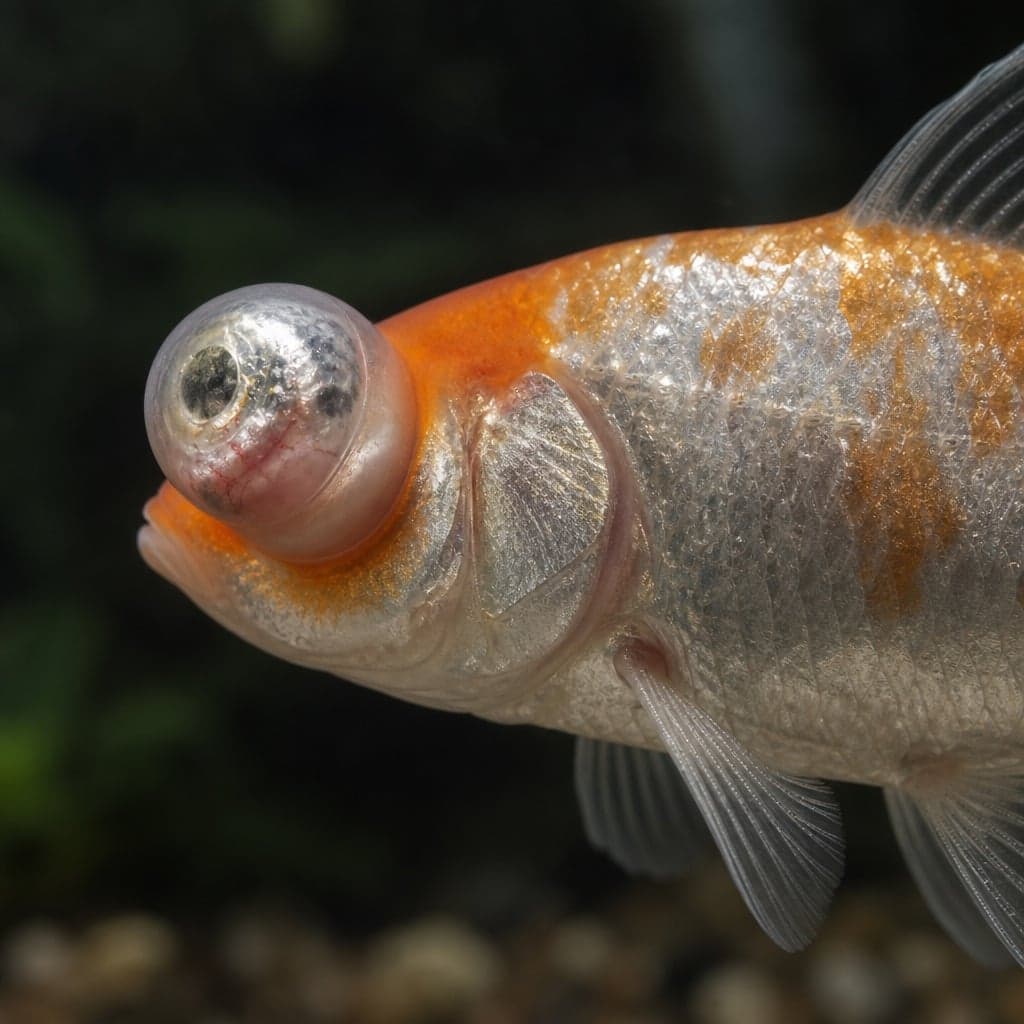
They are generally hardy, but their large eyes can be susceptible to Pop-eye or bacterial infections if water quality is poor. They can also be sensitive to aggressive tank mates that stress them during their daytime "rest" period. Maintaining a low-stress environment and high water quality is the best preventative measure.