Hi-fin Flasher Wrasse: Paracheilinus filamentosus
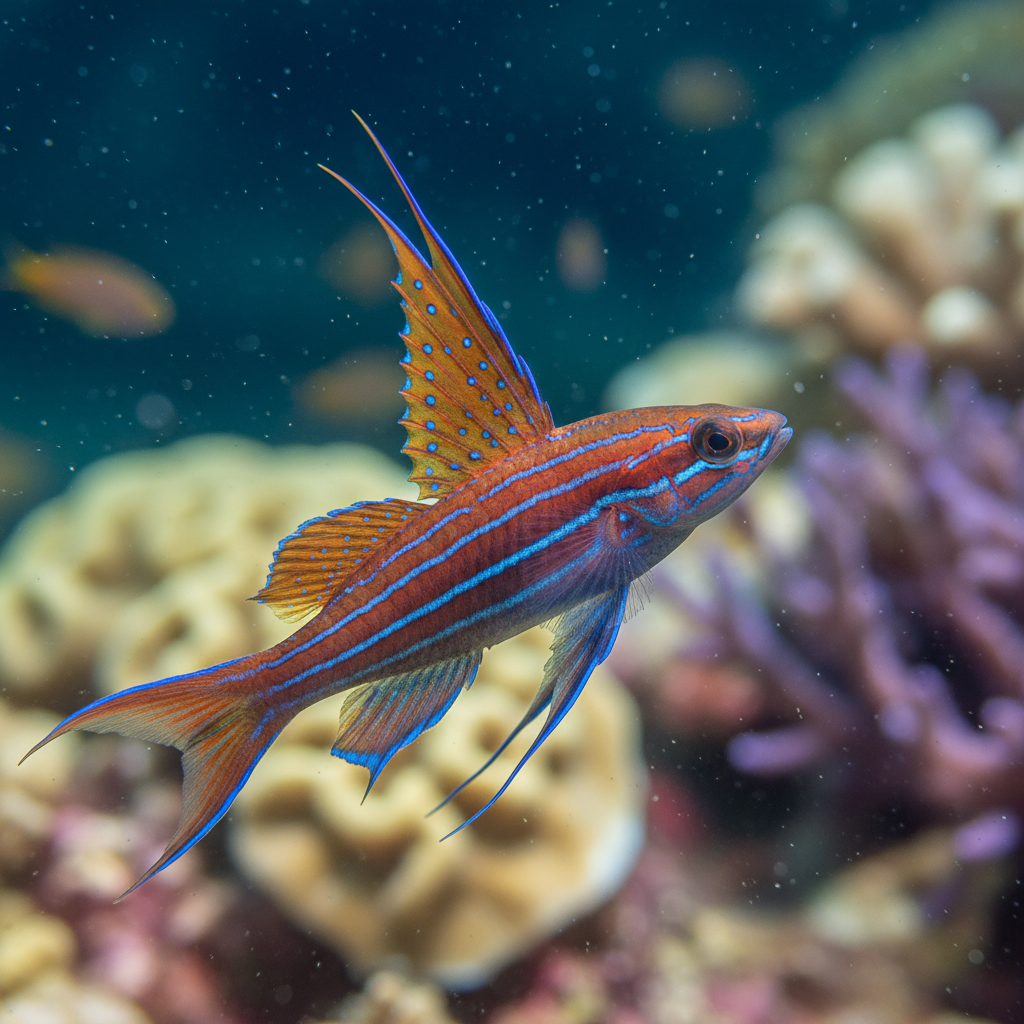
The Hi-fin Flasher Wrasse (Paracheilinus filamentosus) is one of the most spectacular marine wrasses, famous for its multiple long dorsal filaments and its brilliant "flashing" color displays during courtship.
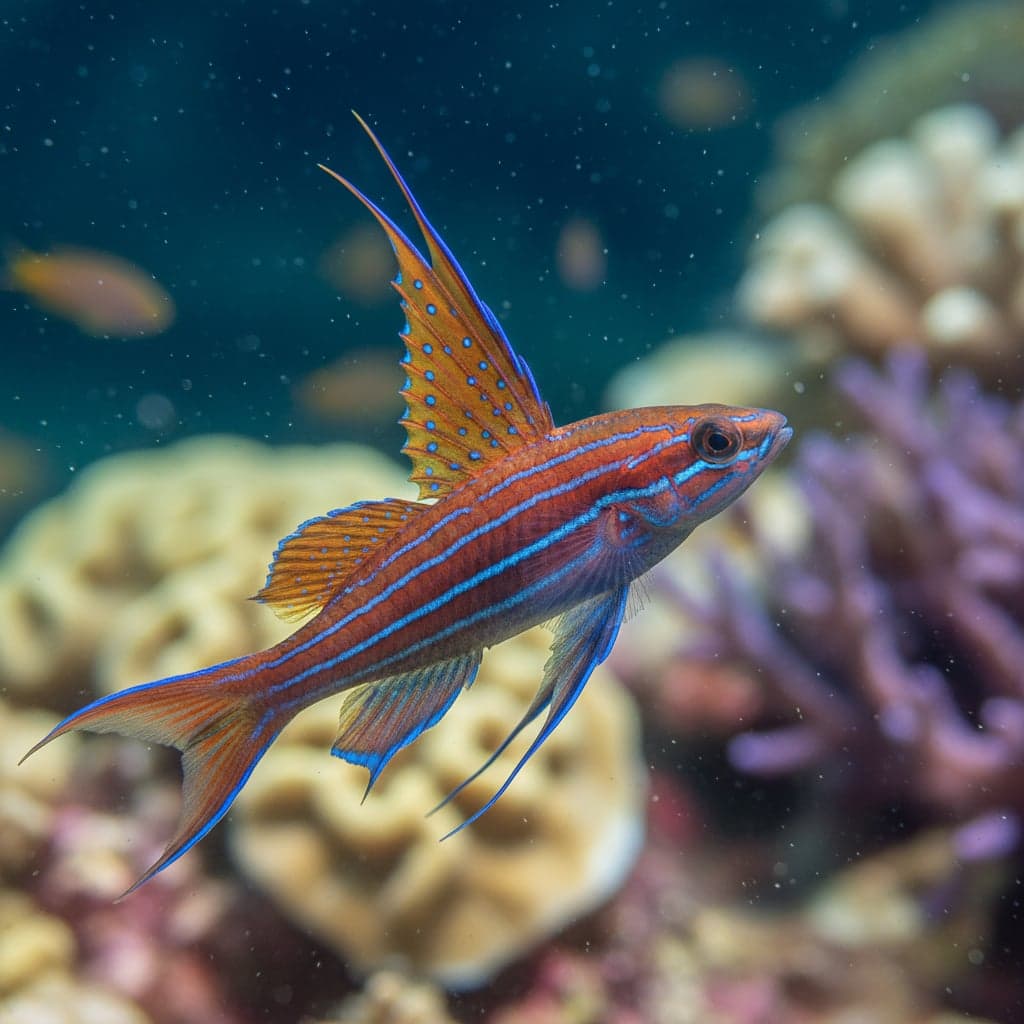
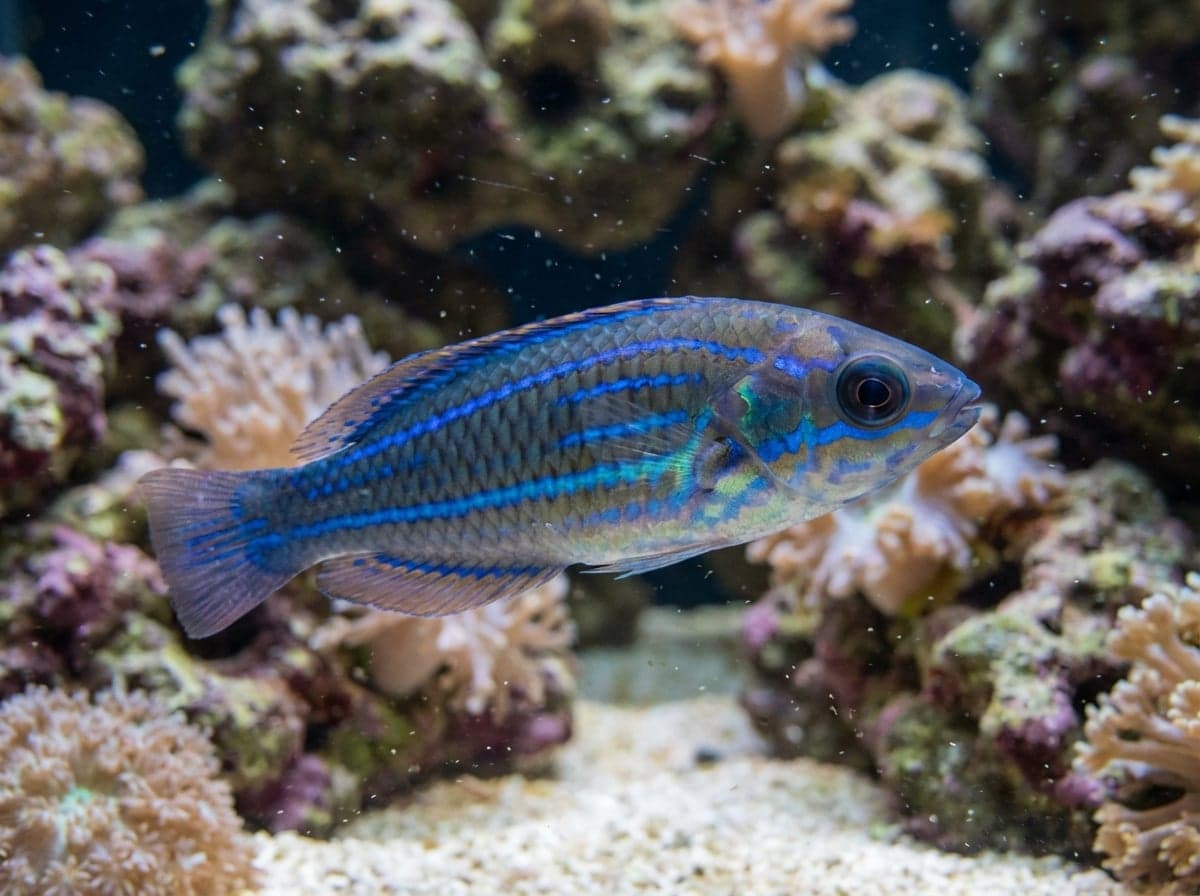
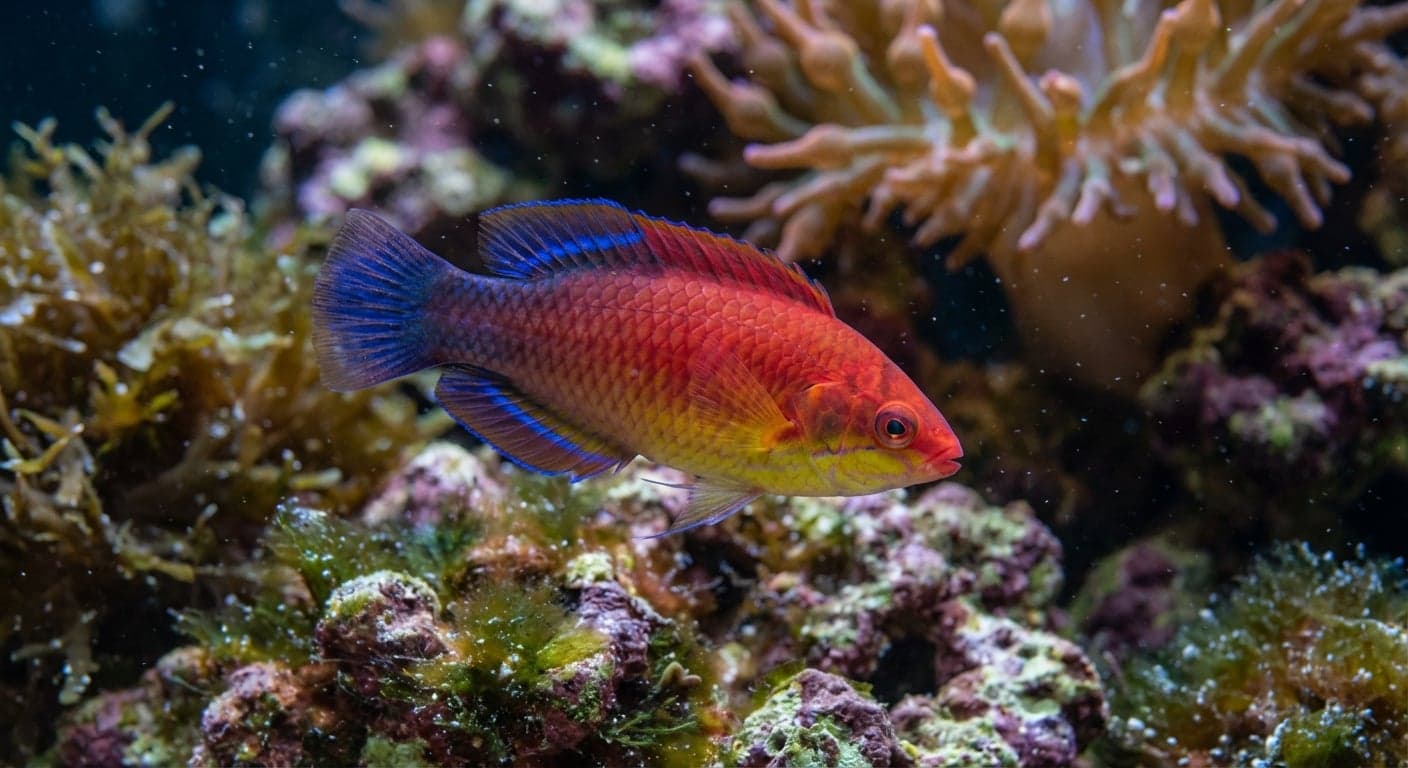
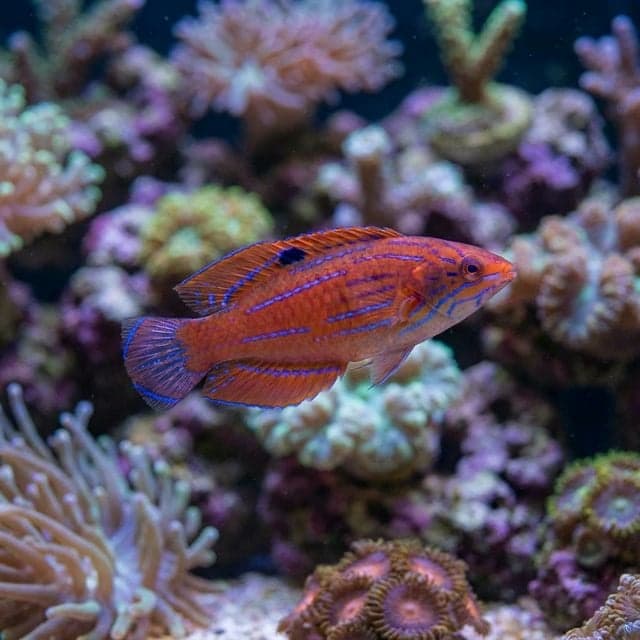
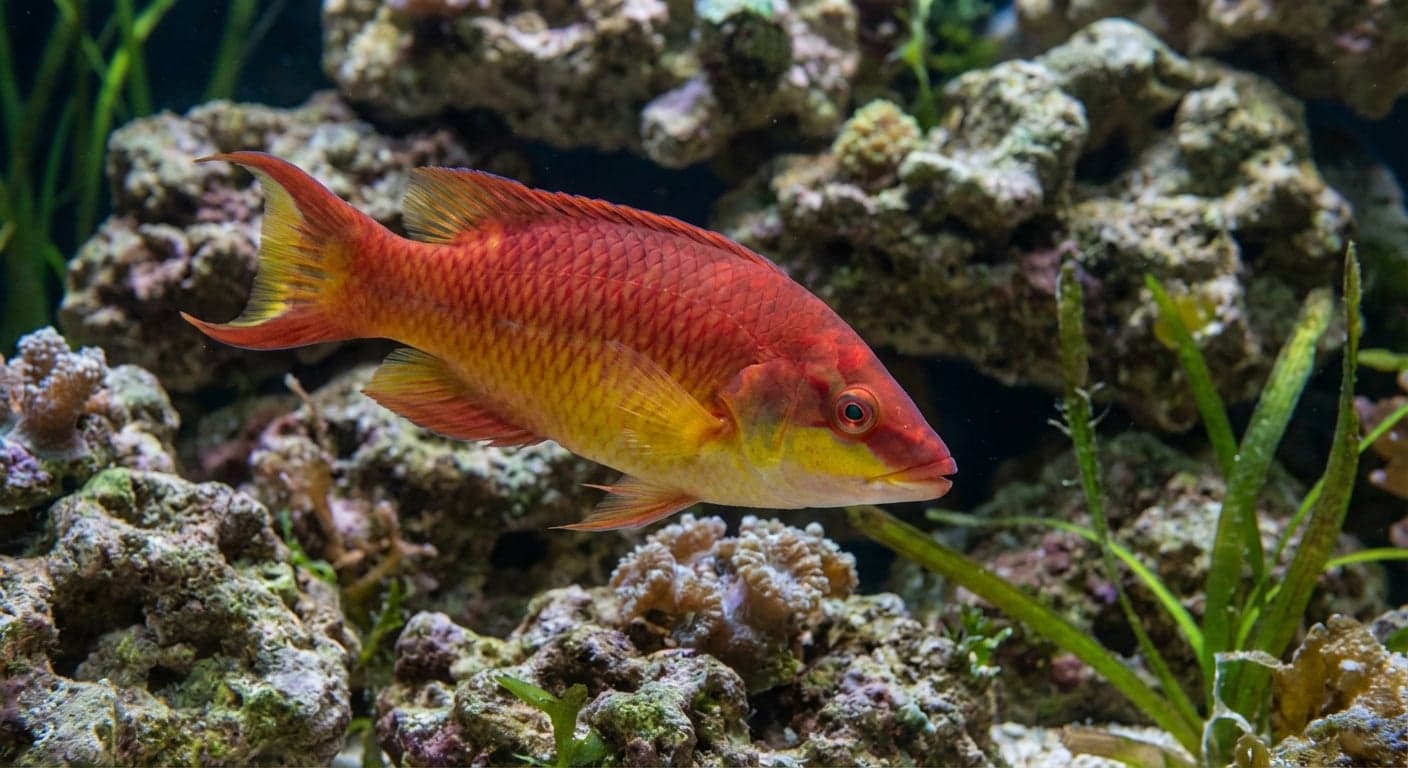
The Hi-fin Flasher Wrasse (Paracheilinus filamentosus), also known as the Filamented Flasher Wrasse, is a crown jewel of the reef aquarium. It is defined by its extraordinary dorsal fin, which features multiple (often 10-12) long, thread-like filaments that trail behind the fish as it swims. Its coloration is a complex tapestry of vibrant orange, red, and electric blue longitudinal lines that seem to vibrate under reef lighting.
In the aquarium, they are legendary for their "flashing" behavior. When contesting territory or courting females, the male will rapidly intensify its colors—transitioning from deep reds to brilliant, pearly whites and neon blues—while snapping its fins open in a dramatic, high-speed display.
Natural Habitat & Origin
Paracheilinus filamentosus is native to the Coral Triangle in the Western Pacific, including Indonesia, the Philippines, and Papua New Guinea. They inhabit shallow reef slopes and drop-offs at depths of 10 to 40 meters. They are typically found in large, loose shoals hovering over coral rubble or reef crests, feeding on zooplankton that is swept past by the current.
Care Requirements
The Hi-fin Flasher Wrasse is a hardy species once established, but it is an active swimmer that requires ample space. A minimum tank size of 40 gallons (150L) is recommended for a single specimen, though a larger system is needed if keeping a harem. They are notorious jumpers and require a completely secure, tight-fitting lid or a fine mesh screen.
Maintain standard marine parameters: a pH of 8.1 to 8.4 and a temperature of 75°F to 81°F (24°C to 27°C). They thrive in high-quality water with moderate to strong flow, which mimics their natural reef-front environment. They appreciate an aquarium with plenty of live rock for hiding spots and a sand bed for sleeping (though unlike many other wrasses, they often sleep in rock crevices in a mucus cocoon).
Diet & Feeding
In the wild, Flasher Wrasses are specialized planktivores, feeding exclusively on zooplankton in the water column.
In captivity, they should be fed multiple times a day due to their high metabolism:
- Frozen Mysis shrimp, Calanus, and enriched Brine shrimp
- High-quality marine flakes and small pellets
- Liquid or frozen zooplankton supplements
Because they feed in the open water column, it is important to ensure that food remains suspended long enough for them to catch it.
Behavior & Temperament
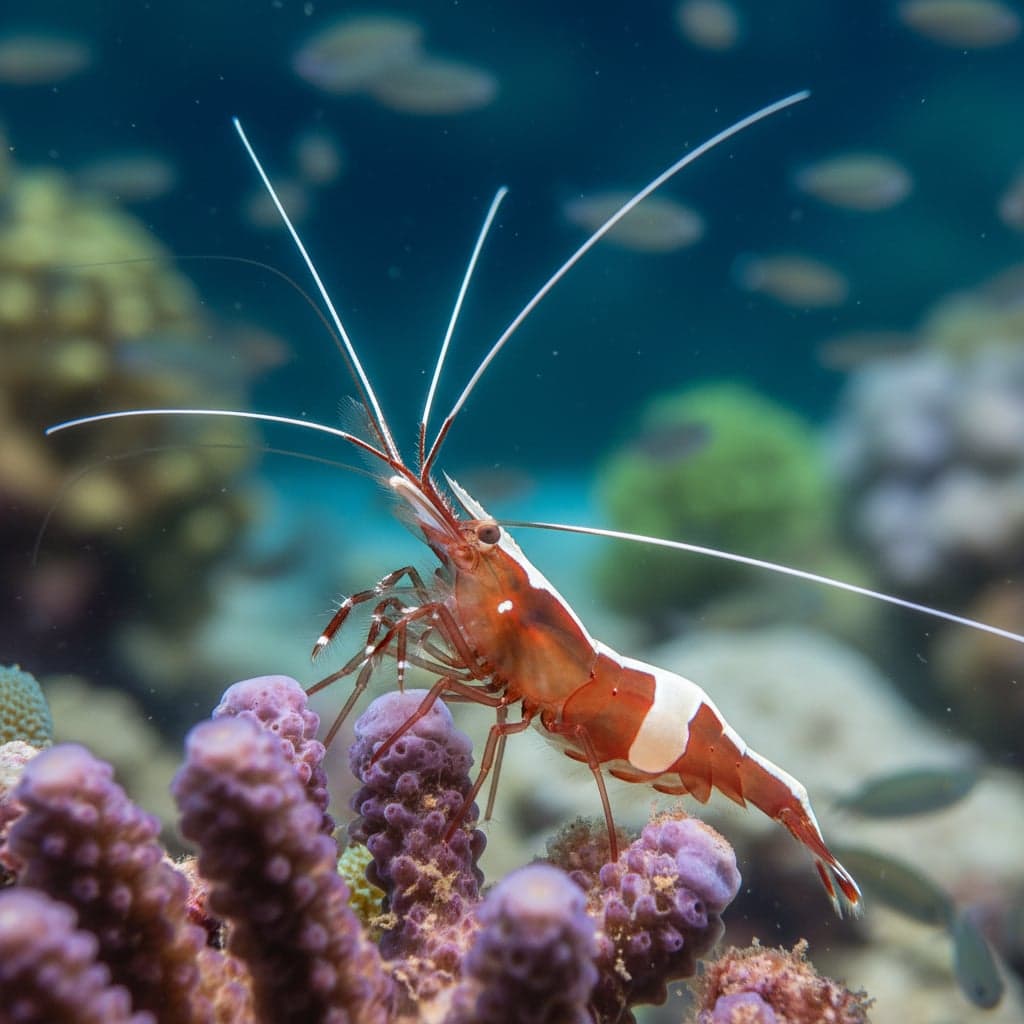
The Hi-fin Flasher Wrasse is exceptionally peaceful. They are one of the few wrasse species that truly thrives in a social setting; they are best kept in a harem consisting of one male and several females. This social dynamic encourages the male to perform its spectacular flashing displays. They are generally reef-safe and will not bother corals or most invertebrates, though very small ornamental shrimp might occasionally be viewed as prey.
Tank Mates
Suitable tank mates include other peaceful, reef-dwelling species:
- Other Flasher and Fairy Wrasses
- Anthias
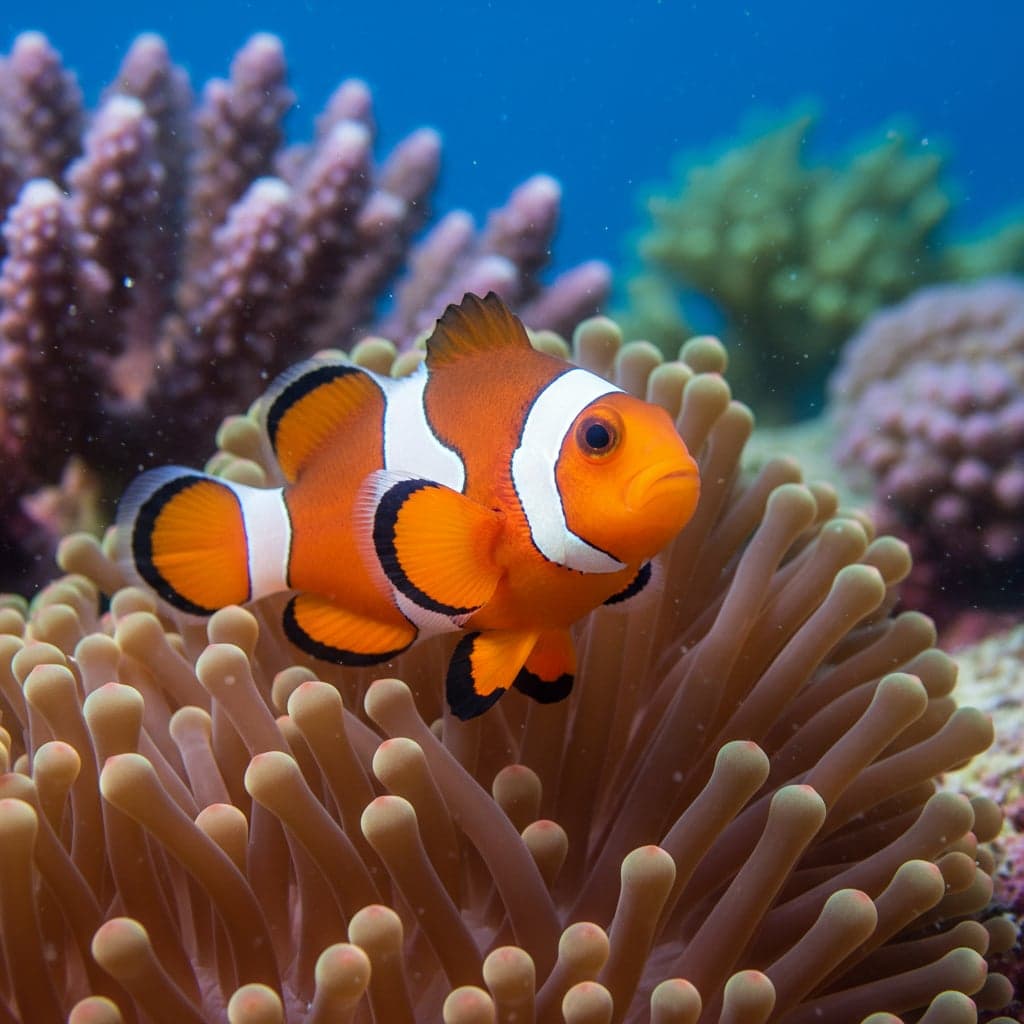
- Clownfish and Damselfish
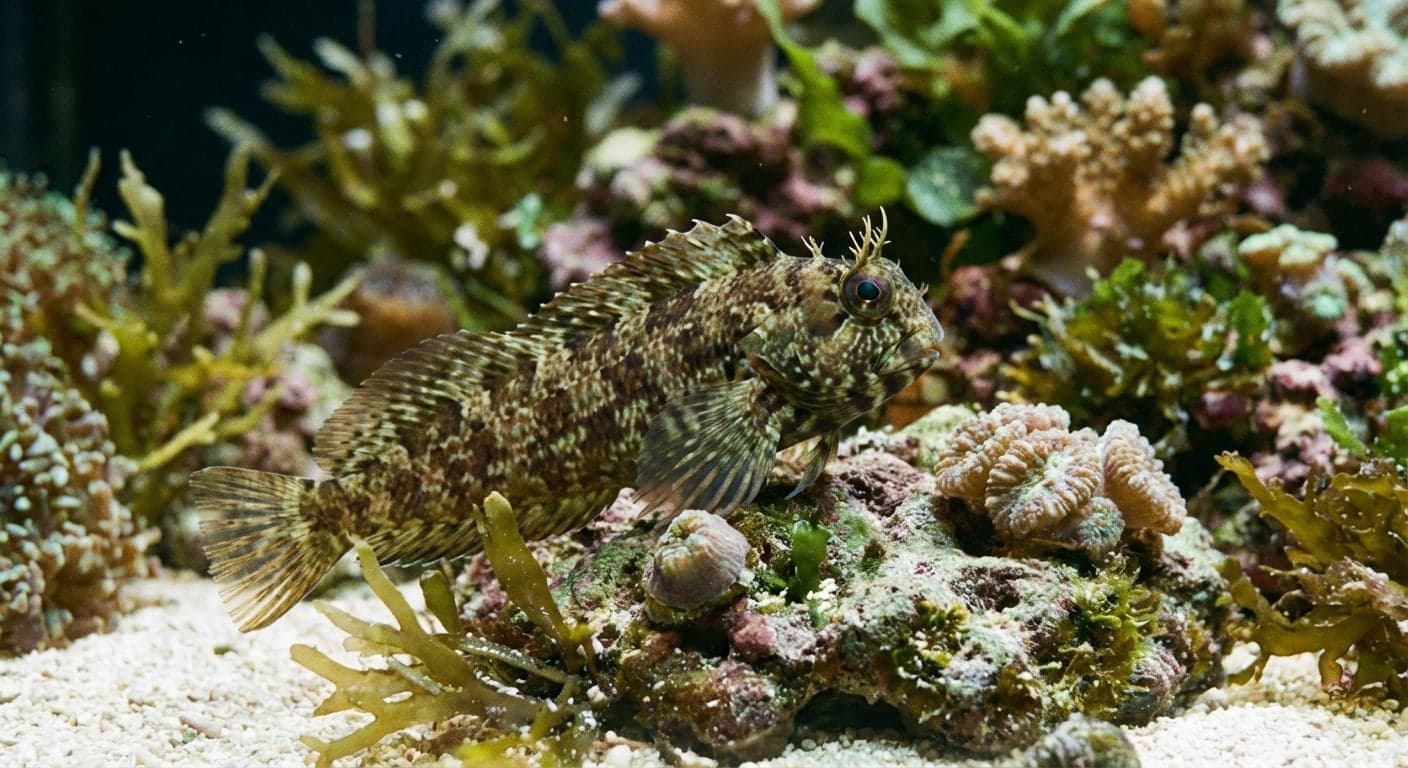
- Blennies and Gobies
- Tangs and Rabbitfish
Avoid keeping them with aggressive dottybacks, large hawkfish, or boisterous wrasses (like members of the Thalassoma or Pseudocheilinus genera) that might bully the peaceful Flasher Wrasse or damage its delicate fin filaments.
Breeding
While difficult, several hobbyists have successfully spawned Flasher Wrasses in large systems. They are pelagic spawners, with the male leading the female into the upper water column for a rapid release of gametes. Raising the larvae is incredibly complex and requires specialized live foods (copepods) and precise environmental control.
Common Health Issues
They are generally hardy but can be sensitive to internal parasites and Marine Ich if stressed. Their long fins can also be susceptible to bacterial infections (Fin Rot) if water quality is poor or if they are nipped by tank mates. Maintaining a low-stress environment and high water quality is the best preventative measure.