Hillstream Loach: Sewellia lineolata
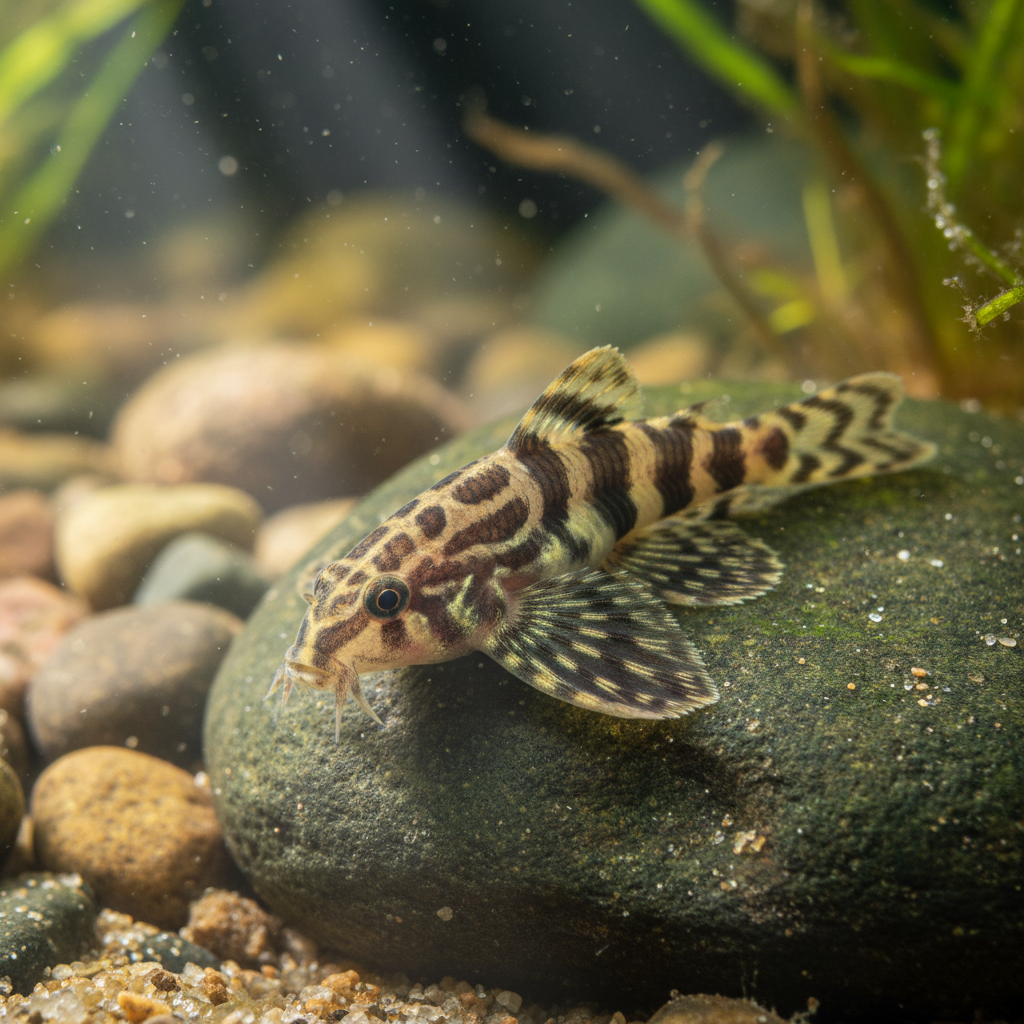
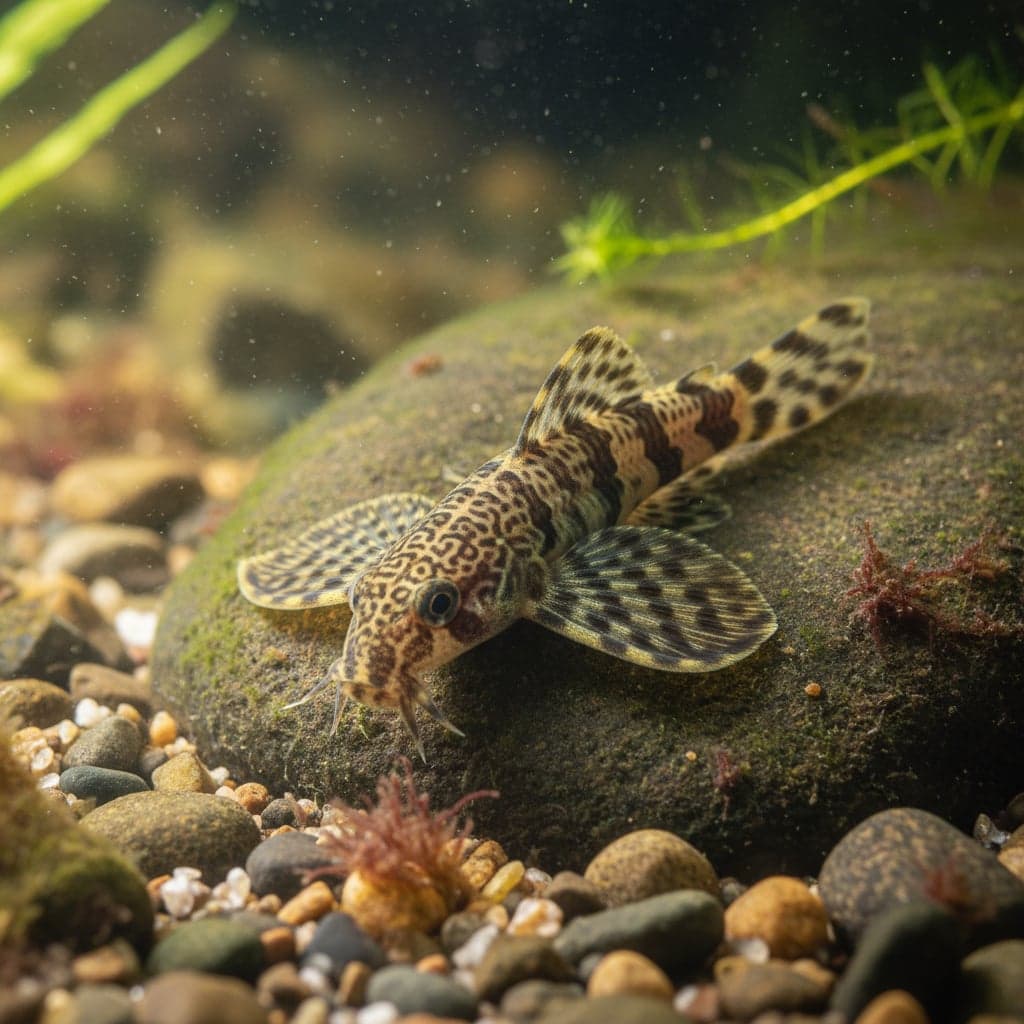
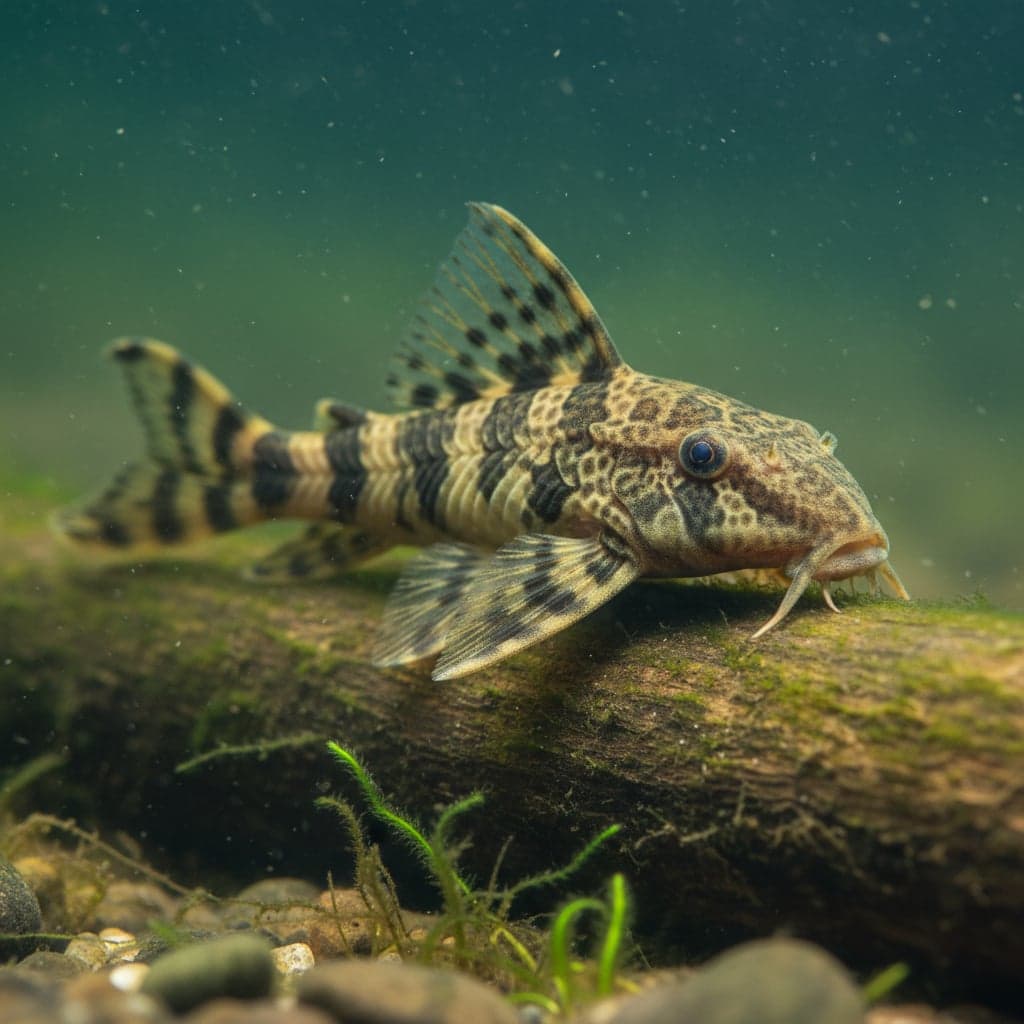
The Hillstream Loach (Sewellia lineolata), also known as the Butterfly Loach or Reticulated Hillstream Loach, is a fascinating stingray-shaped fish engineered for life in torrential currents.

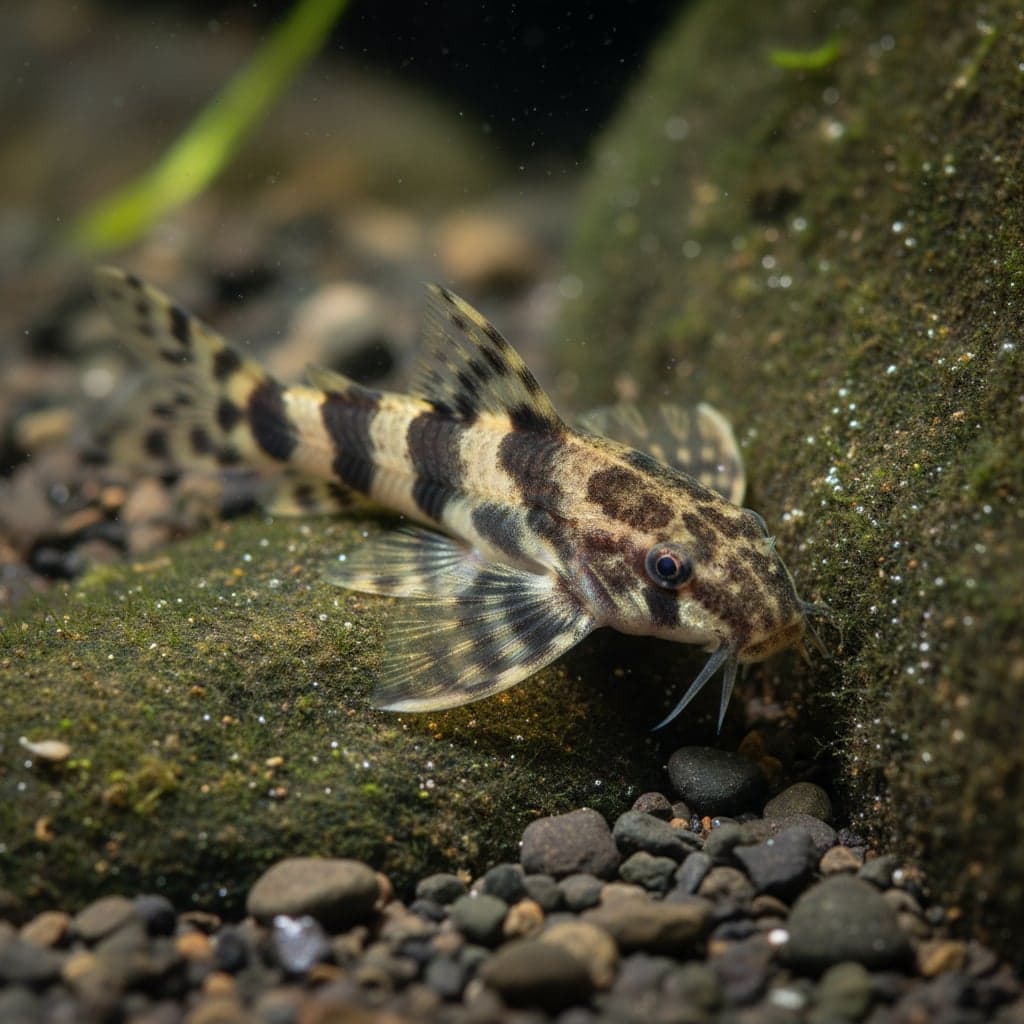
The Hillstream Loach (Sewellia lineolata), often colloquially called the "Alien Pleco" or "Butterfly Loach," is one of the most remarkable examples of natural engineering in the freshwater world. It features a highly specialized, flattened body where its pectoral and pelvic fins have evolved into a continuous, circular sucker. This allows the fish to create a powerful vacuum, clinging securely to smooth rocks even in the most violent, fast-flowing mountain streams where other fish would be swept away.
In the aquarium, they are prized for their unique stingray-like gliding movement and their intricate, reticulated (net-like) pattern of dark gold and brown. However, their beauty comes with a strict requirement for a high-energy, specialized environment that replicates their home in the rapids.
Natural Habitat & Origin
Sewellia lineolata is native to the swift, high-altitude mountain streams of Central Vietnam. They inhabit clear, shallow rapids and waterfalls characterized by high-velocity currents, cool water, and extremely high oxygen levels. These habitats have rocky beds with minimal fine sediment, where the sun encourages the growth of a dense "biofilm" or aufwuchs (a mix of algae and microscopic organisms) on the surface of the stones.
Care Requirements
The Hillstream Loach is not a fish for a standard, low-flow community tank. The most critical requirement is extremely high water flow and oxygenation. This is best achieved using powerful internal filters, powerheads, or a "river manifold" system to create a directional current. The water should be kept relatively cool, ideally between 68°F and 75°F (20°C to 24°C).
The tank setup should feature a large number of smooth, rounded river stones and pebbles. These provide both the "clinging" surfaces the fish needs and the substrate for its natural food source to grow. While they appreciate some hardy plants (like Anubias or Java Fern), a high-light environment is beneficial to encourage natural algae growth. A secure lid is recommended, as they can "crawl" up the glass near the water surface.
Diet & Feeding
The Hillstream Loach is a specialized grazer. In the wild, they feed almost exclusively on aufwuchs—the film of algae and microorganisms found on rocks.
In captivity, they should be provided with:
- High-quality algae wafers and sinking pellets
- Repashy "Soilent Green" or similar gel foods
- Supplementation with frozen bloodworms or cyclops (sparingly)
- Stones "pre-grown" with algae in a separate high-light bucket
Crucially, they are not scavengers and will quickly starve in a sterile or "spotless" tank. They need a steady supply of biofilm to survive long-term.
Behavior & Temperament
They are peaceful but mildly territorial toward their own kind. When two males meet, they may engage in "topping"—a harmless behavior where they glide over each other to establish dominance over a prime grazing spot. They are highly social and are best kept in a group of 3-5 or more to encourage natural activity. They spend the entire day "scuttling" over rocks and glass, rarely venturing into the open water column.
Tank Mates
Suitable tank mates must also be able to handle (and enjoy) high-flow, cool-water conditions:
- White Cloud Mountain Minnows
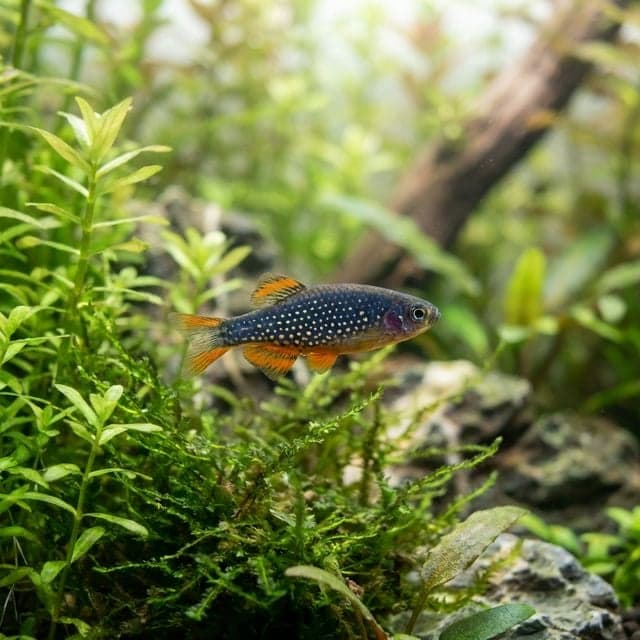
- Zebra Danios and other active Danios
- Rosy Loaches
- Rhinogobius (Freshwater Gobies)
- Odesssa Barbs
Avoid keeping them with slow-moving, long-finned fish like Bettas or Fancy Goldfish, as the heavy current required by the loaches is unsuitable for them.
Breeding
Sewellia lineolata can be bred in the home aquarium if their specialized needs are met. They are seasonal spawners; courtship involves the male following the female closely over the rocks. Eggs are often scattered into the crevices between river stones. The fry are extremely small and will hide in the substrate, grazing on biofilm until they are large enough to emerge. A mature, stable tank with established biofilm is essential for fry survival.
Common Health Issues
They are sensitive to poor water quality and chemical medications. Because of their fast metabolism and specialized diet, starvation is the most common cause of death for newly introduced specimens. Ensure the tank is well-matured with visible biofilm before adding them. They are also highly susceptible to high nitrates and low oxygen levels; if the fish are seen clinging to the glass near the water line, it is often a sign of insufficient oxygenation.