Hippo Point Salmon Cichlid: Ptyochromis sp. "Hippo Point Salmon"
The Hippo Point Salmon (Ptyochromis sp.) is a hardy, salmon-coloured Lake Victoria cichlid — a colourful, conservation-significant haplochromine for hard-water aquariums.
Hippo Point Salmon Cichlid
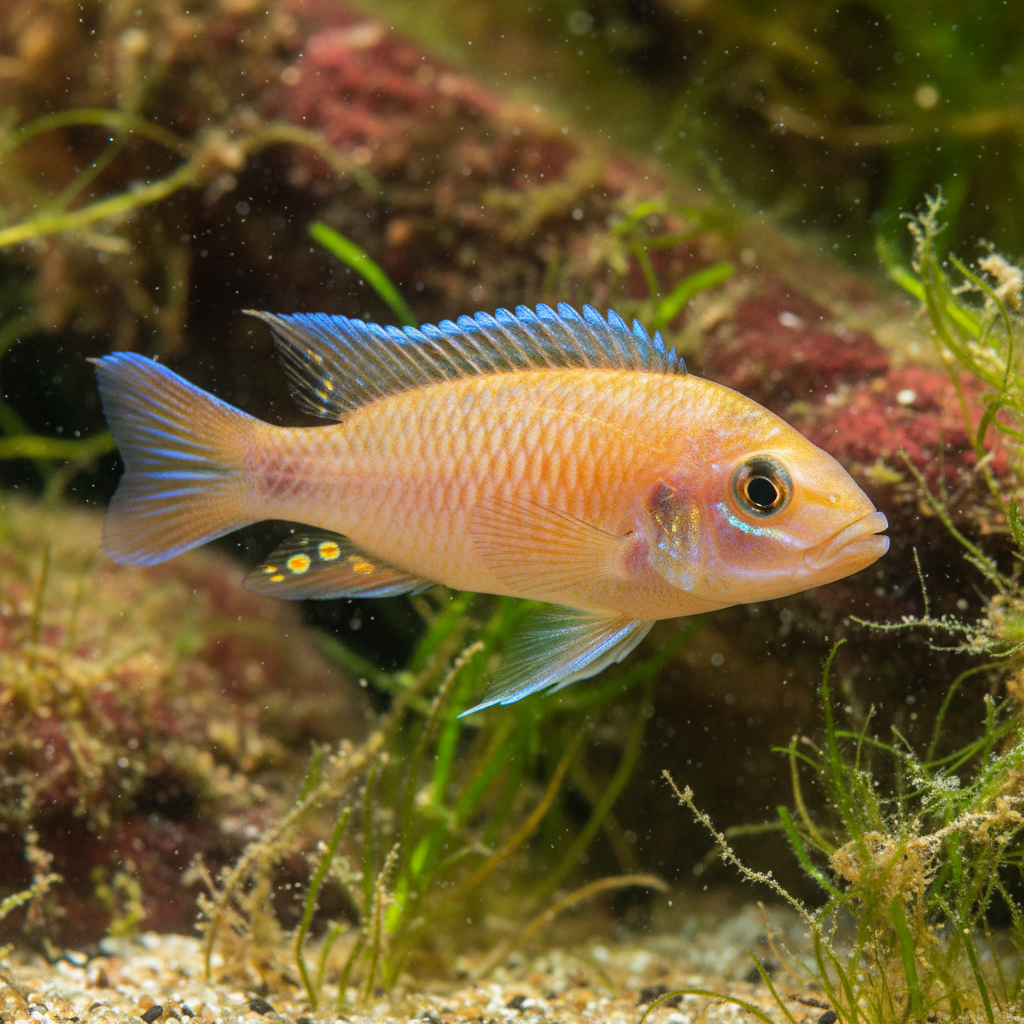
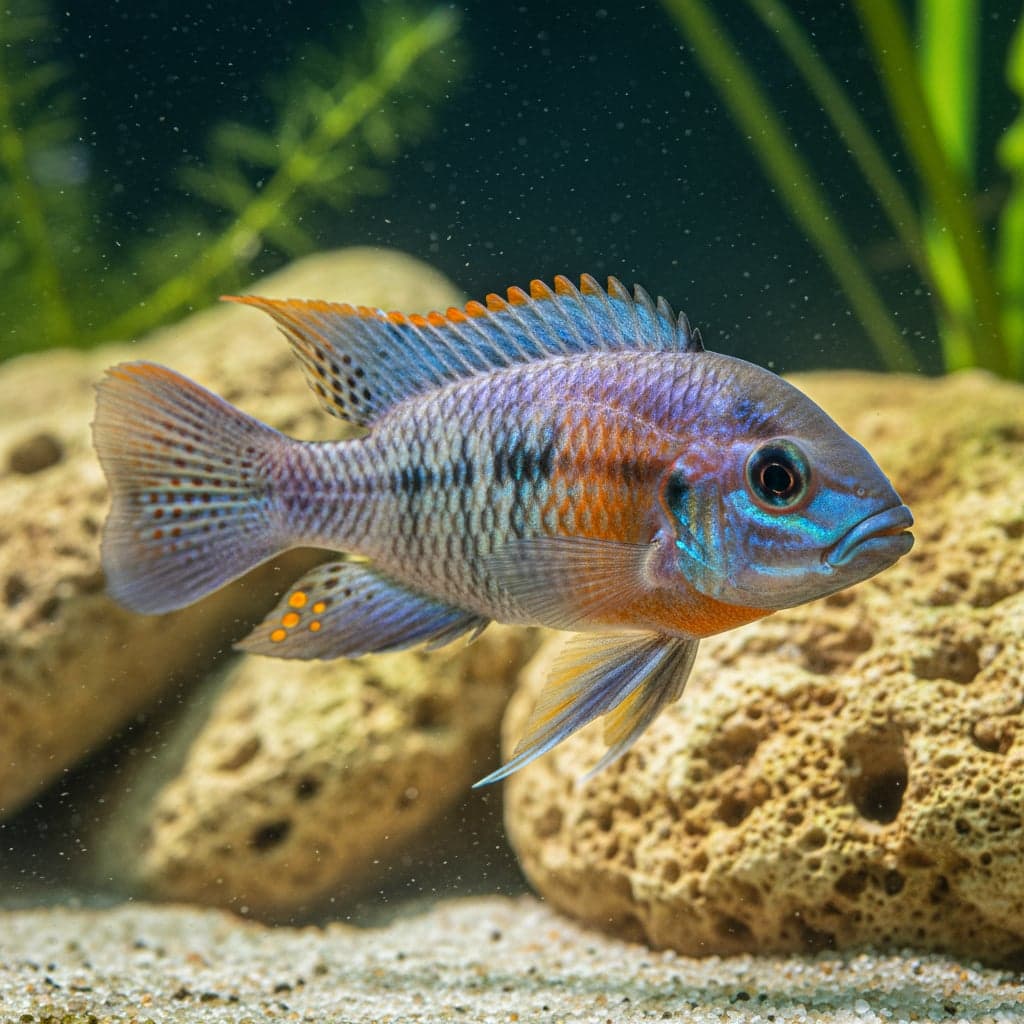
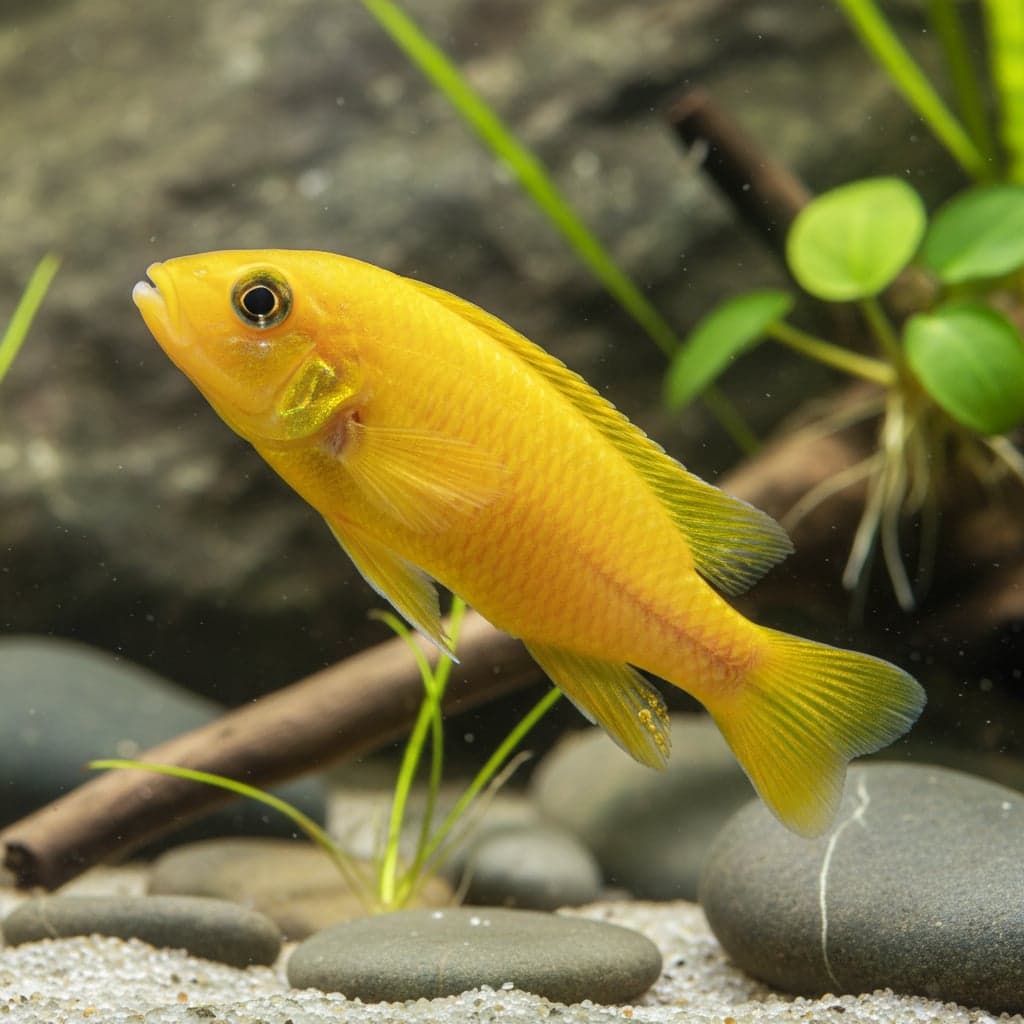
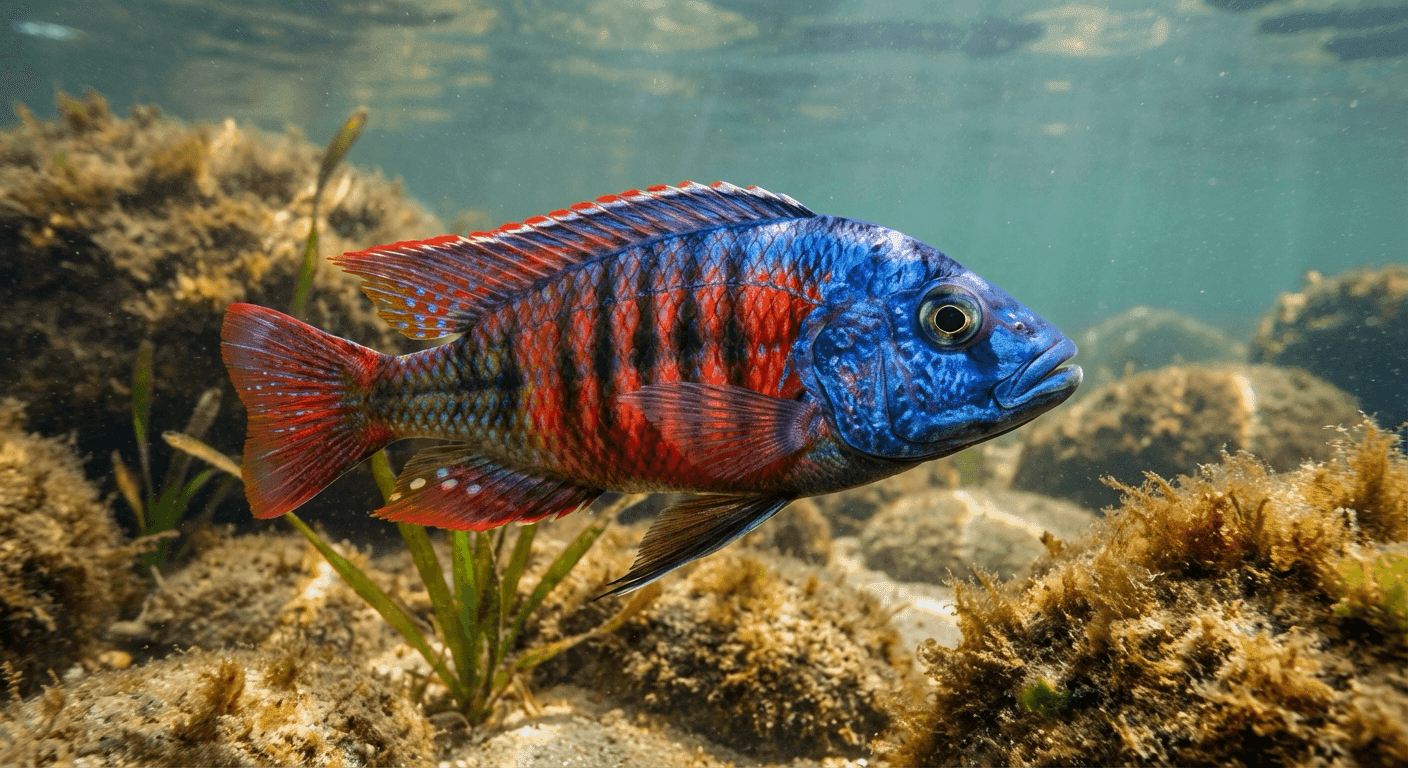
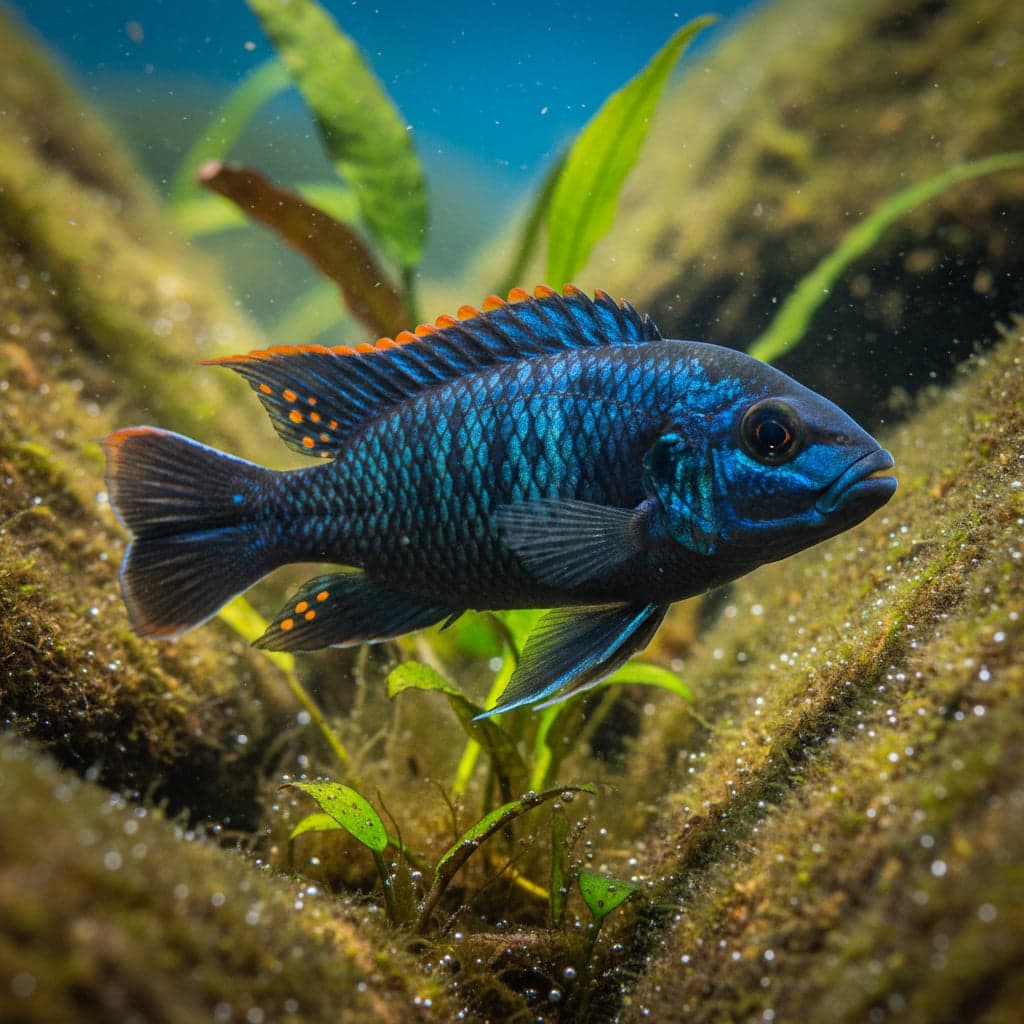
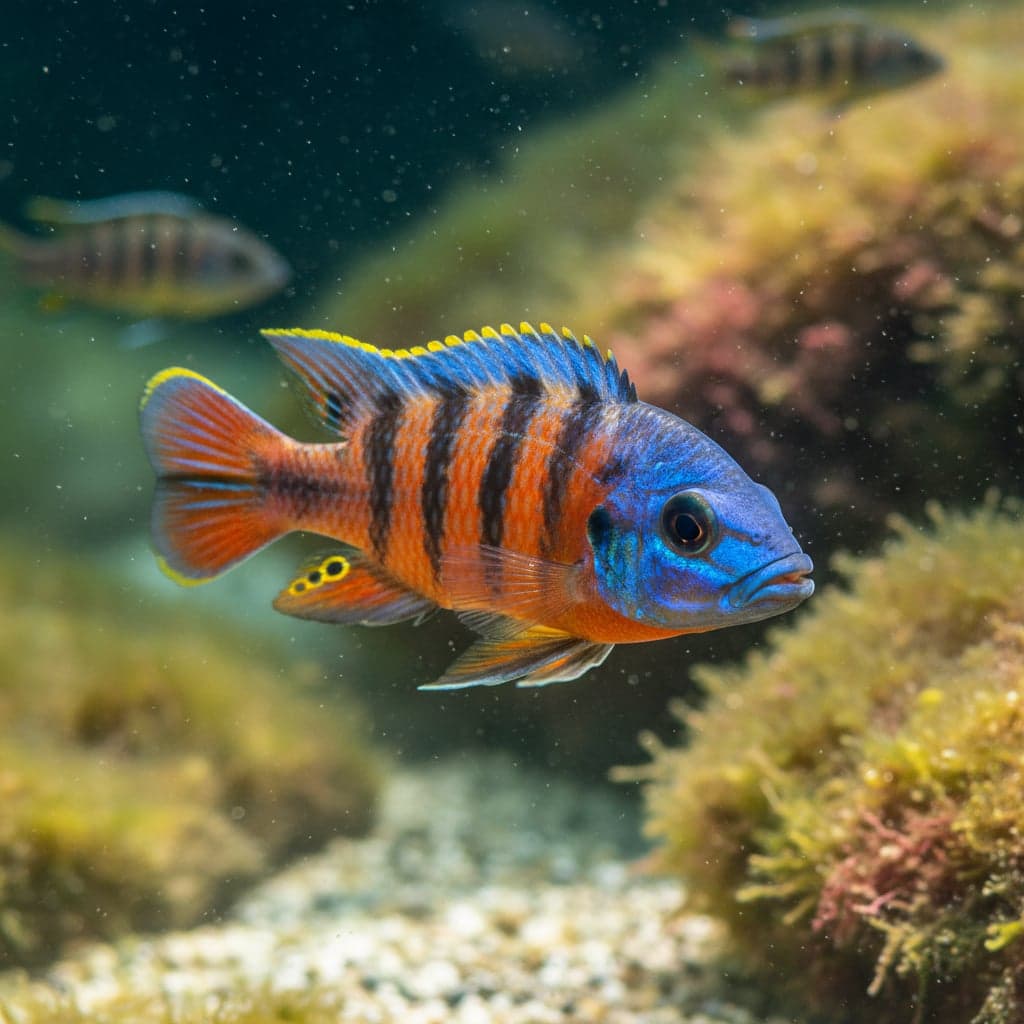
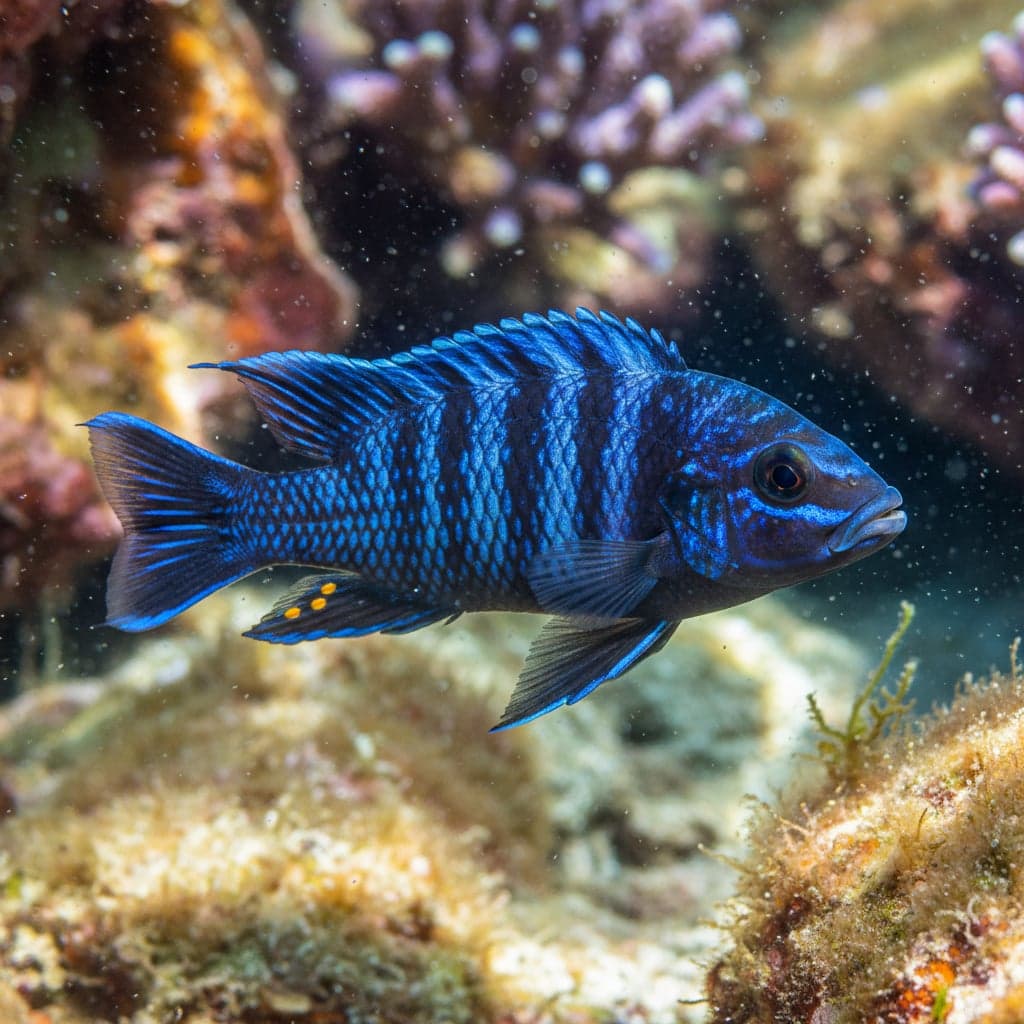
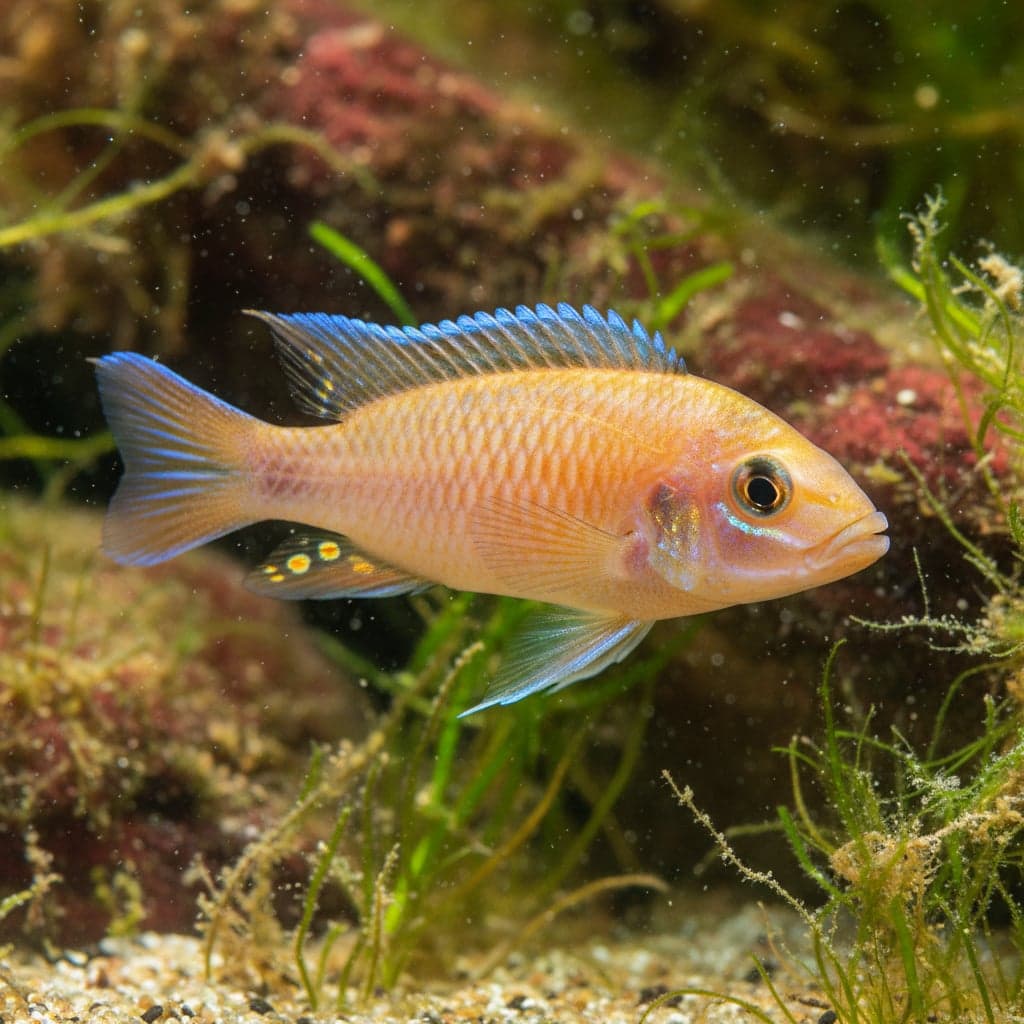
The Hippo Point Salmon (Ptyochromis sp. "Hippo Point Salmon") is a striking haplochromine cichlid from Lake Victoria, named for the locality associated with the form and for the warm salmon-orange to red colouration of dominant males. Females and subordinate males stay a more modest silvery-grey until status or breeding condition shifts the palette. Hardy, active and richly coloured, it is a rewarding fish for the African cichlid keeper — and one of conservation significance, as many Lake Victoria cichlids declined sharply in the wild after Nile perch introduction and habitat change.
Maintaining and breeding it in the hobby helps keep a lineage alive when wild stocks are under pressure. That is not a licence to treat every Victorian as interchangeable: keep bloodlines clear and avoid careless hybridisation with related haps.
Natural Habitat & Origin
This form is endemic to Lake Victoria in East Africa, where related Ptyochromis and other haplochromines occupy rocky and sandy areas and feed on invertebrates and snails. Lake Victoria is a hard, alkaline tropical lake; captive care should track that chemistry rather than soft Amazon community defaults. Wild populations of many Victoria cichlids were hammered by introduced Nile perch and shoreline change, which is why documented aquarium strains matter.
In the aquarium offer a mix of rockwork — caves and broken sightlines for territories — with open sand for foraging. Dense rock without swimming lanes produces constant corner fights; bare open water with nowhere to duck produces the same stress from the other direction.
Care Requirements
Hard, alkaline water: pH around 7.5–8.5, temperature about 24–27°C (75–81°F), with mineral content in the rift-lake range rather than soft, acidic water. Strong filtration and regular water changes keep nitrate low; Victoria haps are active and dirty for their size. A tank of around 200 litres (about 50 US gallons) or more suits a group, with rockwork to break sightlines and establish territories.
It is hardy and adaptable given stable, clean, hard water. Quarantine new arrivals. White spot (Ichthyophthirius multifiliis) and bacterial issues still follow stress and temperature swings. Use the Aquarium Tracker to log temperature, pH and change schedule; chronic dirty water shows up as clamped fins and faded males before mortalities pile up.
Diet & Feeding
Primarily carnivorous, feeding on invertebrates and snails in the wild — Ptyochromis forms are often associated with mollusc-heavy diets, though aquarium fish take a broader prepared menu. Offer quality cichlid pellets, frozen foods such as mysis and brine shrimp, and the occasional snail if you keep pest snails as enrichment. Avoid an excess of protein-heavy mammalian foods (beef heart and similar), which track with digestive trouble in African cichlids; include some vegetable matter for balance.
Feed small amounts once or twice a day. Watch dominant males: they colour up and eat first; subordinates may need target feeding so the group stays even. Overfeeding fouls hard-water systems quickly and raises bloat risk.
Behavior & Temperament
Semi-aggressive and territorial like most haplochromines, especially among males during breeding. Keep a group with more females than males to spread aggression, and provide plenty of rockwork and sightline breaks. Dominant males display intense salmon to red colour; subordinate fish stay drab — that is hierarchy, not a second species in the tank.
Frontmatter lists shoaling because wild fish move in loose groups; in the aquarium that means a managed colony, not stuffing every Victorian hap into 200 litres without structure. Hunger and overcrowding turn manageable male display into nonstop chasing.
Tank Mates
House with other robust Lake Victoria or similarly sized hard-water African cichlids that share chemistry and temperament. Avoid timid community fish (tetras, gouramis, soft-water species) that cannot handle alkaline water or haps’ energy. Critically, avoid mixing it with closely related cichlids it could hybridise with — particularly important given conservation value. A species-focused tank or a carefully chosen Victorian community beats a “colourful African mix” that muddies lineages.
Do not stock aggressive mbuna-style rock scrapers as if they were the same fish; different lake guilds need different space and diet planning even when pH overlaps.
Breeding
Ptyochromis "Hippo Point Salmon" is a maternal mouthbrooder: after spawning, the female holds eggs and fry in her mouth for protection. Breeding is straightforward in a well-kept group with hard water and good conditioning. Holding periods last on the order of a few weeks depending on temperature; strip only if you have a clear reason and know the technique — many keepers let females release naturally in a colony with cover for fry.
Raising fry on fine foods is rewarding and a genuine contribution to keeping this threatened form in the hobby. Label and track parentage if you maintain a conservation-minded colony; do not cross it casually with other Victoria haps “to see what colours appear.”
Common Health Issues
Hardy but susceptible to the usual freshwater ailments: white spot, bloat (often linked to poor diet, stress or dirty water), and bacterial infections when nitrate and organics climb. Maintain clean, hard, stable water, feed an appropriate diet, and quarantine new arrivals.
Given the right chemistry, group structure and rockwork, the Hippo Point Salmon is a colourful, characterful and meaningful addition to a hard-water cichlid aquarium. Soften the water, skip QT, or mix it into a hybrid free-for-all and you lose both the fish and the point of keeping a Victoria form at all.