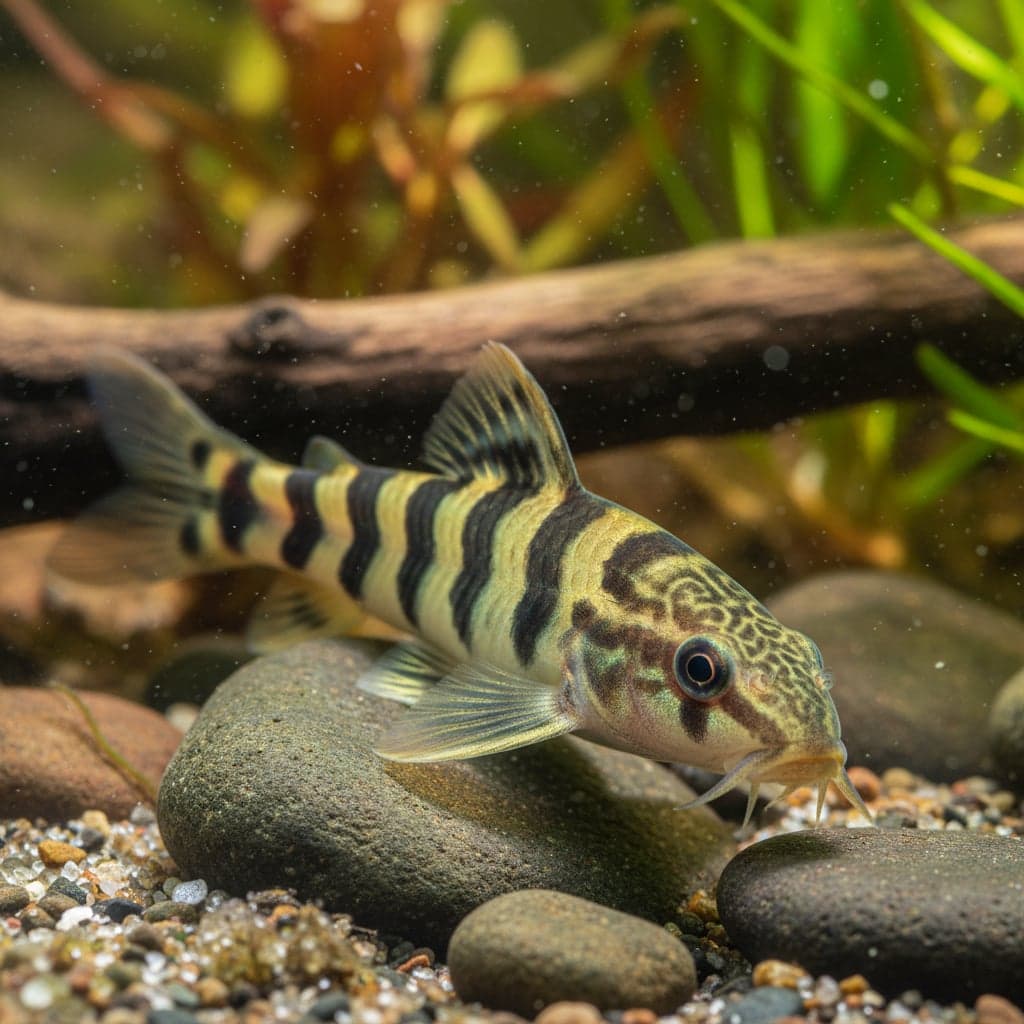
Honeycomb Pleco L037: Hypostomus faveolus
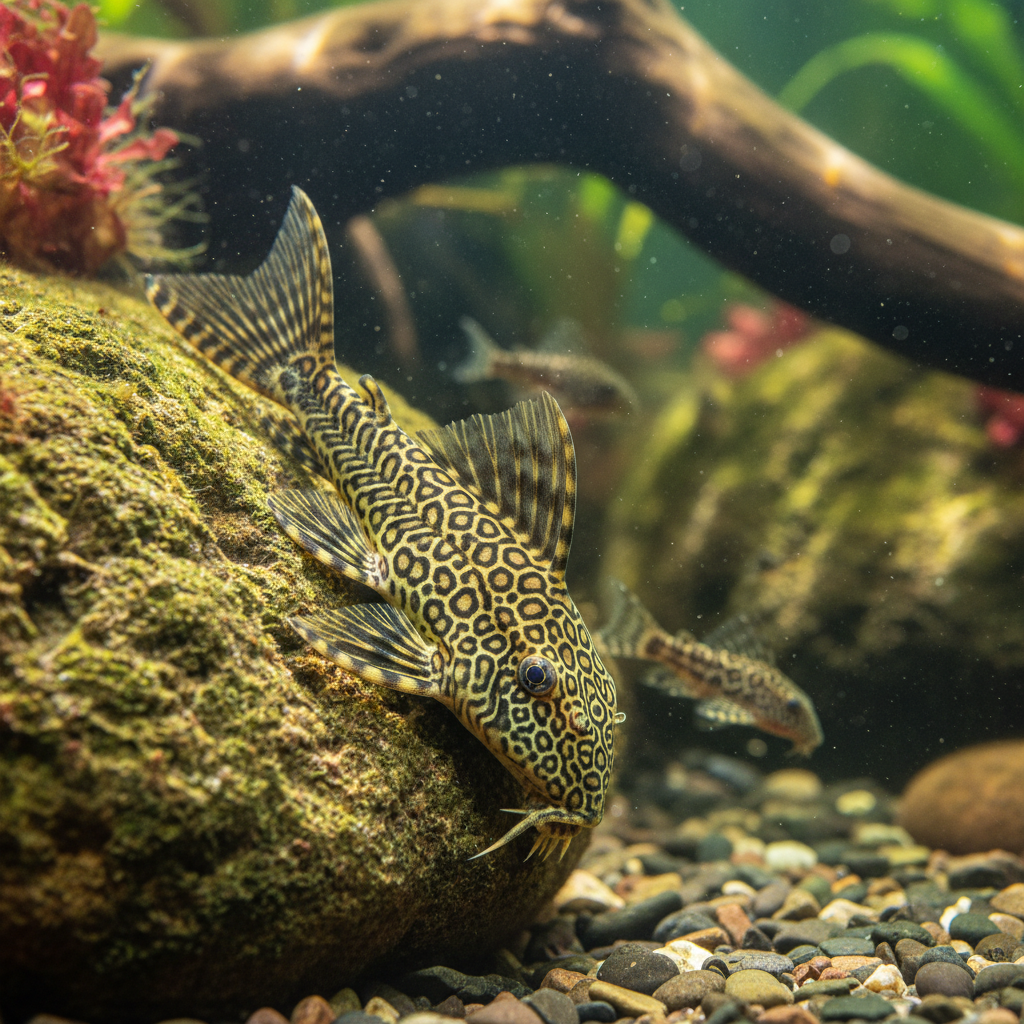
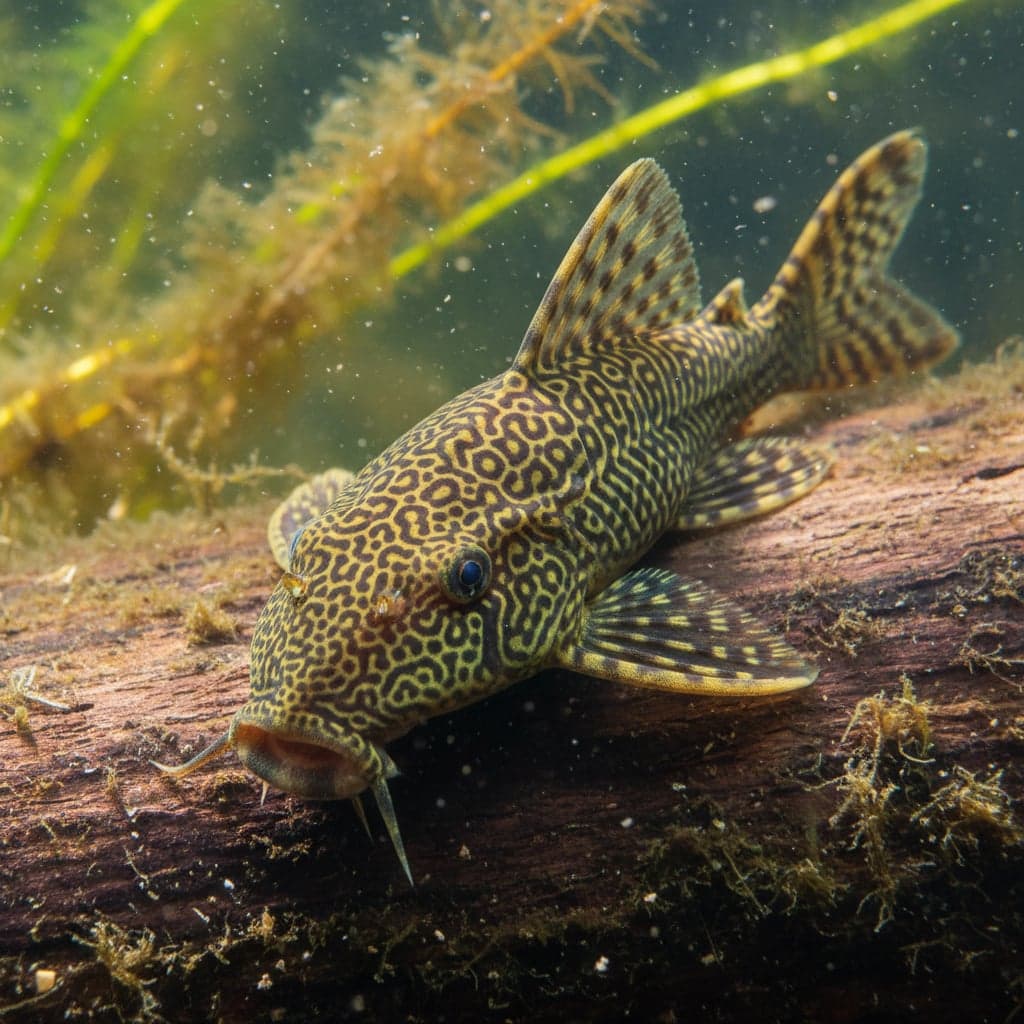
The Honeycomb Pleco (Hypostomus faveolus / L037) is a large, strikingly patterned catfish from Brazil, named for the dense black network of lines that form a perfect honeycomb mosaic across its entire body.
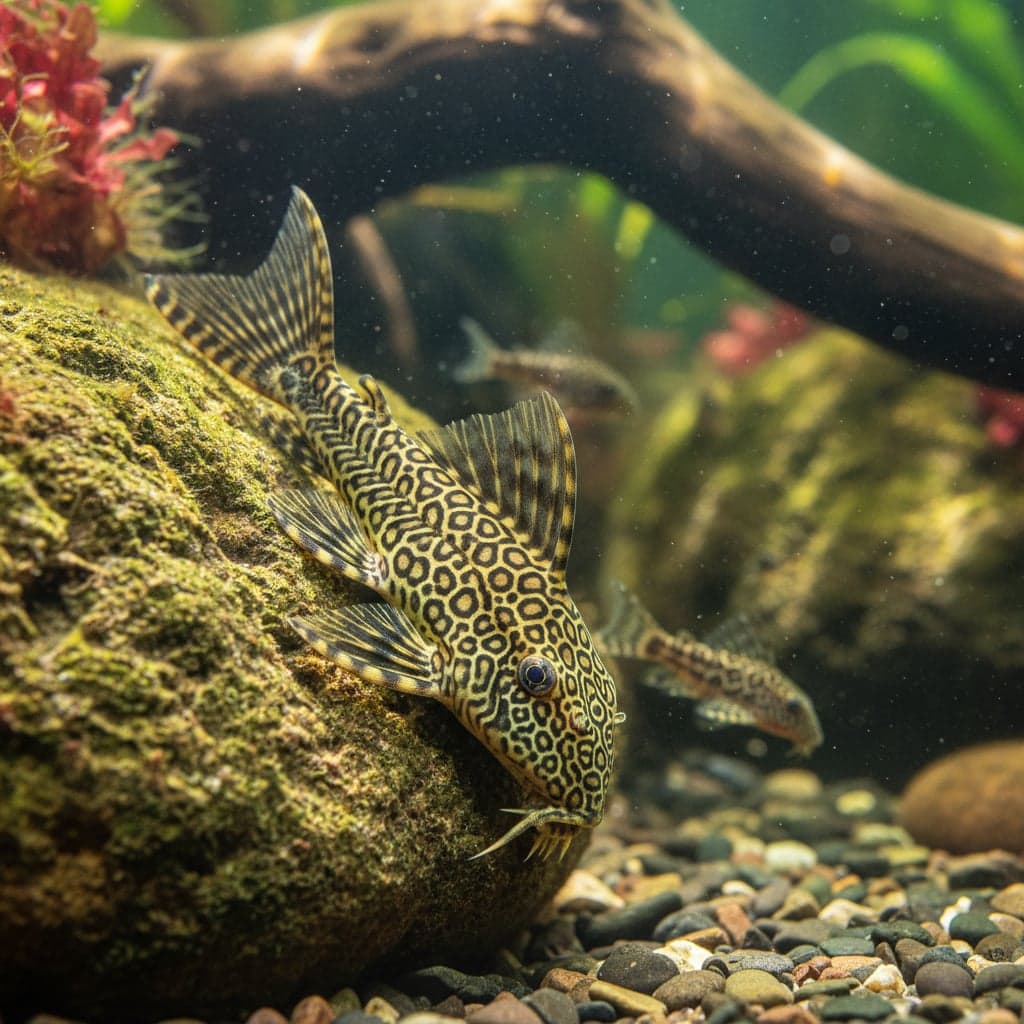
The Honeycomb Pleco (Hypostomus faveolus), widely known by its L-number designation L037, is a spectacular armored catfish that combines robust utility with high-contrast beauty. Its entire body, from its snout to its tall dorsal fin, is covered in a dense, reticulated network of black lines over a golden-creamy base, creating a distinct "honeycomb" appearance. Unlike many plecos that lose their pattern as they age, L037 maintains its striking mosaic throughout its adult life.
In the aquarium, it is a hardworking algae-eater and scavenger, but its large adult size and territorial nature toward other bottom-dwellers mean it requires a carefully planned environment.
Natural Habitat & Origin
Hypostomus faveolus is native to the Rio Araguaia and Rio Tocantins basins in central Brazil. These rivers are characterized by varying current speeds and substrates consisting of large rocks, boulders, and massive amounts of submerged driftwood. They are typically found in clear to white-water environments with high dissolved oxygen levels.
Care Requirements
The Honeycomb Pleco is a large species and needs a substantial home. A minimum tank size of 280 litres (75 gallons) is required for a single adult — this 25cm Hypostomus faveolus produces a heavy bioload and needs footprint for wood, caves, and territory. They are strong fish and produce a significant biological load, so heavy-duty filtration (external canisters are recommended) and regular water changes are mandatory.
Maintain stable parameters: a pH of 6.0 to 7.5 and a temperature of 74°F to 82°F (24°C to 28°C). The aquascape MUST include ample amounts of natural driftwood. Not only does wood provide essential hiding places, but these plecos also graze on the biofilm and lignin found on the wood surface, which is crucial for their digestion. Provide multiple caves or large slate overlaps where the fish can retreat during the day.
Diet & Feeding
While often sold as "algae eaters," Honeycomb Plecos are specialized omnivores with a preference for grazing surfaces.
In captivity, provide a varied diet:
- High-quality sinking algae wafers and spirulina tablets
- Essential: Natural driftwood for grazing
- Fresh vegetables (Zucchini, Cucumber, Sweet Potato, and Blanched Spinach)
- Protein sources like frozen Bloodworms or Brine Shrimp (once or twice a week)
- High-protein sinking pellets
They are primarily nocturnal feeders, so it is best to offer food shortly before the aquarium lights turn off.
Behavior & Temperament
They are generally peaceful toward mid-water fish but territorial toward other bottom-dwellers, especially other plecos. They will fiercely defend their chosen cave or piece of wood. Unless the aquarium is very large (6ft+), it is best to keep only one Honeycomb Pleco per tank. They are robust and will not be intimidated by larger, more active tank mates.
Tank Mates
Suitable tank mates include larger, active community species:
- Medium to large Tetras (Congo Tetras, Bleeding Heart Tetras)
- Silver Dollars and Tinfoil Barbs (in very large tanks)
- Geophagus and other peaceful South American Earth-eaters
- Angelfish and Discus (if the temperature is kept on the higher end)
Avoid very small or extremely delicate fish that may be accidentally buffeted by the pleco's powerful movements at night.
Breeding
Breeding L037 in captivity is rare and challenging. They are cave-spawners; the male will guard a large cave and entice a female to enter and lay her eggs. The male then guards and fans the eggs until they hatch. Success usually requires a very large, well-oxygenated tank and a diet heavy in fresh vegetables and protein to bring the pair into condition.
Common Health Issues
They are remarkably long-lived and hardy if water quality is maintained. However, they are sensitive to low oxygen levels and can suffer from "skin flukes" if the substrate is allowed to become excessively dirty. Because they are armored catfish, they can be sensitive to certain copper-based medications. Always ensure the tank is well-oxygenated, especially in warmer temperatures.