Hoplo Catfish: Megalechis thoracata
The Hoplo Catfish (Megalechis thoracata) is a robust, armor-plated species from South America, famous for its energetic personality and its unique, labyrinth-like bubblenest spawning behavior.

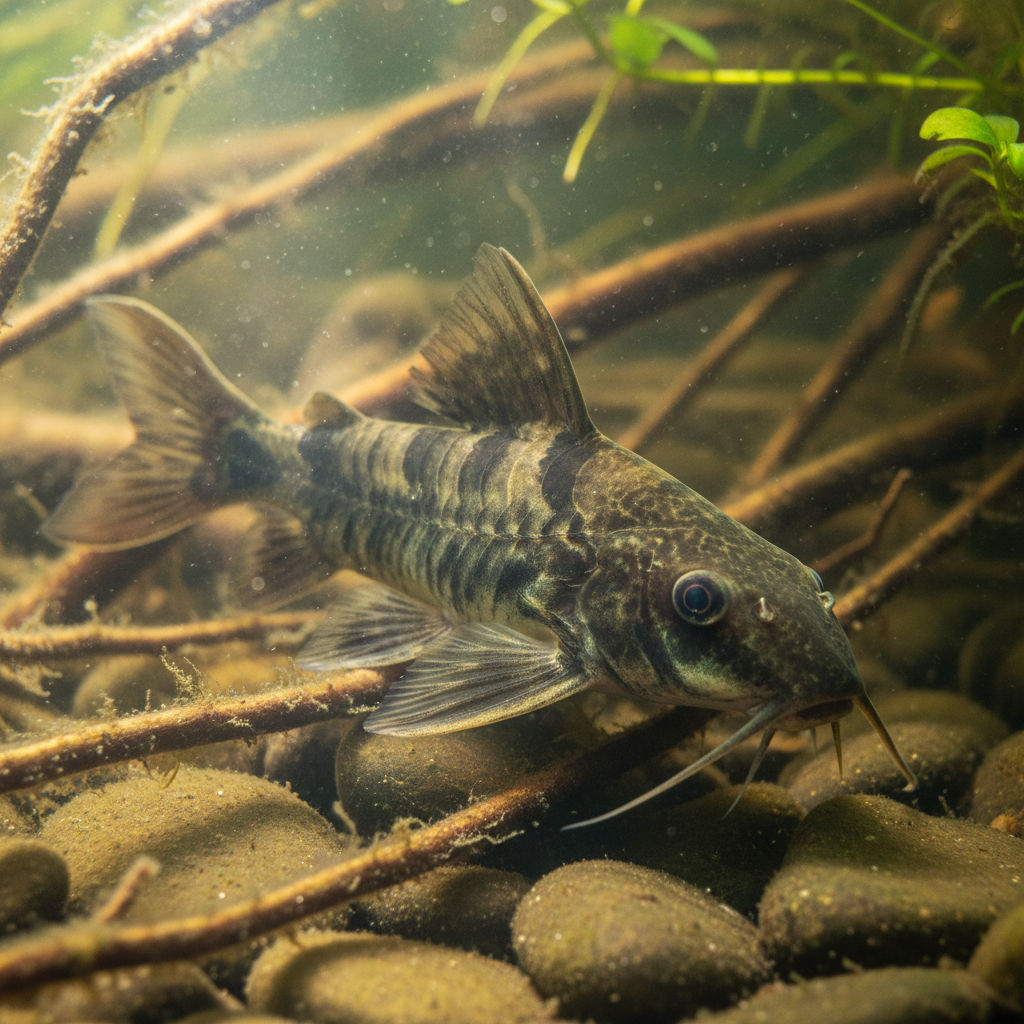
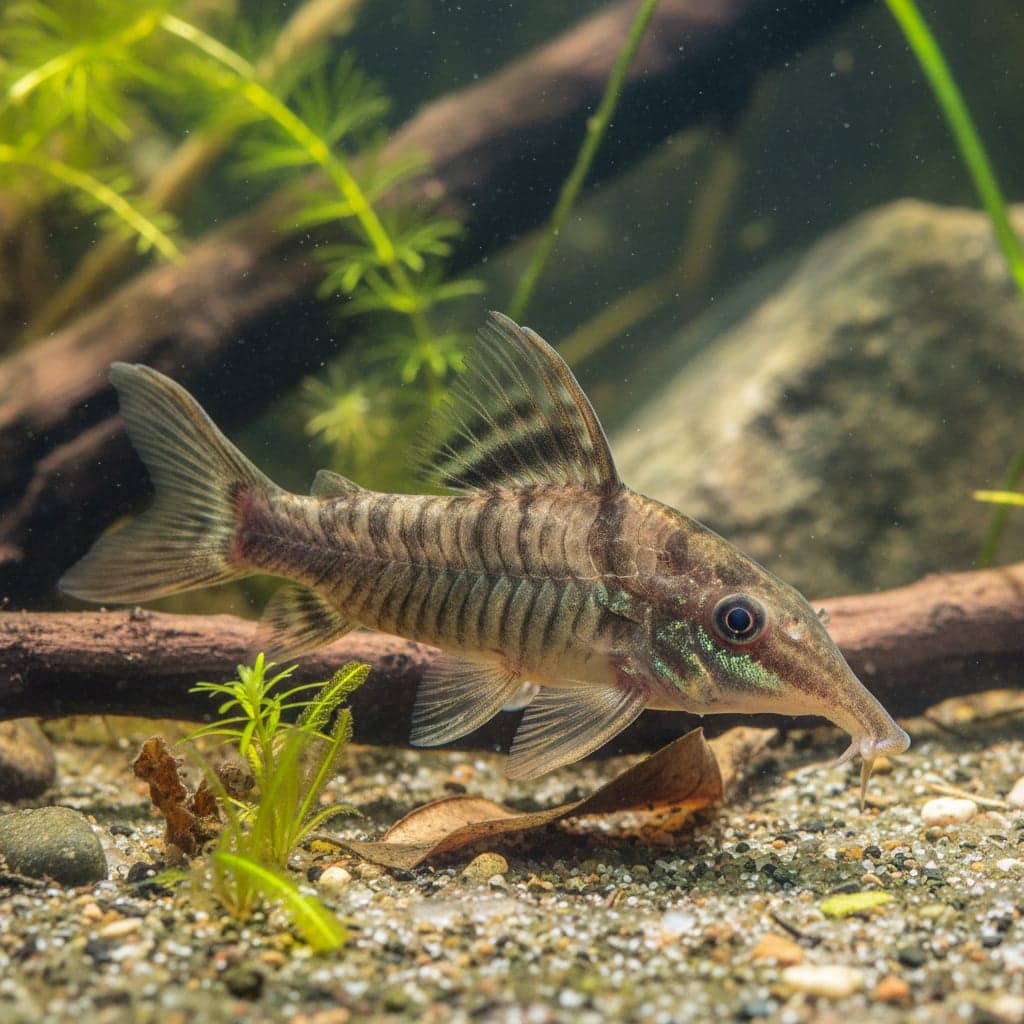
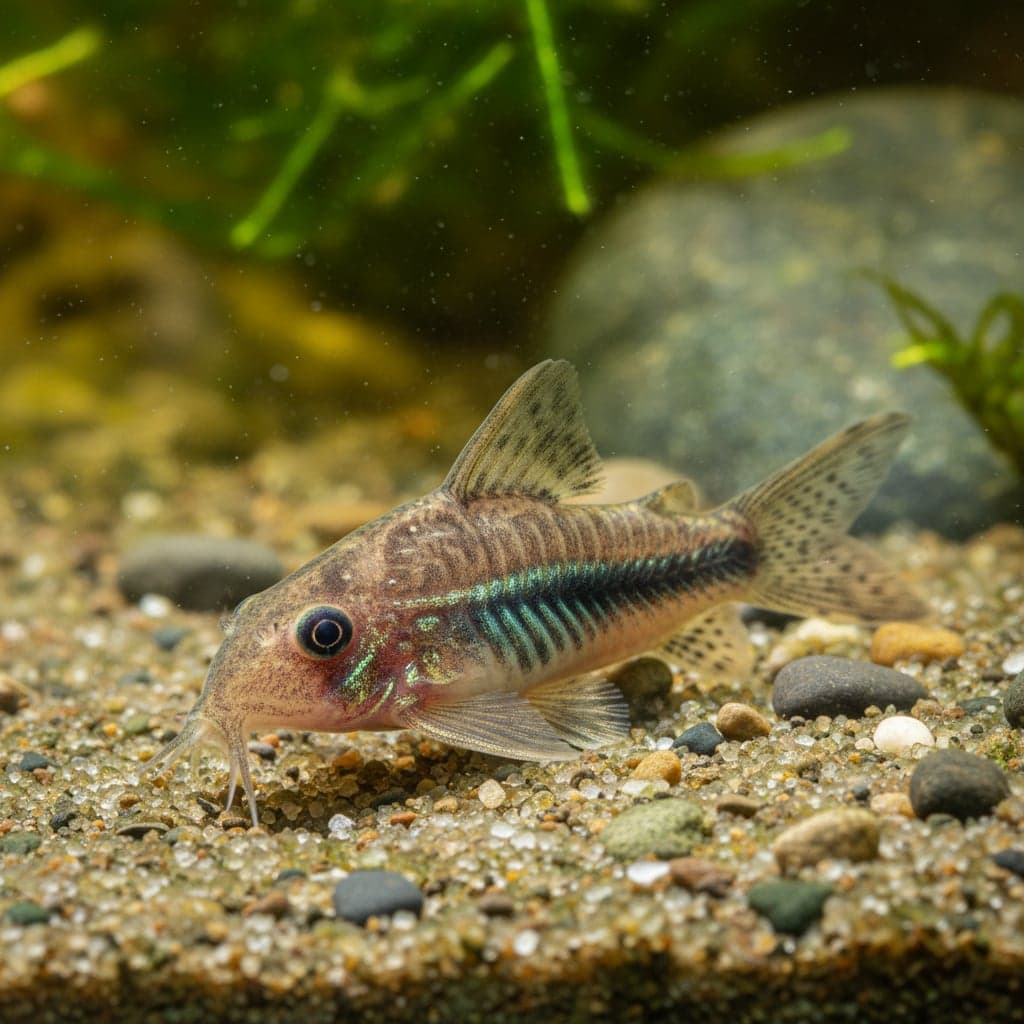
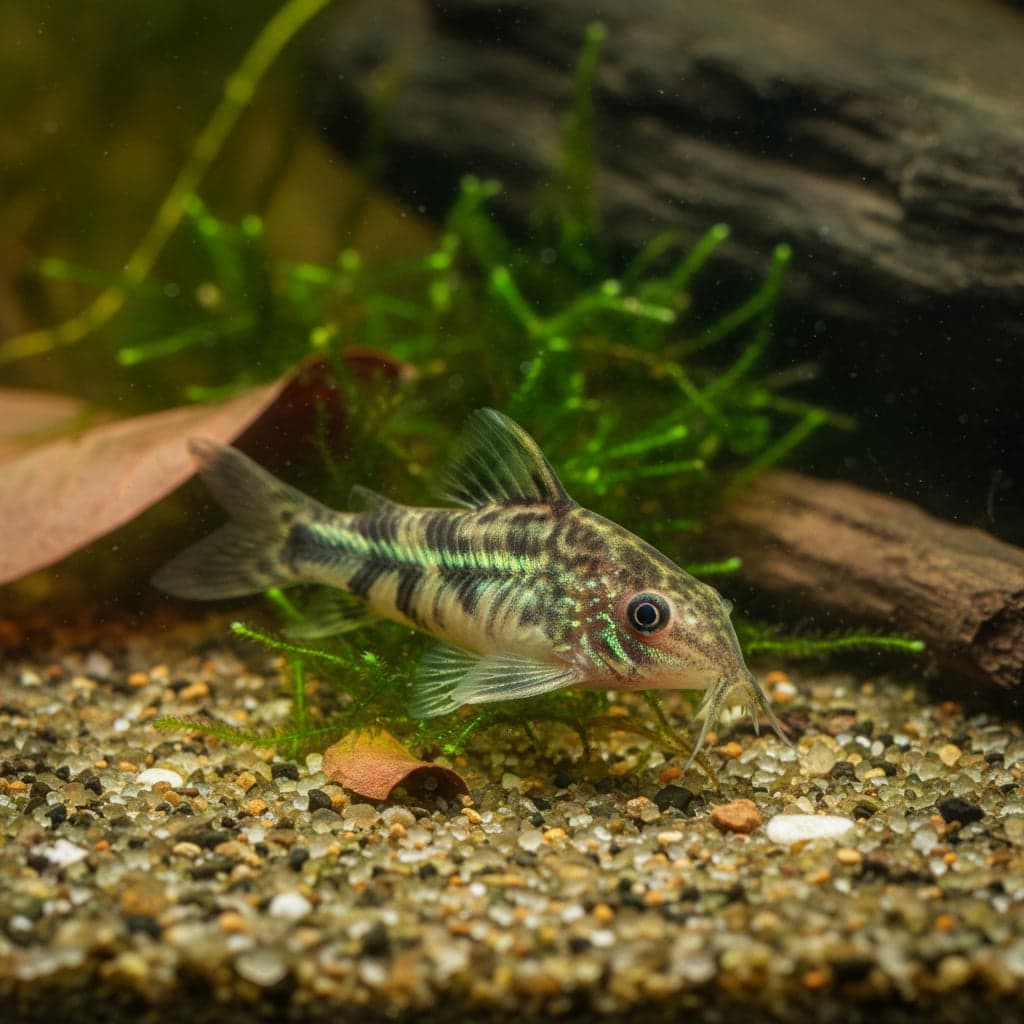
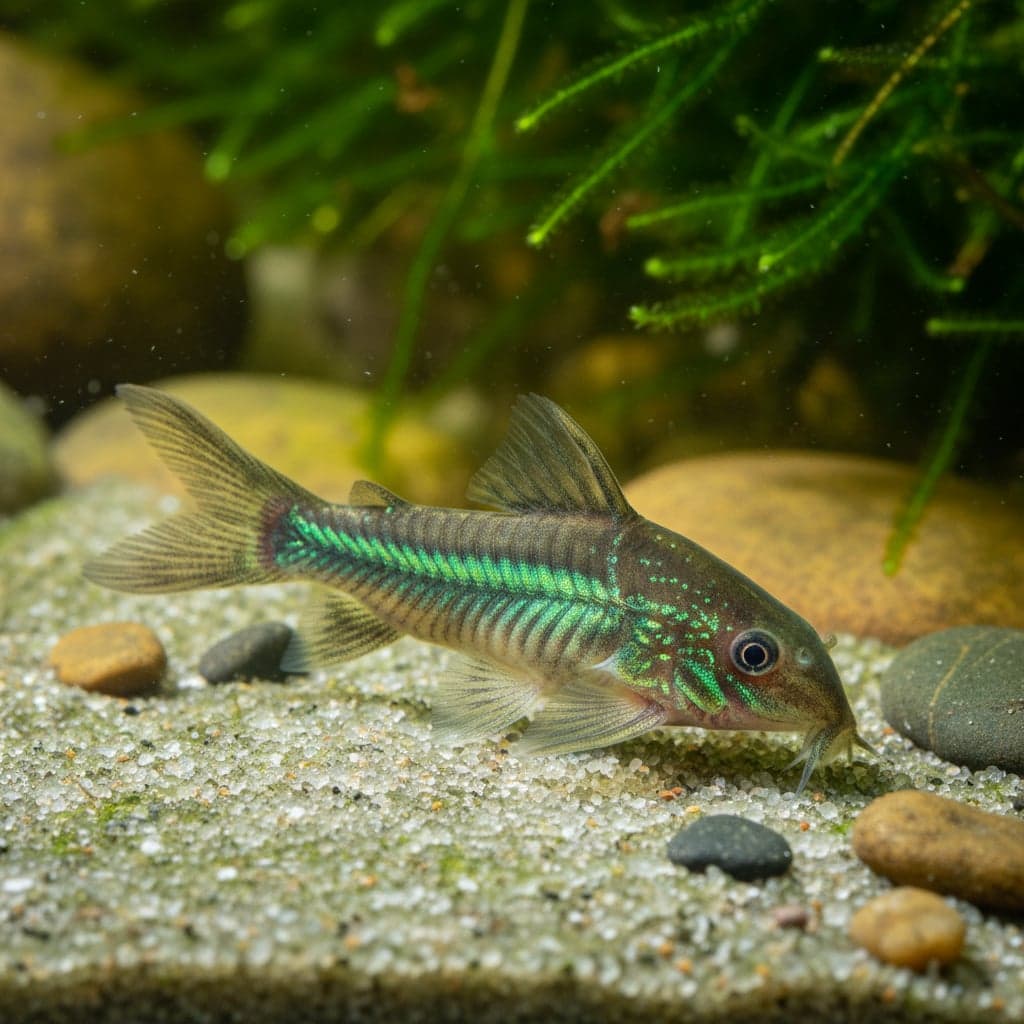
The Hoplo Catfish (Megalechis thoracata), often called the Port Hoplo or Brown Hoplo, is the "golden retriever" of the armored catfish world. While it shares many similarities with the smaller Corydoras, the Hoplo is significantly larger, reaching about 6 inches (15 cm), and far more active. Its body is encased in two rows of overlapping bony plates (scutes) rather than scales, and it possesses two pairs of exceptionally long, sensitive barbels that it uses to "fumble" through the substrate with endearing clumsiness.
In the aquarium, they are prized for their hardiness and their boisterous, friendly nature. They are often seen shoaling together, and unlike many other catfish, they are active during the day, constantly exploring every corner of the tank.
Natural Habitat & Origin
Megalechis thoracata has a vast natural range across northern South America, including the Amazon, Orinoco, and Paraguay river basins. They are incredibly adaptable, inhabiting everything from clear-water rivers and blackwater creeks to stagnant, low-oxygen swampy pools and stagnant ditches. This adaptability comes from their ability to breathe atmospheric air through their hindgut—a process where they dart to the surface, take a gulp of air, and extract oxygen as it passes through their digestive system.
Care Requirements
The Hoplo Catfish is one of the hardiest fish in the hobby. A minimum tank size of 30 gallons (120L) is recommended for a pair or small group. They are not picky about water flow, but they do appreciate a well-oxygenated environment.
Maintain parameters: a pH of 6.0 to 8.0 and a temperature of 72°F to 82°F (22°C to 28°C). The tank should be scaped with smooth rocks, driftwood, and robust plants (like Amazon Swords or Java Fern). Because they are energetic "diggers," a sandy substrate is highly recommended to protect their barbels and allow them to sift for food naturally. A tight-fitting lid is essential, as their rapid dashes to the surface for air can occasionally lead to them jumping out.
Diet & Feeding
Hoplo Catfish are quintessential omnivorous scavengers. In the wild, they consume a wide variety of aquatic insects, worms, crustaceans, and plant detritus.
In captivity, they are eager and non-picky eaters:
- High-quality sinking catfish pellets and tablets
- Frozen foods like Bloodworms, Mysis shrimp, and chopped Krill
- Fresh vegetables (Blanched Zucchini or Cucumber)
- They will also enthusiastically take flakes that reach the bottom
They are very active feeders and will often swim "belly up" at the surface to feed on floating flakes or insects—a behavior that is perfectly normal for this species.
Behavior & Temperament
They are exceptionally peaceful and social. They should ideally be kept in groups of 3 or more. They enjoy each other's company and will often be seen resting in a "pile" when not foraging. They are completely non-aggressive toward other species and make excellent additions to community tanks with fish of similar or even much smaller size.
Tank Mates
Suitable tank mates include a wide range of community species:
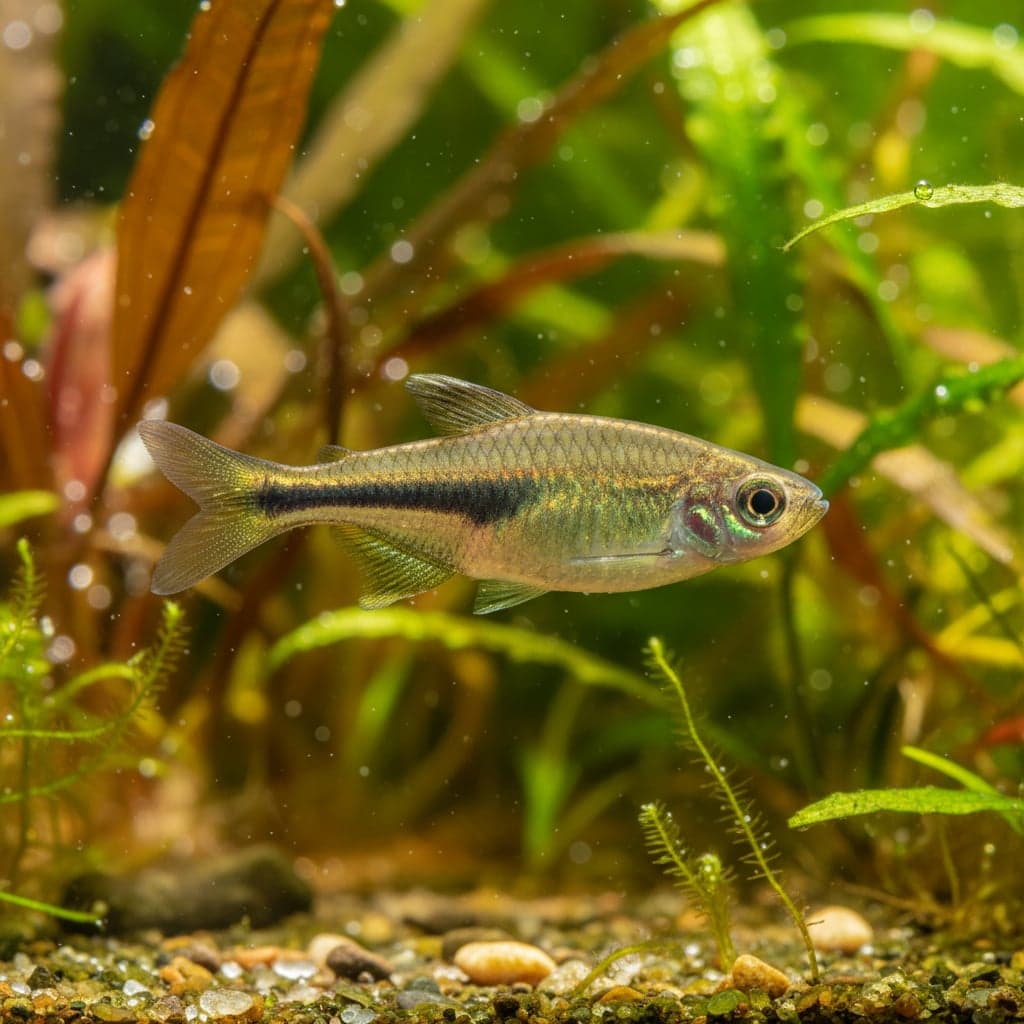
- Tetras, Rasboras, and Rainbowfish
- Angelfish and Gouramis
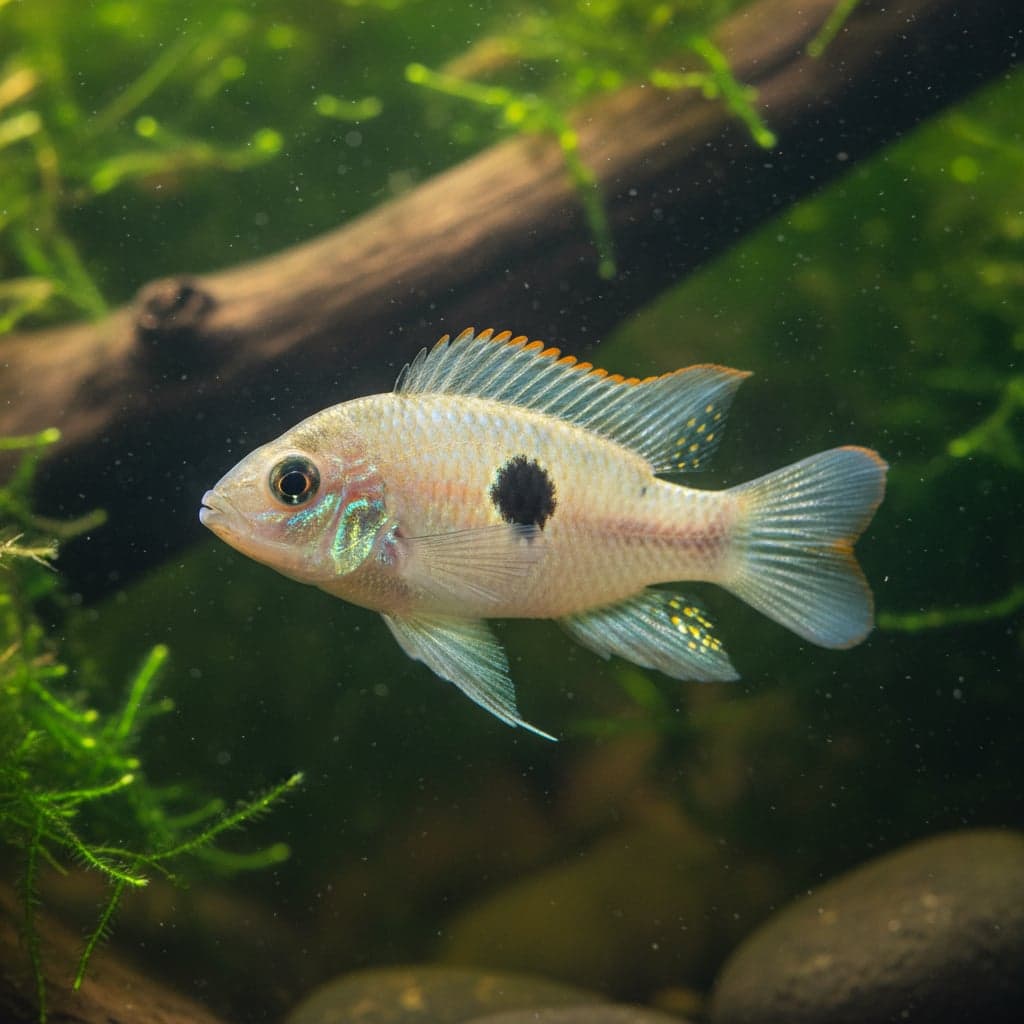
- Peaceful Cichlids (like Eartheaters or Severums)
- Other peaceful bottom-dwellers (Corydoras, Plecos)
Avoid keeping them with very aggressive or large predatory fish that might try to swallow them, as their bony scutes and sharp pectoral spine can be a choking hazard.
Breeding
Breeding Hoplo Catfish is a unique spectacle. Unlike almost all other catfish, they are bubblenest builders. The male will build a nest of foam, often incorporating bits of floating vegetation or even a piece of floating polystyrene in the aquarium. The male initiates spawning and becomes fiercely protective of the nest once the eggs are laid. The fry hatch in about 3-4 days and are quite large, easily accepting crushed flakes or baby brine shrimp.
Common Health Issues
They are remarkably disease-resistant. However, like all scaleless (or scute-plated) fish, they are sensitive to certain medications, especially those containing copper or large amounts of salt. Their barbels can also be prone to erosion if the substrate is sharp or allowed to become dirty. Regular water changes and a clean, sandy substrate are the best ways to ensure a long life of 10+ years.