Hovering Zebra Loach: Yunnanilus cruciatus
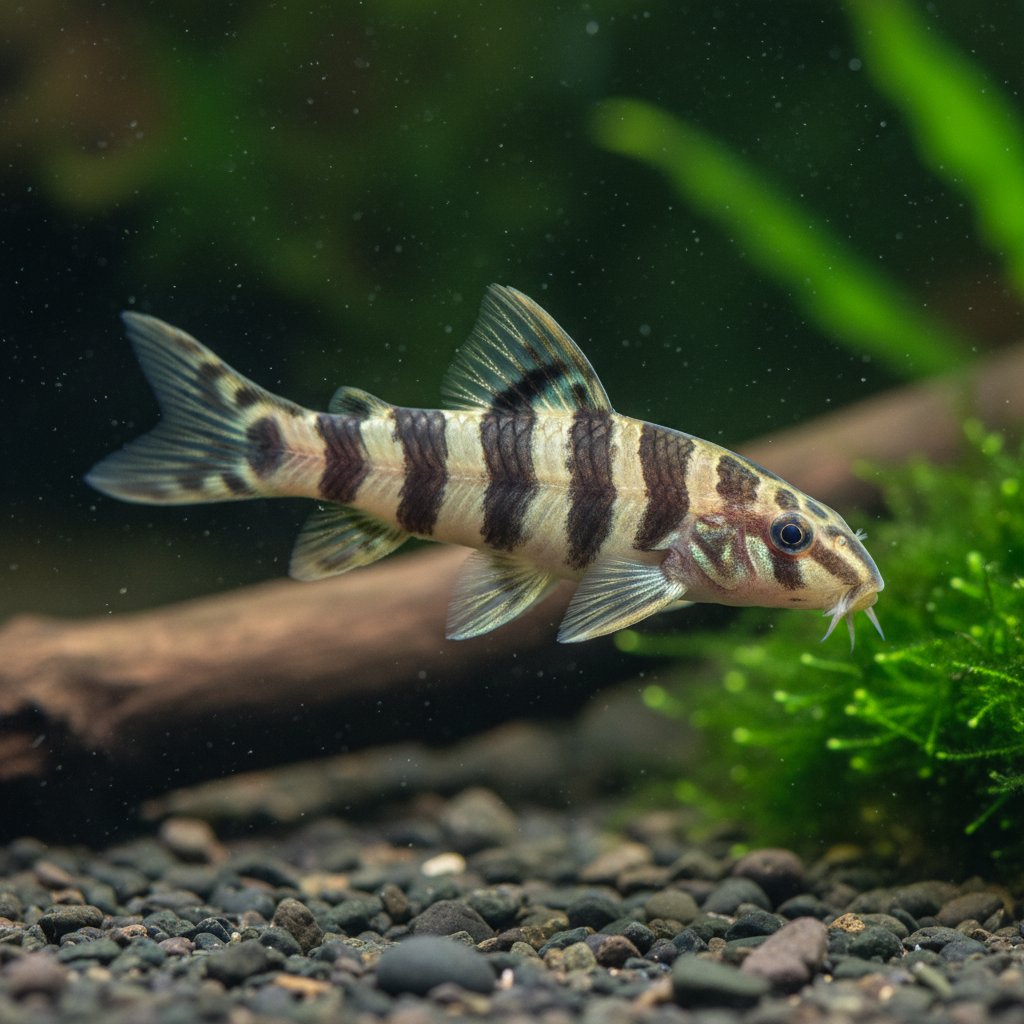
The Hovering Zebra Loach (Yunnanilus cruciatus) is a tiny, vividly striped nano-loach from Vietnam, famous for its mid-water "hovering" behavior and bold tiger-like bands.

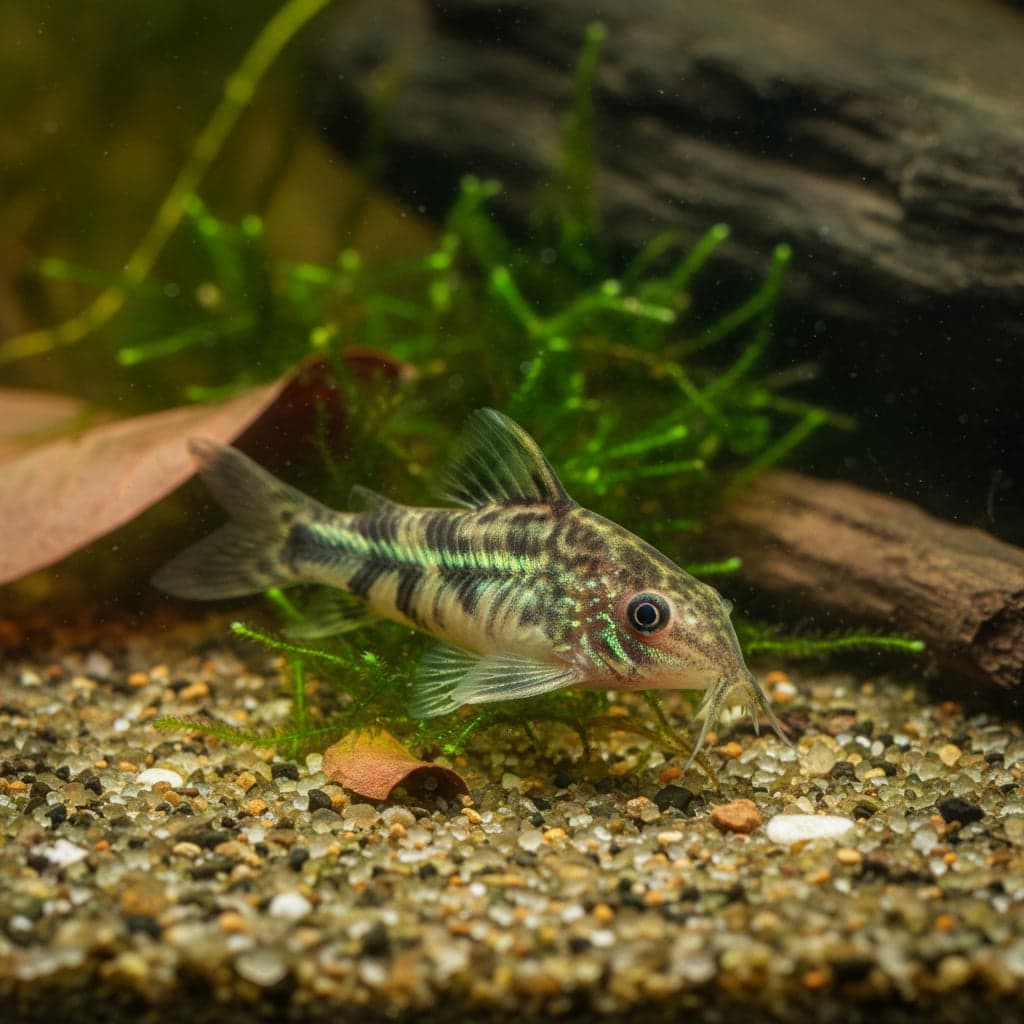
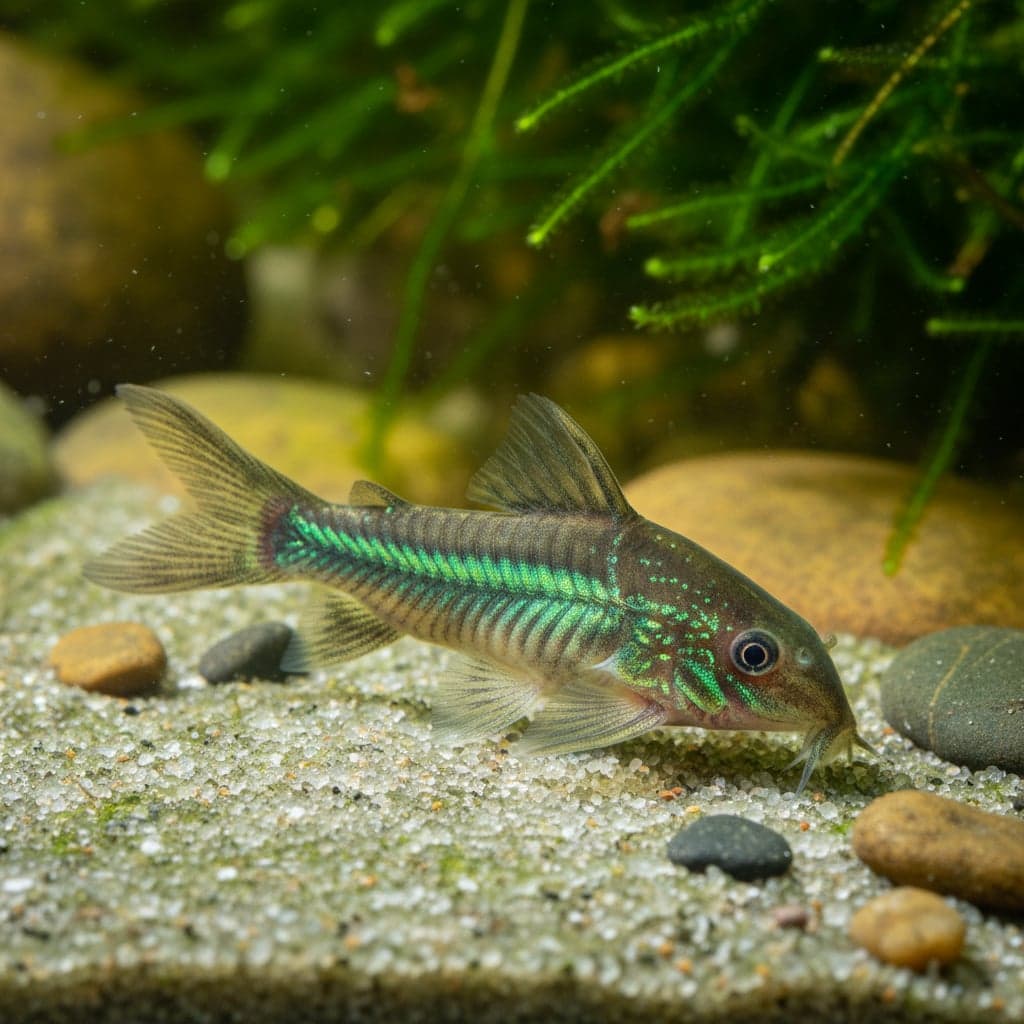
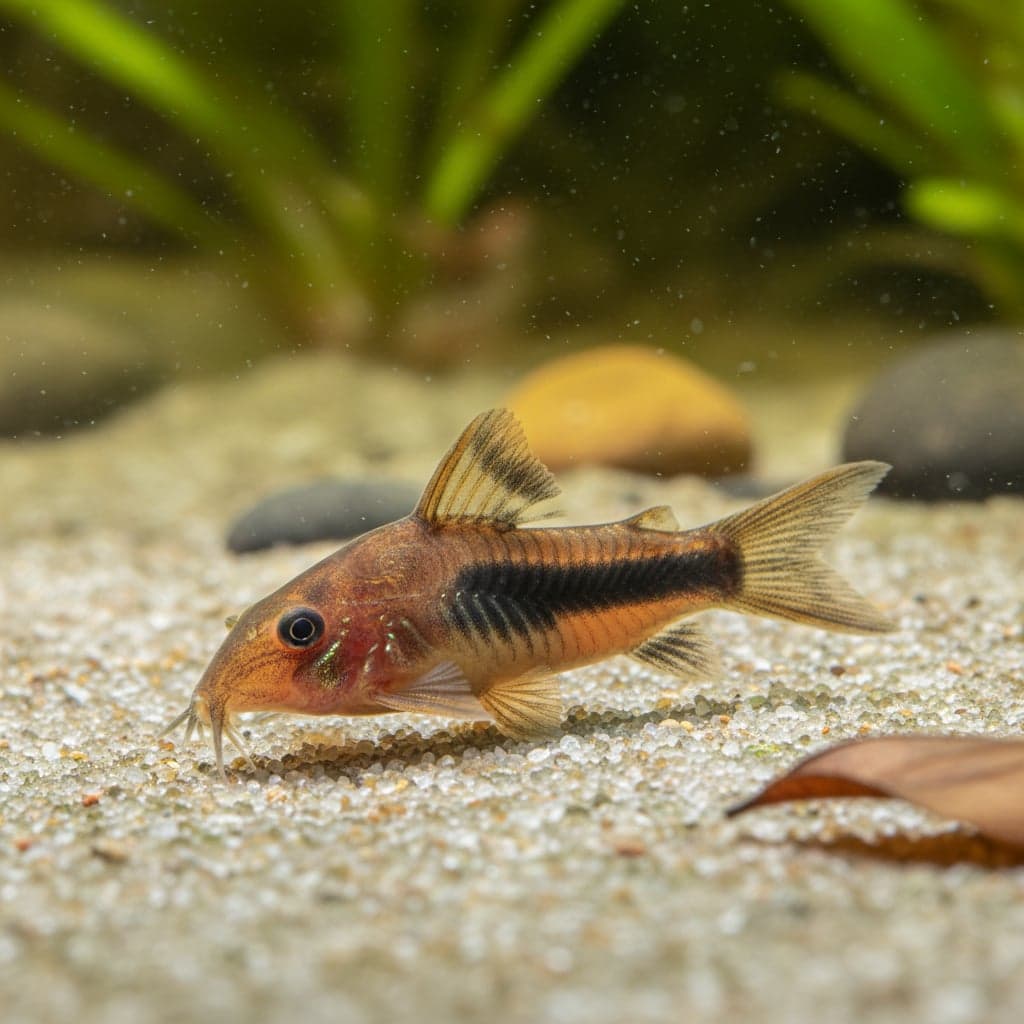
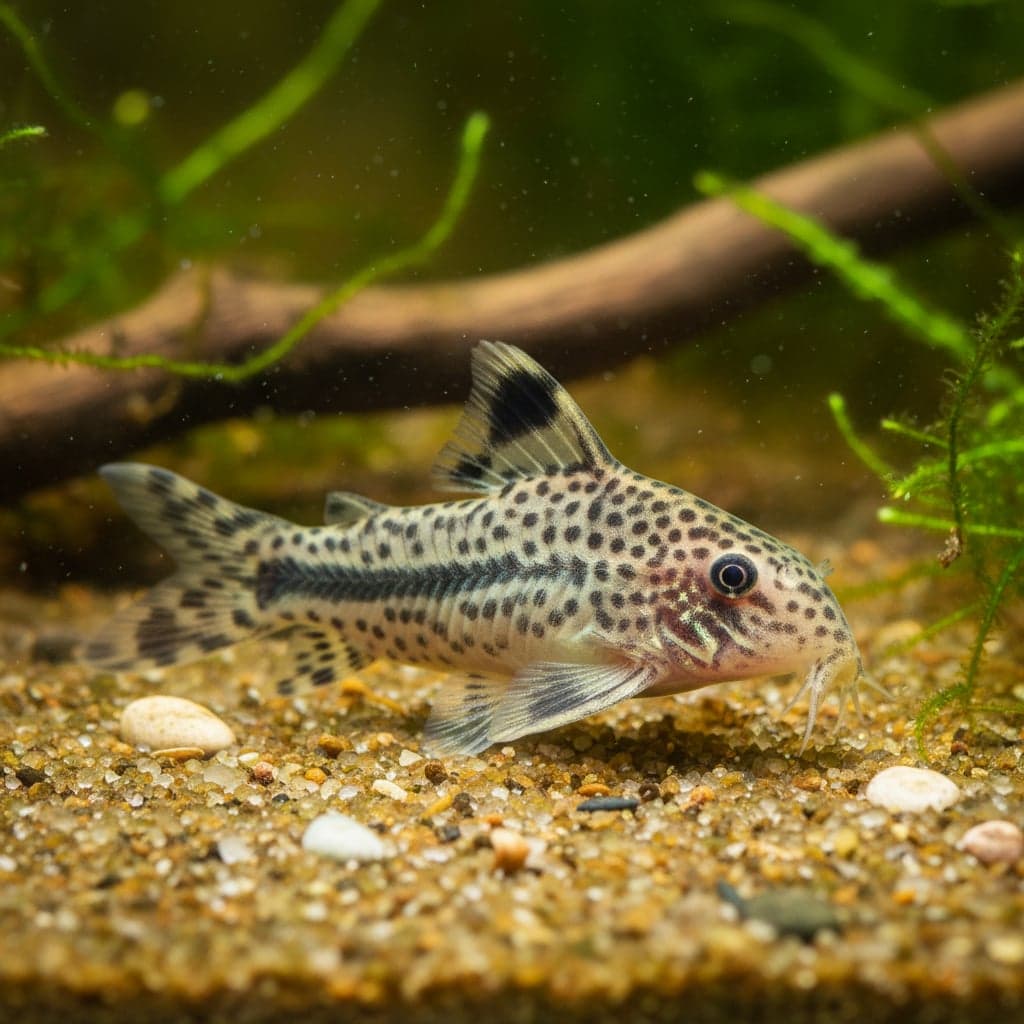
The Hovering Zebra Loach (Yunnanilus cruciatus), often referred to as the Vietnamese Multi-banded Loach or Rosy Loach (though Rosy Loach usually refers to Y. sp. "rosy"), is a jewel of the nano-aquarium world. Unlike most loaches that spend their lives pinned to the substrate, this species is a mid-water specialist. They possess a unique swimming style, frequently "hovering" in place or gliding effortlessly through the water column, much like a tetra or a rasbora. Their bodies are adorned with a striking series of vertical dark bars—often 10 to 15—over a shimmering golden or silver base.
In the aquarium, they are prized for their peaceful nature and their highly active, inquisitive personalities. Being tiny—reaching only about 1.5 inches (4 cm)—they are perfect for high-end aquascapes and desktop setups.
Natural Habitat & Origin
Despite its genus name, Yunnanilus cruciatus is native to central Vietnam, specifically found in the rivers and coastal streams of the Annamite Mountains. They inhabit slow-moving, clear waters with abundant aquatic vegetation and soft, sandy or silty substrates. These environments are often shaded by overhanging forest canopy, creating a cool, stable habitat.
Care Requirements
The Hovering Zebra Loach is a social species that needs a well-planned environment. A minimum tank size of 10-12 gallons (45L) is required for a school. They are sensitive to poor water quality and fluctuating parameters, so a mature, well-filtered setup is mandatory.
Maintain stable parameters: a pH of 6.0 to 7.5 and a temperature that can be slightly cooler than typical tropical tanks, ideally 68°F to 79°F (20°C to 26°C). The tank should be heavily planted with fine-leaved species like Rotala, Myriophyllum, or mosses, which provide shelter and harbor the micro-organisms they love to hunt. Subdued lighting and the addition of some driftwood will help replicate their forest stream origin.
Diet & Feeding
This species is primarily a micro-predator. In the wild, they hunt for tiny aquatic invertebrates, insect larvae, and zooplankton among the plants.
In captivity, they require small, high-quality foods:
- High-quality micro-pellets and crushed flakes
- Frozen foods (Baby Brine Shrimp, Cyclops, and Daphnia)
- Small live foods like freshly hatched brine shrimp or microworms
- Note: Because they are mid-water swimmers, they may not always find food on the bottom, so floating or slow-sinking foods are preferred.
Behavior & Temperament
They are deeply social and peaceful. To see their full range of natural "hovering" behaviors and reduce stress, they MUST be kept in a school of at least 8-10 individuals. In larger groups, they exhibit fascinating social dynamics and become much bolder. They are completely non-aggressive and can be kept with even the smallest nano-fish and ornamental shrimps (like Neocaridina).
Tank Mates
Suitable tank mates include other peaceful nano-species:
- Celestial Pearl Danios (CPDs)
- Chili Rasboras and other Boraras species
- Dwarf Shrimp and Snails
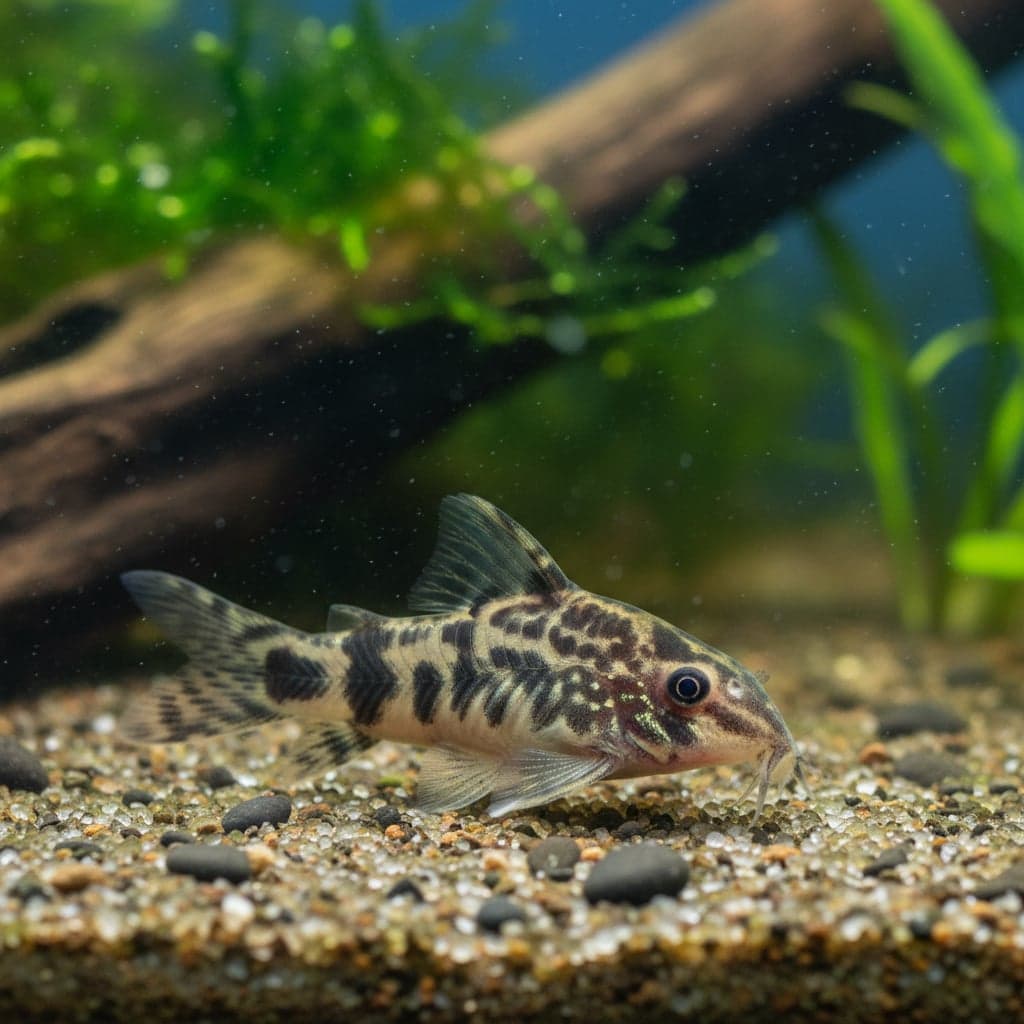
- Small, peaceful catfish (Otocinclus or Pygmy Corydoras)
Avoid keeping them with large, active, or aggressive fish that could easily intimidate or prey upon these tiny loaches.
Breeding
Breeding Yunnanilus cruciatus in the home aquarium is possible but infrequent. They are egg-scatterers. To encourage spawning, provide dense mats of moss or spawning mops and condition the school with high-quality live foods. The adults do not provide parental care and will likely consume any eggs they find, so a separate breeding tank or a heavily moss-filled "jungle" setup is necessary for fry survival.
Common Health Issues
They are generally hardy once acclimated but are sensitive to osmoregulatory stress if moved between wildly different water parameters. Always use a slow drip-acclimation process. Like all loaches, they have very small scales and are highly sensitive to copper-based medications and salt. Maintaining a low-nitrate, heavily planted environment is the key to their long-term health.