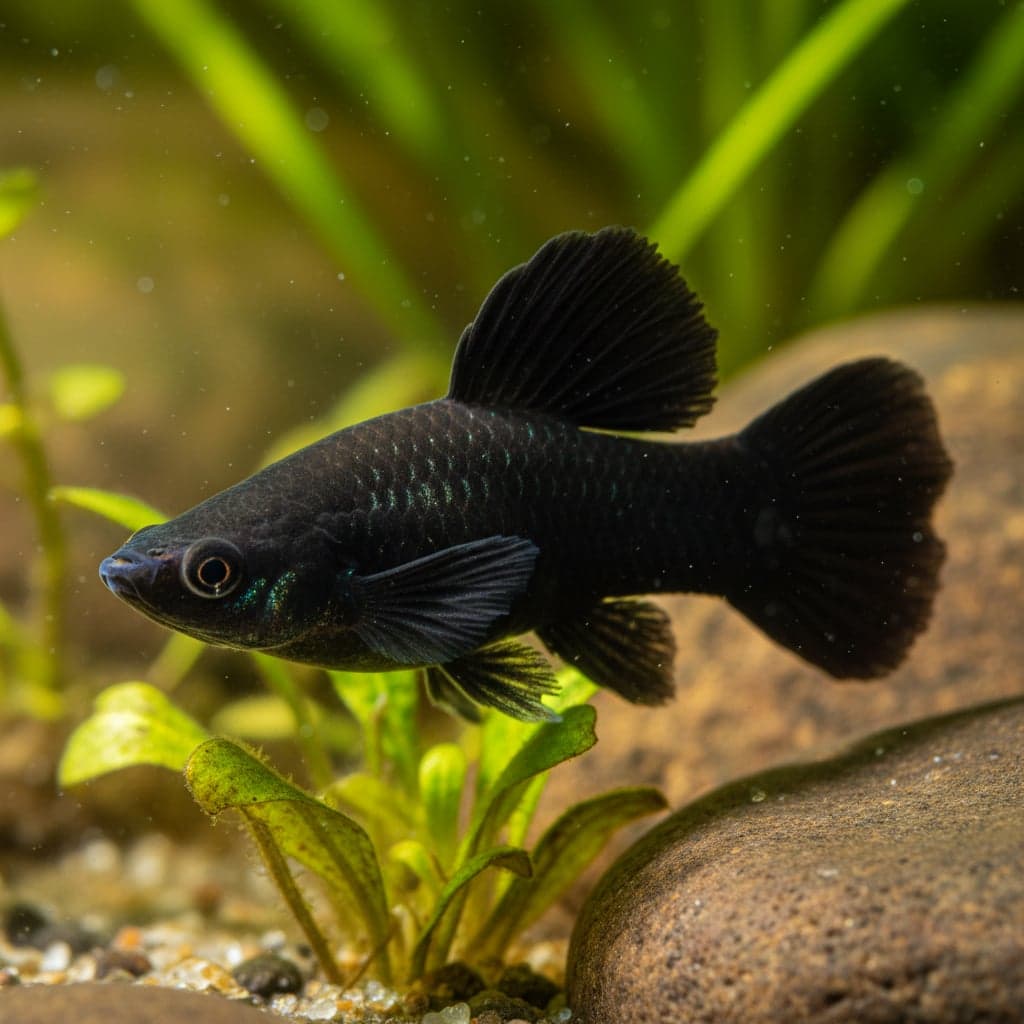
Humpback Limia: Limia nigrofasciata
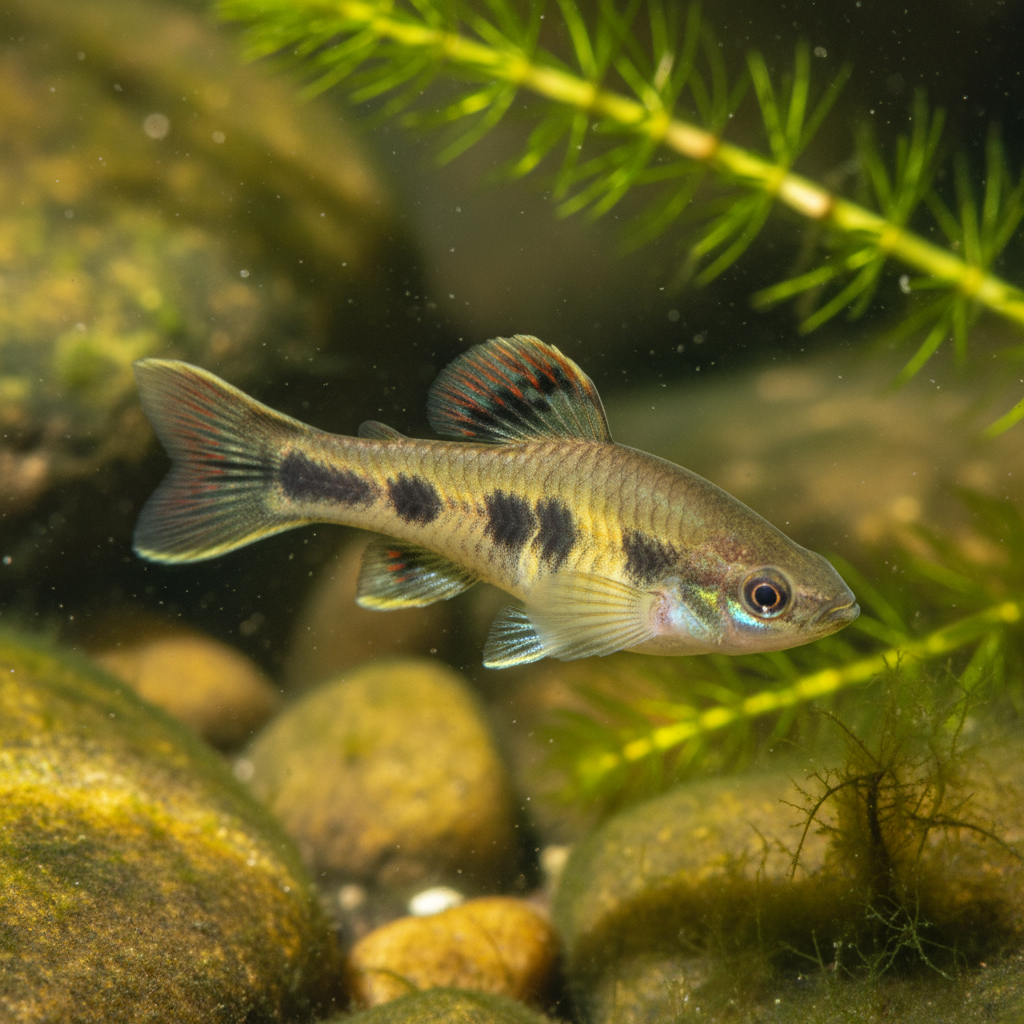
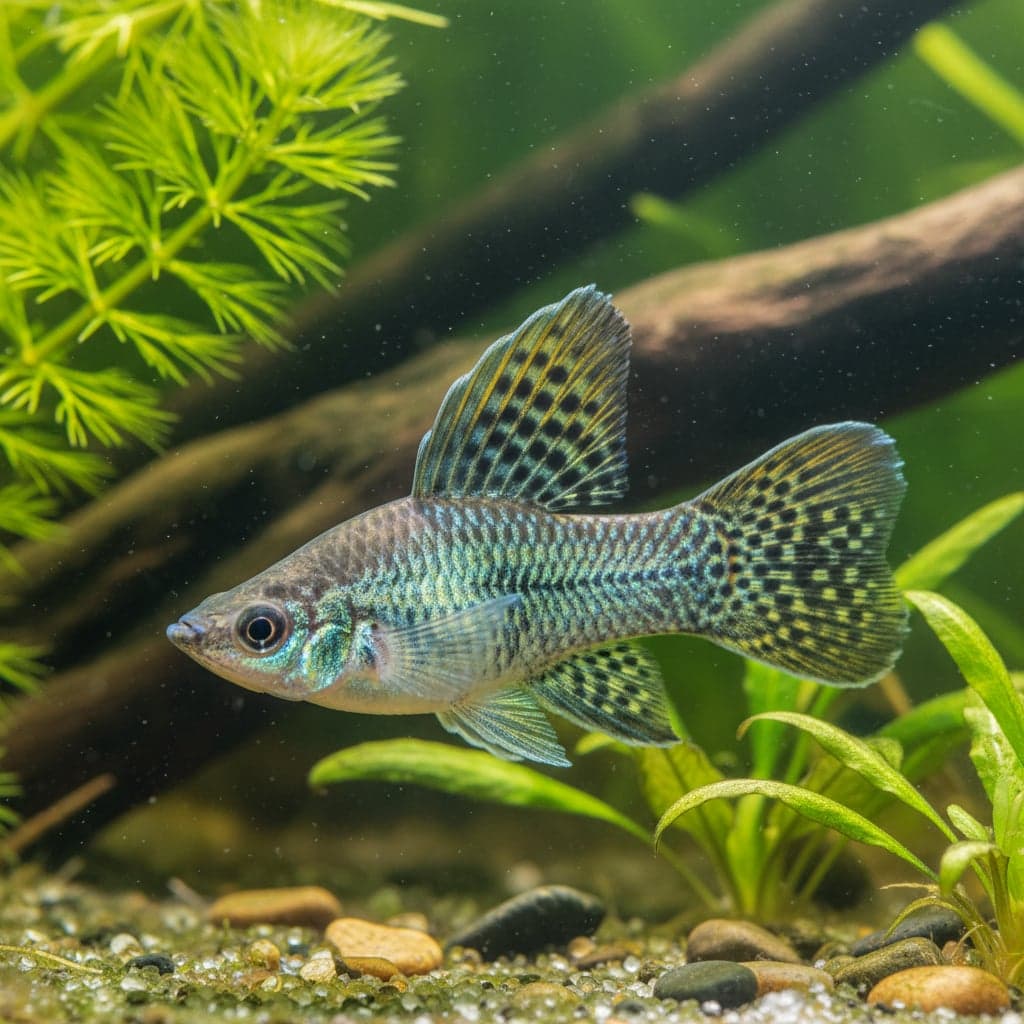
The Humpback Limia (Limia nigrofasciata) is a unique livebearer endemic to Haiti, famous for the massive, arched dorsal hump that develops on mature, dominant males.

The Humpback Limia (Limia nigrofasciata), also known as the Black-banded Limia, is one of the most physically distinct members of the livebearer family (Poeciliidae). While females look like standard, robust livebearers, mature males undergo a dramatic transformation. AS they age and establish dominance, their back arches upward into a high, muscular hump, and their dorsal fin becomes broad and sail-like. Their golden-olive bodies are marked by 7 to 9 vertical black bars, which intensify when the fish is in breeding condition or displaying.
In the aquarium, they are prized for their hardiness and their fascinating social structure. Unlike some more common livebearers, Humpback Limias are quite social and do best in a colony where dominant males can display their impressive profiles.
Natural Habitat & Origin
Limia nigrofasciata is endemic to Lake Miragoane in southwestern Haiti. This is a large, freshwater lake with clear, alkaline water and an abundance of aquatic vegetation. They are typically found in shallow, sunlit areas where algae and micro-crustaceans are plentiful. Because they are restricted to a single lake system in the wild, aquarium-bred populations are vital for the conservation of this species.
Care Requirements
Humpback Limias are exceptionally hardy but have a strong preference for hard, alkaline water. A minimum tank size of 20 gallons (75L) is recommended for a self-sustaining colony. They are active swimmers and appreciate a well-oxygenated environment.
Maintain stable parameters: a pH of 7.5 to 8.5 and a temperature of 75°F to 82°F (24°C to 28°C). The tank should be heavily planted with species that can handle harder water, such as Vallisneria, Guppy Grass, or Java Fern. These plants provide essential grazing surfaces for algae and refuge for newborn fry. Excellent filtration is necessary to manage the population growth typical of healthy livebearers.
Diet & Feeding
Humpback Limias are opportunistic omnivores with a strong lean toward herbivory. In the wild, they spend most of their time grazing on "aufwuchs" (the film of algae and micro-organisms) covering rocks and plants.
In captivity, they thrive on a varied diet:
- High-quality veggie-based flakes and granules (Spirulina-rich)
- Frozen foods (Daphnia, Cyclops, and Brine Shrimp)
- Fresh blanched vegetables (Zucchini or Spinach)
- They will also efficiently graze on natural algae growth within the tank.
Behavior & Temperament
They are peaceful and highly social. They should be kept in a group, ideally with more females than males (e.g., a 1:2 or 1:3 ratio) to prevent the females from being stressed by the males' constant courtship displays. Males will frequently "pose" for each other, arching their humped backs and extending their dorsal fins in a non-violent display of dominance. They are compatible with almost any other peaceful community fish.
Tank Mates
Suitable tank mates include any peaceful fish that share their hard-water requirements:
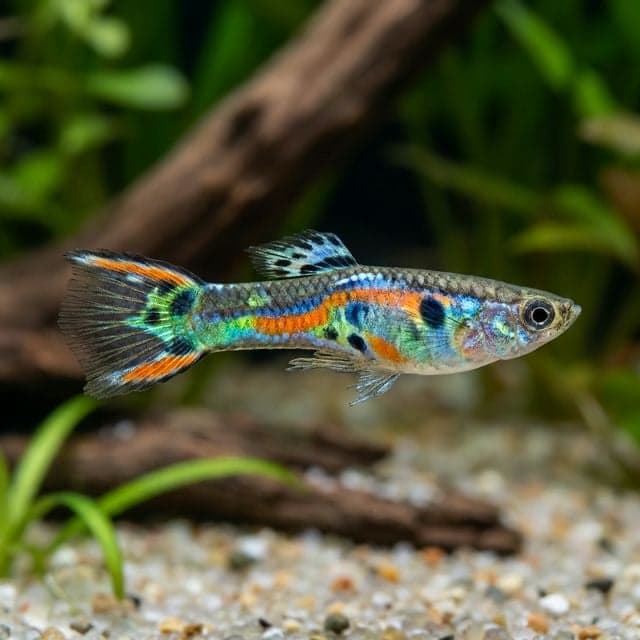
- Other Livebearers (Endlers, Swordtails, Platies)
- Rainbowfish
- Hardy Tetras (X-ray Tetras, Buenos Aires Tetras)
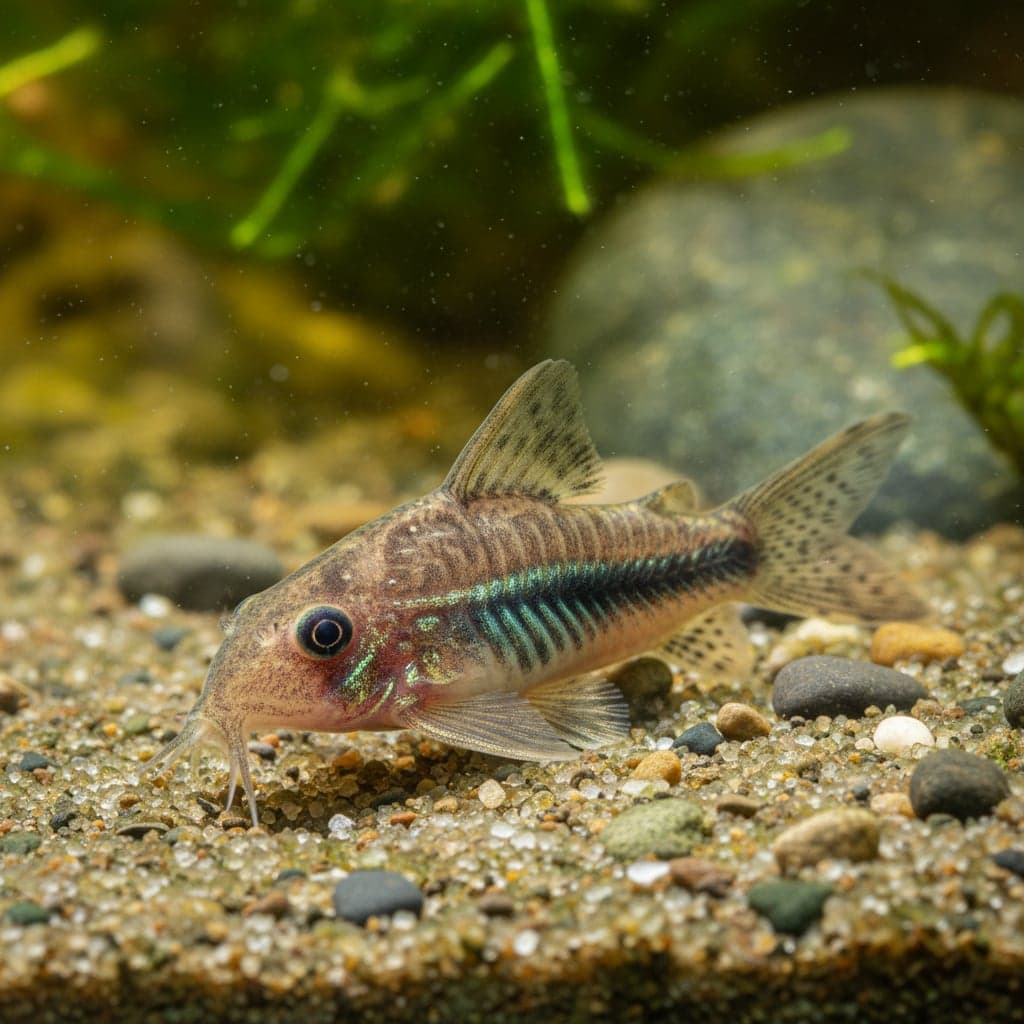
- Peaceful bottom dwellers (Corydoras, Ancistrus)
Avoid keeping them with very soft-water specialists or aggressive predators that might see them as food.
Breeding
Like all Limias, they are livebearers. They are prolific breeders, and a healthy colony will produce batches of 10 to 30 fry every 4 to 6 weeks. The gestation period is approximately 28 days. Unlike some other livebearers, Humpback Limias are not overly predatory toward their own fry, especially in a heavily planted tank. For maximum fry survival, ensuring there are plenty of floating plants like Water Lettuce or Hornwort is highly effective.
Common Health Issues
They are remarkably disease-resistant. However, like most livebearers, they can suffer from "shimmies" or opportunistic bacterial infections if kept in water that is too soft or acidic. Maintaining a high mineral content (GH and KH) and stable pH is the best way to ensure their long-term health and a lifespan of 3-5 years.