Humphead Glassfish: Parambassis pulcinella
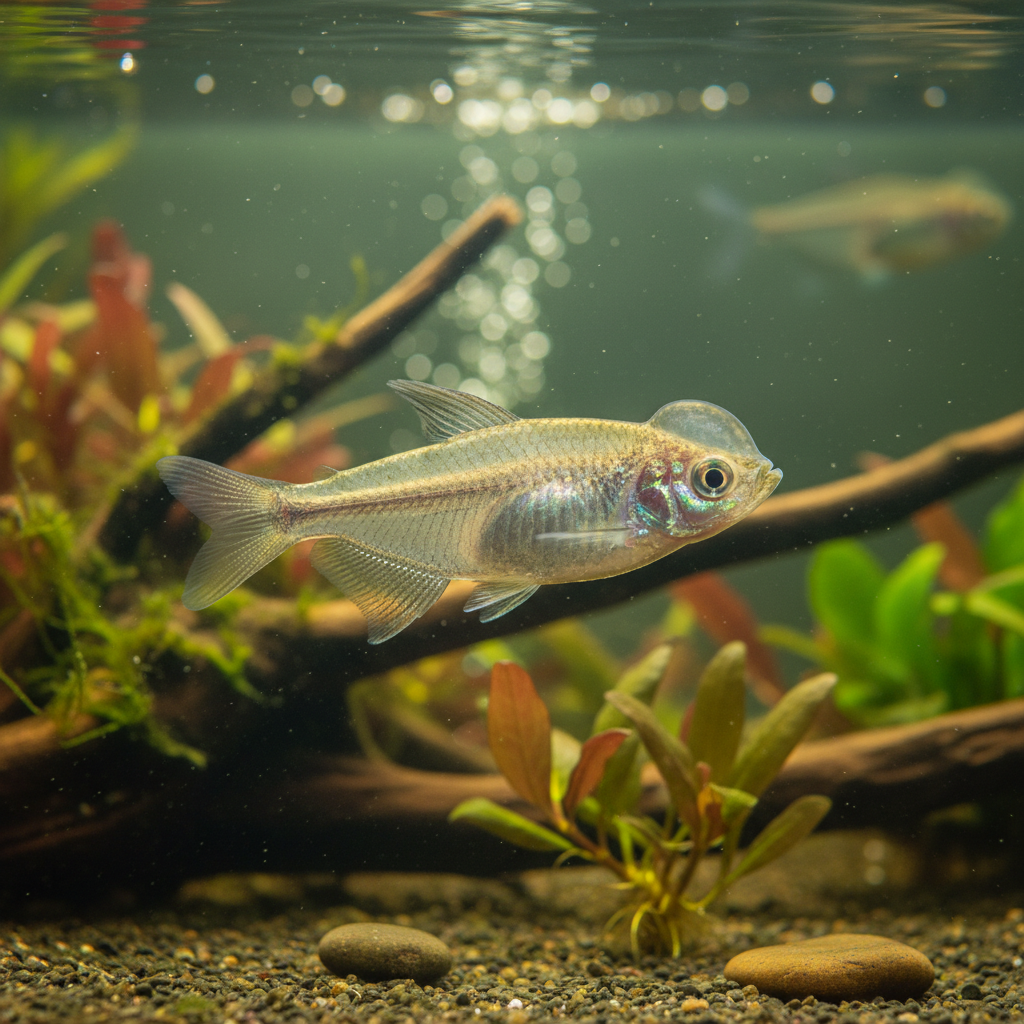
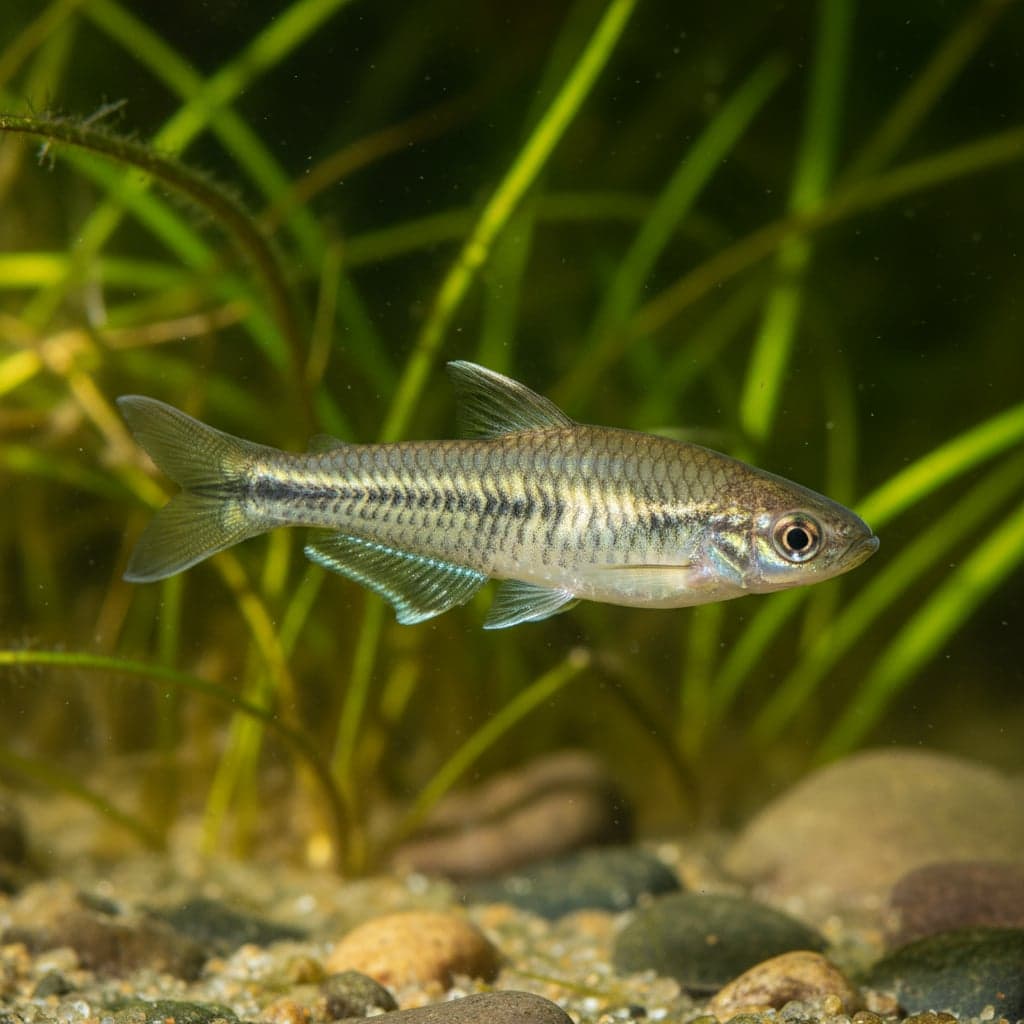
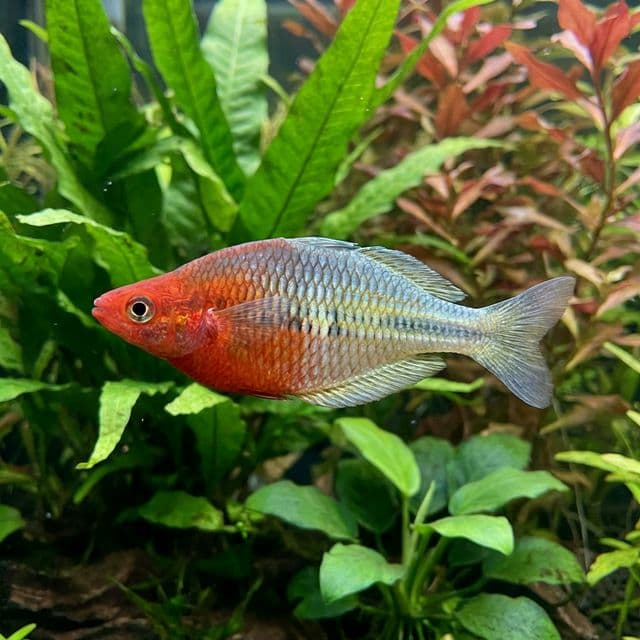
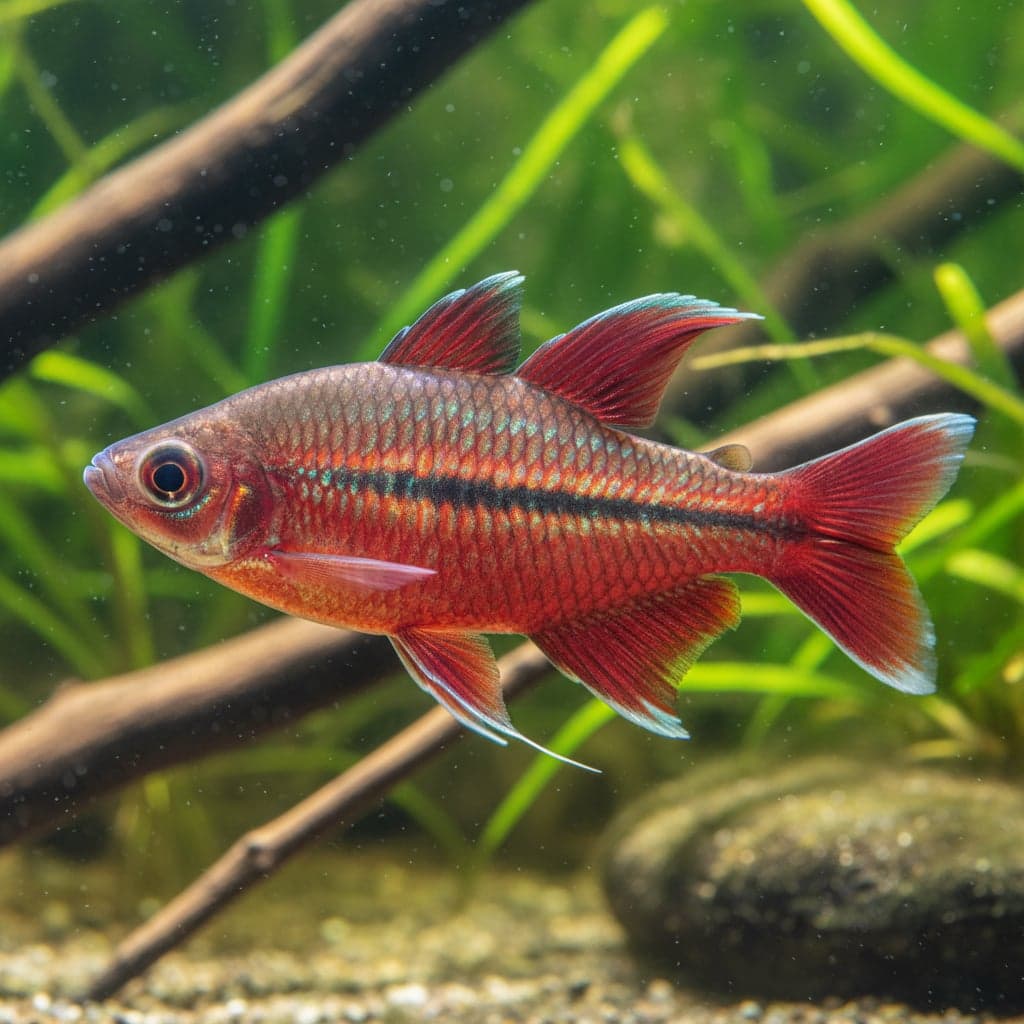
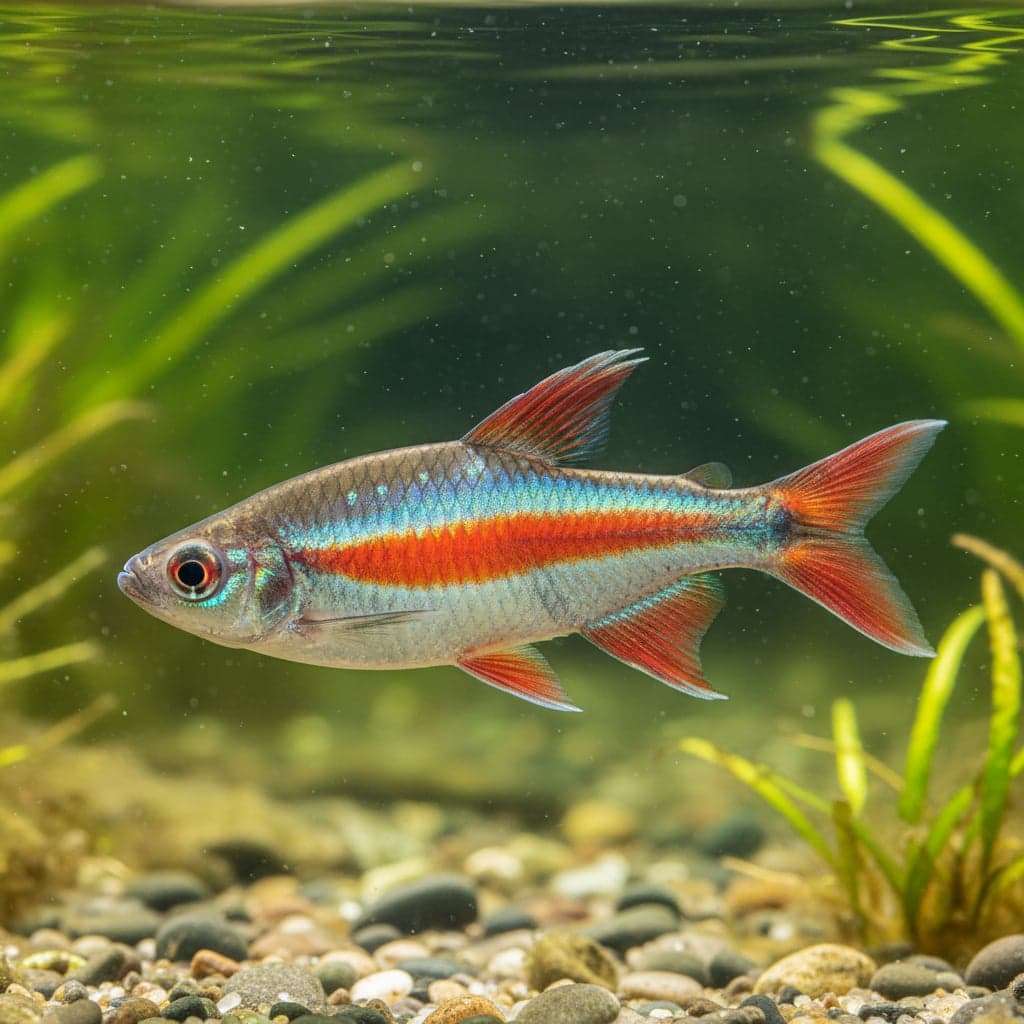
The Humphead Glassfish (Parambassis pulcinella) is a bizarre and truly unique species from Myanmar, distinguished by a massive, fleshy nuchal hump and a crystal-clear, transparent body.

The Humphead Glassfish (Parambassis pulcinella), also known as the Humphead Perchlet, is arguably the most bizarre member of the glassfish family (Ambassidae). While most glassfish are small and relatively standard in shape, P. pulcinella develops a massive, forward-projecting nuchal hump on its forehead as it matures. This fleshy structure, combined with its exceptionally tall dorsal fin and almost completely transparent body—which reveals the skeleton and internal organs—makes it a striking and otherworldly addition to the aquarium.
In the aquarium, they are prized as "river specialists." They are active, peaceful, and show their best behavior when kept in a school within a high-flow, oxygen-rich environment.
Natural Habitat & Origin
This species is native to Myanmar, specifically the Kayin State. They inhabit the fast-flowing, crystal-clear mountain streams of the Ataran River basin. These rivers are characterized by high dissolved oxygen levels, rocky substrates, and significant water movement. Unlike many Southeast Asian fish that inhabit stagnant swamps, the Humphead Glassfish is strictly adapted to flowing "hillstream" conditions.
Care Requirements
The Humphead Glassfish is not for the average community tank. Their most critical requirement is high oxygenation and significant water flow. A minimum tank size of 30 gallons (120L) is required for a small school. A powerhead or wavemaker is highly recommended to simulate their natural riverine environment.
Maintain stable parameters: a pH of 7.0 to 8.0 and a temperature of 74°F to 82°F (24°C to 28°C). They prefer neutral to slightly alkaline water with moderate hardness. The tank should be scaped with river stones, large boulders, and driftwood to create varied flow patterns and hiding spots. Robust plants like Anubias or Bolbitis can be used, but the main focus should be on providing open swimming volume in the current.
Diet & Feeding
Humphead Glassfish are primarily micro-predators. In the wild, they hunt for small aquatic insects, crustaceans, and larvae being swept along by the current.
In captivity, they can be finicky eaters initially:
- Frozen foods (Bloodworms, Mysis shrimp, and chopped Krill) are essential
- Live foods like Brine Shrimp or Daphnia will trigger their natural hunting instinct
- Many specimens will eventually accept high-quality sinking pellets or flakes, but meaty frozen foods should remain the staple of their diet.
Behavior & Temperament
They are peaceful and highly social. They MUST be kept in a group of 6 or more. In smaller groups, they can become shy or skittish. They are completely non-aggressive toward other species and spend much of their time shoaling together in the strongest part of the current. They are exceptionally agile swimmers, capable of darting through fast water with ease.
Tank Mates
Suitable tank mates include other "river" species that enjoy high flow:
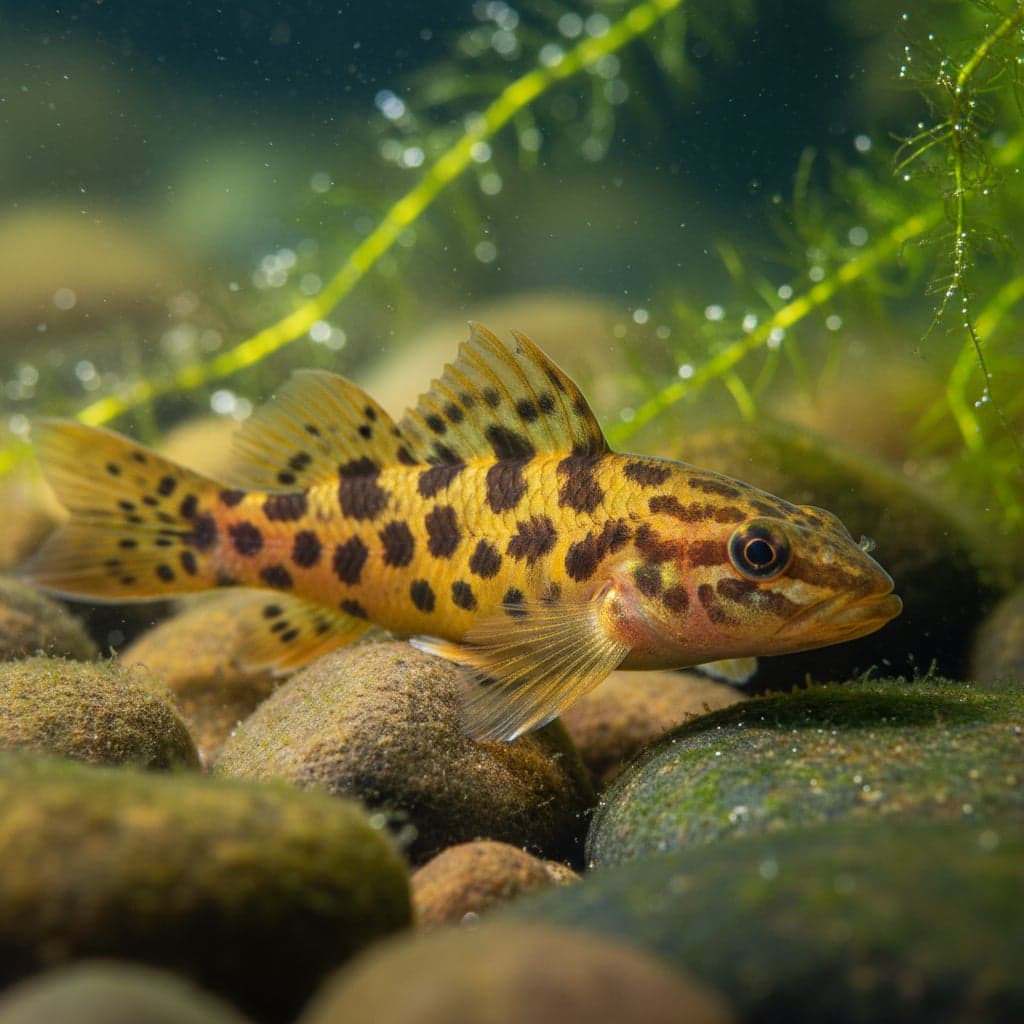
- Hillstream Loaches (Sewellia, Gastromyzon)
- Garra species (Panda Garra)
- Robust Danios (Giant Danios, Zebra Danios)
- Rainbowfish
- Peaceful riverine cichlids (Steatocranus)
Avoid keeping them with slow-moving fish that prefer stagnant water (like Gouramis or Angelfish), as the high flow required by the Glassfish will stress those species.
Breeding
Breeding Parambassis pulcinella in the home aquarium is very rare. They are egg-scatterers. In the wild, they likely spawn among rocks or vegetation in areas of high flow. Inducing spawning in captivity likely requires mimicking the monsoon season with large water changes and high-quality live food.
Common Health Issues
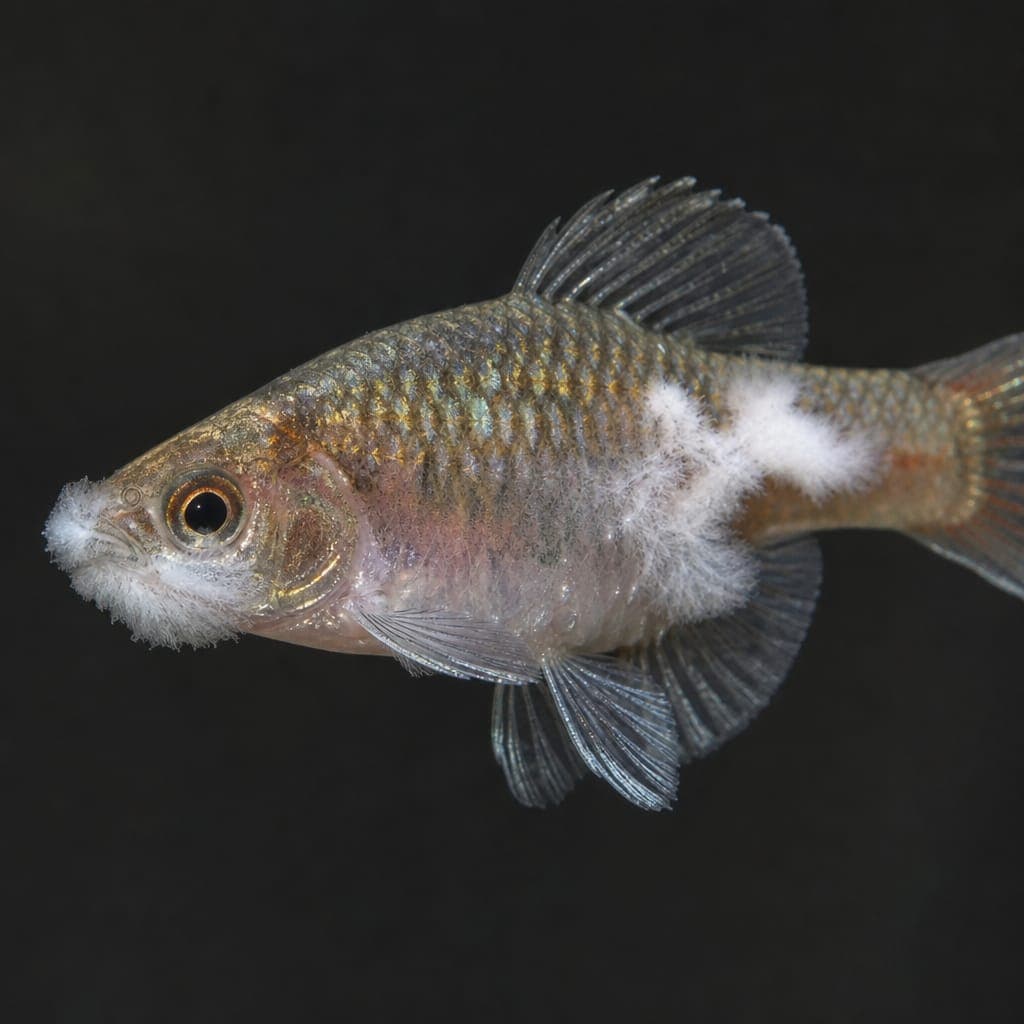
The primary health concern for this species is hypoxia (low oxygen). If the water movement is insufficient or if the temperature rises too high without compensatory aeration, they will quickly show signs of stress. They are also sensitive to rapid changes in water chemistry. Maintaining pristine, highly oxygenated water is the key to their long-term health and preventing common issues like fungal infections.