Hypancistrus L199: Hypancistrus furunculus
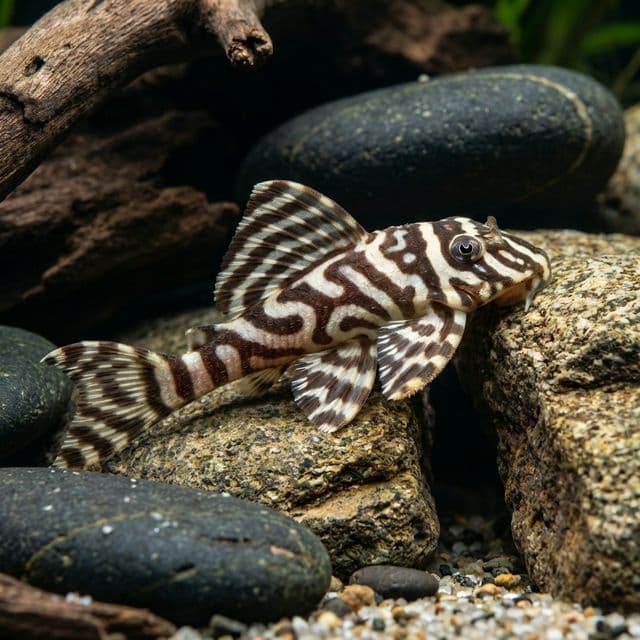
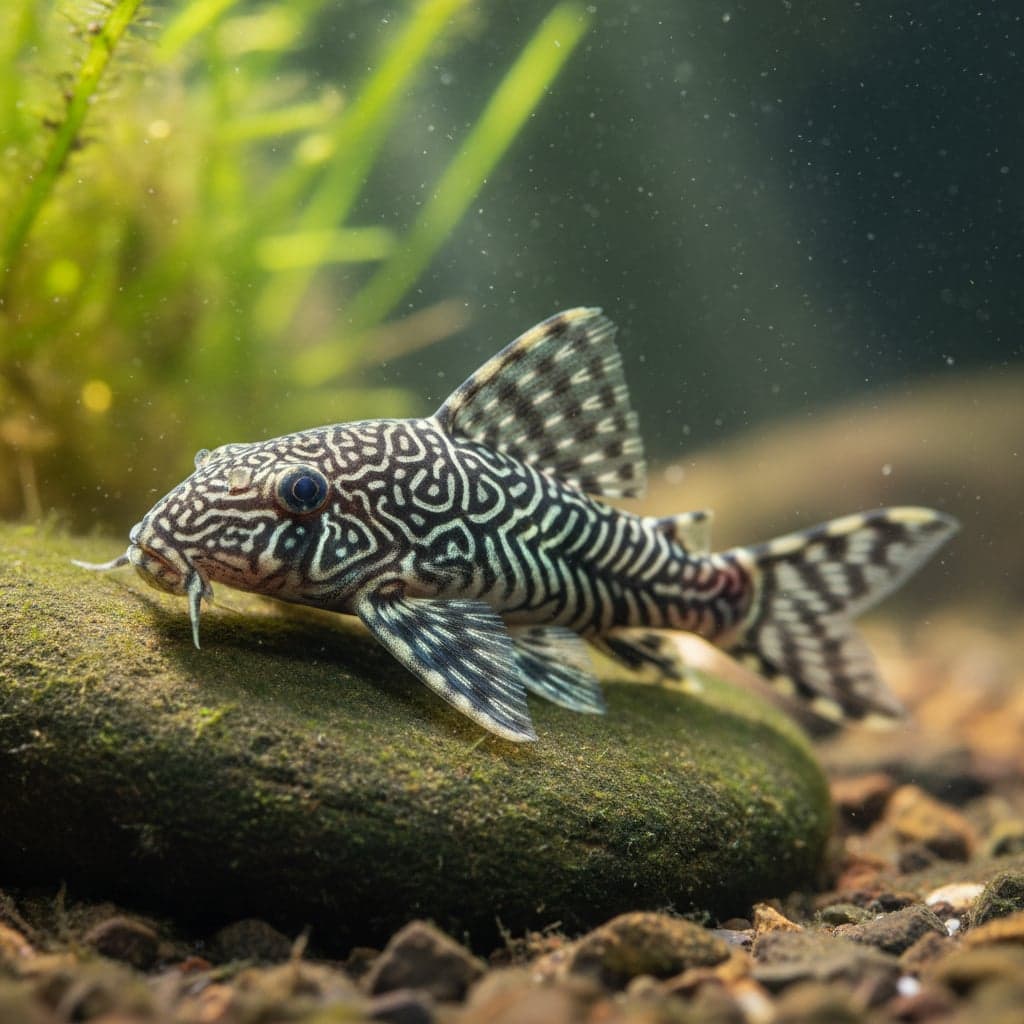
The Orinoco Zebra Pleco (Hypancistrus furunculus, L199) is a stunning, high-contrast zebra-patterned pleco from the rocky rapids of the Orinoco, highly prized for its manageable size and bold markings.
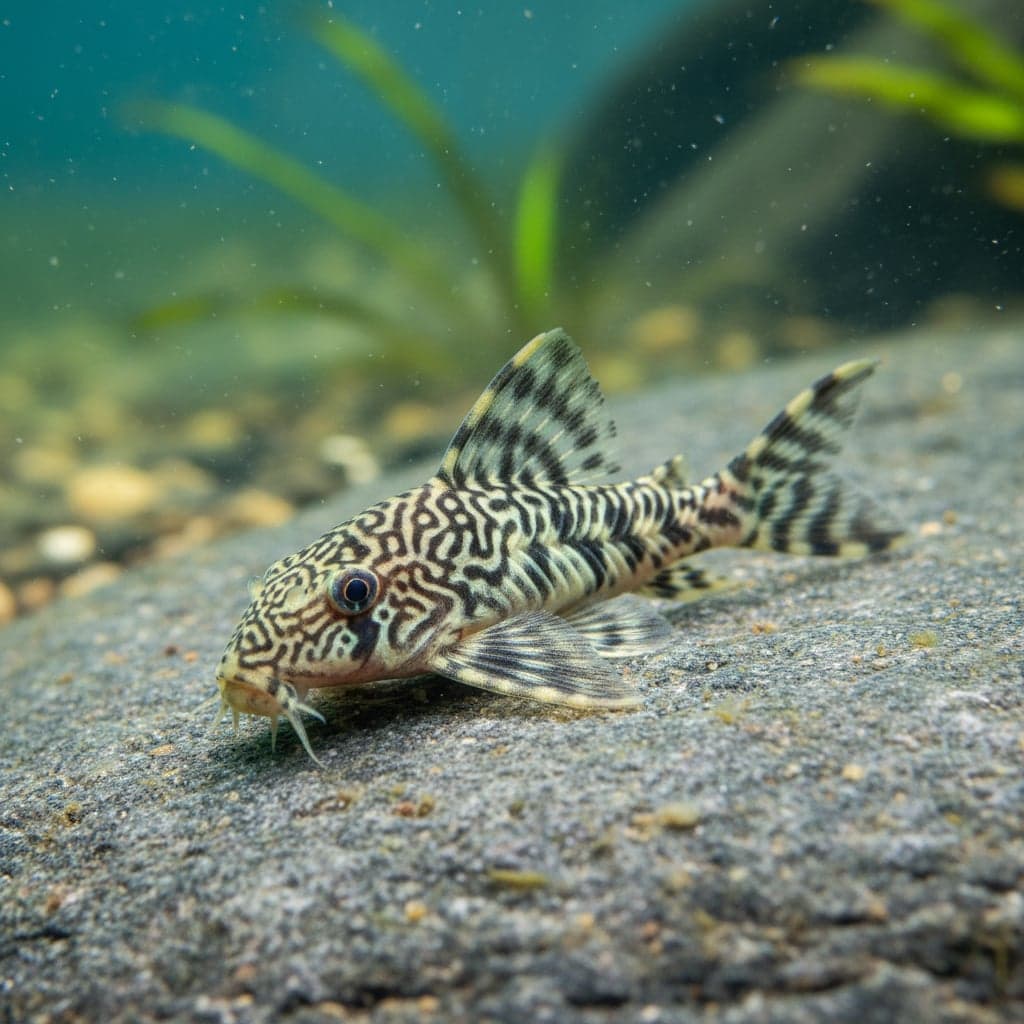
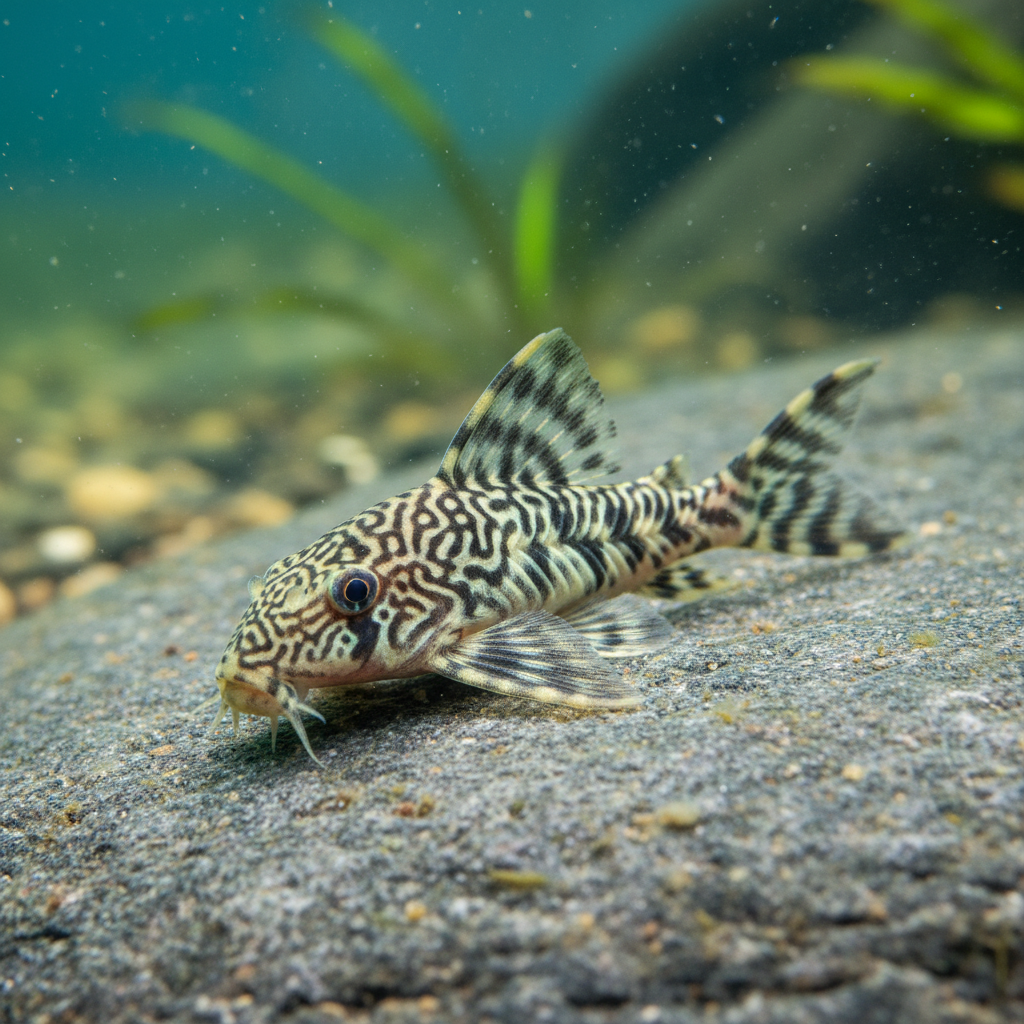
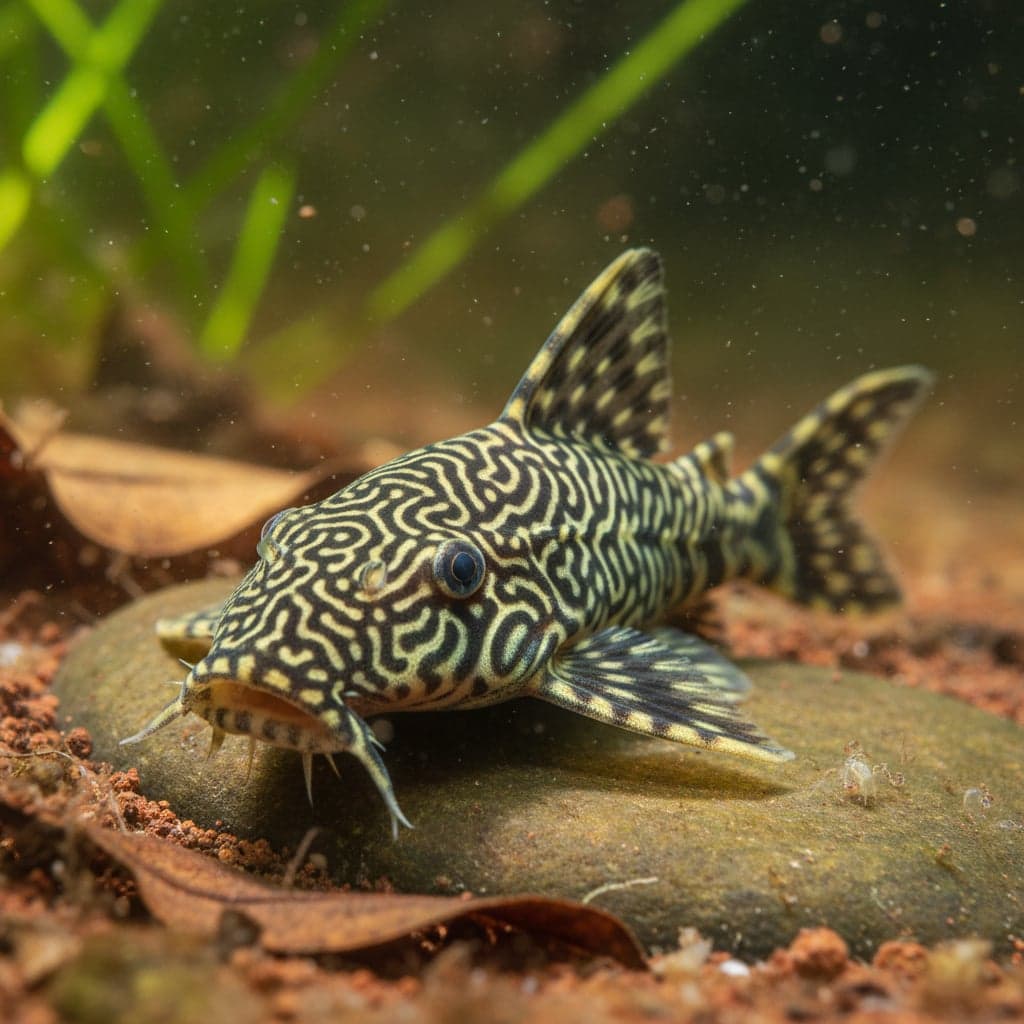
The Orinoco Zebra Pleco (Hypancistrus furunculus), designated as L199, is one of the most popular and visually striking members of its genus. Unlike the common plecos that graze on algae, the L199 is a "fancy" pleco that specializes in high-flow, rocky environments. Its body is covered in a beautiful, disorganized mesh of bold cream-to-yellow and dark brown-to-black vertical bands, giving it a vibrant "zebra" appearance. Reachable to a manageable 4.5 to 5 inches, they are perfect for enthusiasts wanting a high-end look without the space requirements of larger species.
In the aquarium, they are prized as "riverine specialists." They require warm, highly oxygenated water and a protein-rich diet, making them a premium addition to specialized South American biotope setups.
Natural Habitat & Origin
Hypancistrus furunculus is found in the Upper River Orinoco basin in Venezuela, particularly near the confluence of the Rio Orinoco and Rio Ventuari. They inhabit areas of fast-flowing water and rapids, dwelling deep within the crevices and cracks of submerged volcanic rock piles. These waters are typically warm (26°C+) and neutral to slightly acidic.
Care Requirements
The Orinoco Zebra Pleco is not a "cleaner" fish and requires specific environmental conditions. A minimum tank size of 20 gallons (75L) is suitable for a single individual or a pair, but a 30-gallon long is better for a group.
Maintain stable parameters: a pH of 6.0 to 7.5 and a temperature of 78°F to 86°F (26°C to 30°C). They are flow specialists; the use of a powerhead or strong filter outlet is necessary to provide the high levels of dissolved oxygen they crave. The tank should be decorated with rock piles and specialized pleco caves (ceramic or slate) to mimic their natural rocky crevices. A sandy substrate is ideal. Unlike many other plecos, they do not require driftwood for digestion, though it can provide cover.
Diet & Feeding
L199 is primarily a carnivore. They lack the specialized teeth for grazing on wood or large amounts of algae. In captivity, they require protein-heavy foods:
- High-quality sinking carnivore pellets and wafers
- Frozen foods (Bloodworms, Mysis shrimp, and chopped Krill)
- Fresh chopped prawns or mussels
- Note: They may occasionally graze on the biofilm or soft algae, but this should not be their primary source of nutrition.
Behavior & Temperament
They are peaceful and social but can be territorial over their chosen caves, especially among males. They are most active at night or during feeding times. Unlike many common plecos, they are not destructive to plants, though they may accidentally uproot delicate species if they dart for cover.
Tank Mates
Suitable tank mates include other peaceful, warm-water species that enjoy flow:
- Larger Tetras (Bleeding Heart Tetras, Columbian Tetras)
- Discus (due to shared high-temperature requirements)
- Geophagus species
- Other peaceful Hypancistrus or Corydoras (specifically warm-water species like C. sterbai)
Avoid keeping them with very aggressive large cichlids or hyper-active bottom dwellers that might outcompete them for the limited space in caves.
Breeding
Breeding Hypancistrus furunculus is a common goal for advanced hobbyists. They are cave spawners. The male will trap a female inside his cave, where she will lay a clutch of 20-40 large yellow eggs. The male then guards the eggs and fry with extreme dedication, fanning them for 7 to 10 days until they hatch. The fry are large and relatively easy to raise on crushed sinking pellets and baby brine shrimp once their yolk sacs are absorbed.
Common Health Issues
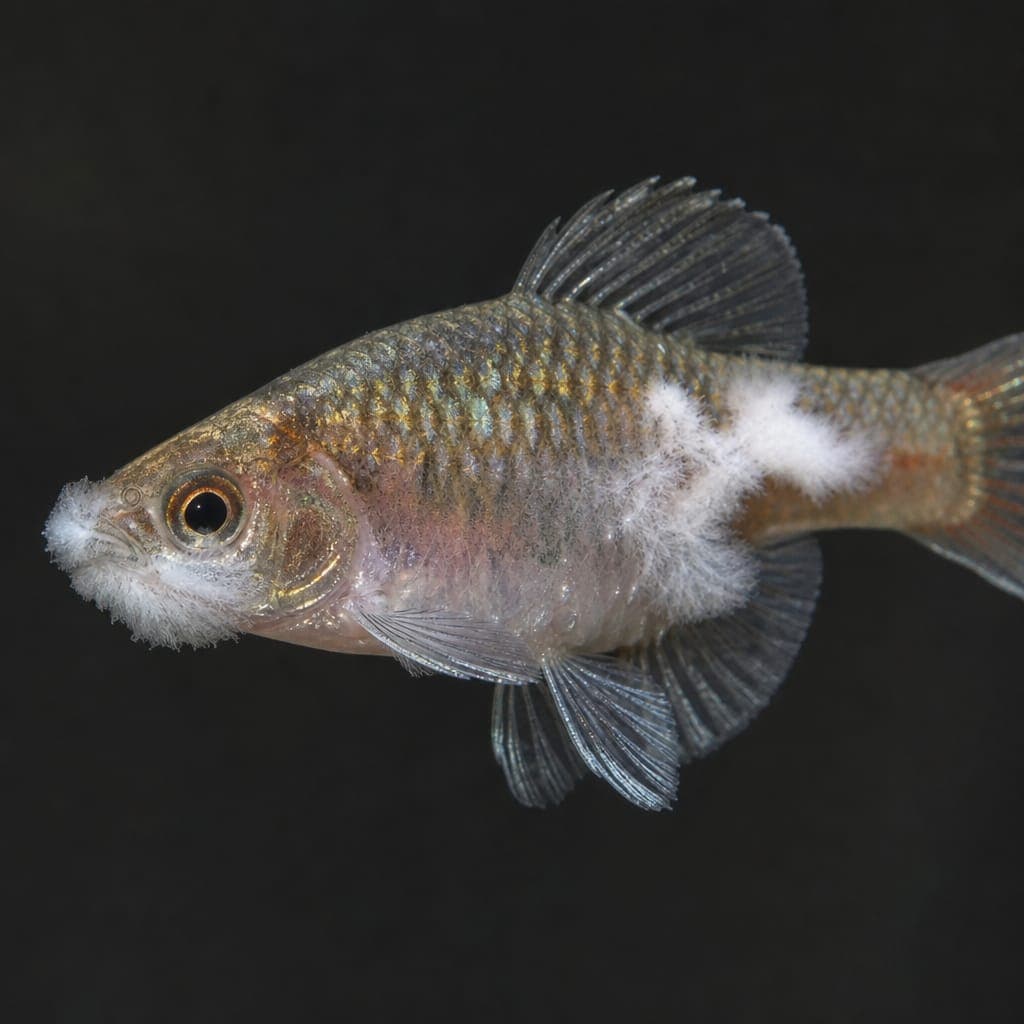
They are generally hardy but are sensitive to low oxygen levels. If the water movement stops or the temperature rises too high without extra aeration, they will quickly stress. They are also prone to "bloat" if fed too many low-quality fillers or fiber-heavy foods. Maintaining pristine, high-flow water is the key to their long-term health and preventing common issues like fungal infections of the fins.