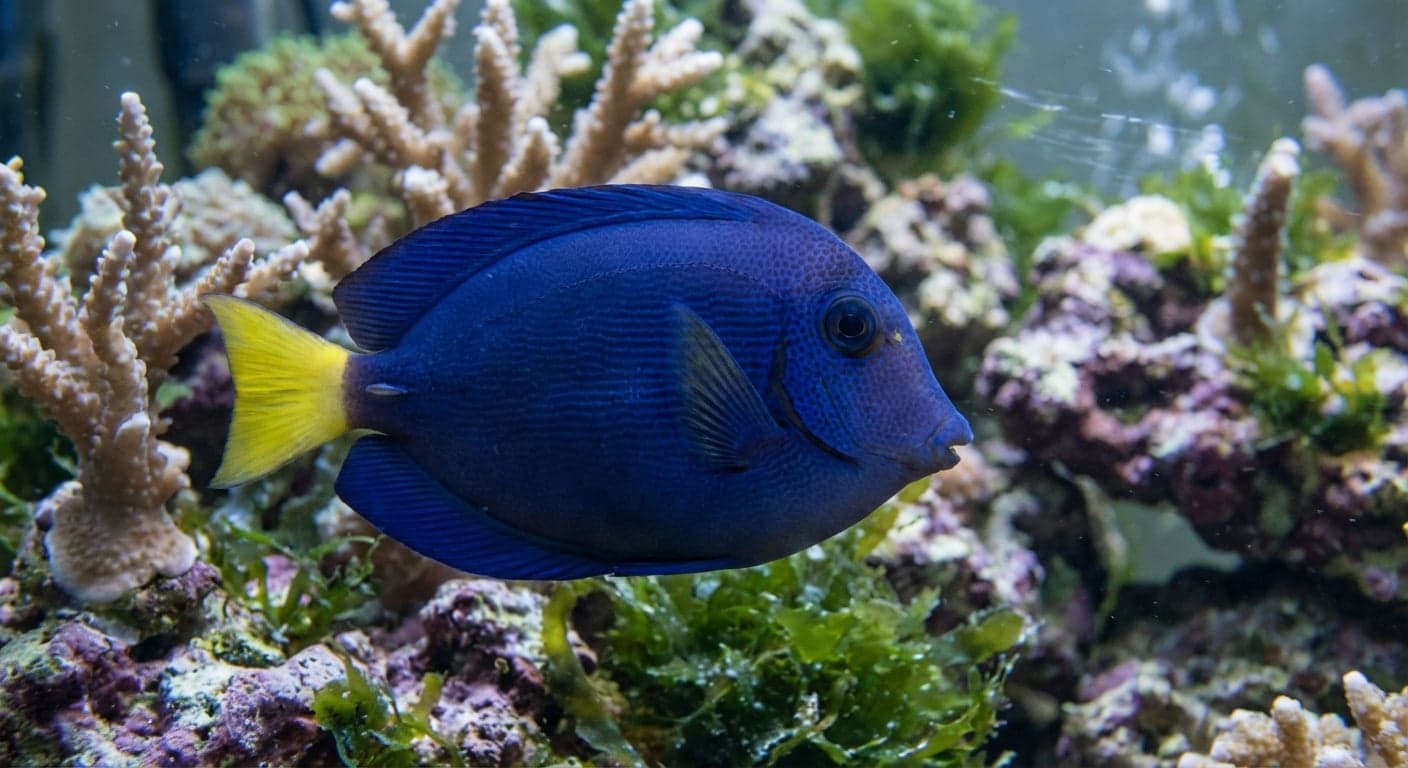
Indian Ocean Sailfin Tang: Zebrasoma desjardinii
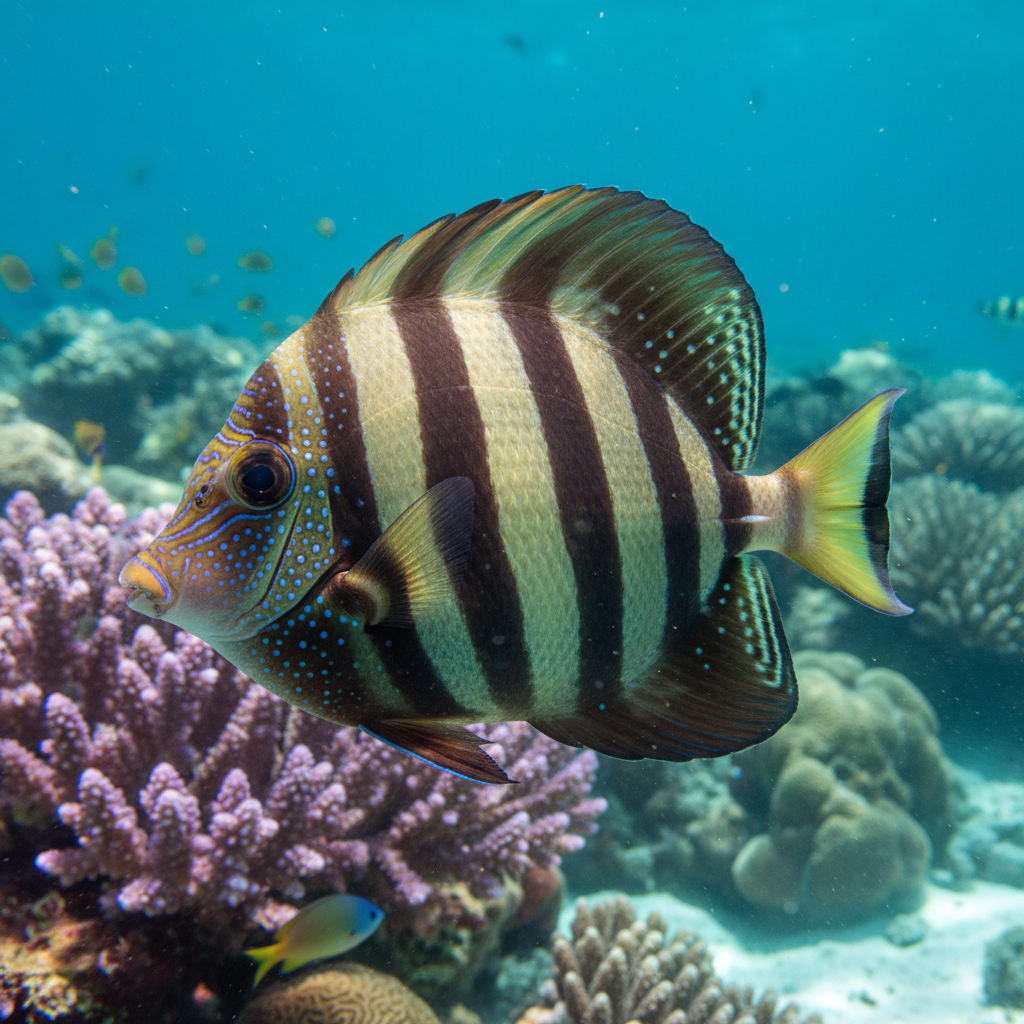
The Indian Ocean Sailfin Tang (Zebrasoma desjardinii), also known as the Desjardin's Sailfin Tang, is a magnificent and massive surgeonfish prized for its intricate patterns of spots and stripes and its unparalleled utility as an algae grazer.
Also known as: Desjardin's sailfin tang · Zebrasoma desjardinii
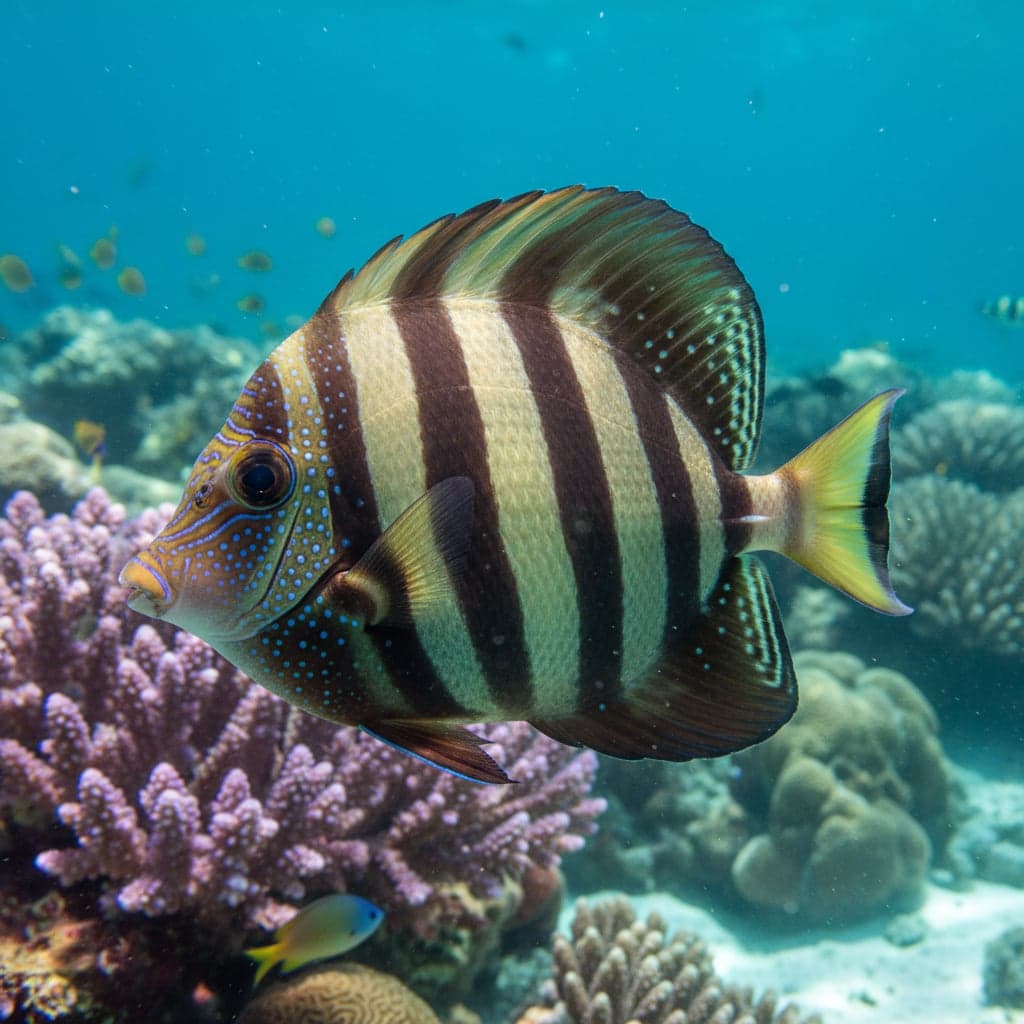
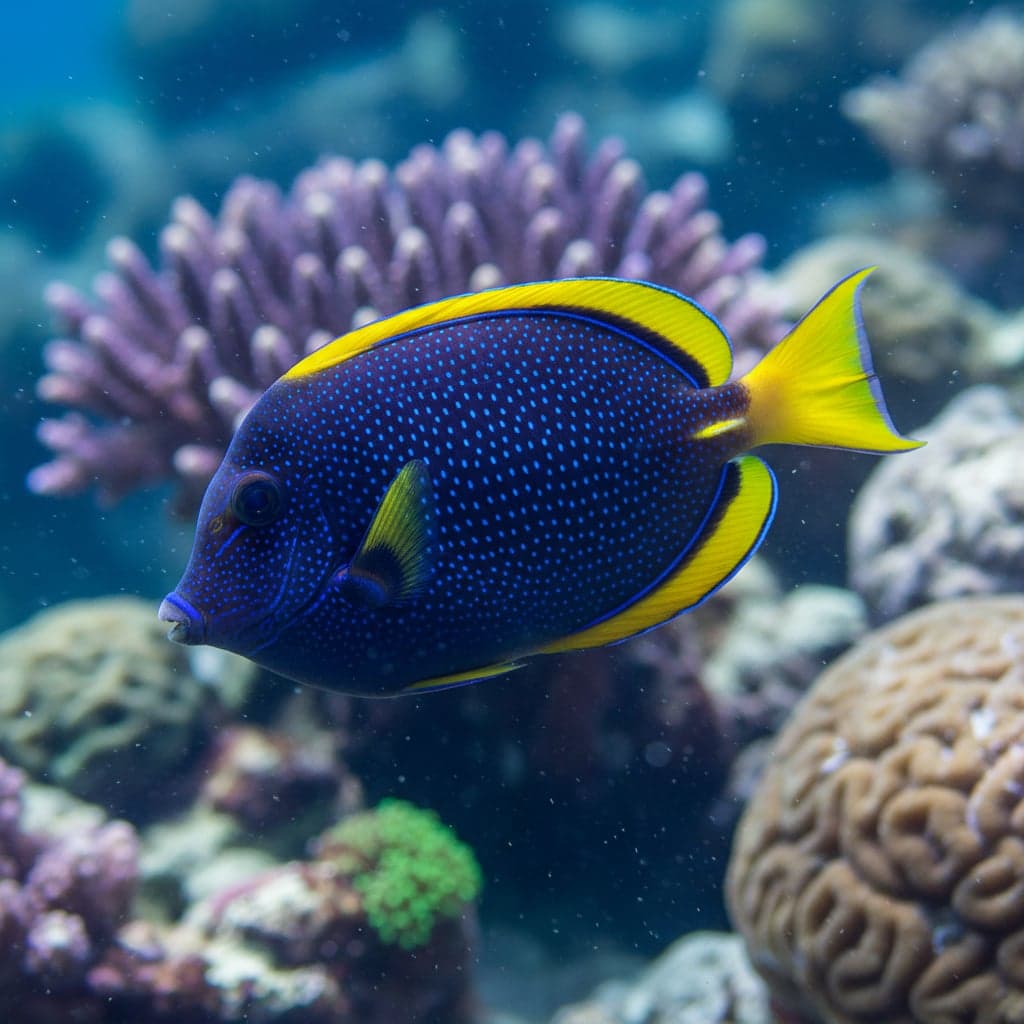
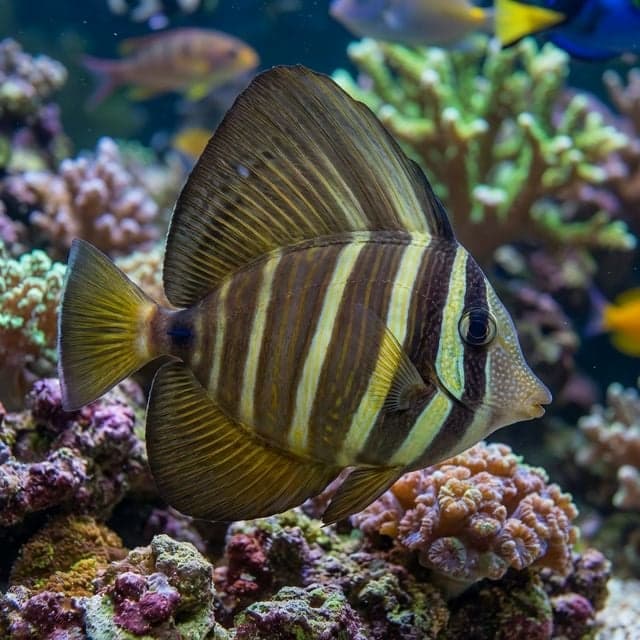
The Indian Ocean Sailfin Tang (Zebrasoma desjardinii), or Desjardin's Sailfin Tang, is a true titan of the home reef. While widely available, it is often underestimated in terms of its adult size and environmental requirements. It is a stunning fish, featuring a base of alternating dark and light vertical bars covered in a fine network of intricate golden-orange spots that extend even onto its massive, sail-like fins. When threatened or displaying, it can dramatically expand its dorsal and anal fins, nearly doubling its vertical profile and creating one of the most imposing silhouettes in the marine hobby.
In the aquarium, they are legendary for their work ethic. They are aggressive grazers that will tirelessly comb the rockwork for nearly all types of nuisance algae, including the difficult-to-control hair and bubble algae. However, their large size and high metabolism mean they require massive swimming spaces and heavy biological filtration.
Natural Habitat & Origin
Zebrasoma desjardinii is native to the Western Indian Ocean, including the Red Sea, the Persian Gulf, and the waters around the Seychelles and Mauritius. They are typically found in shallow lagoons and seaward reefs at depths of 2 to 30 meters. As juveniles, they often seek shelter among branching corals or in seagrass beds, while adults are found patrolling the reef crest in search of dense algal mats.
Care Requirements
The Desjardin's Sailfin Tang is strictly for large aquariums. A minimum tank size of 125 gallons (500L) is required for a juvenile, with 180-240 gallon systems being more appropriate for long-term health as they reach their massive 16-inch (40 cm) adult size.
Maintain stable parameters: a pH of 8.1 to 8.4 and a salinity of 1.023 to 1.025. They require high oxygen levels and powerful water movement. Efficient protein skimming is essential to manage the waste produced by such a large, high-metabolism herbivore. The tank should feature massive amounts of live rock arranged with many swim-throughs, providing both grazing surfaces and the open swimming lanes these active fish crave.
Diet & Feeding
They are specialized herbivores. While they will eat nearly anything offered, their long-term health and color depend on a diet rich in vegetable matter.
In captivity, they should be offered:
- Daily feedings of dried seaweed (Nori) on a veggie clip
- High-quality Spirulina-based flakes and pellets
- Frozen preparations for herbivores
- Occasional meaty foods (Mysis or Brine Shrimp) to provide supplementary protein
- Tip: They are "eating machines." Feeding smaller amounts 2-3 times a day is better than one large feeding to maintain their energy levels and prevent aggression.
Behavior & Temperament
They are semi-aggressive, particularly toward other tangs or fish with similar body shapes. They are generally peaceful toward non-competitors but will establish a clear hierarchy in the tank. They are bold, inquisitive, and highly active, often becoming the centerpiece and "leader" of the aquarium community. Due to their size and power, they can be intimidating to very shy species.
Tank Mates
Suitable tank mates include other robust reef species:
- Large Angelfish (Pomacanthus species)
- Wrasses (larger Halichoeres or Thalassoma species)
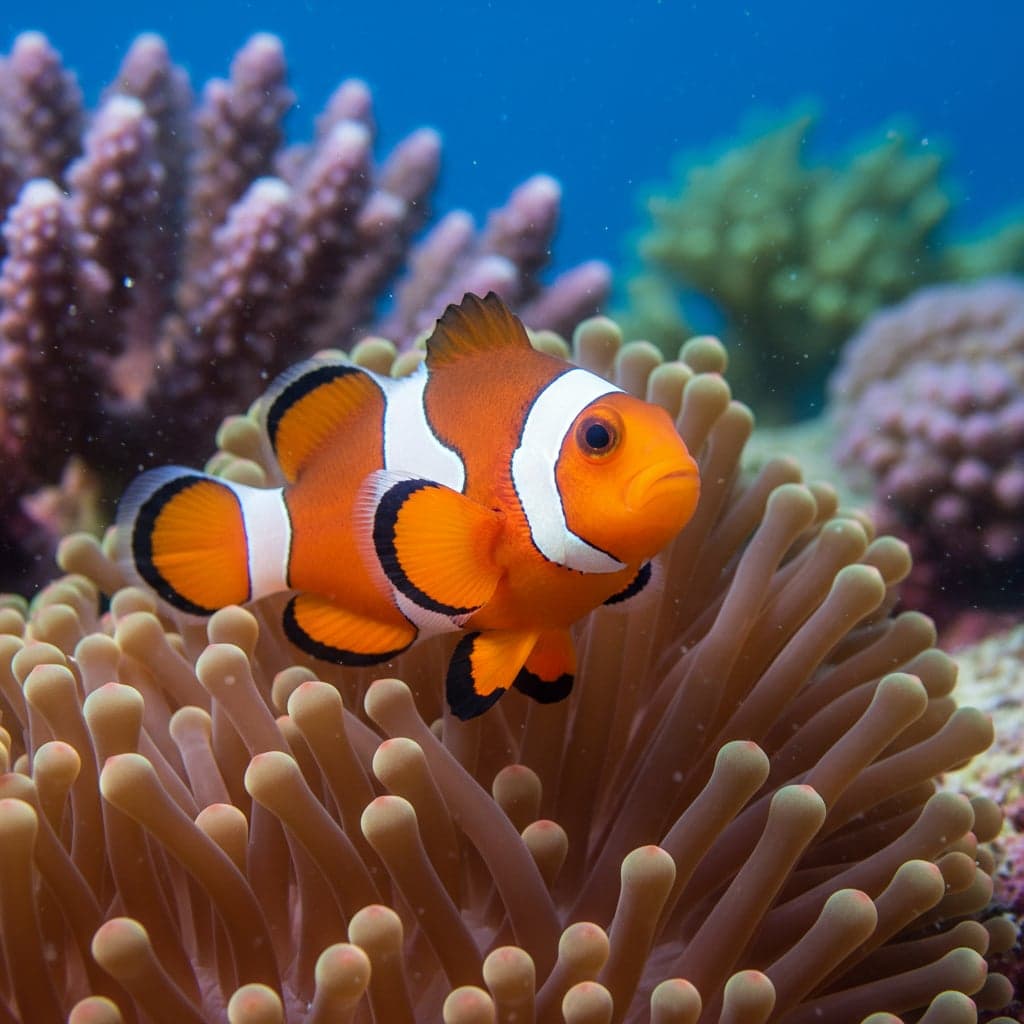
- Larger Clownfish and Damselfish
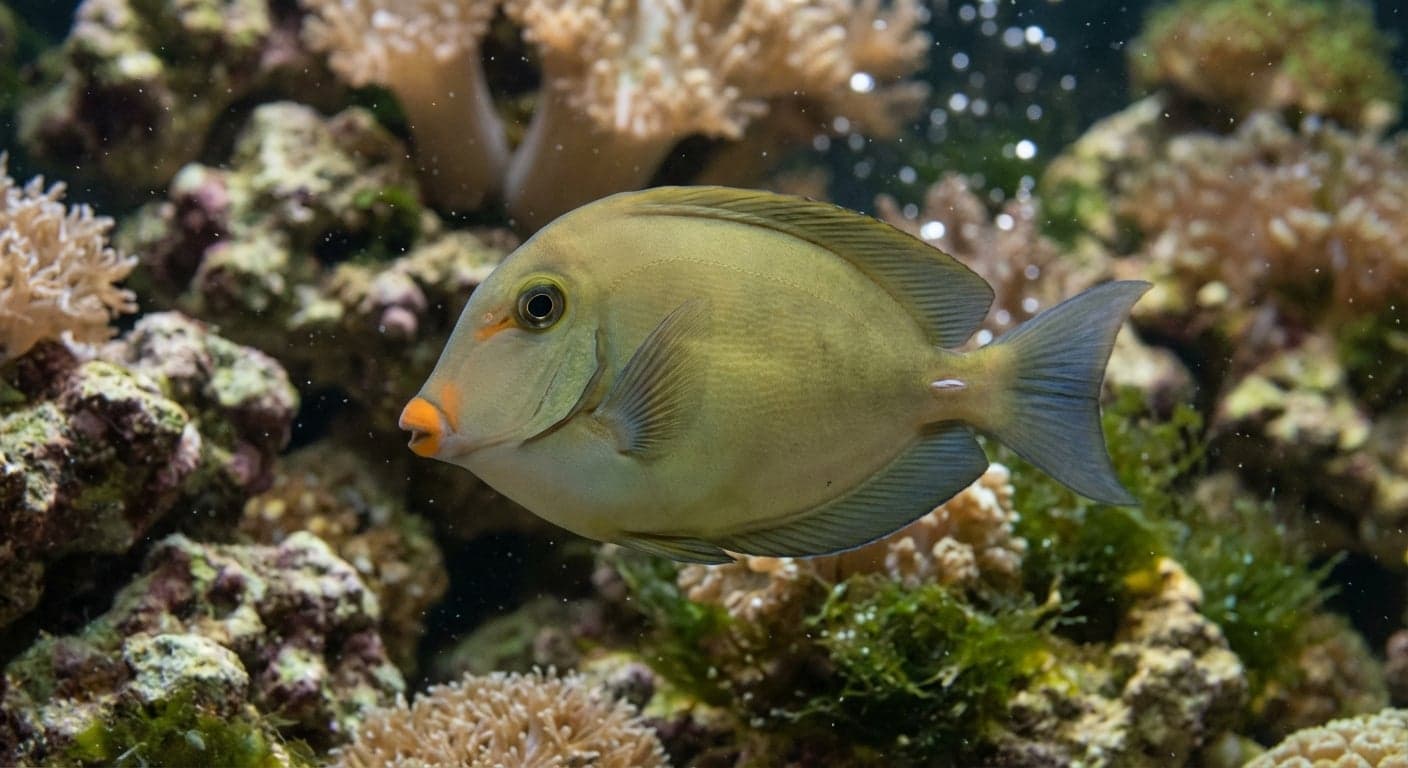
- Other tangs (only in very large tanks, ensuring different shapes like Acanthurus or Ctenochaetus)
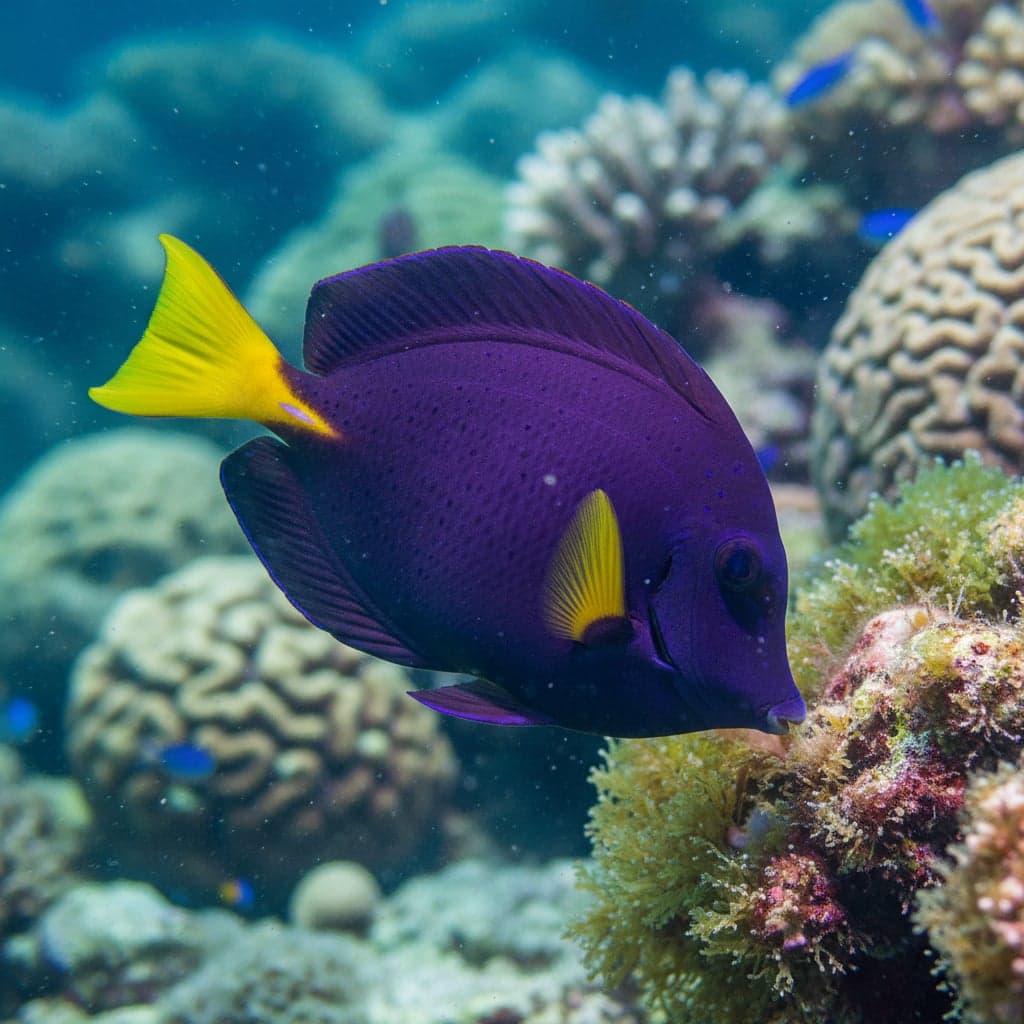
Avoid keeping them with other Zebrasoma species (like Yellow or Purple Tangs) unless the tank is truly massive (300+ gallons), as they will likely fight over grazing territory.
Breeding
Breeding Zebrasoma desjardinii in captivity is extremely rare but has been achieved by specialized aquaculture facilities. They are group spawners that release eggs into the water column at dusk. The larvae are planktonic and exceptionally difficult to raise. Most specimens in the trade are currently wild-caught, though sustainable collection practices are common in their native ranges.
Common Health Issues
Tangs are generally susceptible to Marine Ich (Cryptocaryon) and Marine Velvet (Amyloodinium). Zebrasoma desjardinii is particularly sensitive to stress and poor water quality, which often manifests as Head and Lateral Line Erosion (HLLE). Maintaining pristine water, providing a diet rich in vitamins and minerals (specifically Vitamin C), and ensuring the fish has a stress-free environment with plenty of space are the best ways to prevent these issues.