Sailfin Tang
A 40cm tang that unfolds an enormous dorsal when it displays. Needs 750L+ and heavy algae grazing — routinely sold at 5cm to tanks a tenth that size.
Also known as: Pacific sailfin tang · Zebrasoma veliferum
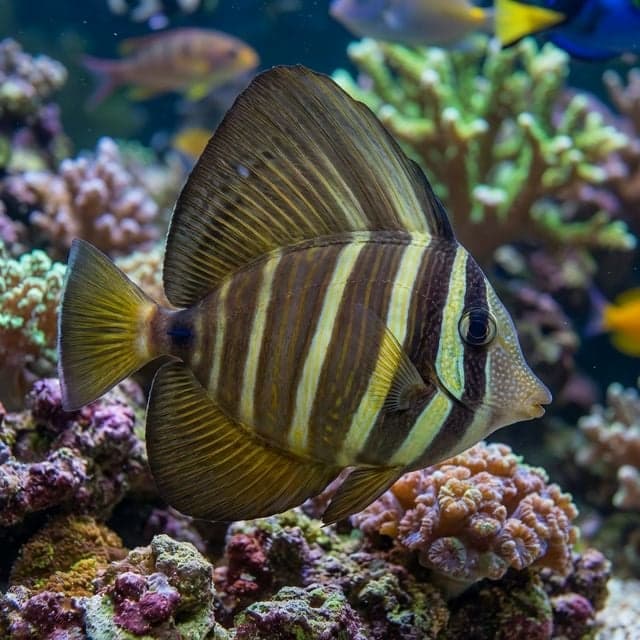
Sailfin Tang
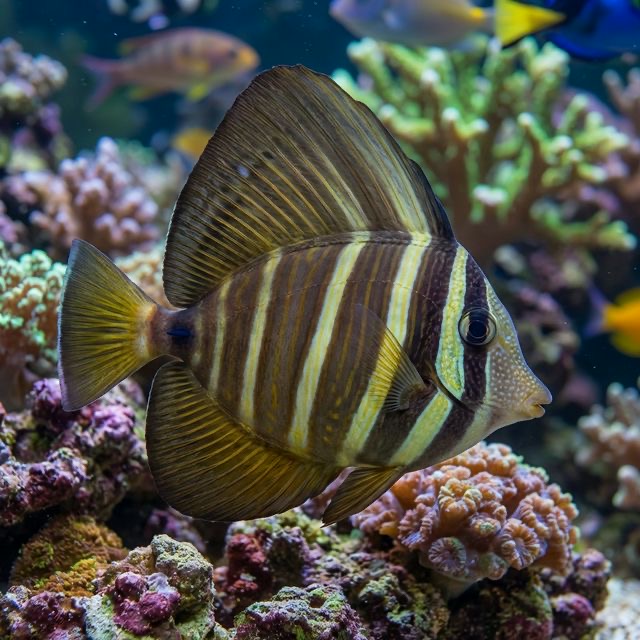
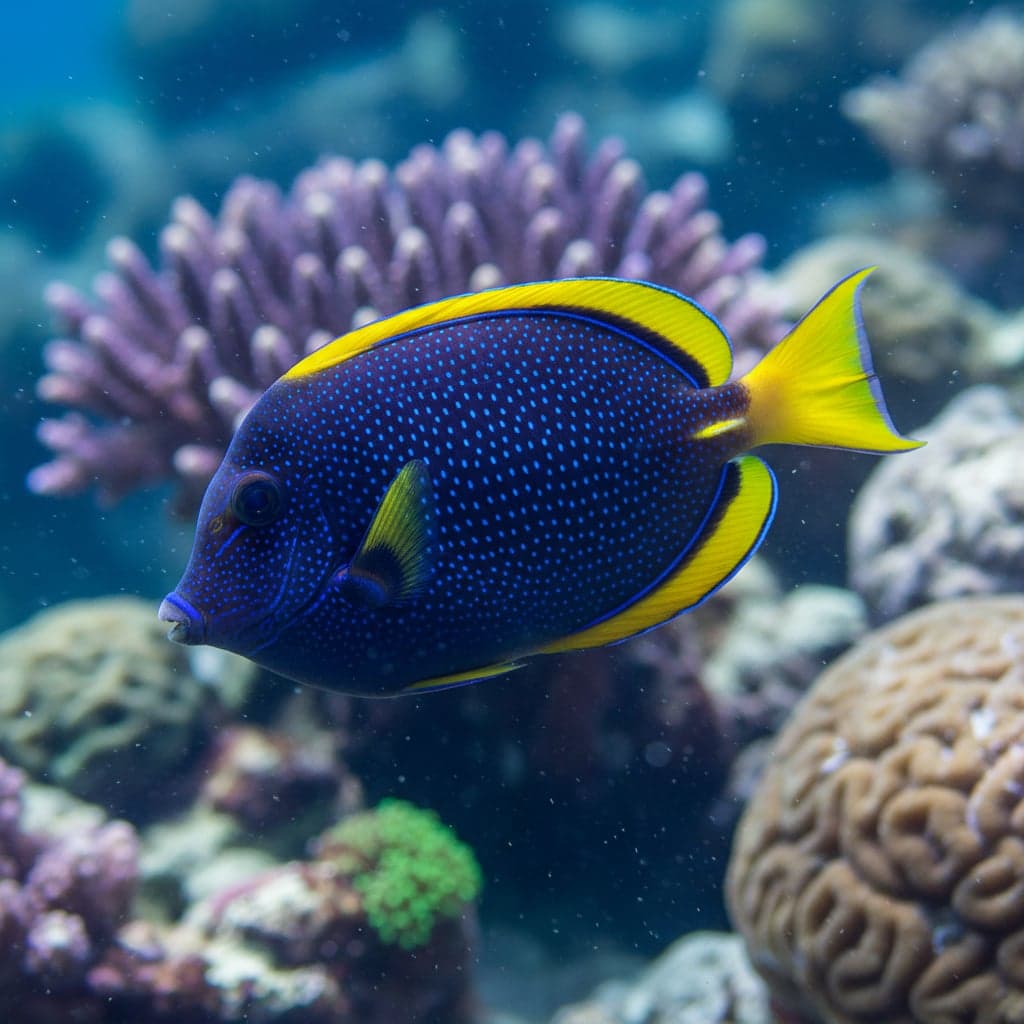
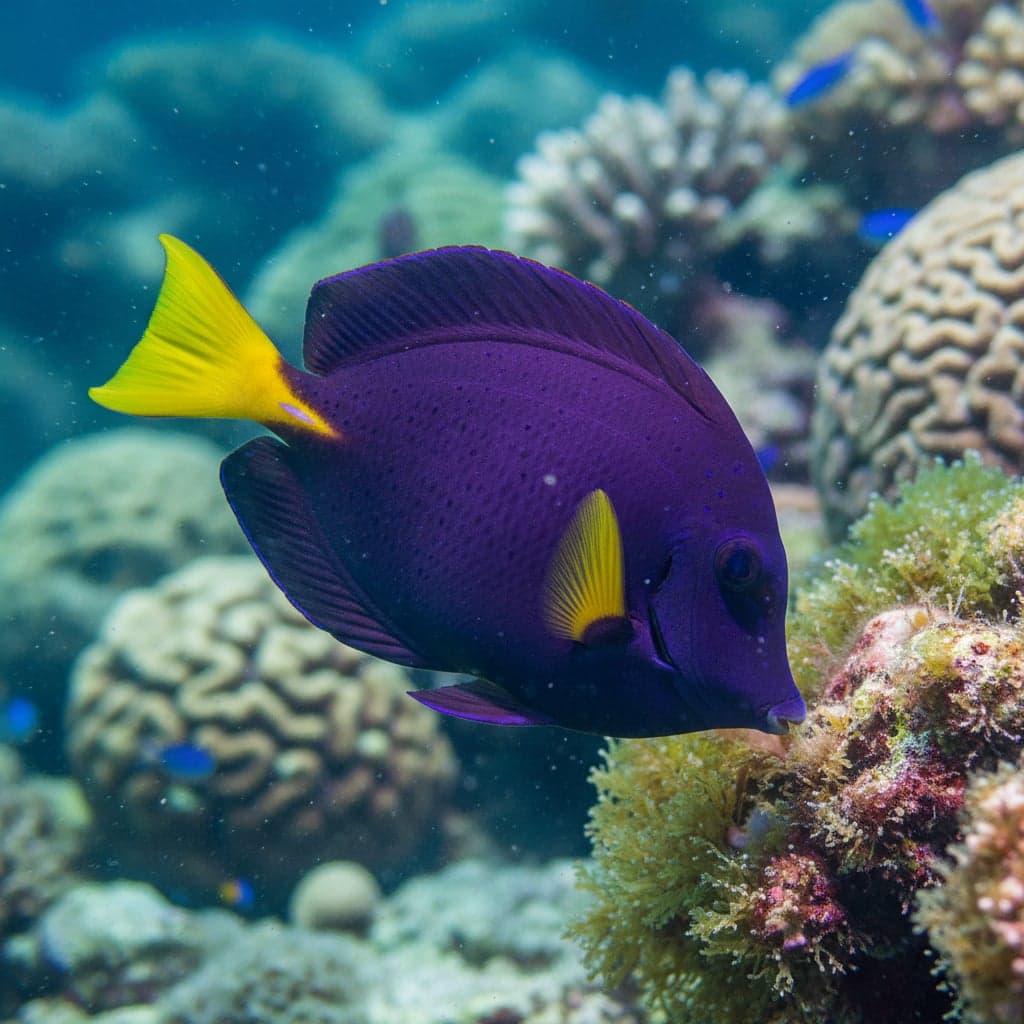
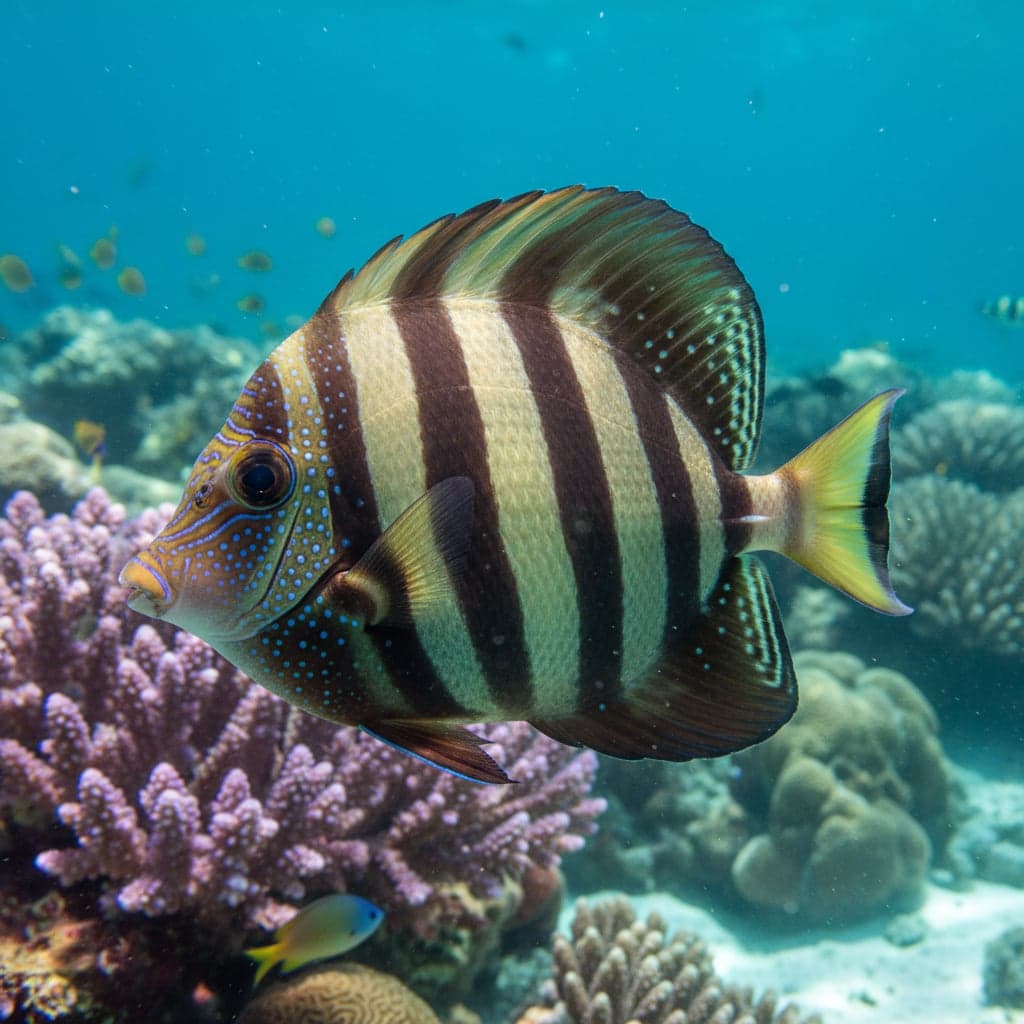
The Sailfin Tang, scientifically known as Zebrasoma veliferum, is a captivating marine fish that has become a staple in the aquarium hobby. Recognized for its vibrant colors and distinctive sail-like dorsal fin, this fish is a visual delight for aquarists and enthusiasts alike. Adults exhibit a striking combination of rich yellow and blue hues that create a remarkable contrast, making them stand out in both reef and fish-only tanks. The Sailfin Tang's fin can be elegantly extended, resembling a sail, particularly when it's feeling secure or threatened, adding flair to its movement and interactions. Their dynamic presence and appealing colors contribute to their popularity, making them a favored choice among those looking to enhance the aesthetic of their aquatic environments.
In addition to its visual allure, the Sailfin Tang plays a significant role in the aquarium ecosystem. As an herbivore, this species helps maintain the health of reef tanks by grazing on algae, thereby preventing overgrowth that could negatively affect other inhabitants. It is also renowned for its adaptability, making it relatively easy to care for compared to other tangs. However, understanding its needs and behaviors is essential for maintaining optimal health and a balanced aquarium environment. Given its role in maintaining algal balance, as well as its striking appearance, the Sailfin Tang is not just a beautiful addition but also an important one for responsible aquarium management.
Natural Habitat & Origin
The Sailfin Tang is native to the warm waters of the Indo-Pacific region, primarily found in coral reefs spanning from the Red Sea to the western Pacific. Its habitat typically consists of shallow lagoons and outer reef slopes, where it thrives in areas with ample access to sunlight, fostering the growth of algae, its primary food source. The water in these regions is generally clear, allowing significant light penetration, which supports diverse marine life. The Sailfin Tang is often seen in groups, which provides social interaction and safety against predators. Unlike regions characterized by blackwater or brackish habitats, the Sailfin Tang is adapted to environments that reflect the clarity and rich biodiversity associated with coral reefs.
Living in such ecologically dynamic areas, the Sailfin Tang has adapted to a range of environmental conditions, with a preference for temperatures between 72°F and 78°F (22°C to 26°C) and a pH of around 8.1-8.4. This equatorial environment significantly influences its color and behavior, modeling the care requirements aquarium hobbyists must replicate for the species’ well-being in captivity.
Care Requirements
To successfully maintain a Sailfin Tang, it is critical to replicate its natural environmental conditions as closely as possible. A minimum tank size of 750 litres (200 gallons) is recommended: this tang reaches 40cm and needs a long, open swimming run rather than simply a deep tank. Water parameters should be stable, with a pH level between 8.1 and 8.4, a temperature range of 72°F to 78°F (22°C to 26°C), and moderate to high salinity (1.020-1.025); additionally, hardness should be kept between 8 to 12 dGH.
When setting up the tank, use fine to medium coral sand substrate to mimic its natural flooring, along with live rock to create hiding spots and grazing surfaces. Suitable lighting should be bright but not overly harsh, with full-spectrum LEDs or T5 fluorescent bulbs being ideal. Incorporating natural plants like macroalgae can not only enhance the aesthetic but also provide additional grazing sources for the Sailfin Tang. Proper filtration is essential to maintain water quality, as tangs are more sensitive to poor conditions, emphasizing the importance of regular water changes and tank maintenance.
Diet & Feeding
The Sailfin Tang is primarily an herbivore, with a diet predominantly consisting of algae and marine plant materials. In captivity, it thrives on a varied diet that includes high-quality flake and pellet foods designed for herbivores, supplemented with frozen or live foods such as spirulina, nori (seaweed), and other vegetable matter. It is recommended to provide a diet rich in fiber to maintain digestive health, as well as ensure color enhancement through quality formulated foods. Feeding small portions several times a day can help mimic natural grazing behaviors, promoting a more healthy and active fish.
Providing grazing opportunities is vital; attaching dried seaweed sheets to a clip allows the Sailfin Tang to feed naturally and fulfill its grazing instincts. Additionally, offering a mix of fresh greens, like spinach or romaine lettuce, can diversify its diet while encouraging exploratory behavior. Proper nutrition not only supports growth but also bolsters the fish's immune system, leading to enhanced overall vitality.
Behavior & Temperament
Sailfin Tangs exhibit a range of social behaviors that make them fascinating to observe. They are generally peaceful but can display territorial aggression, particularly towards their kind or closely related species, especially in confined spaces. Ideal aquarist practices recommend keeping only one Sailfin Tang per tank unless it's a very large system with ample swimming space and adequate hiding spots.
In the aquarium, Sailfin Tangs tend to primarily inhabit the middle to upper levels, showcasing their distinctive features as they gracefully swim. They benefit from a well-structured environment that mimics their natural reef habitat, with plenty of rock formations and open swimming areas. While they are schooling fish, their schooling habits need careful management to prevent stress and aggression; thus, they are best kept with peaceful tank mates that do not threaten their own swimming patterns or space.
Tank Mates
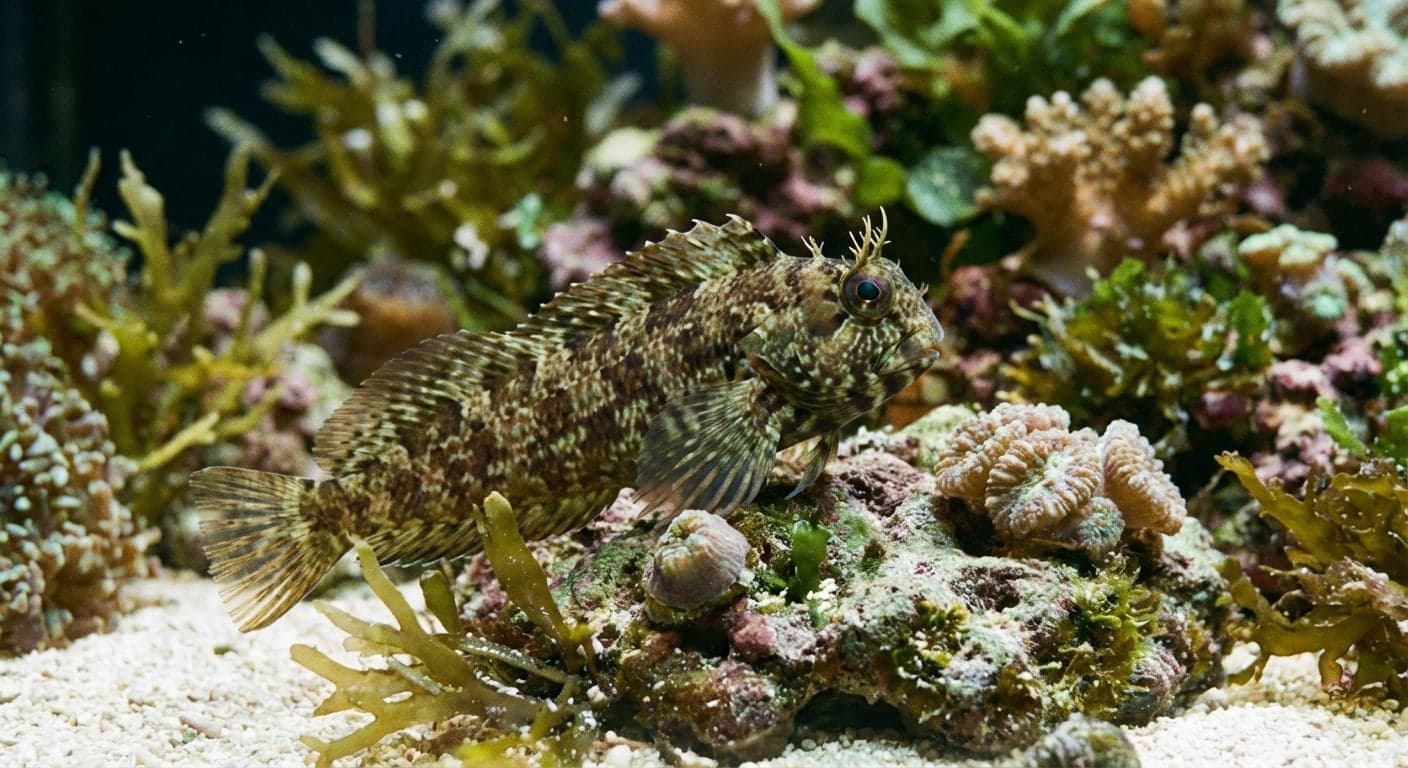
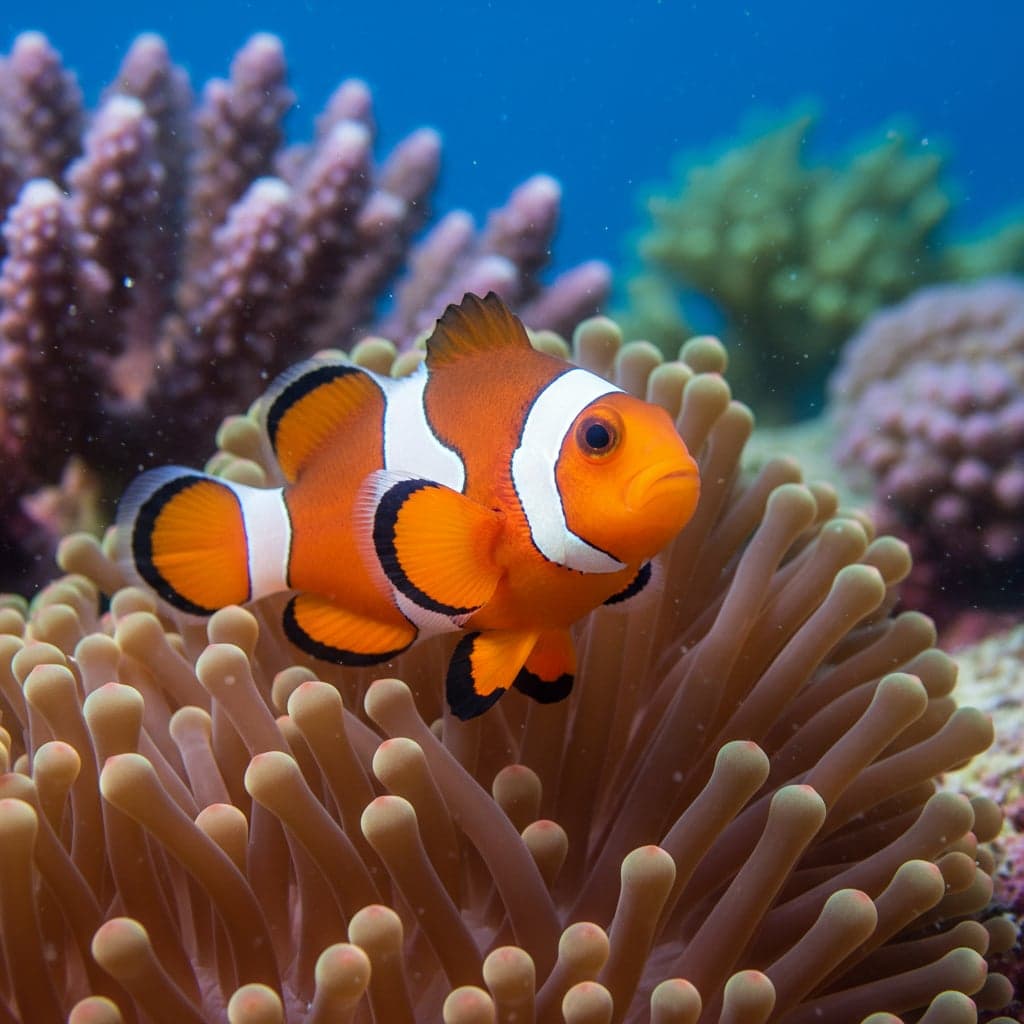
Choosing compatible tank mates is crucial for the successful keeping of Sailfin Tangs. Ideal companions include other peaceful species such as clownfish, gobies, and blennies, which can thrive alongside the Sailfin Tang without aggression. Avoid housing multiple tang species together unless ample tank size and decor are available to diffuse territorial behavior. Additionally, larger angelfish and butterfly fish may be potential competitors for food and space, leading to conflict.
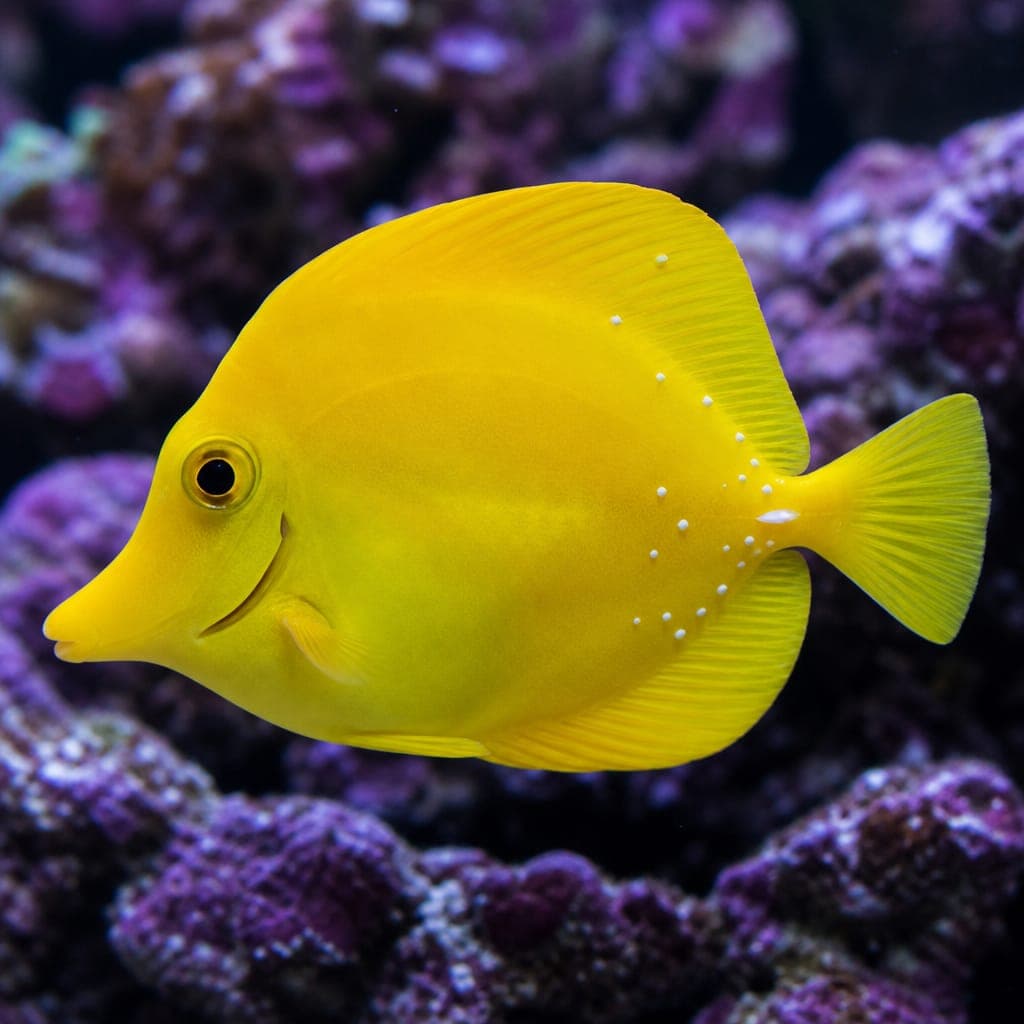
Species to avoid include other zebrasoma species, such as the Yellow Tang, and aggressive species like triggers or some types of wrasse. Nipping species, such as dottybacks and certain types of damselfish, can also provoke stress or aggression in Sailfin Tangs. Thus, considering personality, size, and behavioral habits is essential when selecting tank mates to create a harmonious community tank that allows all inhabitants to thrive.
Breeding
Breeding Sailfin Tangs in captivity poses challenges due to their specific requirements for spawning. Unlike some other species, Sailfin Tangs are not easily bred in aquariums, largely due to their pelagic spawning habits in the wild where they release eggs and sperm into the water column during synchronized rituals often triggered by environmental shifts. To encourage spawning behavior, a breeding pair may be established in an appropriately sized tank with plenty of swimming space and enriched conditions, mimicking their native conditions as closely as possible.
If breeding is successful, the eggs typically float and hatch within 24 to 36 hours. The newly hatched larvae will require finely filtered water and small live foods, such as rotifers and newly hatched brine shrimp, for optimal growth. Proper conditioning through a high-quality diet will improve the chances of successful breeding and rearing, but it is important to be aware that significant time, effort, and proper aquarium setup will be necessary to achieve success.
Common Health Issues
Sailfin Tangs can be susceptible to various common marine fish diseases. The most prevalent issues include ich (Cryptocaryon irritans), marine velvet (Amyloodinium ocellatum), and Head and Lateral Line Erosion (HLLE). Due to their thin slime coats relative to many other marine species, tangs are notoriously prone to external parasites when stressed by fluctuating water chemistry or improper acclimation.
To prevent outbreaks, maintain pristine water quality with efficient protein skimming and quarantine all new arrivals before adding them to the display tank. Providing a vitamin-enriched, herbivorous diet with plenty of seaweed (nori) and vitamin C supplements significantly reduces the risk of HLLE and bolsters their immune system. Prompt identification and gentle treatment in a dedicated hospital system will keep your Sailfin Tang healthy, vibrant, and active for many years.