Indian Triggerfish: Melichthys indicus
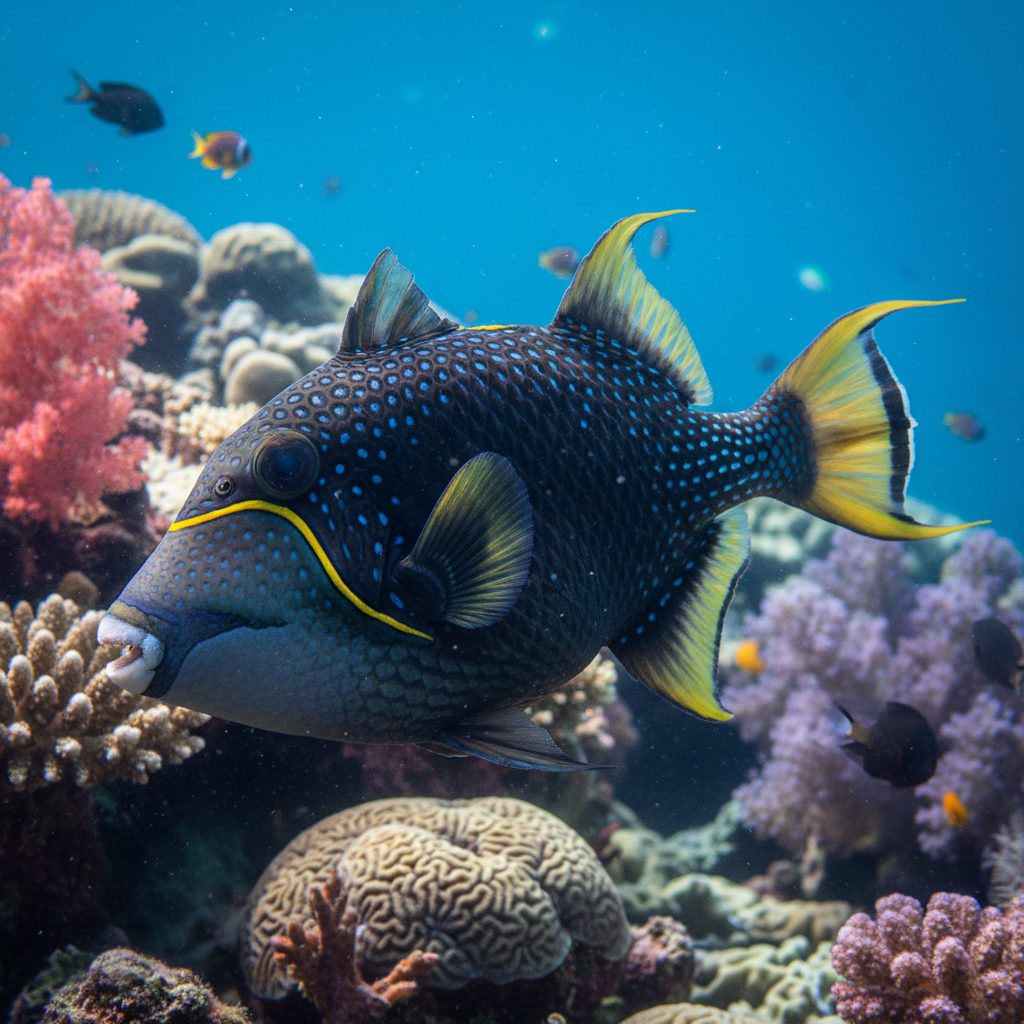
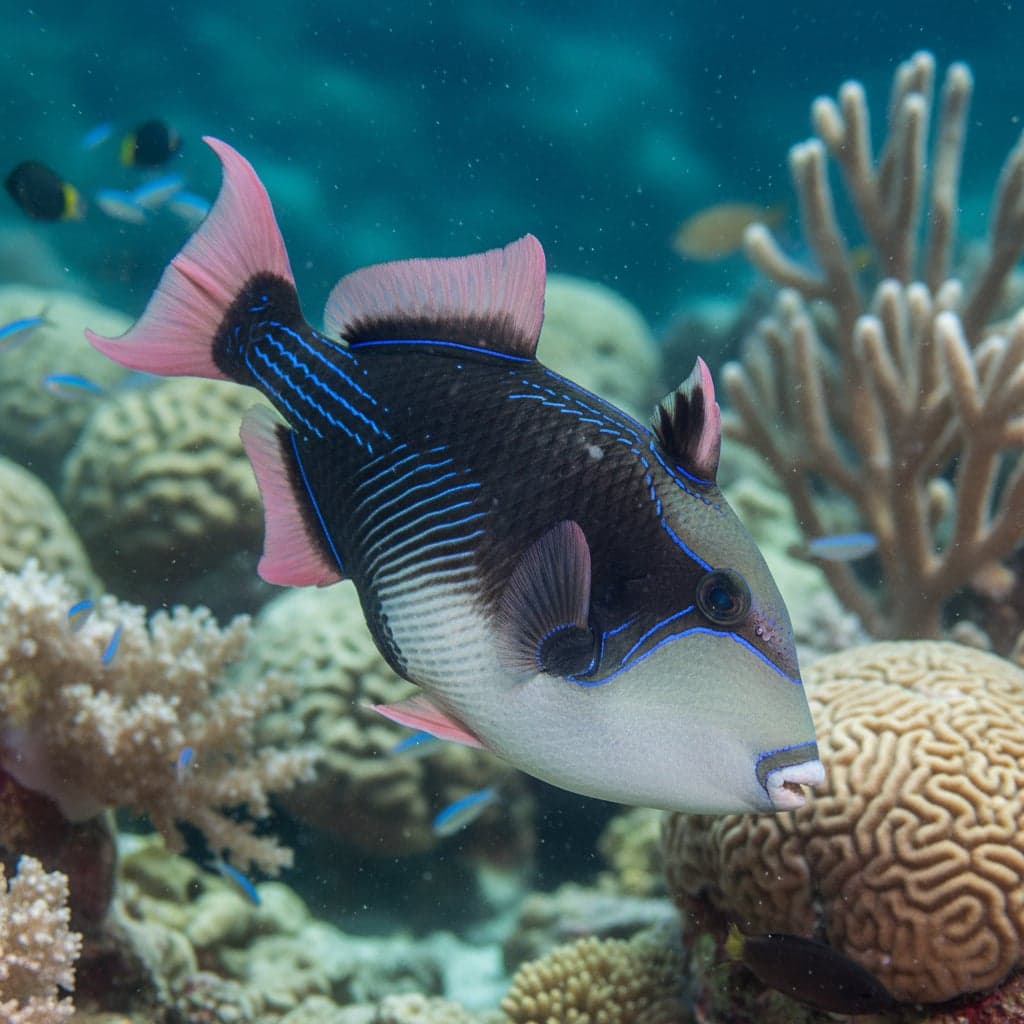
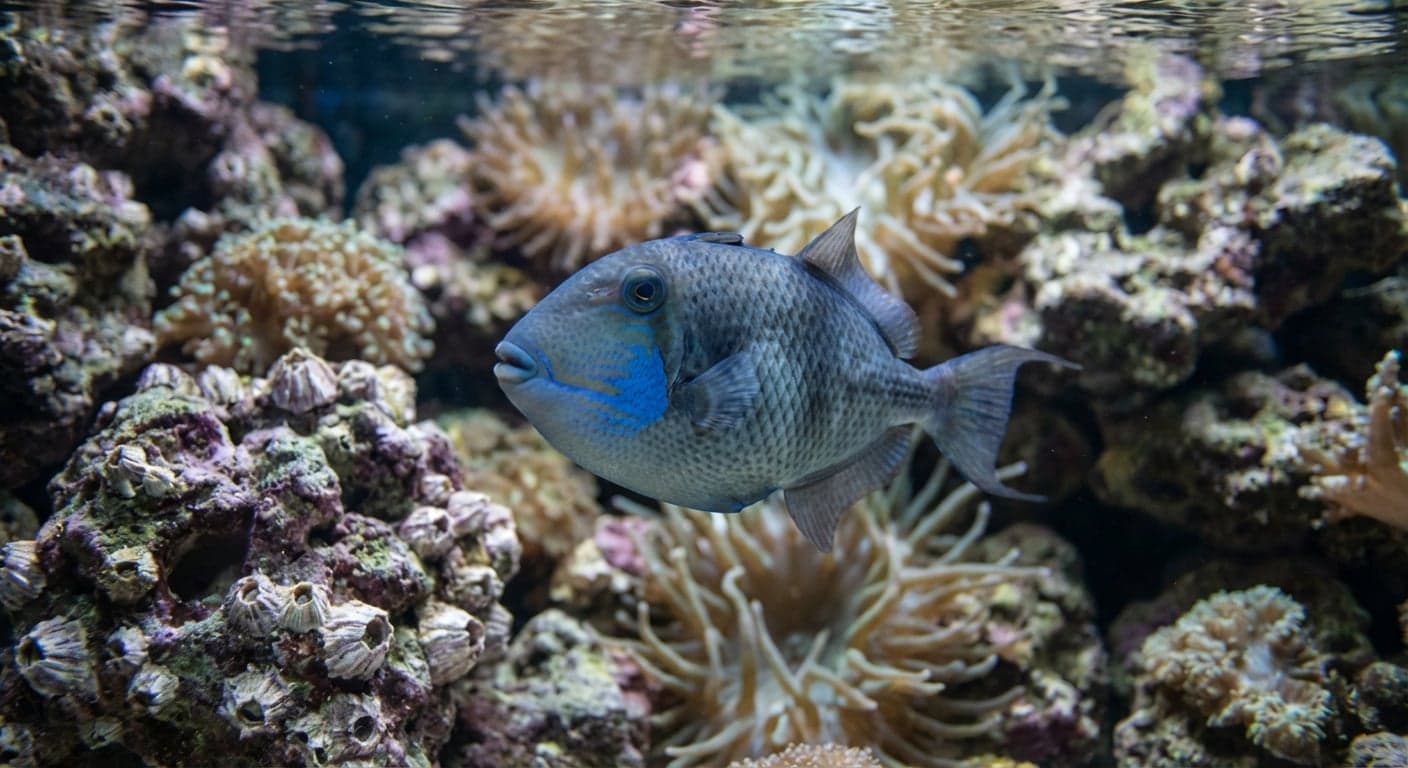
The Indian Triggerfish (Melichthys indicus), often called the Indian Black Triggerfish, is a robust and surprisingly manageable species from the Indian Ocean, known for its sleek black body and luminous white fin highlights.
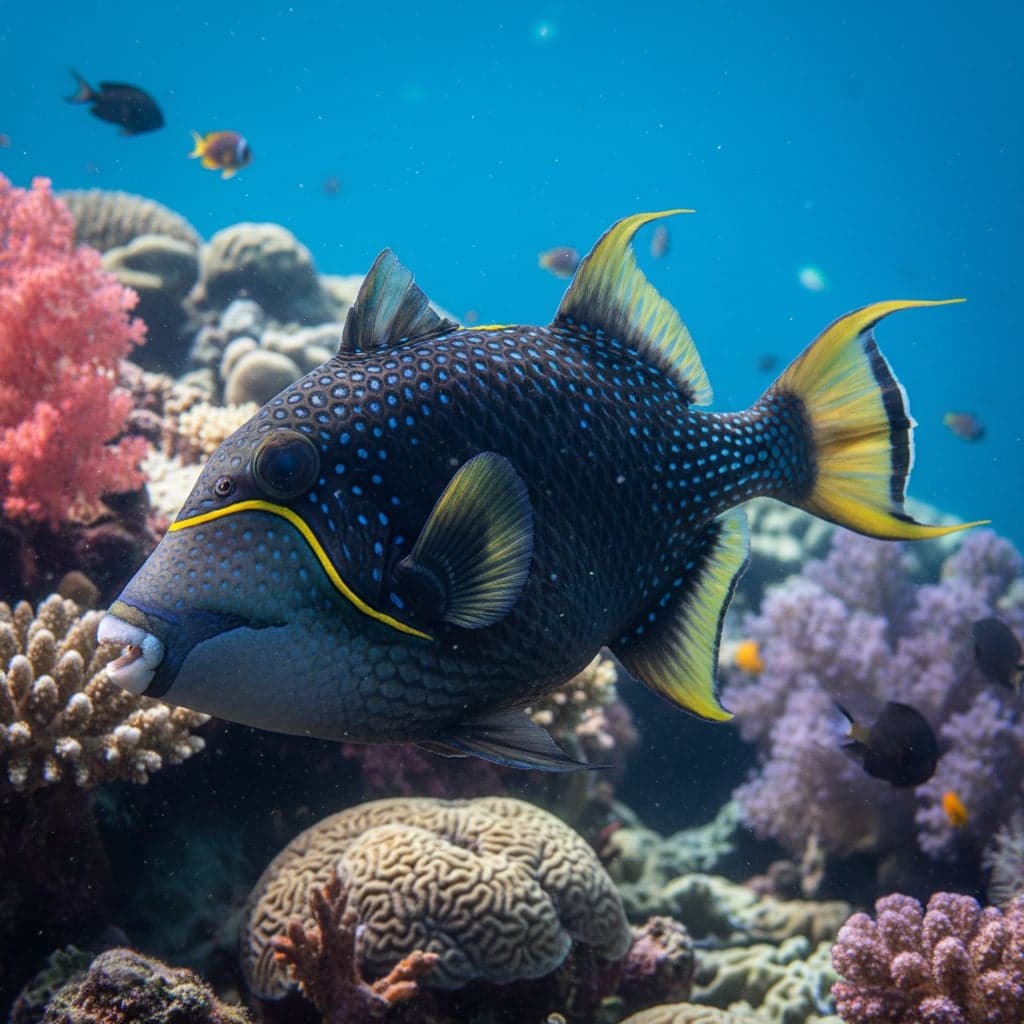
The Indian Triggerfish (Melichthys indicus) is a sophisticated choice for the large marine aquarium. Unlike some of its more notorious cousins (like the Titan or Queen triggers), the Indian Trigger is relatively well-behaved, making it a favorite for "aggressive" reef systems. Its body is a deep, velvety charcoal-to-black, which contrasts beautifully with the brilliant, almost luminous white-to-light-blue lines that run along the base of its dorsal and anal fins. When in motion, these lines create a flickering effect that is both striking and elegant.
In the aquarium, they are legendary for their curiosity and intelligence. They are bold swimmers that spend much of their time out in the open, interacting with their environment and their keepers. They are also exceptionally hardy, making them an excellent choice for those moving into more specialized marine species.
Natural Habitat & Origin
Melichthys indicus is widely distributed across the tropical Indian Ocean, from the Red Sea and East Africa to the Andaman Sea and Indonesia. They primarily inhabit shallow reef flats and seaward reef slopes at depths of 2 to 30 meters. They are often found in areas of moderate to high water movement, where they can be seen hovering above the reef or retreating into the safety of complex coral structures and crevices when threatened.
Care Requirements
The Indian Triggerfish requires a substantial amount of space due to its active nature and adult size. A minimum tank size of 75 gallons (300L) is required for a single adult, with 125+ gallons being ideal if kept with other large species.
Maintain stable parameters: a pH of 8.1 to 8.4 and a salinity of 1.023 to 1.025. They require high oxygen levels and powerful water movement to simulate their natural reef-front environment. Efficient protein skimming is highly recommended. The tank must be decorated with massive amounts of live rock to form numerous deep caves and crevices. Like all triggers, they have a "lock" mechanism in their dorsal spine that allows them to wedge themselves into rocks so tightly they cannot be removed by predators.
Diet & Feeding
They are typical omnivores with a strong preference for meaty foods and benthivorous invertebrates.
In captivity, their diet should be diverse:
- High-quality frozen foods (Mysis shrimp, Krill, and enriched Brine Shrimp)
- Finely chopped seafood (scallop, clam, squid, and whole unpeeled shrimp)
- High-quality marine pellets and flakes
- Occasional grazing on macroalgae or seaweed sheets
- Note: They are "reef safe with caution." While they rarely bother corals, they are a mortal threat to nearly all ornamental shrimp, crabs, and small snails.
Behavior & Temperament
They are bold and semi-aggressive. While they are among the "safest" triggers, they will still establish a territory and may bully smaller or more timid tank mates. They are highly intelligent and can be trained to accept food from tongs (or even fingers, though this is not recommended due to their powerful beak). They are not social with their own kind and should generally be kept as a single specimen in all but the largest displays.
Tank Mates
Suitable tank mates include other robust and assertive marine species:
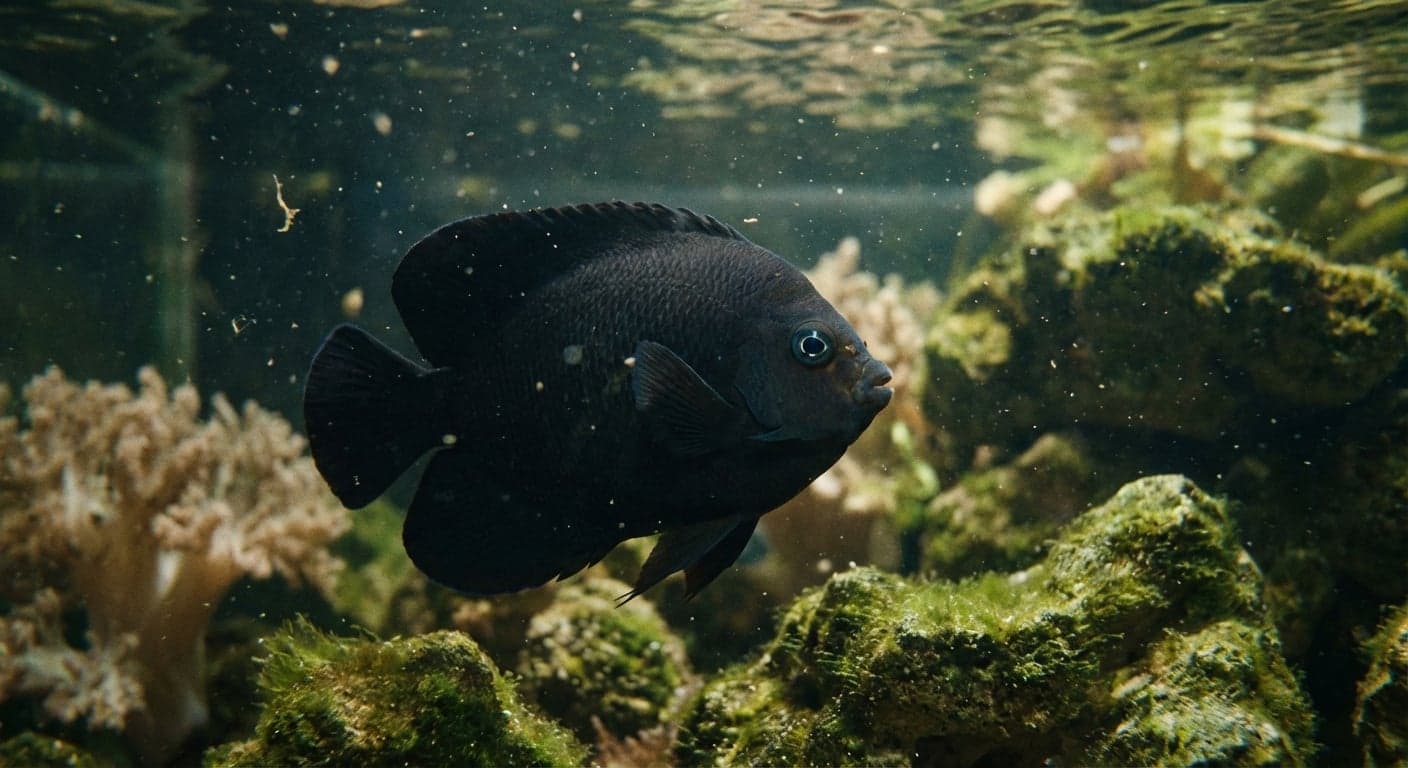
- Large Angelfish
- Tangs (standard reef-safe species)
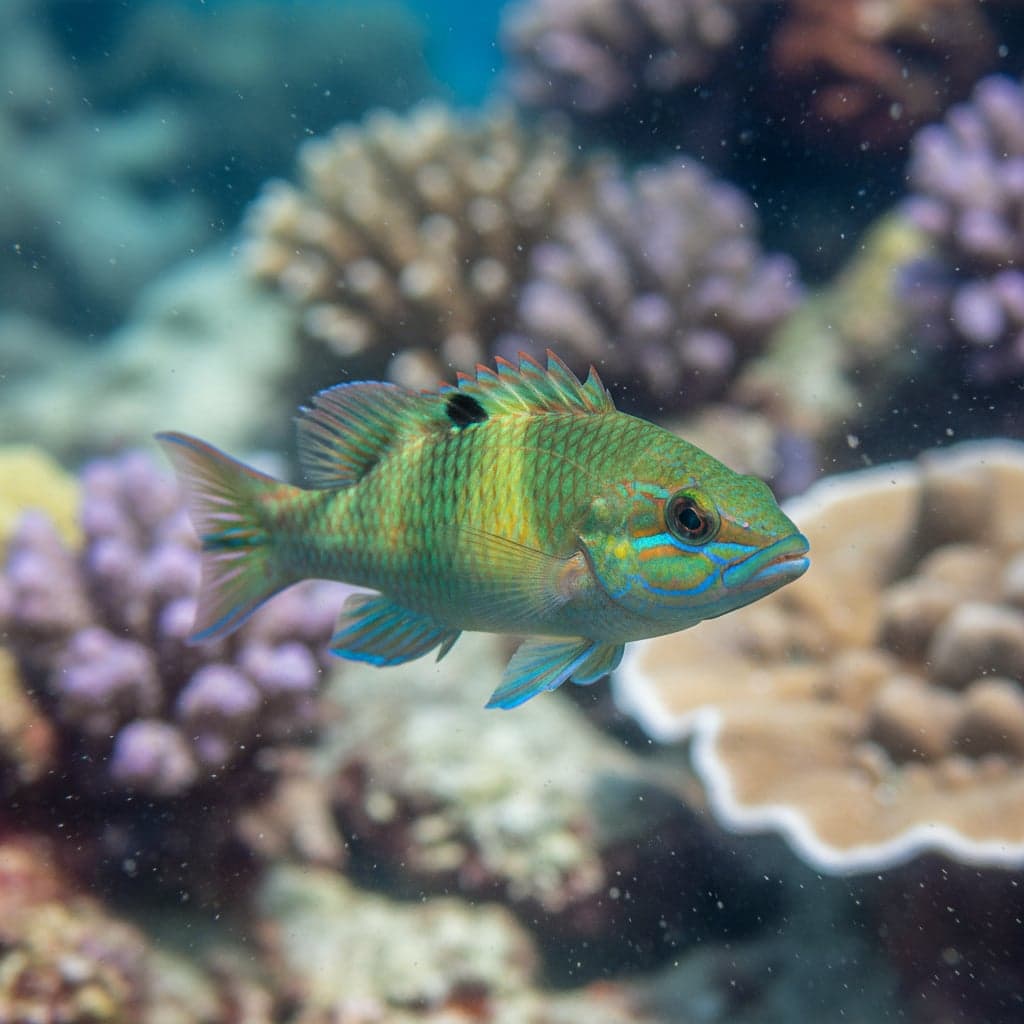
- Wrasses (larger Halichoeres or Thalassoma species)
- Groupers or larger Dottybacks
- Hawksfish
Avoid keeping them with very small fish (like nano gobies) or delicate feeders (like pipefish or seahorses) that may be intimidated or accidentally consumed.
Breeding
Breeding Melichthys indicus in the home aquarium has not been reliably recorded. They are substrate spawners that lay eggs in a pit excavated in the sand, which they then guard fiercely. The larvae are planktonic and require specialized facilities to raise successfully. Currently, nearly all specimens in the hobby are wild-caught.
Common Health Issues
They are exceptionally hardy but can occasionally suffer from lockjaw if fed a diet too high in a single type of food (like feeder fish). They are also sensitive to high levels of nitrates; maintaining pristine water quality is the best way to ensure their complex patterns remain vivid and their activity levels high. Routine quarantine of new arrivals is always recommended.