Jade Eye Cichlid: Amatitlania septemfasciata
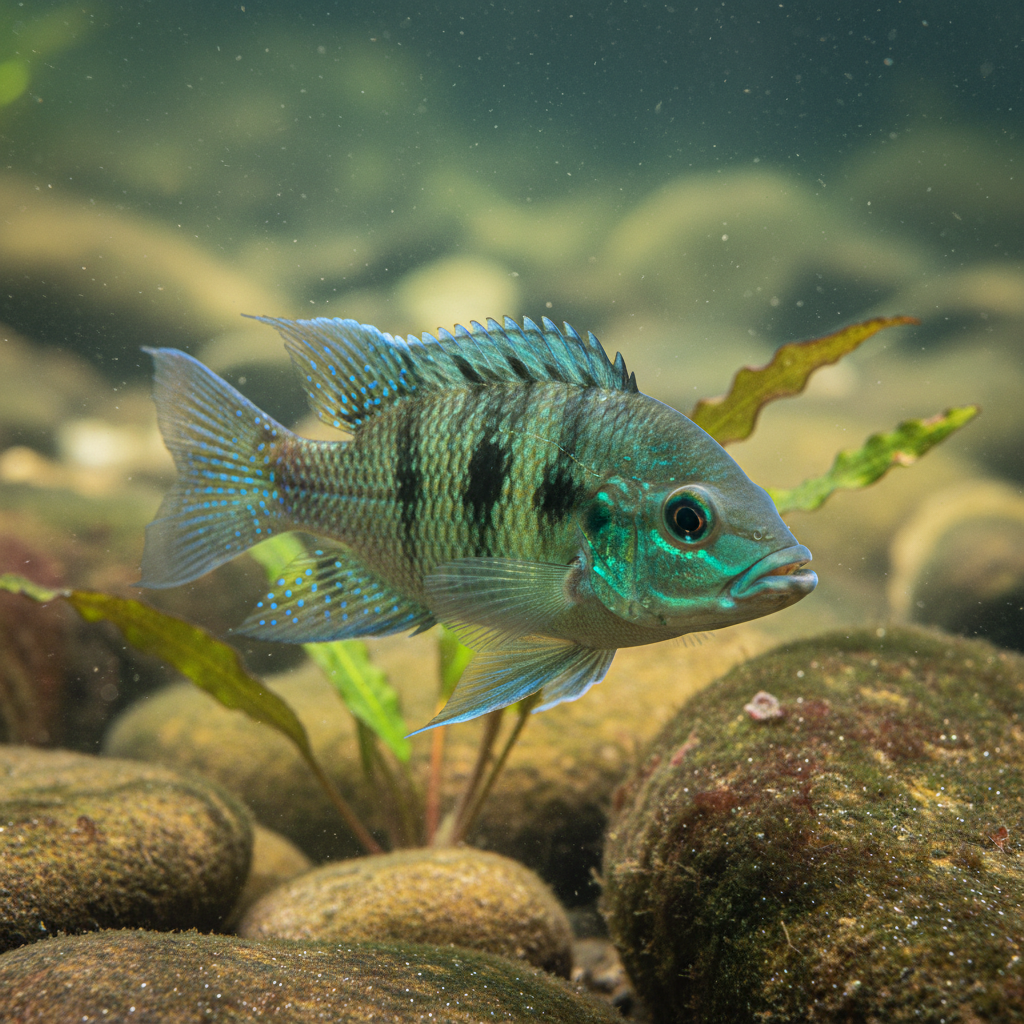
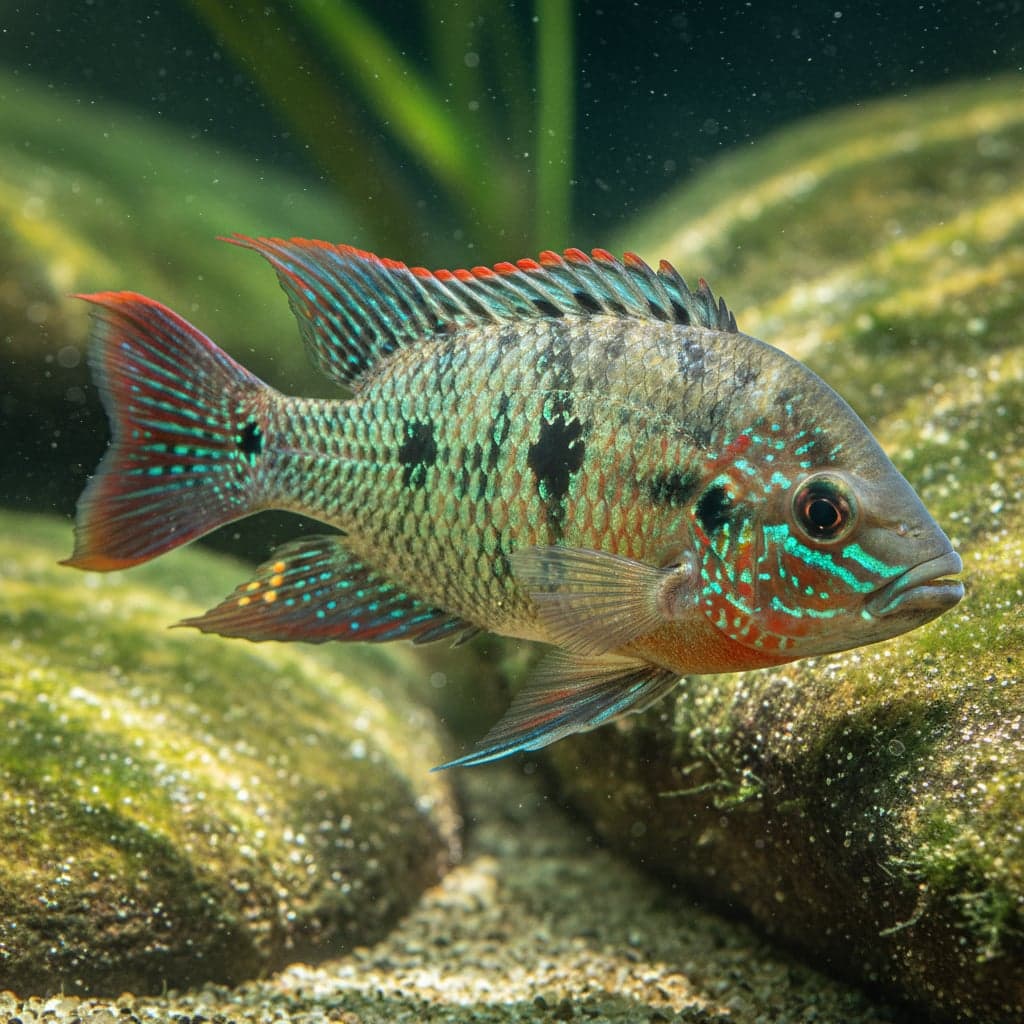
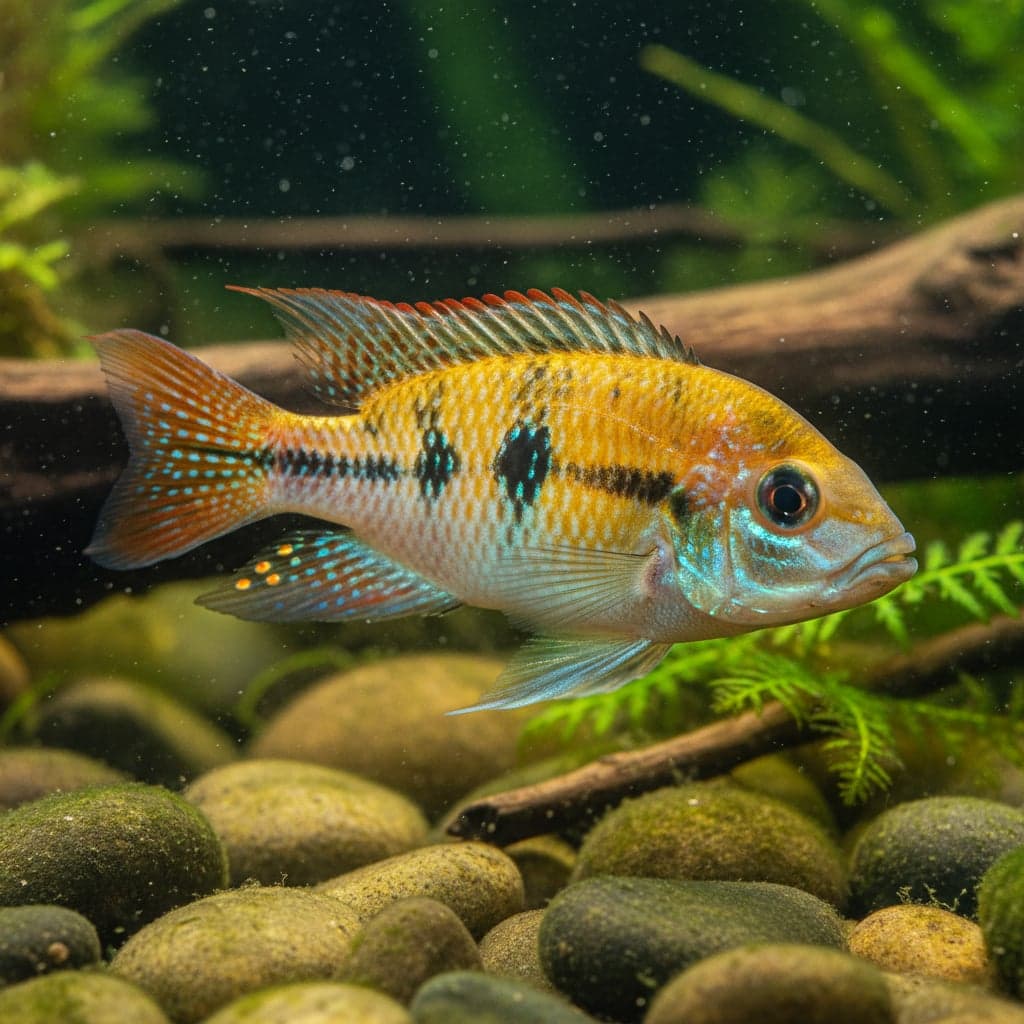
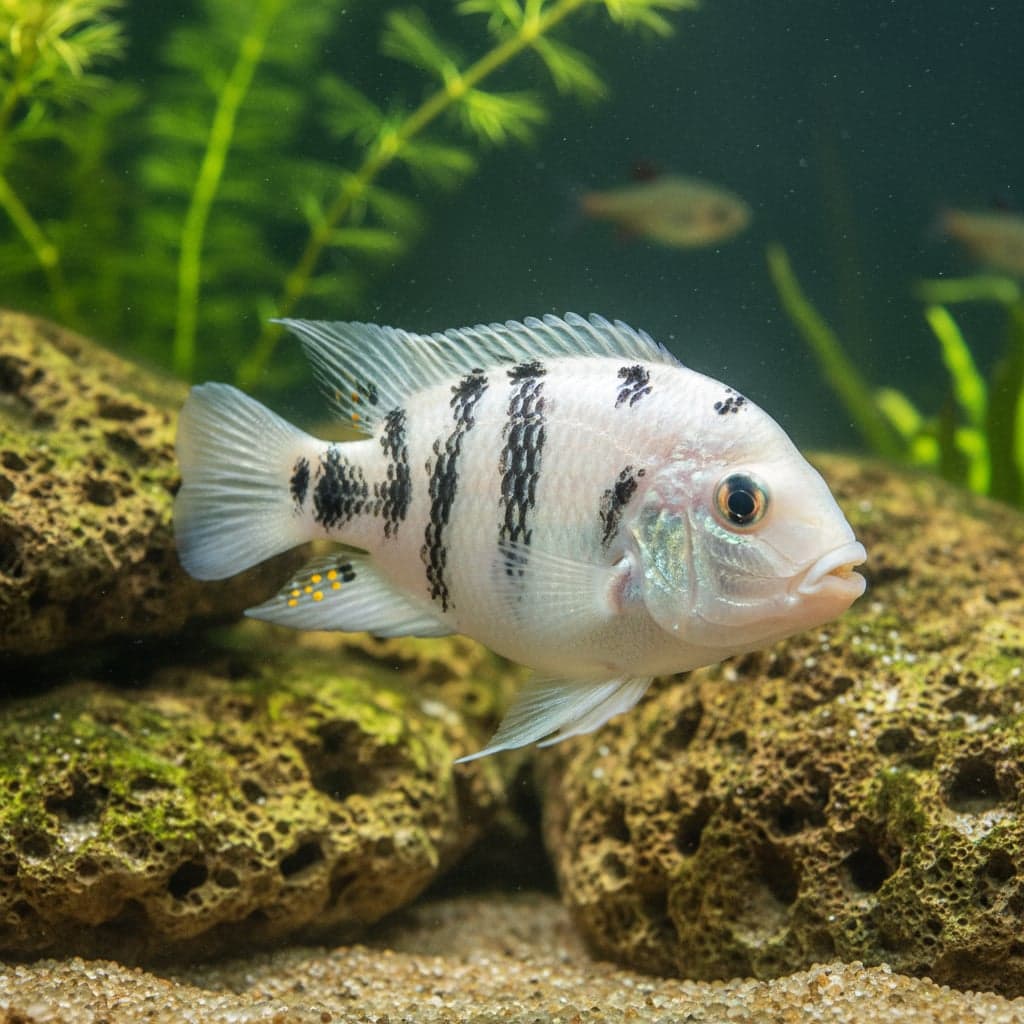
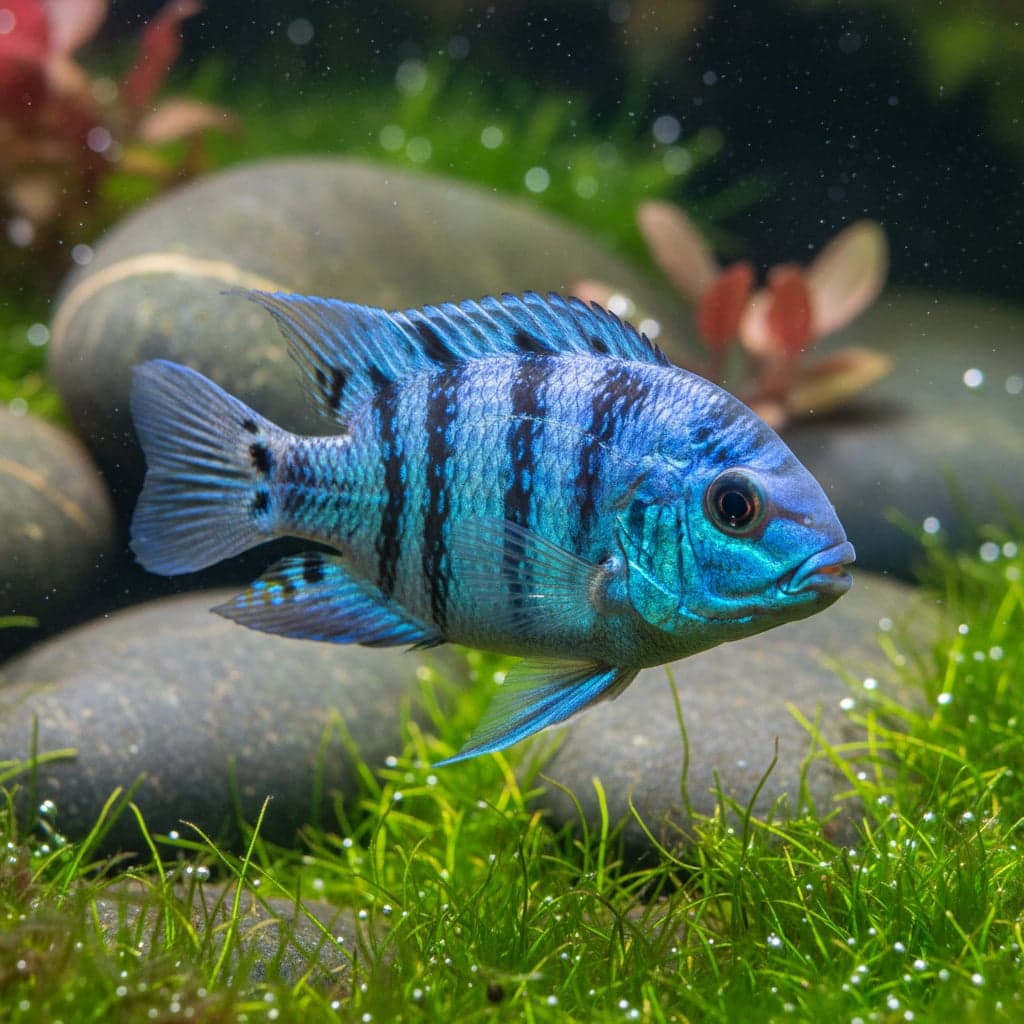
The Jade Eye Cichlid (Amatitlania septemfasciata) is a beautiful and highly manageable species from Costa Rica, celebrated for its shimmering bronze body and luminous, turquoise-to-jade irises.
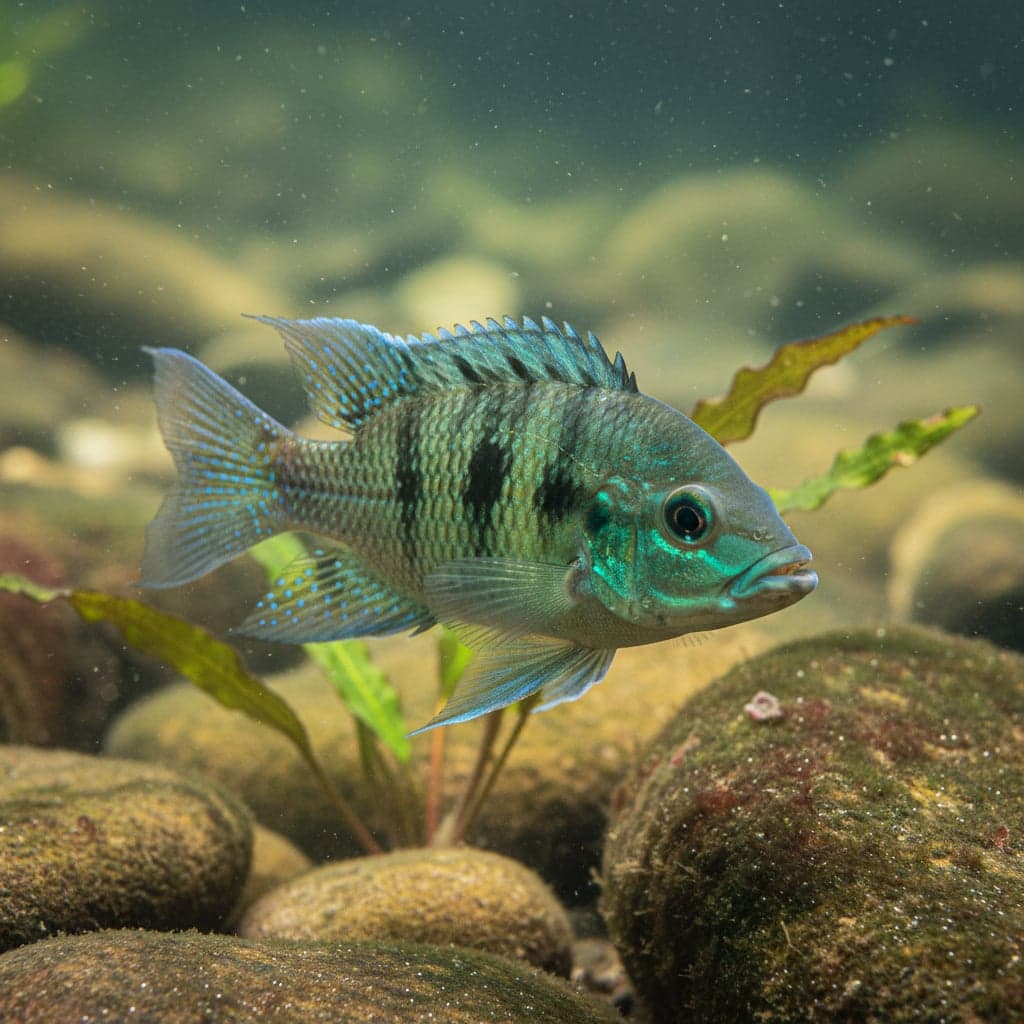
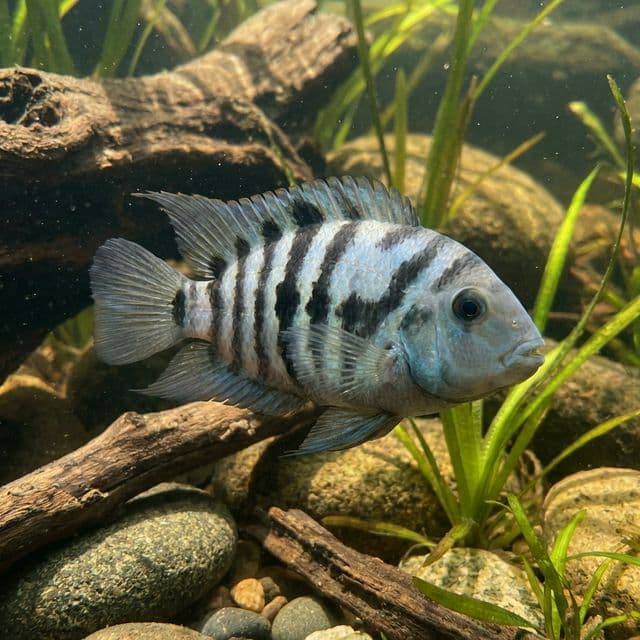
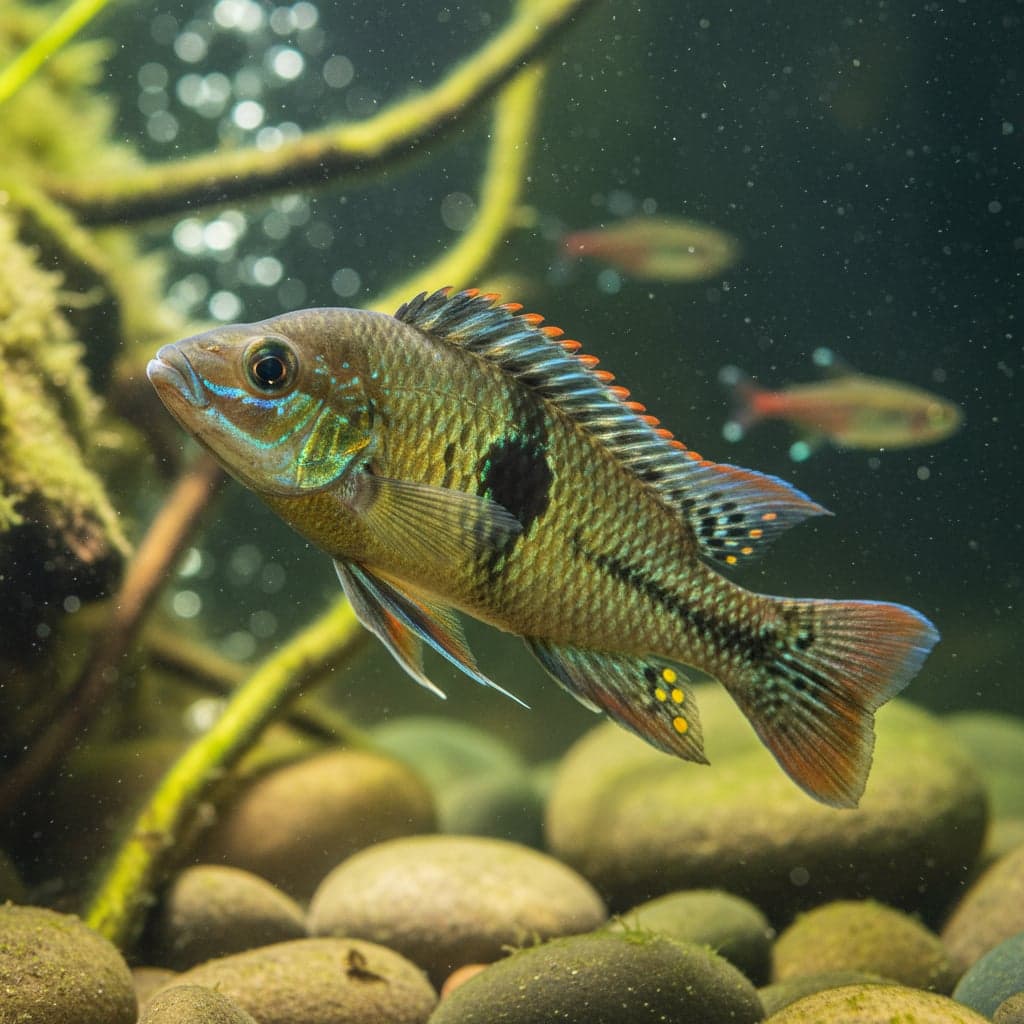
The Jade Eye Cichlid (Amatitlania septemfasciata), also sometimes referred to as the Seven-stripe Cichlid, is a gem of the Central American hobby. It is a smaller species and far less aggressive than many of its larger relatives, making it an excellent choice for community aquariums with robust tank mates. Its visual appeal is centered on its eyes: deep, glowing turquoise irises that stand out starkly against its metallic bronze and pastel-pink-scaled body. As they mature, males develop a small nuchal hump and elaborate finnage, while females often display a beautiful red-to-copper wash on their bellies during spawning.
In the aquarium, they are industrious and peaceful if provided with adequate space. They are famous for their excellent parental care and complex social structures, offering a "big cichlid" personality in a compact and manageable package.
Natural Habitat & Origin
Amatitlania septemfasciata is native to the Atlantic slope of Costa Rica, inhabiting the river systems between the Rio San Juan and the Rio Matina. They are typically found in slow-moving or stagnant waters, such as shallow river pools, swamps, and weed-choked drainage canals. They are strictly freshwater residents and are almost always found in areas with a soft substrate and significant physical cover, such as overhanging vegetation and submerged tree roots.
Care Requirements
The Jade Eye Cichlid is a robust and adaptable species that is well-suited for a variety of aquarium setups. A minimum tank size of 40 gallons (150L) is recommended for a single pair.
Maintain stable parameters: a pH of 7.0 to 8.0 and a temperature of 75°F to 82°F (24°C to 28°C). They are exceptionally hardy and easy to care for, making them perfect for those new to Central American cichlids. The tank should be decorated with fine sand substrate and plenty of smooth river stones and ceramic caves. They are diggers, especially during spawning, so ensuring that decor is stable and that there are several distinct territories will minimize any potential aggression.
Diet & Feeding
They are specialized omnivores. In the wild, they forage for aquatic insects, crustaceans, and detritus as they sift through the substrate.
In captivity, they are generally excellent feeders:
- High-quality Cichlid pellets or flakes should form the staple diet.
- They relish frozen foods: Mysis shrimp, Brine Shrimp, and Bloodworms.
- Fresh vegetables (like blanched zucchini or peas) provide important fiber.
- Tip: They are "bottom-sifters." Feeding sinking pellets allows them to engage in their natural foraging behavior.
Behavior & Temperament
They are semi-aggressive and territorial, but only in a localized sense. Unlike larger cichlids, they do not patrol the entire tank seeking out trouble. They are generally peaceful toward middle and upper-water dwelling fish. However, they are fierce defenders of their chosen territory, especially when fry are present. They are remarkably intelligent and will quickly establish a "hierarchy" within the tank, usually with very little actual violence if enough hiding spots are provided.
Tank Mates
Suitable tank mates include other peaceful to semi-aggressive regional species:
- Swordtails or Platies (large specimens)
- Convict Cichlids (only in very large tanks)
- Rainbowfish
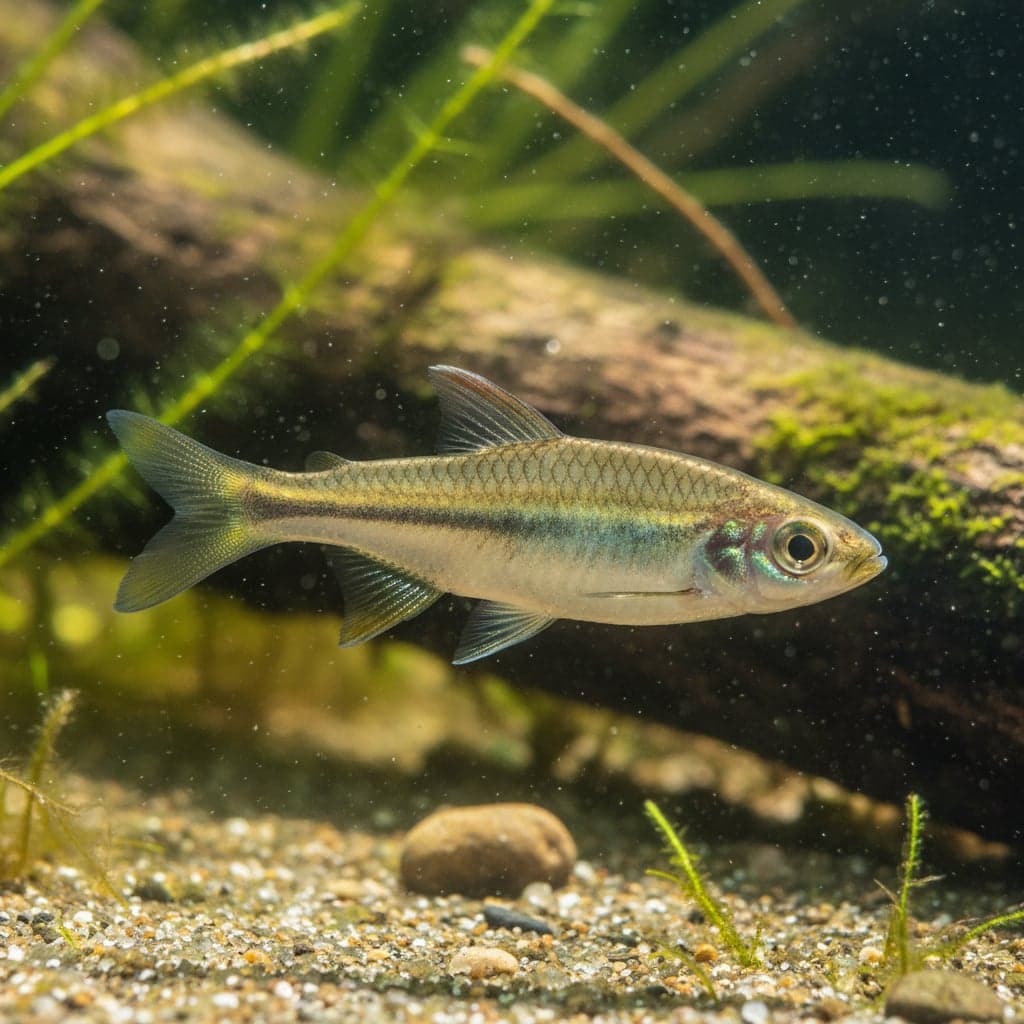
- Robust Tetras (Buenos Aires Tetras or Columbian Tetras)
- Medium-sized Catfish (Corydoras or Loricariids)
Avoid keeping them with very small, delicate fish or with overly aggressive "monsters" that might bully them.
Breeding
Jade Eye Cichlids are devoted parents and easy to breed. They are cave spawners. The pair will select a secluded spot where the female will lay a clutch of adhesive eggs. Once the eggs hatch, the parents are legendary for their care, leading the cloud of fry around the tank and defending them against all comers. The fry are easy to raise on baby brine shrimp or finely crushed flakes and grow quite rapidly.
Common Health Issues
They are remarkably disease-resistant. The primary health concern is stress-induced "bloat" if fed a diet too high in low-quality fillers or if water quality is allowed to deteriorate. Maintaining a clean tank with regular water changes and providing a high-quality, varied diet is the best way to ensure their stunning turquoise eyes remain bright and their activity levels high.