Jade Sleeper Goby: Dormitator maculatus
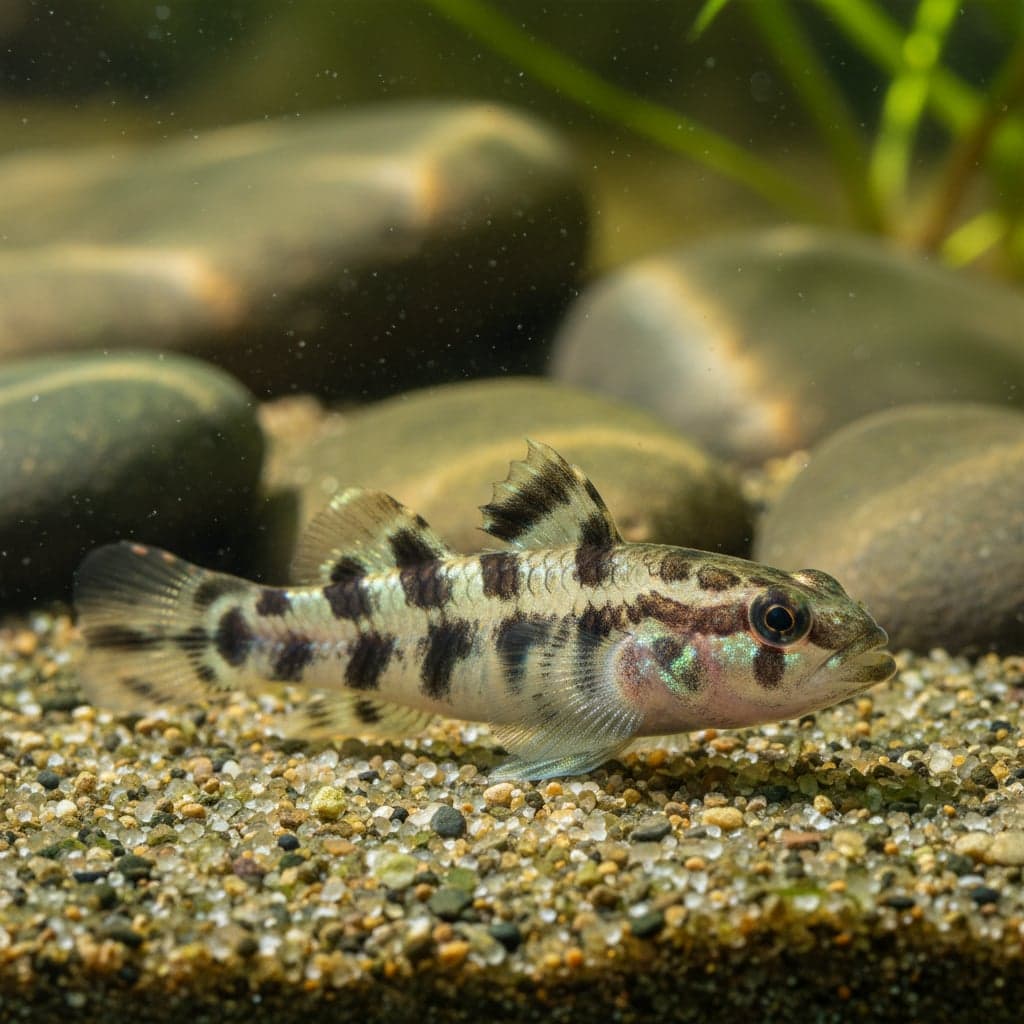
The Jade Sleeper Goby (Dormitator maculatus), or Fat Sleeper, is a massive and robust species from the Atlantic coast, prized for its impassive "stone-like" presence and shimmering emerald operculum spot.
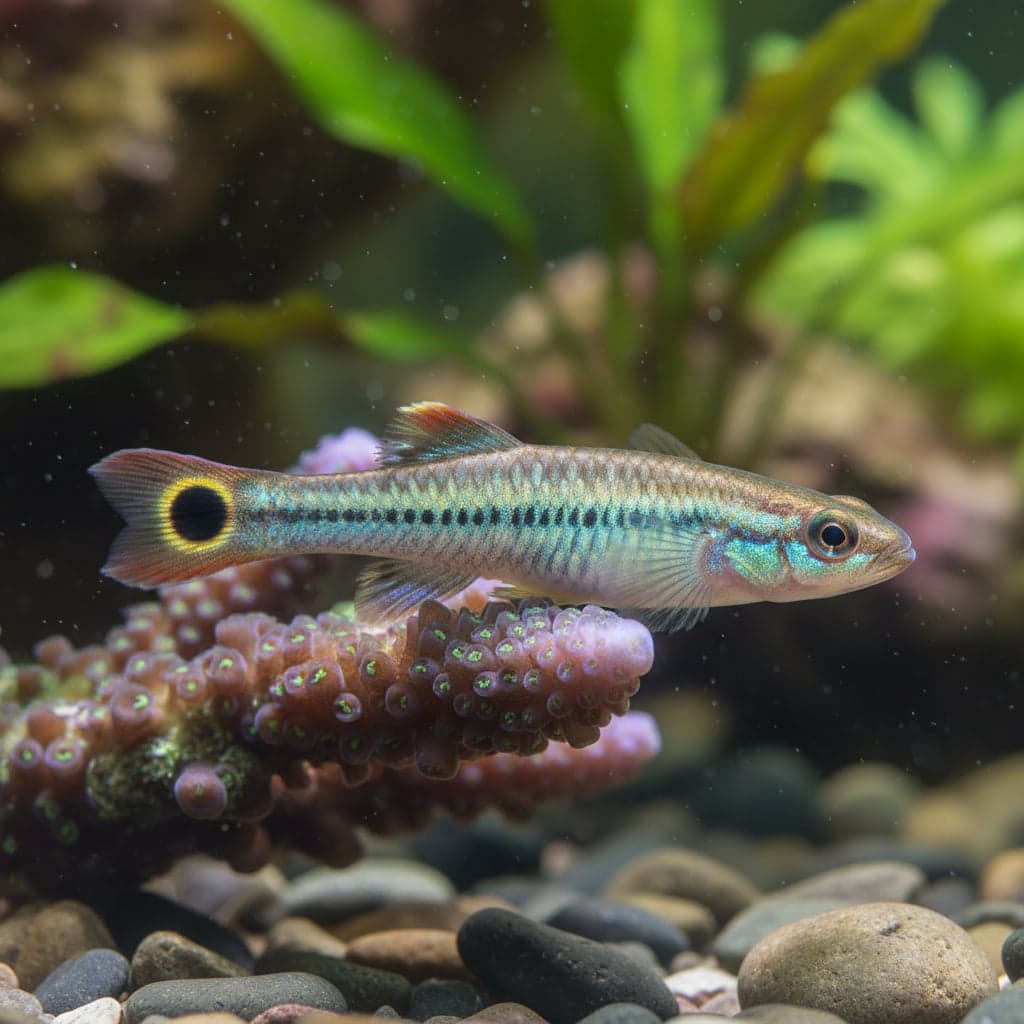
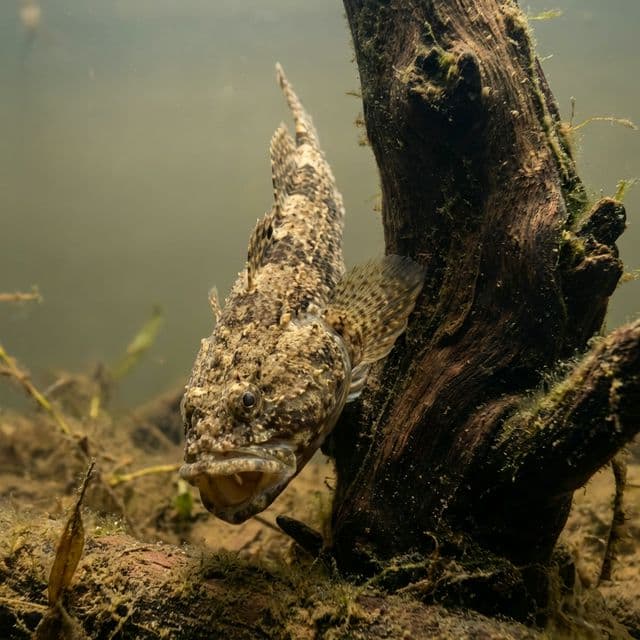
The Jade Sleeper Goby (Dormitator maculatus), also known as the Fat Sleeper, is a truly unique "oddball" species. It is a massive, heavy-bodied sleeper goby that can grow to over a foot in length. Despite its size, it spent much of its time completely motionless, resembling a waterlogged piece of wood or a stone. Its most striking feature is a brilliant, iridescent jade or emerald-green spot located on the operculum (gill cover), which stands out against its otherwise mottled grey-and-brown camouflage.
In the aquarium, they are fascinating for their sheer presence. They are non-active but highly attentive predators. While they are often sold as freshwater fish, they are primarily coastal residents and thrive best in brackish conditions as they mature, making them a premium addition to large-scale estuarine biotope displays.
Natural Habitat & Origin
Dormitator maculatus has a wide distribution along the Atlantic coast of the Americas, ranging from North Carolina in the United States to southeastern Brazil, including the Caribbean and the Gulf of Mexico. They inhabit a range of low-salinity environments, including mangrove swamps, muddy estuaries, coastal lagoons, and the lower reaches of freshwater rivers. They are almost always found over soft, silty substrates where they can blend in with the bottom.
Care Requirements
The Jade Sleeper Goby is a massive fish that requires early planning for its adult size. A minimum tank size of 75 gallons (300L) is recommended for a single adult.
Maintain stable parameters: a pH of 7.5 to 8.5 and a temperature of 75°F to 82°F (24°C to 28°C). While juveniles are frequently found in pure freshwater, adults are much healthier and more vibrant in brackish water (Specific Gravity 1.005 - 1.010). They require clean, well-oxygenated water but with relatively low flow. The tank should feature massive amounts of flat rockwork, larger driftwood pieces, and a deep sandy substrate. Because of their size and weight, any decor must be securely placed to prevent the fish from undermining it.
Diet & Feeding
They are versatile omnivores. In the wild, they feed on a mix of algae, detritus, small crustaceans, and aquatic insects.
In captivity, they are generally excellent feeders:
- They relish high-quality sinking carnivore pellets and algae wafers.
- Frozen foods: Mysis shrimp, Krill, and Earthworms.
- They will also graze on vegetable-based foods and blanched greens.
- Tip: They are slow, methodical feeders. Ensure that faster tank mates do not outcompete them for food.
Behavior & Temperament
They are peaceful but predatory. They do not actively hunt other fish, but their mouths are massive; any fish small enough to be sucked in will eventually be consumed. They are largely solitary and spent much of their time "sleeping" (hence the name) in a stationary position. They are not territorial in the aggressive sense but require their own resting spot. They are incredibly hardy and can often survive in oxygen-poor environments that would be fatal to other species.
Tank Mates
Suitable tank mates must be large enough not to be considered prey and comfortable in brackish conditions:
- Archerfish (Toxotes species)
- Monos (Monodactylus species)
- Scats (Scatophagus species)
- Larger Sleeper Gobies or Gudgeons
- Knight Gobies (in a large enough tank)
Avoid keeping them with small, active schooling fish or with overly aggressive species that might nibble on their fins while they "sleep."
Breeding
Breeding Dormitator maculatus in captivity is extremely difficult and rarely documented. They are believed to be seasonal spawners that move between freshwater and brackish environments to release eggs. The complex lifecycle of the larvae, which likely requires specific salinity shifts, makes them a major challenge for the home hobbyist. Currently, all specimens in the hobby are wild-caught.
Common Health Issues
They are exceptionally hardy, but the primary health concern is poor development and shortened lifespan if kept in pure freshwater for their entire life. They are also prone to skin infections if kept over sharp substrates. Providing a proper brackish environment with a soft sandy bottom and a varied, nutrient-rich diet is the best way to ensure their emerald "jade" spots remain vivid and their massive bodies stay healthy.