Jade Wrasse: Halichoeres chloropterus
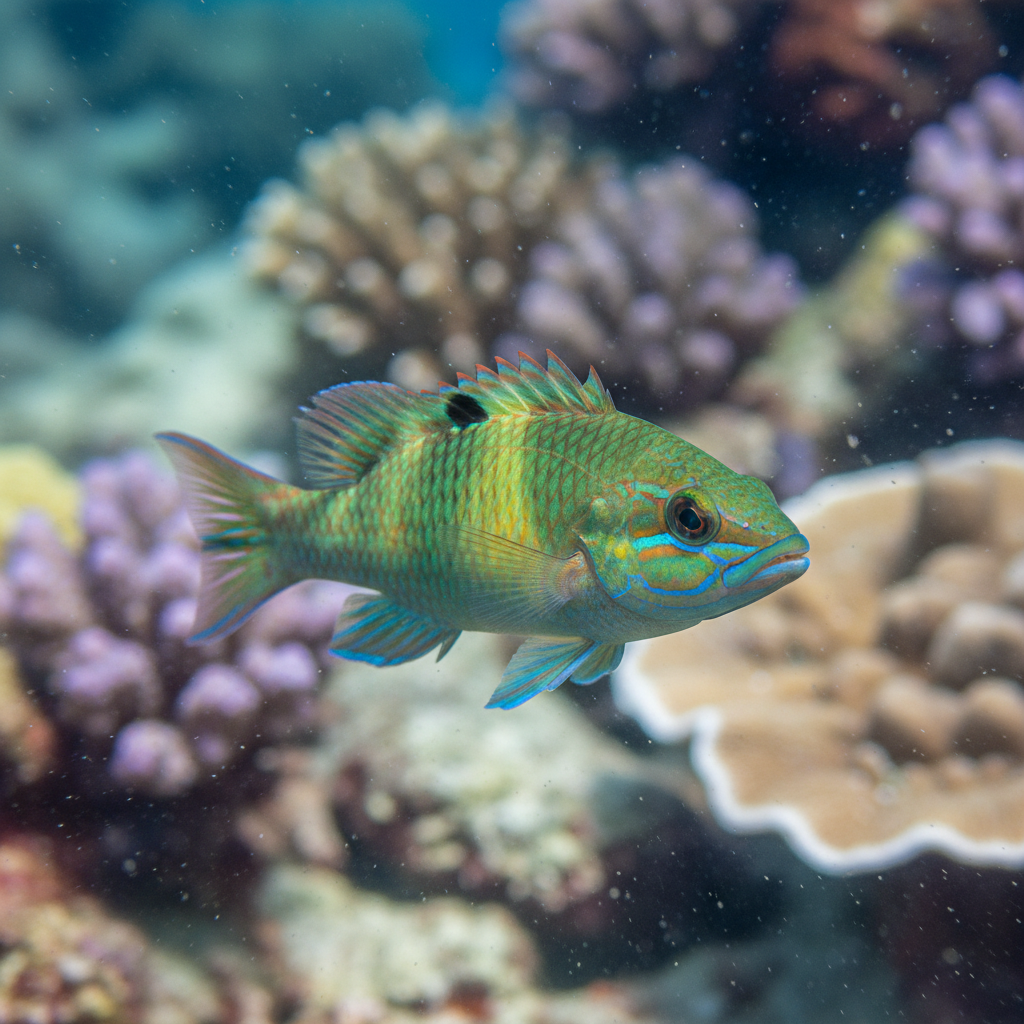
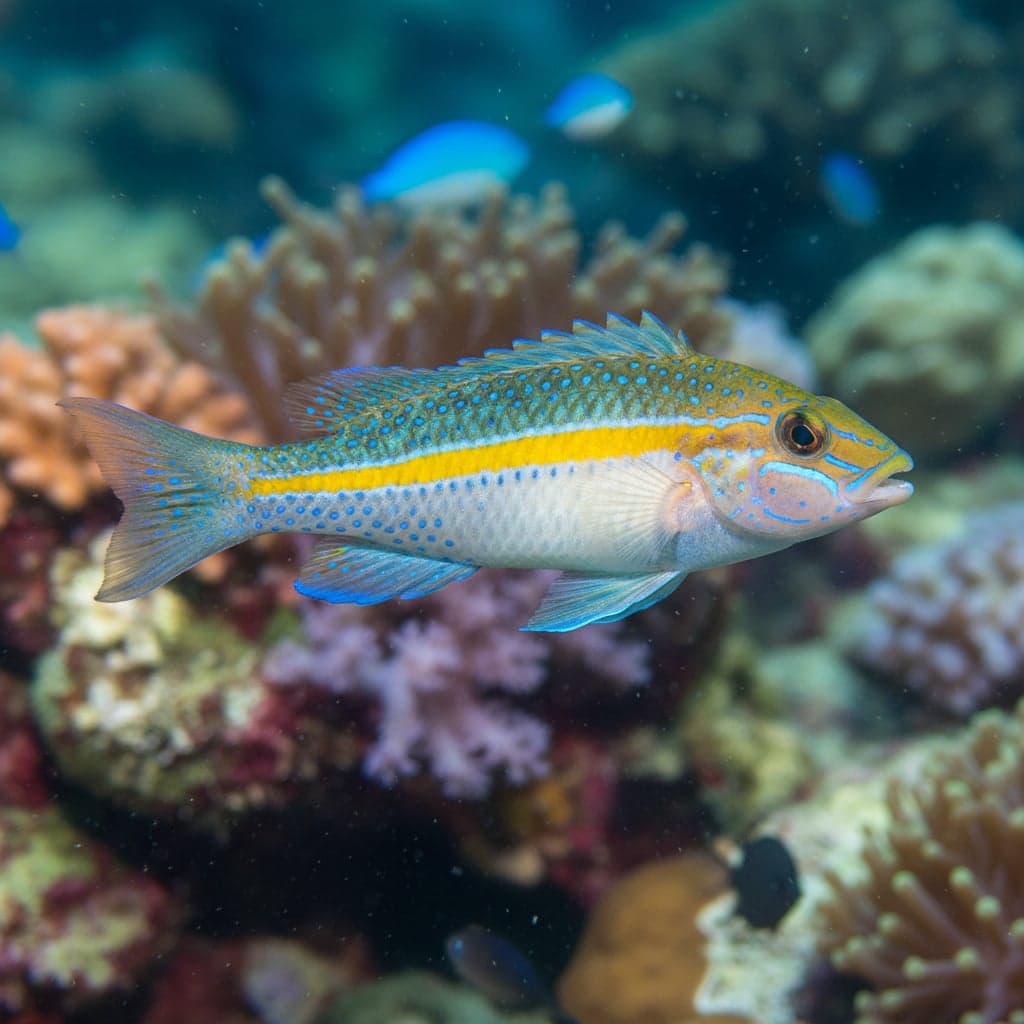
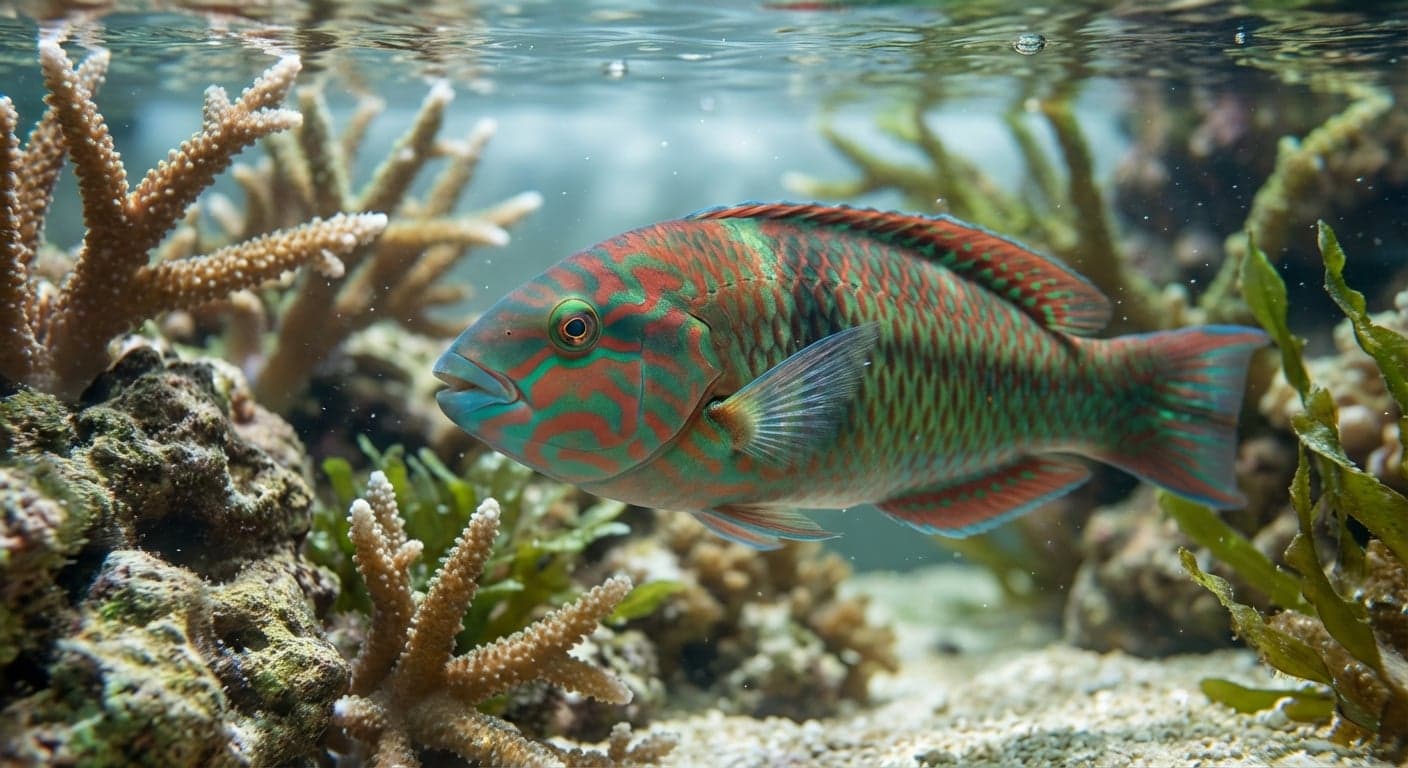
The Jade Wrasse (Halichoeres chloropterus), also known as the Pastel-Green Wrasse, is a vibrant and industrious reef fish valued for its stunning monochromatic green hues and its role as a premier biological pest control specialist.
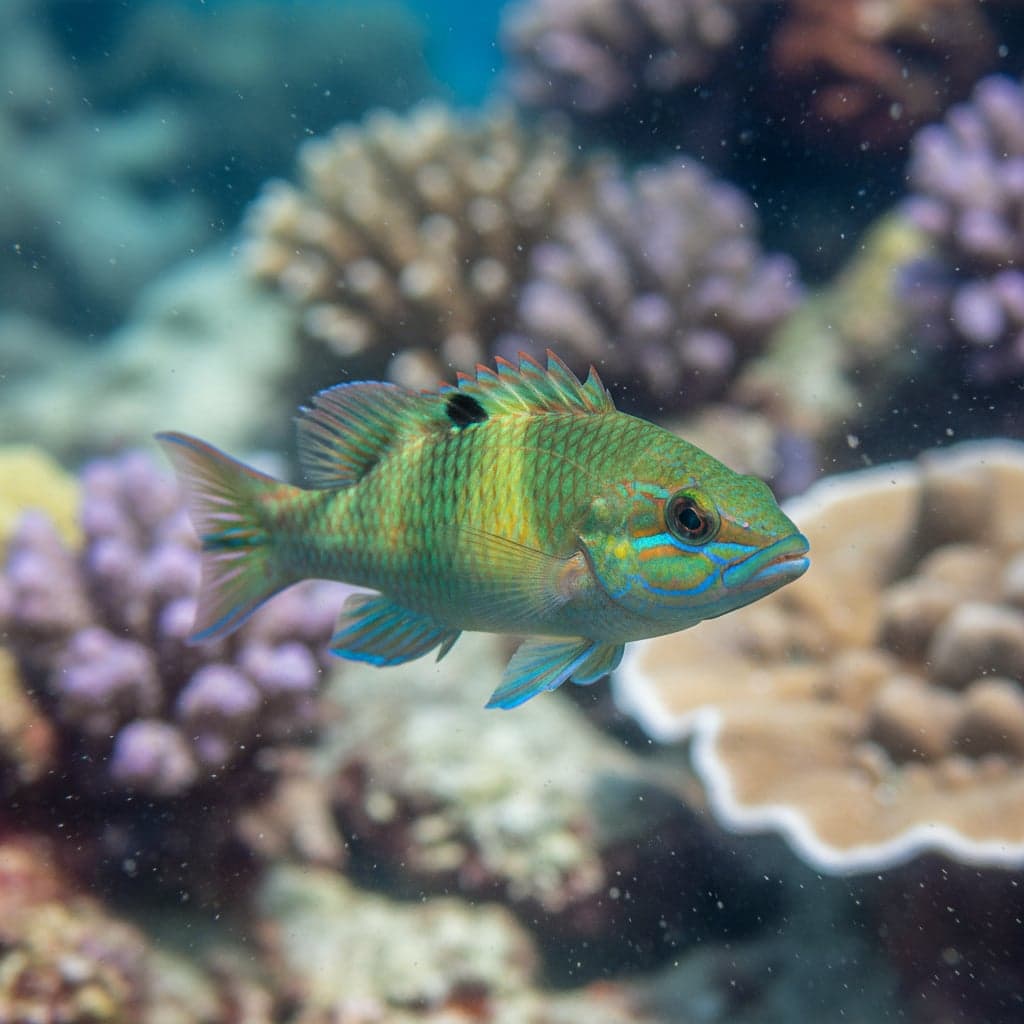
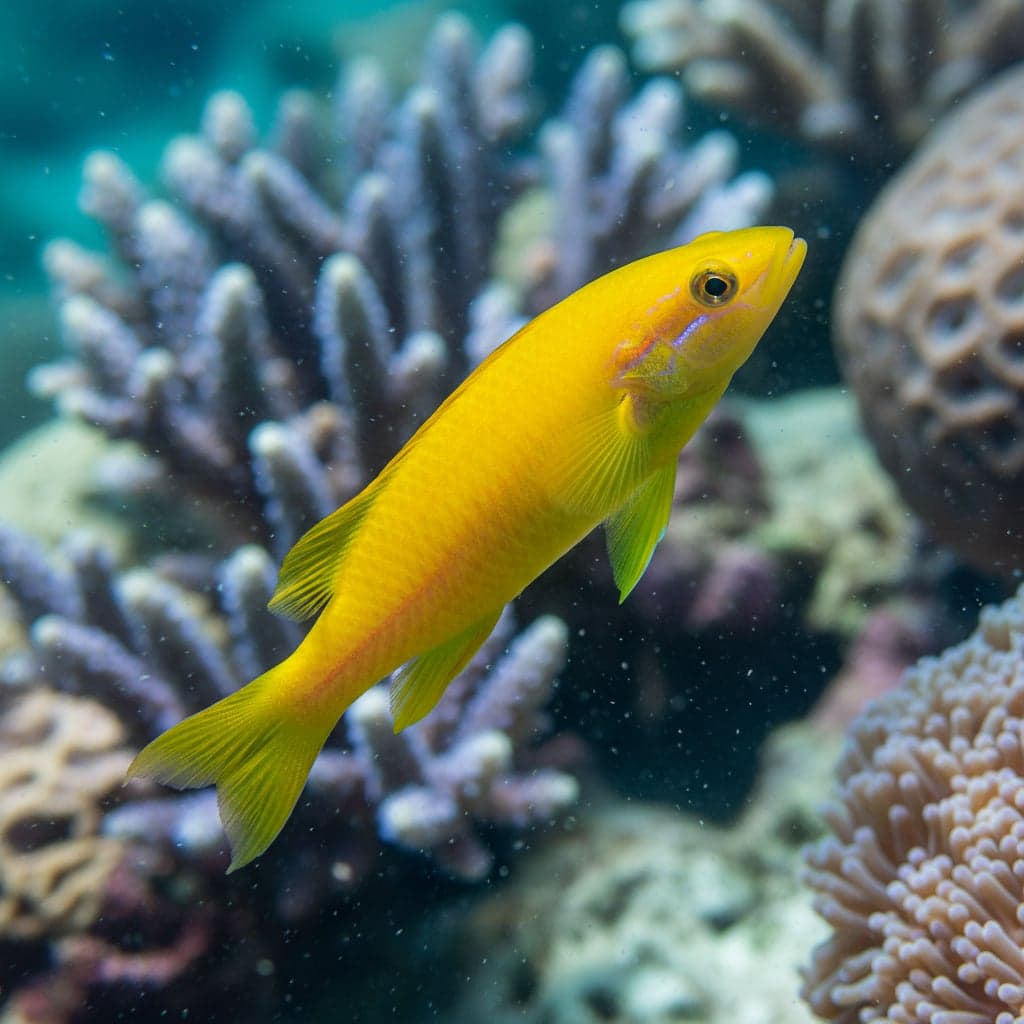
The Jade Wrasse (Halichoeres chloropterus) is one of the most distinctive members of the Halichoeres family. Unlike many of its multicolored relatives, the terminal phase (adult) male is prized for its almost solid, pastel "jade" green coloration, which is rare in the marine hobby. Juveniles and females are typically a pale yellow-green with several rows of small dark spots. Beyond its visual charm, it is an exceptionally industrious worker, constantly scanning the rockwork for small invertebrates and pests, making it a functional and beautiful addition to large reef systems.
In the aquarium, they are energetic and inquisitive. They are famous for their ability to hunt down aquarium pests like flatworms, pyramidellid snails, and bristleworms. However, like all Halichoeres wrasses, they require a specific substrate to thrive, as they dive into the sand for protection and sleep.
Natural Habitat & Origin
Halichoeres chloropterus is native to the Central Indo-Pacific, ranging from the Philippines and Indonesia to the Great Barrier Reef and the Solomon Islands. They are typically found in shallow, protected reef flats, lagoons, and seaward reef slopes at depths of 1 to 10 meters. They prefer areas with a mix of coral rubble and expansive sandy patches intermixed with patches of seagrass or algae, where they can forage for their preferred prey.
Care Requirements
The Jade Wrasse is an active and relatively large species that requires plenty of space. A minimum tank size of 55 gallons (200L) is recommended for a single specimen.
Maintain stable parameters: a pH of 8.1 to 8.4 and a salinity of 1.023 to 1.025. The most critical requirement for their health is a deep sand bed (at least 2-3 inches of fine, calcium-based sand). This is not optional; if the fish cannot burrow at night or when stressed, it will suffer from extreme exhaustion and immune system failure. The tank should be decorated with plenty of live rock arranged with many crevices for the fish to explore, but ensure there are also large open areas of sand. A tight-fitting lid or screen cover is mandatory, as they are notorious jumpers, especially when startled.
Diet & Feeding
They are active carnivores. In the wild, they hunt for small crustaceans, mollusks, and various benthic worms.
In captivity, they are generally excellent feeders:
- They relish high-quality frozen foods: Mysis shrimp, enriched Brine Shrimp, and finely chopped seafood.
- Most will readily accept high-quality marine flakes and pellets.
- They will also find a significant amount of "natural" food within the tank if it is well-established with live rock.
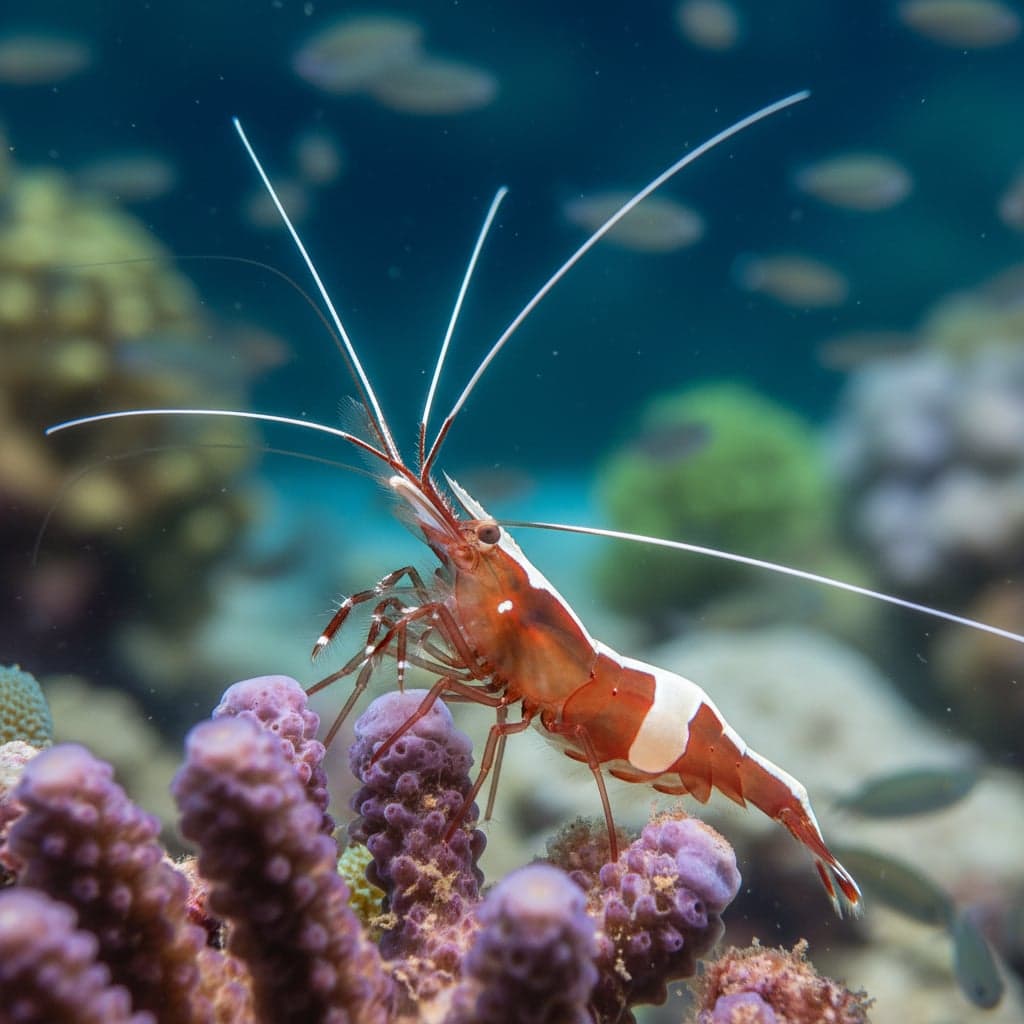
- Note: They are "reef safe with caution." While they do not eat corals, they will eagerly consume ornamental shrimp, small snails, and crabs.
Behavior & Temperament
They are active and bold. During the day, they are in constant motion, inspecting every inch of the tank for food. They are semi-aggressive and can be territorial toward other wrasses, especially those of the same genus or similarly shaped species. They are best kept singly unless the tank is very large. They are "early to bed, early to rise" fish, typically diving into the sand precisely at the same time each evening and emerging once the lights come up in the morning.
Tank Mates
Suitable tank mates include other active and robust reef species:
- Tangs
- Angelfish
- Large Anthias
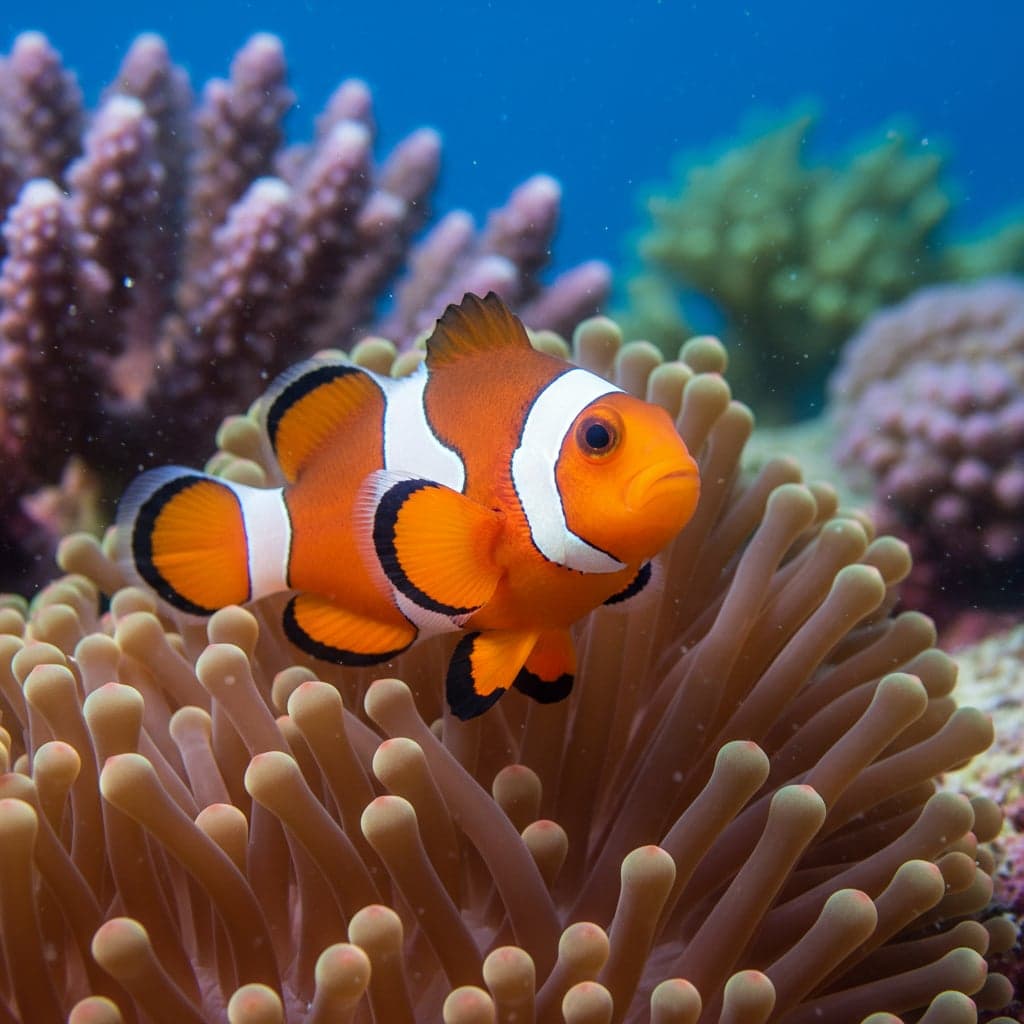
- Clownfish
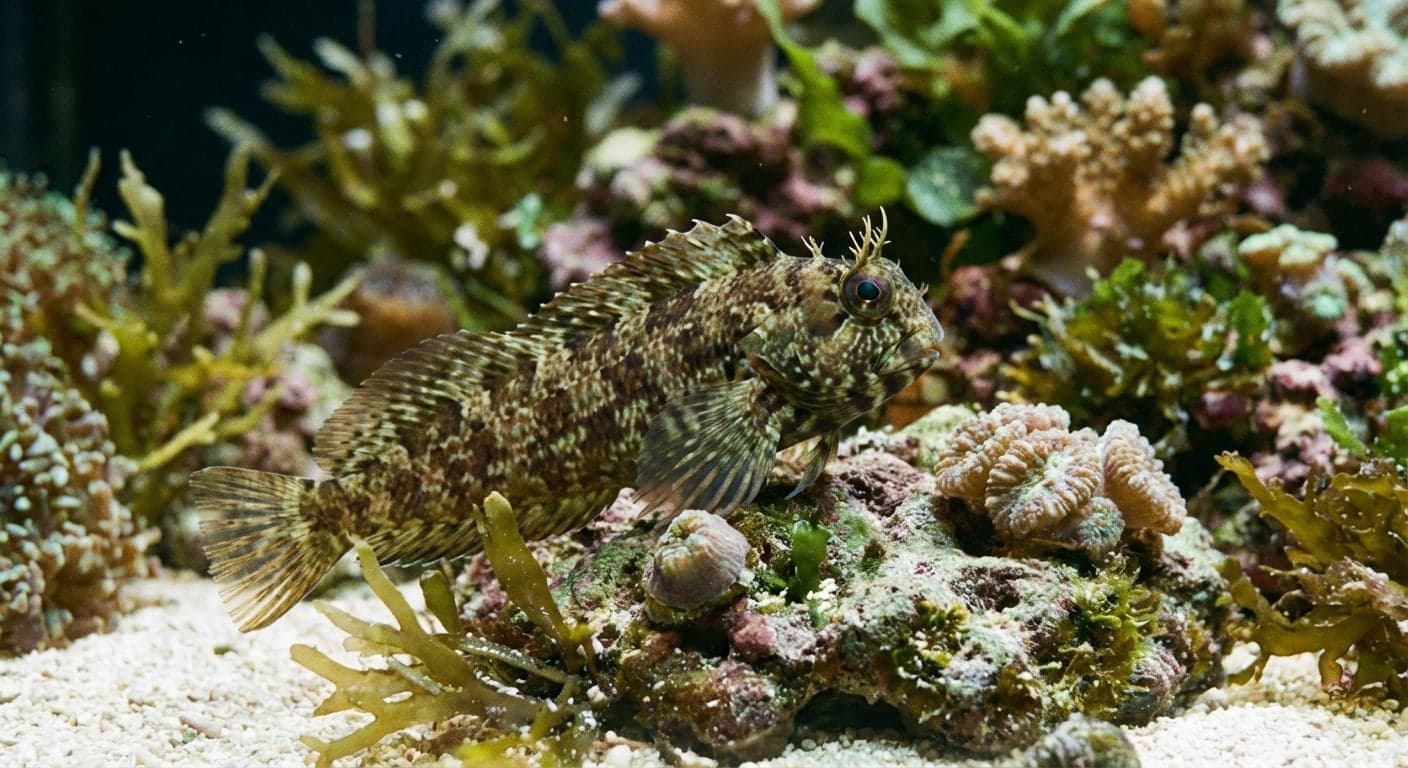
- Blennies and Gobies
Avoid keeping them with small, delicate ornamental shrimp or very small, shy fish that might be intimidated by their high-energy swimming patterns.
Breeding
Breeding Halichoeres chloropterus in the home aquarium has not been reliably achieved. They are pelagic spawners, releasing eggs into the water column during a social "spawning run." The complex larval stage and high specialized feeding requirements of the fry make captive breeding a major challenge that has yet to be commercialized. Currently, all specimens in the hobby are wild-caught.
Common Health Issues
The primary health concern is injury during jumping if the tank is not properly covered. They are also susceptible to "Skinny Disease" or internal parasites if they are not fed frequently enough or a varied enough diet. Providing a stress-free environment with a deep sand bed and high-quality, frequent nutrition is the best way to ensure their unique jade coloration remains vibrant.