Jamaican Killifish: Cubanichthys pengelleyi
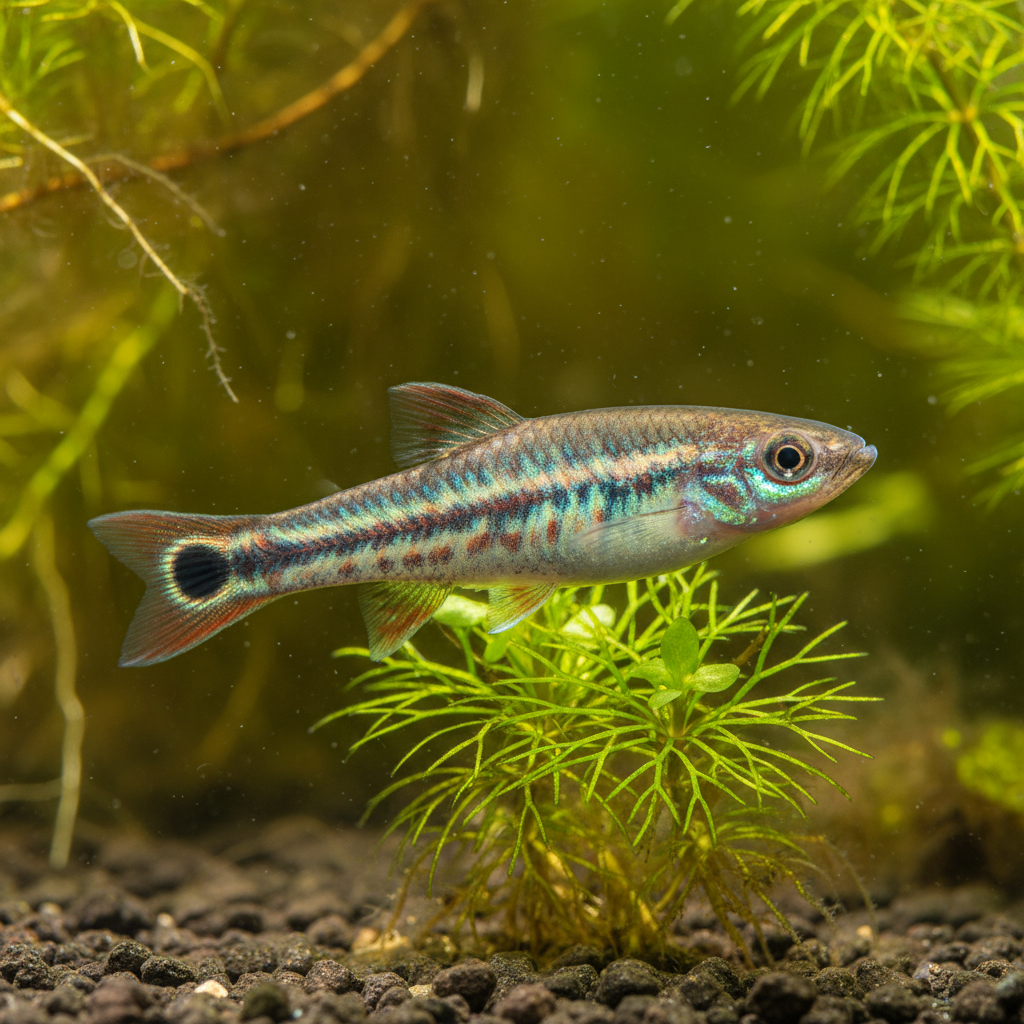
The Jamaican Killifish (Cubanichthys pengelleyi) is an exquisite and highly sought-after species endemic to the springs and marshes of Jamaica, celebrated for its shimmering silver body and precise, vertical chocolate-brown stripes.

The Jamaican Killifish (Cubanichthys pengelleyi) is a centerpiece of the West Indian freshwater fauna. Unlike the flamboyant, ephemeral killifish from Africa or South America, the Jamaican Killifish offers a more understated and sophisticated beauty. Its laterally compressed, silvery body is adorned with a series of very thin, perfectly spaced vertical dark bars that contrast beautifully with its large, expressive eyes and almost translucent fins. It is a long-lived, non-annual killifish that is rarely seen in the general trade, making it a "holy grail" for specialists dedicated to the preservation of endemic island species.
In the aquarium, they are active and inquisitive, though they can be quite shy if kept in inadequate numbers or without sufficient cover. They are a "quality over quantity" species, requiring specific water chemistry to truly thrive and showcase their unique iridescent sheen.
Natural Habitat & Origin
Cubanichthys pengelleyi is endemic to Jamaica, meaning it is found nowhere else on Earth. They inhabit a range of freshwater environments, from crystal-clear limestone springs and sluggish rivers to coastal marshes and drainage ditches. They are typically found in the western and central parishes of the island. Their preferred habitats are shallow, sun-drenched areas with prolific aquatic vegetation and a substrate of limestone rubble and silt, where they forage for small invertebrates.
Care Requirements
The Jamaican Killifish is a specialized species that requires attention to its unique water chemistry. A minimum tank size of 15 gallons (60L) is recommended for a small colony.
Maintain stable parameters: a pH of 7.5 to 8.5 and a temperature of 75°F to 81°F (24°C to 27°C). Unlike many popular killifish that prefer soft/acidic water, this species requires hard, alkaline water to replicate the limestone-rich springs of its native Jamaica. The tank should be densely planted around the perimeter with hardy species like Valisneria or Java Fern, but ensure there is a large open swimming area in the center. Subdued lighting and a substrate of crushed coral or fine sand will help maintain the necessary alkalinity and make the fish feel secure.
Diet & Feeding
They are versatile omnivores. In the wild, they feed on aquatic insect larvae, small crustaceans, and a significant amount of algal matter.
In captivity, they require a varied diet:
- They relish live or frozen foods: Daphnia, Artemia (Brine Shrimp), and Bloodworms.
- Most will transition to high-quality, small-sized flakes or micro-pellets.
- Occasional vegetable-based flakes help mimic their natural grazing behavior.
- Tip: They are mid-water feeders. Ensure that food stays suspended for long enough for them to catch it, as they are not enthusiastic bottom-scavengers.
Behavior & Temperament
They are strictly peaceful and social. They are best kept in a group of 6 or more individuals to reduce shyness and encourage natural interaction. While the males may occasionally spar or "shimmer" at one another to establish a hierarchy, this rarely results in any actual harm. They are "daryters," moving with quick, precise bursts before hovering perfectly still. They are not jumpers by nature, but a secure lid is always recommended as a basic precaution.
Tank Mates
Suitable tank mates must be small, peaceful, and comfortable in hard, alkaline water:
- Platies or Swordtails (small varieties)
- Endlers Livebearers
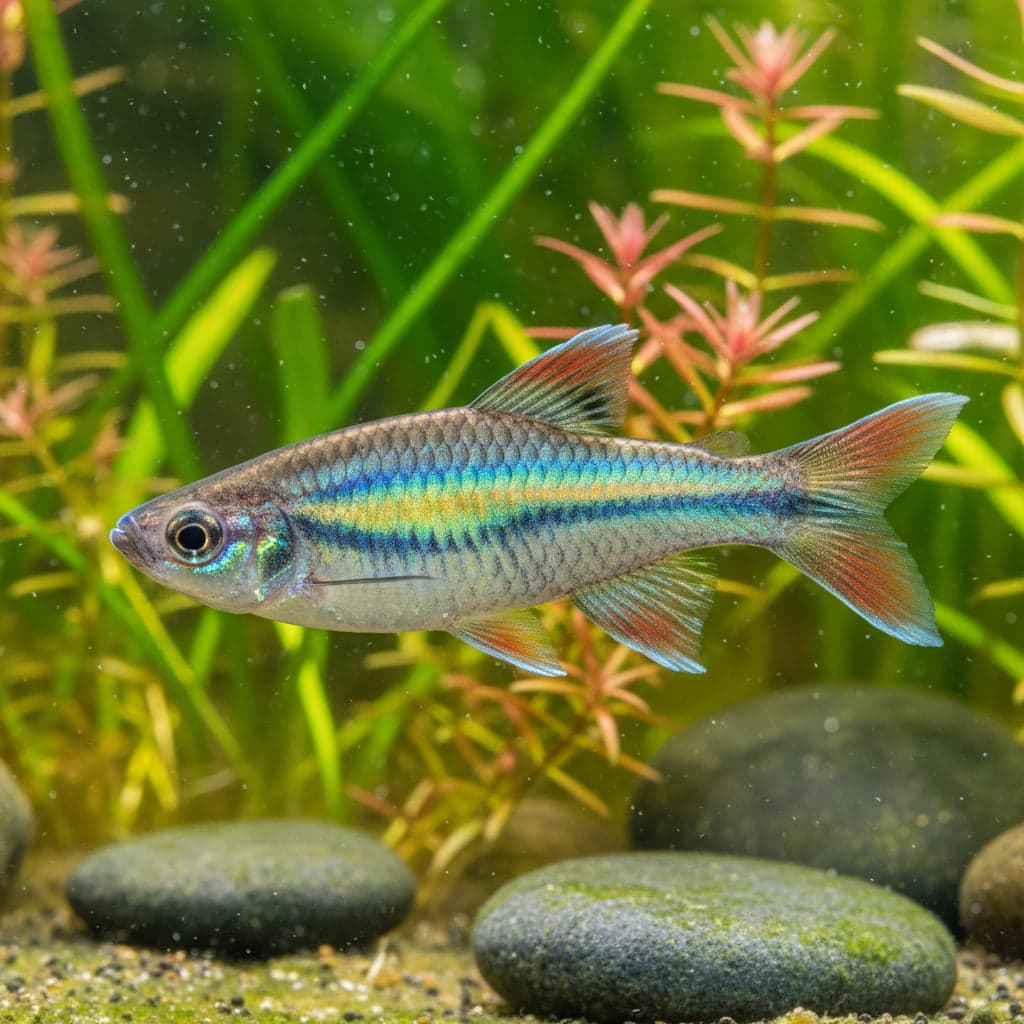
- Small Rainbowfish (Pseudomugil species)
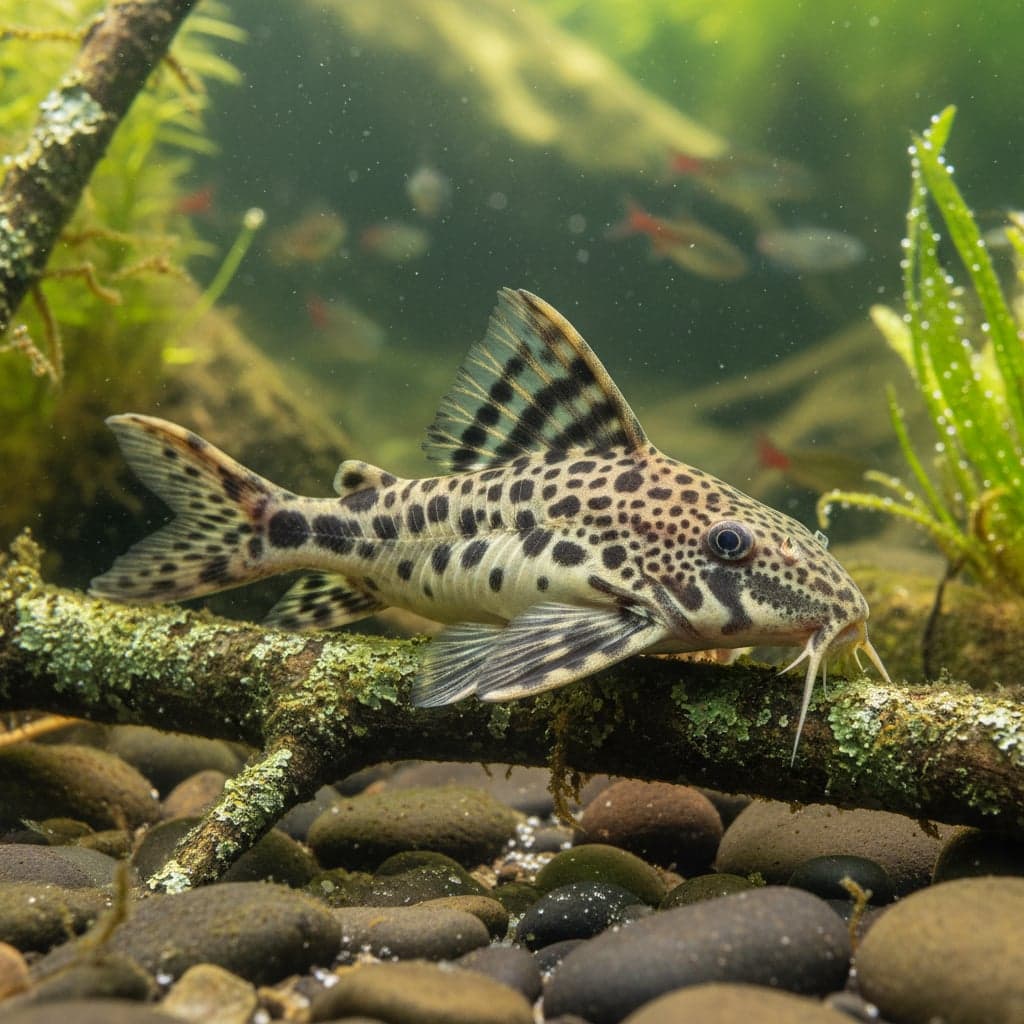
- Corydoras catfish (hardy species like C. paleatus)
- Freshwater Gobies
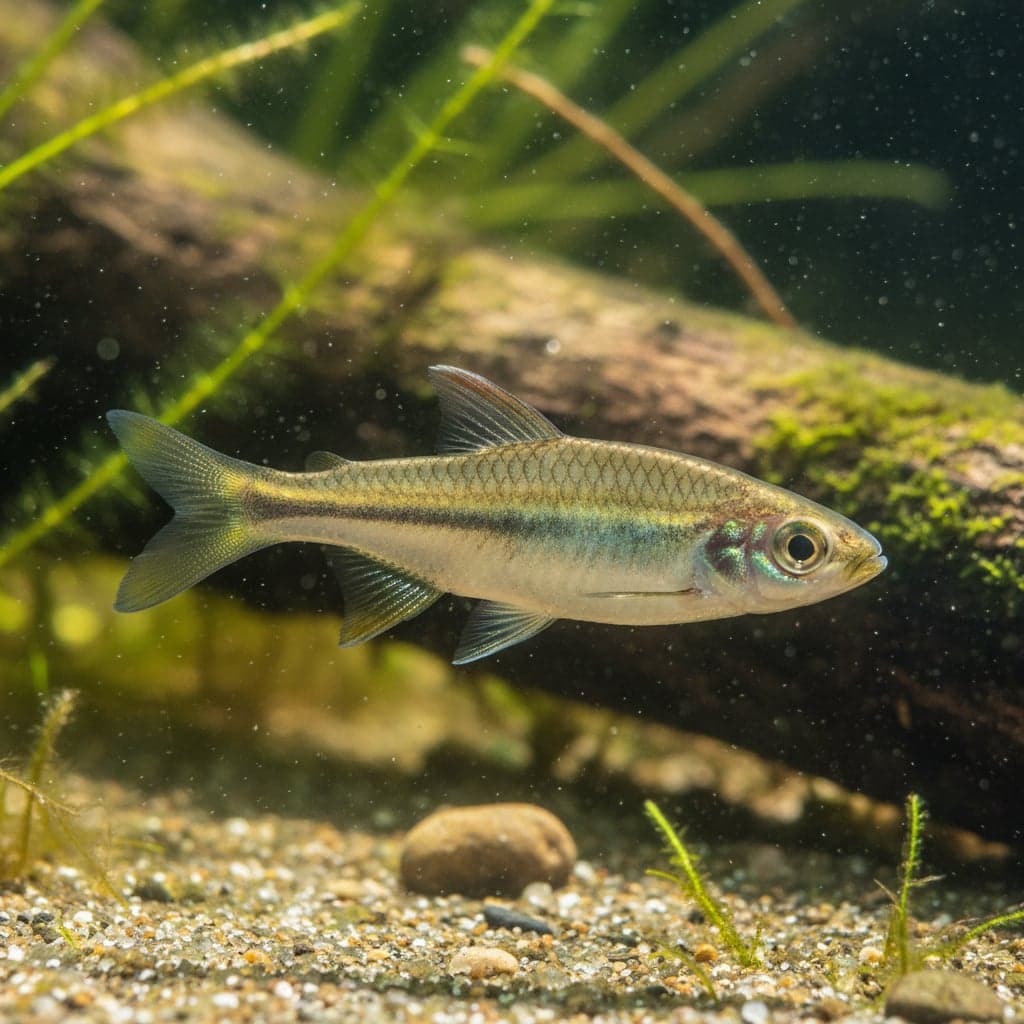
Avoid keeping them with large, active schooling fish or with aggressive species that might outcompete them for food or nip at their delicate fins.
Breeding
Breeding Cubanichthys pengelleyi is a rewarding challenge for the dedicated hobbyist. They are mop-spawners or egg-scatterers. The parents will deposit a few adhesive eggs each day into fine-leaved plants or a spawning mop. Unlike annual killifish, the eggs do not require a dry period. They will hatch in 10 to 14 days. The fry are quite small and require infusoria or liquid fry food as their first meal before graduating to baby brine shrimp.
Common Health Issues
The primary health concern is bacterial infections and physical decline if kept in water that is too soft or acidic. They are also sensitive to rapid changes in water temperature. Maintaining a stable, hard-water environment with pristine clarity and a high-quality, frequent diet is the best way to ensure their delicate silver-and-chocolate stripes remain sharp and their activity levels high.