Kafirnigani Loach: Triplophysa kafirnigani
The Kafirnigani Loach (Triplophysa kafirnigani) is an exceptionally rare and specialized cold-water loach from Central Asia, evolved to thrive in the torrential, oxygen-rich currents of high-altitude rivers.
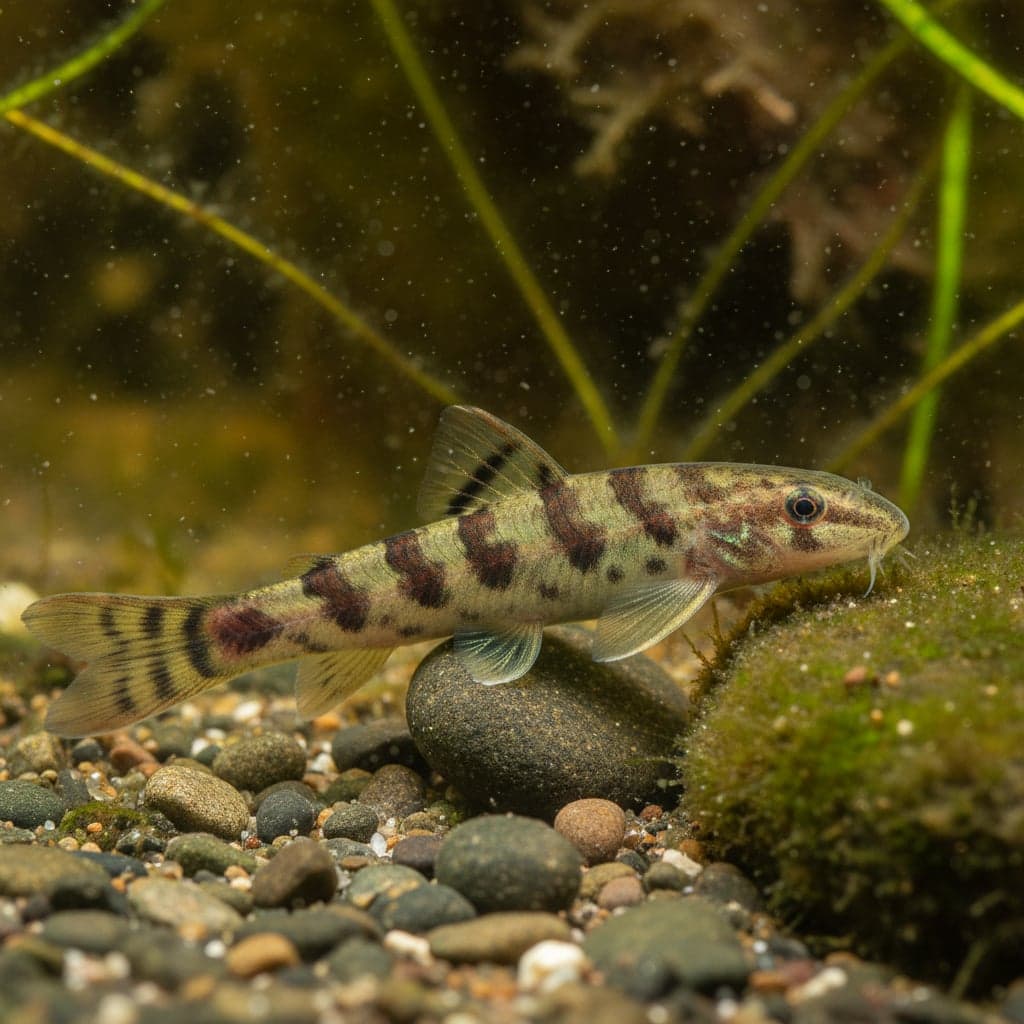
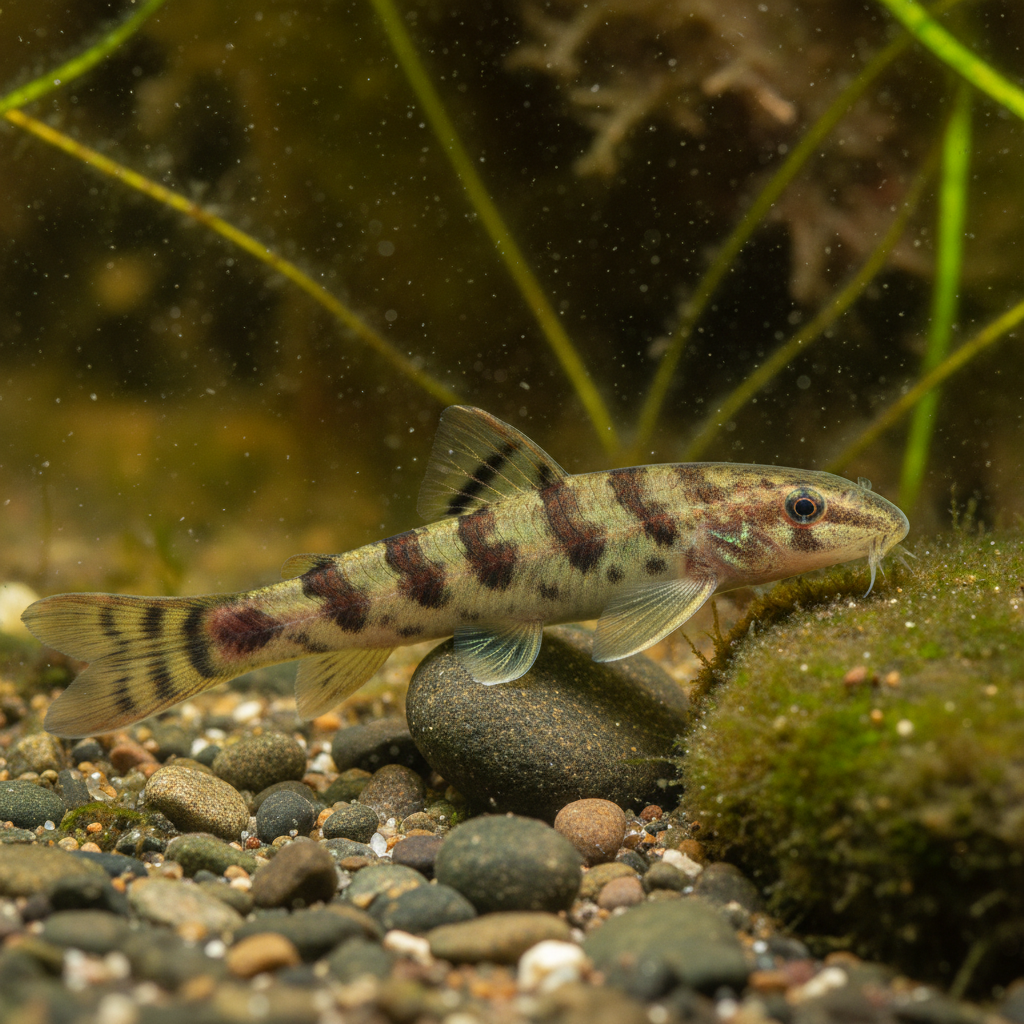
The Kafirnigani Loach (Triplophysa kafirnigani) is a fascinating example of evolutionary specialization. Native only to a few high-altitude river systems in Central Asia, this loach is built for life in the fast lane. Its body is significantly more slender and streamlined than most aquarium loaches, with a flattened ventral surface and powerful fins that allow it to "hug" the rocks in the most turbulent currents. Its coloration is a study in camouflage: a mottled pattern of olive, clay-brown, and grey that makes it nearly invisible against a riverbed of smooth stones. For the specialized "hillstream" aquarist, the Kafirnigani Loach represents a rare and challenging opportunity to maintain a species adapted to one of the most extreme aquatic environments on Earth.
In the aquarium, they are active and fascinating but require a setup that mimics their uncompromising natural habitat. They are not suitable for standard tropical community tanks; they demand high-volume turnover, massive oxygenation, and temperatures that rarely exceed 20°C.
Natural Habitat & Origin
Triplophysa kafirnigani is endemic to the Kafirnigan River basin in Tajikistan and surrounding regions of Central Asia. These are high-altitude, mountainous rivers fed by glacial meltwater. The habitat is defined by torrential flow, exceptionally clear water, and a substrate of clean, water-worn boulders and large gravel. There is virtually no silt or fine sediment in their preferred zones. The water is consistently cold, even in summer, and is saturated with oxygen due to the constant crashing of water over the stones.
Care Requirements
The Kafirnigani Loach is a high-maintenance species that requires a dedicated "river manifold" setup. A minimum tank size of 30 gallons (120L) is recommended, but the focus must be on length and water movement.
Maintain precise cool-water parameters: a pH of 7.0 to 8.0 and a temperature of 54°F to 68°F (12°C to 20°C). They will not survive long-term at tropical temperatures (above 22°C/72°F). The tank must feature powerful powerheads or a manifold system to create a directional, high-velocity current. The substrate should consist of smooth, rounded river stones and large cobbles, leaving no "dead spots" where detritus can accumulate. Lighting should be bright to encourage the growth of biofilm and algae on the rocks, which supports the small organisms they feed on.
Diet & Feeding
They are specialized carnivores that hunt for small prey in the crevices of the rocks. In the wild, they feed almost exclusively on the larvae of aquatic insects (mayflies, stoneflies, and midges).
In captivity, they can be challenging to transition to prepared foods:
- Live or frozen Bloodworms, Mysis shrimp, and chopped Krill are the best staples.
- High-quality carnivore pellets may be accepted over time, but they must sink into the rocks where the fish forage.
- Tip: They are "crevice hunters." Dropping food into areas of high flow so it lodges among the stones will trigger their natural hunting behavior.
- They have a high metabolism and require small, frequent feedings in their oxygen-rich environment.
Behavior & Temperament
They are peaceful but intensely active. They spend their lives darting from rock to rock, often using their pectoral fins to "grip" the surface against the current. While they are not schooling fish, they are social and should be kept in a group of 3 to 5 to observe their natural interactions. They are entirely non-aggressive toward other species but may engage in high-speed territorial "tag" with their own kind. They are masters of hiding; if they feel even slightly insecure, they will disappear into the crevices of the rockwork for hours.
Tank Mates
Suitable tank mates are strictly limited to other cold-water, high-oxygen specialists:
- Hillstream Loaches (Sewellia or Gastromyzon)
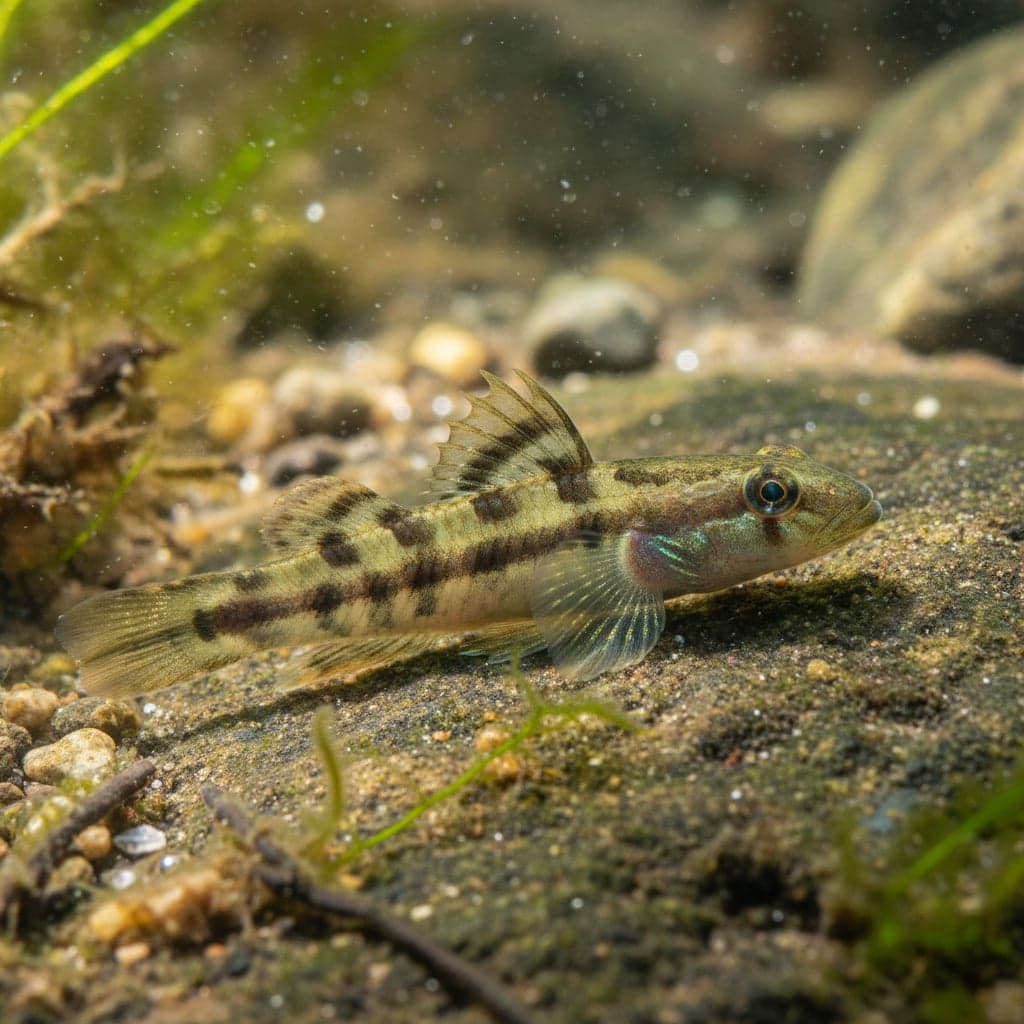
- Stiphodon Gobies (in cooler setups)
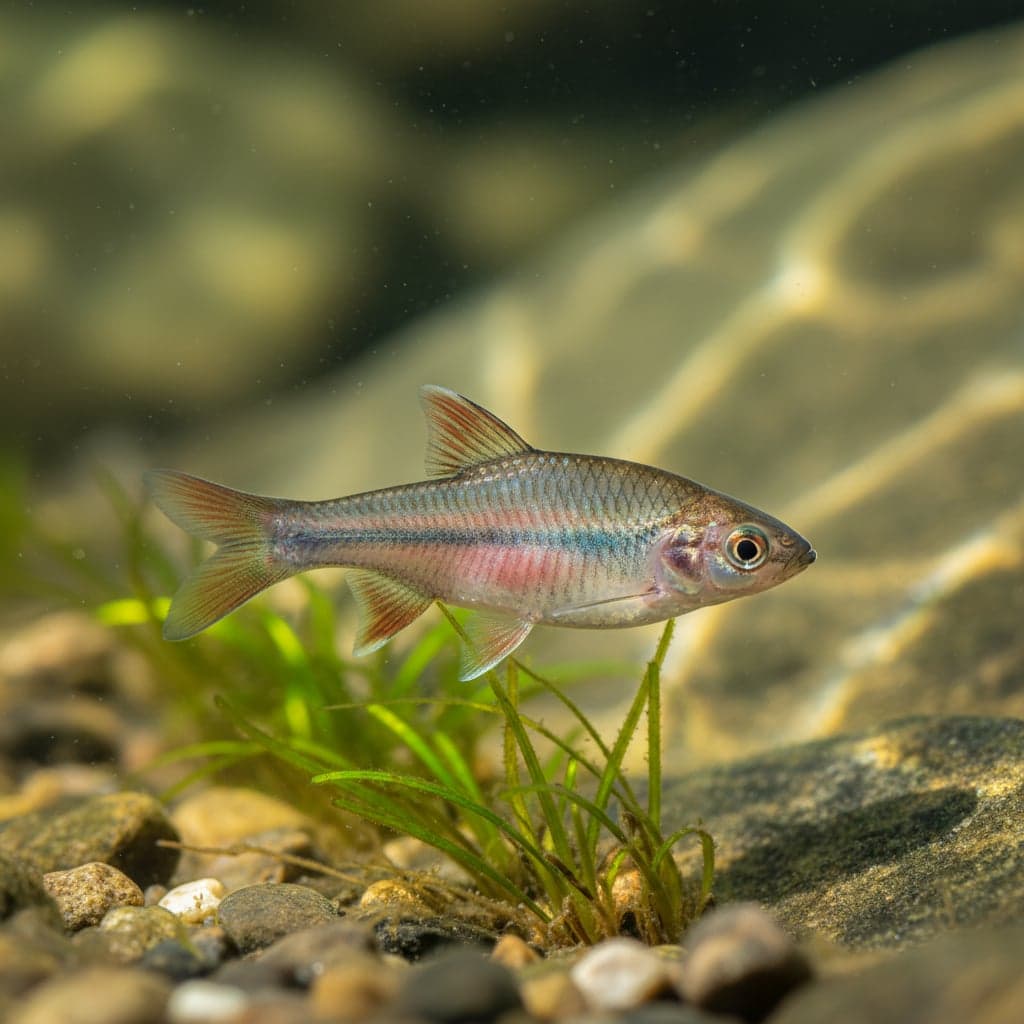
- White Cloud Mountain Minnows
- Rosy Loaches (in temperate setups)
Avoid keeping them with any tropical species, slow-moving fish, or anything that cannot handle high-velocity currents.
Breeding
There are no documented records of Triplophysa kafirnigani breeding in the home aquarium. In the wild, they are thought to migrate slightly to finding specific gravel beds for spawning during the spring melt when water levels are at their peak. Replicating the seasonal temperature shifts and the massive influx of clean, cold water required to trigger spawning is an significant challenge for even the most advanced hobbyists.
Common Health Issues
The primary health concern is hypoxia (lack of oxygen) and heat stress. If the water temperature rises above 20°C or the current fails, these fish will go into respiratory distress almost immediately. They are also prone to specialized bacterial infections if the water is not pristine. Maintaining a chilled, high-turnover environment with a specialized "hillstream" filtration system is the only way to ensure their streamlined, Central Asian beauty remains robust and healthy.