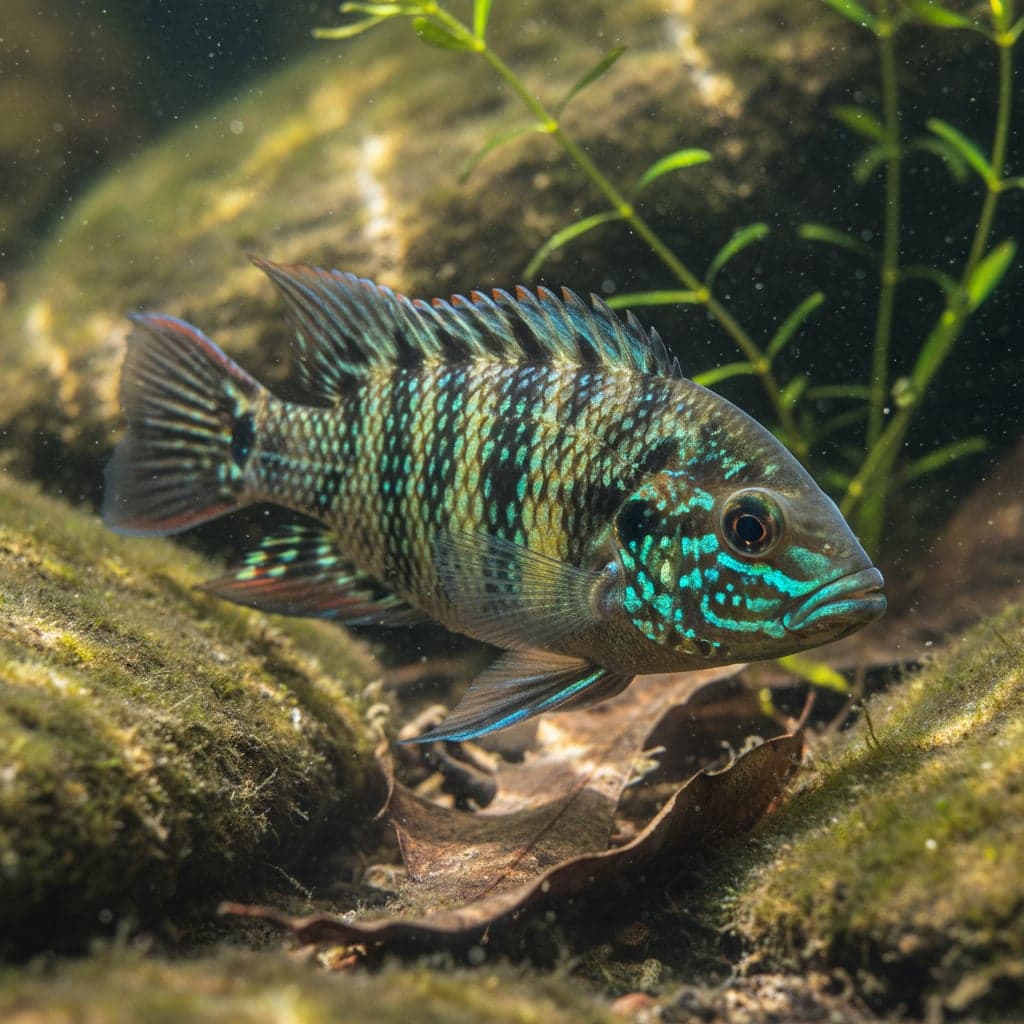
Kissing Gourami: Helostoma temminckii
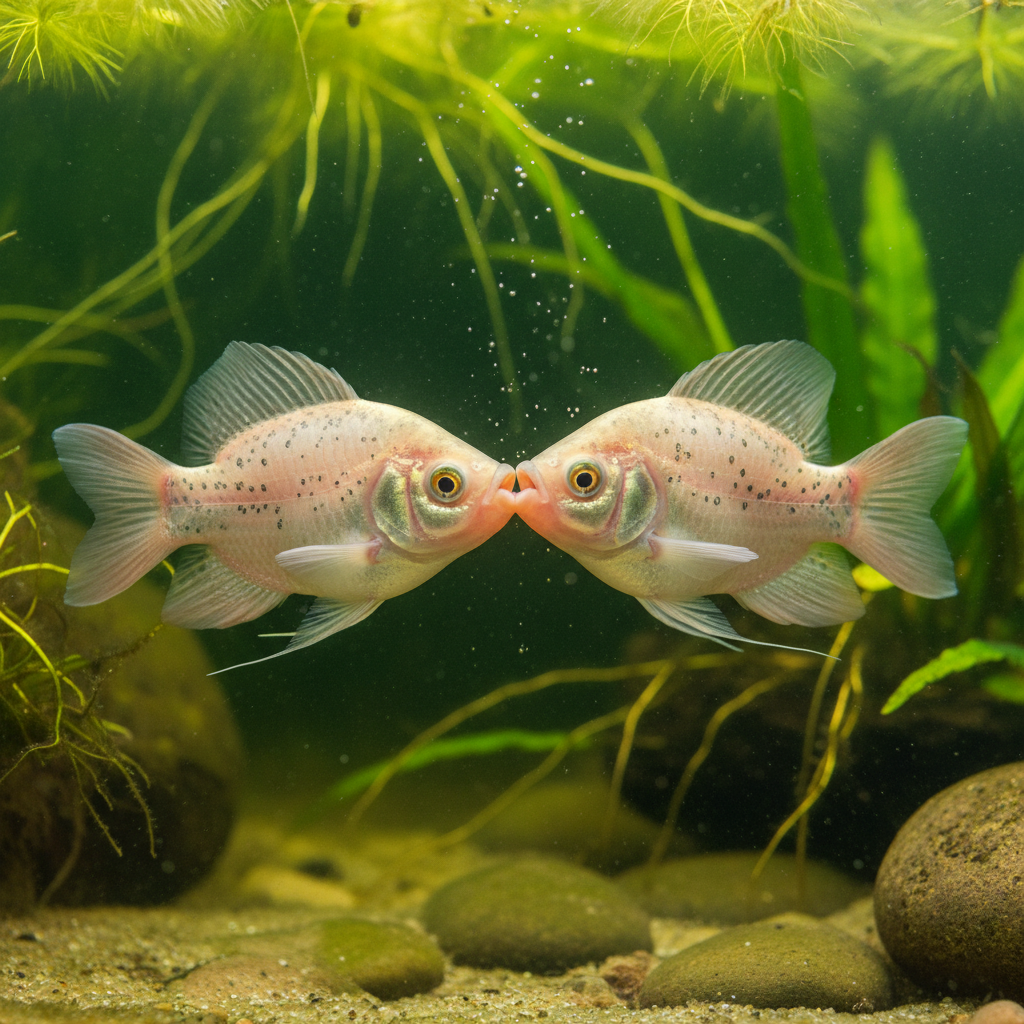
The Kissing Gourami (Helostoma temminckii) is a large and unique anabantoid, famous for its ritualized "kissing" behavior and its specialized filter-feeding mouth.
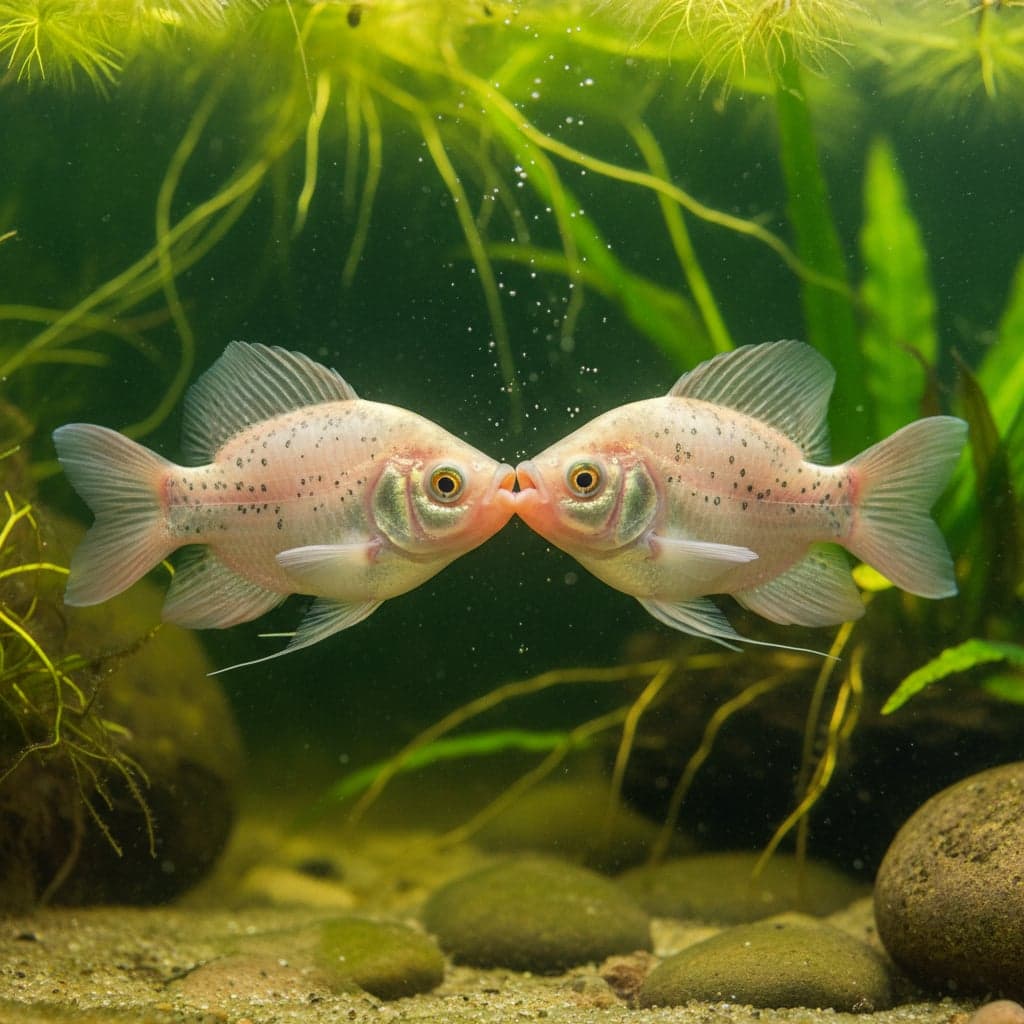
The Kissing Gourami (Helostoma temminckii) is an evolutionary outlier in the gourami family. While other anabantoids are defined by their delicate bubble nests and jewel-like colors, the Kissing Gourami is a large, robust specialist built for life in the slow-moving rivers and swamps of Southeast Asia. It is most famous for its eponymous "kiss"—a behavior where two fish press their large, fleshy lips together. Far from being an act of affection, this is a form of ritualized social combat, as males spar to establish dominance within their hierarchy. It is defined by its deep, compressed body and its unique mouth, which is lined with thousands of fine teeth used to scrape algae and strain microscopic organisms from the water.
In the aquarium, they are active, observant, and resilient. While they are usually peaceful toward other large species, they can be surprisingly assertive and may bully smaller or more timid tank mates. Their large size and high metabolism mean they require significant space and heavy filtration.
Natural Habitat & Origin
Helostoma temminckii is widely distributed across Southeast Asia, inhabiting the rivers, lakes, and marshes of Thailand, Cambodia, Vietnam, and Indonesia. They are highly adaptable and are often found in low-oxygen, slow-moving waters where other fish struggle to survive. Their natural environment is characterized by dense aquatic vegetation and high levels of phytoplankton. They have evolved a specialized "labyrinth organ" that allows them to gulp atmospheric air, and their gill rakers are modified into a fine sieve for filter-feeding on algae and detritus.
Care Requirements
The Kissing Gourami is a hardy species, but its potential size is often underestimated. A minimum tank size of 300 litres (80 gallons) is required for an adult that reaches around 30cm. Keeping them in small tanks leads to stunted growth and increased aggression.
Maintain stable tropical parameters: a pH of 6.5 to 8.5 and a temperature of 75°F to 86°F (24°C to 30°C). They are not picky about water hardness but demand low nitrate levels and clean water to avoid health issues. The aquarium should feature a mix of open swimming space and large, robust decor like driftwood and smooth boulders. Because they are active grazers, they will likely uproot or eat delicate plants; instead, use hardy species like Anubias or Java Fern attached to the wood. High-quality filtration is essential to manage the waste of such a large, filter-feeding fish.
Diet & Feeding
They are specialized omnivores and filter feeders. In the wild, they graze almost constantly on algae and strain microscopic plankton from the water column.
In captivity, they require a varied and nutrient-dense diet:
- High-quality algae wafers and plant-based pellets should be the staple.
- They relish live or frozen foods: Brine shrimp, Daphnia, and Bloodworms.
- They must have access to fresh vegetable matter: blanched spinach, zucchini, or shelled peas.
- Tip: They spend a significant amount of time "pecking" at the glass and decor. Letting a healthy amount of green algae grow on the back glass provides them with a natural foraging surface.
- They are enthusiastic eaters and will compete aggressively for food at the surface.
Behavior & Temperament
They are semi-aggressive and highly social. While they do not school in the traditional sense, they are much more comfortable when kept in a group where they can establish their "kissing" hierarchy. They are mid-to-top water dwellers and are constantly on the move. They are notorious for being "territorial over horizontal space" and may chase slower-moving fish away from their chosen grazing area. They are remarkably long-lived, often reaching over 20 years in age, making them a long-term commitment for the aquarist.
Tank Mates
Suitable tank mates are other robust, medium-to-large community species:
- Larger Tetras (Bleeding Heart, Congo)
- Barbs (Rosy or Tiger Barbs)
- Synodontis or larger Corydoras
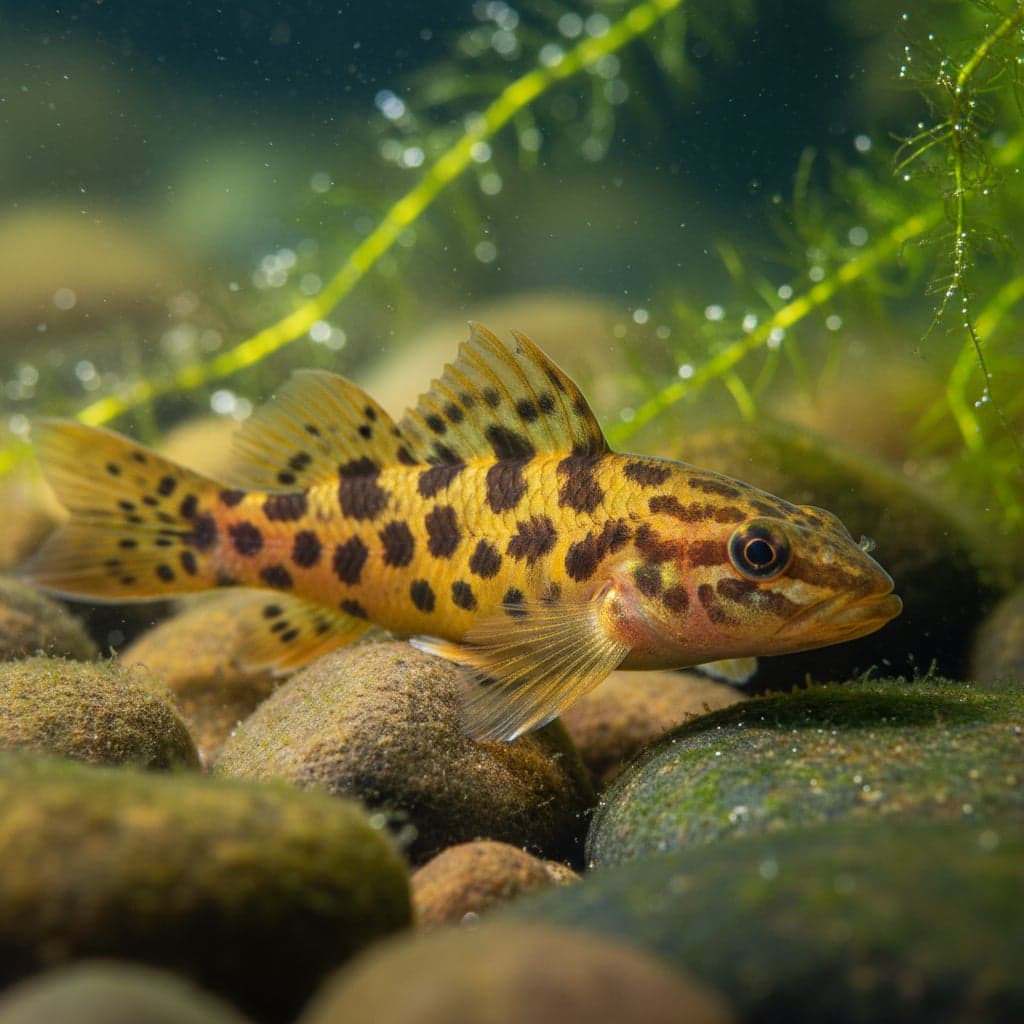
- Robust Loaches (Clown Loach, Yoyo Loach)
- Other medium-sized Cichlids (like Severums or Angelfish)
Avoid keeping them with very small or timid fish (like Neon Tetras or Guppies), which may be stressed by the Gourami's large size and constant movement.
Breeding
Unlike almost all other gouramis, the Kissing Gourami is a broadcast spawner. They do not build bubble nests and do not provide parental care. In a large group, spawning occurs with a spectacular "synchronized dash" to the surface, where thousands of tiny, buoyant eggs are released. These eggs float at the surface and hatch within 24 hours. The fry are exceptionally small and require "infusoria" or specialized liquid fry foods initially. Breeding them successfully in a standard home aquarium is rare due to the sheer volume of eggs and the space required for the adults to spawn.
Common Health Issues
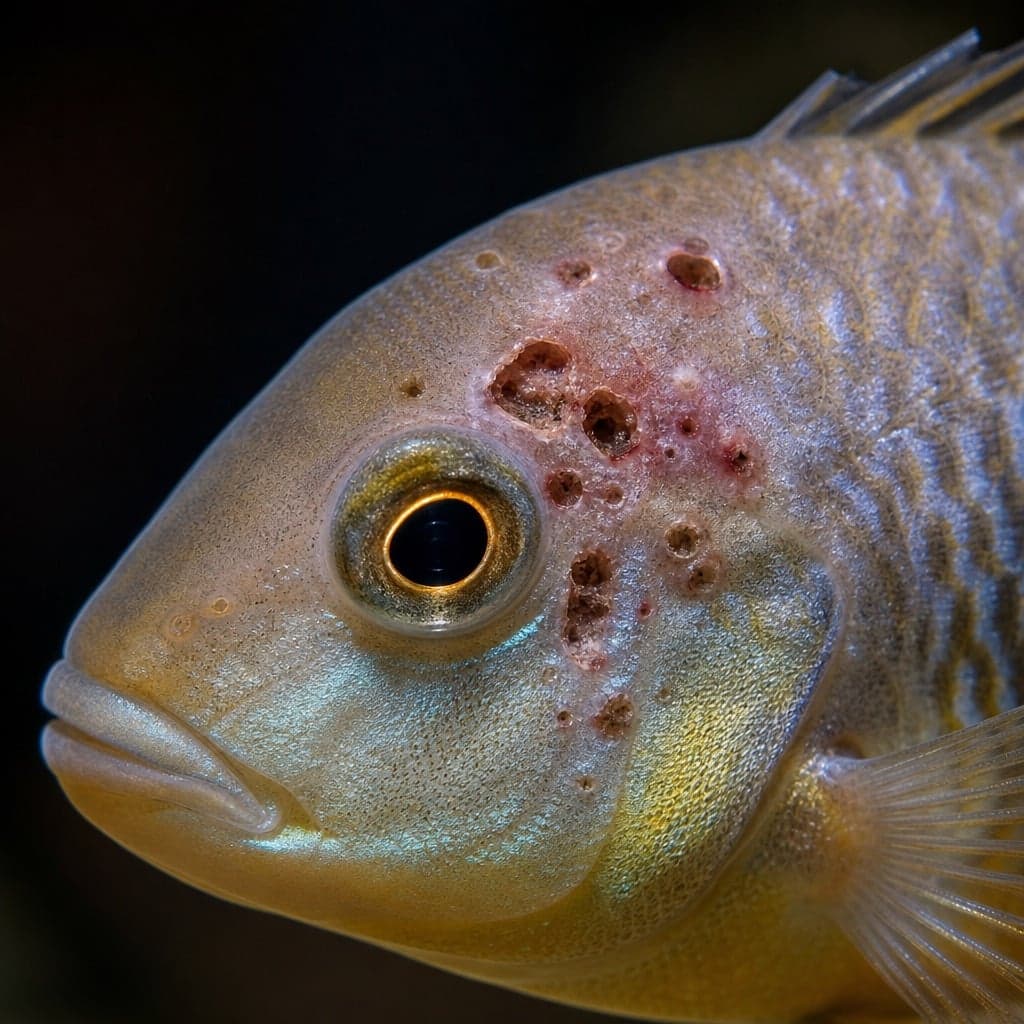
The primary health concern is nutritional deficiency caused by a lack of vegetable matter. If they do not have enough algae or fiber in their diet, they will develop digestive failures. they are also prone to Hole-in-the-Head disease and Skin Parasites if water quality is poor. Maintaining a high-vegetable diet, ensuring massive water volume, and providing strong filtration is the best way to ensure the unique "kissing" personality of Helostoma temminckii remains a highlight of the tank.