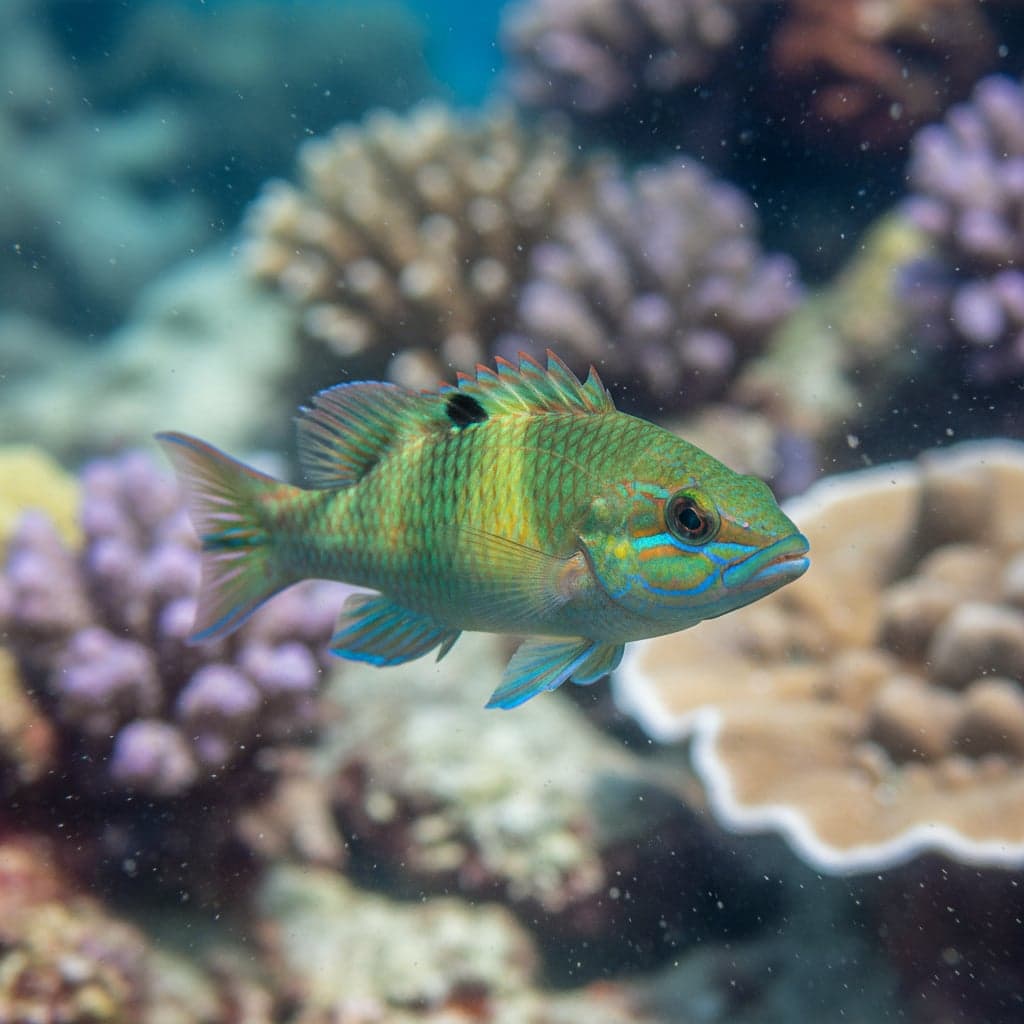
Kole Tang (Yellow Eye Tang): Ctenochaetus strigosus
The Kole Tang (Ctenochaetus strigosus) is the "utility player" of the reef aquarium, famous for its vivid yellow-rimmed eyes and its tireless work scouring film algae from rocks and glass.
Also known as: yellow-eyed tang · yellow eye kole tang · Ctenochaetus strigosus

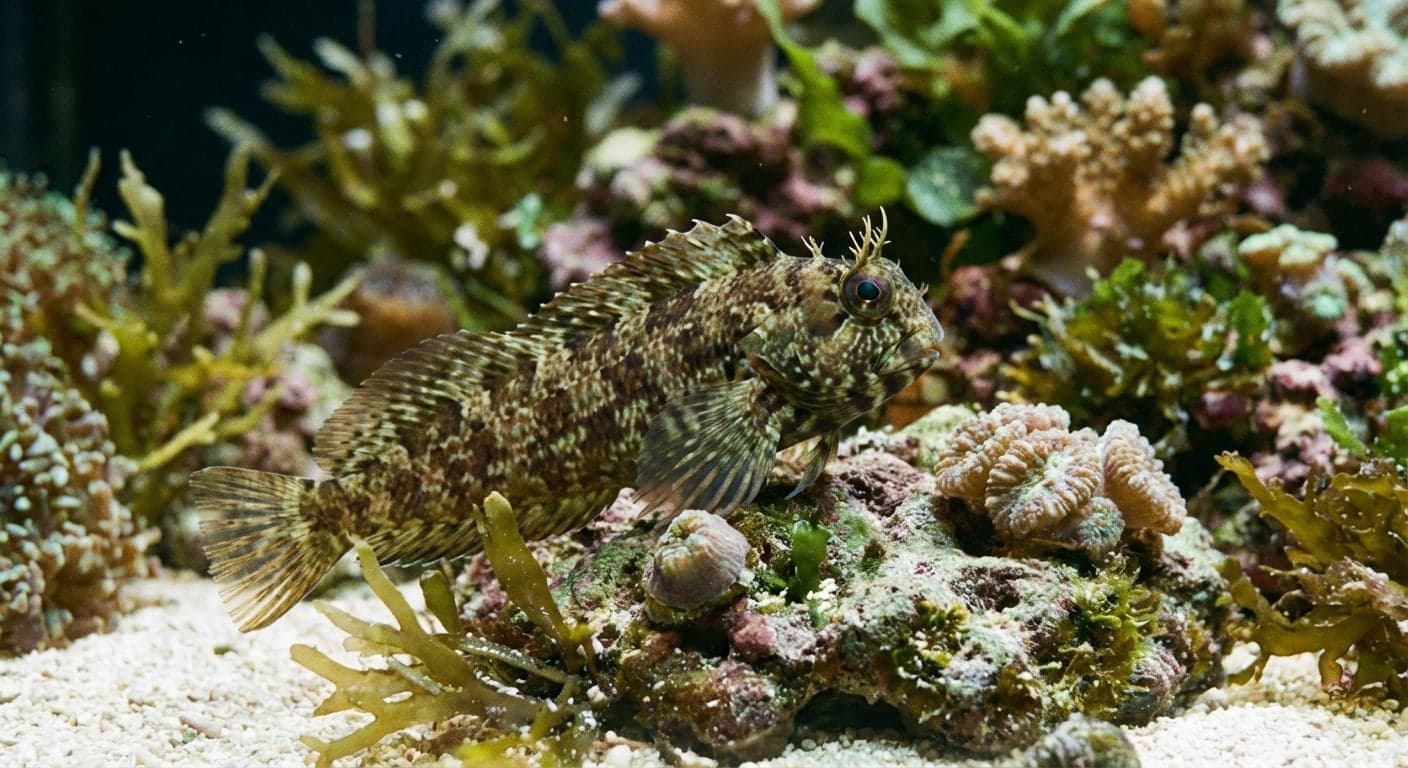
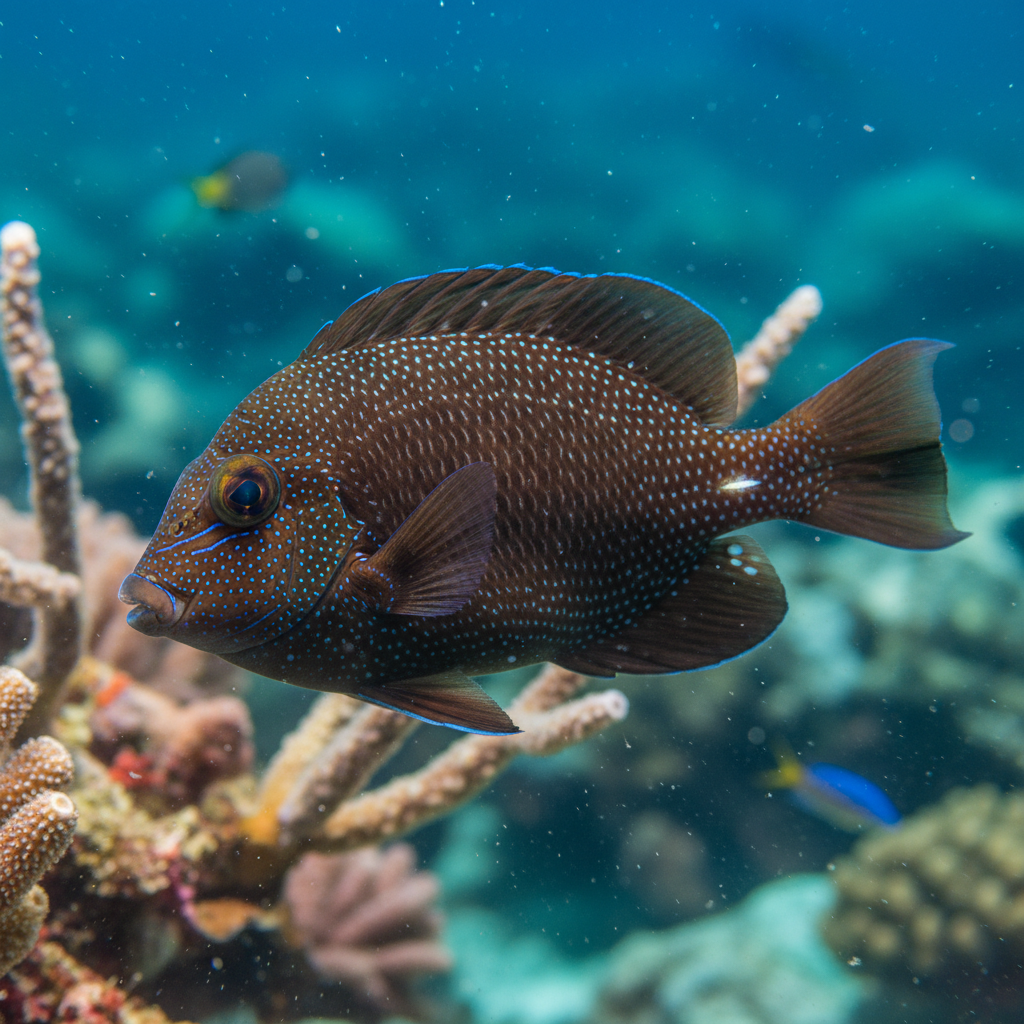
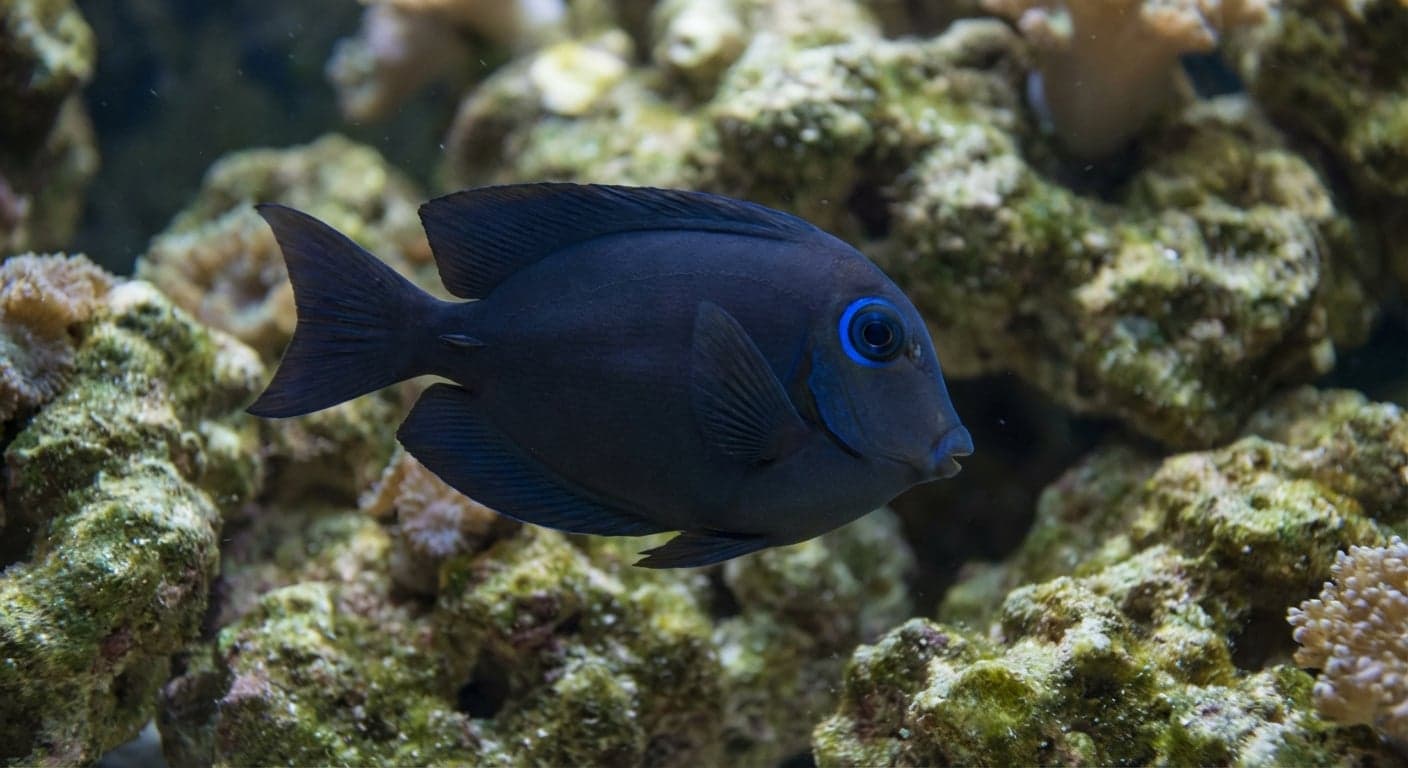
The Kole Tang (Ctenochaetus strigosus), also known as the Yellow Eye or Spotted Bristletooth Tang, is perhaps the most utilitarian resident of the marine aquarium. Native to the volcanic reefs of Hawaii, it is defined by its sophisticated, understated elegance: a deep burgundy or chocolate-brown body covered in a fine network of subtle lavender stripes and spots. Its most iconic feature is its radiant, gold-yellow eye ring, which gives it a perpetually alert and focused appearance. Unlike many other tangs that graze on leafy algae, the Kole Tang is a "bristletooth" specialist, possessing specialized comb-like teeth that allow it to vacuum film algae, detritus, and diatoms off the surface of live rock and aquarium glass.
In the aquarium, they are tireless workers. They spend 99% of their waking hours rhythmically "kissing" the rockwork, leaving behind distinctive lip-prints as they scour for nutrients. They are essentially the reef's cleaning crew, preventing the buildup of unsightly film algae before it can take hold.
Natural Habitat & Origin
Ctenochaetus strigosus is endemic to the Hawaiian Islands and Johnston Atoll. They are incredibly abundant on the shallow, sun-drenched reef flats and seaward slopes at depths of 1 to 50 meters. They inhabit areas with high light levels and vigorous water movement, conditions that promote the rapid growth of the thin film algae they depend on. Because they are restricted to Hawaii, they are often exported with high standards of care, making them one of the more resilient tangs available to the hobbyist.
Care Requirements
The Kole Tang is a hardy species but requires high oxygenation and massive surface area for grazing. A minimum tank size of 75 gallons (300L) is required for a single adult.
Maintain stable marine parameters: a pH of 8.1 to 8.4, a specific gravity of 1.020 to 1.025, and a temperature of 75°F to 81°F (24°C to 27°C). They thrive in tanks with extensive live rock structural complexity, which maximizes the "scraping surface" available to them. Strong water movement is essential to keep detritus in suspension so the tang can filter it out of the rocks. They are sensitive to stray electrical currents and poor water quality, which can lead to Head and Lateral Line Erosion (HLLE).
Diet & Feeding
They are specialized detritivores and film-algae scrapers. They do not have the heavy gut required to digest large amounts of leafy macroalgae like a Yellow Tang would.
In captivity, they require a constant supply of greens:
- High-quality spirulina-based flakes and pellets should be the staple.
- They MUST have access to dried seaweed (Nori) multiple times per week, though they prefer to pick at the "film" that forms on the glass rather than large sheets.
- They will occasionally take meaty foods (Mysis or Brine Shrimp), but these should be considered a secondary supplement.
- Tip: Letting a small amount of green algae grow on the back glass of the aquarium provides them with a natural, continuous food source that mimics their wild lifestyle.
Behavior & Temperament
They are peaceful toward non-tank mates but fiercely territorial toward other Tangs, especially other members of the Ctenochaetus genus. In a standard home aquarium, only one Kole Tang should be kept. They are active, busy fish that rarely stop moving. They are generally reef-safe and will not bother corals or clams, but they may inadvertently nip at a coral's base while scraping for film algae. They are incredibly observant and will often be the first fish to notice a new addition to the tank.
Tank Mates
Suitable tank mates are other peaceful to semi-aggressive reef species:
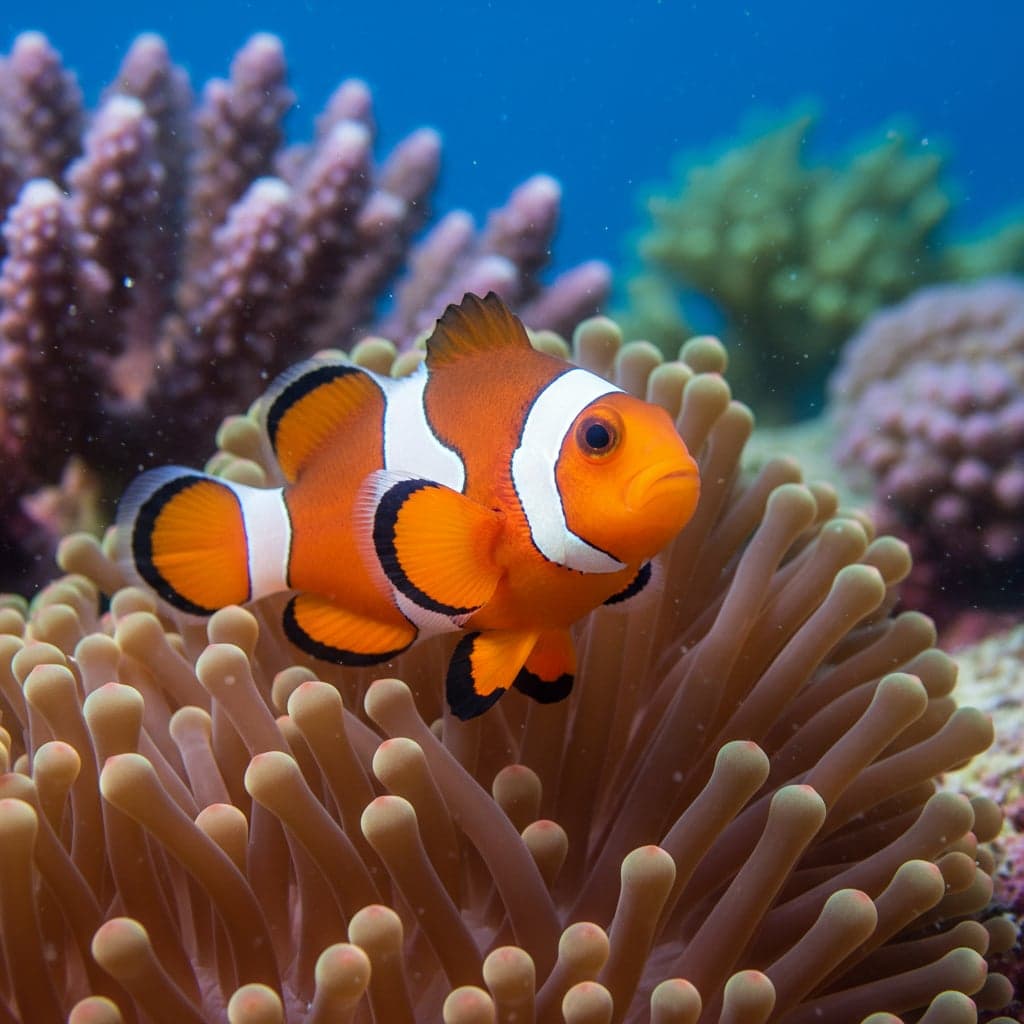
- Clownfish
- Wrasses (Fairy or Flasher)
- Anthias
- Blennies and Gobies
- Larger Tetras (if in a massive system)
Avoid keeping them with other Bristletooth Tangs (like the Tomini or Squaretail) in small aquariums, as they will fight relentlessly for grazing territory.
Breeding
Breeding Kole Tangs in captivity is exceptionally rare. They are pair-spawners that rise high into the water column at dusk to release gametes. The larval stage is extremely long and involves a specialized "acronurus" stage that is difficult to replicate in the laboratory or home aquarium. Most Kole Tangs in the hobby are wild-caught under sustainable Hawaiian management programs.
Common Health Issues
The primary health concern is HLLE (Head and Lateral Line Erosion), often caused by a lack of vitamins A and C or poor water quality. They are also highly susceptible to Marine Ich and Marine Velvet. Providing a vitamin-enriched herbivorous diet and maintaining pristine, oxygen-rich water is the best way to ensure the radiant yellow eye and tireless work ethic of the Kole Tang remains a highlight of your reef.