Laboute's Fairy Wrasse: Cirrhilabrus laboutei
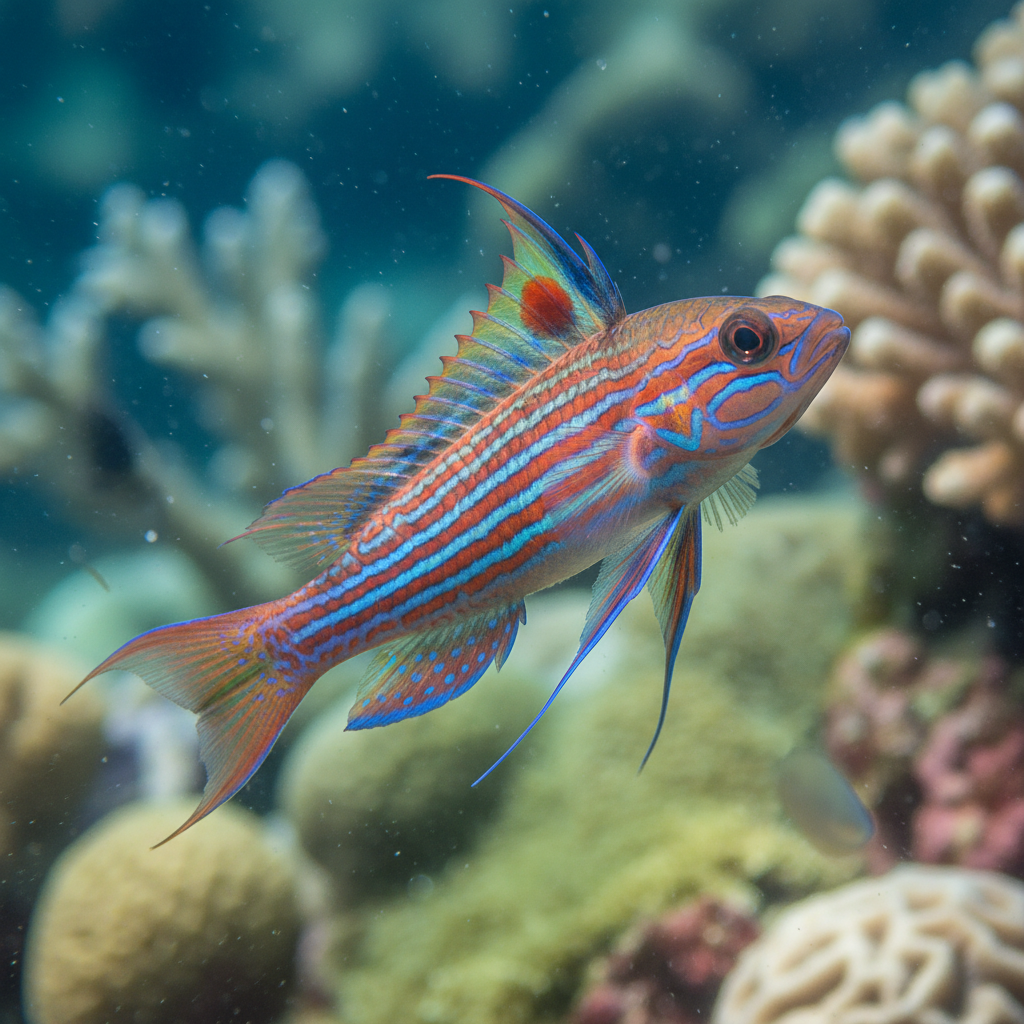
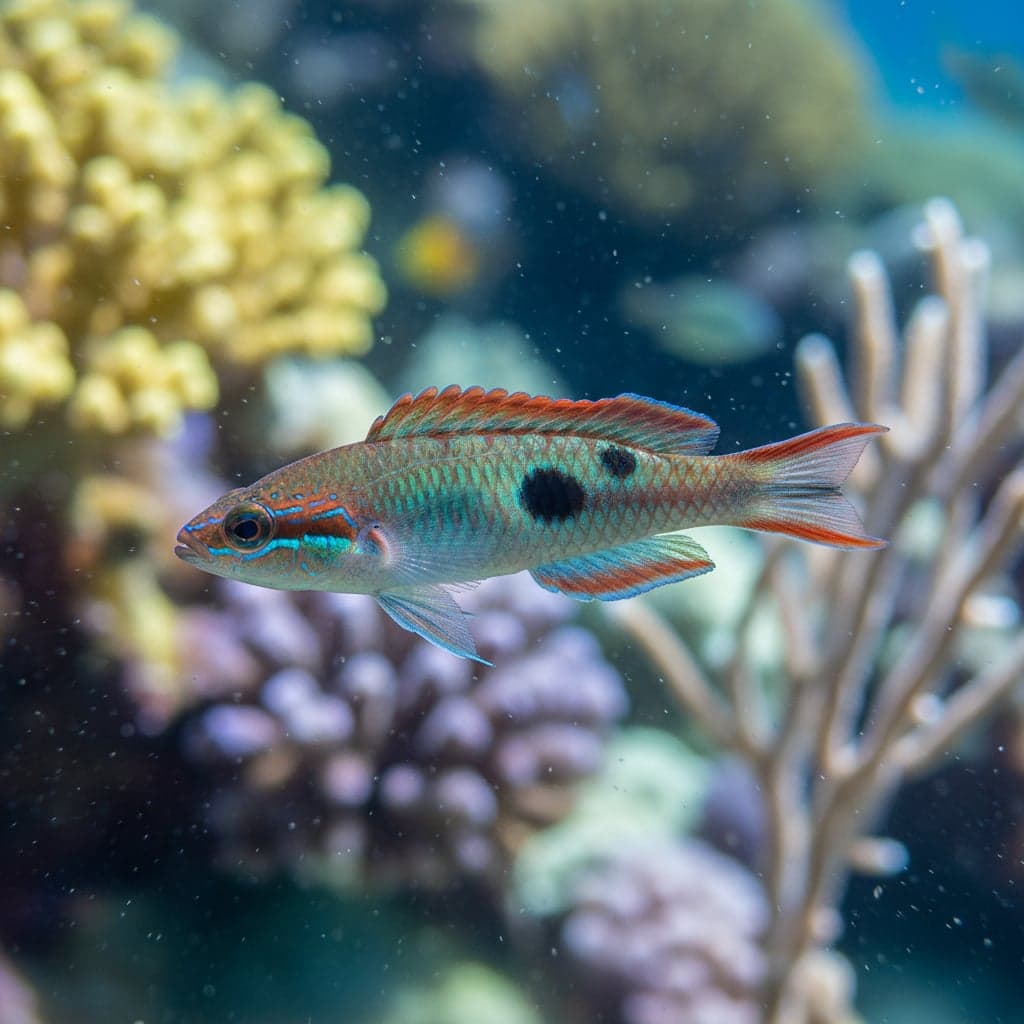
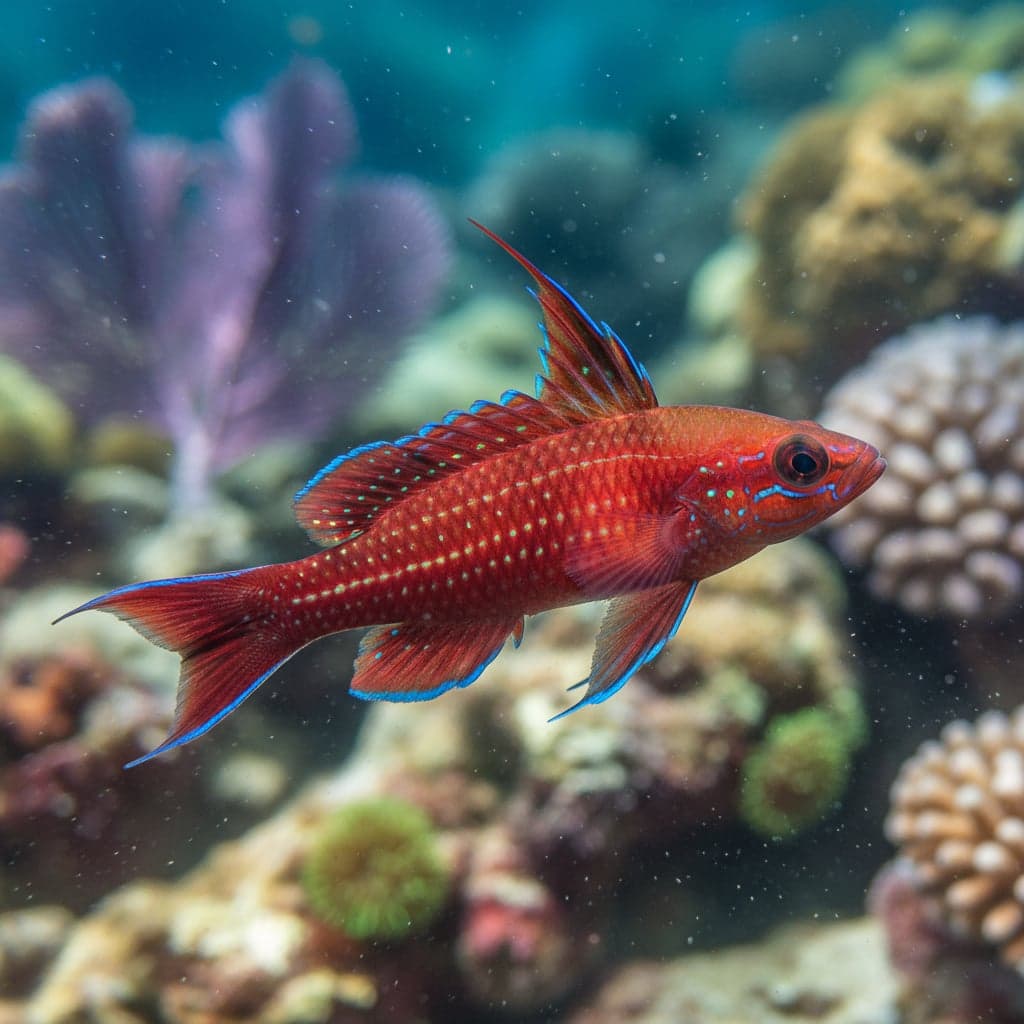
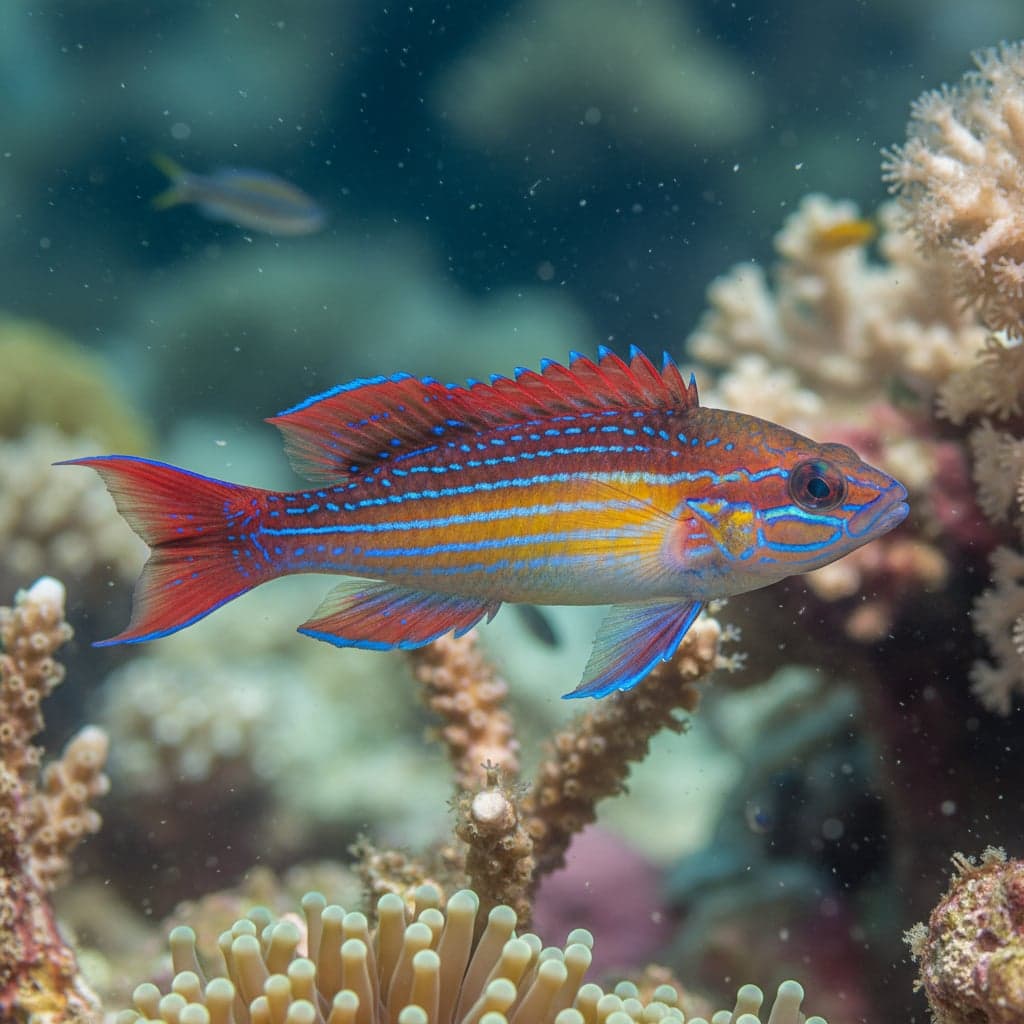
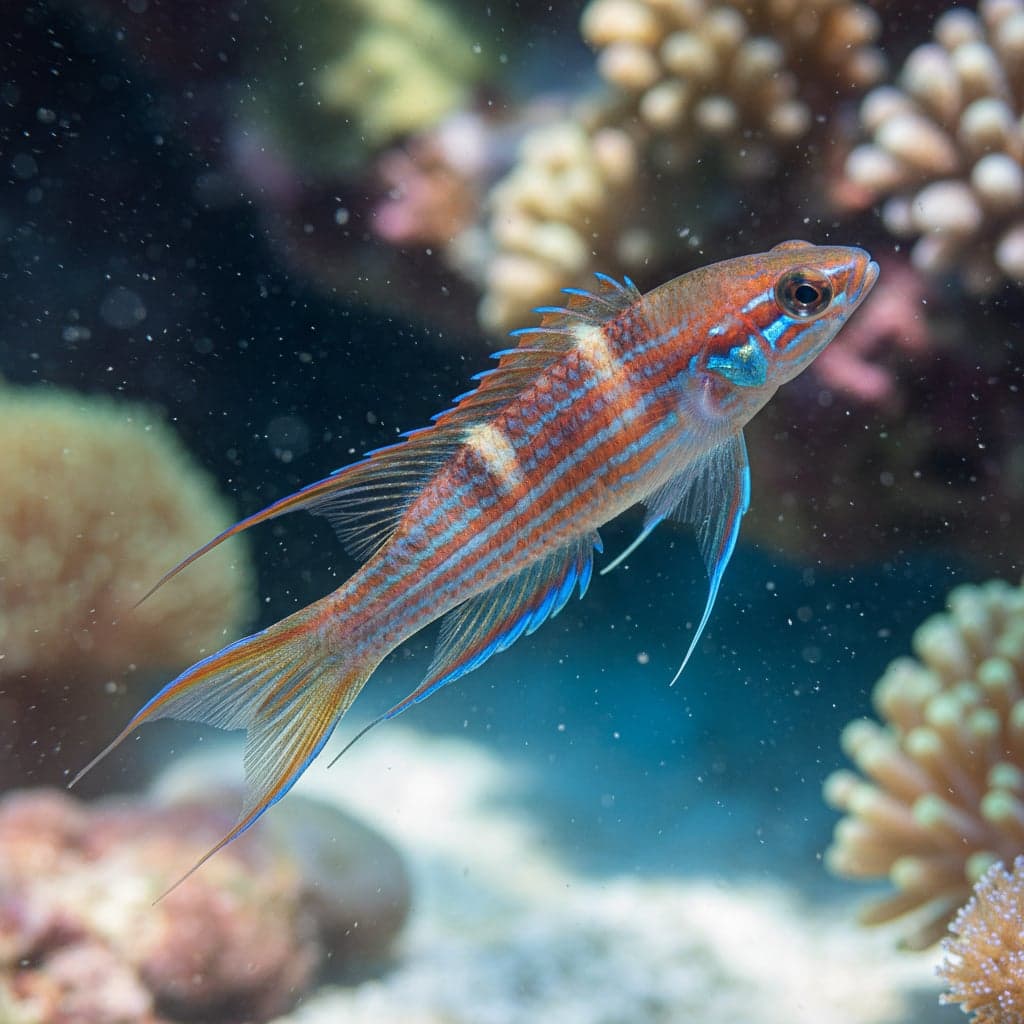
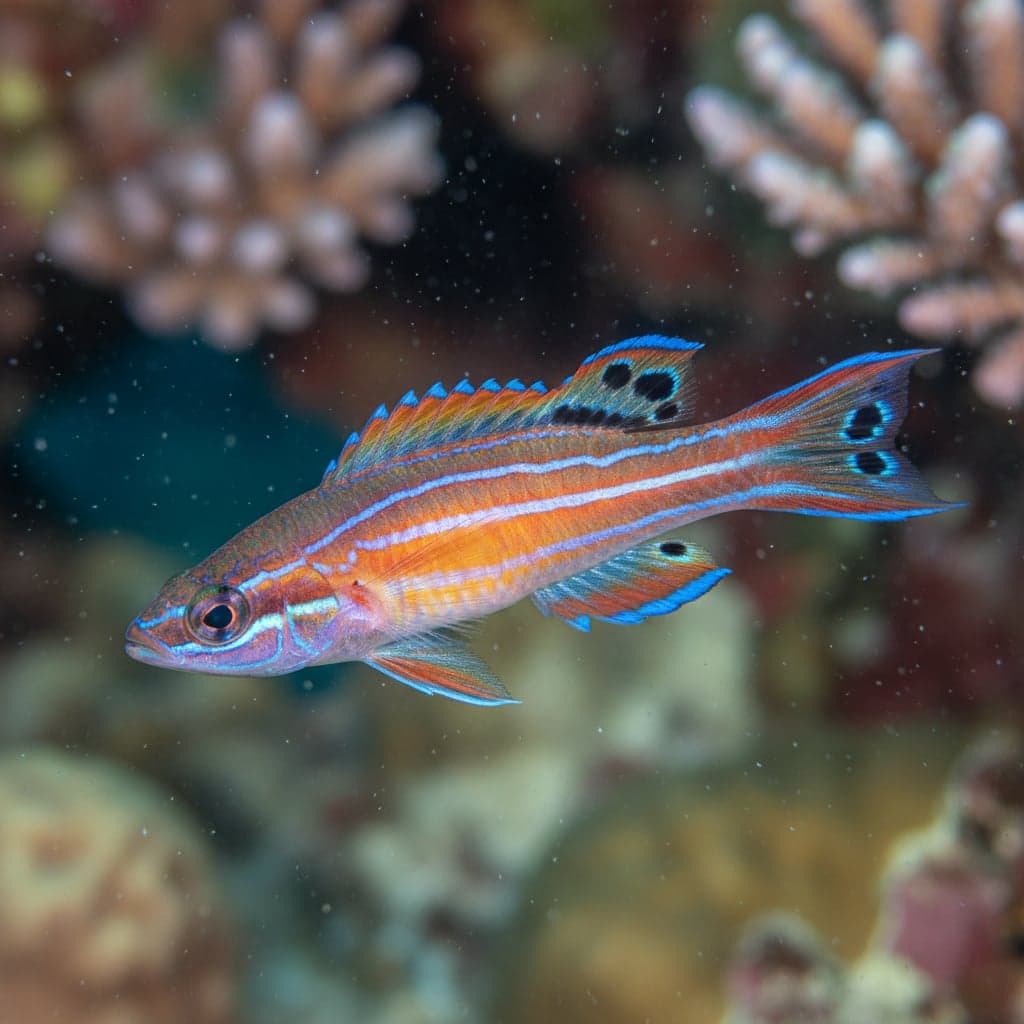
Laboute's Fairy Wrasse (Cirrhilabrus laboutei) is a kaleidoscopic masterpiece from the Coral Sea, defined by its intricate "stained-glass" scale patterning and intense, multi-tonal fluorescence.

Laboute's Fairy Wrasse (Cirrhilabrus laboutei), often called the Labouti Wrasse, is one of the most structurally and chromatically complex members of the Cirrhilabrus genus. Native to the deep, clear waters of the Coral Sea, it is defined by its extraordinary "maze-like" color pattern. Unlike the solid-colored wrasses, the Labouti features a series of precise, intersecting lines of pink, orange, and blue that resemble stained glass or intricate embroidery. During display, males undergo a dramatic "flashing" behavior where their colors intensify to a neon glow, particularly along their dorsal and anal fins. For the reef enthusiast, Laboute's Fairy Wrasse is a peaceful, kinetic addition that brings a high-end, sophisticated aesthetic to the upper water column.
In the aquarium, they are the epitome of grace and energy. They are tireless swimmers that utilize the entire length of the tank, darting through the water column and hovering near the reef structure with a curious and intelligent demeanor.
Natural Habitat & Origin
Cirrhilabrus laboutei is native to the Southwestern Pacific, primarily found in the Coral Sea around the Great Barrier Reef, New Caledonia, and the Loyalty Islands. They are deep-reef specialists, typically inhabiting depths of 20 to 55 meters along outer reef slopes and drop-offs. These environments are characterized by exceptional water clarity and high oxygen levels. They are often found in loose groups above rubble beds and coral outcroppings, where they congregate to feed on passing zooplankton. Their deep-water origin means they are best suited for reefs with moderate lighting and stable, cool temperatures.
Care Requirements
Laboute's Fairy Wrasse is a hardy species once acclimated but requires significant swimming space and high-quality water. A minimum tank size of 50 to 55 gallons (200L) is required to accommodate its active nature.
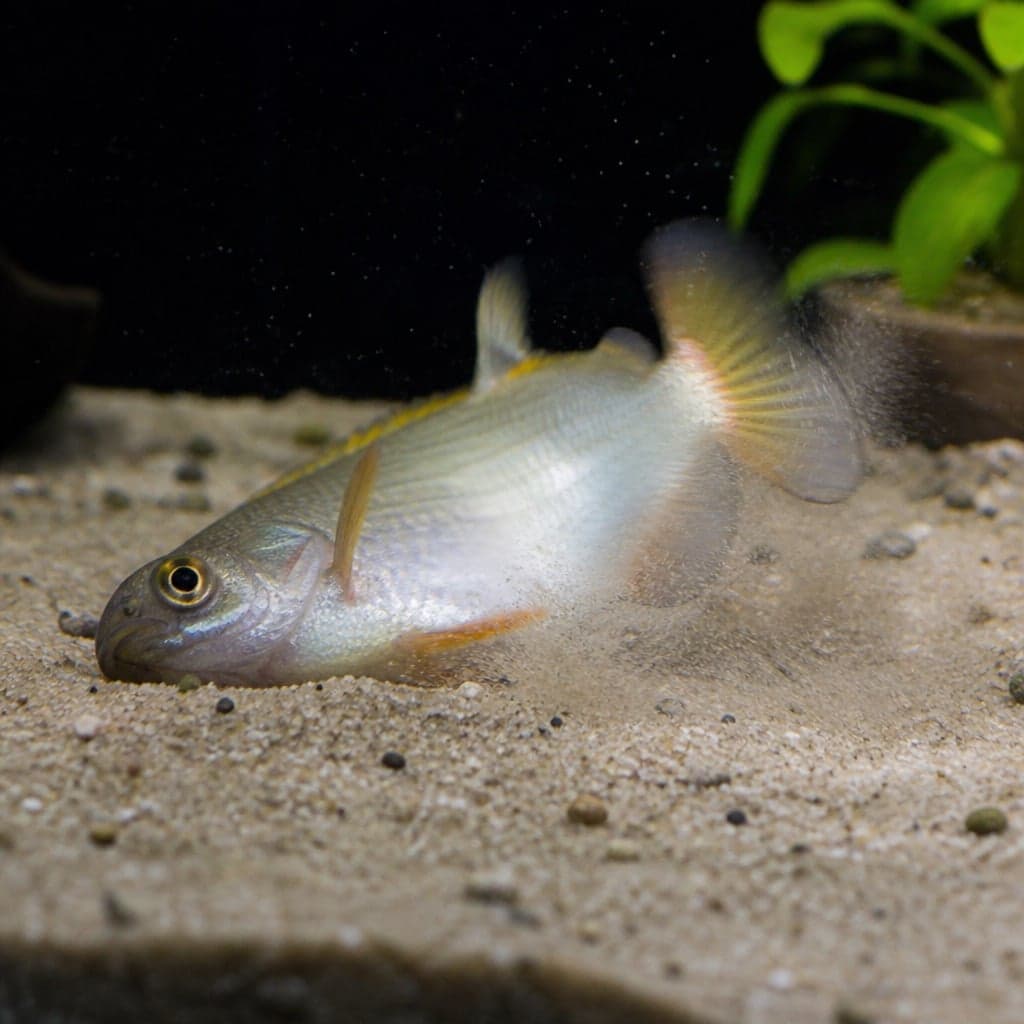
Maintain stable marine parameters: a pH of 8.1 to 8.4 and a temperature of 75°F to 81°F (24°C to 27°C). They are sensitive to high nitrates and ammonia; an efficient protein skimmer and regular water changes are essential. The aquarium must be designed with plenty of rockwork for hiding, but also feature a large, open central area for unimpeded swimming. A sandy substrate is preferred, as they may occasionally dive into the sand if severely threatened. CRITICAL: Like all fairy wrasses, they are specialized jumpers; the aquarium MUST be secured with a tight-fitting mesh lid to prevent them from leaping out during a fright.
Diet & Feeding
They are zooplanktivores that feed continuously throughout the daylight hours.
In captivity, they require a varied and high-protein diet:
- High-quality marine flakes and pellets should be enriched with vitamins.
- They relish live or frozen foods: Mysis shrimp, enriched Brine shrimp, Calanus, and finely chopped seafood.
- Tip: Because they are highly active, they have a fast metabolism and benefit from being fed 2 to 3 times per day in small amounts rather than one large feeding.
- Supplementing their diet with liquid amino acids or vitamin boosters will ensure their intricate "stained-glass" colors remaining vibrant and intense.
Behavior & Temperament
They are exceptionally peaceful and social. They are best kept either as a single individual or in a "harem" consisting of one male and multiple females. If keeping a group, the females should be introduced first or simultaneously with the male. They are generally reef-safe and will ignore corals and most invertebrates. They may, however, be bullied by more aggressive wrasses (like Pseudocheilinus species) or large damselfish. When several Cirrhilabrus species are kept together, a hierarchy will form, and the Labouti's peaceful nature makes it a good candidate for a multi-wrasse community tank.
Tank Mates
Suitable tank mates are other peaceful reef species:
- Other Fairy Wrasses (like the Flame or Solar Wrasse)
- Anthias
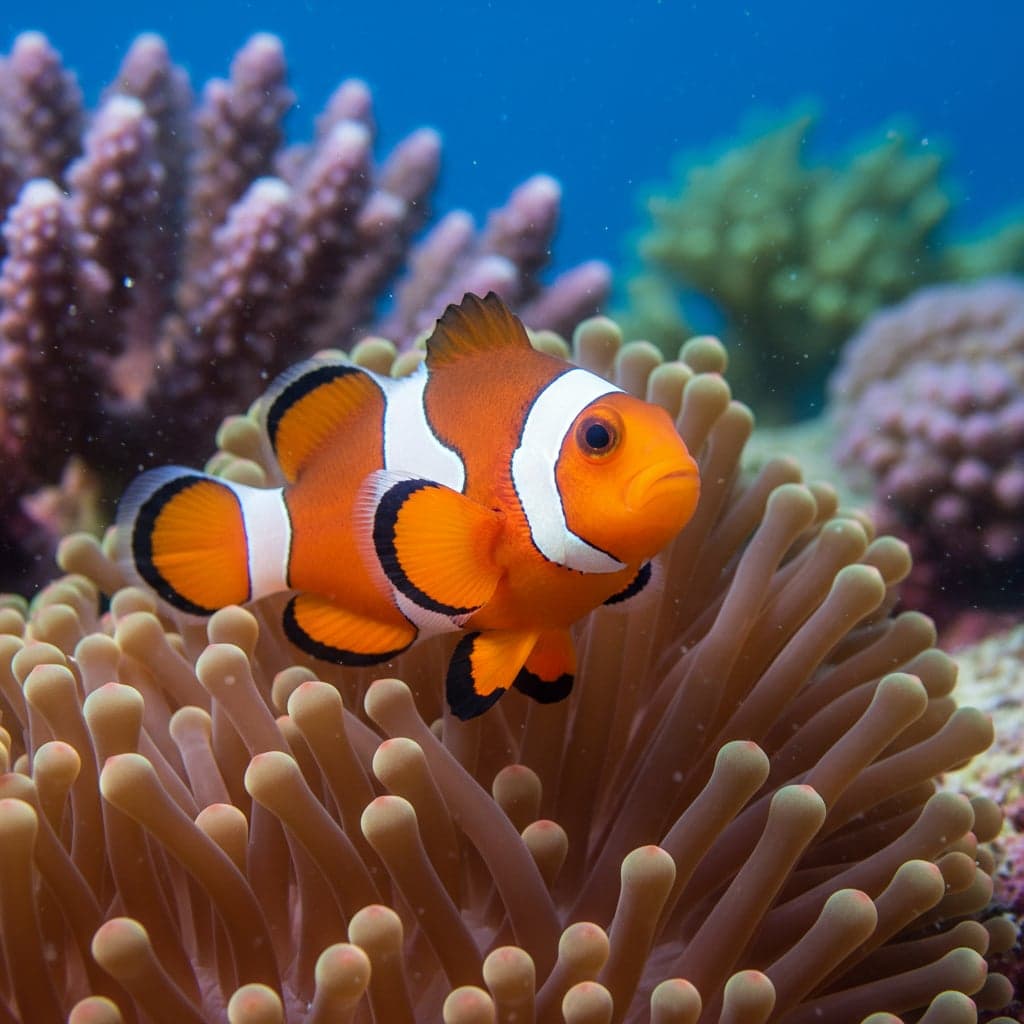
- Clownfish
- Firefish and Gobies
- Tangs (in larger systems)
Avoid keeping them with large, predatory fish or highly aggressive species that will outcompete them for food or harass them, as this can lead to the wrasse staying permanently hidden.
Breeding
Breeding Laboute's Fairy Wrasse in the home aquarium is extremely rare. They are pelagic spawners. In the wild, they engage in spectacular "spawning rises" where a male and female dart toward the surface to release eggs and sperm simultaneously. While courtship behavior (flashing and dancing) is common in a healthy aquarium harem, successfully rearing the tiny pelagic larvae is a monumental task that has yet to be standardized in the hobby.
Common Health Issues
The primary health concern is stress-induced jumping and injury from hitting the lid or glass. They are also susceptible to internal parasites and "flukes," common in wild-caught wrasses; a proper quarantine period with preventative treatment is highly recommended. Maintaining pristine water quality, a high-frequency feeding schedule, and a secure lid is the best way to ensure the kaleidoscopic Laboute's Fairy Wrasse remains the star of your reef display.