Lake Kutubu Rainbow: Melanotaenia lacustris
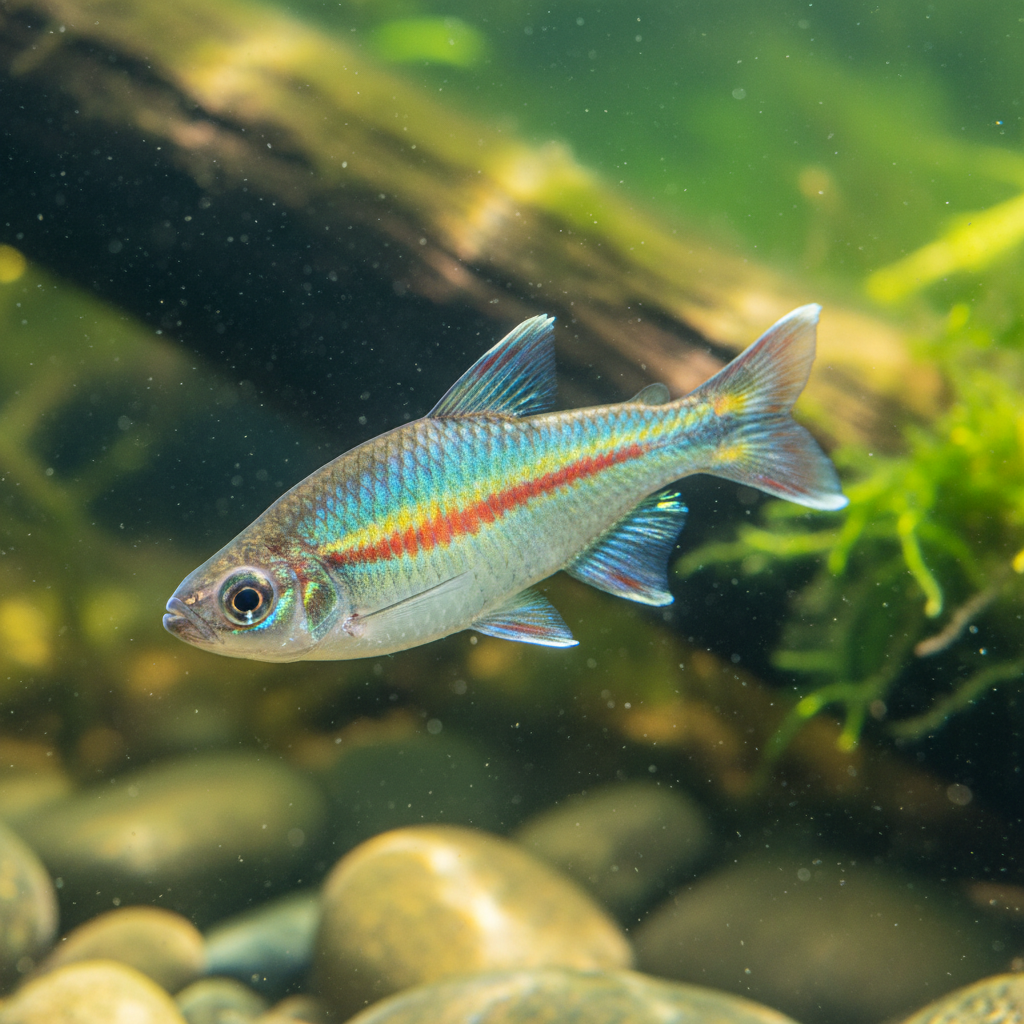
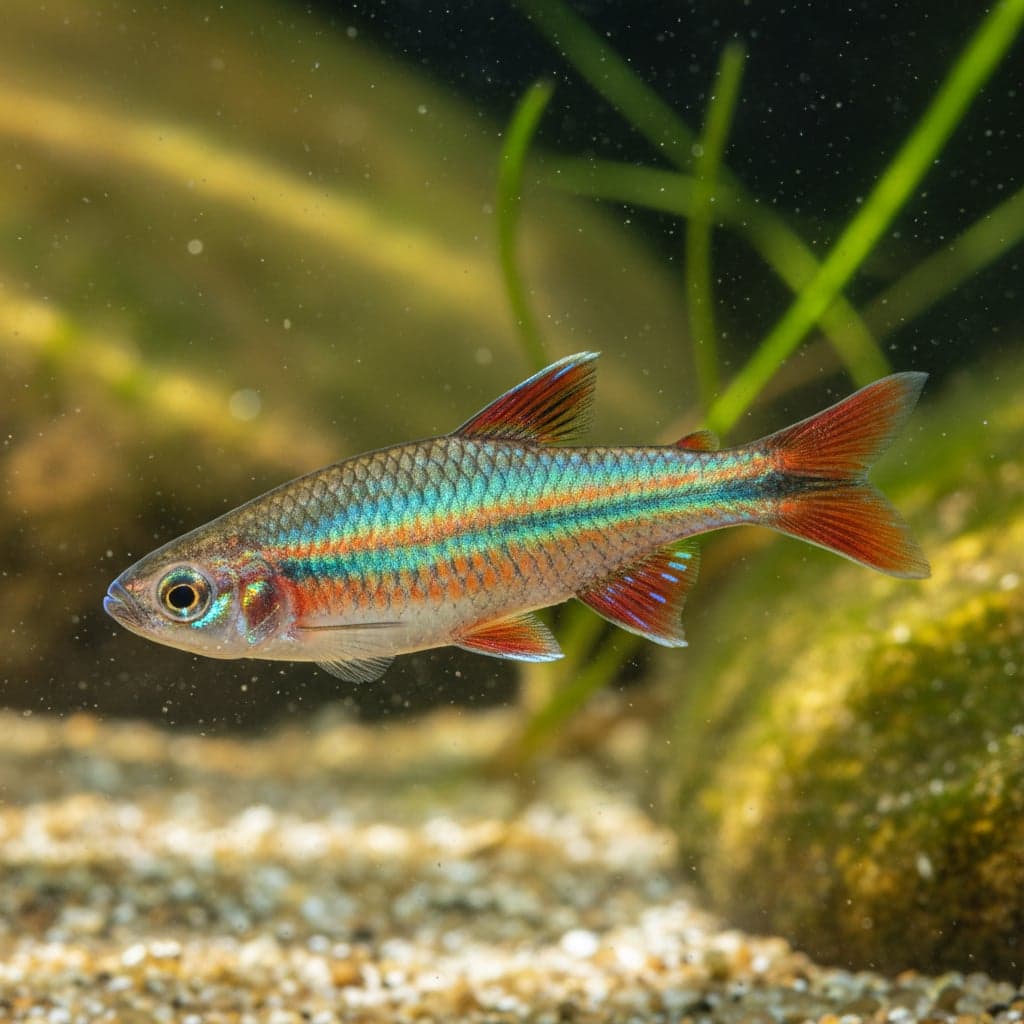
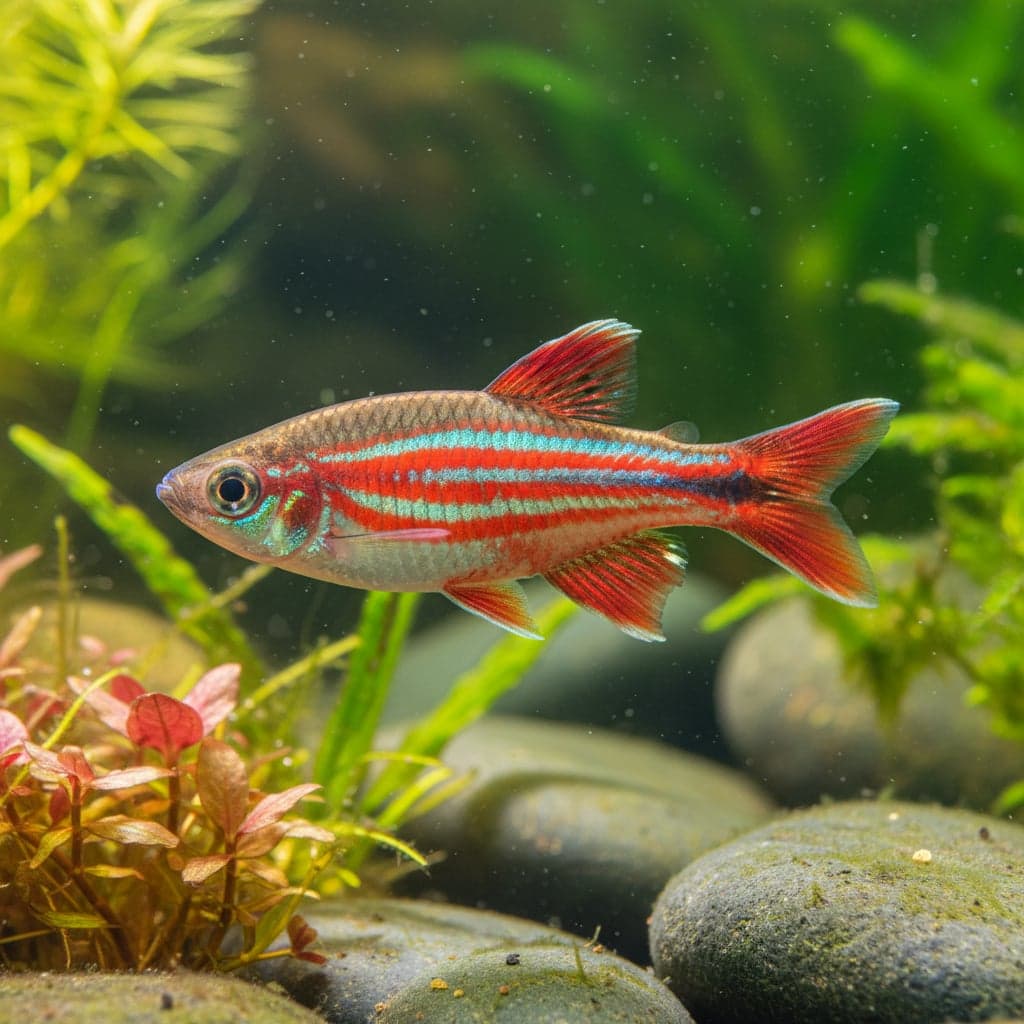
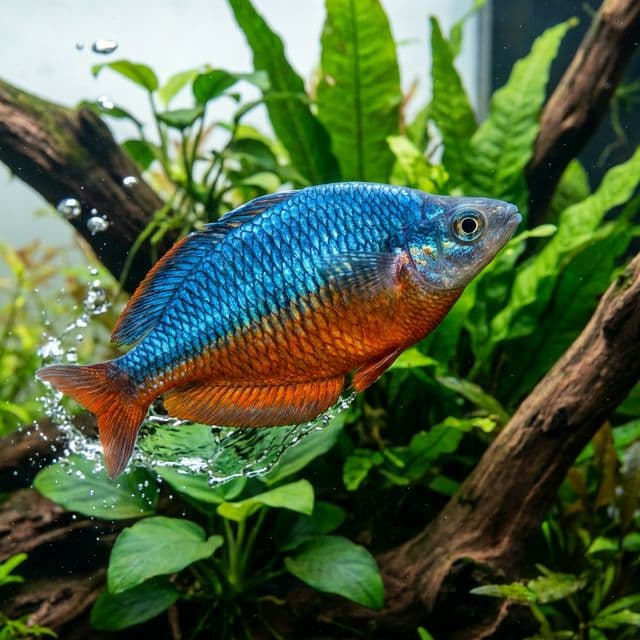
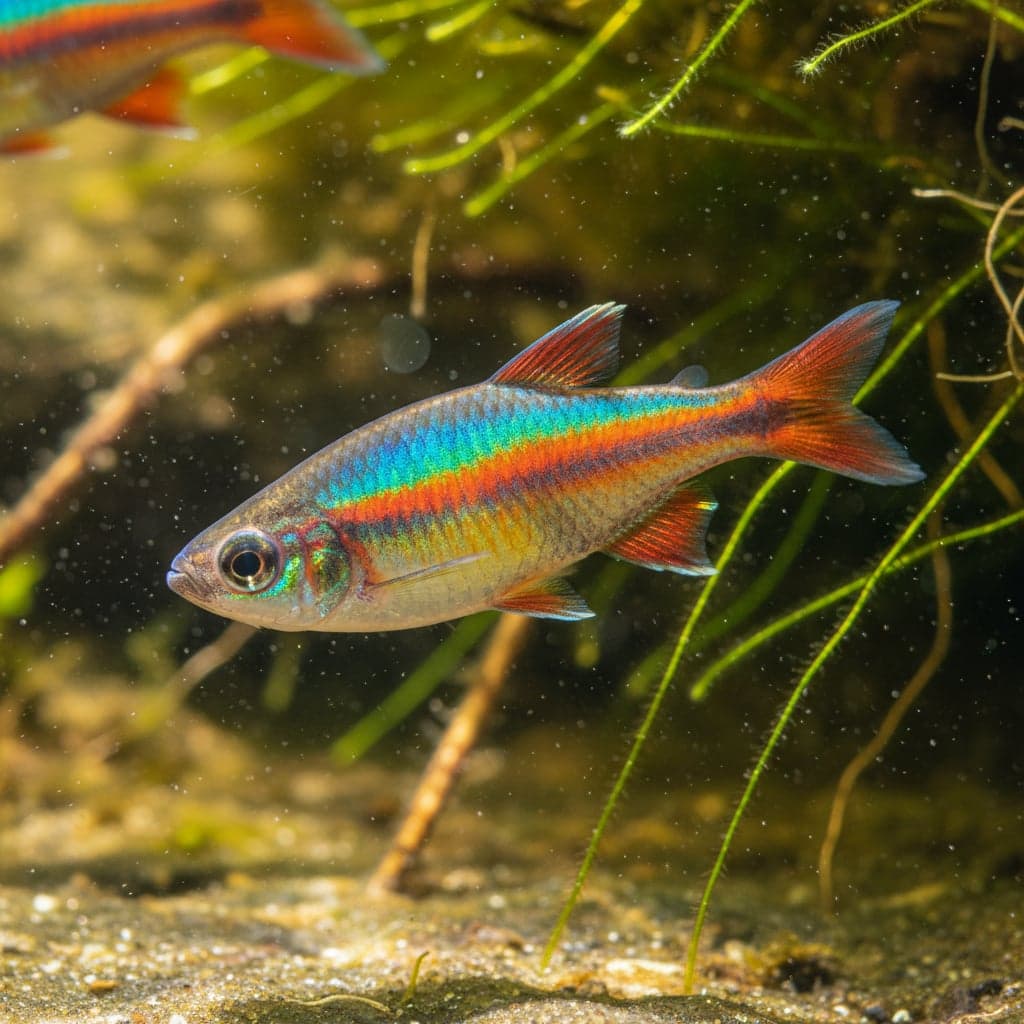
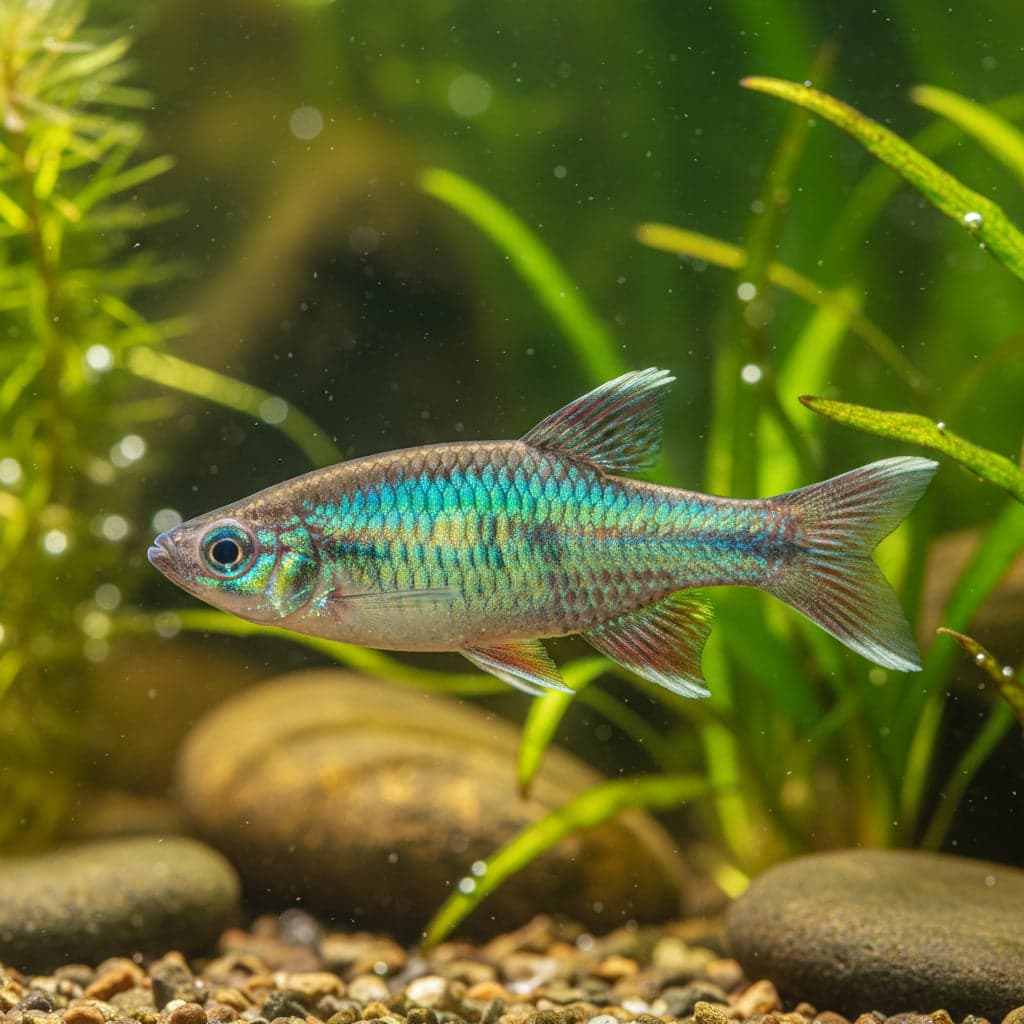
The Lake Kutubu Rainbowfish (Melanotaenia lacustris), also known as the Turquoise Rainbowfish, is a mountain-lake gem defined by its spectacular shifting shades of cobalt and teal.
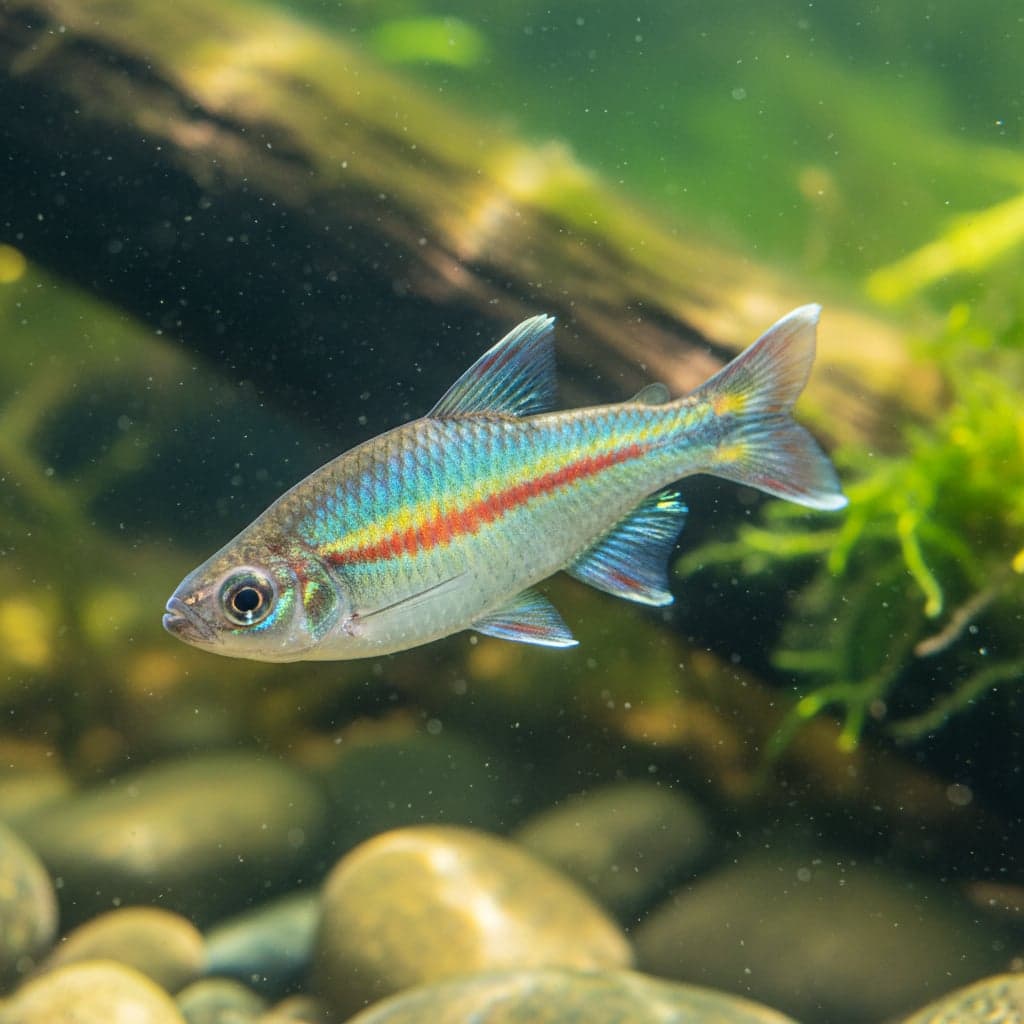
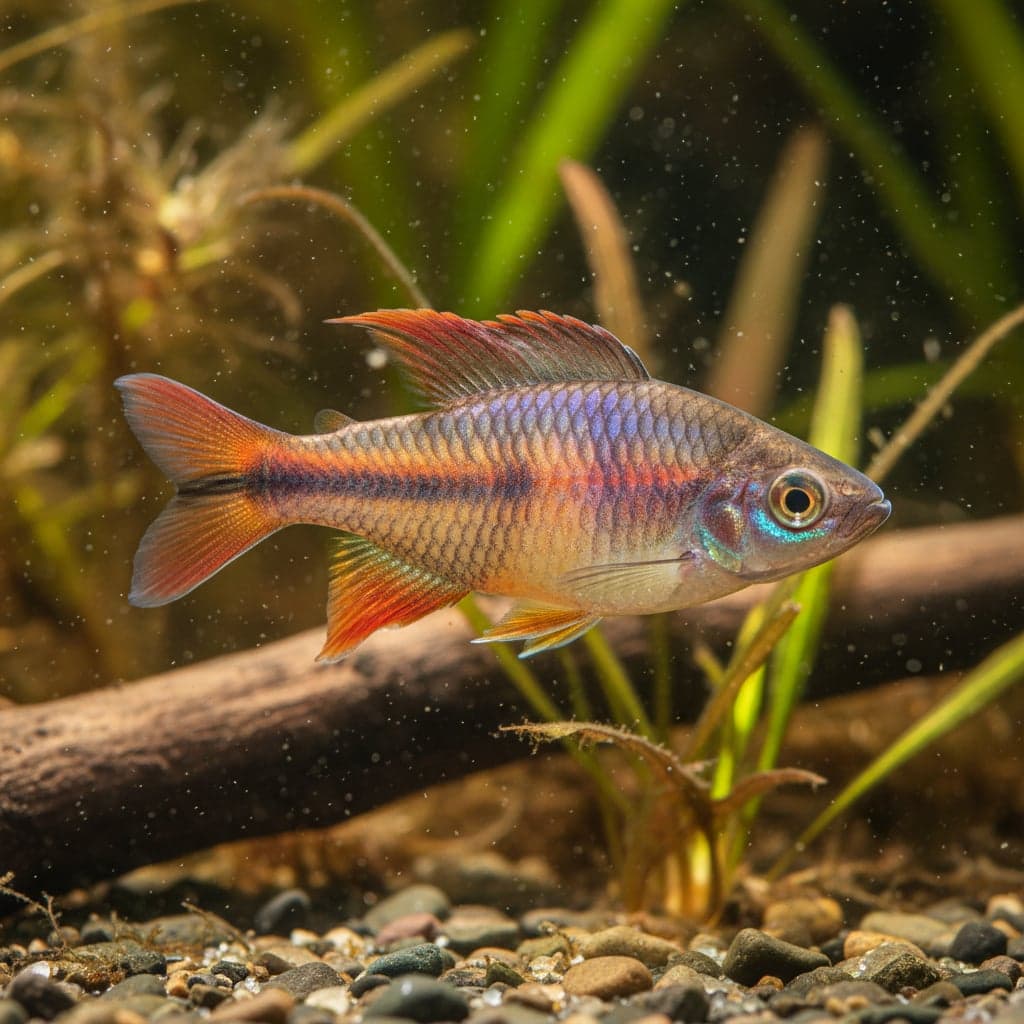
The Lake Kutubu Rainbowfish (Melanotaenia lacustris), affectionately known as the Turquoise Rainbow, is one of the most aesthetically stunning members of its family. Endemic to a single highland lake in Papua New Guinea, it is defined by its extraordinary ability to shift colors based on mood and lighting. Its body is a deep, iridescent cobalt blue or teal that can transform into vibrant turquoise or soft pastel green in an instant. Adult males develop a deep, "high-backed" profile and a brilliant golden or yellow sheen on their bellies during courtship. For the aquarist, the Lake Kutubu Rainbow is a graceful, active masterpiece that thrives in hard, alkaline water—a rarity among many tropical schooling fish.
In the aquarium, they are the epitome of "shimmering motion." They are active swimmers that occupy the middle and upper levels of the water column, moving in loose, rhythmic schools that capture and reflect light across the entire tank.
Natural Habitat & Origin
Melanotaenia lacustris is endemic exclusively to Lake Kutubu, a large, high-altitude lake in the Southern Highlands of Papua New Guinea. Unlike the acidic rivers inhabited by many other rainbows, Lake Kutubu is a karst (limestone) environment, resulting in water that is naturally hard and alkaline. The lake is crystal clear and surrounded by dense rainforest, with the fish typically congregating near submerged vegetation and the rocky margins of the lake. This specific, high-altitude origin means they prefer slightly cooler, more oxygenated conditions than many of their lowland relatives.
Care Requirements
The Lake Kutubu Rainbow is a sensitive species that requires pristine, stable water conditions and plenty of swimming room. A minimum tank size of 40 gallons (150L) is required for a small school.
Maintain stable parameters: a pH of 7.5 to 8.5 and a temperature of 68°F to 77°F (20°C to 25°C). They are strictly alkaline-loving fish and will lose their brilliant turquoise colors and vitality if kept in soft, acidic water. The aquarium must be well-filtered and oxygenated. A layout that provides a mix of dense planting (using hard-water tolerant species like Vallisneria or Blyxa) at the back and sides, with a large, open central area for swimming, is ideal. They are very active and a long tank (at least 4 feet) is highly recommended.
Diet & Feeding
They are opportunistic omnivores that feed on a variety of surface insects, small crustaceans, and plant matter in the wild.
In captivity, they requires a varied and high-quality diet:
- High-quality marine-based flakes and color-enhancing pellets should be the staple.
- They must have frequent feedings of live or frozen foods: Brine Shrimp, Daphnia, and Bloodworms.
- They also benefit from vegetable-based foods: spirulina flakes or the occasional blanched zucchini.
- Tip: To maintain the deep cobalt-blue color, ensure their diet is rich in diverse proteins and carotenoids. They are surface and mid-water feeders and rarely take food from the substrate.
Behavior & Temperament
They are strictly peaceful but highly energetic. They MUST be kept in groups of at least 6 to 8 individuals; a solo rainbowfish will become stressed, stay hidden, and fail to develop its spectacular colors. They are compatible with a wide range of tank mates, provided they share the same preference for hard, alkaline water. Males will occasionally "face-off" in display (fins flared, colors flashing), which is a harmless and beautiful spectacle of natural behavior. They are fast-moving and may inadvertently outcompete slower-moving fish during feeding.
Tank Mates
Suitable tank mates are other peaceful species that share their hard-water requirements:
- Other Rainbowfish (like Boesemani or Parkinsoni)
- Large Tetras (like Congo Tetras)
- Corydoras catfish (if the substrate is soft sand)
- peaceful Barbs (like Rosy or Cherry Barbs)
- Australian/PNG Blue-eyes
Avoid keeping them with aggressive cichlids or slow-moving, long-finned fish that might be stressed by their constant activity.
Breeding
Breeding the Lake Kutubu Rainbow is remarkably easy and rewarding. They are continuous spawners, typically laying a small number of eggs daily among fine-leaved plants or spawning mops. For dedicated breeding, a separate tank with a group of females and one or two males is best. After spawning, the parents should be removed as they may eventually graze on the eggs. The fry hatch in 7 to 10 days and require "liquid" fry food or infusoria for the first few days before transitioning to Baby Brine Shrimp.
Common Health Issues
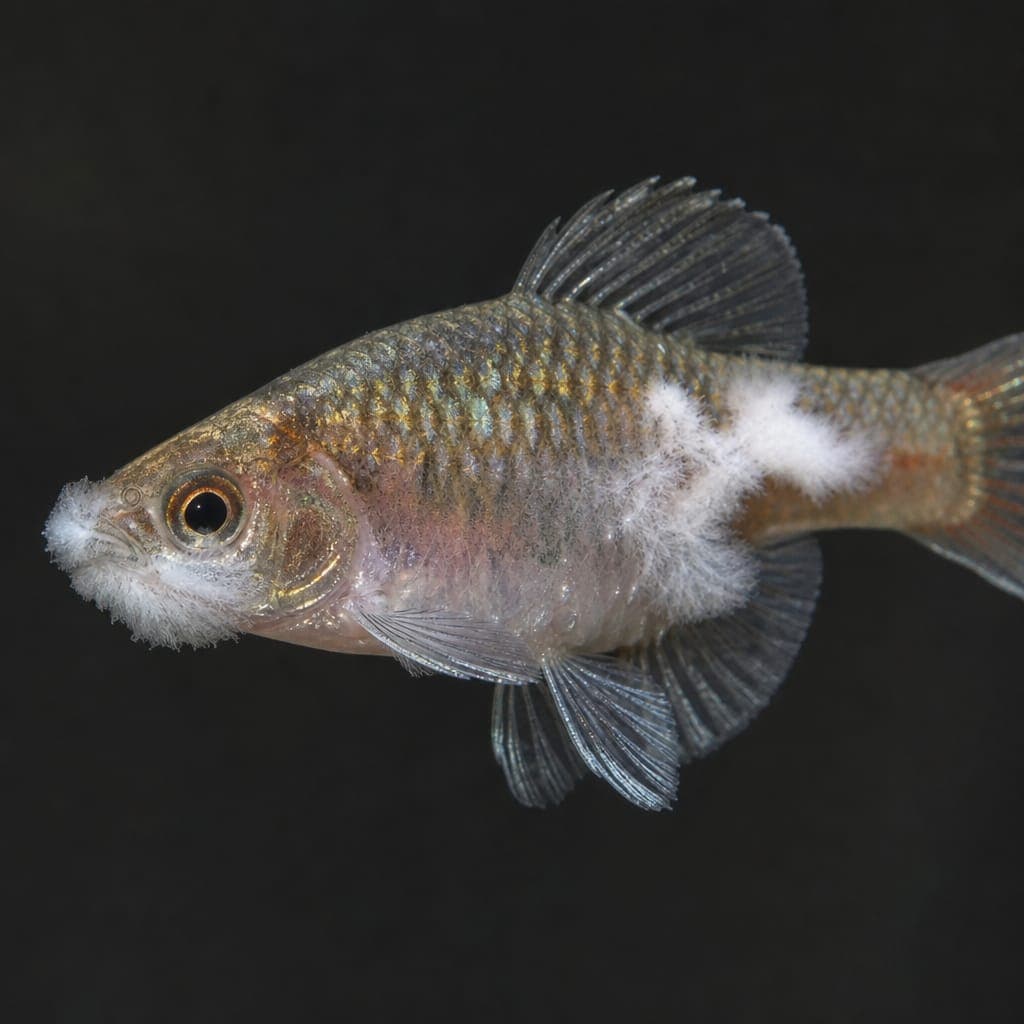
The primary health concern is bacterial infections (columnaris) if water quality is poor or if they are kept in acidic conditions. They are also susceptible to Mycobacteriosis (Fish TB) in stressed, poorly maintained environments. Maintaining hard, alkaline, and well-oxygenated water is the best way to ensure the Turquoise Rainbow remains a vibrant and healthy jewel of your highland biotope.