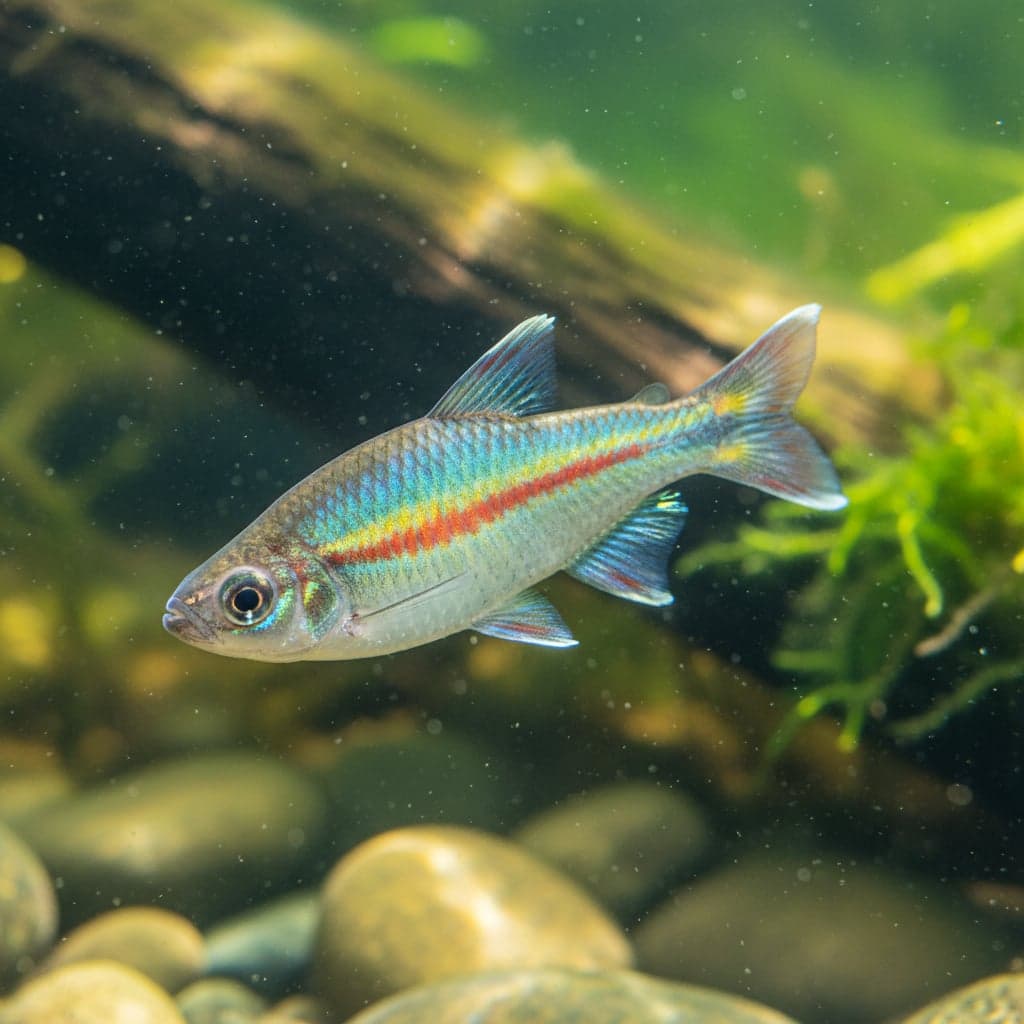
Lake Wanam Rainbowfish: Glossolepis wanamensis
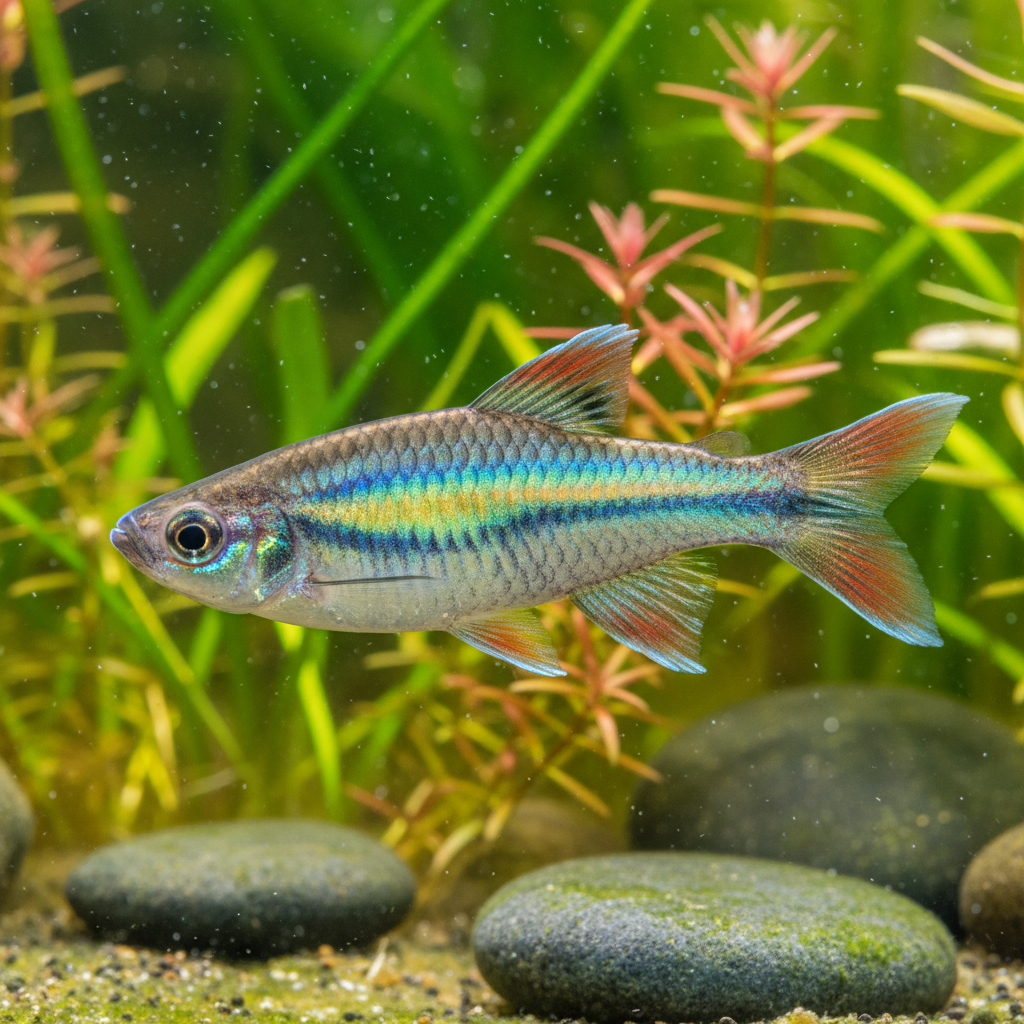
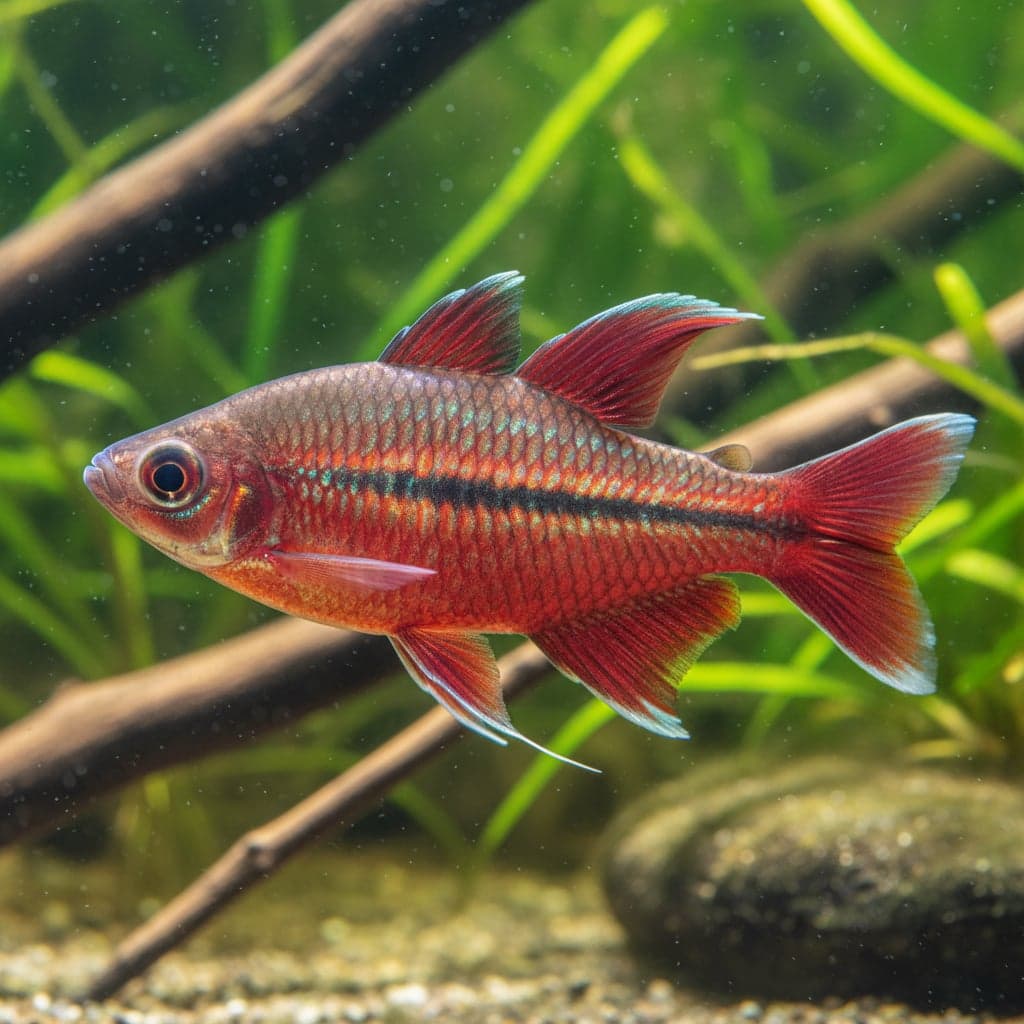
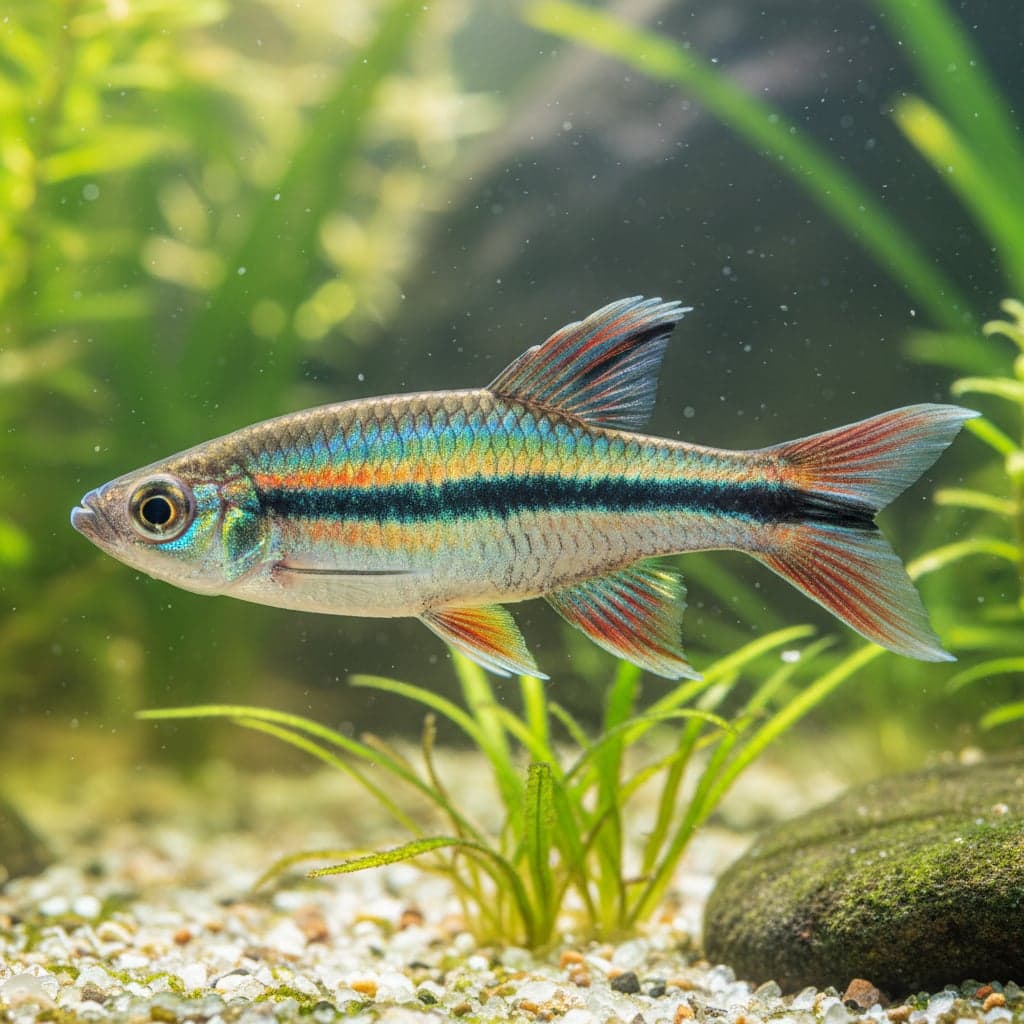
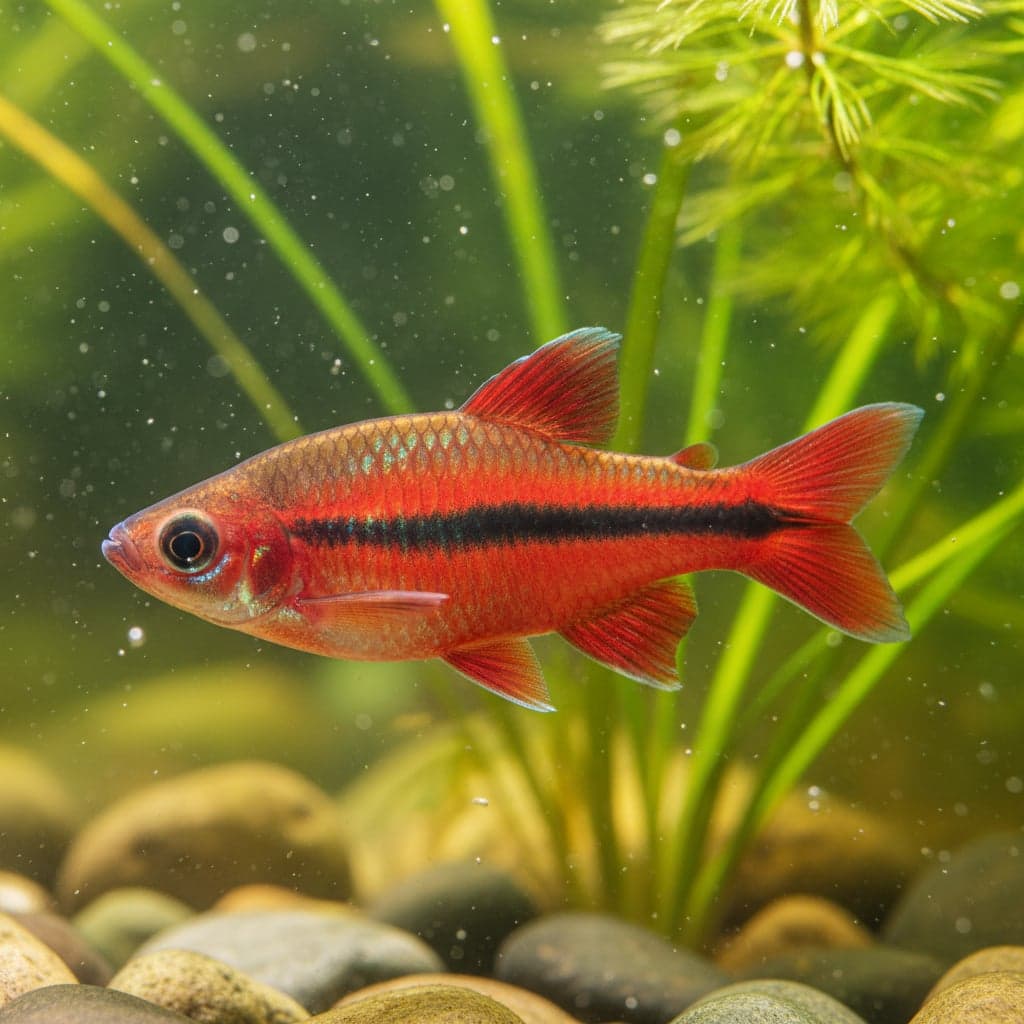
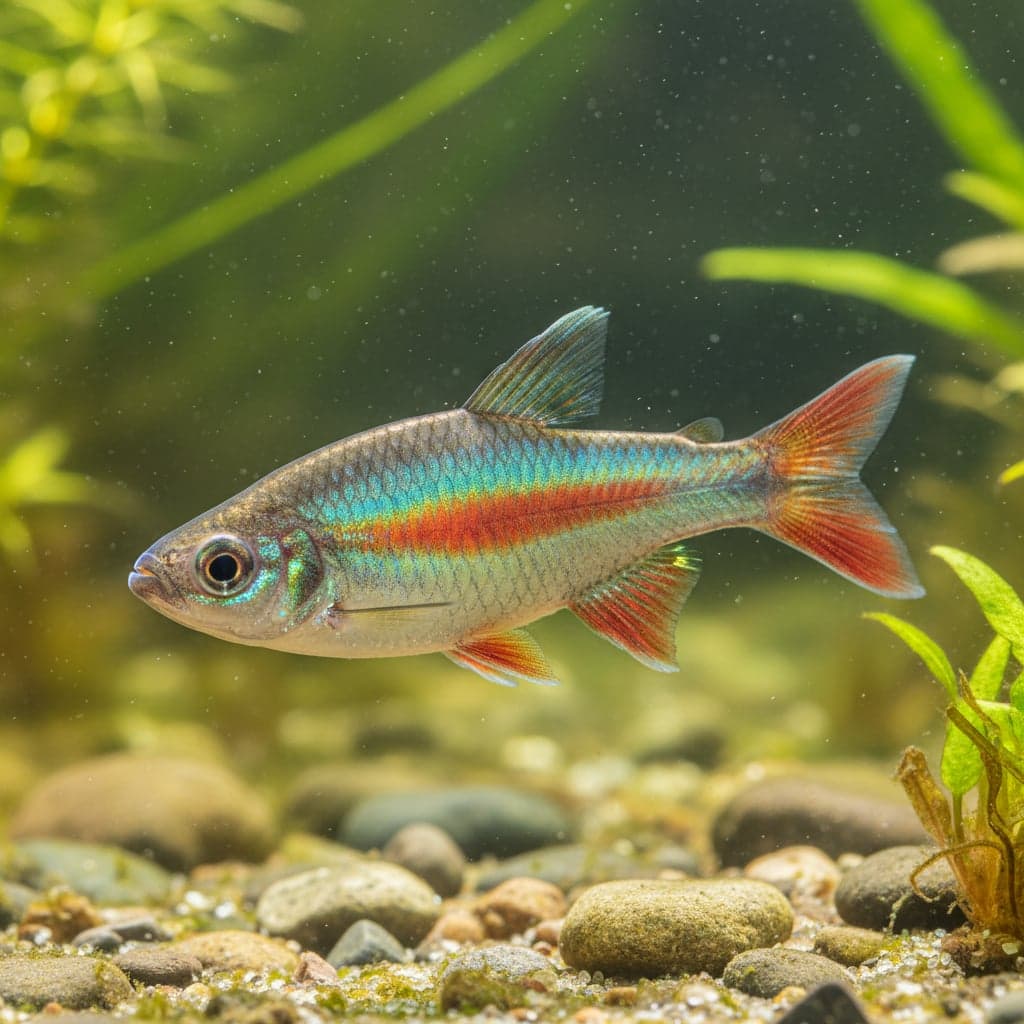
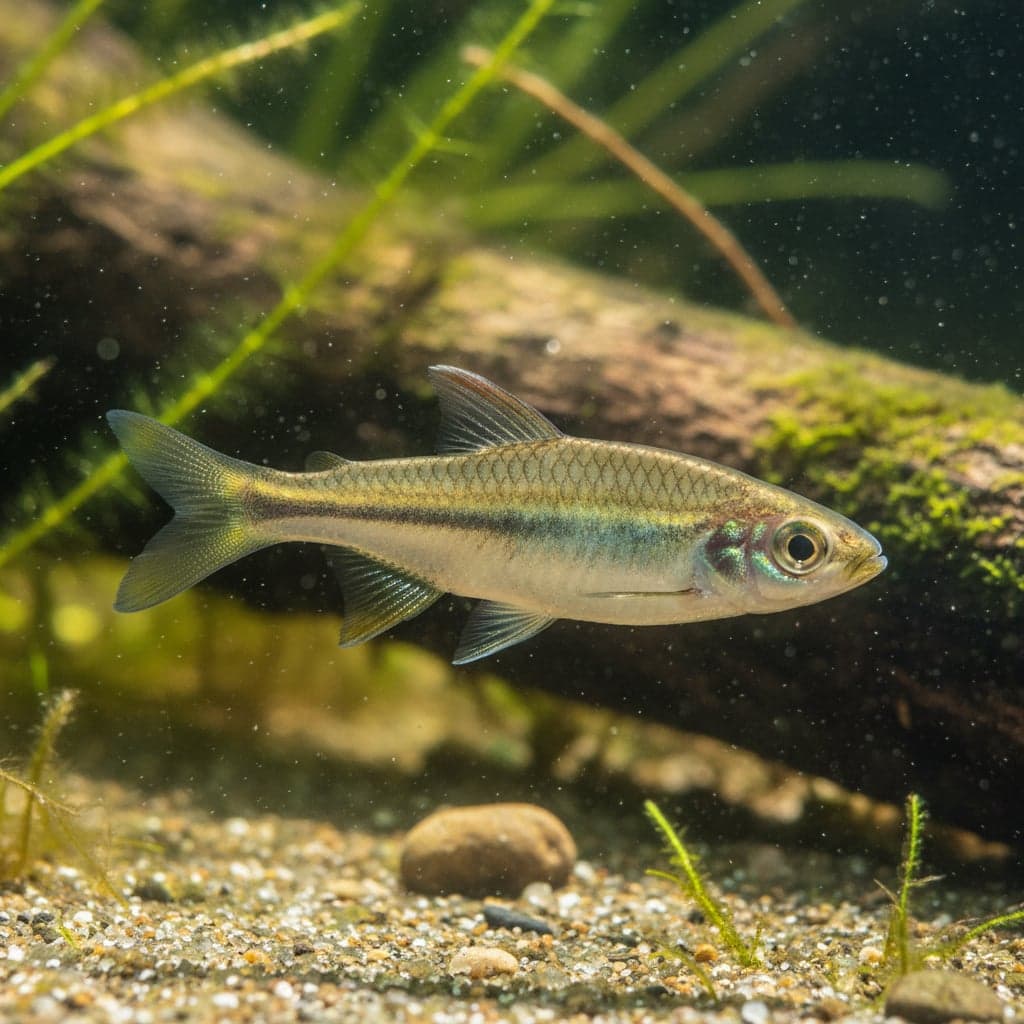
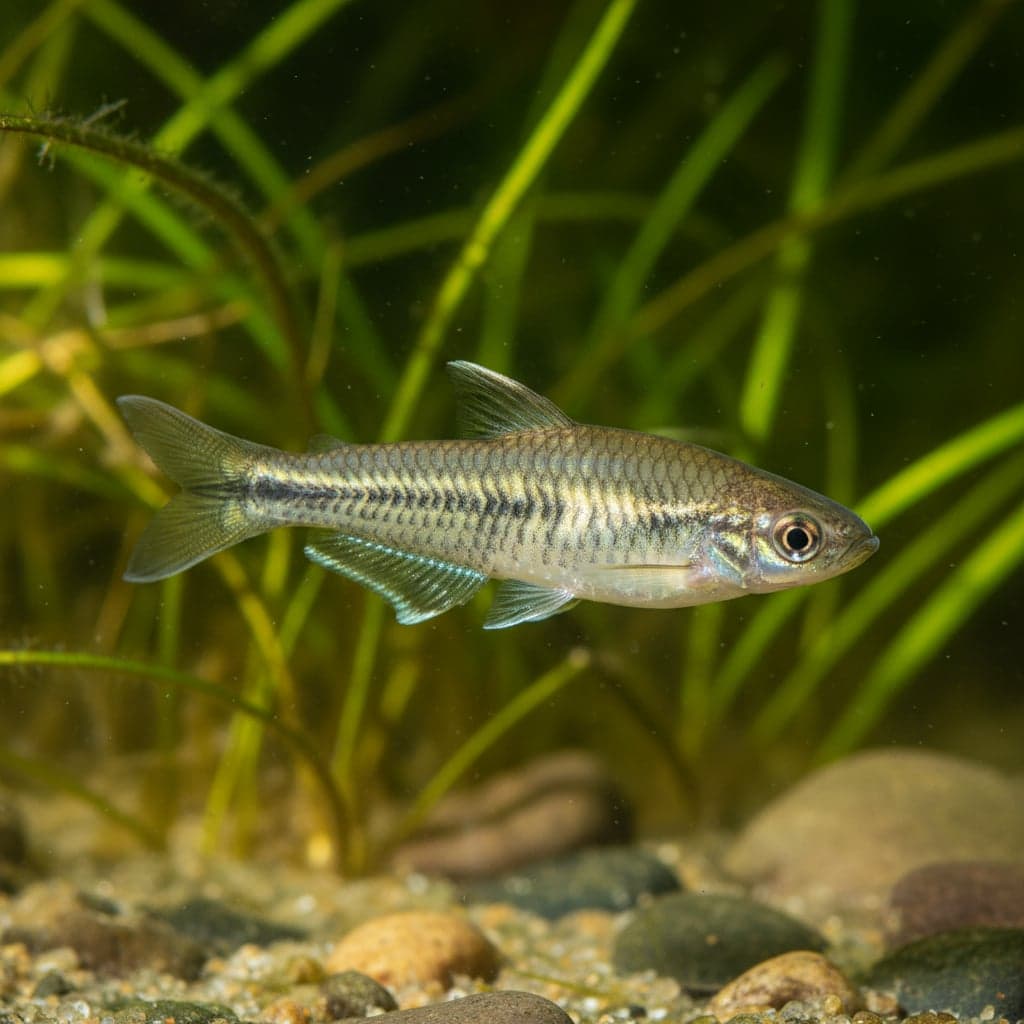
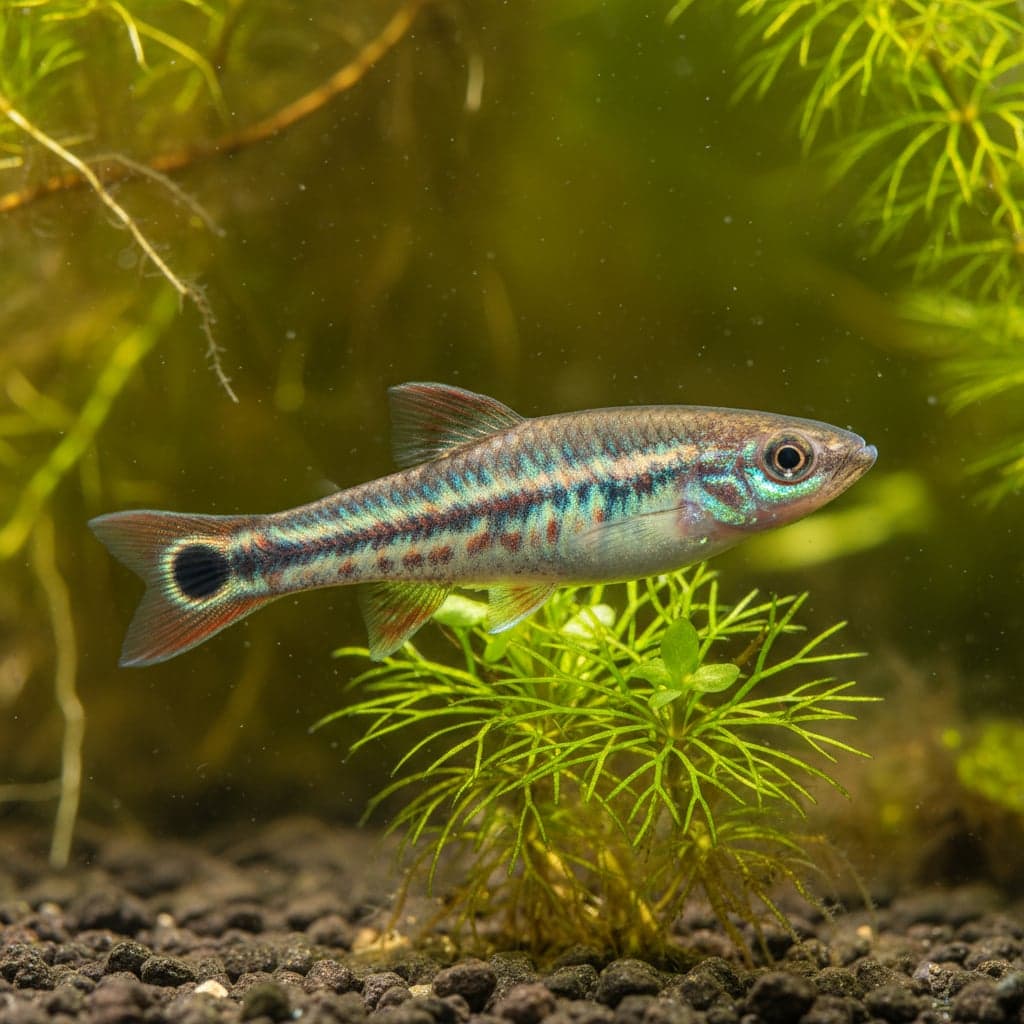
The Lake Wanam Rainbowfish (Glossolepis wanamensis) is a critically endangered emerald from Papua New Guinea, defined by its extreme "high-backed" profile and its radiant, iridescent green sheen.
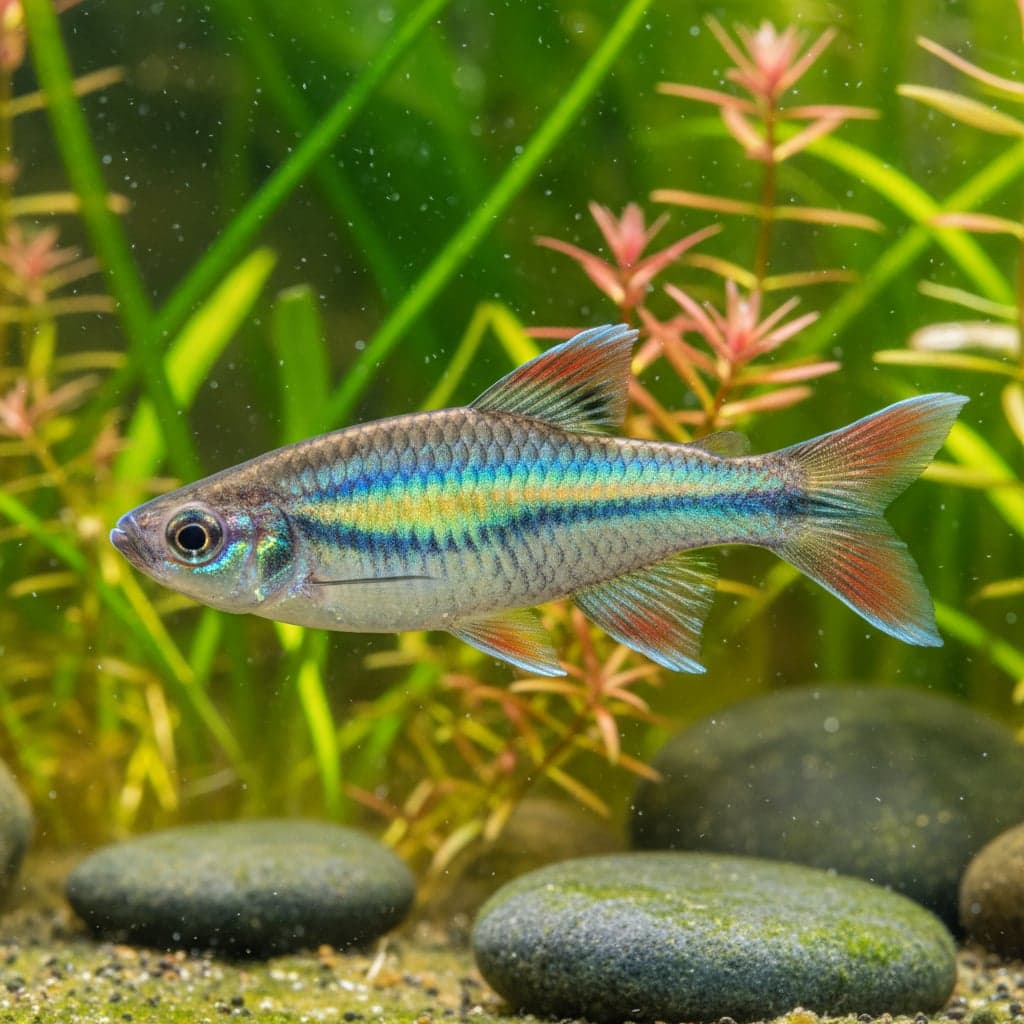
The Lake Wanam Rainbowfish (Glossolepis wanamensis), also known as the Emerald Rainbow, is a species of profound beauty and tragic rarity. Endemic to a single small lake in Papua New Guinea, it is defined by its extraordinary emerald-green iridescence and deeply "keeled" or compressed body profile. Adult males are an architectural marvel of the aquatic world, developing a massive vertical height relative to their length, often topped with a shimmering, metallic green or bronze glow that intensifies during courtship. Because they are critically endangered (possibly extinct in the wild due to invasive species), the Lake Wanam Rainbowfish is a species of immense conservation value, requiring a dedicated aquarist to maintain their genetic legacy in captivity.
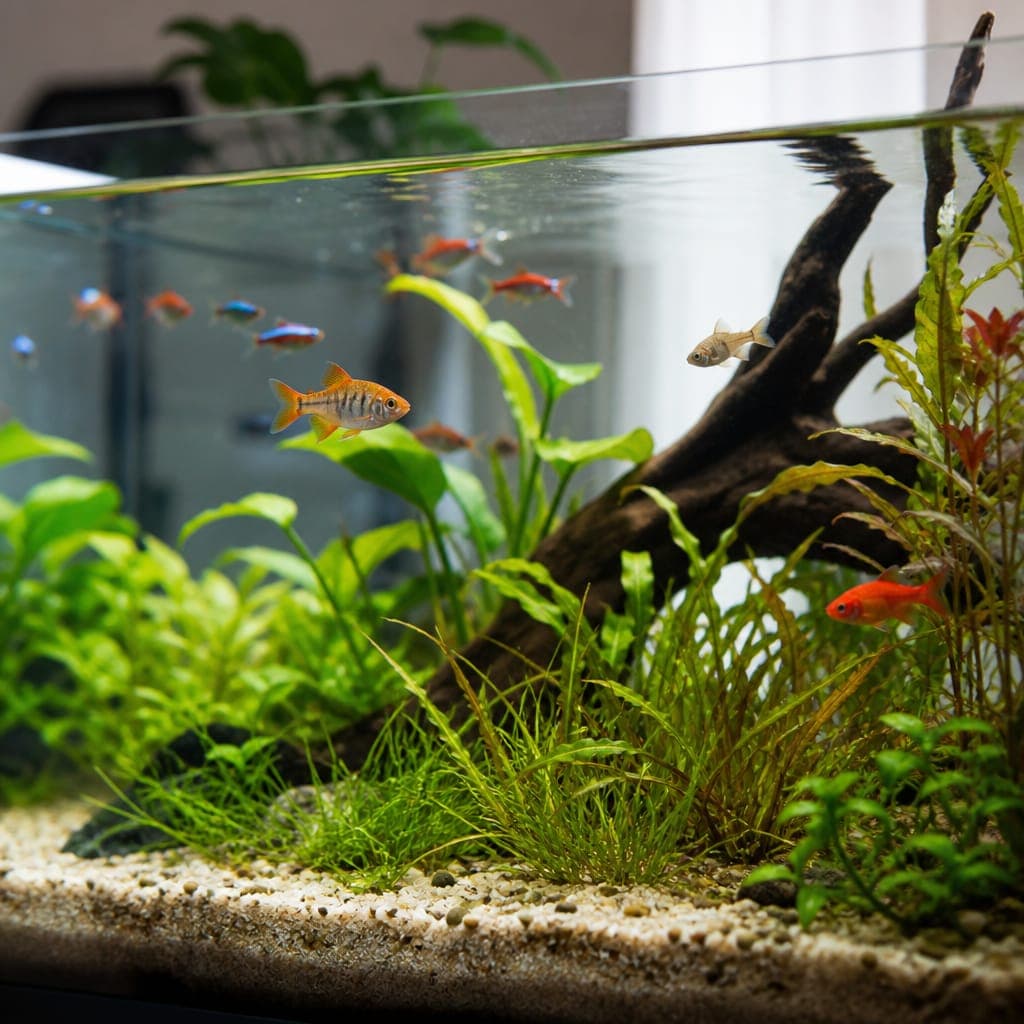
In the aquarium, they are sophisticated and tireless swimmers. They prefer the open waters of the mid-tank, where their iridescent green scales can catch the light as they move in loose, coordinated schools.
Natural Habitat & Origin
Glossolepis wanamensis is endemic strictly to Lake Wanam, a small, circular volcanic lake near Lae in the Morobe Province of Papua New Guinea. The lake is characterized by crystal-clear, alkaline water with an average pH of 7.8 to 8.2 and a floor of fine silt and aquatic vegetation. In the wild, they are found in shallow areas with dense growths of Vallisneria and Ceratophyllum. Their habitat has been severely impacted by the introduction of invasive Tilapia and Carp, making aquarium-bred populations the last stronghold for the species.
Care Requirements
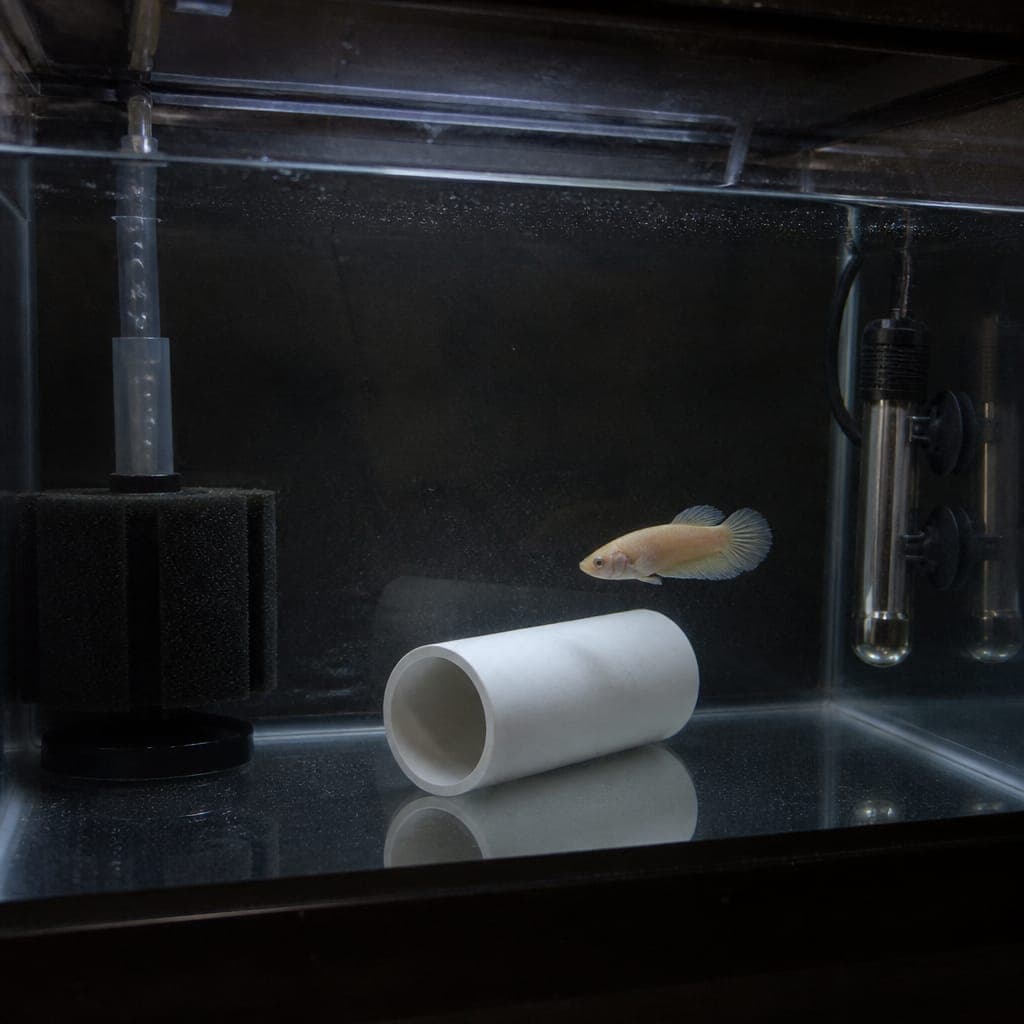
The Lake Wanam Rainbowfish is a sensitive species that requires pristine water quality and specific alkaline parameters. A minimum tank size of 40 gallons (150L) is required for a small group.
Maintain stable parameters: a pH of 7.5 to 8.2 and a temperature of 75°F to 82°F (24°C to 28°C). Like its relative from Lake Kutubu, it must be kept in hard, alkaline water; soft or acidic conditions will lead to rapid health decline and loss of color. The aquarium must be well-lighted to encourage the growth of the aquatic plants they love and to showcase their emerald shimmer. A setup with heavy planting at the back (specifically Vallisneria) and wide-open areas in the front for swimming is essential. They are active and energetic, requiring a long tank for their high-speed bursts.
Diet & Feeding
They are opportunistic omnivores that feed on surface insects and micro-crustaceans.
In captivity, they require a varied and high-quality diet:
- High-quality marine-based flakes and pellets should be the staple.
- They relish live or frozen foods: Mysis shrimp, enriched Brine shrimp, and Bloodworms.
- They also benefit from regular vegetable matter: spirulina flakes or fine algae.
- Tip: To maintain their unique emerald "glow," ensure their diet is rich in diverse proteins. They are specialized surface and mid-water feeders.
Behavior & Temperament
They are strictly peaceful and social. They MUST be kept in a group of at least 6 to 8 individuals to feel secure and display their best colors. In a healthy group, males will periodically engage in elaborate "sparring" displays, circling each other with fins fully flared and their green iridescence reaching peak intensity. They are compatible with a wide range of tank mates, provided they can handle the high-energy nature of a rainbowfish school and share the same hard-water requirements.
Tank Mates
Suitable tank mates are other peaceful species that share their alkaline requirements:
- Other Rainbowfish (like Boesemani or Lacustris)
- Medium-sized Rainbowfish relatives (Blue-eyes)
- Corydoras (on sand)
- peaceful Barbs or Danios
- Ancistrus (Bristlenose Plecos)
Avoid keeping them with aggressive or large-mouthed predators, as the Wanam Rainbowfish is relatively small and peaceful.
Breeding
Breeding the Lake Wanam Rainbowfish is a rewarding way to contribute to the survival of the species. They are continuous egg scatterers. Spawning is usually a daily occurrence in a healthy, well-fed group. They prefer to lay their adhesive eggs among fine-leaved plants or spawning mops. For dedicated conservation breeding, it is best to move the spawning mops to a separate hatching tank daily. The fry hatch in about 7 to 10 days and are extremely small, requiring infusoria or "liquid" fry food for the first week before they can take Baby Brine Shrimp.
Common Health Issues
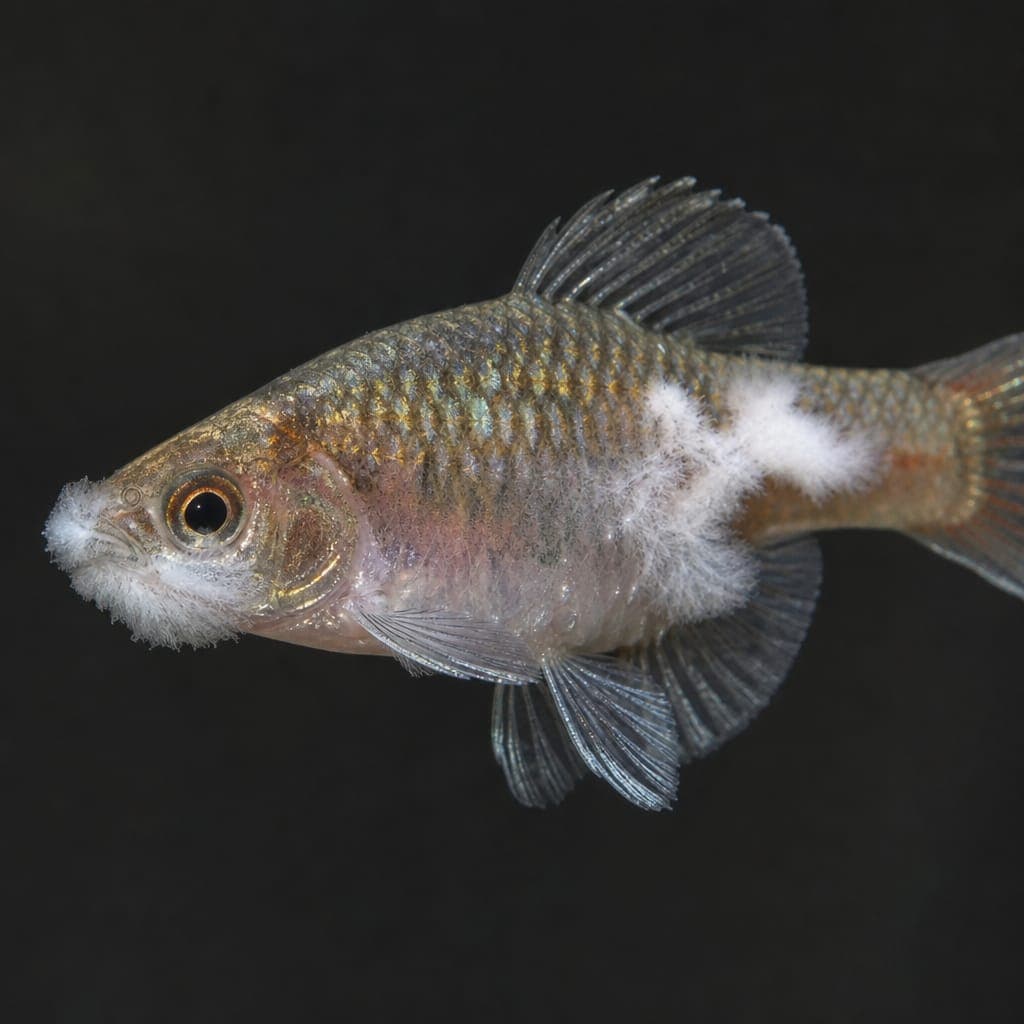
The primary health concern is sensitivity to nitrates and water quality fluctuations. They are also susceptible to Mycobacteriosis and Columnaris if the tank is neglected or if they are kept in acidic water. Maintaining hard, alkaline, and crystal-clear water with high oxygenation is the only way to ensure the radiant "Emerald of Lake Wanam" continues to survive in the hobby.