Lampeye: Poropanchax normani
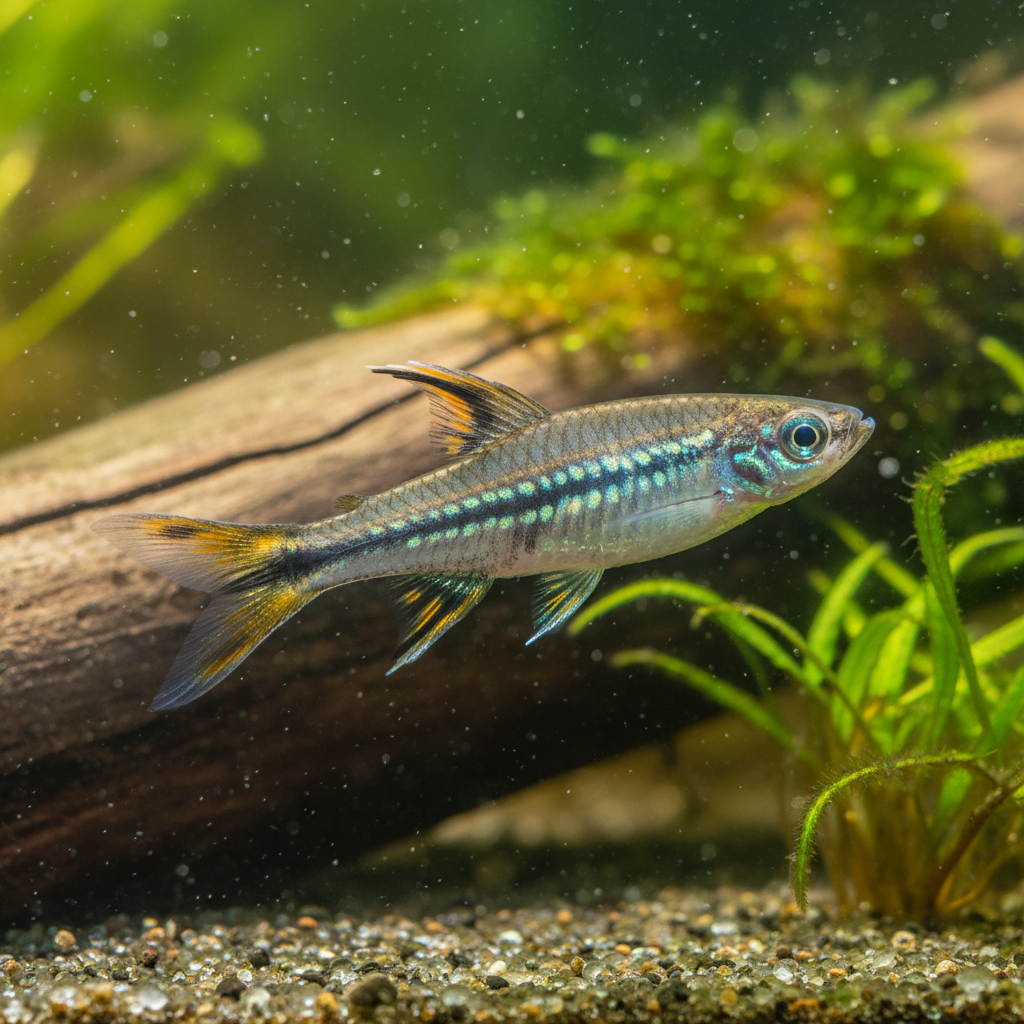
The Norman's Lampeye (Poropanchax normani) is a miniature masterpiece from Africa, defined by its glass-like transparency and its startlingly bright, glowing blue "headlight" eyes.
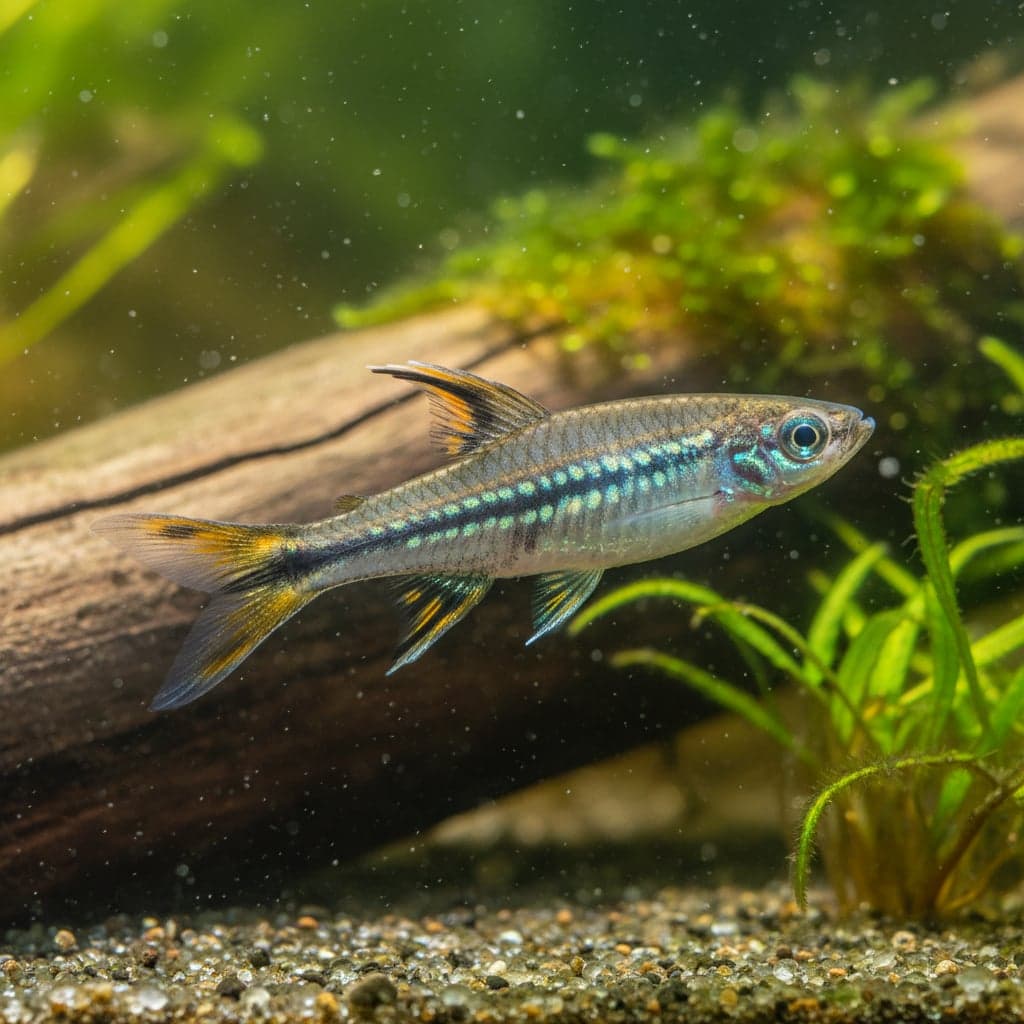
The Norman's Lampeye (Poropanchax normani), often simply called the Lampeye Killie, is a fish defined by a single, spectacular feature: its luminous, bright blue eyes. While the body of the fish is almost completely transparent with a subtle silver or violet sheen, the upper half of the iris contains a layer of specialized reflective cells that catch even the dimmest light, creating a "glow-in-the-dark" effect similar to a neon sign. For the nano-aquarium enthusiast, the Lampeye is a kinetic, open-water swimmer that brings a high-end, futuristic aesthetic to the upper water column—especially when kept in large schools where the rhythmic flashing of their "headlight" eyes creates a mesmerizing display.
In the aquarium, they are the epitome of constant energy. They are tight-schooling fish that prefer the upper levels of the tank, darting through the water column with a sense of purpose and social coordination.
Natural Habitat & Origin
Poropanchax normani is widely distributed across West and Central Africa, from Senegal to the Central African Republic. They inhabit shallow, slow-moving rivers, swamps, and marshes characterized by clear, high-oxygen water and dense aquatic vegetation. Unlike the "annual" killifish that live in temporary puddles, the Lampeye is a "non-annual" species that lives in permanent water bodies. They are often found in the margins of forest streams where the canopy provides dappled shade, making their reflective eyes a critical adaptation for keeping the school together in the shadows.
Care Requirements
The Lampeye is a hardy species but requires pristine water quality and high oxygenation. A minimum tank size of 10 gallons (40L) is required for a small school.
Maintain stable parameters: a pH of 6.0 to 7.2 and a temperature of 72°F to 79°F (22°C to 26°C). They are highly sensitive to high nitrates and ammonia; a well-cycled tank and regular, small water changes are essential. The aquarium should be designed with a dark substrate and plenty of aquatic plants (like Eleocharis or Rotala) to provide security while leaving the upper center open for their active swimming. While they inhabit slow-moving waters, they do appreciate a gentle, rhythmic flow to maintain high oxygen levels. TIP: They are extremely small and can be easily sucked into standard filters; a sponge-covered intake or a gentle air-driven sponge filter is highly recommended.
Diet & Feeding
They are micropredators that feed on tiny insects and crustaceans that fall onto the water's surface or drift in the current.
In captivity, they require a varied and high-protein diet:
- High-quality micro-pellets and crushed flakes should be the staple.
- They MUST have frequent offerings of live or frozen foods: Baby Brine Shrimp, Cyclops, Daphnia, and finely chopped Bloodworms.
- Tip: Because they are small and highly active, they have a very fast metabolism. Feeding twice a day in small amounts is ideal to keep their energy levels stable and their "glow" intense.
- They are surface-oriented feeders and will rarely dive for food that has reached the substrate.
Behavior & Temperament
They are exceptionally peaceful and social. They MUST be kept in groups of at least 10 to 12 individuals; in smaller numbers, they become shy, stay hidden, and may stop feeding. They are a "shoaling" species that will not harass or nip at other species. They are compatible with almost any peaceful community fish, including delicate shrimp species, as their tiny mouths make them safe for even the smallest dwarf shrimp.
Tank Mates
Suitable tank mates are other peaceful species from similar environments:
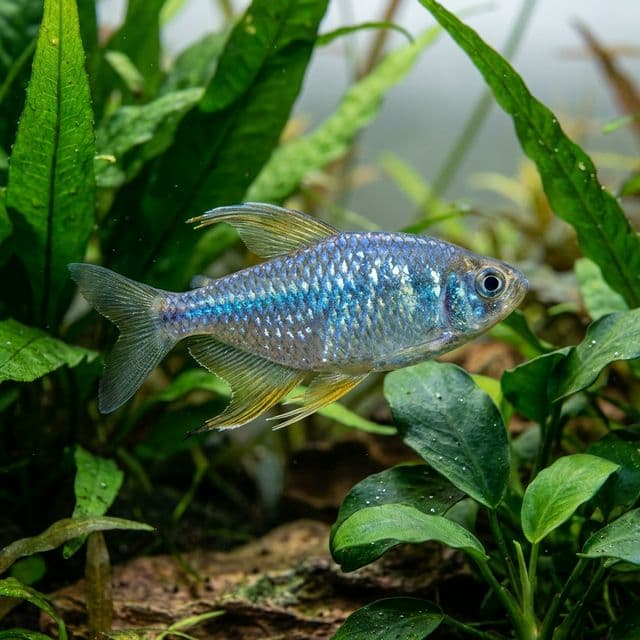
- Other small Rasboras and Tetras
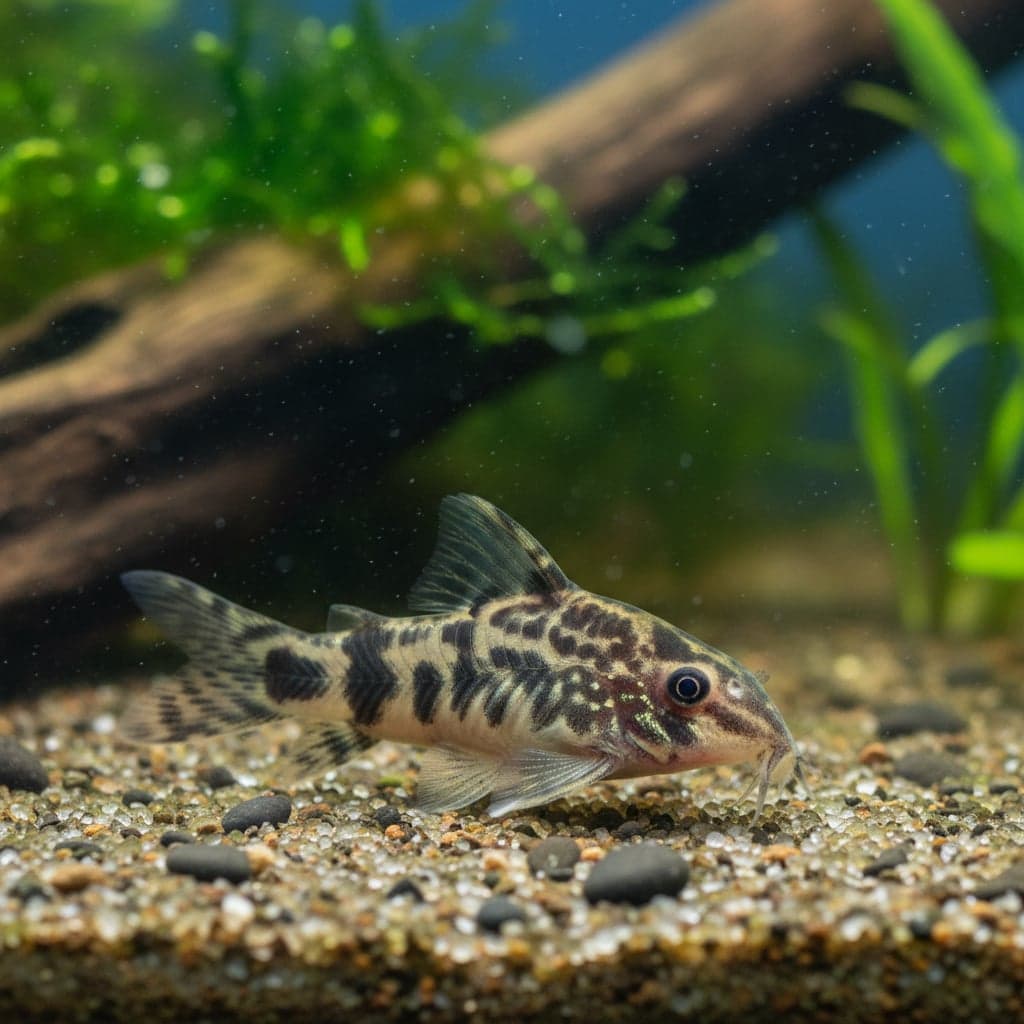
- Corydoras and Otocinclus
- Honey Gouramis
- Small Killifish
- Freshwater Shrimp (Cherry or Crystal Shrimp)
Avoid keeping them with large, predatory, or overly aggressive fish (like African Cichlids or large Gouramis) that might view the tiny killifish as food or stress them out.
Breeding
Breeding the Lampeye is relatively easy and often happens spontaneously in a well-planted aquarium. They are continuous spawners, daily laying a small number of adhesive eggs among fine-leaved plants like Java Moss. For dedicated breeding, it is best to move a group of adults to a separate tank for several days and then remove them. The fry hatch in about 10 to 14 days and are extremely small, requiring infusoria or "liquid" fry food as their first food before they can take Baby Brine Shrimp.
Common Health Issues
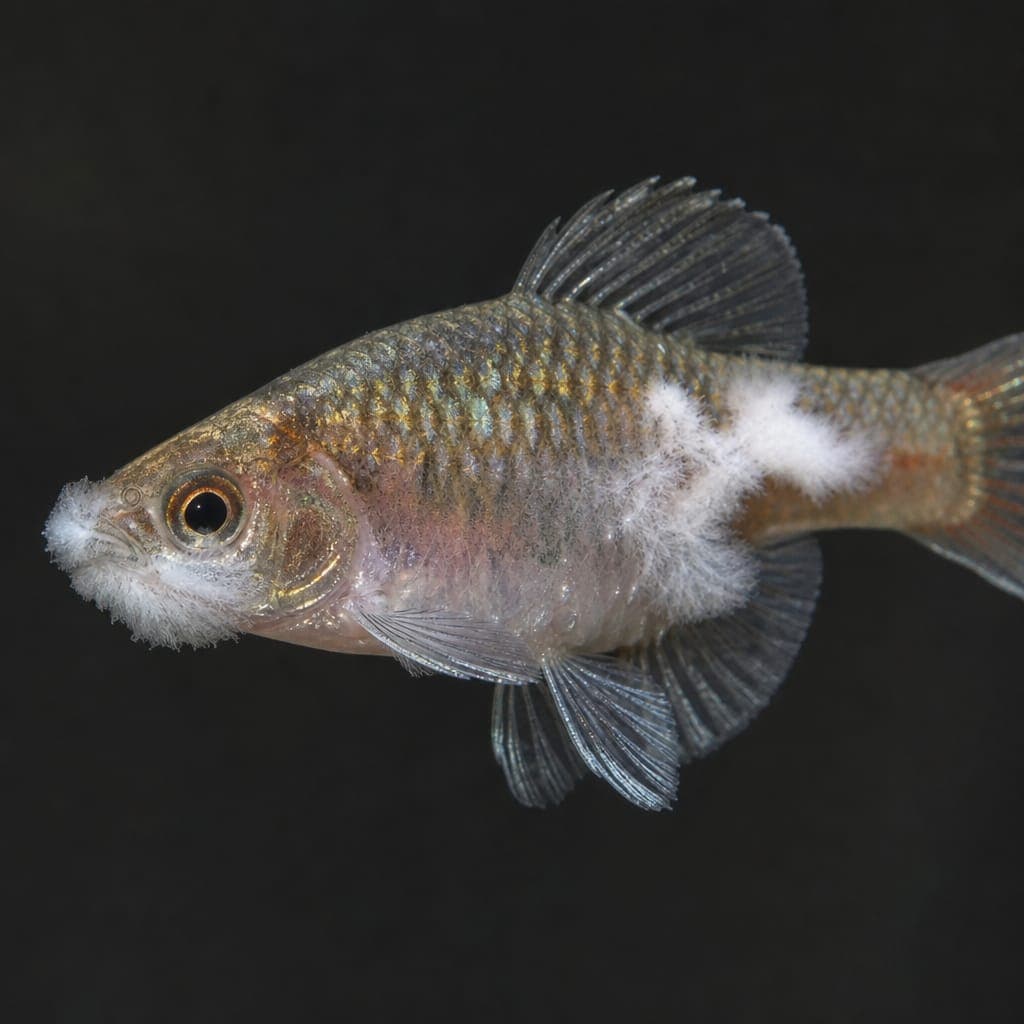
The primary health concern is stress-induced Ich or fungal infections if water quality is poor or if oxygen levels drop. They are also sensitive to medications; always use half-strength doses if treatment is required. Maintaining a stable, well-oxygenated, and clean environment with a large, social school is the best way to ensure the glowing Lampeye remains the high-speed star of your African biotope.