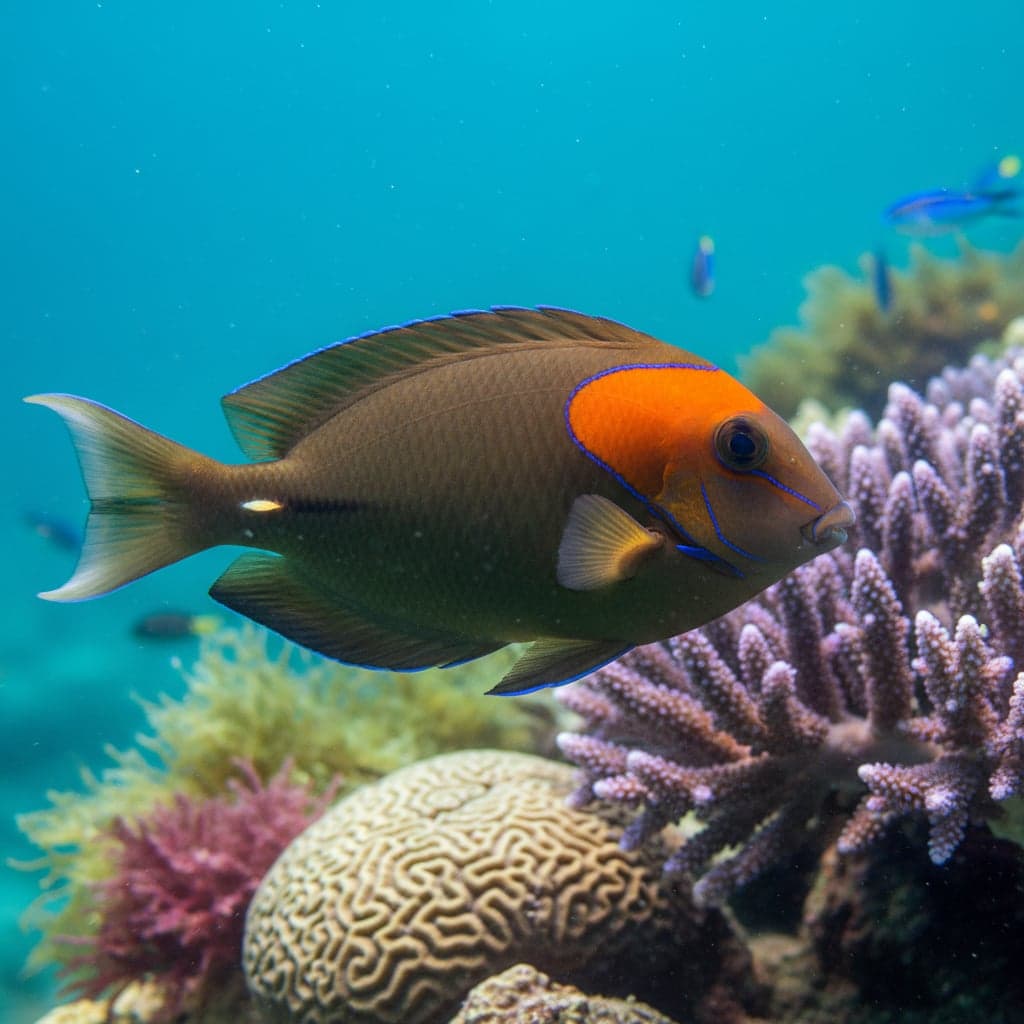
Lavender Tang: Acanthurus nigrofuscus
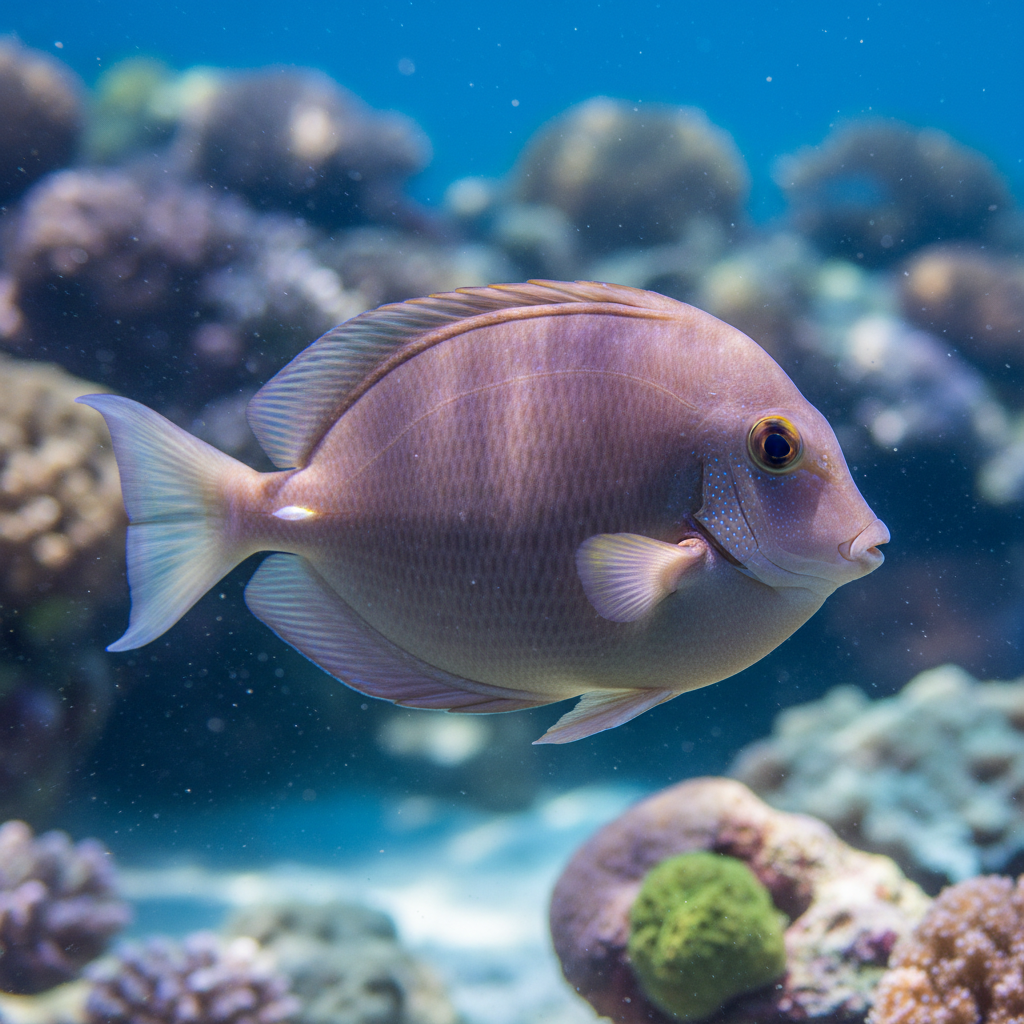
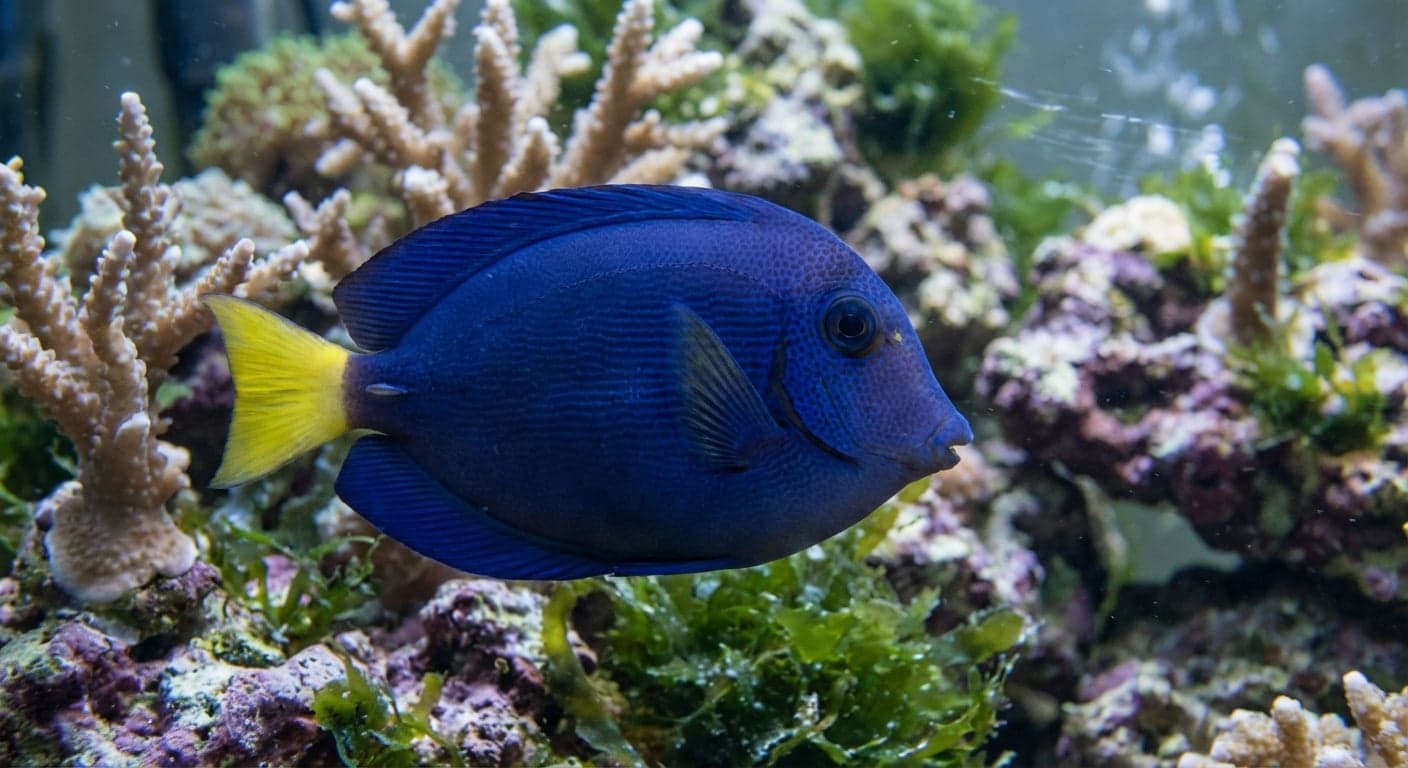
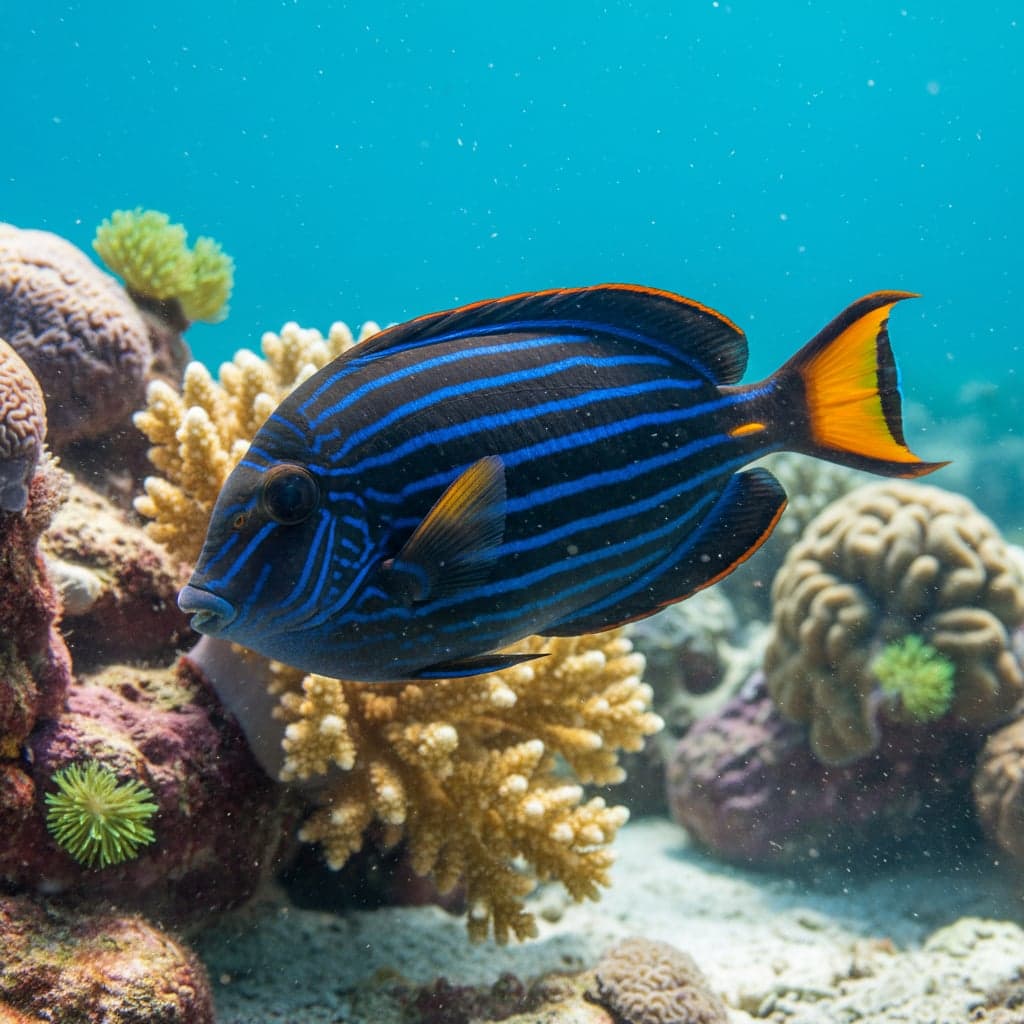
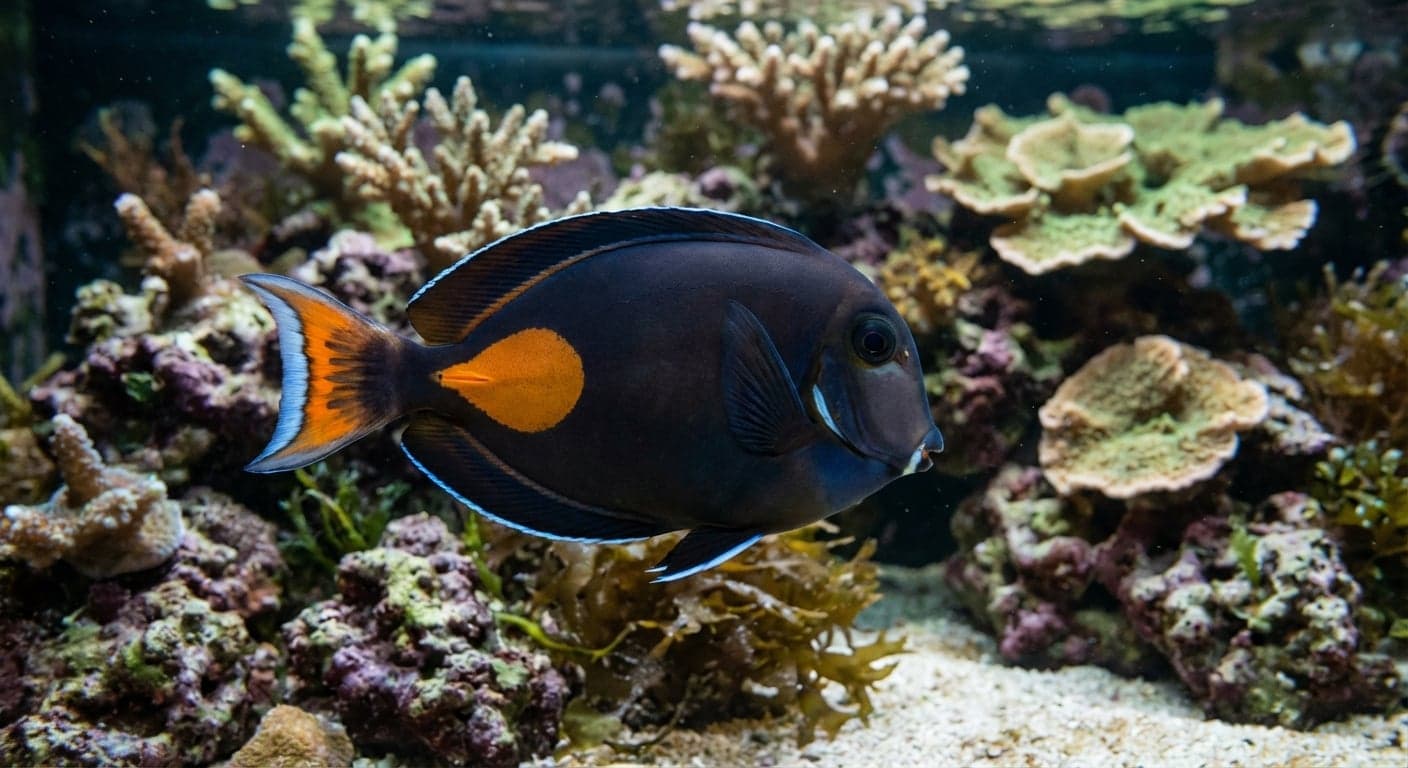
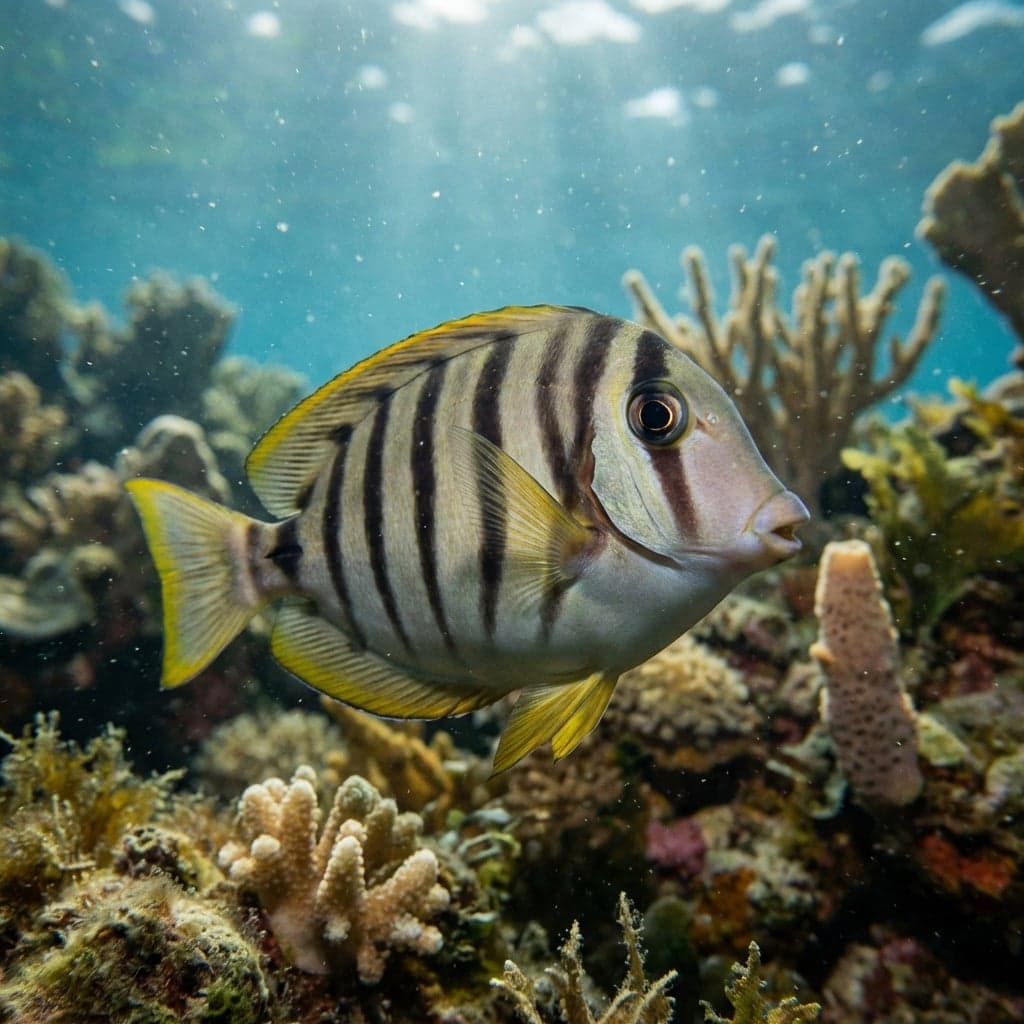
The Lavender Tang (Acanthurus nigrofuscus) is a robust and efficient reef grazer, defined by its dusky lavender-brown coloration and the intricate orange speckling across its head.
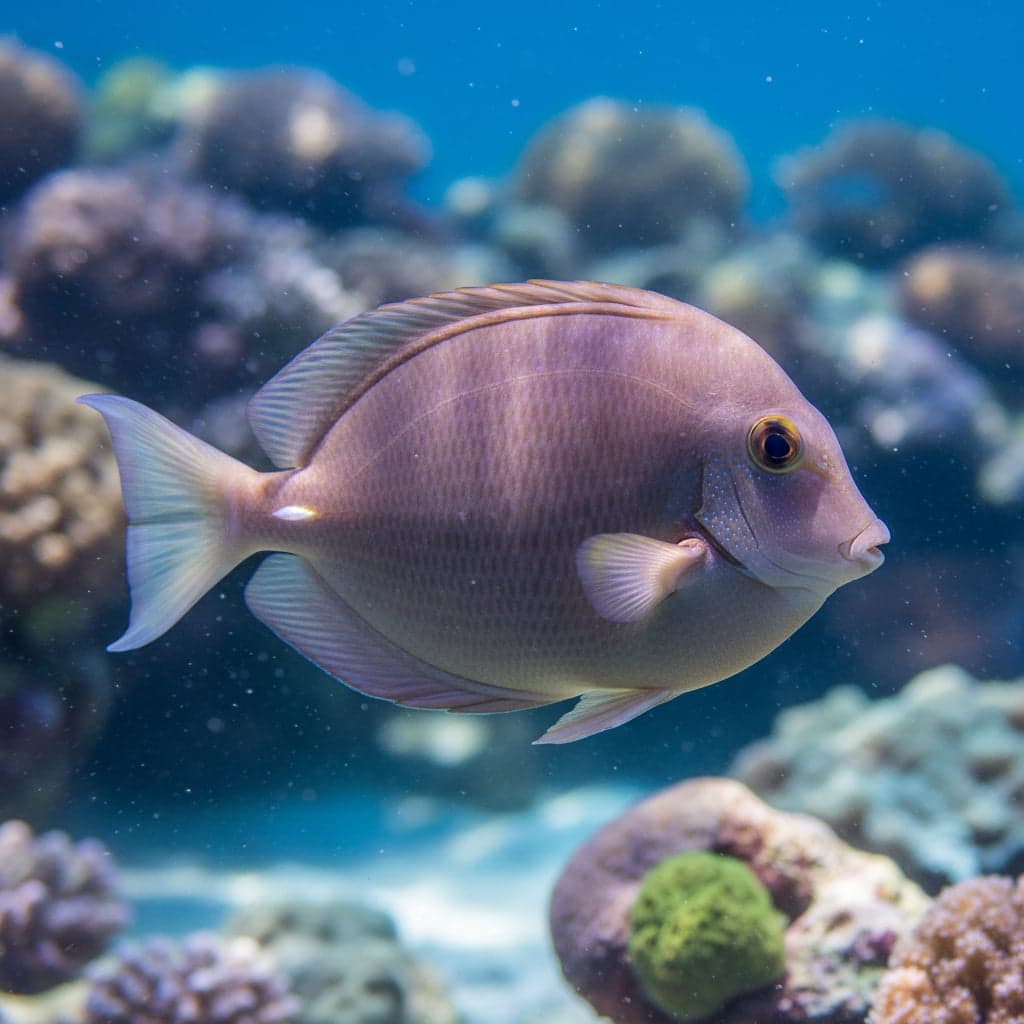
The Lavender Tang (Acanthurus nigrofuscus), also known as the Brown Surgeonfish or Dusky Surgeonfish, is an understated workhorse of the marine aquarium. While often overshadowed by brighter tangs, it is defined by a deep, dusky lavender-to-charcoal body and a spectacular array of tiny orange or gold spots that cover its face and shoulders. Its most definitive taxonomic features are the two small black spots located at the posterior base of both the dorsal and anal fins. For the marine aquarist, the Lavender Tang is one of the most efficient algae-grazing species available, moving across the reef with a relentless energy that helps keep pesky filamentous algae under control.
In the aquarium, they are active and social. Unlike many tangs that are strictly solitary, the Lavender Tang frequently forms groups in the wild and can often be kept with other tangs in a large enough system with plenty of flow.
Natural Habitat & Origin
Acanthurus nigrofuscus is one of the most widely distributed surgeonfish in the Indo-Pacific, found from the Red Sea and East Africa to the Hawaiian and Tuamotu Islands. They are shallow-reef generalists, typically inhabiting reef flats and seaward reef slopes at depths of 1 to 25 meters. These areas are characterized by constant surge and high sunlight, which fuels the rapid growth of the filamentous algae they depend on. In the wild, they often form massive grazing schools that "swarm" the reef, overwhelming more territorial damselfish to graze on their protected algae patches.
Care Requirements
The Lavender Tang is a hardy species but requires significant swimming space and high-flow water. A minimum tank size of 75 gallons (300L) is required for an adult, ideally in a mature tank with established live rock.
Maintain stable marine parameters: a pH of 8.1 to 8.4 and a temperature of 75°F to 81°F (24°C to 27°C). Like all Acanthurus species, they are highly oxygen-dependent; high surface agitation and powerful powerheads are essential. They require a "clean" environment with low nitrates, as they are susceptible to skin irritations in stagnant or nutrient-rich water. Providing a "reef-like" structure with multiple caves and open-water passages is necessary for their constant swimming patrols.
Diet & Feeding
They are strictly herbivorous, naturally grazing on a variety of filamentous and fleshy algae.
In captivity, their diet must be centered on vegetable matter:
- High-quality dried seaweed (Nori) should be provided daily.
- Herbivore pellets and flakes enriched with spirulina should be the staple.
- They also benefit from frozen preparations designed for herbivores.
- Tip: To maintain their health and immune system, soak their food in a vitamin and garlic supplement. This is particularly important for tangs, as they are prone to nutritional deficiencies.
- While they will eat meaty foods like Mysis, these should only be a secondary supplement; too much protein can lead to digestive issues.
Behavior & Temperament
They are active and semi-aggressive. They are generally peaceful toward non-tangs but can be territorial toward other surgeonfish, especially those with a similar body shape. In a large enough aquarium, they can be kept in a group if introduced simultaneously. Like all surgeonfish, they possess a sharp, retractable "scalpel" at the base of their tail for defense. They are entirely reef-safe, ignoring corals and most invertebrates, as their mouths are specialized for scraping algae from the rockwork.
Tank Mates
Suitable tank mates are other active reef fish:
- Larger Wrasses and Anthias
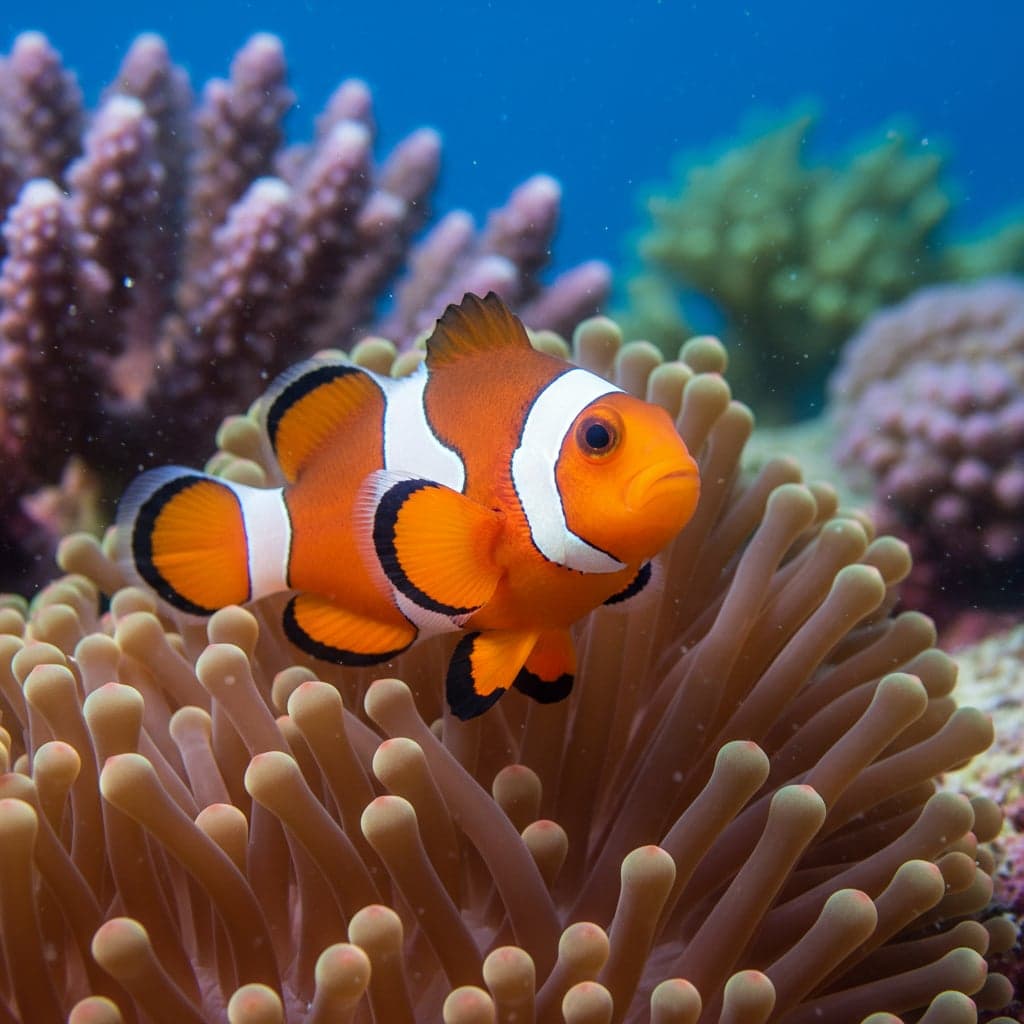
- Clownfish
- Butterflyfish
- Other Tangs (like the Yellow or Sailfin Tang, with caution and in large tanks)
- Ancistrus or Blennies (grazing competitors)
Avoid keeping them in very small tanks with timid or slow-moving fish that might be stressed by the constant, high-speed movement of the Lavender Tang.
Breeding
Breeding the Lavender Tang in captivity is extremely rare. They are broadcast spawners. In the wild, they form large aggregations at dusk, rising into the water column to release eggs and sperm. While spawning behavior and "rises" are occasionally observed in massive, stable reef systems, rearing the tiny pelagic larvae is a sophisticated challenge that has not been standardized in the hobby.
Common Health Issues
The primary health concern is Ich (Cryptocaryon) and Marine Velvet. Tangs are often referred to as "Ich magnets" because they have a thinner mucus coat than many other fish. A strict quarantine period and the use of UV sterilization are highly recommended. Providing a high-flow, high-oxygen environment with a diet rich in high-quality seaweed is the best way to ensure the robust Lavender Tang remains a long-term reef-cleaning partner.